Plizio Visual Lab
Mar Chiquita
Weather…
Water temperature…
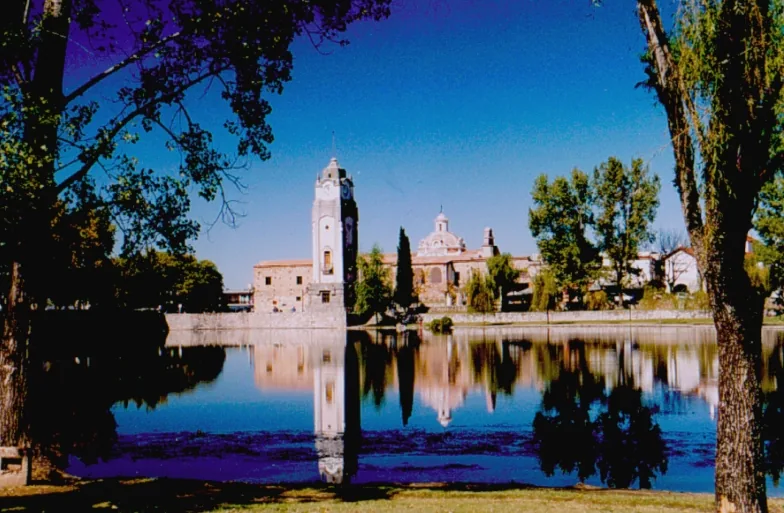
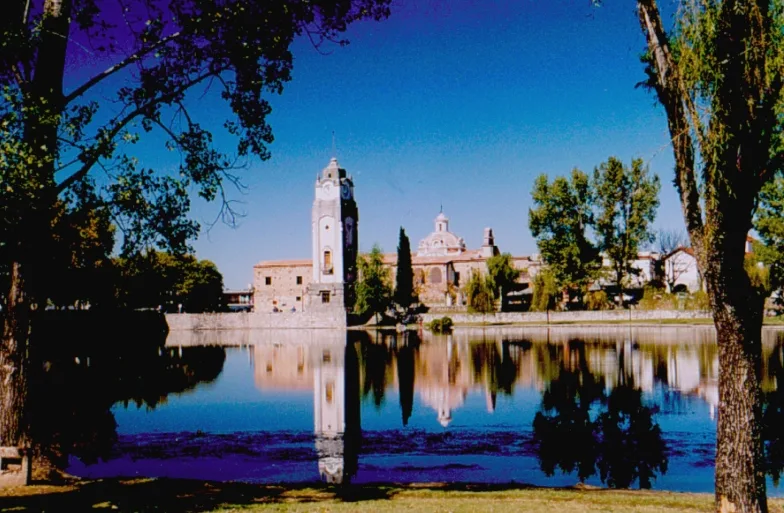
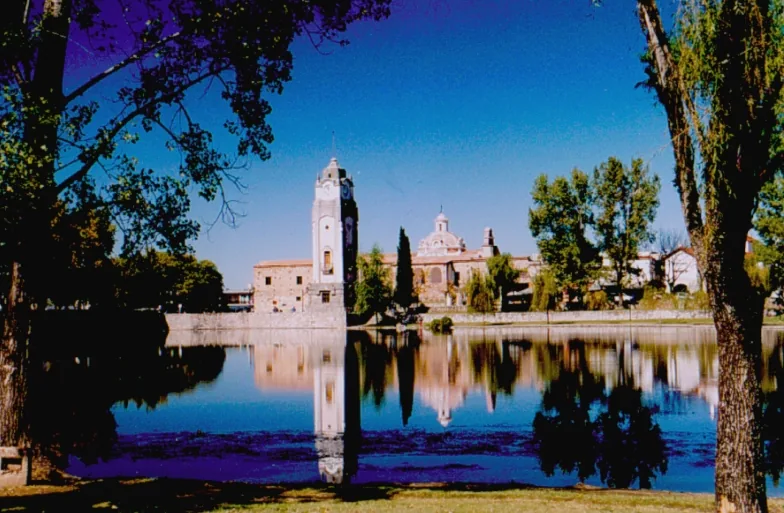
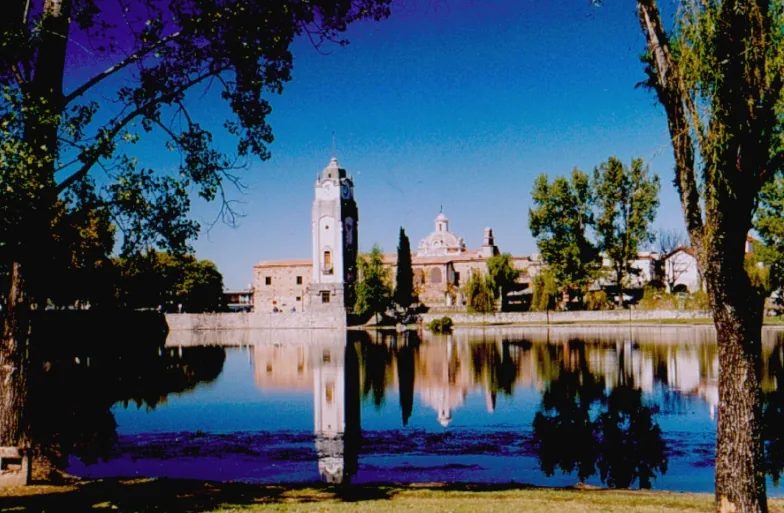
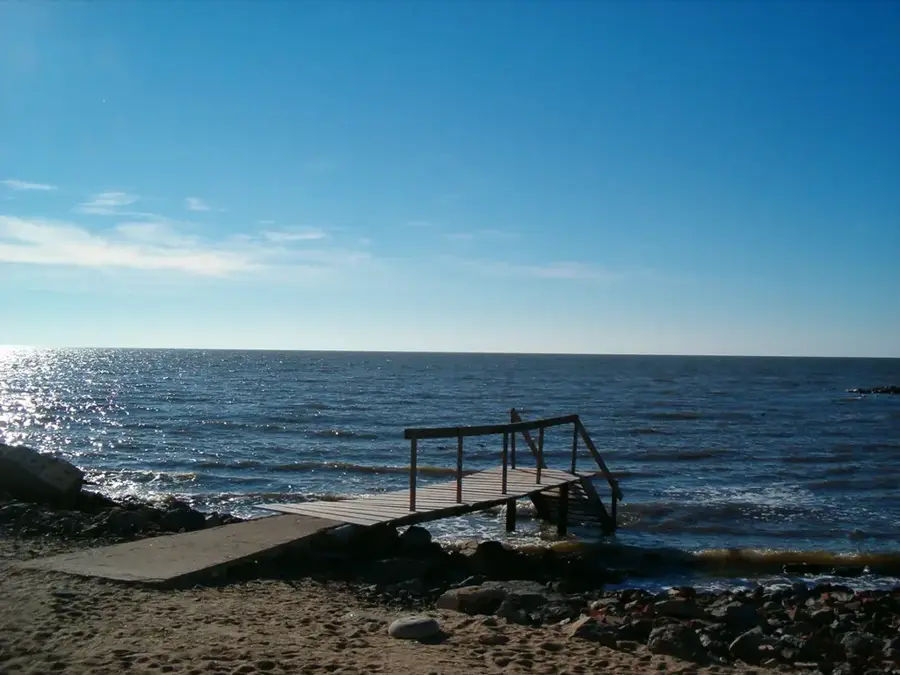
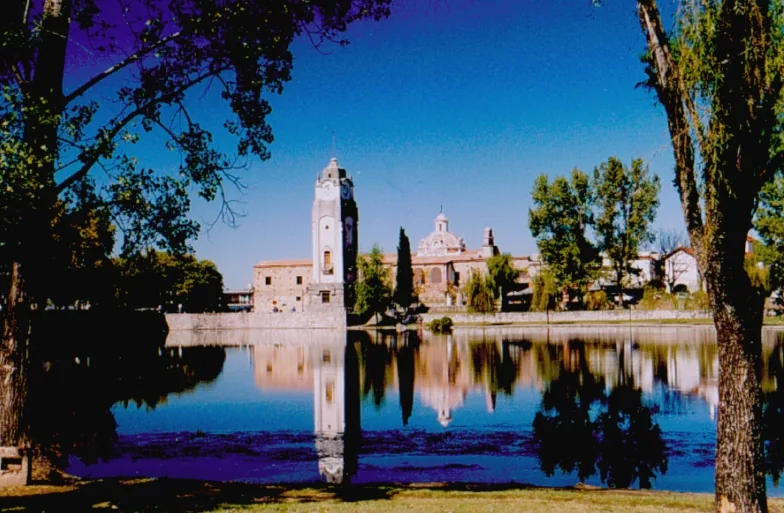
Mar Chiquita, also known as the Ansenuza Sea, is a massive endorheic salt lake in the northeast of Córdoba Province. It is one of the largest salt lakes in the world and the most significant wetland in central Argentina. The salinity of the water varies significantly depending on rainfall levels, occasionally reaching concentrations similar to the Dead Sea during dry periods. This unique environment provides a vital habitat for hundreds of thousands of migratory birds, most notably three species of flamingos that breed here in enormous colonies. In 2022, the area was declared the Ansenuza National Park to permanently protect its fragile biodiversity and vast mudflats. The town of Miramar on its shores is a popular spa destination, utilizing the therapeutic properties of the lake's salty water and mineral-rich mud.
- Location: Argentina
- Nearby: San Francisco (74 km)
Best time to visit & climate
The most pleasant time to visit is Apr, Sep, Oct.
| Jan | Feb | Mar | Apr | May | Jun | Jul | Aug | Sep | Oct | Nov | Dec | |
|---|---|---|---|---|---|---|---|---|---|---|---|---|
| Avg °C | 28 | 27 | 24 | 20 | 16 | 13 | 12 | 15 | 18 | 22 | 25 | 27 |
| Rain mm | 127 | 116 | 128 | 86 | 32 | 15 | 10 | 11 | 34 | 70 | 116 | 114 |
📋 Practical info
Geography
Facts
- Largest salt lake in Argentina and fourth largest in the world
- Surface area fluctuates between 2,000 and 6,000 square kilometers
- Home to three species of flamingos: Andean, Chilean, and James's
- Declared a National Park in 2022 to protect its unique ecosystem
- An endorheic basin where water only leaves through evaporation
- Salinity can reach up to 80 grams per liter in dry seasons
- Designated as a RAMSAR wetland of international importance
- Miramar de Ansenuza is its primary shoreline tourist town
Explore nearby
Notable places around

Route planner — Car & Motorhome
Where do you start? We build the route here, with stops and country notes along the way.
© OpenStreetMap contributors · OpenRouteService
Sights nearby
Frequently asked questions
Why is the lake salty?
What birds are there?
Are there tourist facilities?
Is the lake beneficial to health?
How to reach the lake?
Mar Chiquita: where is it located?
Mar Chiquita: when is the best time to visit?
Mar Chiquita: why is it worth visiting?
History & landmarks
More places