Attractions in Belgium
The finest attractions in Belgium at a glance: castles, natural wonders, historic old towns and more. Each place links to a detailed page with map, tips and photos.
Culture & History
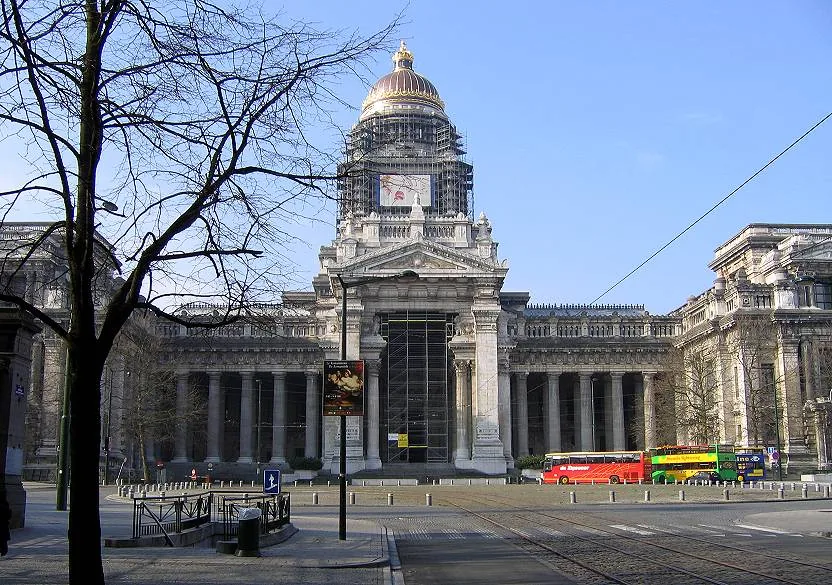
Palace of Justice of Brussels
The Palace of Justice is the most important courthouse in Belgium, located on the Galgenberg hill in Brussels.
Learn more →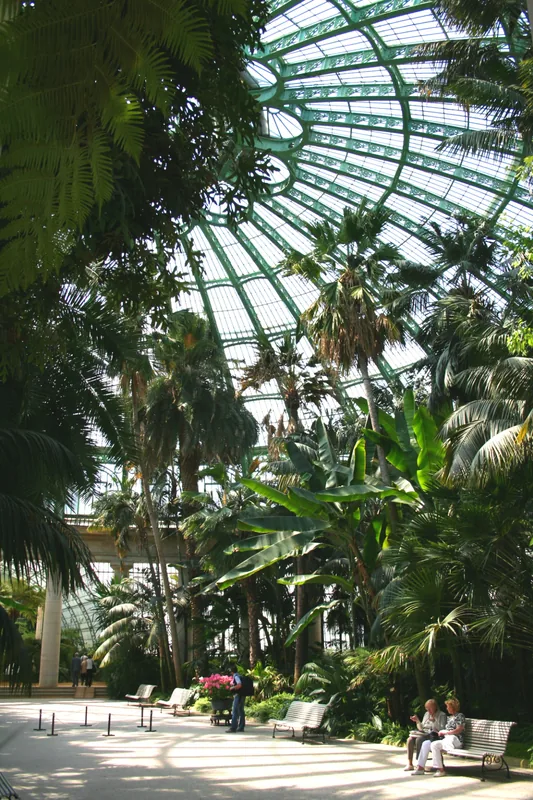
Royal Greenhouses of Laeken
The Royal Greenhouses of Laeken are a monumental complex of glass and iron structures in the park of the Royal Castle of Laeken.
Learn more →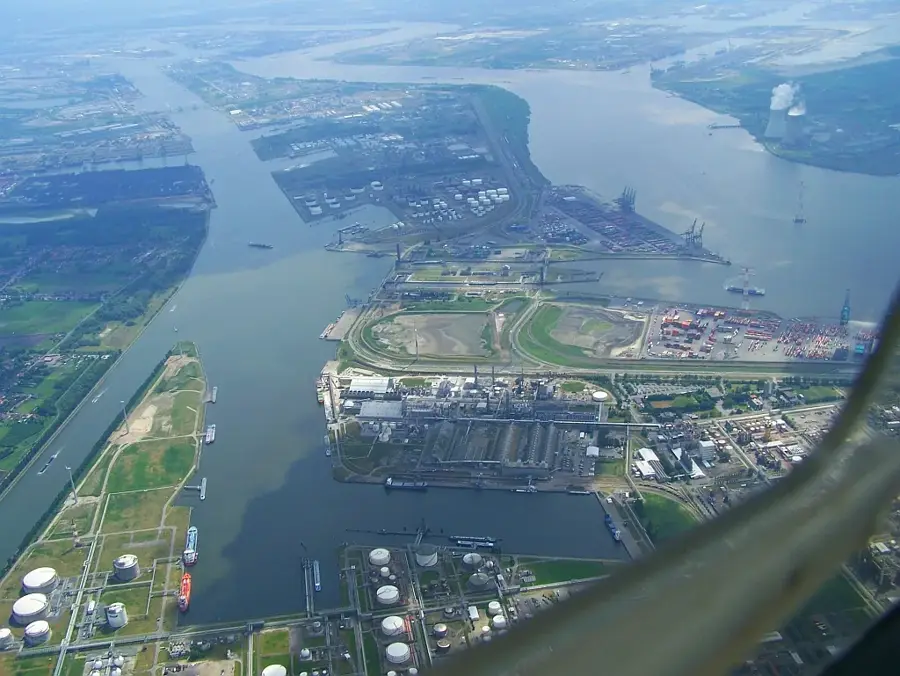
Antwerp Port House
The Port House in Antwerp is the headquarters of the port authority and an architectural landmark designed by Zaha Hadid.
Learn more →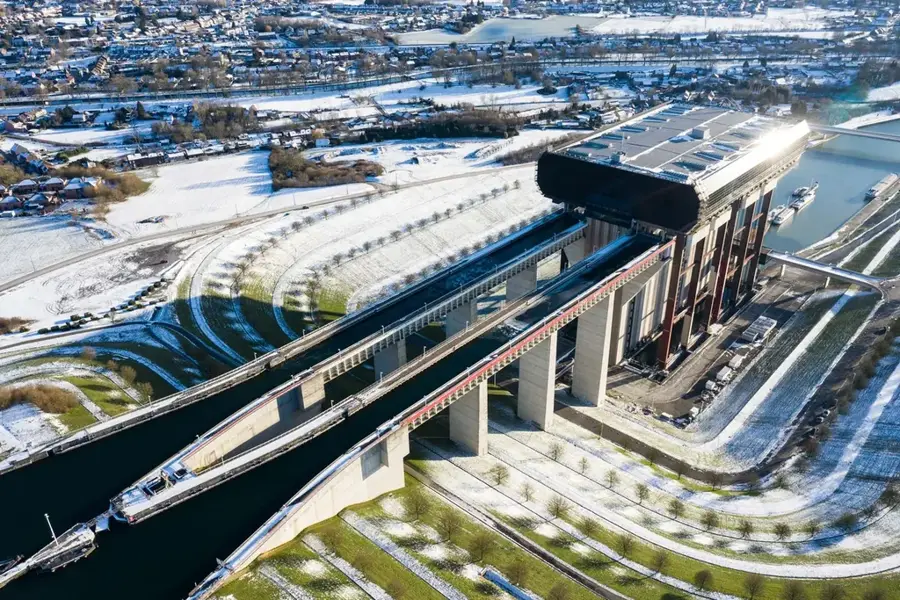
Strépy-Thieu Boat Lift
The Strépy-Thieu boat lift is one of the largest of its kind in the world.
Learn more →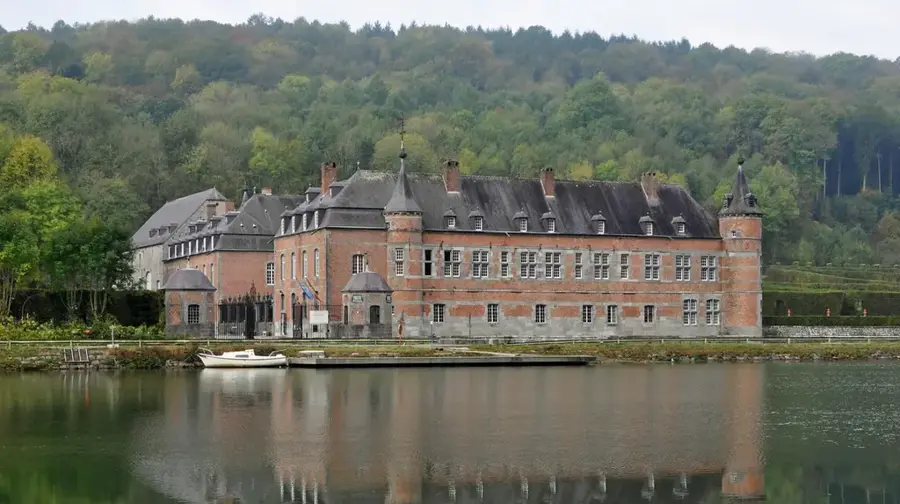
Castle of Freÿr
The Castle of Freÿr is a Renaissance-style castle located on the banks of the Meuse river near Dinant.
Learn more →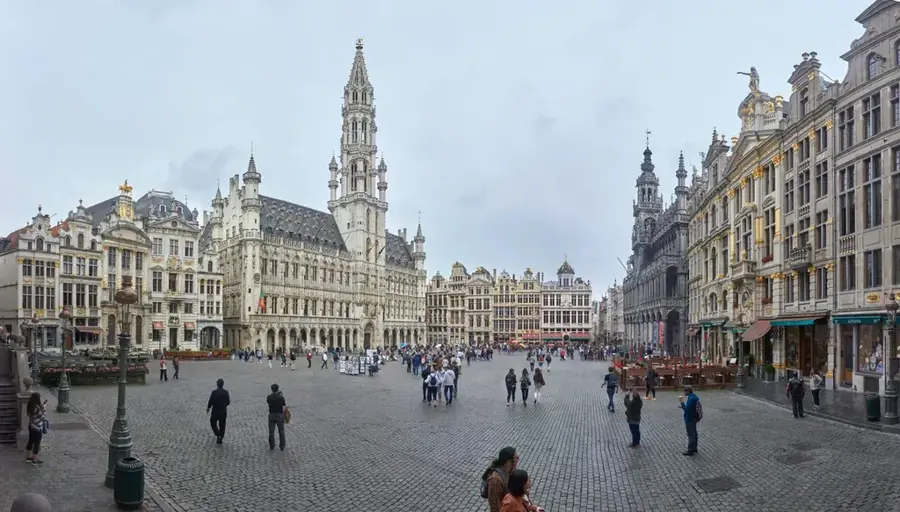
Grand Place
The central square of Brussels is surrounded by opulent guildhalls and the Gothic City Hall.
Learn more →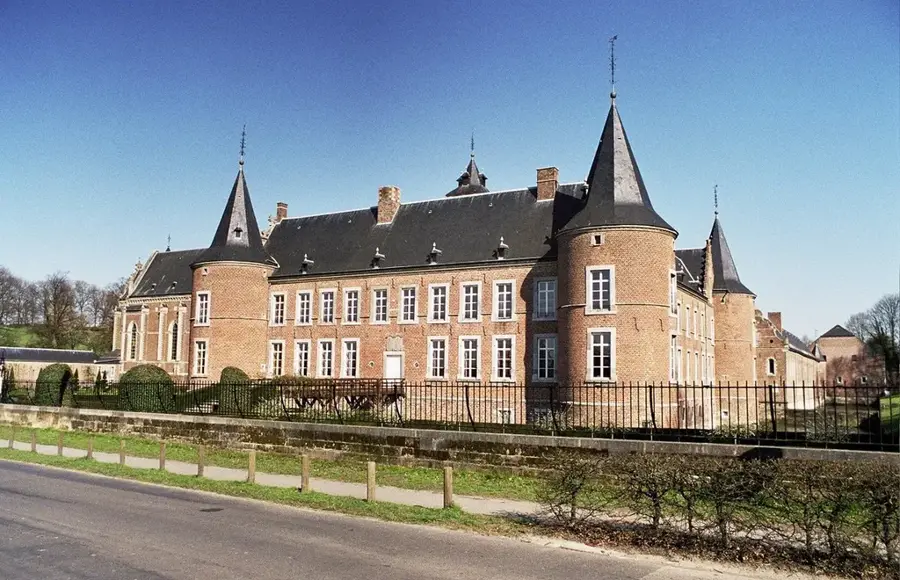
Alden Biesen Commandery
Alden Biesen is a historic grand commandery of the Teutonic Order located in Rijkhoven.
Learn more →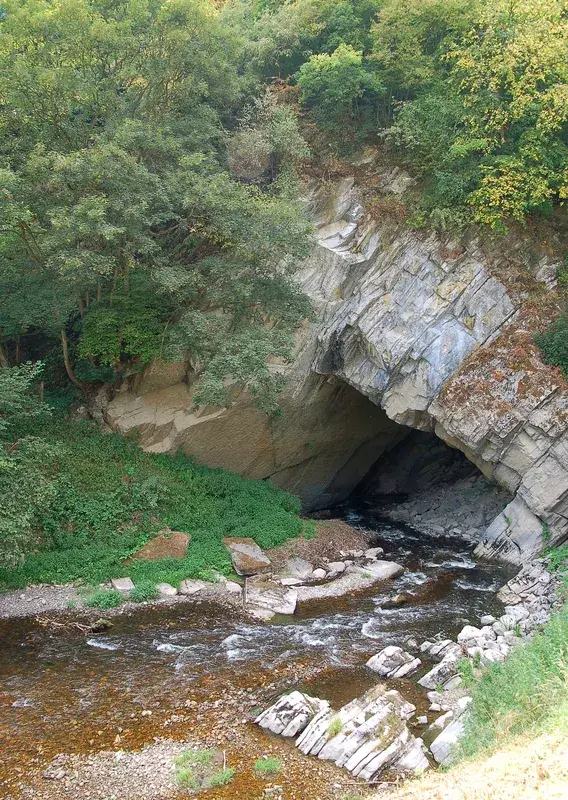
Caves of Han
The Caves of Han-sur-Lesse were carved by the river Lesse in the Ardennes.
Learn more →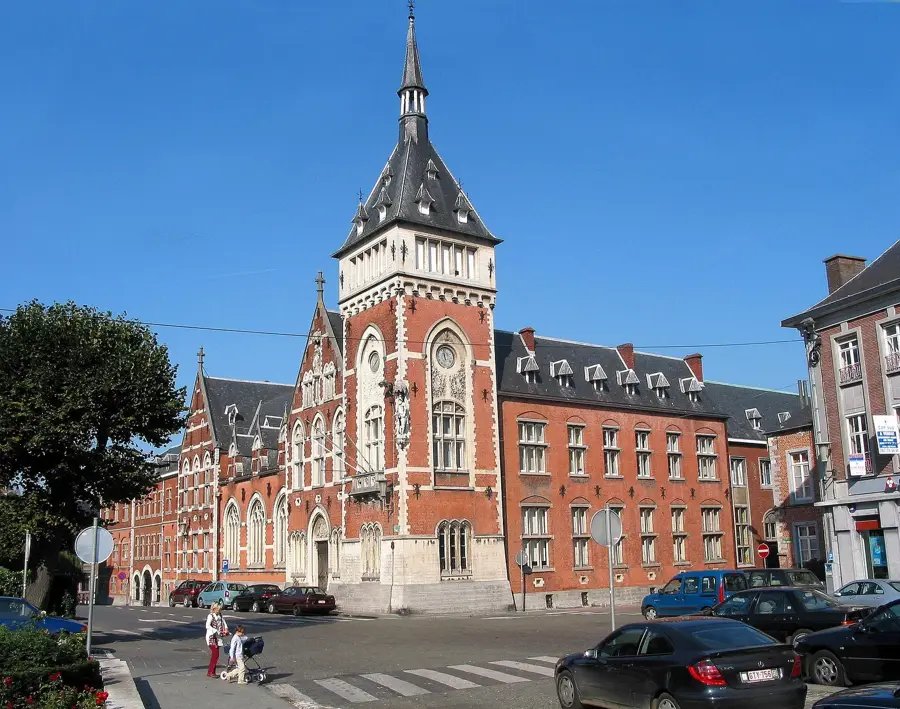
Nivelles Business Park
The Nivelles Business Park is a significant location for pharmaceutical logistics and light industry in Wallonia.
Learn more →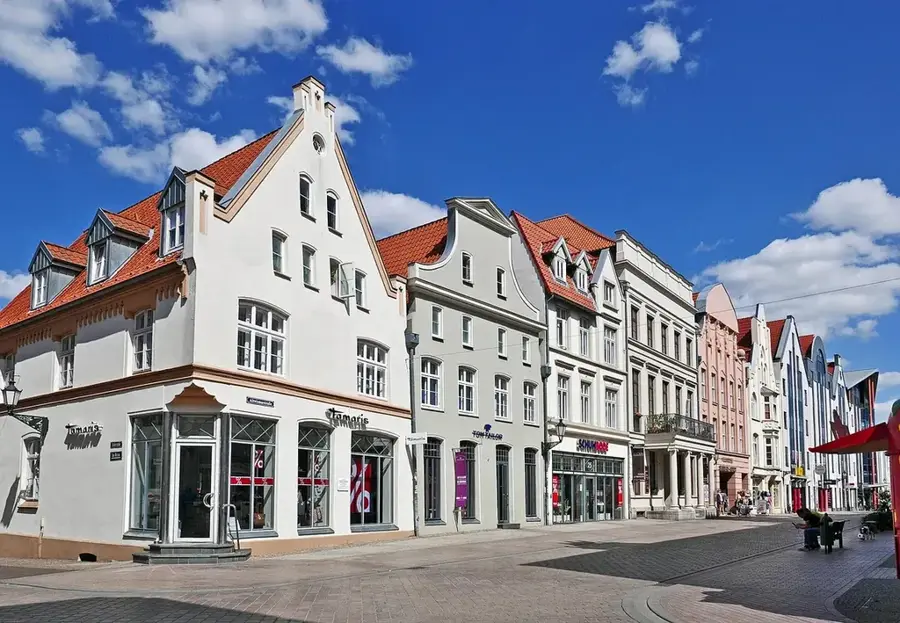
Maasmechelen Retail Zone
Maasmechelen Village is a major outlet center and a key factor for tourism and retail in the border region.
Learn more →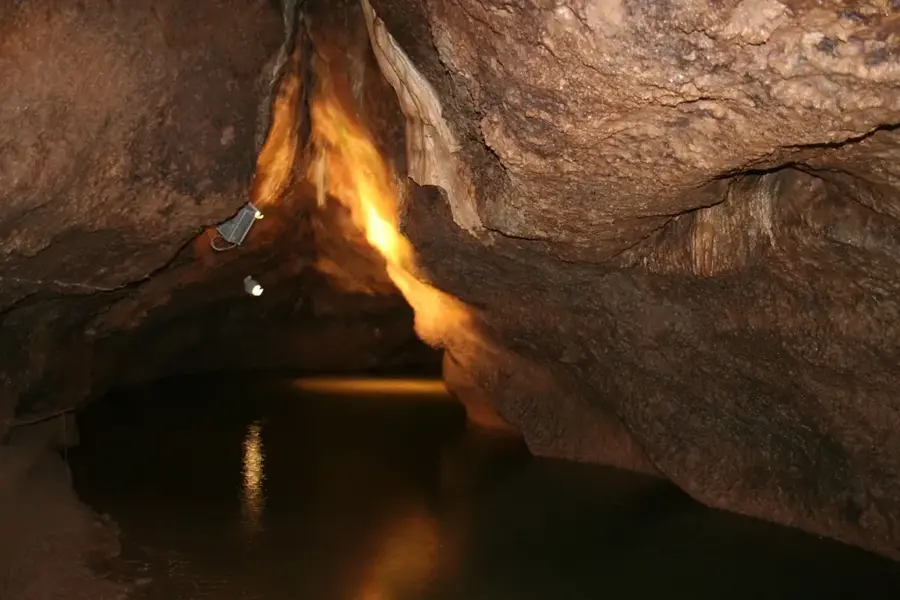
Remouchamps Caves
This cave system houses the longest underground navigable river in the world.
Learn more →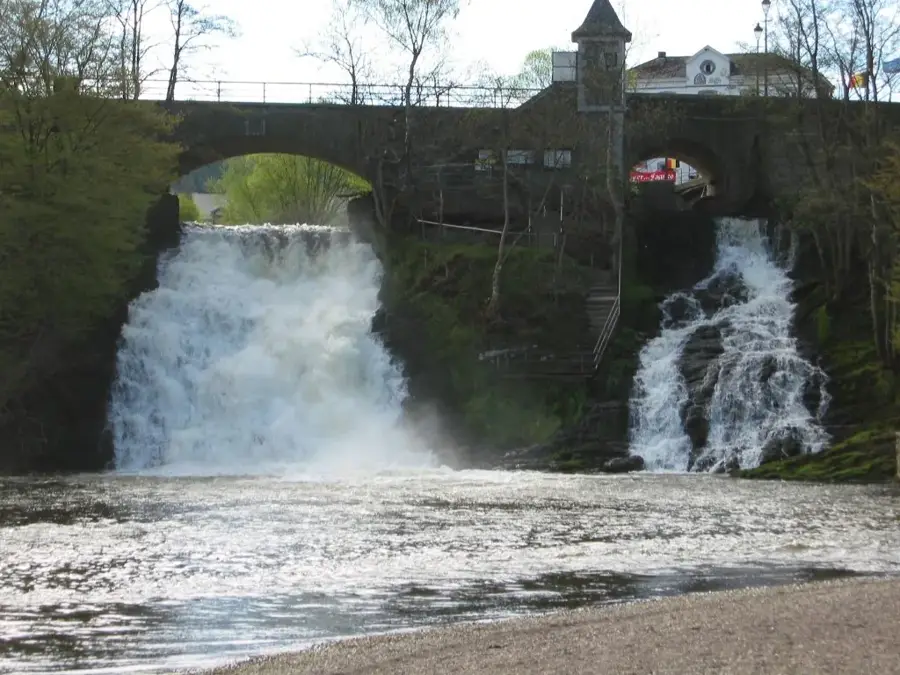
Cascade de Coo
At 15 meters high, the Cascade de Coo is Belgium's most prominent waterfall.
Learn more →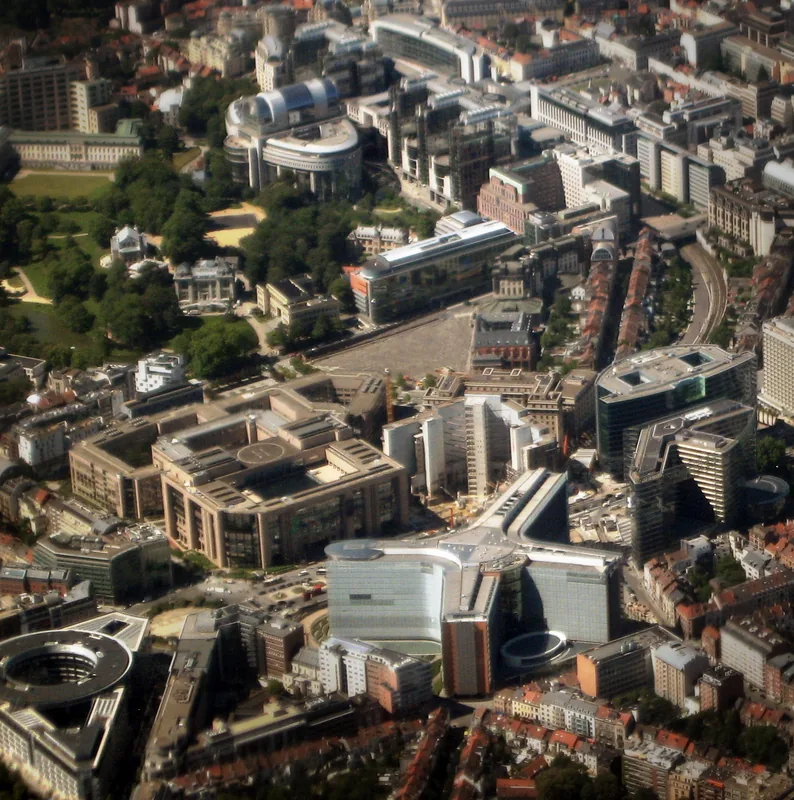
Leopold Quarter (EU Quarter)
The Leopold Quarter is the political and economic heart of the European Union in Brussels.
Learn more →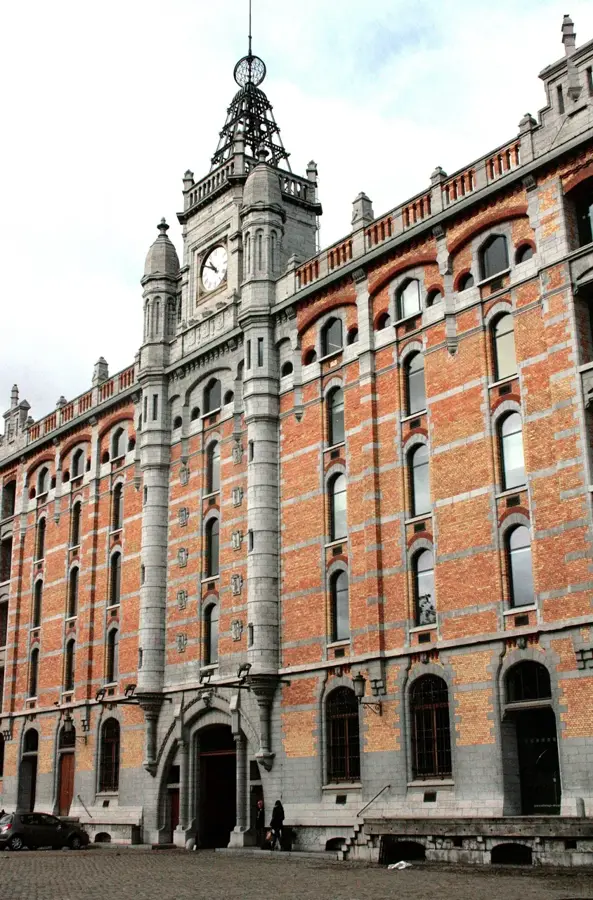
Tour & Taxis Brussels
Tour & Taxis is a former postal and customs site in Brussels, transformed into a modern business and event center.
Learn more →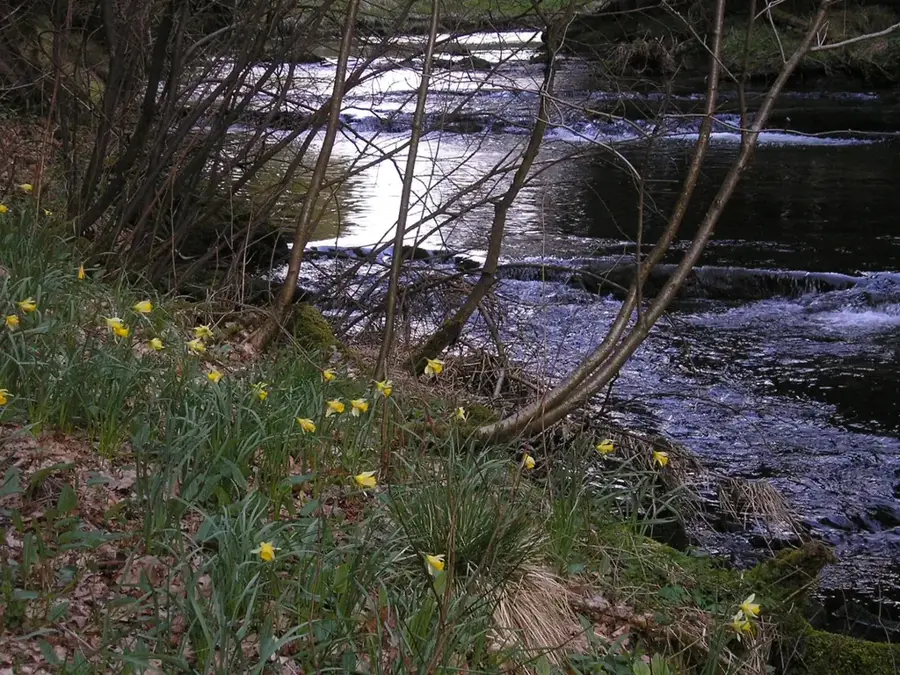
Bayehon Waterfall
The Bayehon Waterfall is the second highest in Belgium at 9 meters.
Learn more →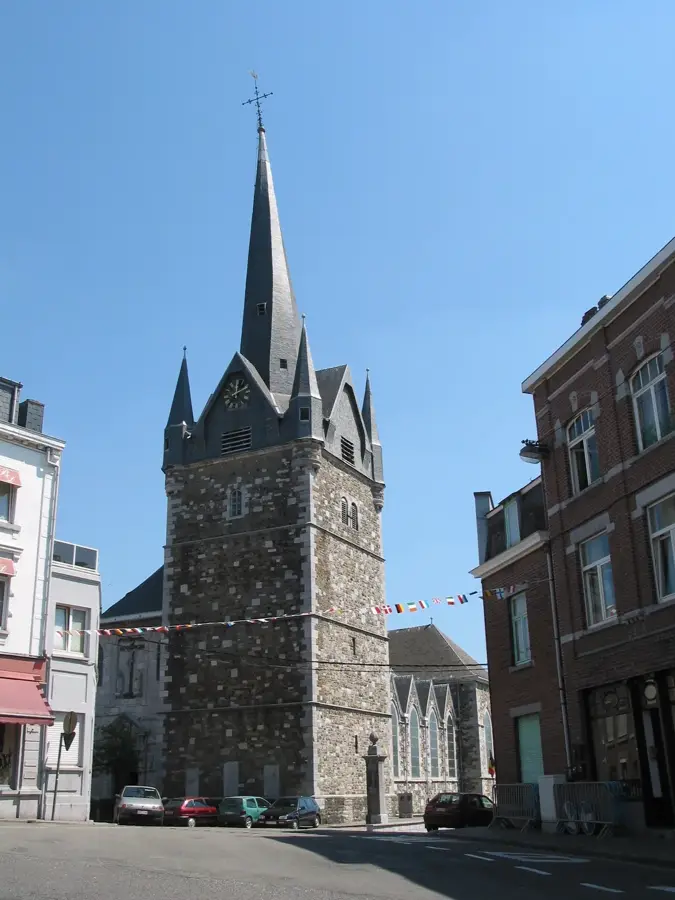
Plateau of Herve
The Plateau of Herve is a hilly upland region east of Liège.
Learn more →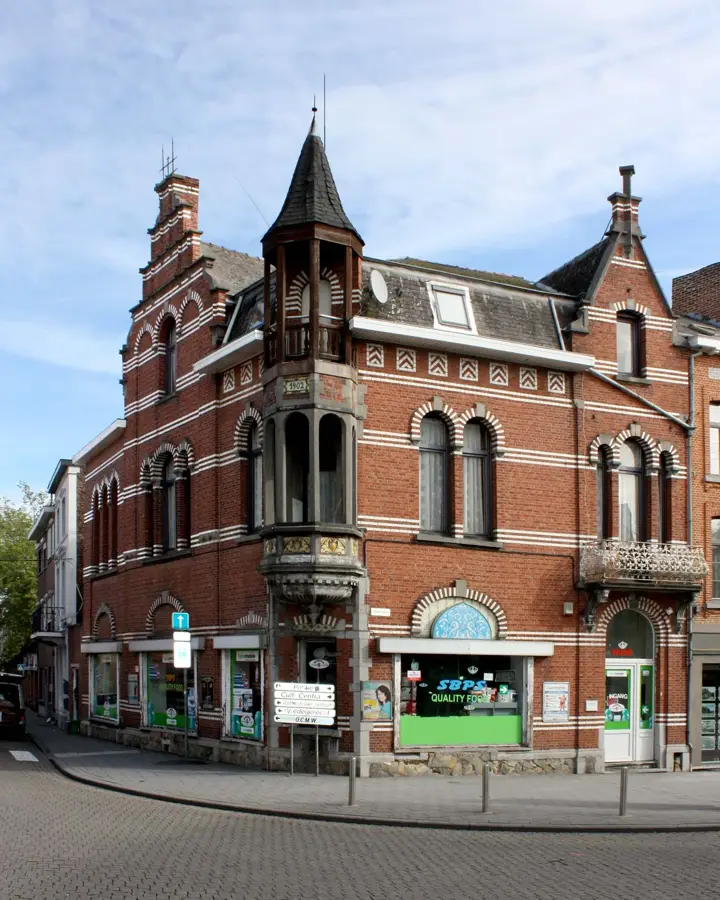
Haspengouw Fruit Region
Haspengouw is the most important fruit-growing region in Belgium and one of the most significant in Europe.
Learn more →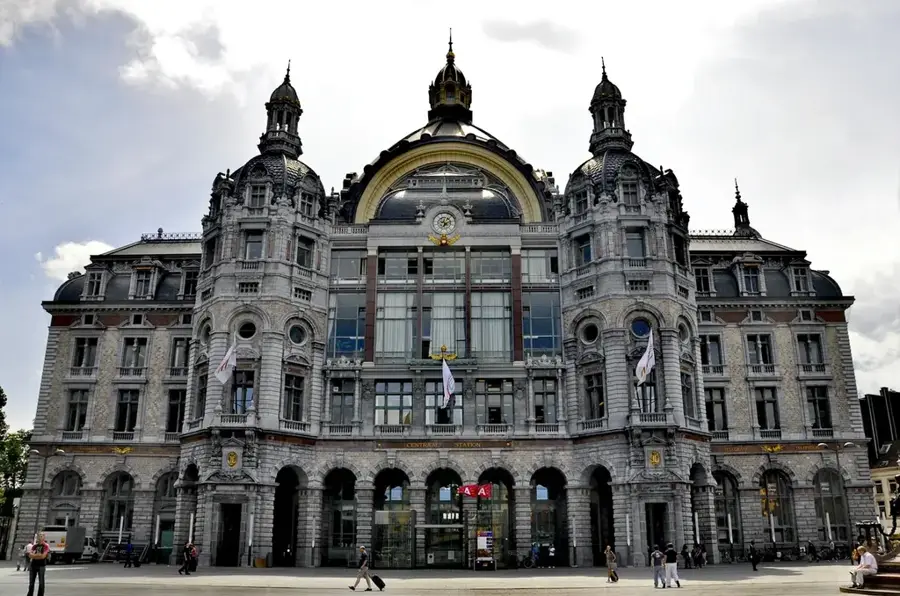
Antwerp Central Station
Built between 1895 and 1905, this station is often referred to as the 'railway cathedral'.
Learn more →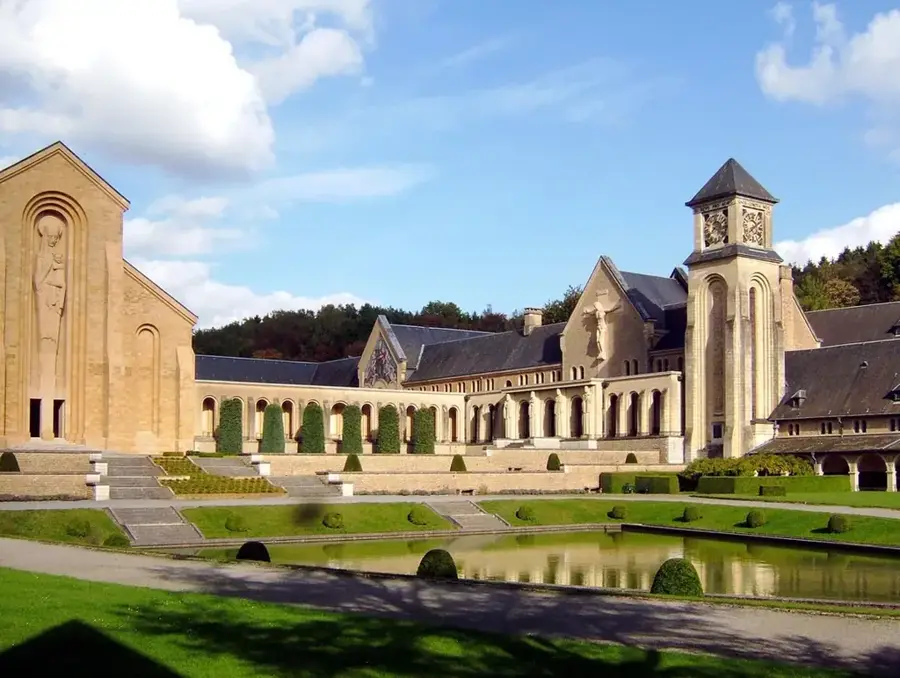
Orval Abbey
This Cistercian abbey in the Ardennes is famous for its namesake Trappist beer.
Learn more →
Calestienne
The Calestienne is a narrow limestone strip running along the northern edge of the Ardennes.
Learn more →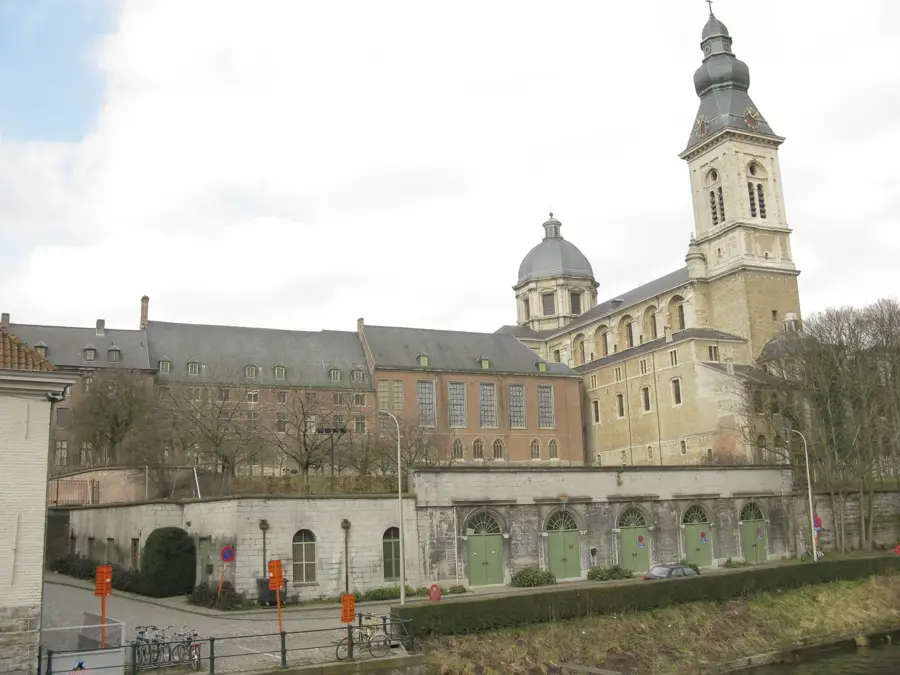
Saint Peter's Abbey
The former Benedictine abbey in Ghent was founded in the 7th century and was a center of learning.
Learn more →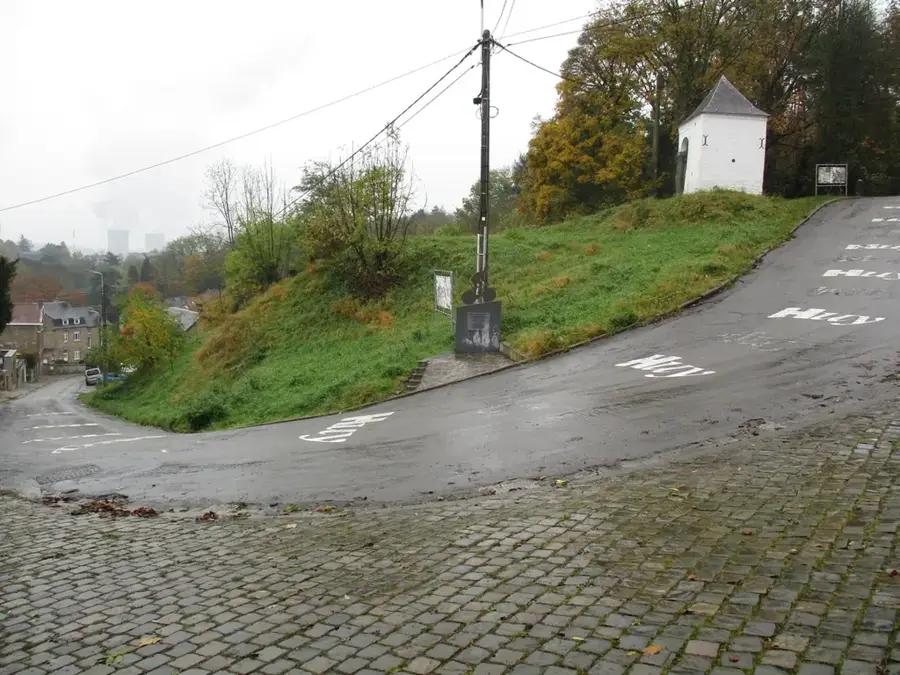
Condroz Plateau
The Condroz is a geographic region in Wallonia located south of the Sambre and Meuse valleys.
Learn more →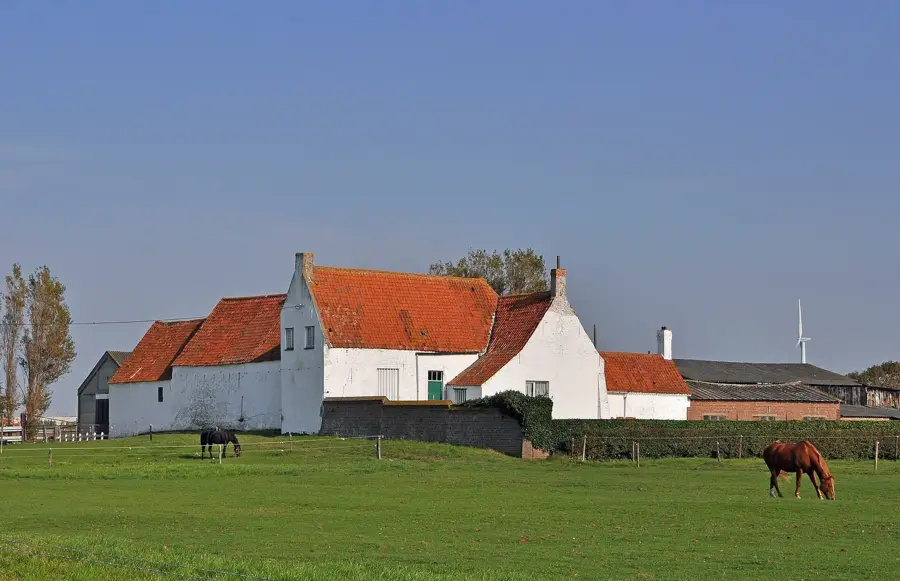
Polders
The polders are low-lying tracts of land reclaimed from the sea along the Belgian coast.
Learn more →
Brabant Plateau
The Brabant Plateau is a gently rolling upland in central Belgium.
Learn more →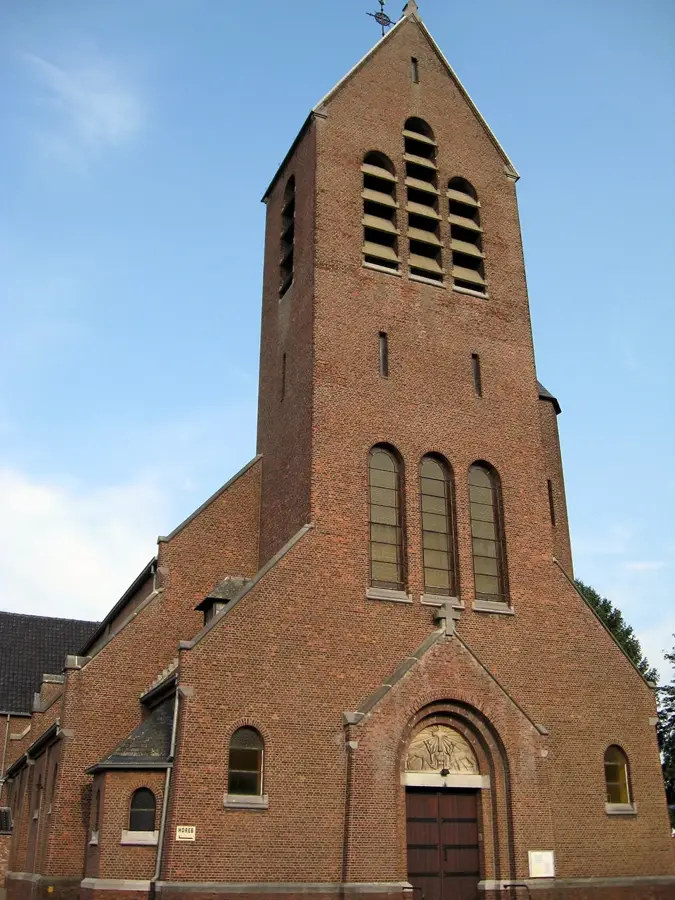
Campine (Kempen)
The Campine (Kempen) is a sandy lowland region in northeastern Belgium.
Learn more →Nature
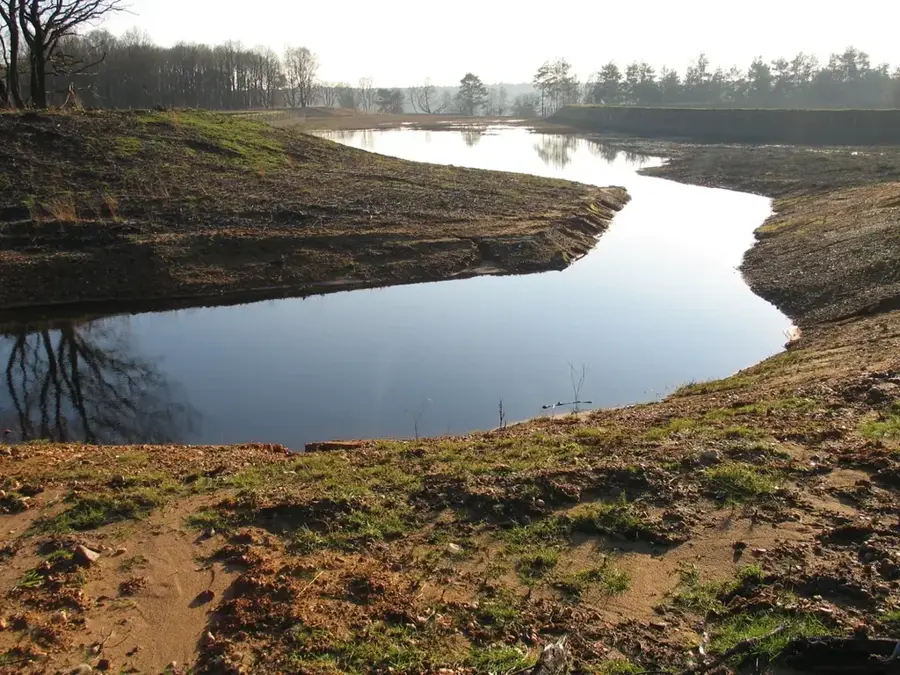
Hoge Kempen National Park
The first national park in Belgium covers over 12,000 hectares in the province of Limburg.
Learn more →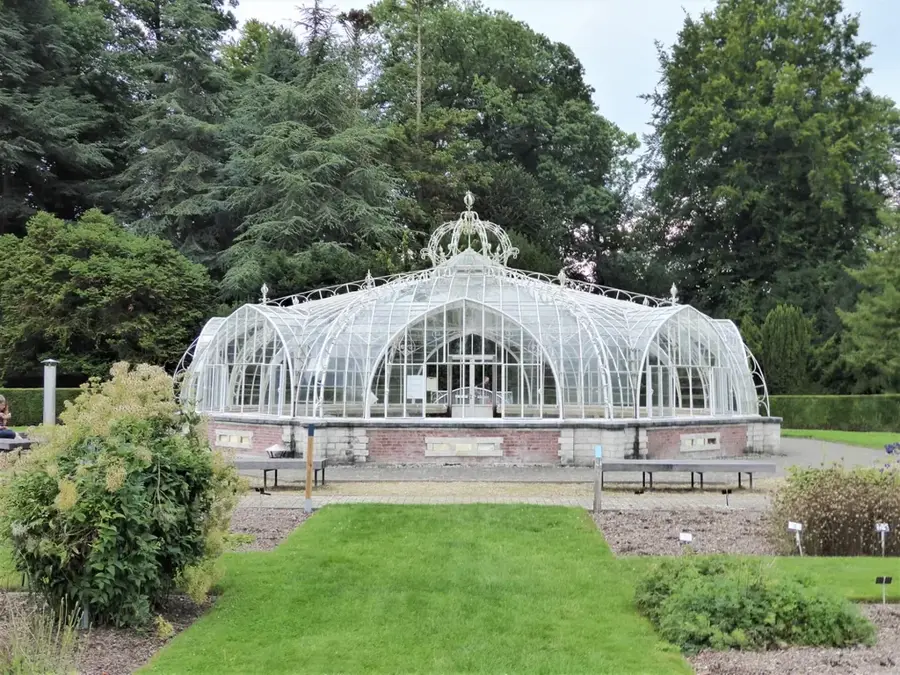
Meise Botanical Garden
One of the largest botanical gardens in the world is located just north of Brussels.
Learn more →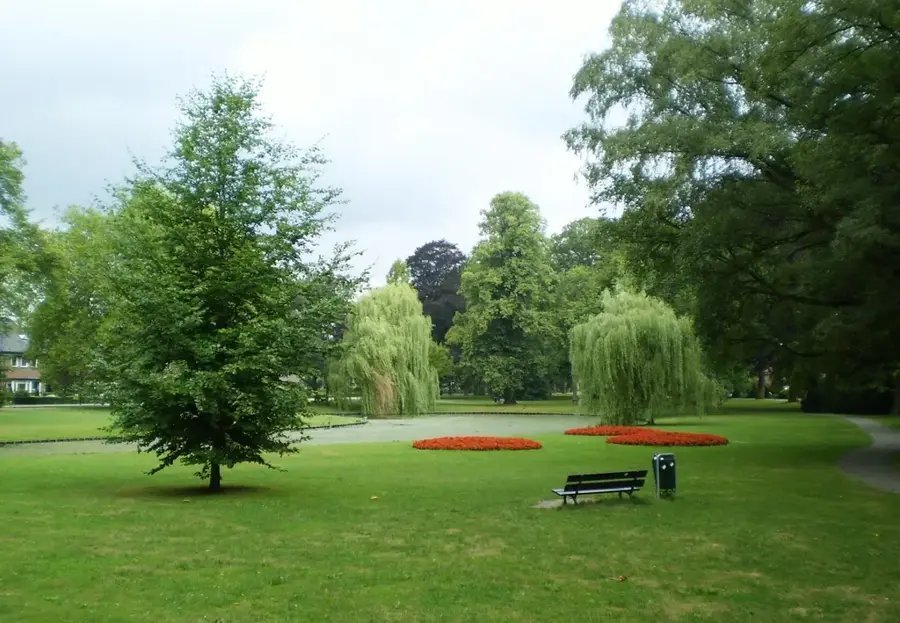
Prinsenpark
Prinsenpark in Retie is a historic forest and park estate originally designed in the 19th century for the Belgian royal family.
Learn more →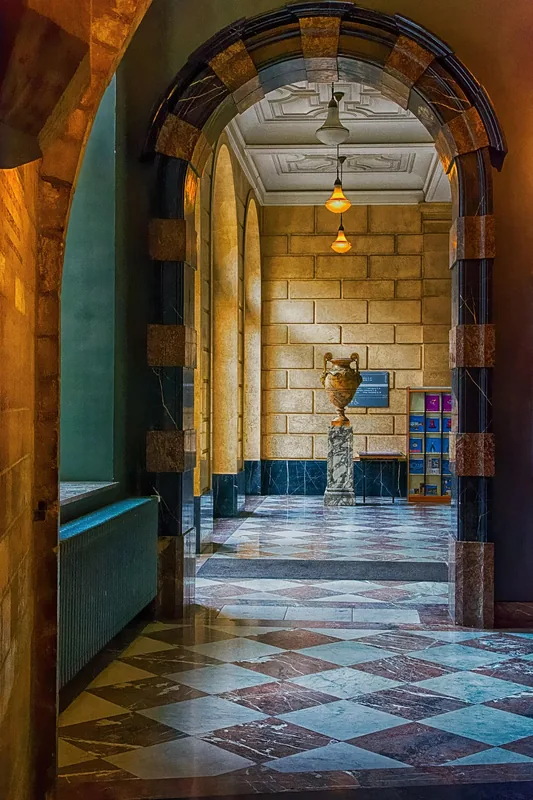
Ghent University Botanical Garden
The Ghent University Botanical Garden houses over 10,000 plant species in its greenhouses and outdoor gardens.
Learn more →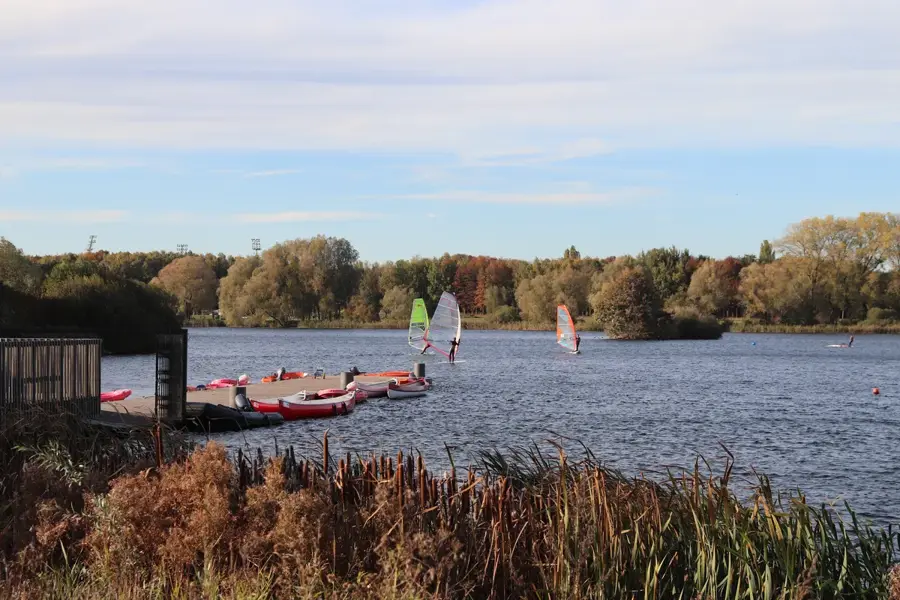
Provincial Domain De Gavers
Located near Kortrijk, De Gavers is a major recreation and nature conservation area surrounding a large lake.
Learn more →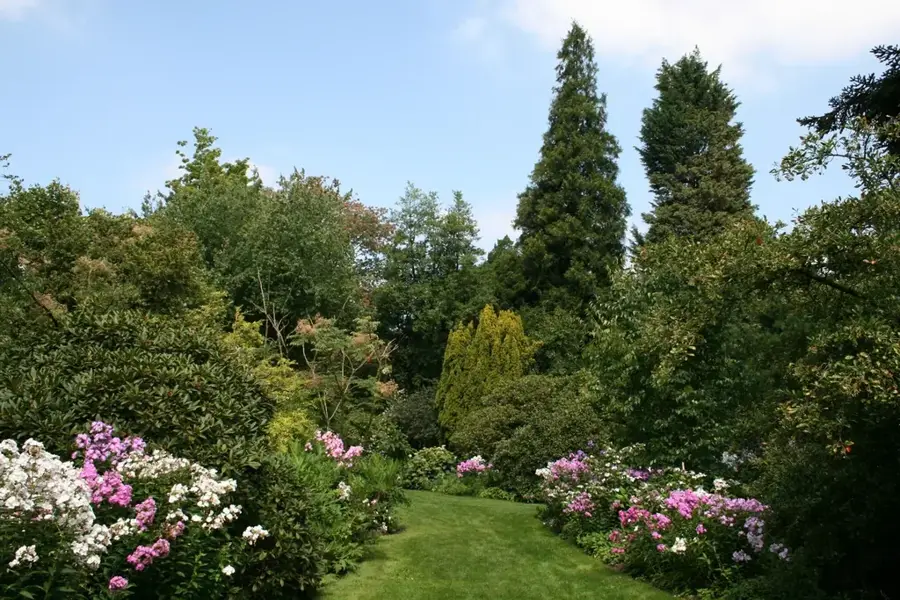
Arboretum Kalmthout
One of the world's oldest and most prestigious arboretums is located in Kalmthout.
Learn more →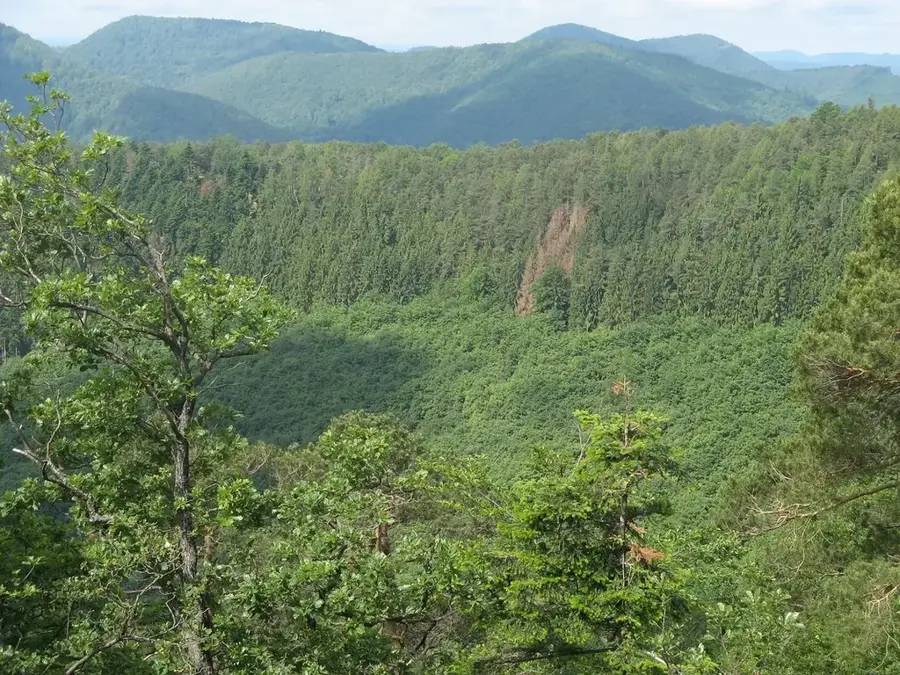
Deux Ourthes Natural Park
Located in the province of Luxembourg, this park encompasses the valleys of the Eastern and Western Ourthe rivers.
Learn more →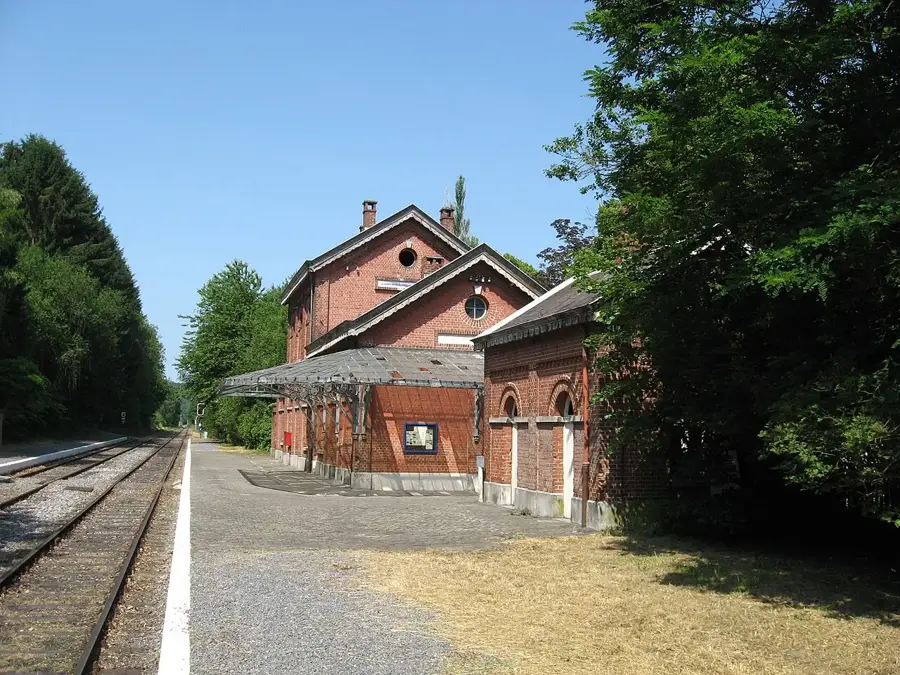
Viroin-Hermeton Natural Park
This park in southern Wallonia is famous for its 'Abannets'—deep chasms in the limestone rock.
Learn more →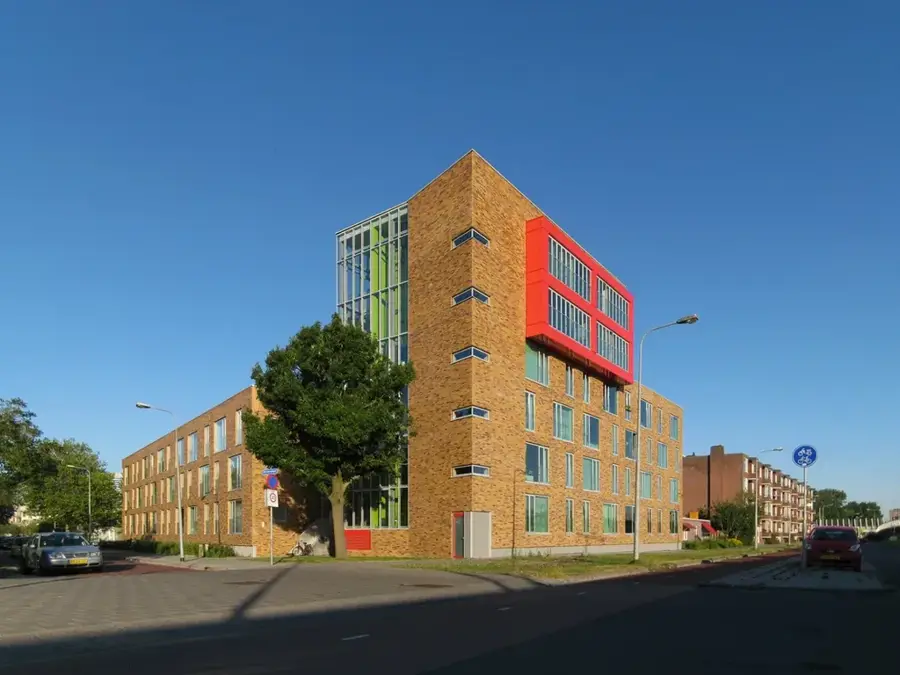
Rivierenhof
Spanning 132 hectares in Antwerp, Rivierenhof provides a vast oasis of peace and biodiversity within the city.
Learn more →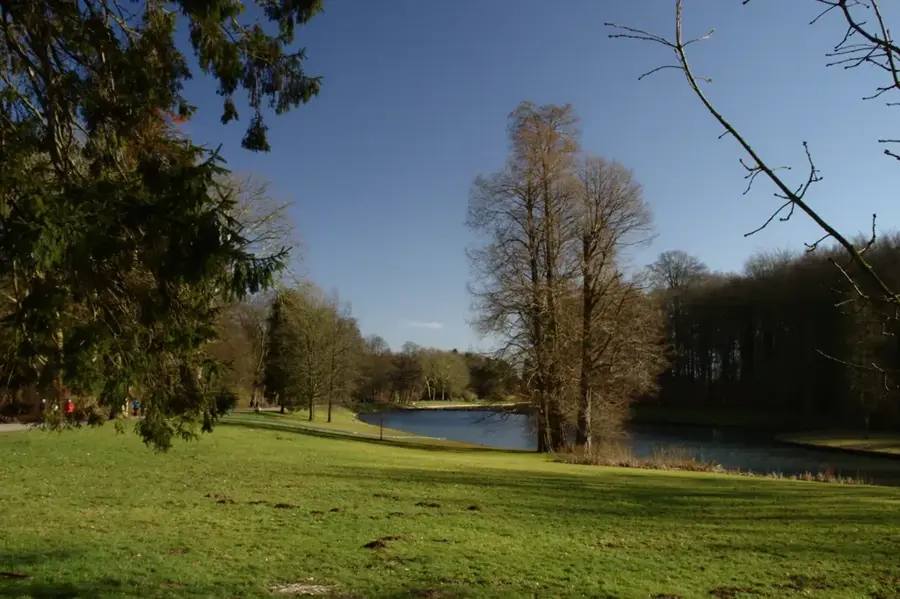
Park of Tervuren
This expansive park on the eastern edge of the Forest of Soignes blends formal French gardens with natural woodland landscapes.
Learn more →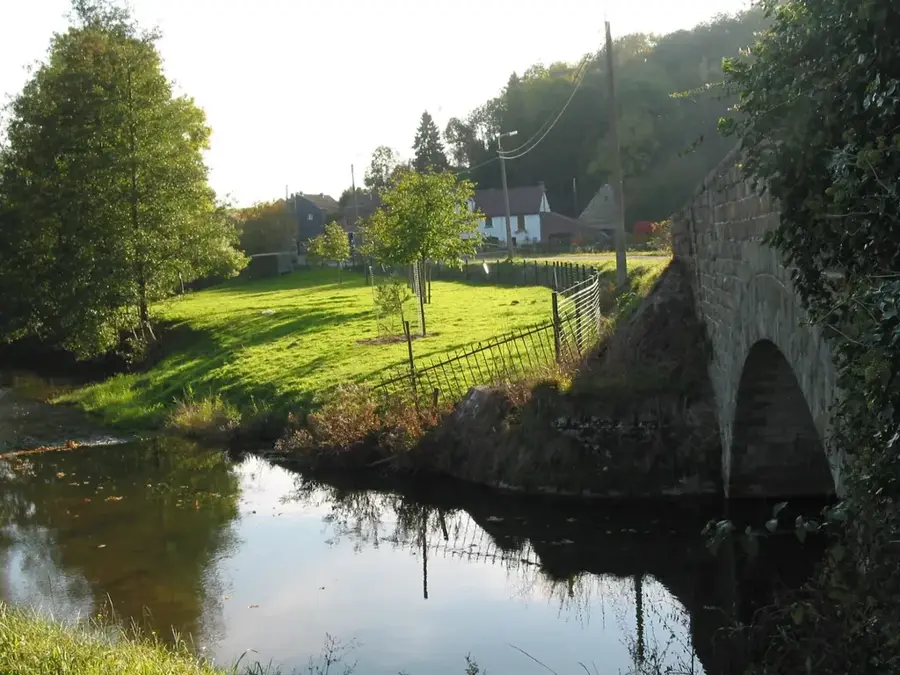
Burdinale-Mehaigne Natural Park
Situated in the heart of the Hesbaye region, this park encompasses the valleys of two rivers.
Learn more →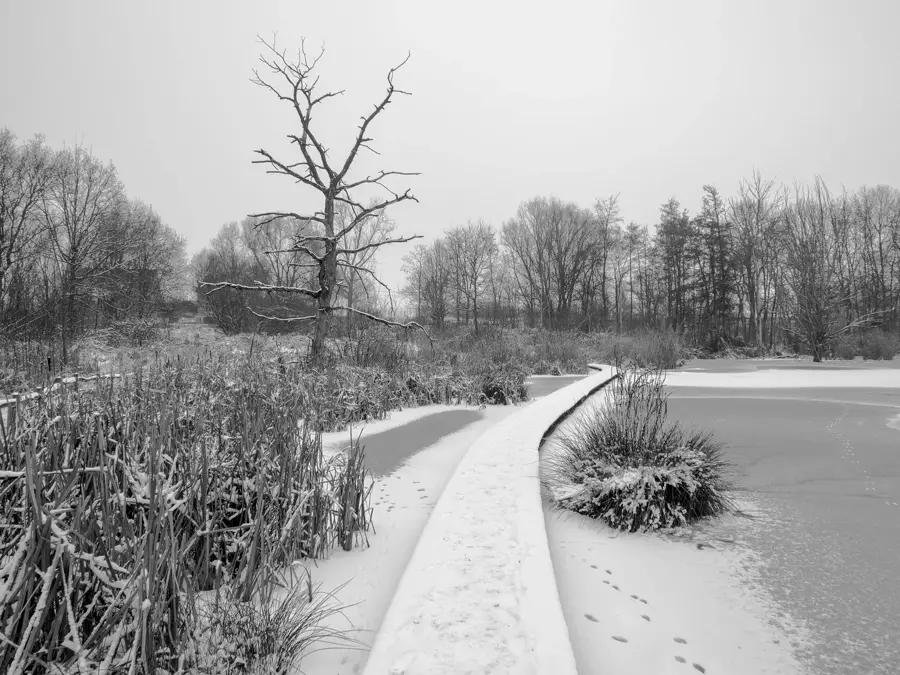
Provincial Domain Het Vinne
Het Vinne is home to the only natural inland lake in Flanders.
Learn more →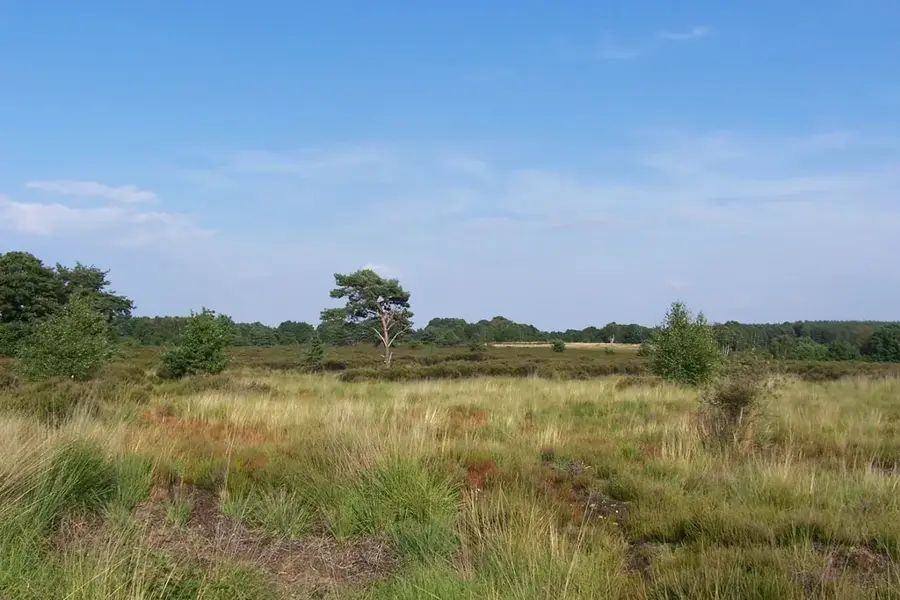
Mechelse Heide
Mechelse Heide is one of the largest heathland areas in Flanders and a key part of Hoge Kempen National Park.
Learn more →
Schulensmeer
The Schulensmeer is the largest man-made lake in Flanders, originally created as a flood control basin for the Demer river.
Learn more →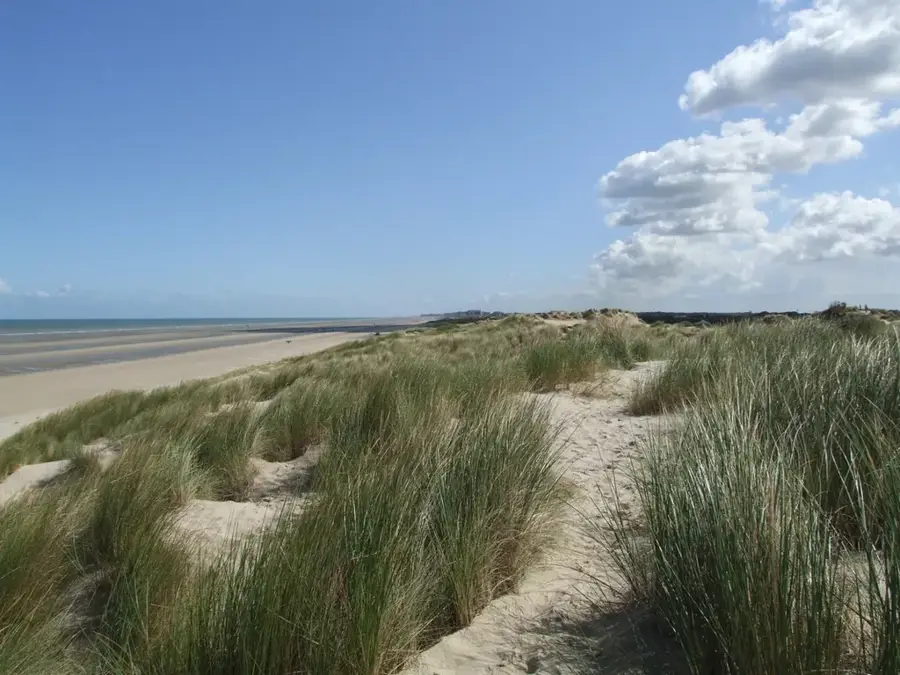
Westhoek Dunes
The Westhoek Dunes are the largest continuous dune complex on the Belgian coast.
Learn more →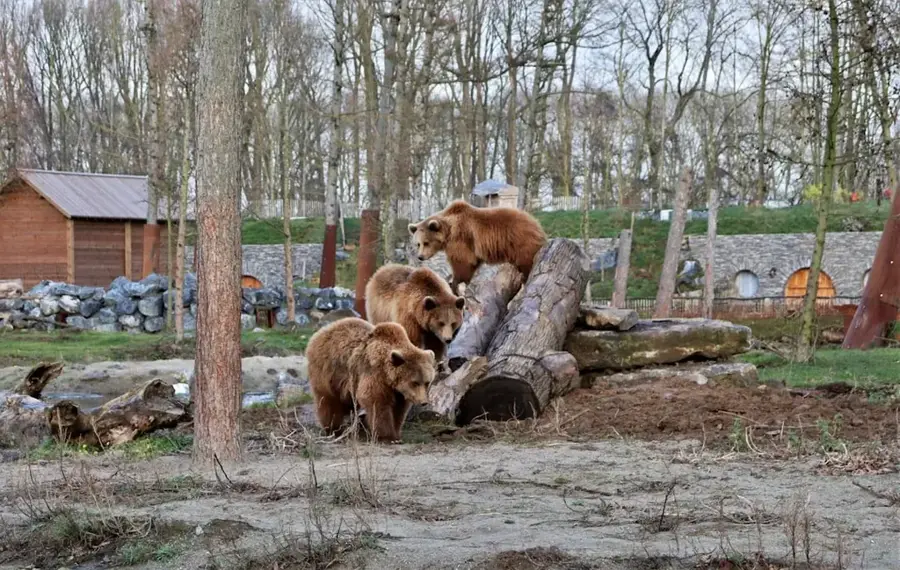
Wildlife Park Han-sur-Lesse
Part of the Domain of the Caves of Han, this park hosts Europe's 'Big Five' in a vast, hilly landscape.
Learn more →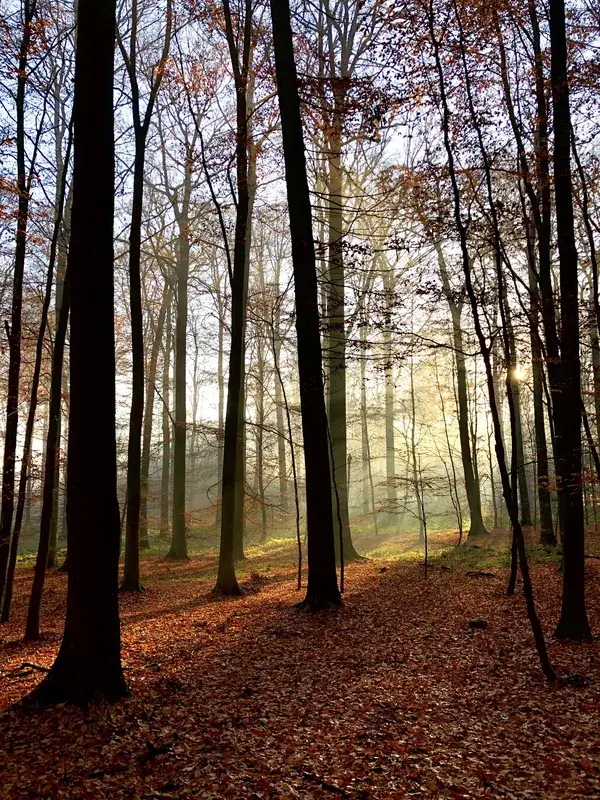
Groenendaal Arboretum
Groenendaal Arboretum is located in the Sonian Forest, housing a collection of over 400 tree and shrub species.
Learn more →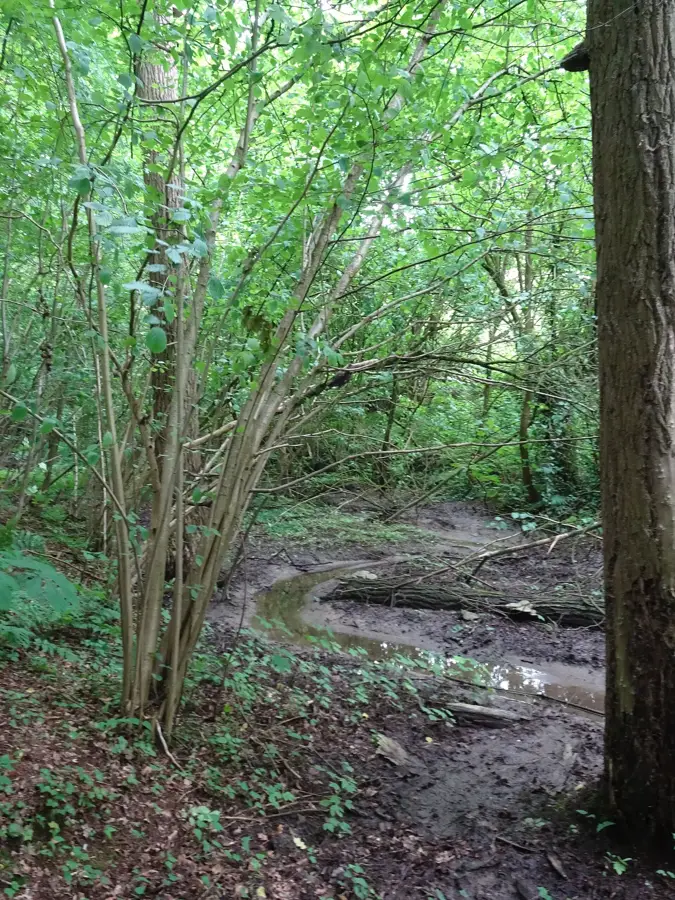
Pays des Collines
Pays des Collines is a hilly region in Hainaut known for its gentle slopes and traditional windmills.
Learn more →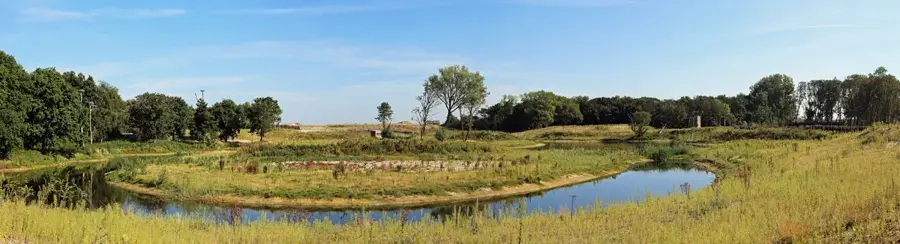
Zwin Nature Park
Located on the North Sea coast near Knokke, this tidal area is an internationally significant bird sanctuary.
Learn more →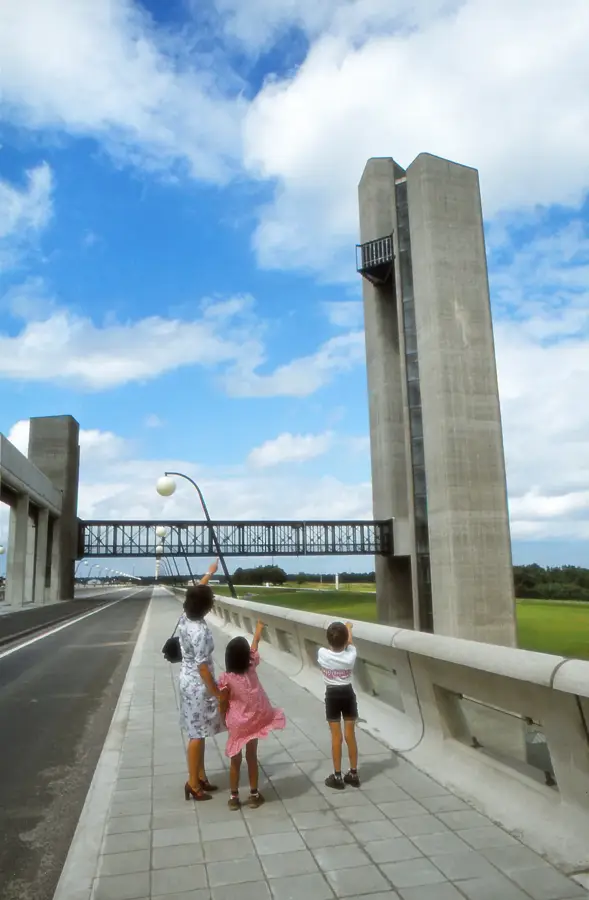
Lake Plate Taille
Lake Plate Taille is the largest lake in Belgium and part of the Eau d'Heure lake complex.
Learn more →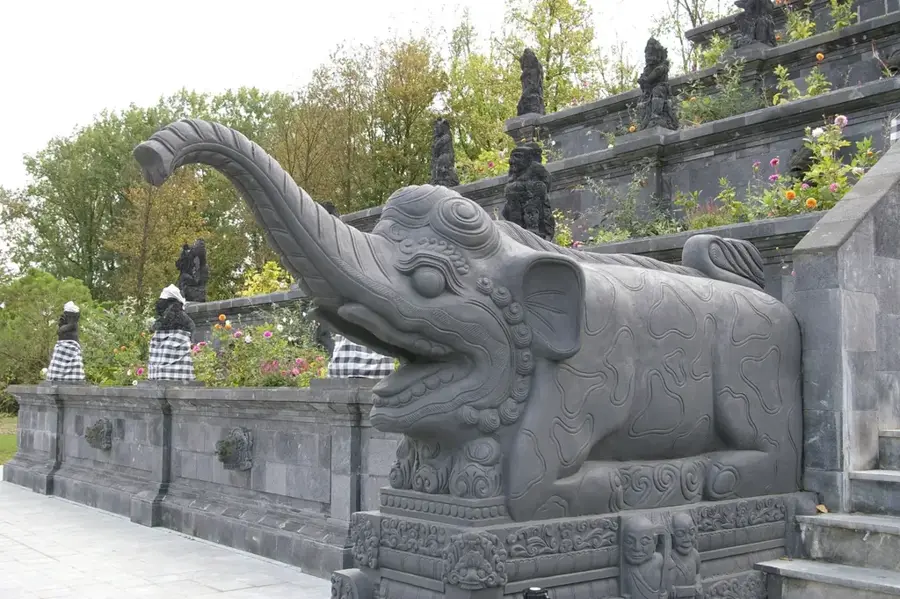
Pairi Daiza
Pairi Daiza is a private zoo and botanical garden in Brugelette, built on the site of the former Cambron Abbey.
Learn more →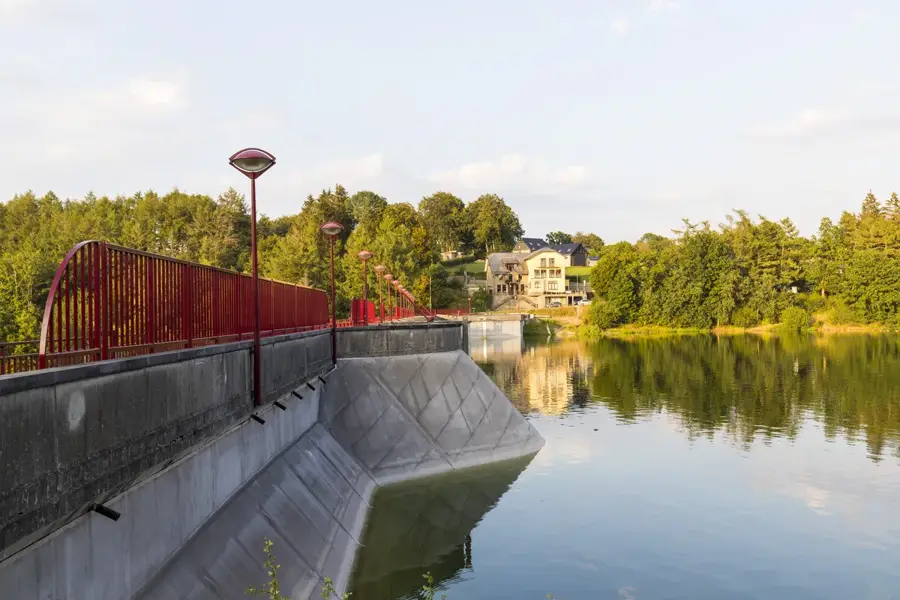
Lake Bütgenbach
Lake Bütgenbach is an artificial reservoir in eastern Belgium.
Learn more →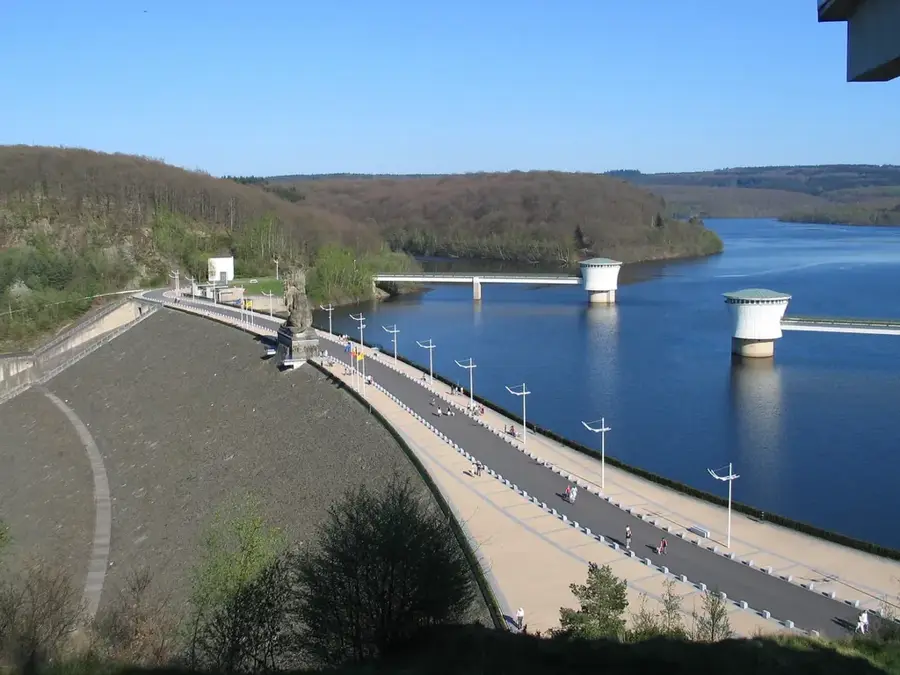
Lake Gileppe
Lake Gileppe features one of Europe's oldest dams, inaugurated in 1878.
Learn more →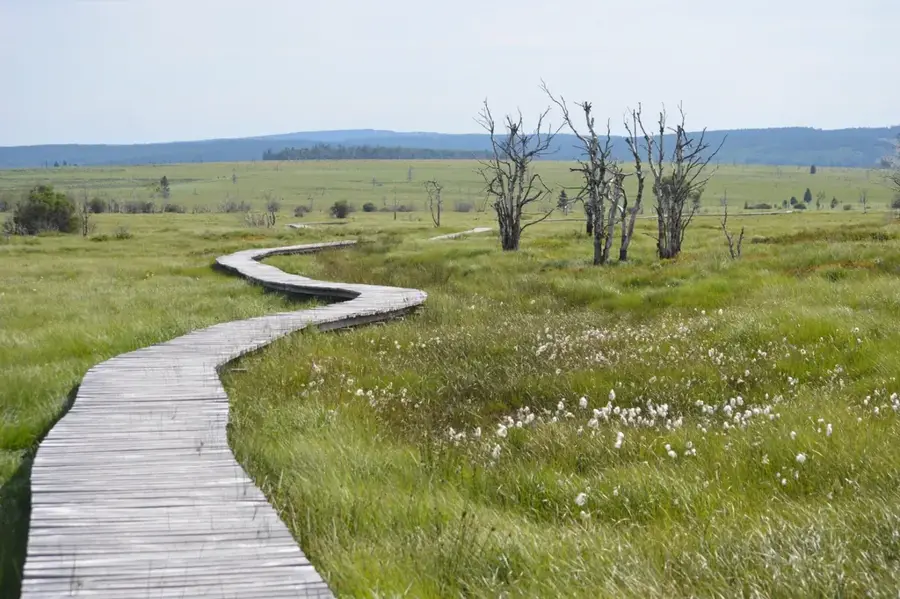
High Fens
The High Fens is the largest upland moorland nature reserve in Belgium, located in the East.
Learn more →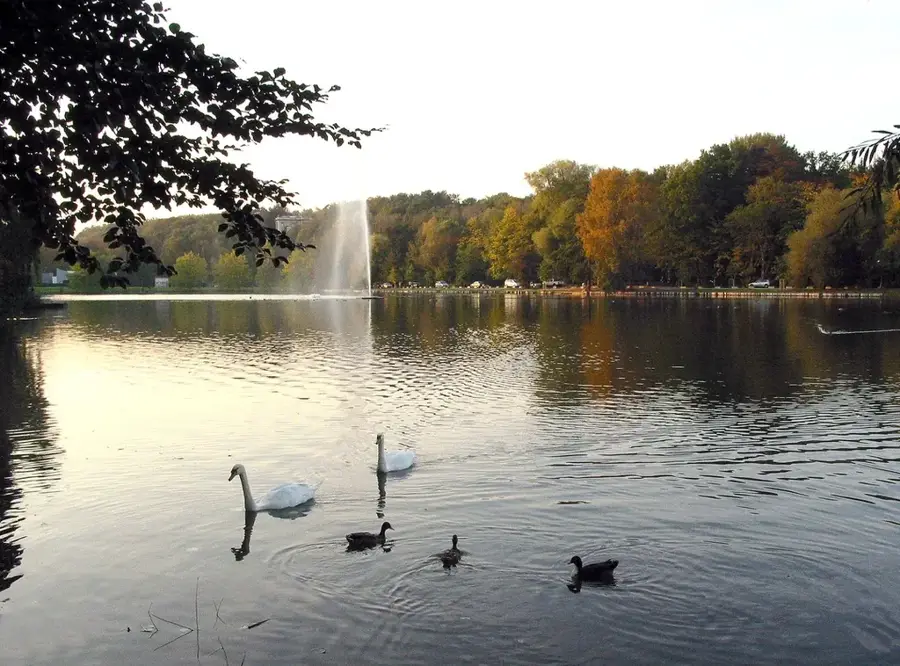
Lake Genval
An artificial lake on the border between the provinces of Flemish Brabant and Walloon Brabant.
Learn more →Frequently asked questions
What are the top attractions in Belgium?
Among the most popular are Palace of Justice of Brussels, Royal Greenhouses of Laeken, Antwerp Port House, Strépy-Thieu Boat Lift, Hoge Kempen National Park and many more – the full top 50 list is on this page.
When is the best time to visit Belgium?
May to October offers the most pleasant weather; July and August are warmest and busiest.