Plizio Visual Lab
Tabankulu
ℹ️Practical info — Tabankulu
▾
🌤 Weather — 5 days
📍 Nearby
Sights nearby
💡 Tips
- Visit the Sugarcane Museum on the estate to see vintage steam engines and industry history.
- The Tambankulu Club and Guest House serve as a lush green oasis within the sugar belt.
- The estate is a private community; respect the residential rules of the workers' settlement.
- The proximity to the Mbuluzi River makes this an excellent spot for birdwatching.
- Check in at the club's reception for information on local walking paths through the estate.
🍽 Food
A traditional Swazi dish of mashed pumpkin and groundnuts, served at the Club.
Seasonal mopane caterpillars for the adventurous, a highly-prized local snack.
Hearty, classic fare served in the tranquil setting of the estate club.
🛍 Shopping · 🧘 Quiet spots
A small market catering to the worker community with fresh local produce.
Look for local weavers selling baskets near the main entrance to the estate.
The manicured, park-like gardens of the Tambankulu Guest House.
A tranquil spot by the river, first-rate for unwinding away from the estate operations.
Water temperature…
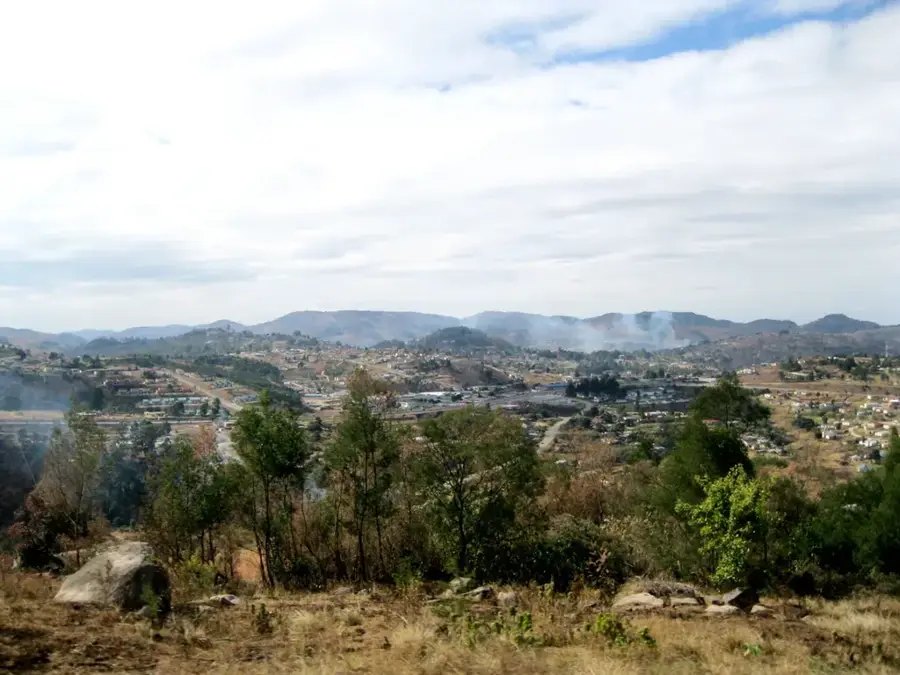
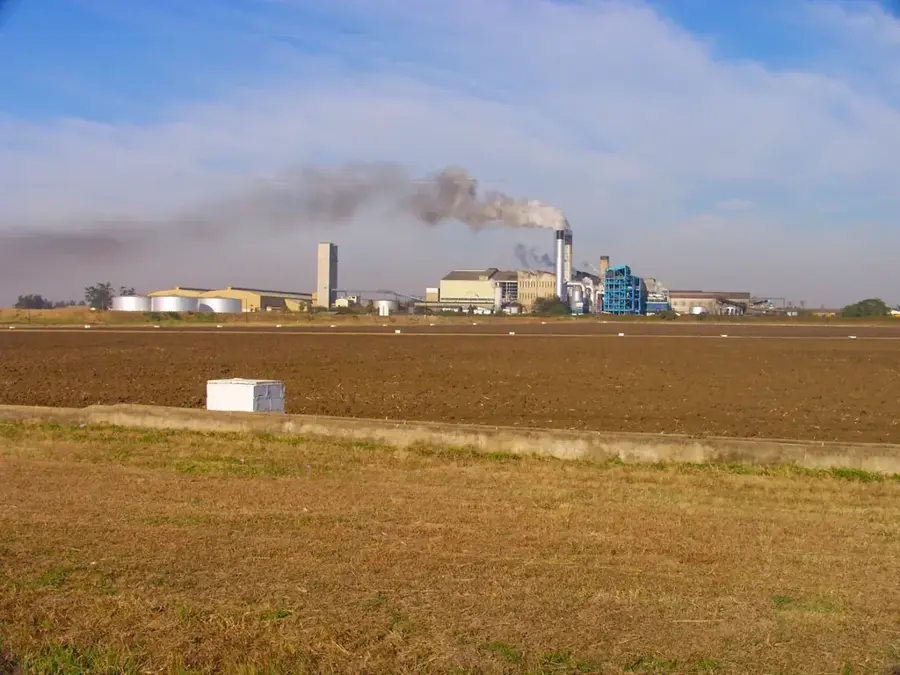
Tabankulu lies in the northeastern Lubombo District, embedded in a region known for citrus and sugar cane cultivation. The settlement is part of the large irrigation network fed by the Komati River, developed since the 1970s into Eswatini's largest citrus orchard area. On the plantations around Tabankulu, oranges, mandarins and grapefruits of such high quality are grown that they are exported to Europe, the Middle East and Asia. The town itself is small, with workers' housing estates, schools, a clinic and a central sports field. Geographically Tabankulu sits in the hot Lowveld at about 250 meters elevation; in summer temperatures often rise above 38 degrees Celsius, so harvesting is frequently done in the early morning. Economically the town also benefits from its position on the Lubombo Corridor connecting Eswatini with Mozambique and South Africa, providing an important export route. Culturally the region remains very traditional, with royal homesteads (umphakatsi) in the surrounding villages and festive occasions such as the Marula Festival. The Lubombo Mountains to the east also offer attractive hiking opportunities.
- Location: Eswatini
- Nearby: Nokwane (5 km)
- Population: ~4.155 (2012)
Best time to visit & climate
The most pleasant time to visit is May, Aug, Sep.
| Jan | Feb | Mar | Apr | May | Jun | Jul | Aug | Sep | Oct | Nov | Dec | |
|---|---|---|---|---|---|---|---|---|---|---|---|---|
| Avg °C | 25 | 25 | 25 | 22 | 20 | 18 | 18 | 20 | 22 | 23 | 24 | 25 |
| Rain mm | 142 | 98 | 83 | 55 | 14 | 10 | 10 | 12 | 27 | 56 | 98 | 124 |
Geography
Facts
- Tabankulu Estates covers an area of over 6,000 hectares.
- Sugarcane cultivation in the region began on a large scale in the 1950s.
- The irrigation system utilizes water from the Mnjoli Dam.
- Tabankulu is one of the largest private employers in the Lubombo region.
- Annual sugar production contributes significantly to Eswatini's exports.
- The settlement has its own hospital for the employees.
Explore nearby
Notable places around




Route planner — Car & Motorhome
Where do you start? We build the route here, with stops and country notes along the way.
© OpenStreetMap contributors · OpenRouteService
Sights in the town Tabankulu (1)
Frequently asked questions
How much time to plan for Tabankulu?
When is the best time for Tabankulu?
How to get to Tabankulu easily?
Are there culinary tips for Tabankulu?
Is Tabankulu family-friendly?
Tabankulu: where is it located?
Tabankulu: when is the best time to visit?
Tabankulu: why is it worth visiting?

Nearby cities



History & landmarks

Nature

More places