Plizio Visual Lab
Ngomane

ℹ️Practical info — Ngomane
▾
🌤 Weather — 5 days
📍 Nearby
Sights nearby
💡 Tips
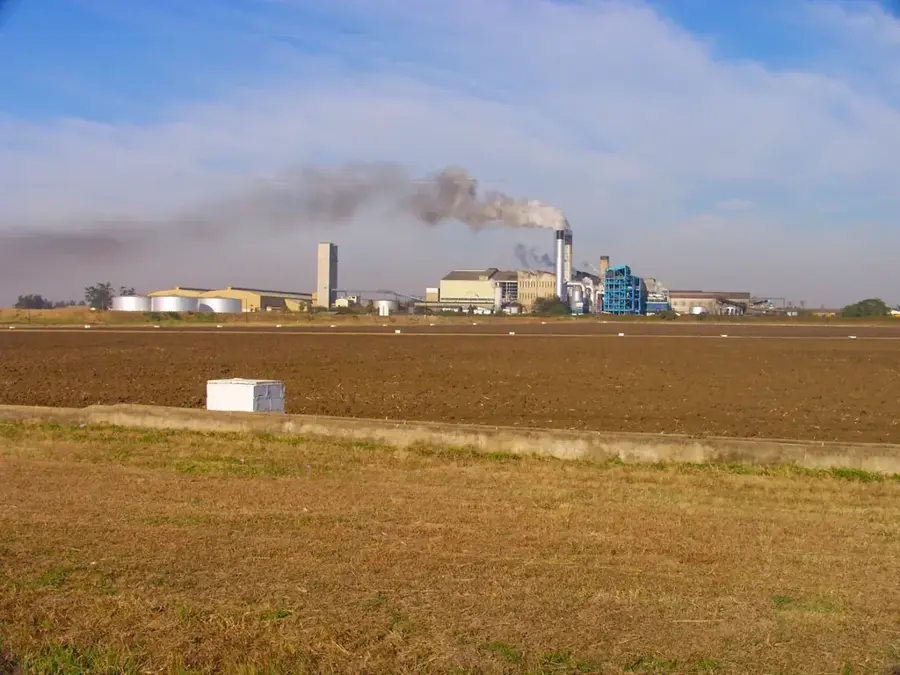
- Ngomane is a key agricultural hub; look out for the massive pivot irrigation systems that sustain fields in the dry lowveld.
- This settlement serves as an excellent base for exploring the nearby Mbuluzi and Mlawula Game Reserves.
- Expect very high temperatures during summer months; it's best to schedule any outdoor activities for early morning.
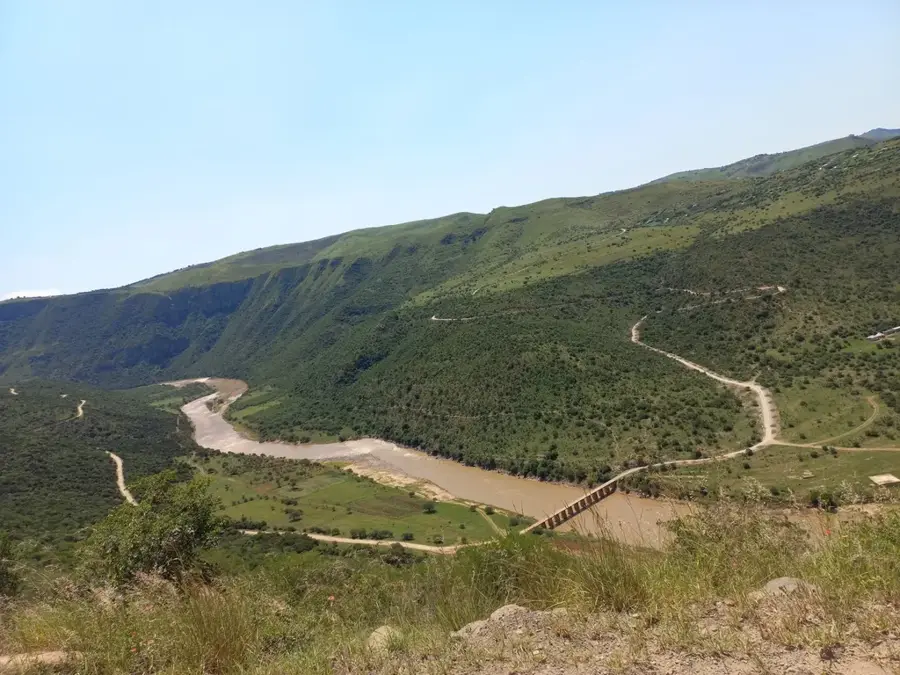
- Ask locals for safe access points to the riverbanks, which are fantastic for spotting rare bird species.
- Tourism infrastructure is minimal here; ensure you have sufficient fuel and groceries from nearby Simunye.
🍽 Food
Buy seasonal citrus fruits and bananas directly from small roadside stalls near the estate gates.
The local eateries serving the farming community offer the most authentic and filling traditional meals.
A thick, fermented maize drink that is a local staple for staying energized in the heat.
🛍 Shopping · 🧘 Quiet spots
Check for designated points where the large agricultural estates sell produce directly to the public.
Small shops in the settlement providing essentials and cold refreshments for travelers.
Secluded spots along the river within reach of the settlement, well-suited for quiet contemplation.
The quiet gravel roads between the citrus groves are peaceful for a late afternoon stroll.
Water temperature…
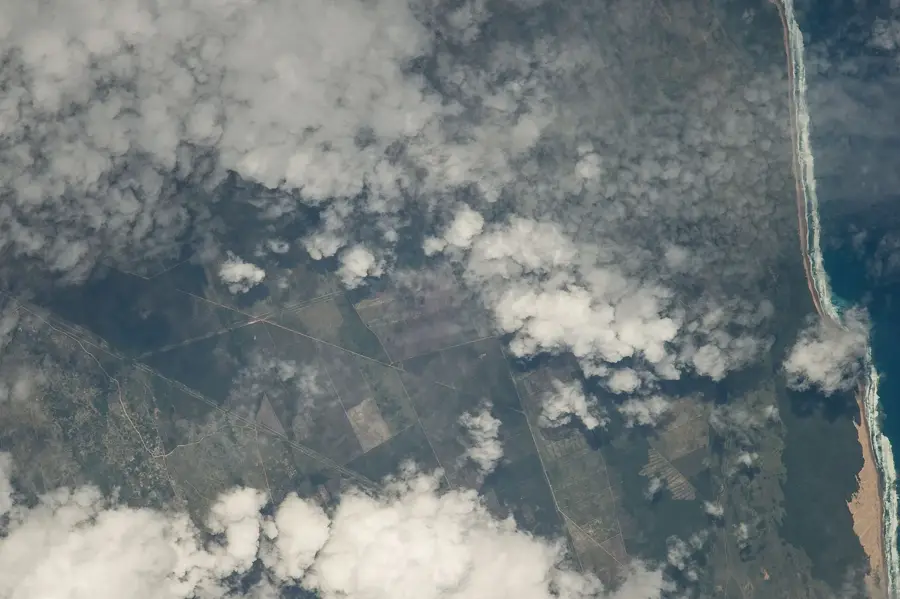
Ngomane is an agricultural settlement in the Lubombo District north of Simunye, forming part of the vast irrigated zone opened up by the Lower Usutu Smallholder Irrigation Project (LUSIP). The region was originally dry bushland suitable only for extensive cattle grazing; thanks to the diversion of water from the Lusutfu River through the Lubovane Dam, it was transformed in the 2000s into fertile farmland. Today Ngomane is home mainly to smallholder farmers organized in cooperatives, growing sugar cane on around 6,500 hectares for the nearby mills. Daytime Lowveld temperatures often exceed 35 degrees Celsius, making intensive irrigation indispensable. The LUSIP scheme is considered one of the most important poverty-alleviation projects in southern Eswatini and has provided sustainable incomes to thousands of rural households. In addition to sugar cane, bananas, groundnuts and pulses are also grown. The settlement itself is small, with a primary school, a clinic and a market hall, yet it exemplifies the transformation of the Lubombo Lowveld from subsistence farming to commercial agriculture.
- Location: Eswatini
- Nearby: Simunye (10 km)
Best time to visit & climate
The most pleasant time to visit is May, Aug, Sep.
| Jan | Feb | Mar | Apr | May | Jun | Jul | Aug | Sep | Oct | Nov | Dec | |
|---|---|---|---|---|---|---|---|---|---|---|---|---|
| Avg °C | 25 | 25 | 25 | 22 | 20 | 18 | 18 | 20 | 22 | 23 | 24 | 25 |
| Rain mm | 142 | 98 | 83 | 55 | 14 | 10 | 10 | 12 | 27 | 56 | 98 | 124 |
Geography
Facts
- Ngomane is located at an average elevation of approximately 240 meters above sea level.
- The settlement is managed directly by the Royal Eswatini Sugar Corporation.
- The irrigation system draws its water primarily from the Mnjoli Dam.
- Temperatures in Ngomane can regularly rise above 40 degrees Celsius during summer.
- The region also cultivates citrus fruits on a smaller scale alongside sugarcane.
- Ngomane has its own primary school and a health center for workers.
Explore nearby
Notable places around


Route planner — Car & Motorhome
Where do you start? We build the route here, with stops and country notes along the way.
© OpenStreetMap contributors · OpenRouteService
Frequently asked questions
What characterizes Ngomane?
Is there tourist infrastructure?
What is the best season?
Do I need a car?
Are there accommodation options?
Ngomane: where is it located?
Ngomane: when is the best time to visit?
Ngomane: why is it worth visiting?

Nearby cities


History & landmarks

Nature
More places