Plizio Visual Lab
Vuvulane

ℹ️Practical info — Vuvulane
▾
🌤 Weather — 5 days
📍 Nearby
Sights nearby
💡 Tips
- Visit the Vuvulane Food Market, an eco-conscious hub that connects visitors with local smallholder farms.
- Support the VOVCOF foundation by dining at the community-led restaurant options.
- Bring binoculars as the surrounding wetlands and fields are excellent for bird-watching.
- Carry enough cash, as smaller vendors in the agricultural area may not accept credit cards.
- Make it a full day trip from Mbabane to experience the sustainable farming projects and local culture.
🍽 Food
Try fresh salads featuring ingredients sourced directly from the market's permaculture garden.
Slow-cooked dishes with local vegetables found at the Vuvulane Food Market.
Refreshing drinks made from seasonal local fruits at the market or roadside stalls.
🛍 Shopping · 🧘 Quiet spots
Handmade beadwork and baskets available at the market's cultural hub.
Look for paintings and sculptures by local artists displayed at the market gallery.
A peaceful green space to relax right next to the Vuvulane Food Market.
Enjoy the tranquil view over the lush plantations from the market's seating area.
Water temperature…
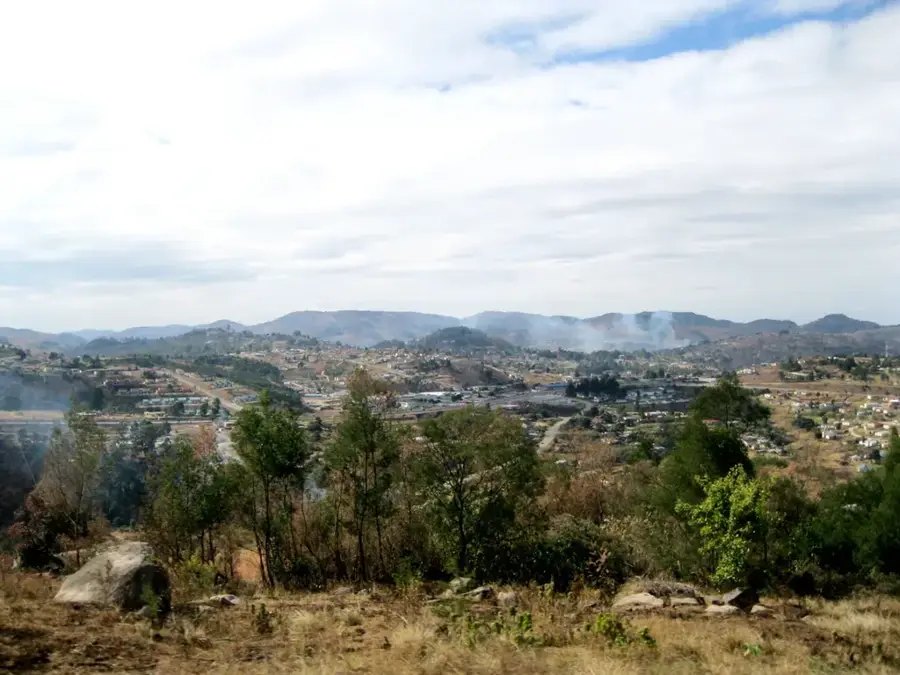
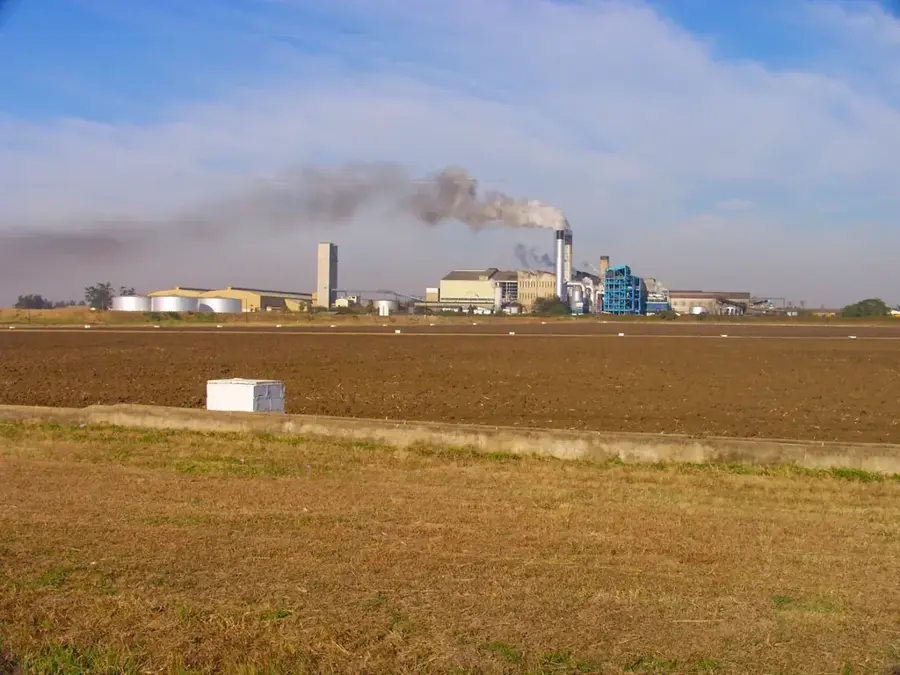
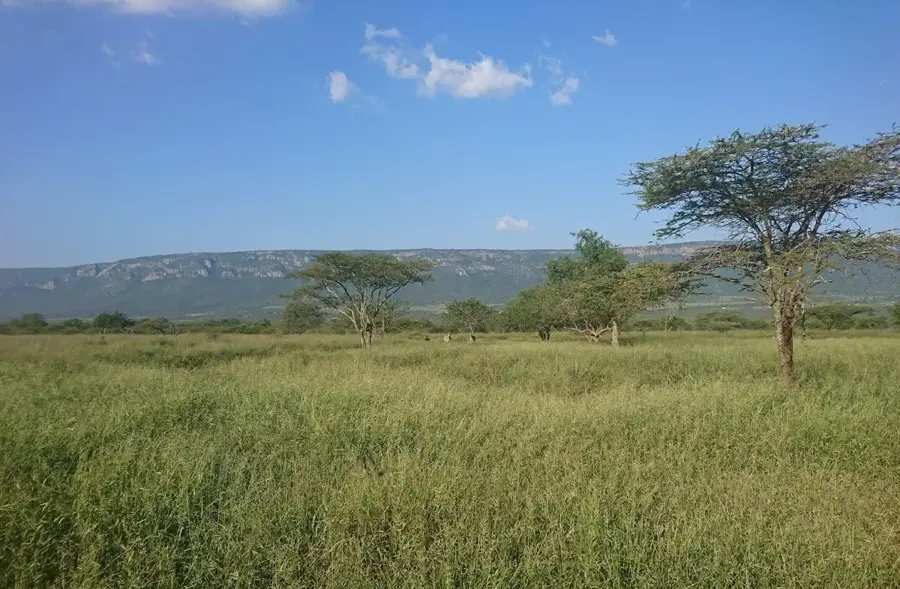
Vuvulane is a remarkable agricultural community in the northeastern Lubombo District, founded in the 1960s as the Vuvulane Irrigated Farms (VIF), one of the first smallholder irrigation schemes in southern Africa. The concept was revolutionary: instead of large plantations, 263 Swazi farmers were each given a plot of land to grow sugar cane independently and supply it to the Mhlume and Simunye mills. This model has proved successful for decades and is regarded today as a benchmark for cooperative agriculture in Africa. Climatically Vuvulane benefits from the hot Lowveld climate and year-round irrigation from the Komati River. Besides sugar cane, maize, bananas and vegetables are also grown for the local market. The community has schools, a clinic and an animated social network strongly shaped by its shared economic base. Vuvulane lies near the Mozambican border and the Lomahasha border post, giving it an important connecting role in regional trade. The cooperative structure ensures that profits from the sugar business flow directly to local families.
- Location: Eswatini
- Nearby: Mhlume (5 km)
- Population: ~4.155 (2012)
Best time to visit & climate
The most pleasant time to visit is May, Aug, Sep.
| Jan | Feb | Mar | Apr | May | Jun | Jul | Aug | Sep | Oct | Nov | Dec | |
|---|---|---|---|---|---|---|---|---|---|---|---|---|
| Avg °C | 25 | 25 | 25 | 22 | 20 | 18 | 18 | 20 | 22 | 23 | 24 | 25 |
| Rain mm | 142 | 98 | 83 | 55 | 14 | 10 | 10 | 12 | 27 | 56 | 98 | 124 |
Geography
Facts
- Vuvulane was initiated in 1962 by the Commonwealth Development Corporation (CDC).
- The project originally encompassed over 200 small-scale farming plots.
- The town sits at an elevation of approximately 260 meters above sea level.
- Vuvulane features a well-known local market for fresh vegetables.
- The irrigation canals in the region extend for many kilometers.
- The Vuvulane Food Market is a hub for social exchange and trade.
Explore nearby
Notable places around


Route planner — Car & Motorhome
Where do you start? We build the route here, with stops and country notes along the way.
© OpenStreetMap contributors · OpenRouteService
Sights in the town Vuvulane (1)
Frequently asked questions
How many days should one plan for Vuvulane?
When is the best time to visit Vuvulane?
What is the best way to get to Vuvulane?
Are there typical dishes to try in Vuvulane?
Is Vuvulane a family-friendly destination?
Vuvulane: where is it located?
Vuvulane: when is the best time to visit?
Vuvulane: why is it worth visiting?

Nearby cities

History & landmarks

Nature
More places