Plizio Visual Lab
Banjska Monastery
Weather…
Water temperature…
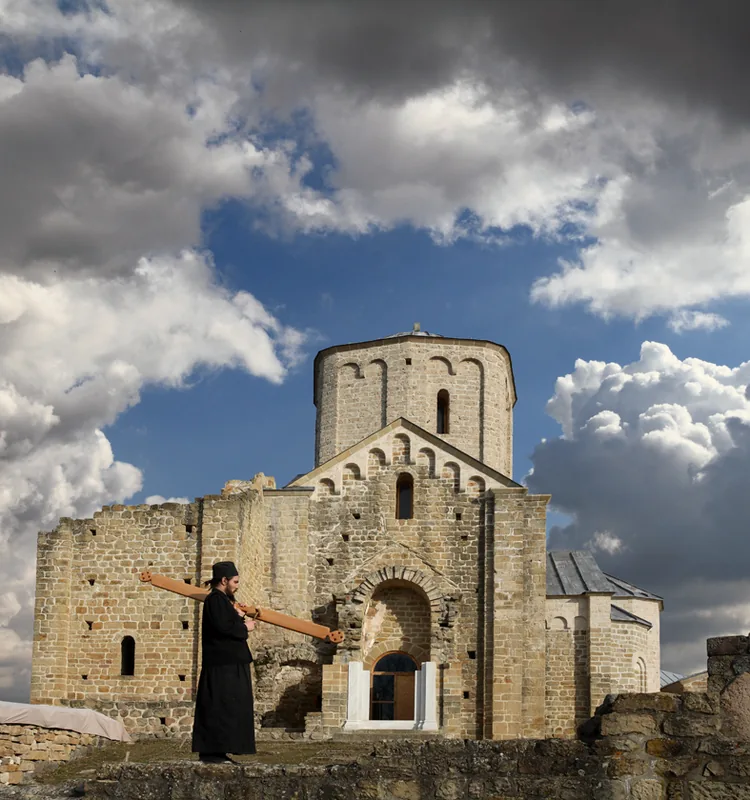
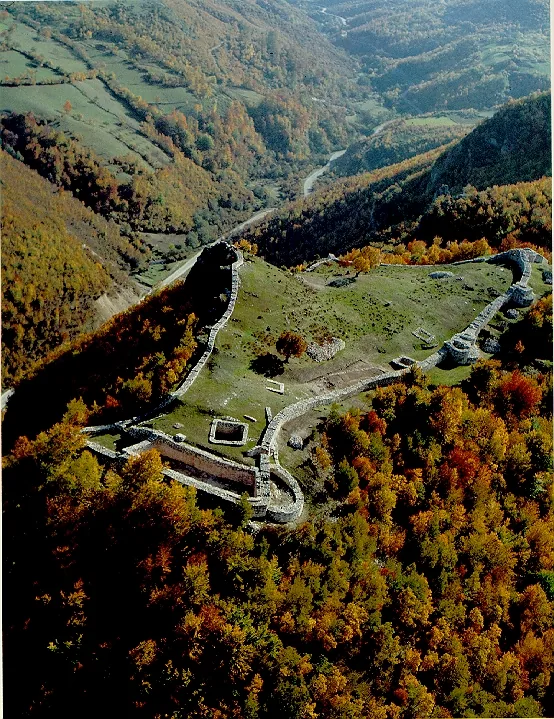
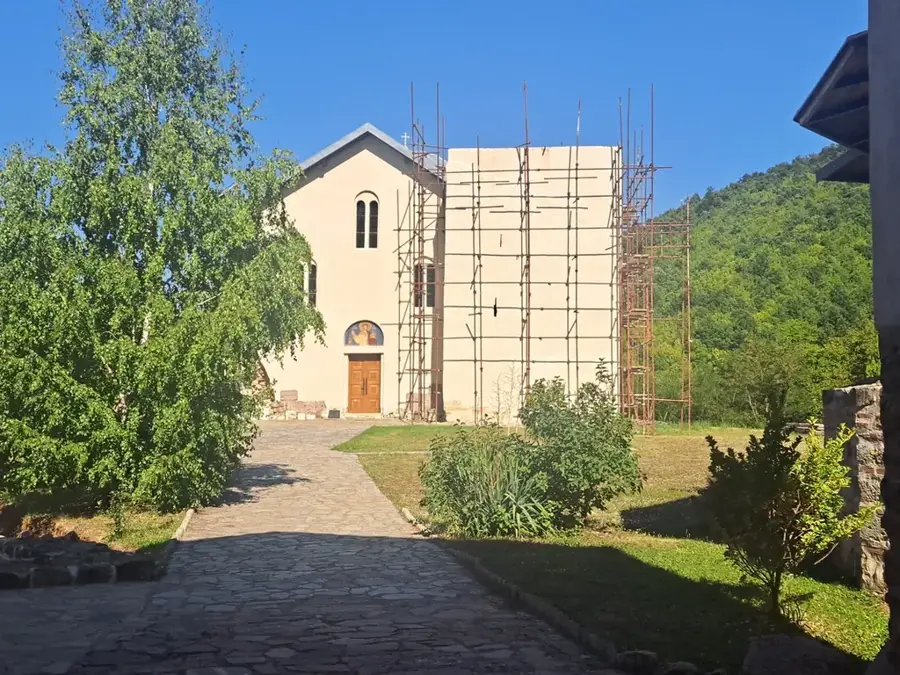
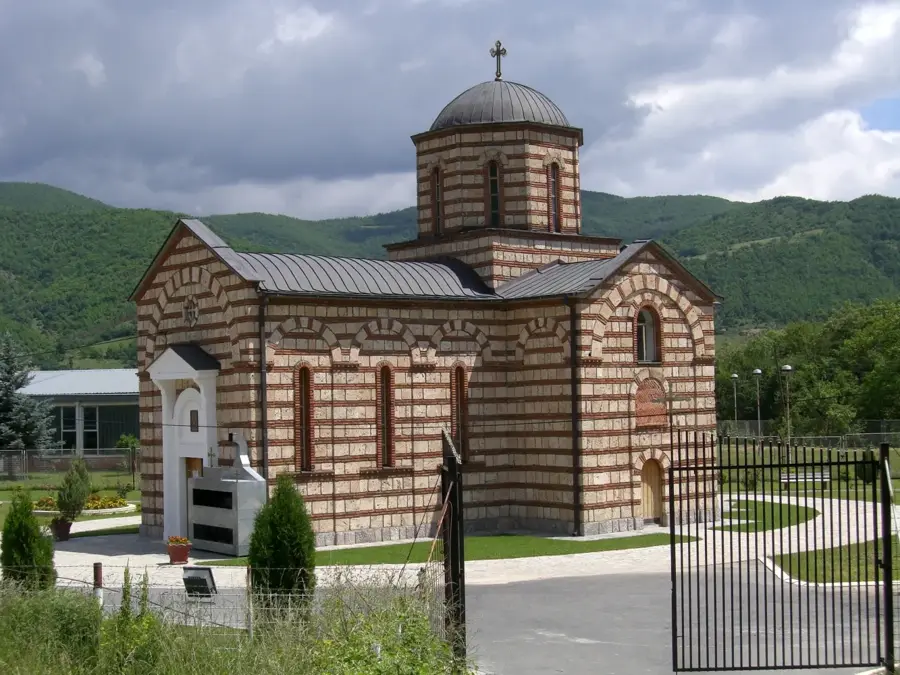
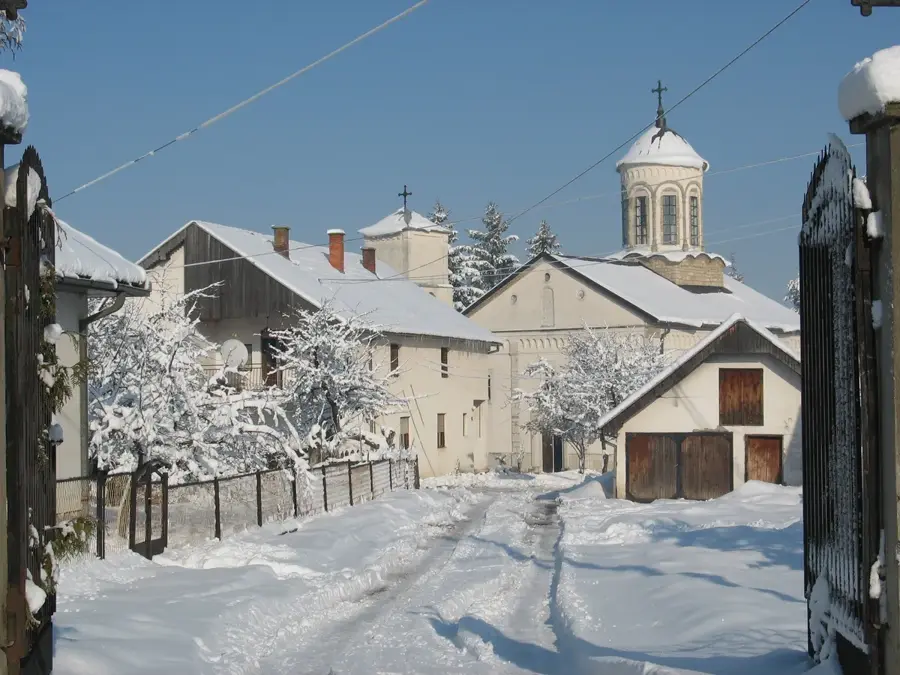
Banjska Monastery was built between 1312 and 1316 by King Stefan Milutin as his mausoleum, and it was once considered one of the most magnificent monasteries in medieval Serbia. Located near Zvečan, it was famous for its rich facade made of tricolor marble, only fragments of which remain today. The architecture follows the Raška school but shows strong influences of Italian Romanesque, distinguishing it from contemporary Byzantine structures. Much of the valuable interior decoration, including the gold gilding of the frescoes, was looted or destroyed after the Ottoman conquest, when the church was temporarily converted into a mosque. Archaeological finds, such as the 'Banjska Treasure,' bear witness to the monastery's former wealth. After centuries of neglect and decay, the complex was partially restored in the 20th century and reconsecrated as an active monastery in 2004. It remains a key monument of Serbian state history and royal burial traditions.
- Location: Serbia
- Nearby: Leposavić Municipality (10 km)
Best time to visit & climate
The most pleasant time to visit is Jun–Aug.
| Jan | Feb | Mar | Apr | May | Jun | Jul | Aug | Sep | Oct | Nov | Dec | |
|---|---|---|---|---|---|---|---|---|---|---|---|---|
| Avg °C | -2 | 0 | 4 | 9 | 14 | 18 | 21 | 21 | 16 | 11 | 5 | 0 |
| Rain mm | 57 | 53 | 65 | 66 | 87 | 79 | 62 | 55 | 58 | 68 | 64 | 62 |
📋 Practical info
Geography
Facts
- Built from 1312 to 1316 as the mausoleum of King Milutin
- The facade was originally made of tricolor marble blocks
- Combines the Serbian Raška style with Romanesque influences
- Was converted into a mosque during the Ottoman period
- Home to the famous 'Banjska Treasure' of gold jewelry
- Reopened as an active monastery in the year 2004
Explore nearby
Notable places around
Route planner — Car & Motorhome
Where do you start? We build the route here, with stops and country notes along the way.
© OpenStreetMap contributors · OpenRouteService
Sights nearby
Frequently asked questions
Who is the founder of Banjska?
What is special about the facade?
Is the monastery active?
Where is Banjska located?
What is the 'Banjska Gold'?
Banjska Monastery: where is it located?
Banjska Monastery: when is the best time to visit?
Banjska Monastery: why is it worth visiting?

Nearby cities
History & landmarks
Nature
More places