Plizio Visual Lab

Smolensk Fortress Tower

Plizio editorial teamData Sources
tower
—°1
Smolensk Fortress Tower (Russia)

Weather…

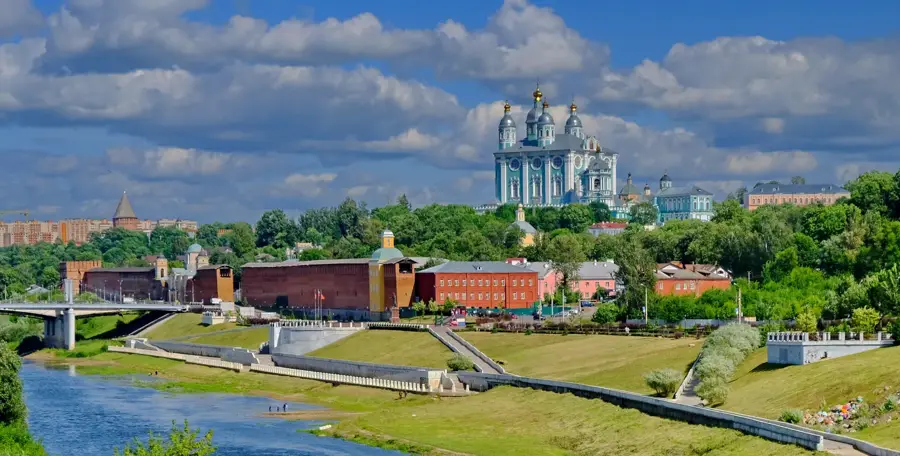
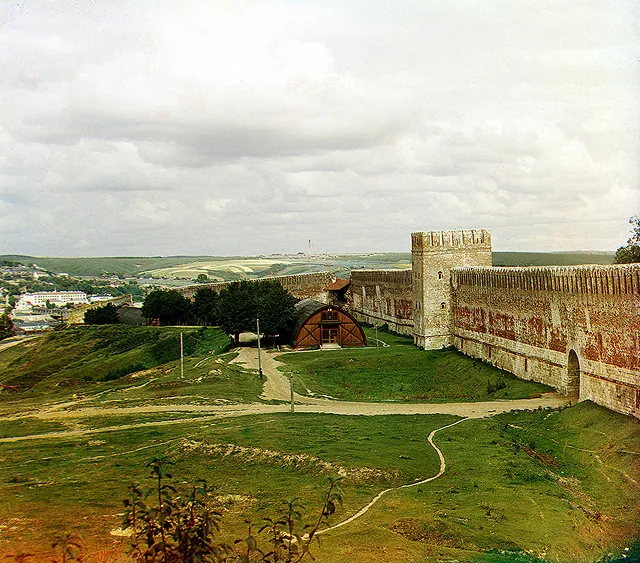
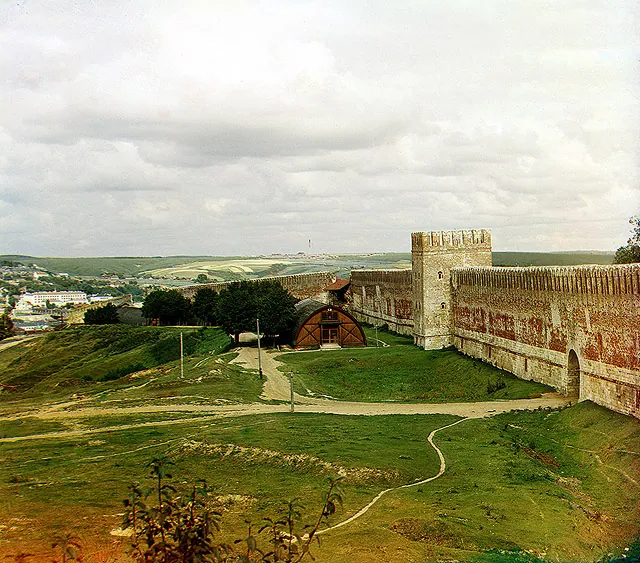
The Smolensk Fortress Towers are part of a massive defensive fortification system built between 1595 and 1602 under the direction of master architect Fyodor Kon. Often referred to as the 'Stone Necklace of Russia,' the walls originally stretched for 6.5 kilometers and featured 38 distinct towers. The fortress played a critical role in guarding Russia's western frontiers against Polish and Lithuanian invasions. Each tower possesses a unique architectural design and historical significance; notable ones include the Gromovaya Tower, which now houses a military history museum, and the Veselukha Tower. Despite suffering immense damage during the Napoleonic Wars and World War II, 17 towers and significant sections of the wall remain standing today. The defensive walls are incredibly robust, reaching up to 18 meters in height and up to 6 meters in thickness. Today, the fortress is the primary symbol of Smolensk and a masterpiece of late 16th-century Russian military engineering. Visitors can walk along parts of the ramparts and visit the restored towers to view exhibitions detailing the city's heroic past and strategic importance through the ages.

Best time to visit & climate

The most pleasant time to visit is Jun–Aug.

JanFebMarAprMayJunJulAugSepOctNovDec
Avg °C-9-8-3513161817125-1-6
Rain mm554851539296939362786657

📋 Practical info

🚪
Visiting
The remaining defensive tower of the Smolensk fortress wall is open as a museum. You can visit the interior rooms and the observation platform.
🕒
Typical hours
The tower is typically open daily from May to October. Off-season hours are limited - check ahead.
📷
Photography
Photography is allowed inside and from the observation deck. Avoid using flash to preserve the historic interiors.
⏱️
Time needed
For the tower visit and the view from the top, about 30 minutes suffice. Combine with the nearby cathedral for a half-day.
Combine with
The tower is part of the Smolensk fortification system. Combine your visit with the Dormition Cathedral and the City History Museum.
🧭
Getting there
The tower is in central Smolensk near the cathedral. A 20-minute walk from Smolensk railway station.
💡
Insider tip
Climb the observation deck for a panoramic view of Smolensk. The tower is less crowded than the cathedral - a peaceful alternative.

Geography

Coordinates
54.78000, 32.04000

Facts

  • Construction of the fortress was commissioned by Tsar Boris Godunov in 1595.
  • The wall originally encompassed 38 towers, of which 17 have survived.
  • The fortification was completed in just seven years, a record for the 16th century.
  • The Gromovaya Tower is home to a permanent military history exhibition.
  • The thickness of the walls varies between 3 and 6 meters across different sections.
  • Architect Fyodor Kon is also credited with building the White City walls in Moscow.

Explore nearby

Notable places around

Route planner — Car & Motorhome

Where do you start? We build the route here, with stops and country notes along the way.

Vehicle
Only stops with (optional):

© OpenStreetMap contributors · OpenRouteService

Sights in the town Smolensk Fortress Tower (1)

People's drama theatre

People's theatre in Smolensk, with amateur actors.

Sights nearby

Frequently asked questions

Can you visit the inside of the fortress towers?
Only selected towers are accessible to visitors.
When is the best time for photos?
Sunset provides the best lighting for photos.
Is entry to the area free?
Walking along the walls is usually free, towers have fees.
How much time should be allocated?
1-2 hours is enough for a walk along the wall.
Is there parking nearby?
Yes, there are public parking options in the city.
Smolensk Fortress Tower: where is it located?
Smolensk Fortress Tower is located in Russia.
Smolensk Fortress Tower: when is the best time to visit?
The most pleasant time to visit is Jun, Aug.
Smolensk Fortress Tower: why is it worth visiting?
The Smolensk Fortress Towers are part of a massive defensive fortification system built between 1595 and 1602 under the direction of master architect Fyodor Kon.
View on map → The Top 50 Attractions → OpenStreetMap →
Europe
Explore with Plizio Discover more places in Europe
More places in Russia →

Nearby cities

History & landmarks