Plizio Visual Lab
Rongerik Wildlife Area
Weather…
Water temperature…
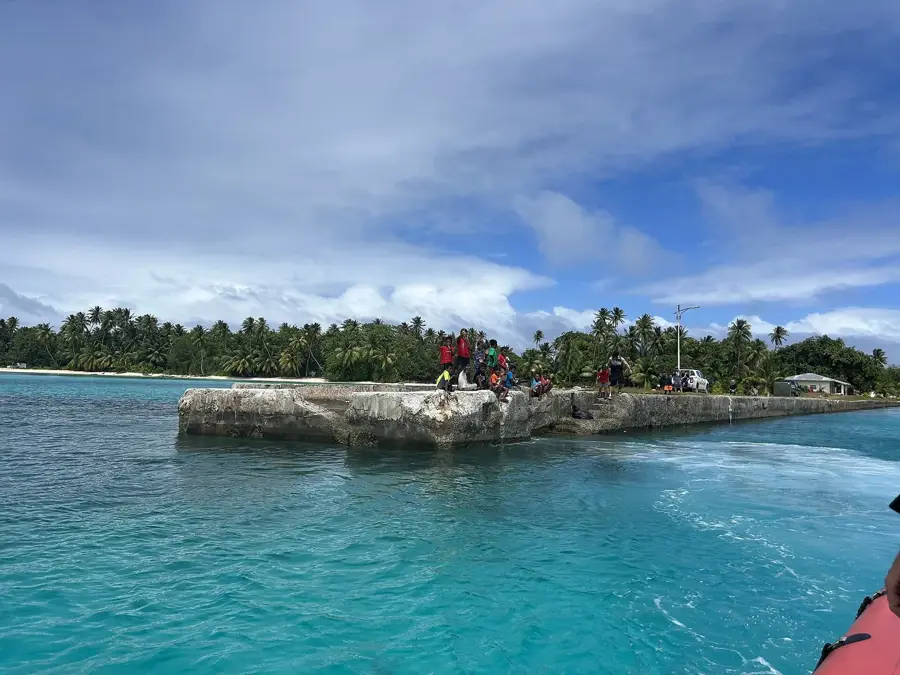
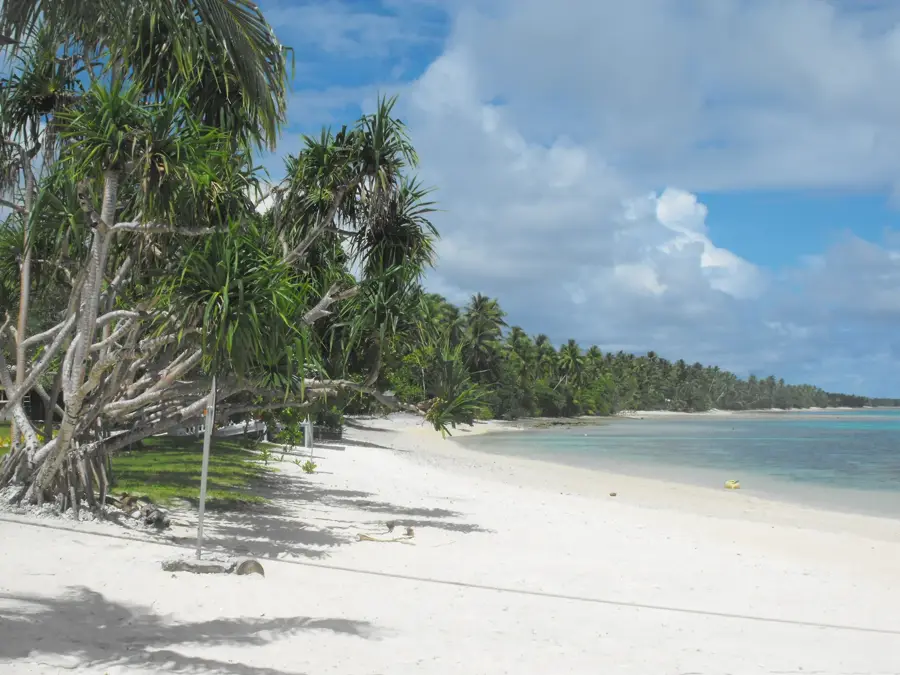
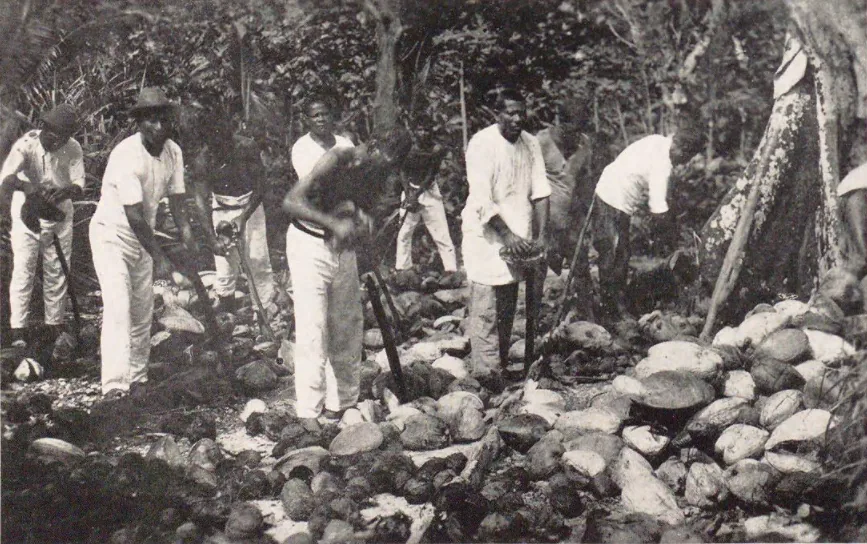
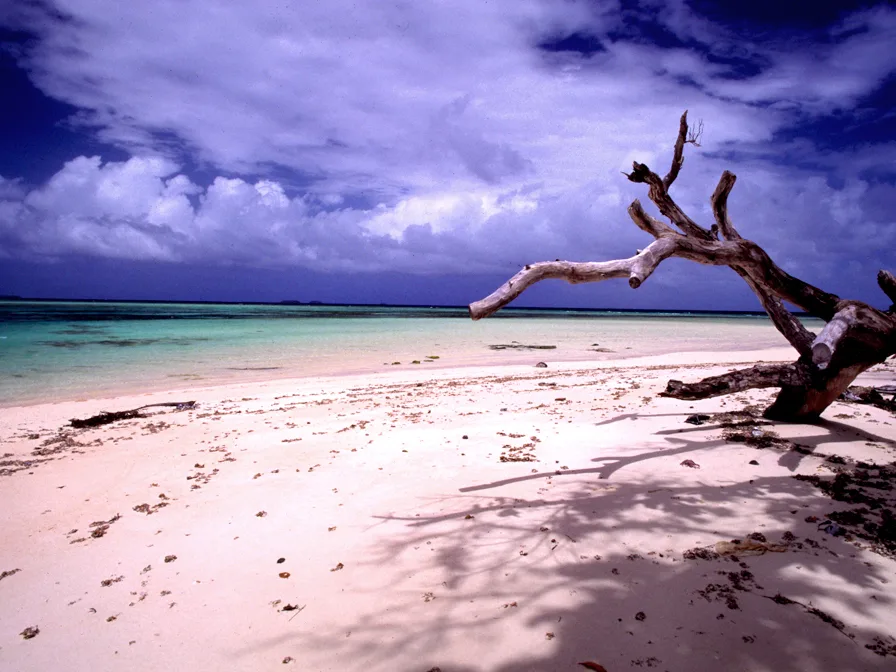
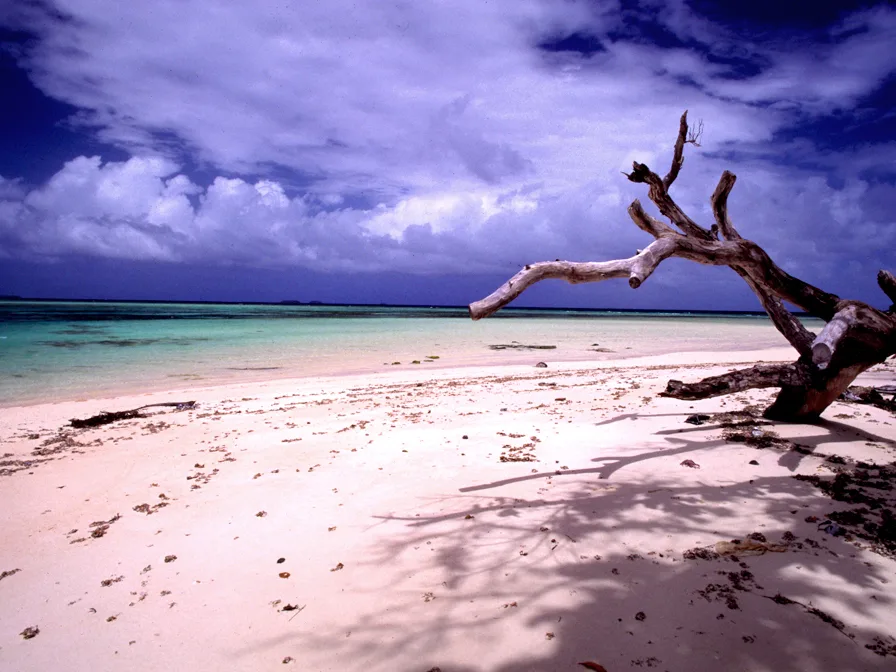
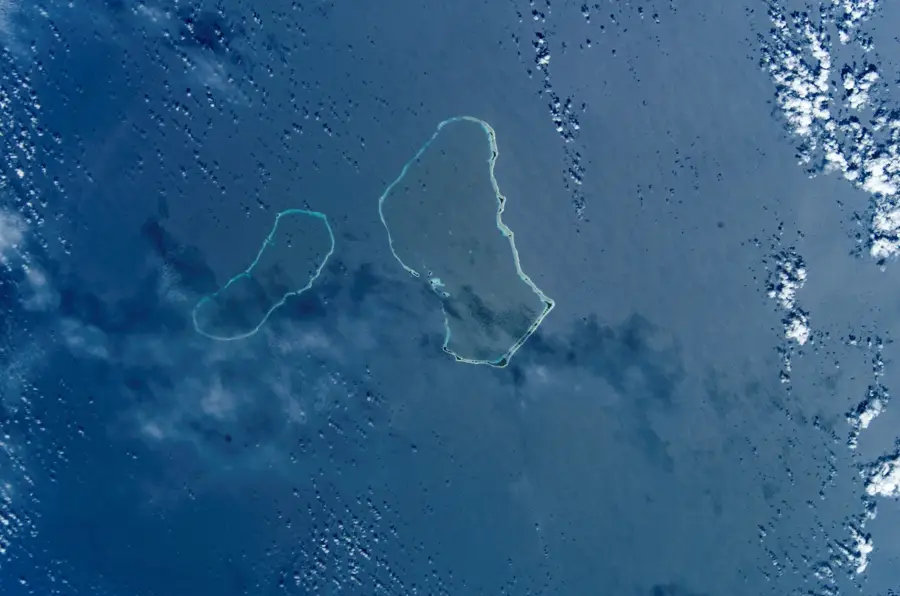
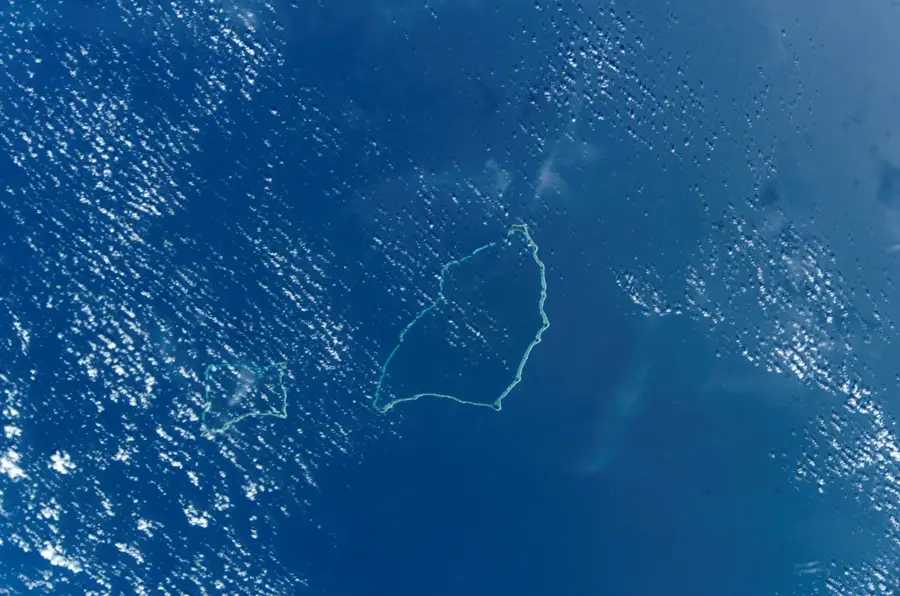
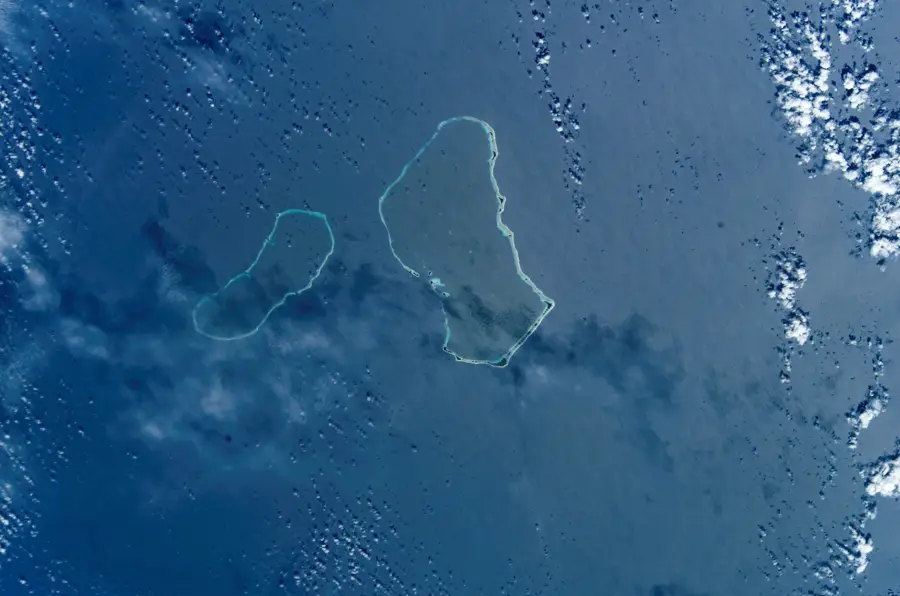
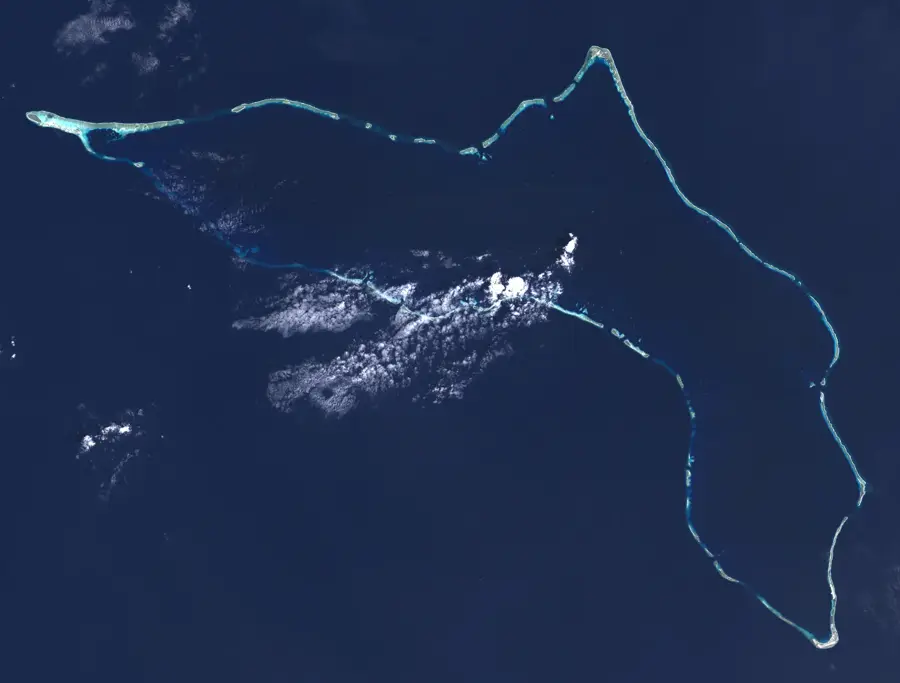
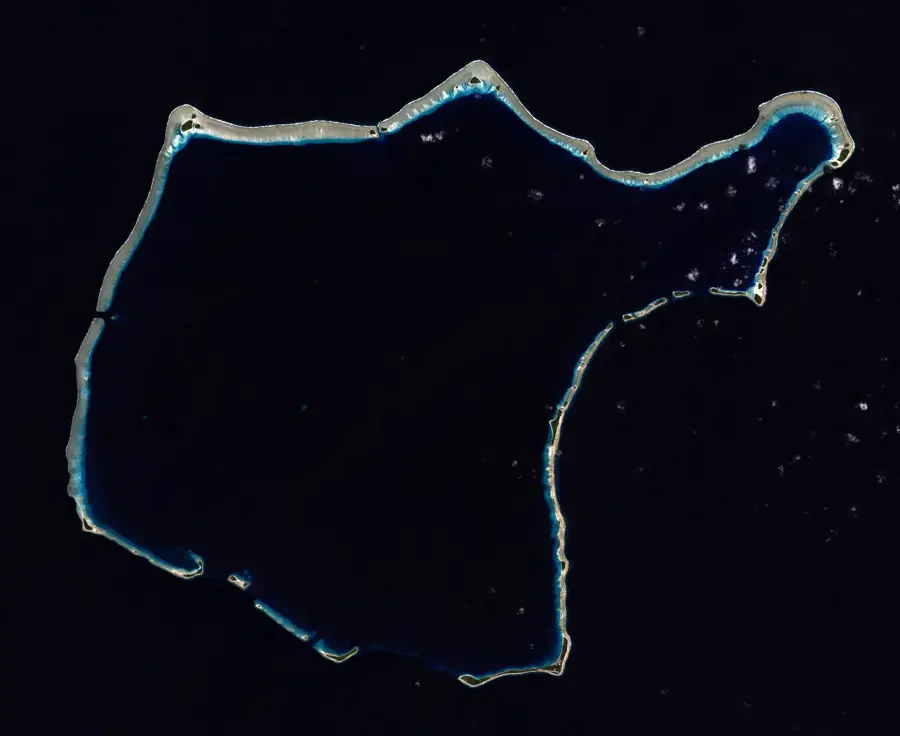
The Rongerik Wildlife Area is a pristine sanctuary where nature has flourished undisturbed for over seven decades. Since the evacuation of its inhabitants in 1948, the atoll has remained entirely uninhabited, allowing both terrestrial and marine ecosystems to thrive in a near-original state. The protected area is particularly celebrated for its thriving populations of giant clams, which find good conditions in the clear, shallow waters of the lagoon. On land, the islands serve as critical nesting grounds for a wide variety of tern species and other seabirds that rely on the predator-free environment. Beneath the surface, the coral reefs exhibit remarkable health, with extensive stands of hard corals supporting a lively array of marine life. Rongerik stands as a testament to the resilience of island ecosystems.
Best time to visit & climate
The most pleasant time to visit is Jan–Mar.
| Jan | Feb | Mar | Apr | May | Jun | Jul | Aug | Sep | Oct | Nov | Dec | |
|---|---|---|---|---|---|---|---|---|---|---|---|---|
| Avg °C | 27 | 27 | 27 | 27 | 28 | 28 | 28 | 28 | 28 | 28 | 28 | 28 |
| Rain mm | 24 | 26 | 41 | 61 | 59 | 66 | 105 | 134 | 136 | 166 | 115 | 44 |
📋 Practical info
Geography
Facts
- Land area: 16.5 km².
- Lagoon area: 780 km².
- Year designated: 1986.
- Green turtle nests per season: about 500.
- Seabird species breeding: over 20.
- Hard coral species: 150.
Route planner — Car & Motorhome
Where do you start? We build the route here, with stops and country notes along the way.
© OpenStreetMap contributors · OpenRouteService
Sights nearby
Frequently asked questions
What is Rongerik Wildlife Reserve?
Can you dive there?
How do you get there?
Is it inhabited?
What should I keep in mind?
Rongerik Wildlife Area: where is it located?
Rongerik Wildlife Area: when is the best time to visit?
Rongerik Wildlife Area: why is it worth visiting?
Nearby cities


History & landmarks
Nature

More places