Plizio Visual Lab
Ailinginae Atoll

Weather…
Water temperature…
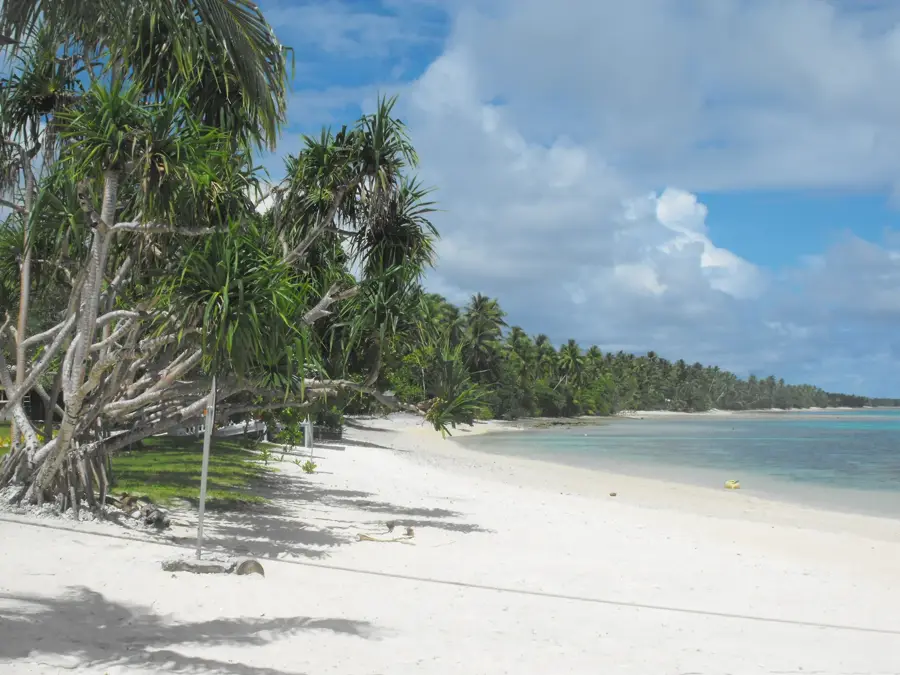
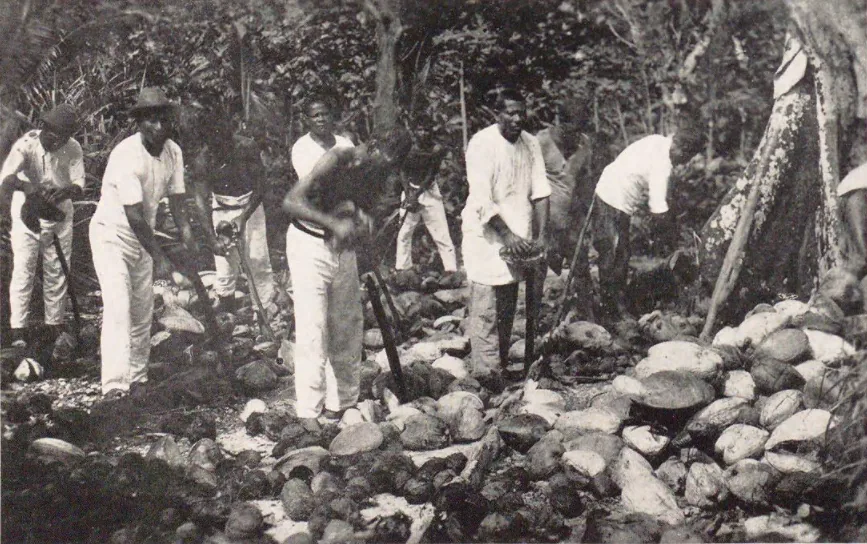
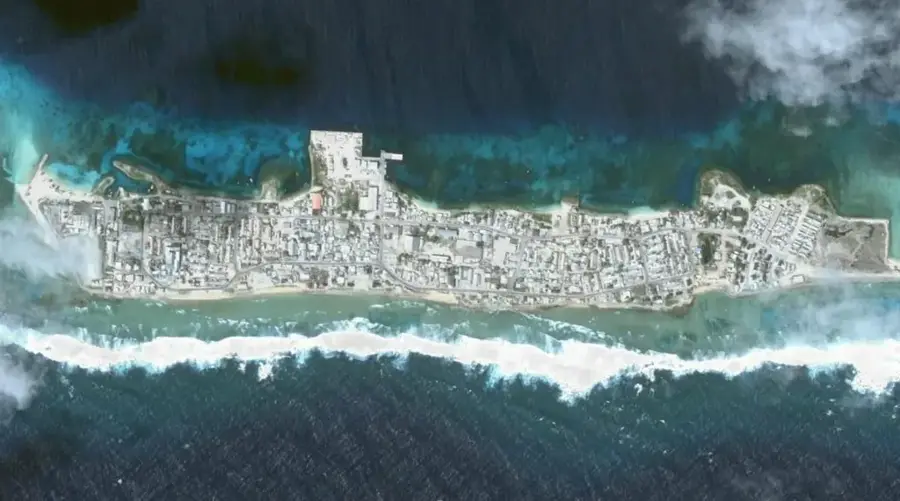
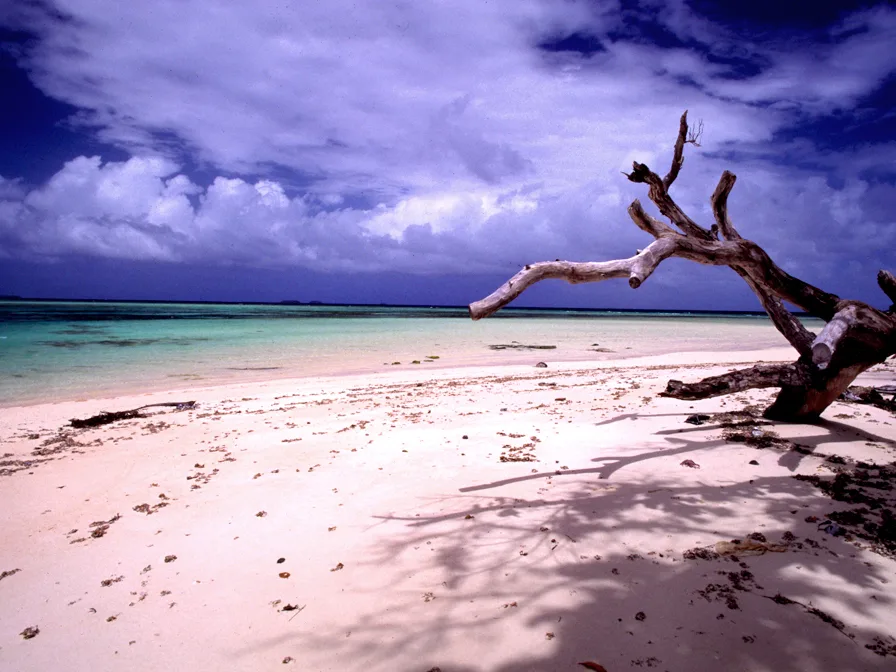
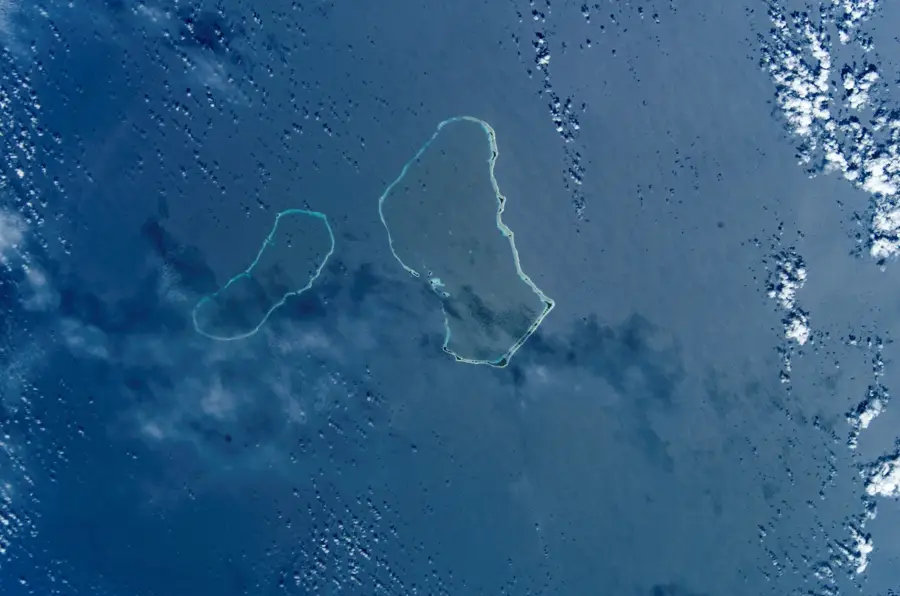
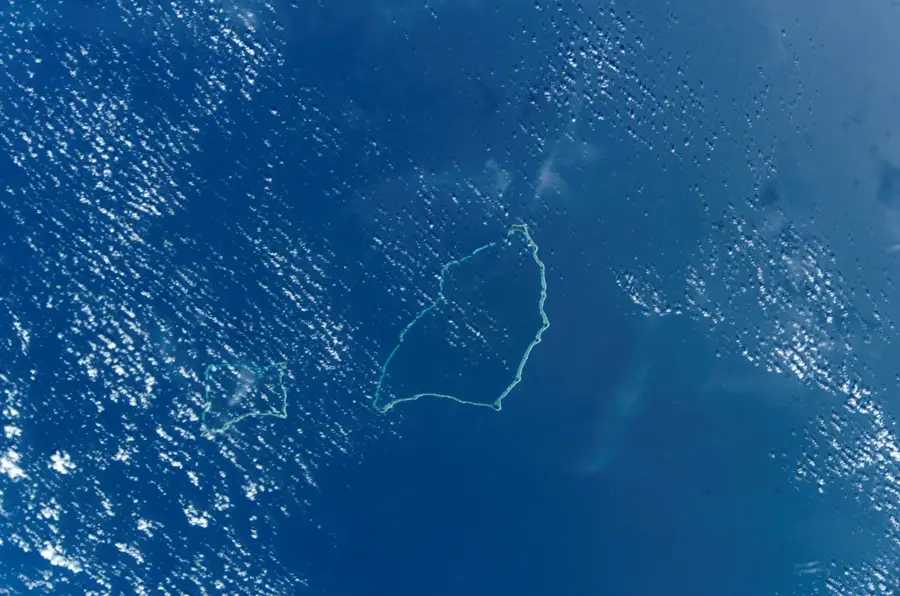
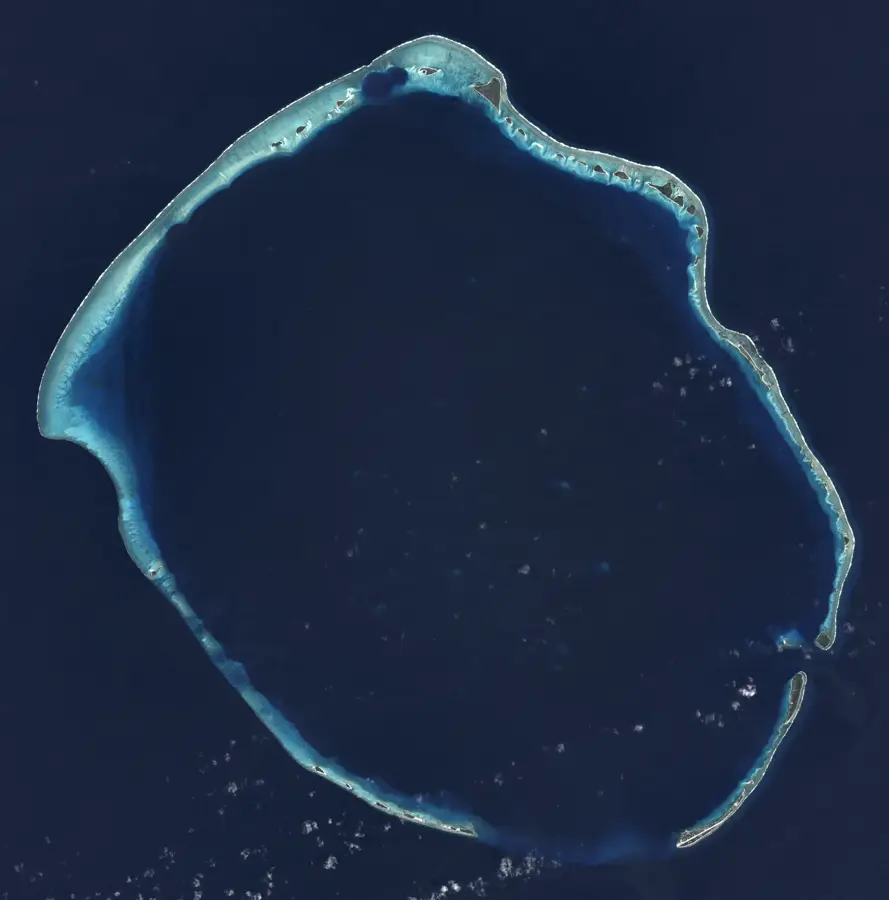
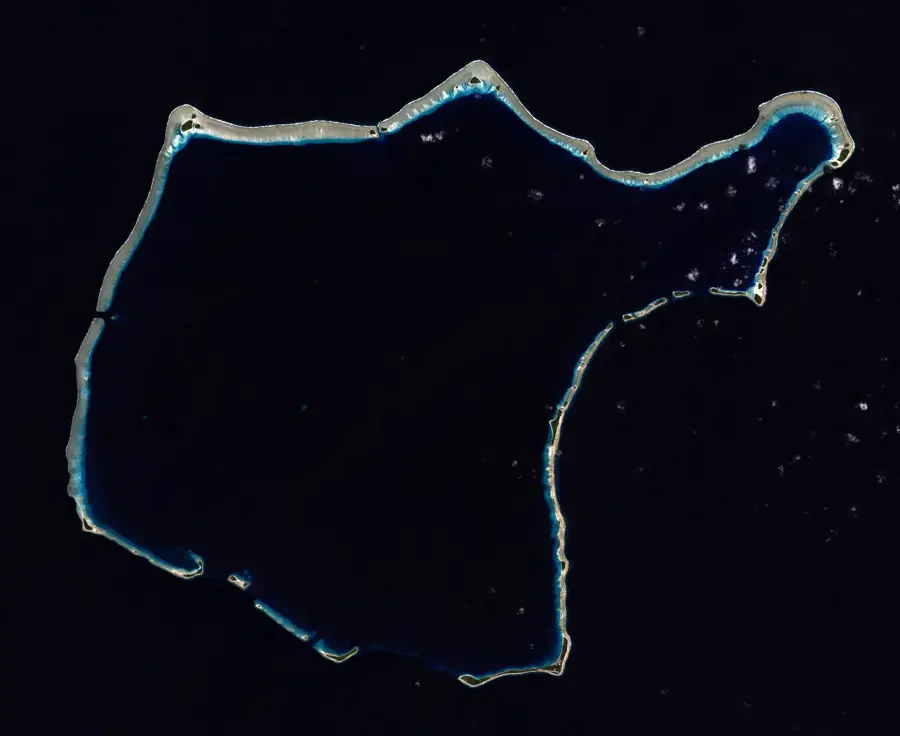
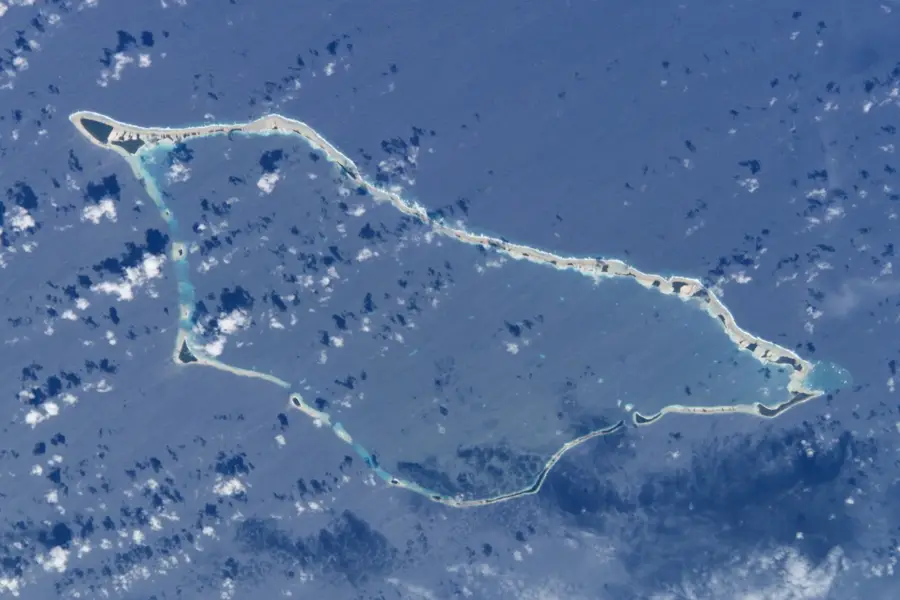
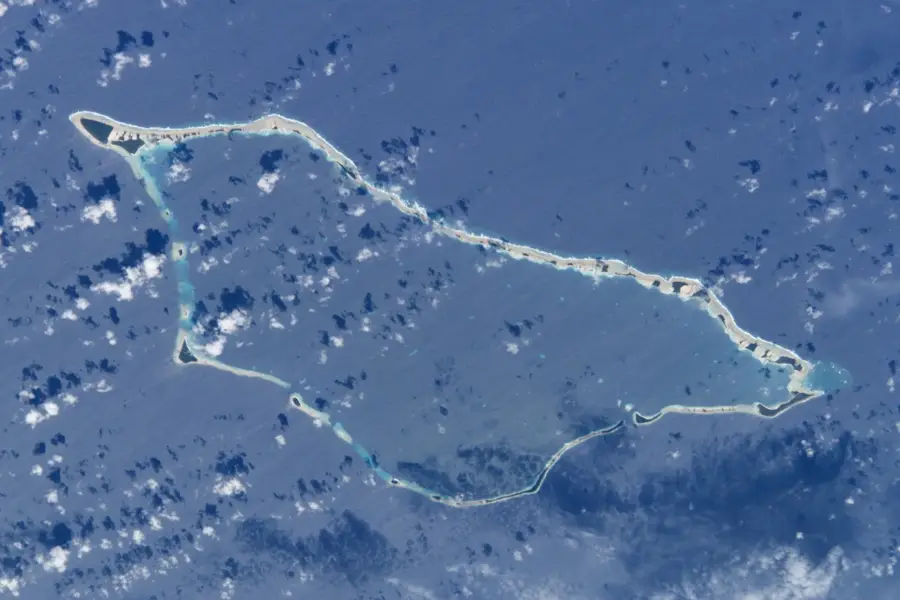
Ailinginae Atoll is one of the most pristine natural paradises in the Marshall Islands, recognized as a UNESCO World Heritage site since 2010. This uninhabited atoll consists of 25 small islets encircling a crystal-clear lagoon. Since the evacuation of the nearby area in 1954, it has remained largely free from human intervention, allowing its coral reefs and marine biodiversity to flourish in a near-natural state. The atoll serves as a critical refuge for reef sharks, sea turtles, and numerous species of seabirds that nest on its undisturbed beaches. Its scientific importance lies in providing a baseline for understanding healthy oceanic ecosystems in the Pacific, away from direct anthropogenic pressures. While access is strictly limited to preserve its integrity, Ailinginae stands as a powerful symbol of nature's resilience. It remains a silent witness to the untouched beauty of the deep Pacific, offering vital insights into marine conservation and the protection of fragile island environments.
Best time to visit & climate
The most pleasant time to visit is Jan–Mar.
| Jan | Feb | Mar | Apr | May | Jun | Jul | Aug | Sep | Oct | Nov | Dec | |
|---|---|---|---|---|---|---|---|---|---|---|---|---|
| Avg °C | 27 | 27 | 27 | 28 | 28 | 28 | 28 | 28 | 28 | 28 | 28 | 28 |
| Rain mm | 27 | 27 | 38 | 65 | 70 | 72 | 115 | 139 | 147 | 167 | 117 | 46 |
📋 Practical info
Geography
Facts
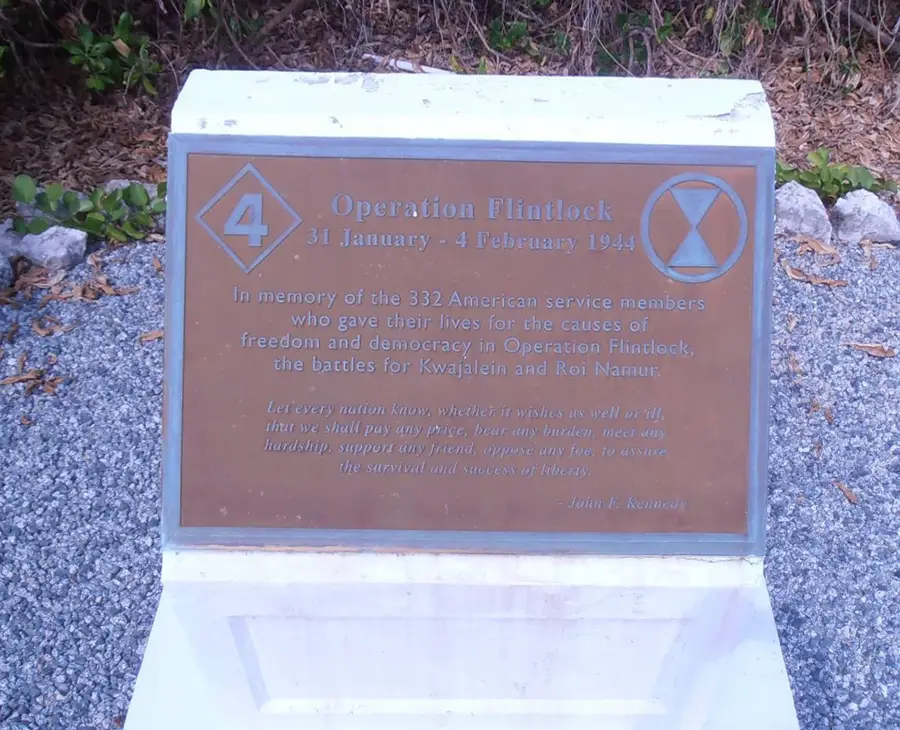
- Evacuation of the resident population on March 3, 1954
- Comprised of 25 small islets (motus)
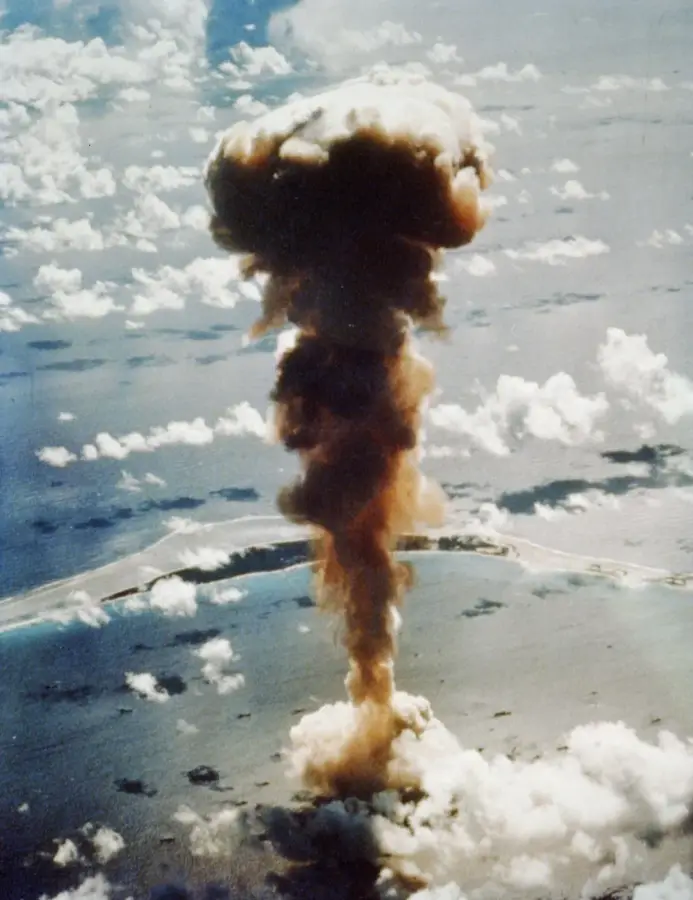
- Part of the World Heritage nomination process for nuclear sites
- Abundant populations of giant clams (Tridacna) in the lagoon
- Key transit point for migratory whale shark populations
- Total land area is only approximately 2.8 square kilometers
Explore nearby
Notable places around


Route planner — Car & Motorhome
Where do you start? We build the route here, with stops and country notes along the way.
© OpenStreetMap contributors · OpenRouteService
Sights nearby
Frequently asked questions
Is Ailinginae inhabited?
What can you do there?
Are there hotels there?
How do you get there?
Is the atoll safe?
Ailinginae Atoll: where is it located?
Ailinginae Atoll: when is the best time to visit?
Ailinginae Atoll: why is it worth visiting?
Nearby cities


History & landmarks
Nature

More places