Plizio Visual Lab
Kili
ℹ️Practical info — Kili
▾
🌤 Weather — 5 days
📍 Nearby
Sights nearby
💡 Tips
- The island has no lagoon, so the ocean swells can be rough; swimming is often dangerous.
- Supplies are heavily dependent on boats, so bring essential items with you.
- The community is deeply knit due to their shared history from Bikini Atoll.
- Walking around the entire island takes less than an hour.
- Respect local traditions and the poignant history of the resettled community.
🍽 Food
Canned meats and rice are staples due to the difficulty of fishing in rough waters.
Local coconuts used in various traditional sweet and savory preparations.
When the ocean is calm, locals may catch fresh fish near the shore.
🛍 Shopping · 🧘 Quiet spots
Woven bags famous across the Marshall Islands for their intricate designs, created by local women.
A small local shop offering the few available imported necessities.
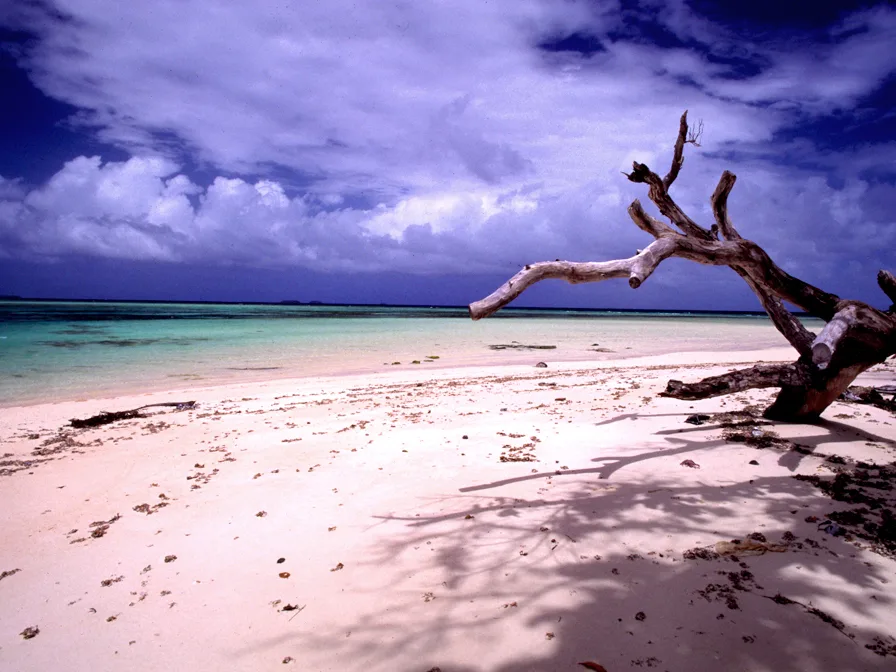
Walk along the rocky shores to listen to the powerful crashing waves.
A quiet center of the community offering moments of reflection.
Water temperature…
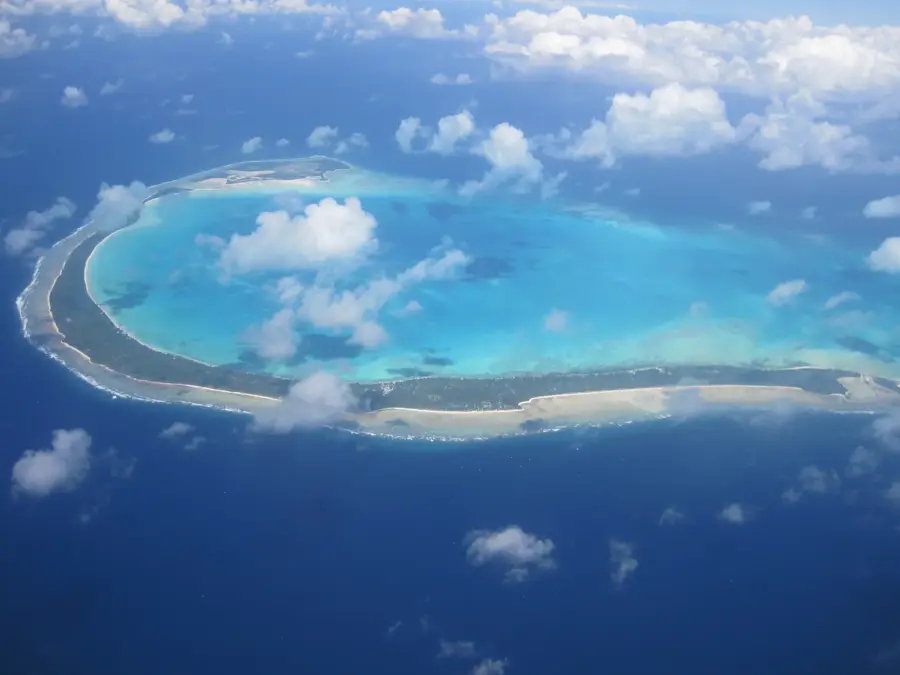
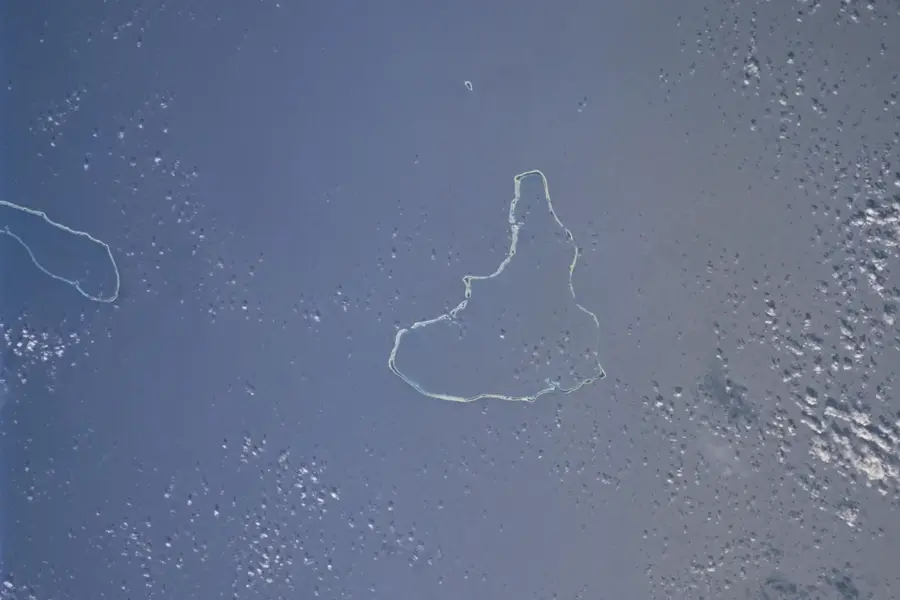
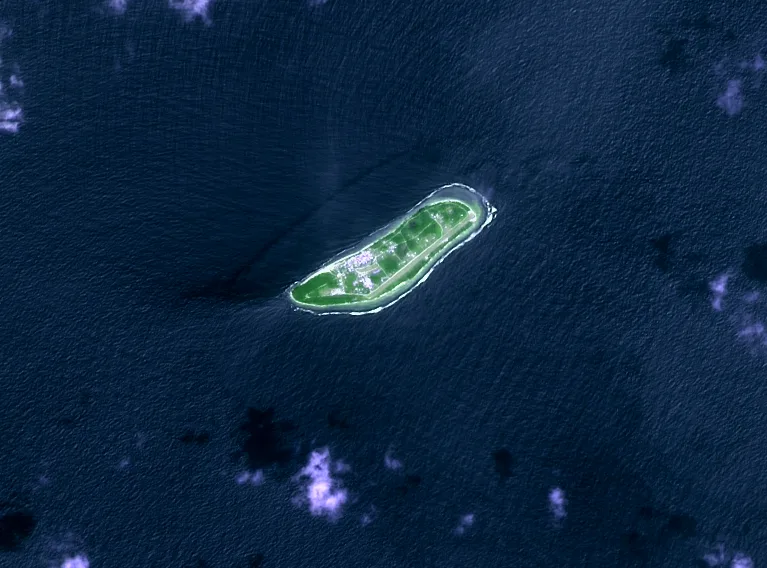
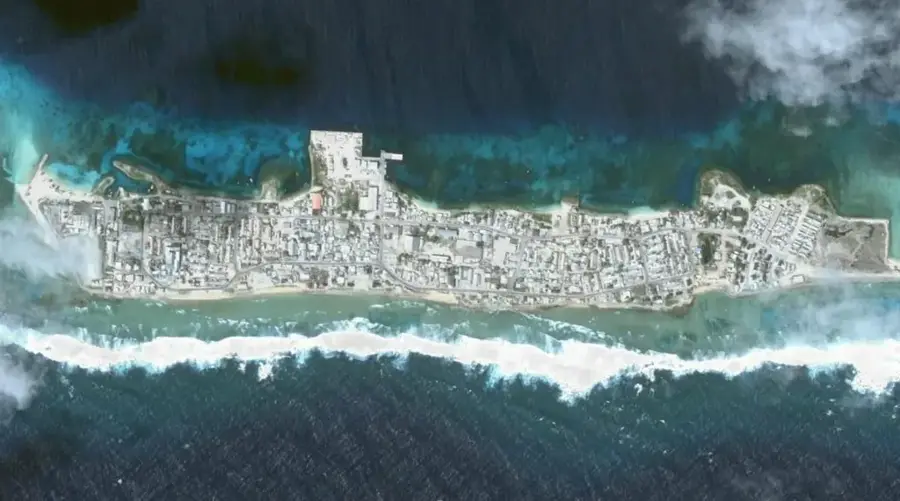
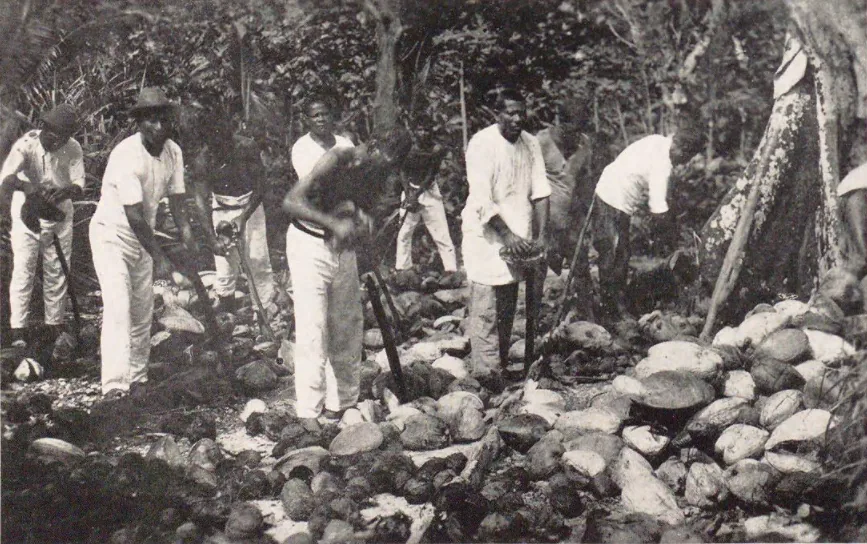
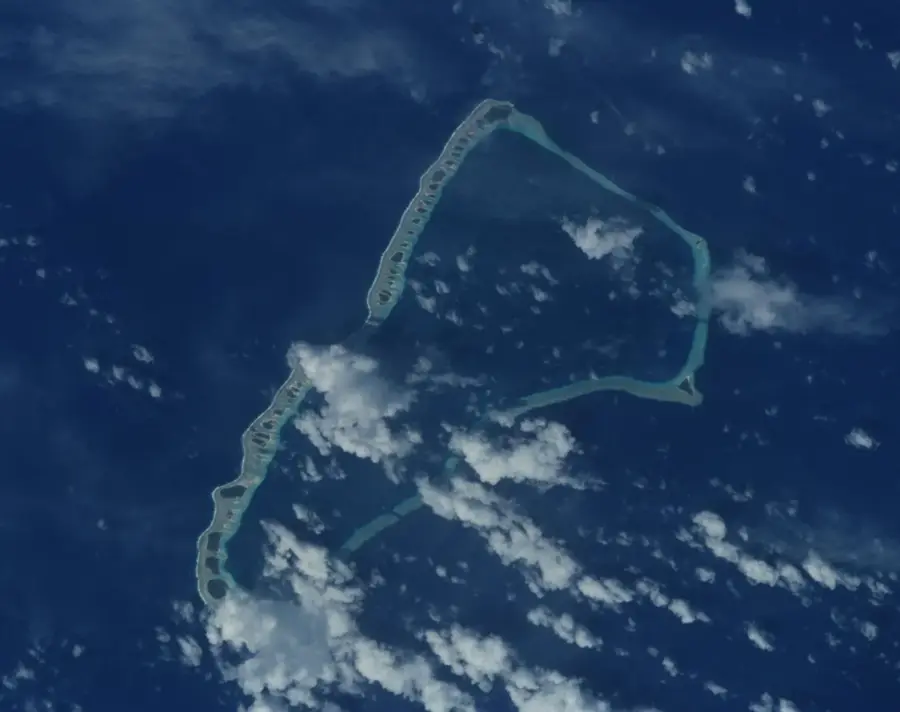
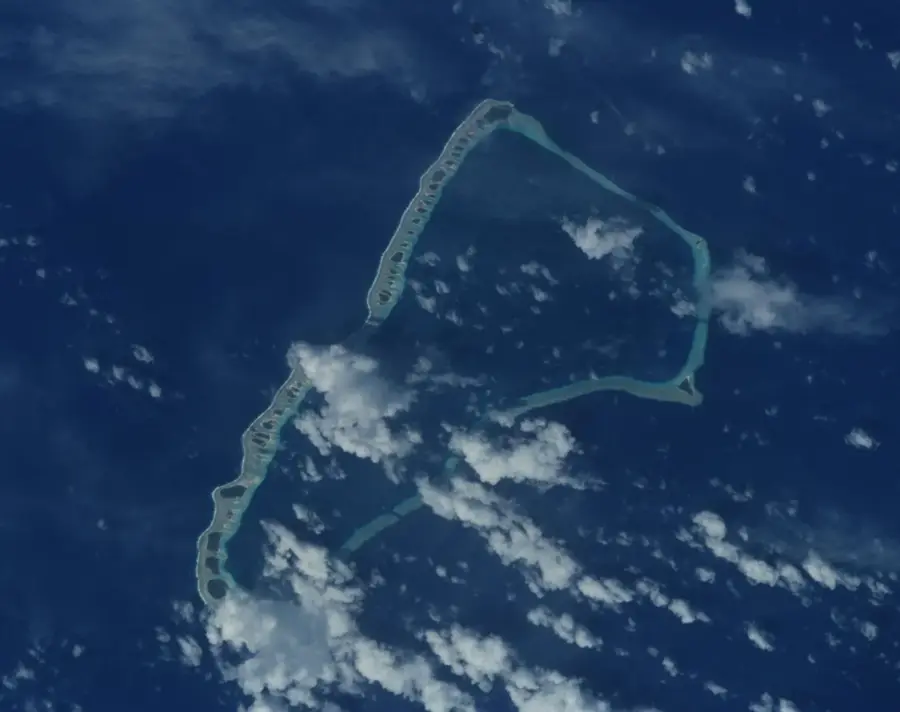
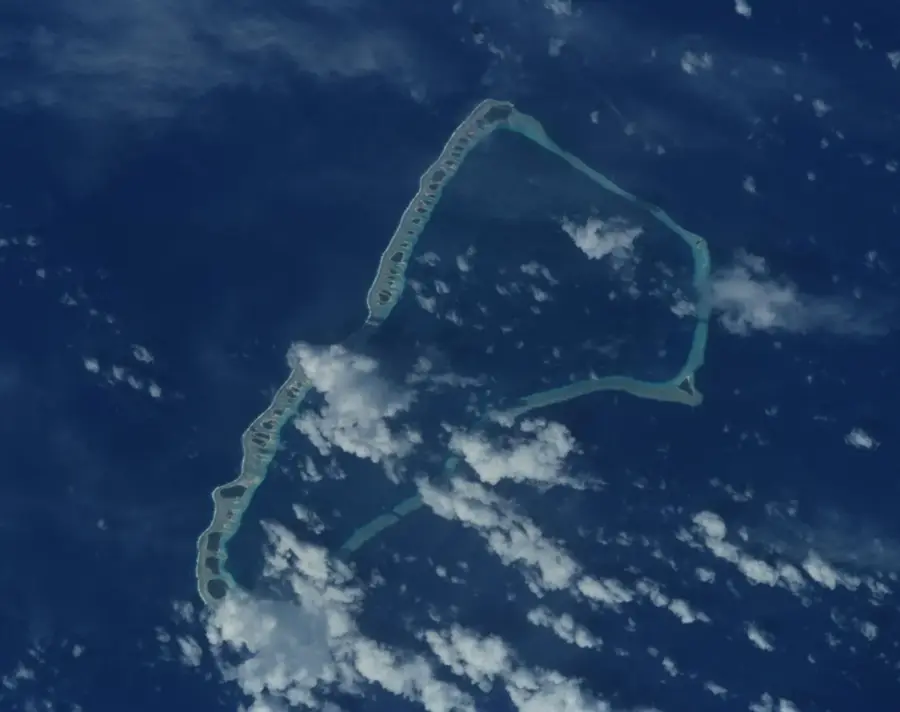
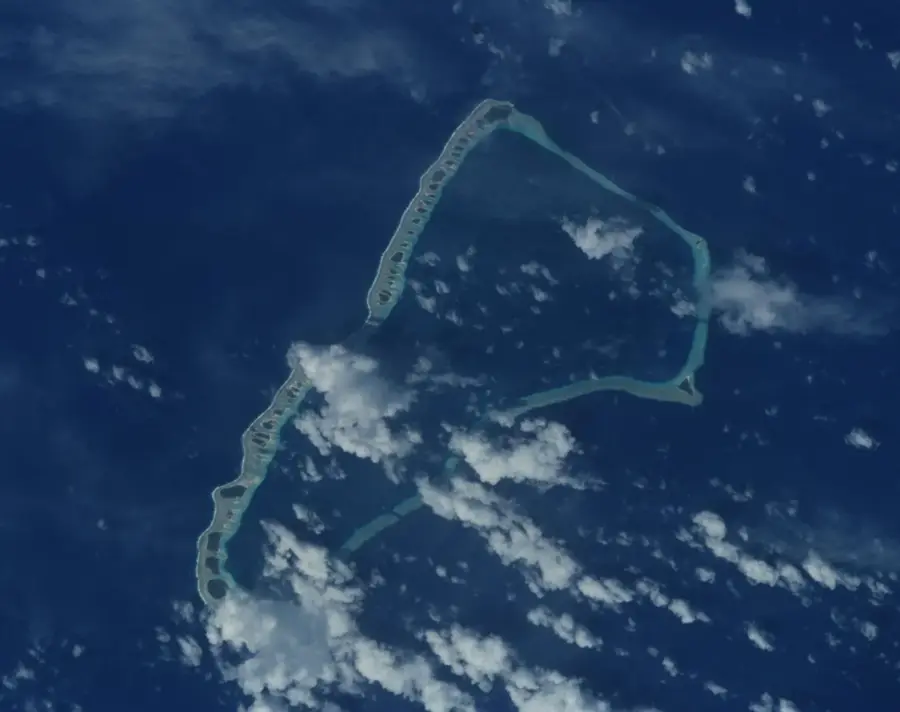
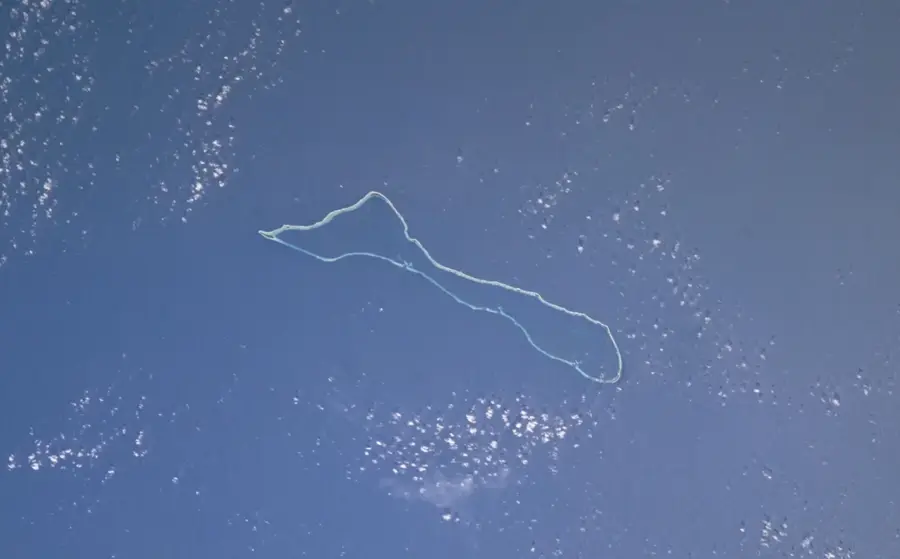
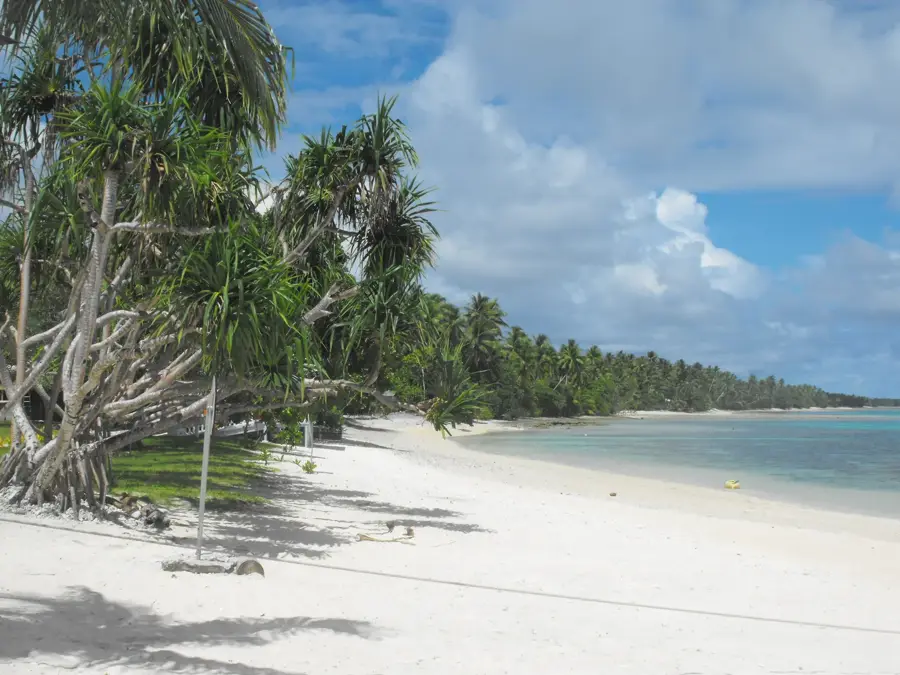
Kili Island is a small, solitary coral island in the Ralik Chain of the Marshall Islands, carrying a profound historical significance. Unique among the islands of the archipelago, Kili lacks a protective lagoon, meaning it is directly battered by the open Pacific swells, making maritime access notoriously difficult. The island became the resettlement site for the people of Bikini Atoll in 1948, following their displacement due to US nuclear testing. This forced move necessitated a dramatic shift in their way of life, from lagoon-based fishing to land-based agriculture on less than one square kilometer of soil. Despite these hardships and the continued isolation, the community on Kili remains resilient, preserving the unique language and customs of their ancestral Bikini home. Today, the island serves as a living testament to the human impact of the Cold War and the enduring spirit of the Marshallese people. With limited resources and challenging logistics, Kili represents both the beauty of remote island life and the ongoing struggle for justice and environmental restoration for its inhabitants.
- Location: Marshall Islands
- Nearby: Jabor (66 km)
- Population: ~602 (2026)
Best time to visit & climate
The most pleasant time to visit is Feb, Aug, Oct.
| Jan | Feb | Mar | Apr | May | Jun | Jul | Aug | Sep | Oct | Nov | Dec | |
|---|---|---|---|---|---|---|---|---|---|---|---|---|
| Avg °C | 28 | 28 | 28 | 28 | 28 | 28 | 28 | 28 | 28 | 28 | 28 | 28 |
| Rain mm | 261 | 194 | 235 | 294 | 273 | 240 | 250 | 205 | 224 | 205 | 224 | 268 |
Geography
Facts
- Land area of only 0.93 km²
- No lagoon or protective reef
- Home to Bikini exiles since 1948
- High annual rainfall (>3,000 mm)
- Equipped with a short airfield
- Population of about 550 people
Explore nearby
Notable places around


Route planner — Car & Motorhome
Where do you start? We build the route here, with stops and country notes along the way.
© OpenStreetMap contributors · OpenRouteService
Frequently asked questions
What is the character of Kili?
How do you get to Kili?
Are there tourist destinations there?
What should you know when visiting?
Are there accommodations for guests?
Kili: where is it located?
Kili: when is the best time to visit?
Kili: why is it worth visiting?
Nearby cities

History & landmarks
Nature
More places