Attractions in Marshall Islands
The finest attractions in Marshall Islands at a glance: castles, natural wonders, historic old towns and more. Each place links to a detailed page with map, tips and photos.
Culture & History
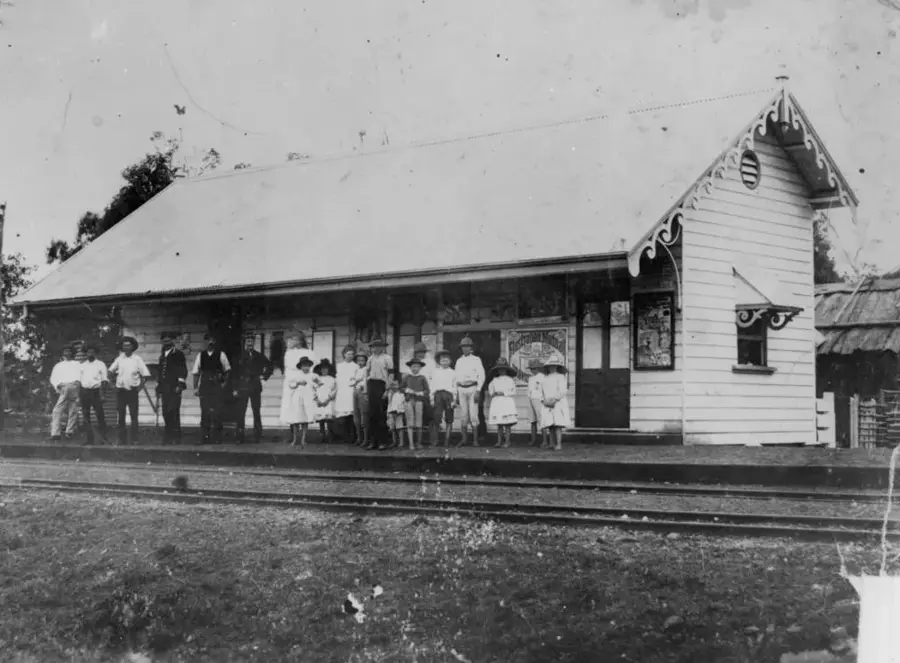
Laura Village Cultural Center
Laura is located at the western end of Majuro and is known for its traditional lifestyle.
Learn more →
Ship Registry Headquarters
Administrative center for one of the world's largest ship registries.
Learn more →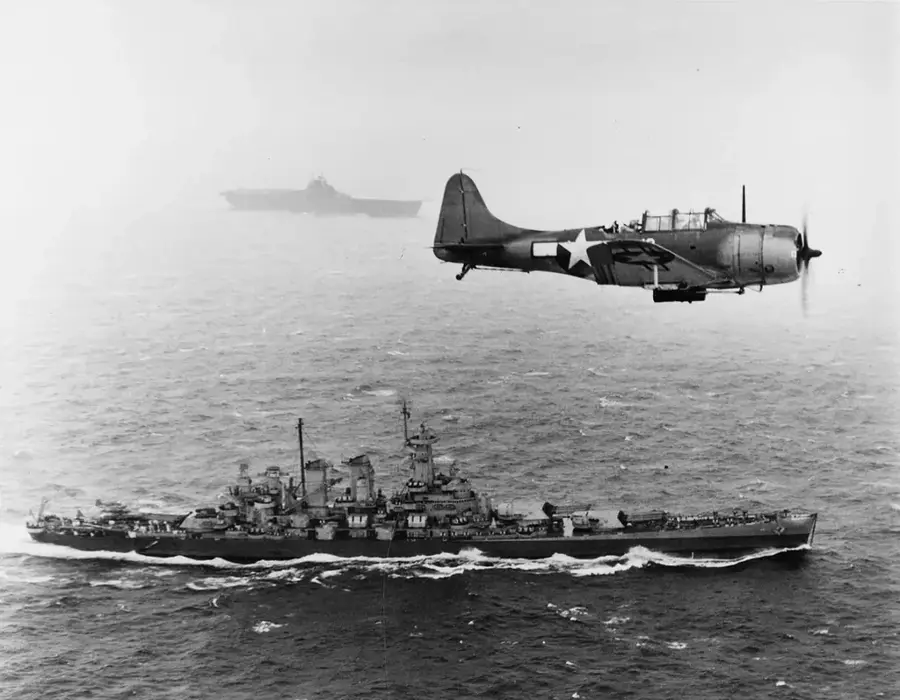
Majuro Central Market
The primary trading hub for local produce and handicrafts.
Learn more →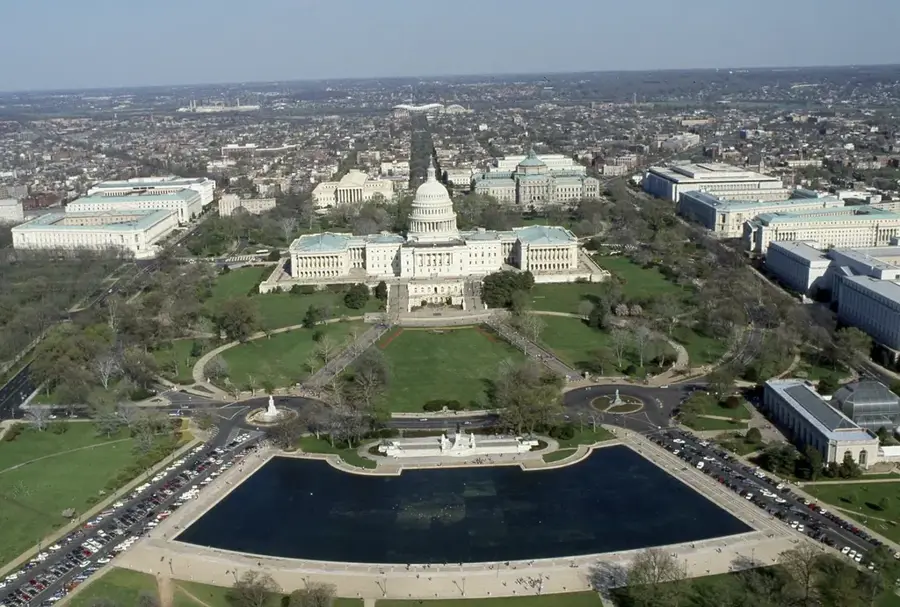
Capitol Building
The Capitol Building in Majuro is the seat of the Marshall Islands government.
Learn more →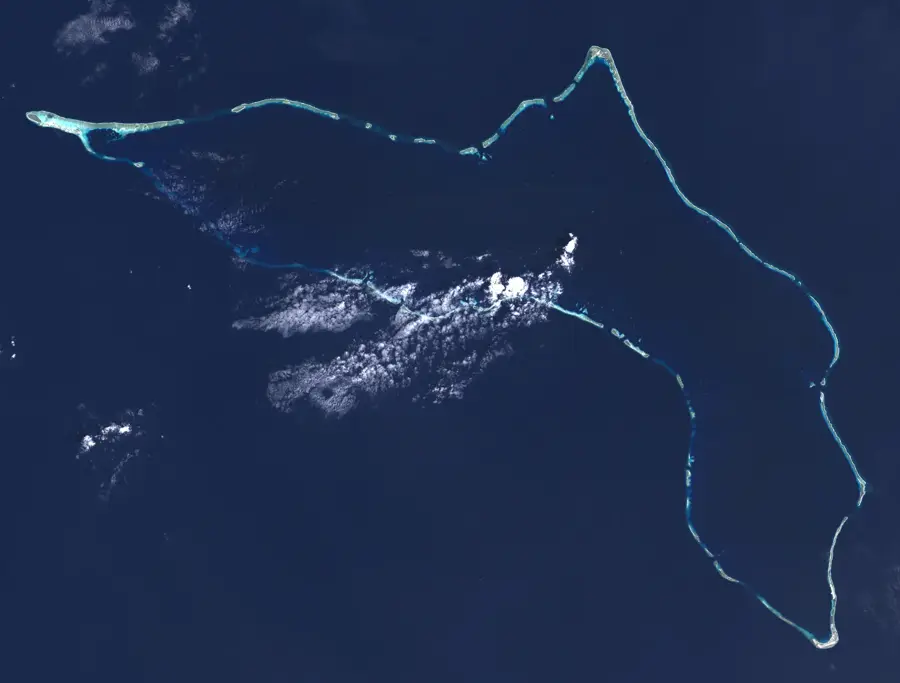
Kwajalein Lagoon
Kwajalein Lagoon is one of the world's largest coral lagoons, forming a massive topographic depression in the open ocean.
Learn more →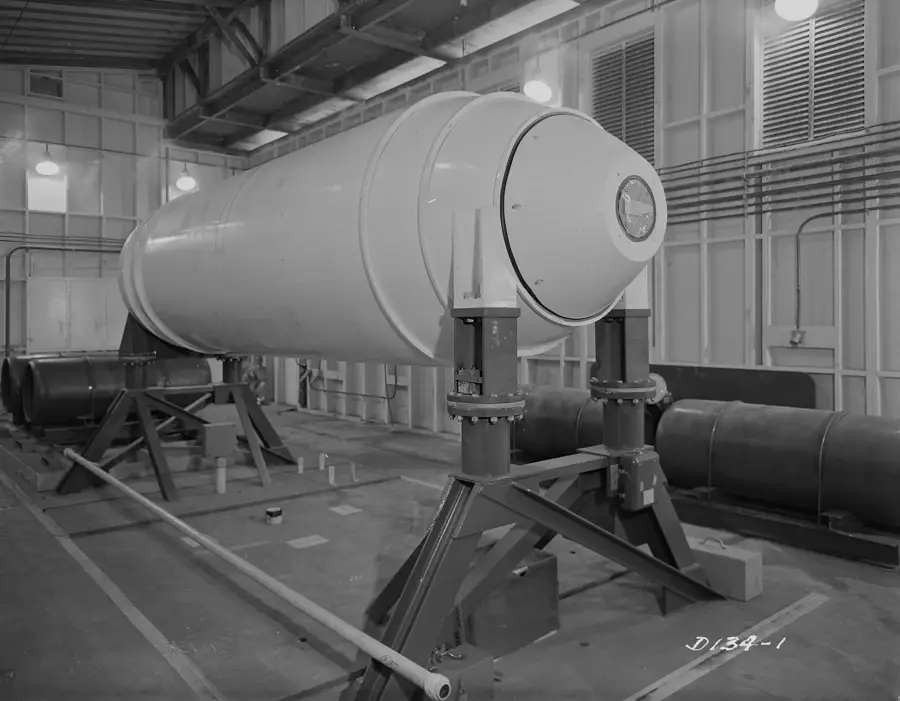
Bikini Atoll
Site of 23 US nuclear tests conducted between 1946 and 1958.
Learn more →
Cathedral of the Assumption
The Cathedral of the Assumption is the main Catholic church in Majuro.
Learn more →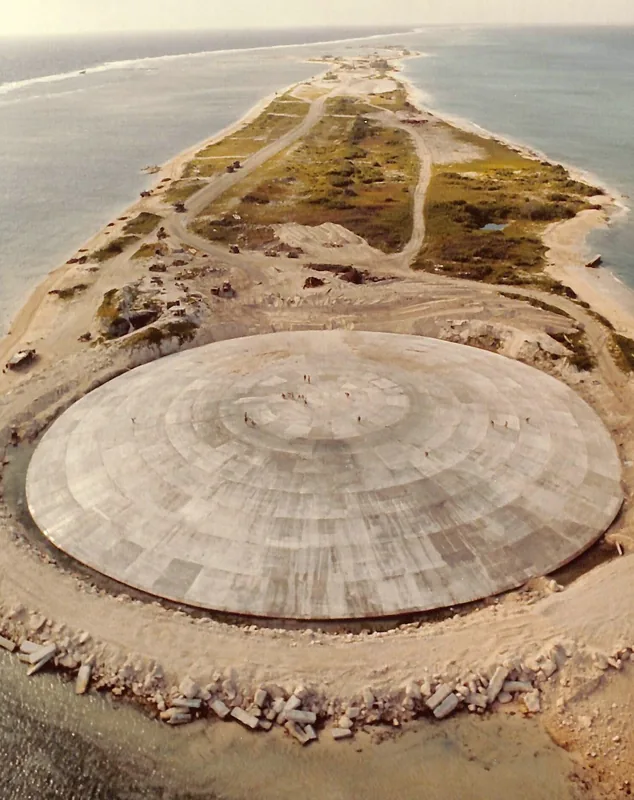
Runit Dome
A massive concrete structure built to contain radioactive soil and debris from nuclear testing.
Learn more →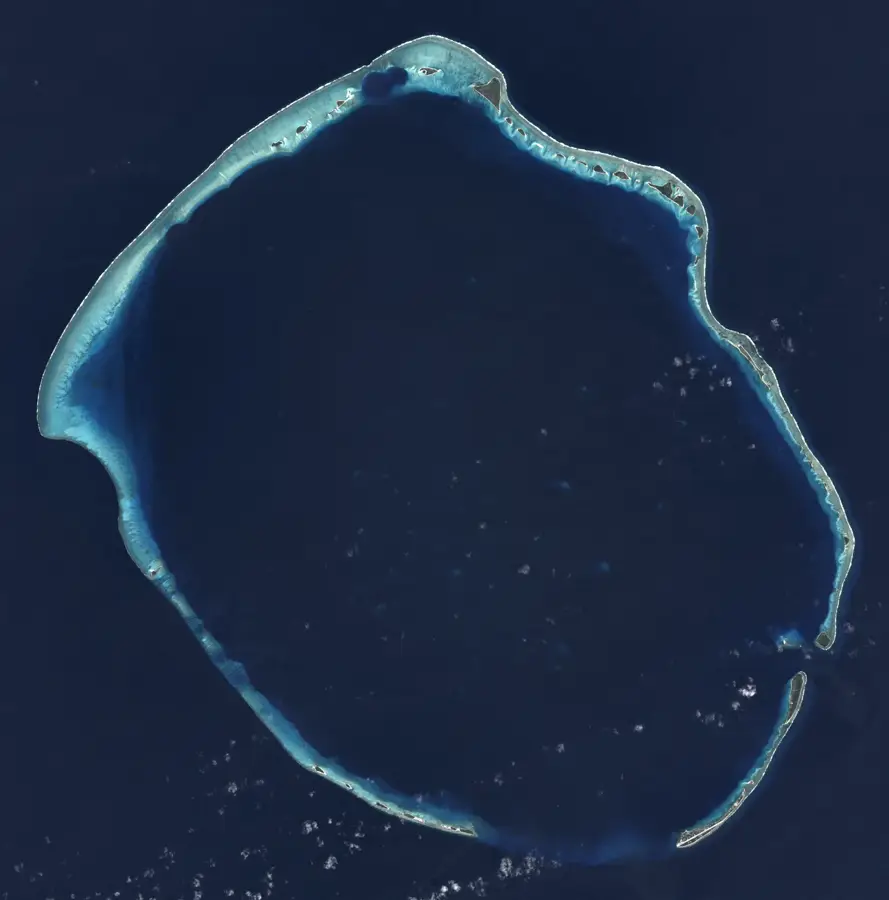
Enewetak Atoll
Site of 43 nuclear tests, including the first hydrogen bomb explosion, Ivy Mike, in 1952.
Learn more →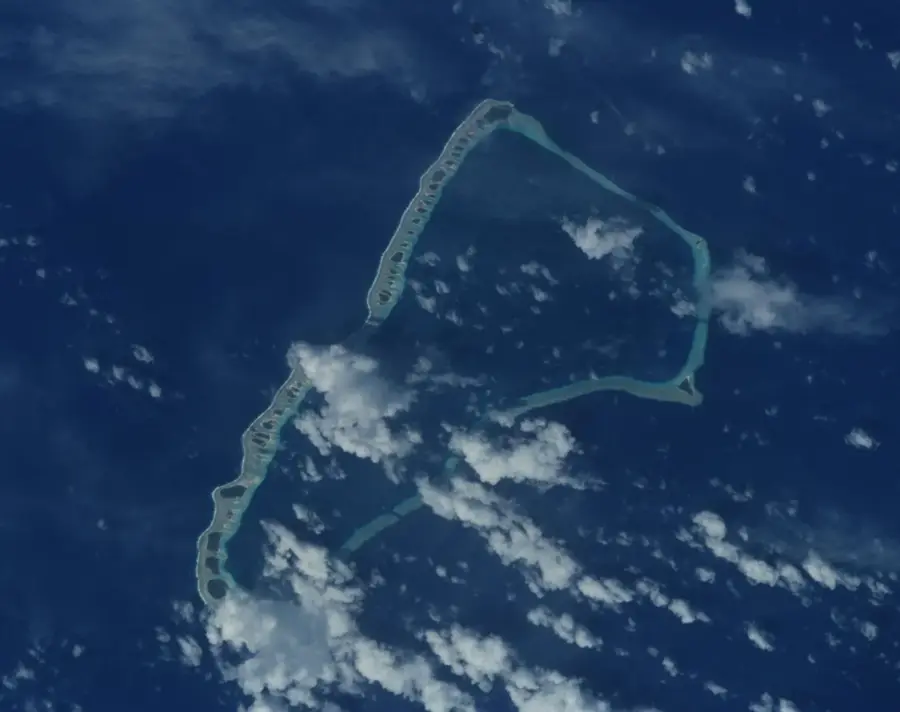
Jabor (Jaluit Atoll)
Former administrative center during the German and Japanese colonial periods in the Marshall Islands.
Learn more →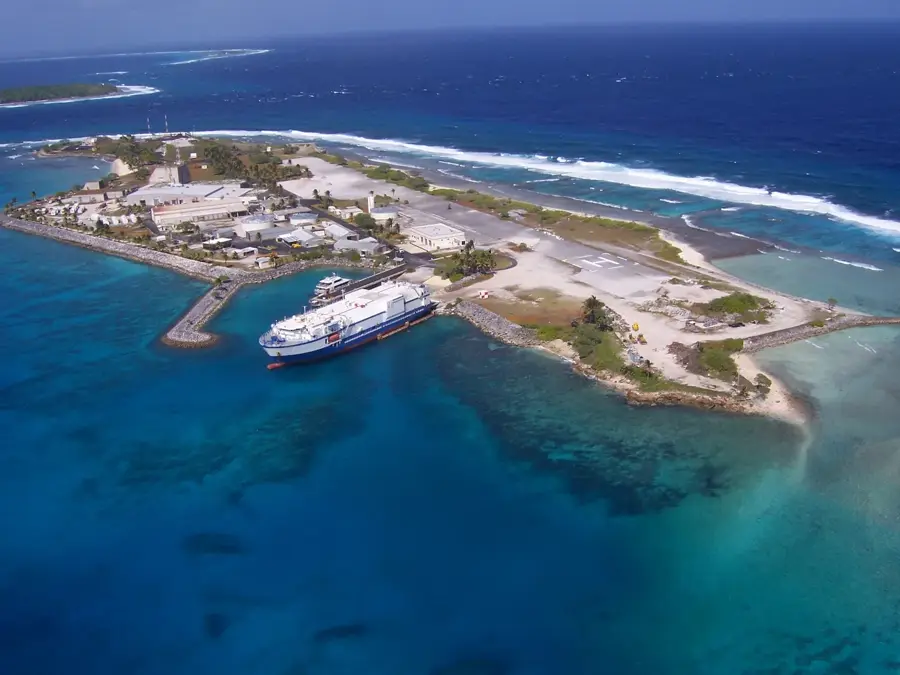
Meck Island Missile Site
A strategic location for anti-ballistic missile testing during the Cold War and into the present day.
Learn more →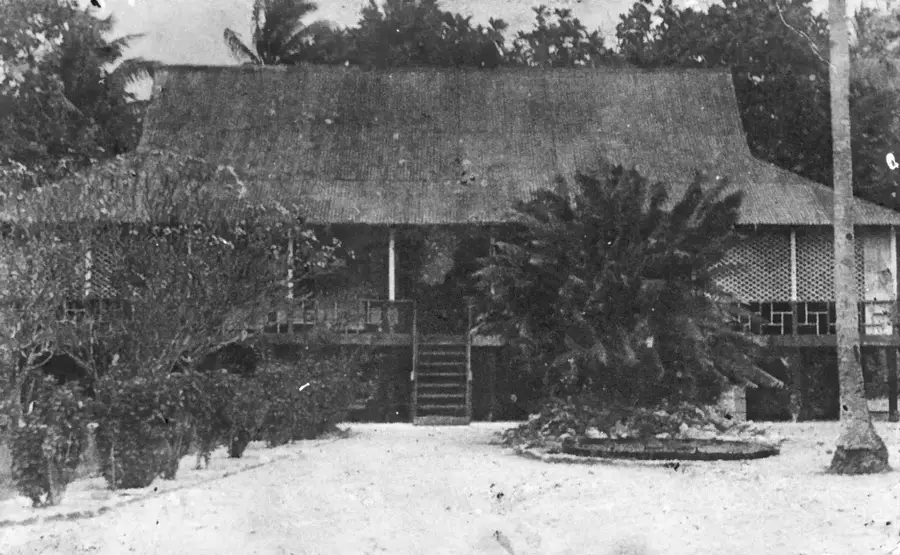
DeBrum House (Likiep)
A 19th-century colonial plantation house built by the DeBrum family, significant for local history.
Learn more →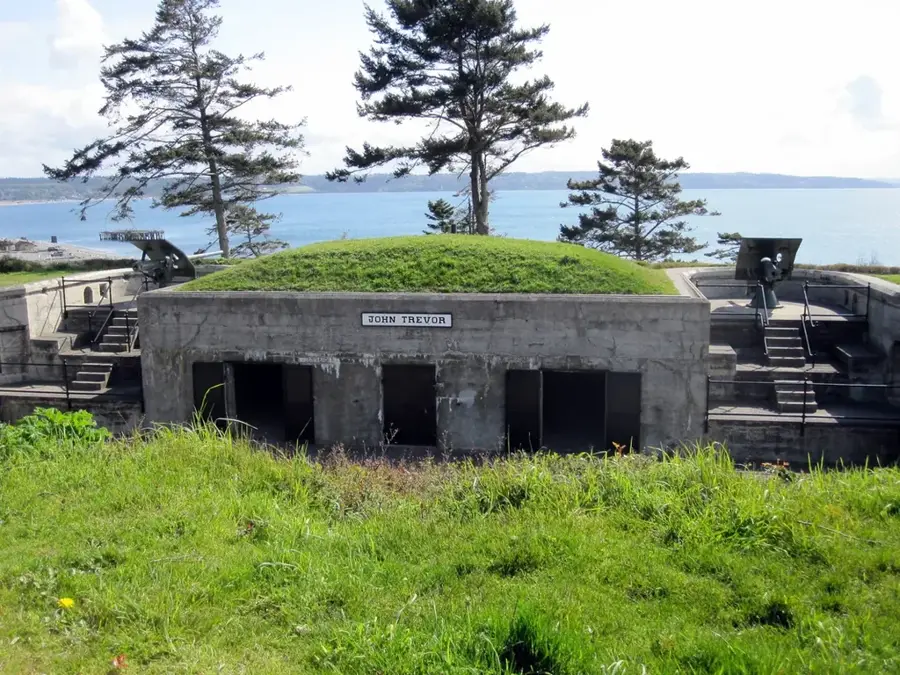
Ebey Island Battery
Strategic island in Kwajalein Atoll featuring Japanese coastal defense guns and bunkers from 1944.
Learn more →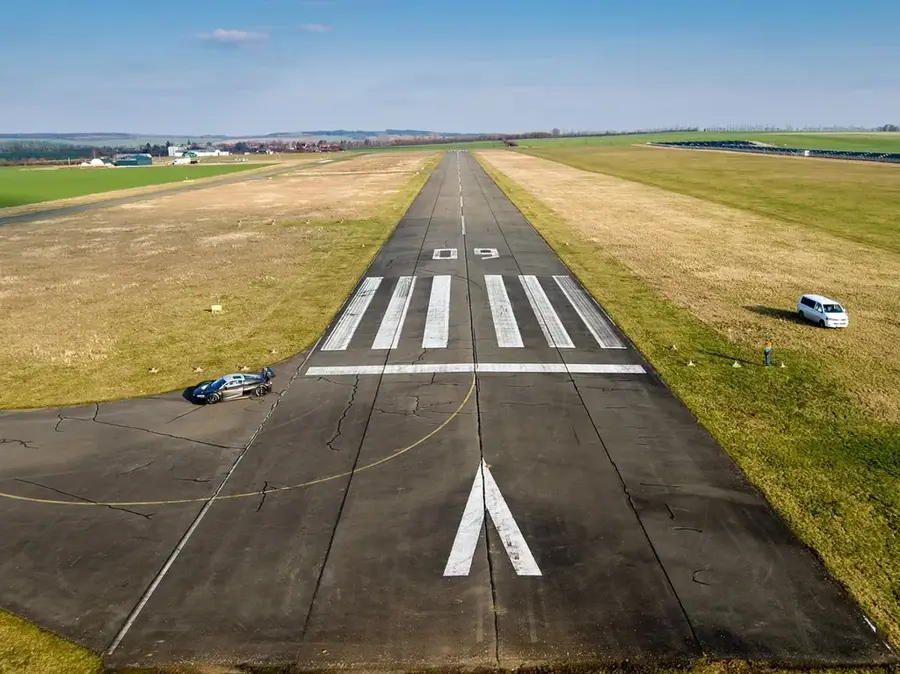
Wotje Airfield Ruins
Wotje hosts extensive ruins of a Japanese WWII airbase.
Learn more →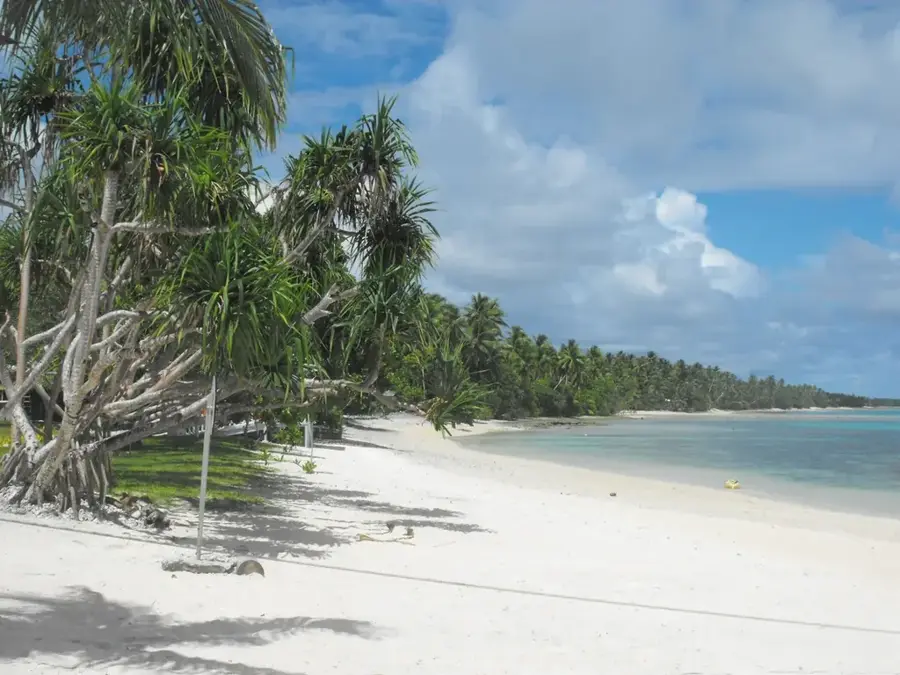
Uliga Protestant Church
The Uliga Protestant Church is a distinctive white building in central Majuro.
Learn more →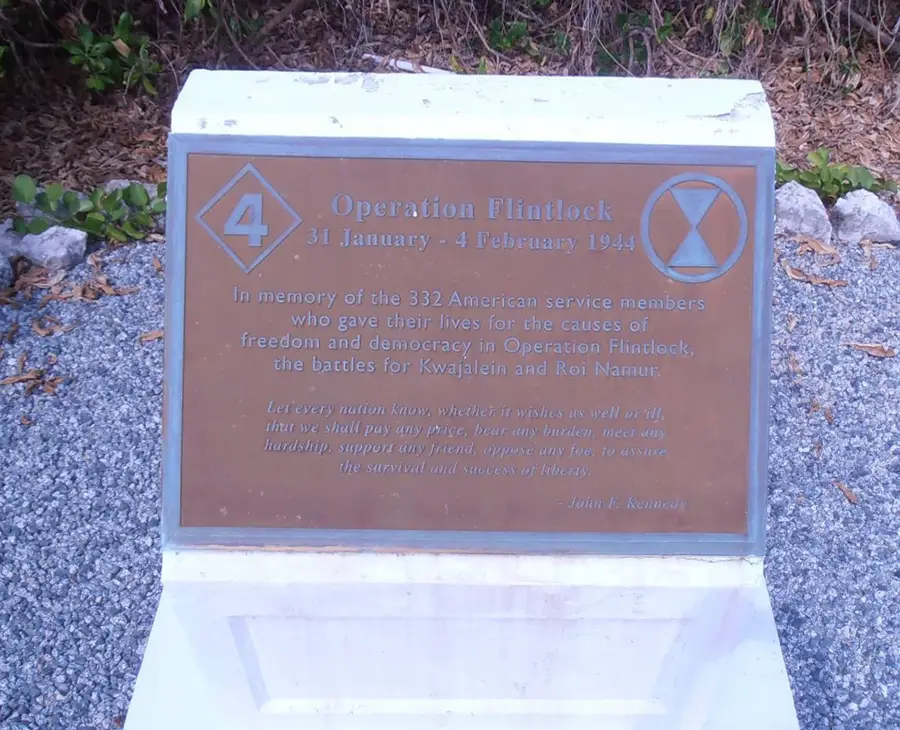
Yokwe Memorial
The Yokwe Memorial on Kwajalein represents the spirit of hospitality and peace.
Learn more →
Mili War Monument
This monument on Mili Atoll recalls the intense bombardments of WWII.
Learn more →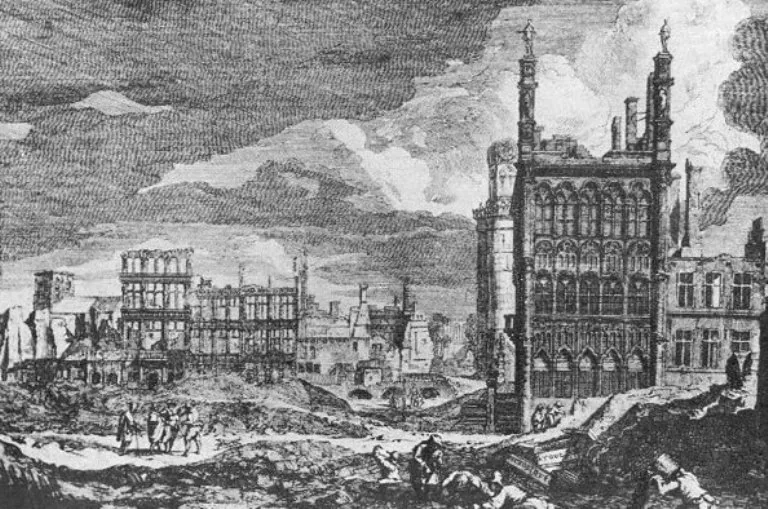
Roi-Namur Ruins
Site of a fierce WWII battle and later a strategic Cold War tracking station in the Kwajalein Atoll.
Learn more →
Taroa Airfield (Maloelap)
Home to one of the largest Japanese airbases in the Pacific during the early stages of WWII.
Learn more →Nature
Japanese Peace Park
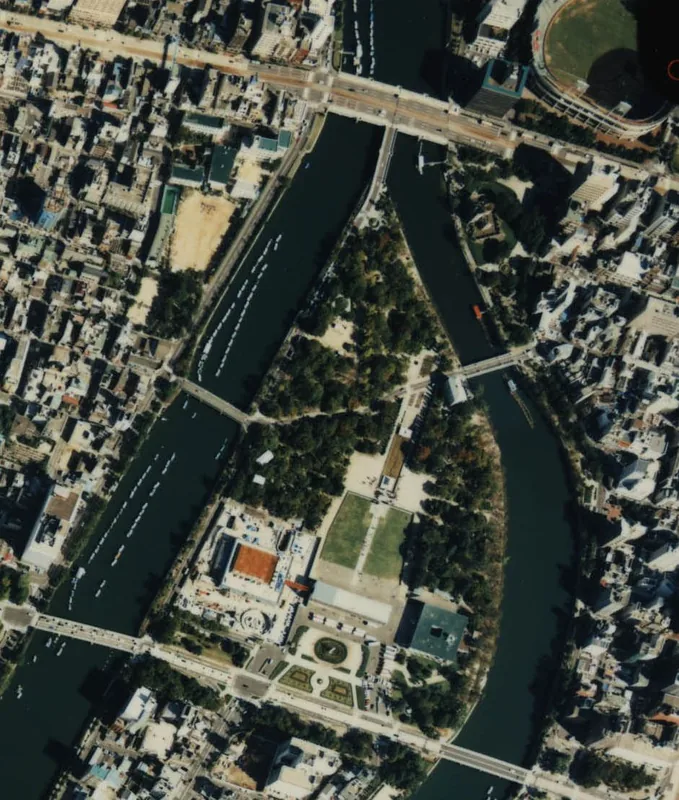
The Japanese Peace Park in Majuro honors those who fell during the Pacific War.
Learn more →
Mejit Inland Lake
A rare brackish water lake in the center of Mejit Island, representing a unique limnological ecosystem.
Learn more →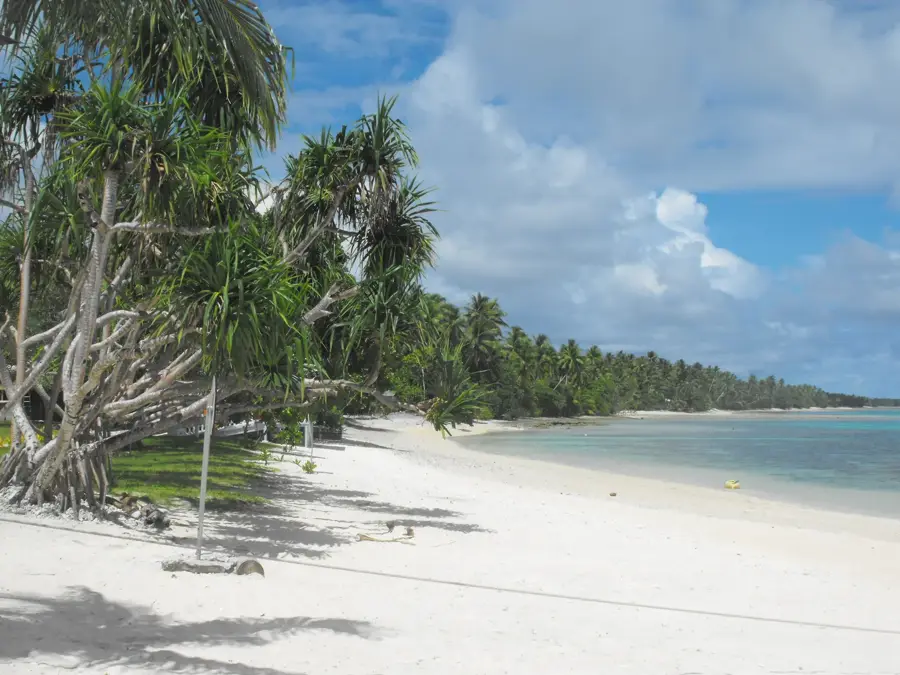
Majuro Atoll
A vast coral atoll with a central lagoon, consisting of numerous small islets that protect the inner waters from ocean swells.
Learn more →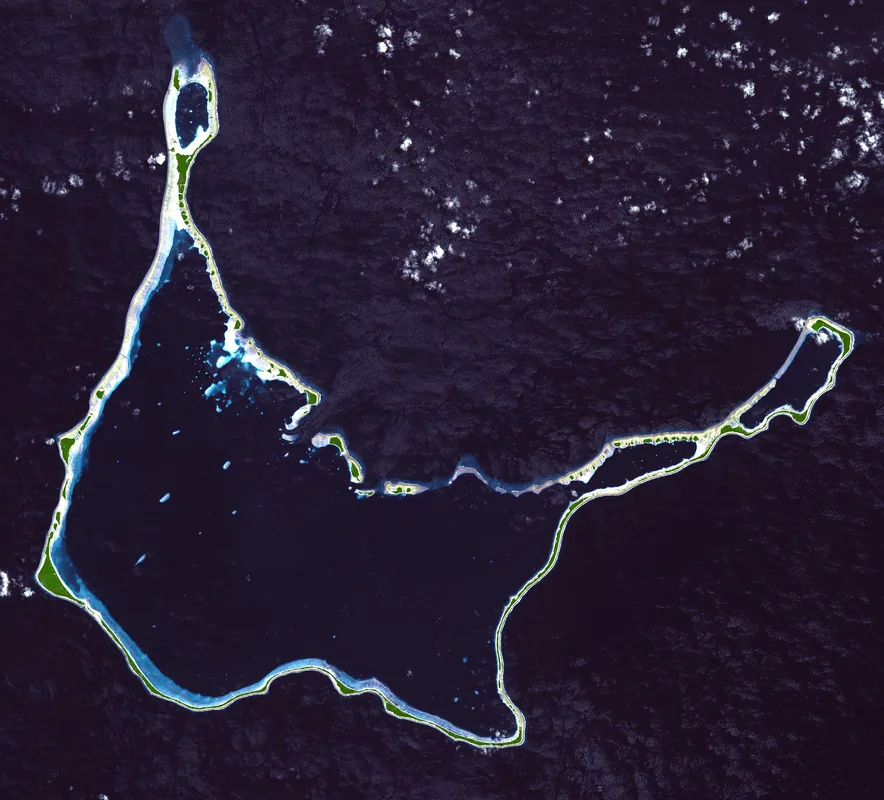
Arno Atoll
A complex atoll system near Majuro featuring three separate lagoons and a multitude of small islands.
Learn more →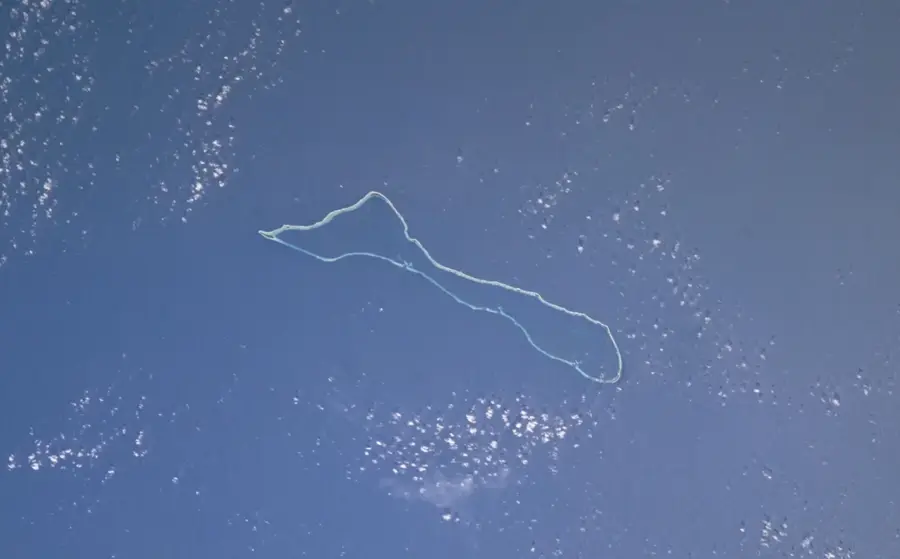
Namu Atoll
An elongated atoll in the Ralik Chain featuring several deep-water passes and high marine biodiversity.
Learn more →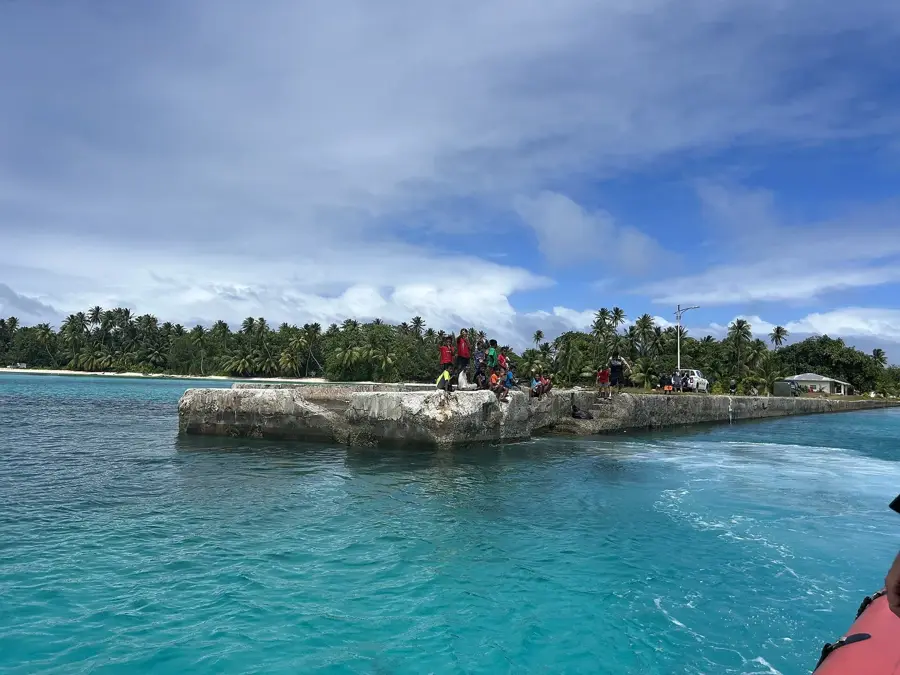
Wotje Bird Sanctuary
Small islets within Wotje Atoll serve as critical refuges for threatened Pacific migratory birds.
Learn more →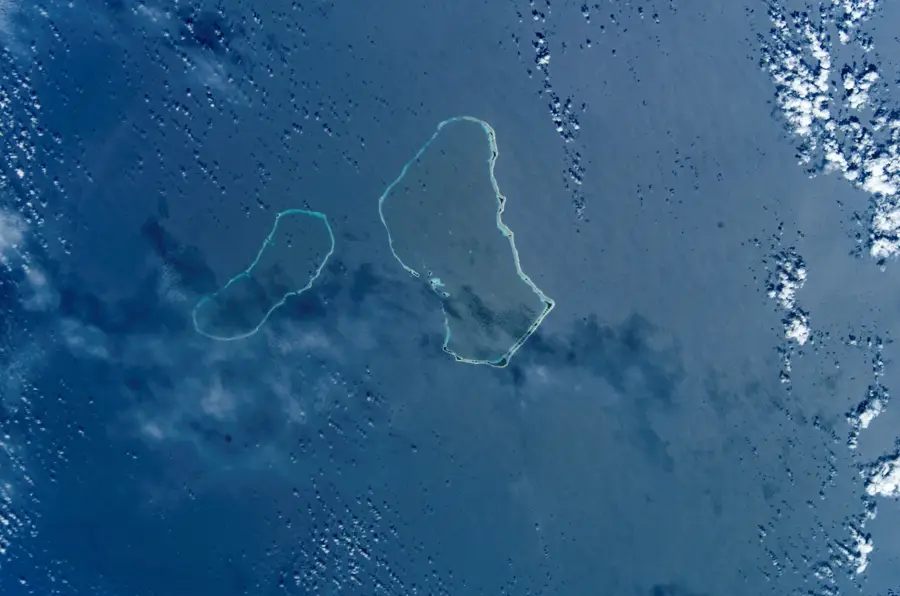
Erikub Atoll
This uninhabited atoll serves as a primary nesting ground for green sea turtles near the populated Wotje Atoll.
Learn more →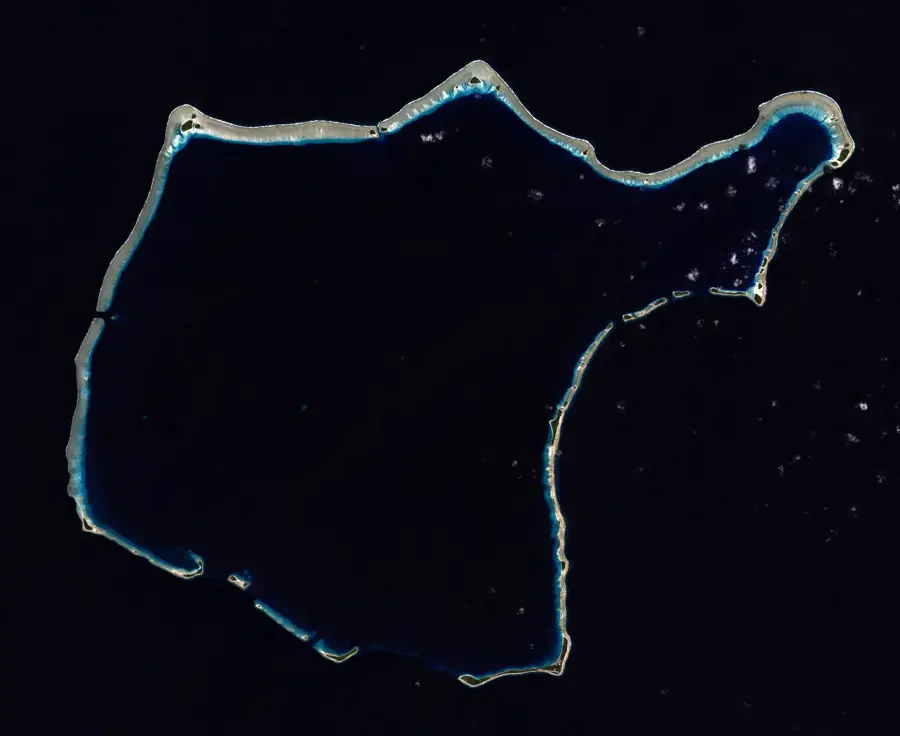
Rongelap Atoll
A large atoll in the Ralik Chain, known for its crystal-clear lagoon and untouched coral gardens.
Learn more →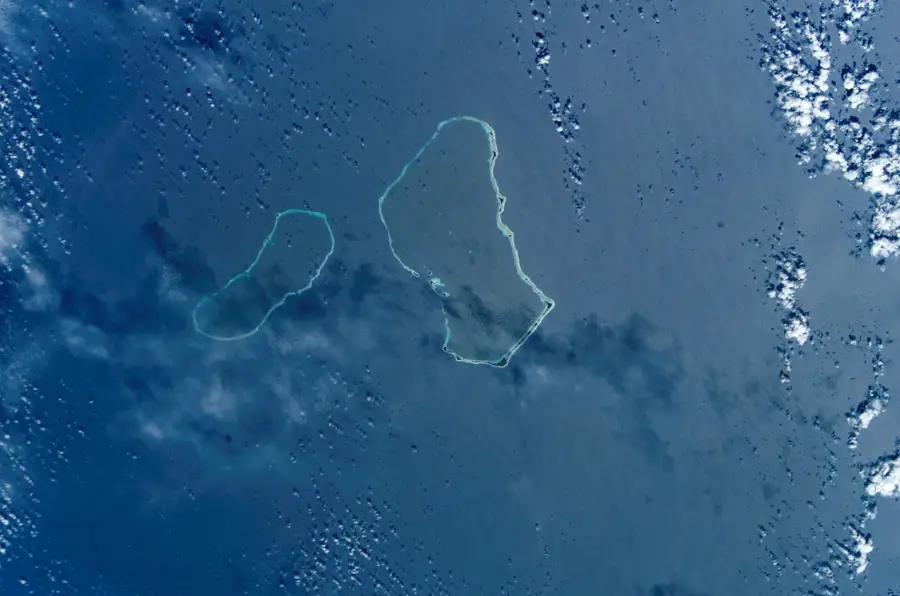
Wotje Atoll
A large atoll in the Ratak Chain featuring a wide lagoon and islands covered in dense tropical flora.
Learn more →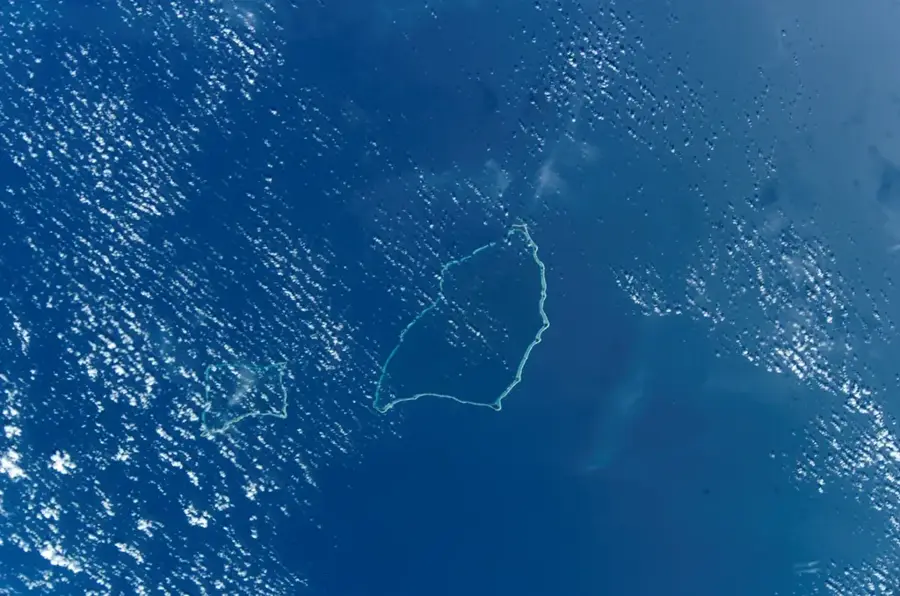
Maloelap Atoll
A large coral atoll in the Ratak Chain featuring numerous forested islands and a lagoon teeming with fish.
Learn more →Cities & Architecture
More highlights
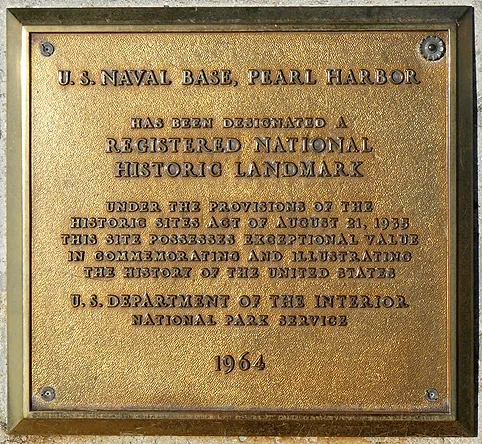
Kwajalein Battlefield
Major site of the Pacific War in 1944.
Learn more →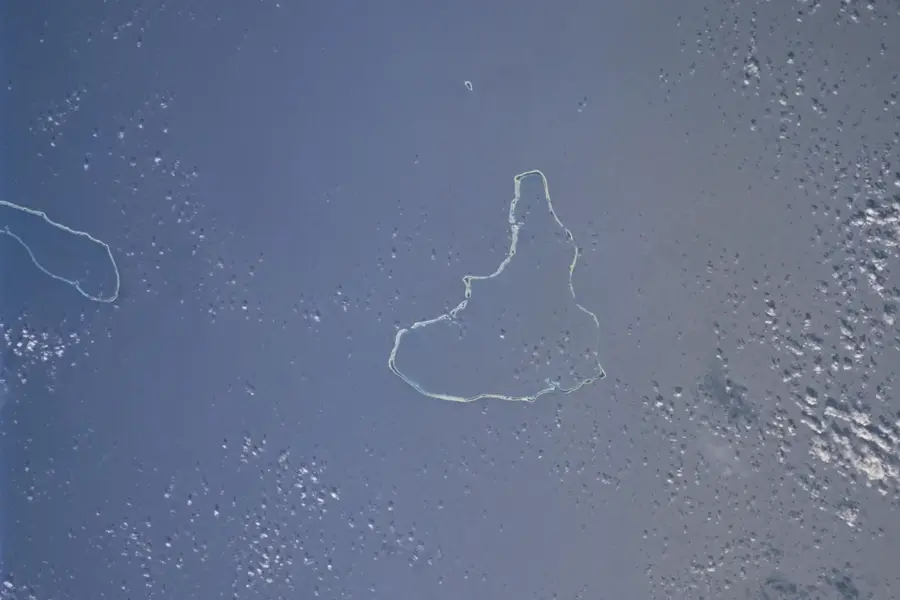
Ailinglaplap Atoll
A fertile atoll with lush tropical vegetation and dense coconut palm groves located in the Ralik Chain.
Learn more →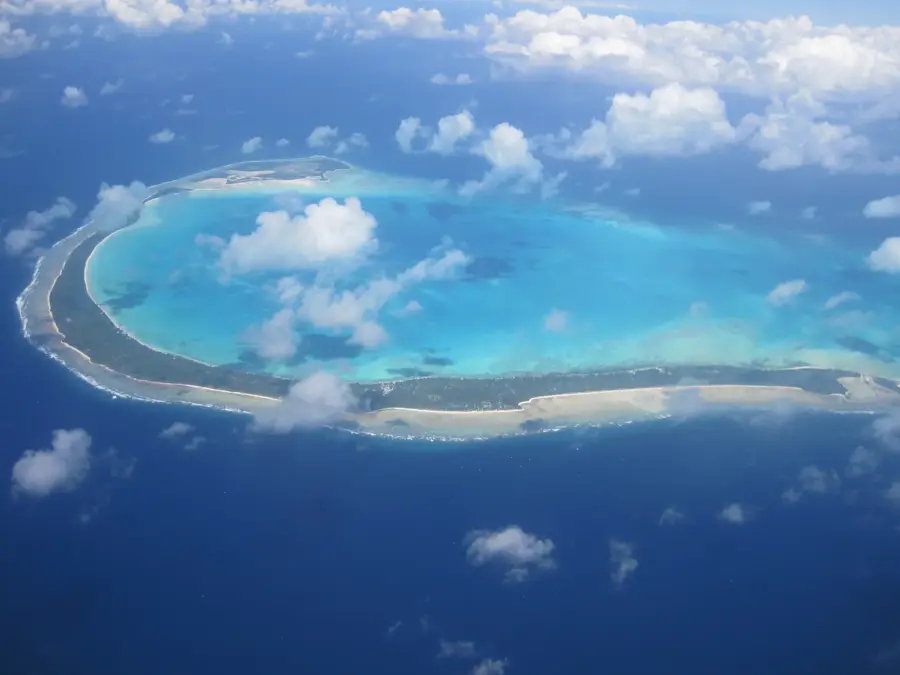
Ebon Tropical Forest
Thanks to high rainfall, this southernmost atoll possesses a particularly lush and dense tropical vegetation.
Learn more →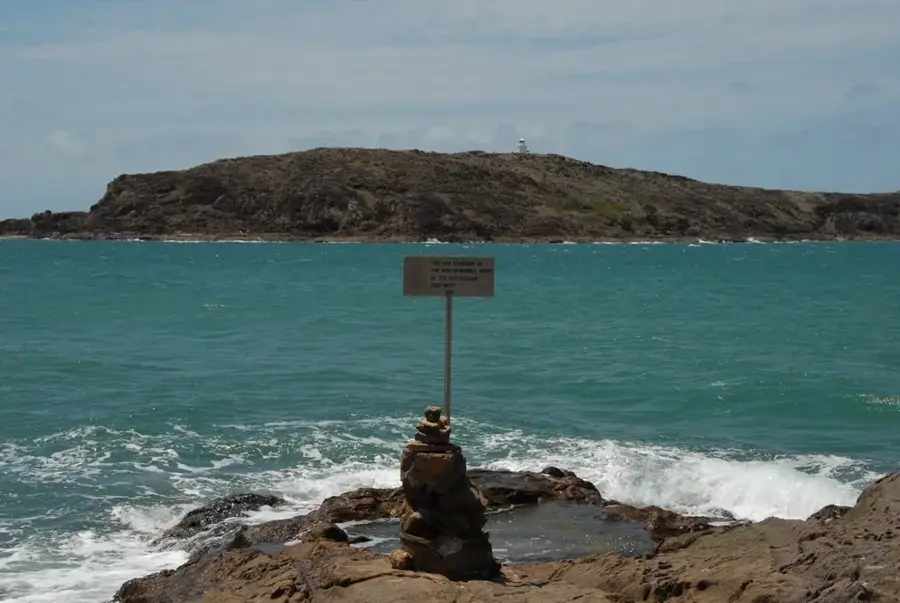
Laura Mangrove Forest
A rare terrestrial mangrove ecosystem located on the western end of Majuro Atoll, featuring rich flora.
Learn more →Frequently asked questions
What are the top attractions in Marshall Islands?
Among the most popular are Laura Village Cultural Center, Japanese Peace Park, Ship Registry Headquarters, Majuro Central Market, Capitol Building and many more – the full top 50 list is on this page.
When is the best time to visit Marshall Islands?
May to October offers the most pleasant weather; July and August are warmest and busiest.