Plizio Visual Lab

Bikar Atoll

Plizio editorial teamData Sources
wildlife
—°
Bikar Atoll (Marshall Islands)

Weather…

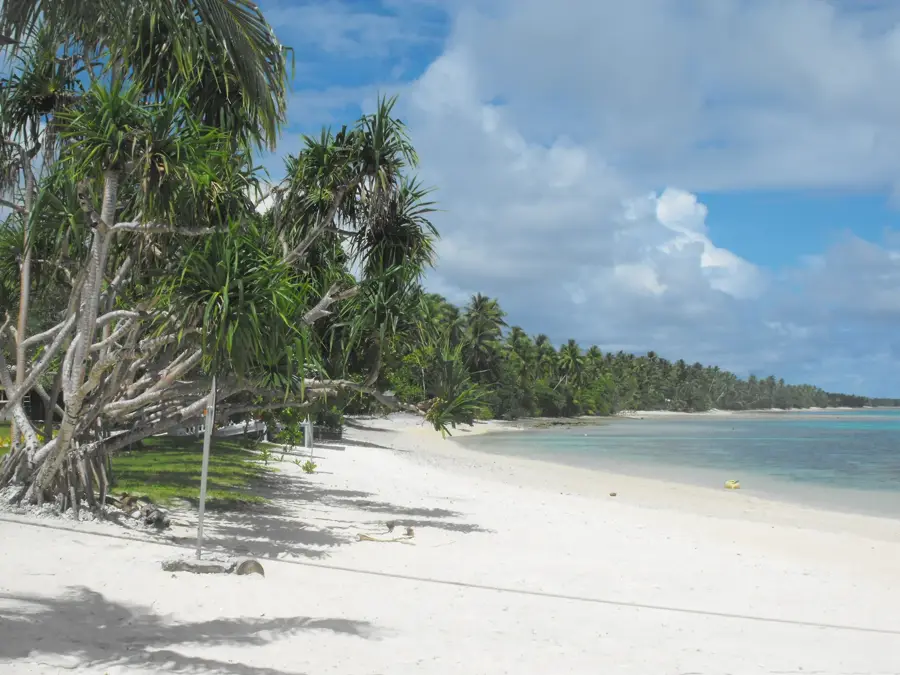
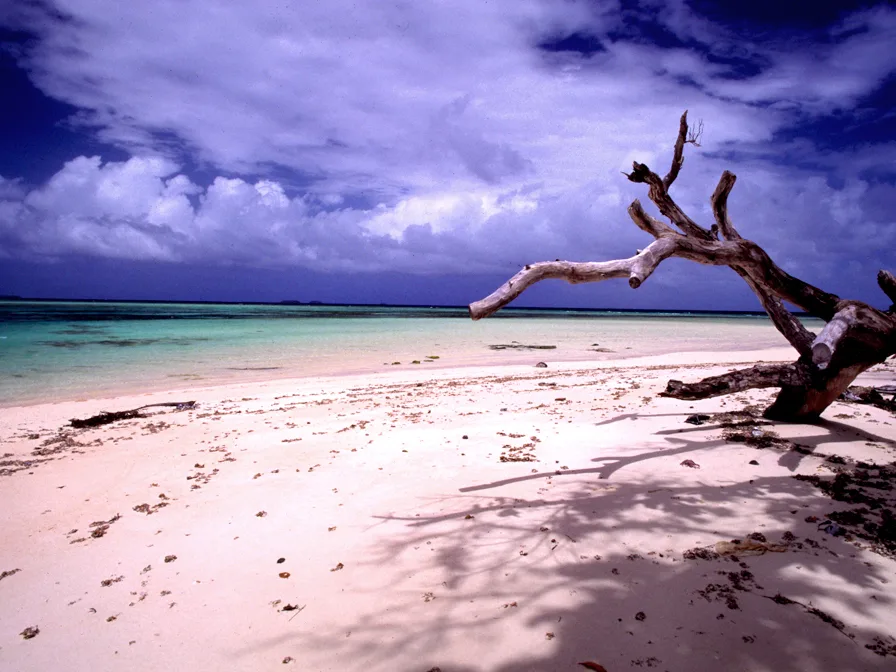
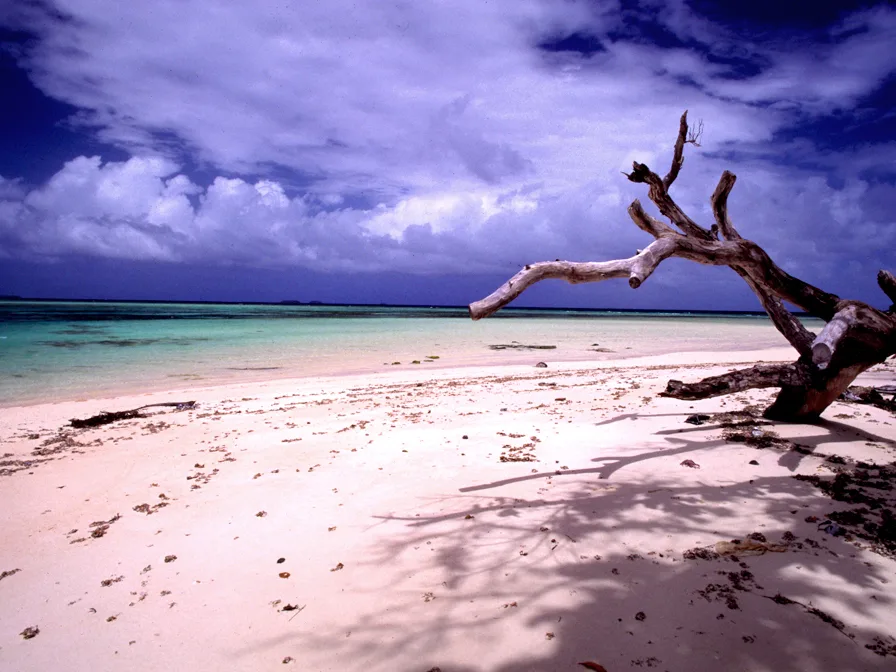
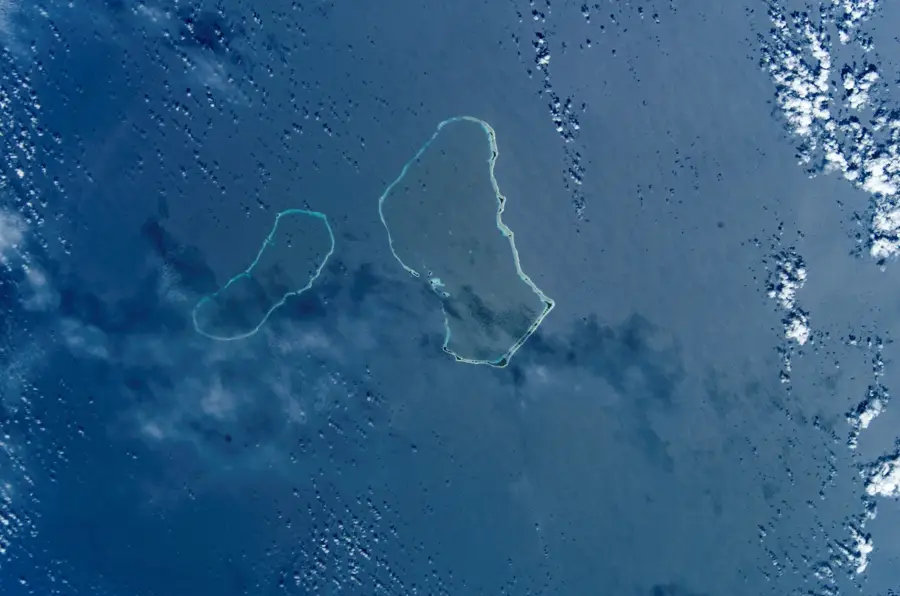
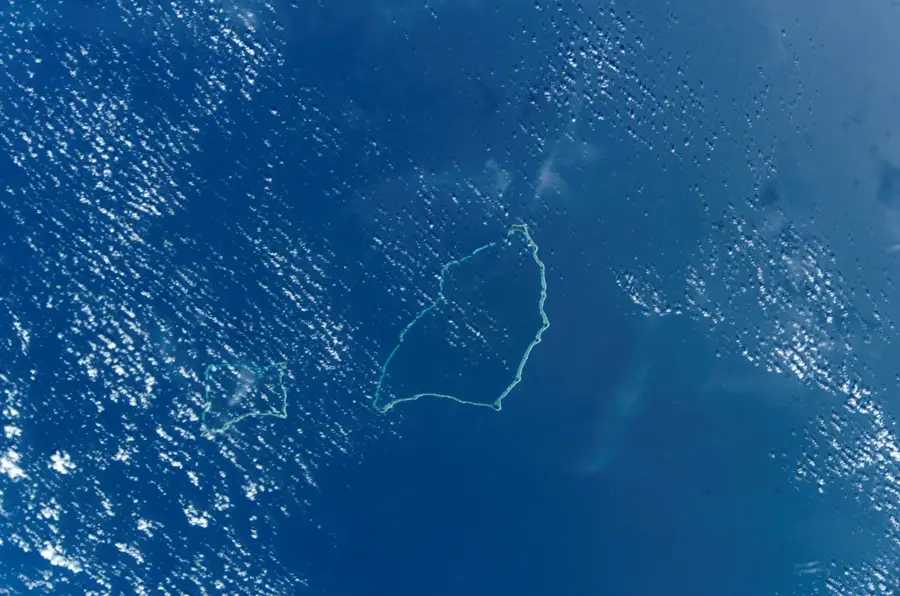
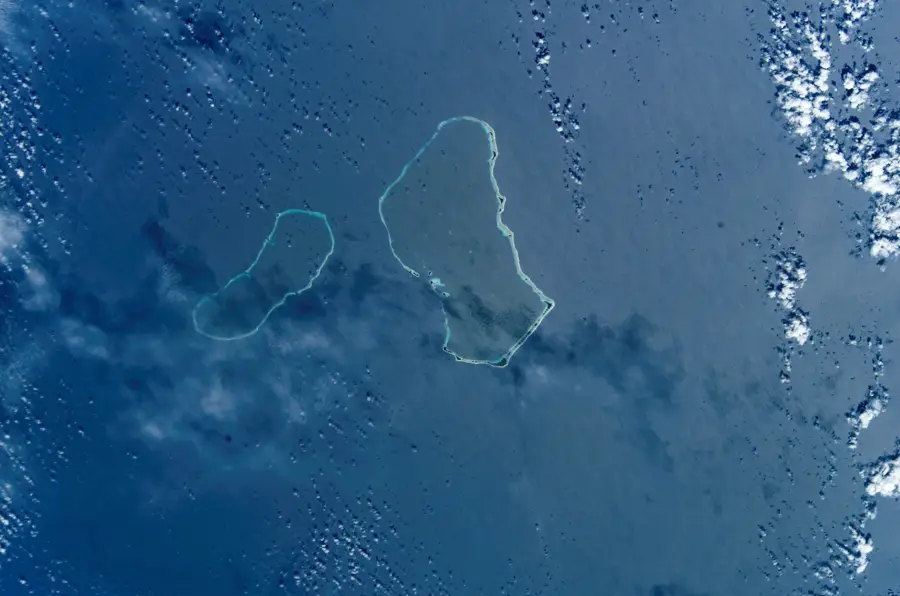
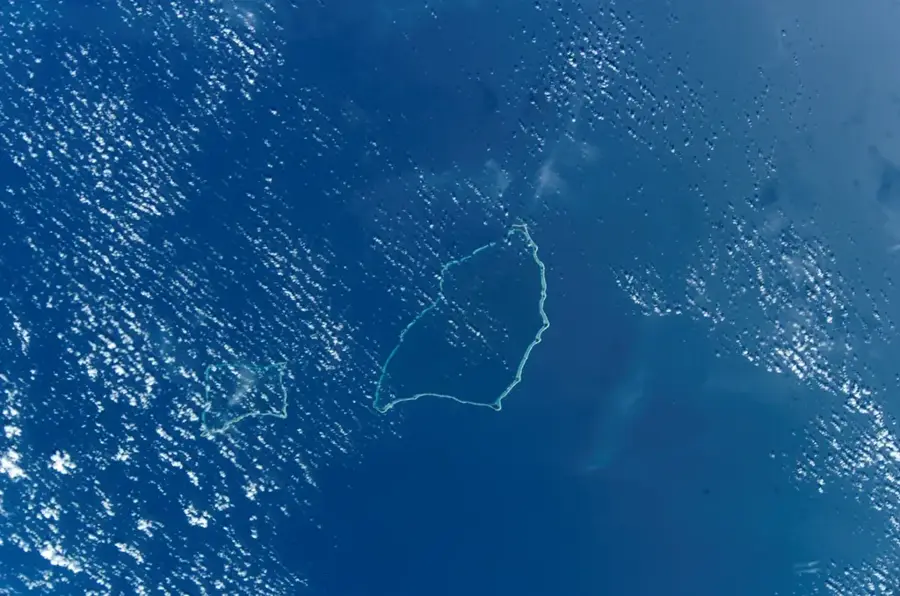
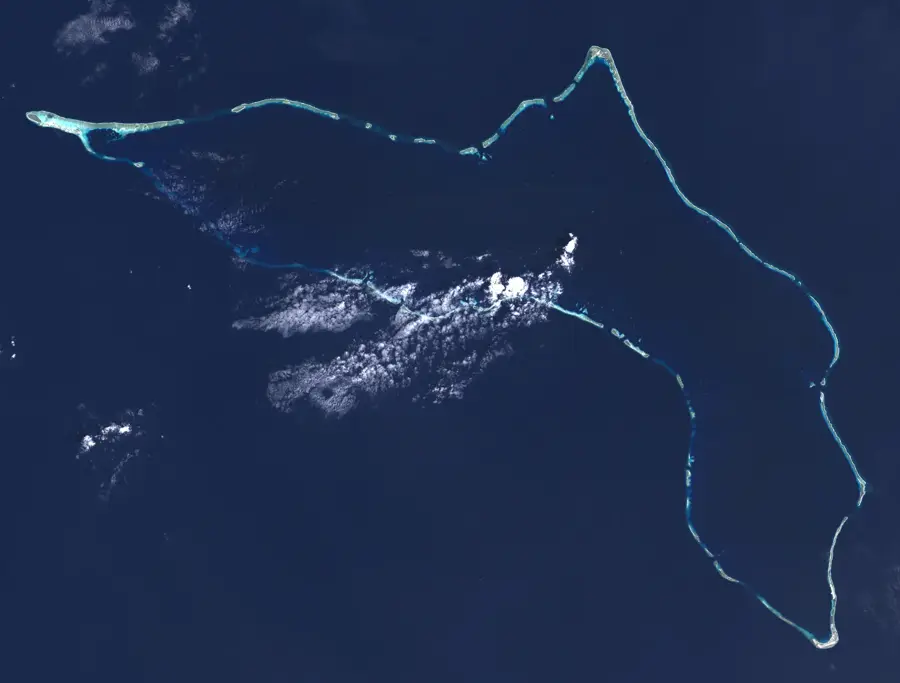
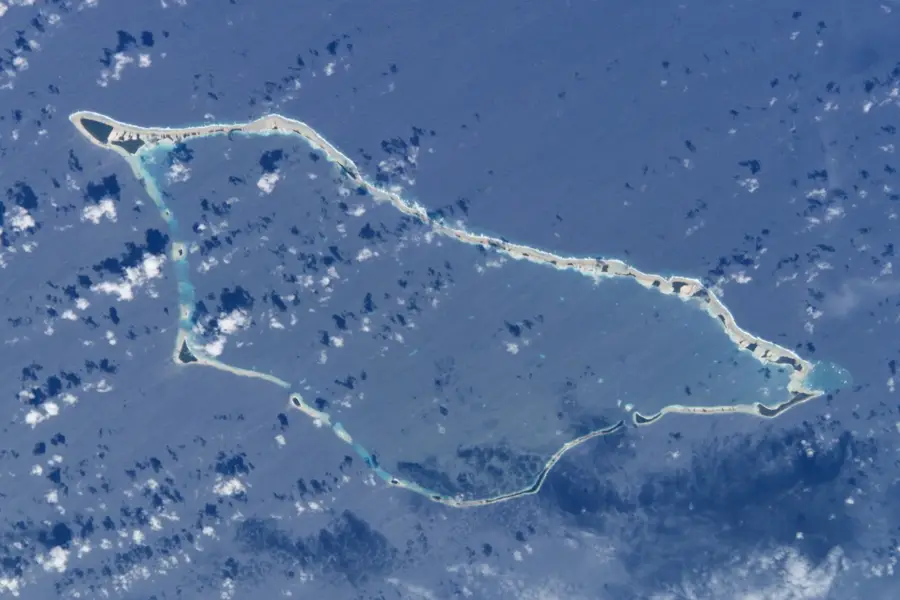
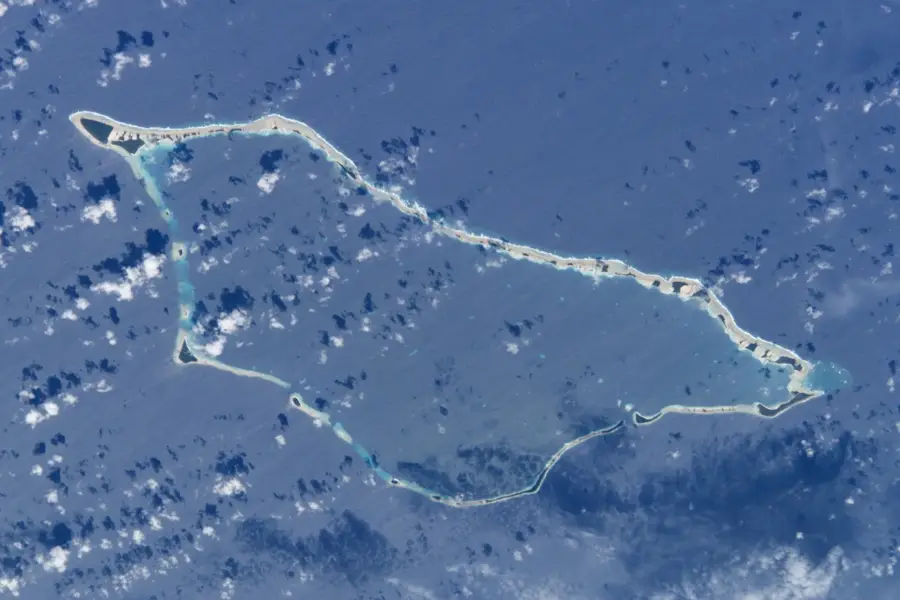
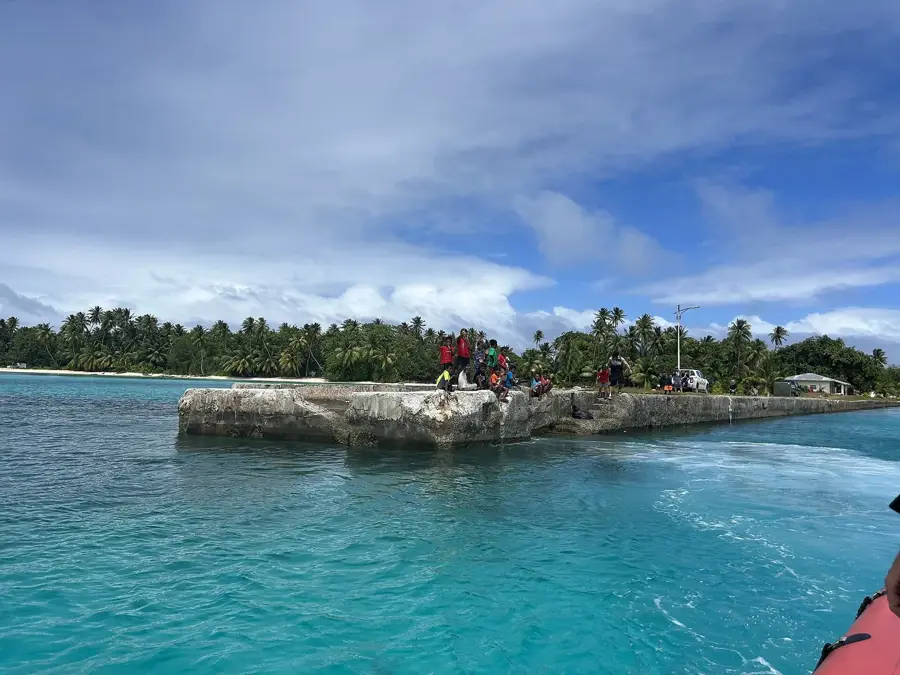
Bikar Atoll represents one of the most pristine coral reef ecosystems remaining in the Pacific, situated in the remote northern reaches of the Ratak Chain. Uninhabited by humans, its isolation is reinforced by a hazardous reef structure that allows only limited access through narrow channels. Despite its small land area of just 0.5 square kilometers spread across six islets, Bikar is an ecological powerhouse. It serves as a primary regional nesting site for the endangered Green sea turtle, which relies on the undisturbed sandy beaches for reproduction. The interior of the islets is covered by native Pisonia grandis forests, providing vital nesting grounds for immense colonies of boobies, frigatebirds, and terns. The surrounding lagoon and coral gardens are equally rich in marine life, thriving in the absence of commercial fishing. Since the 1970s, Bikar has been at the forefront of conservation proposals, aimed at formalizing its status as a protected nature reserve to safeguard its unique biological heritage.

📋 Practical info

📅
Best season
The best time for birdwatching at Bikar Atoll is during the breeding season from May to August, when thousands of birds nest and rear their chicks. Green sea turtles are mainly seen on beaches from June to October when they lay their eggs.
🌅
Best time of day
Dusk is good as birds fly out in the morning and return to their nests in the evening. Turtles usually nest at night; if you come to the beach during the day, look for fresh tracks in the sand.
📜
Etiquette
Keep a minimum distance of 30 meters from nesting birds and turtles to avoid disturbance. Do not use artificial light at night as it can disorient turtles, and take all rubbish away with you.
🎒
What to bring
Binoculars with at least 8x magnification are essential for birdwatching. A waterproof flashlight with a red light allows you to see turtles at night without blinding them.
🧭
Getting there
Bikar Atoll is remote and can only be reached by chartered boat from Majuro or another inhabited atoll. The crossing may take several days depending on weather and vessel; an experienced crew is needed.
🦌
What to expect
Wildlife watching on an uninhabited atoll requires patience - birds come and go on their own schedule. Plan for several days and bring ample supplies as there are no facilities.

Geography

Coordinates
12.25000, 170.12000

Facts

  • One of the smallest atolls in the Marshall Islands
  • Primary nesting ground for the green sea turtle (Chelonia mydas)
  • Home to large colonies of red-footed boobies
  • Lacks any permanent sources of fresh water
  • The lagoon is almost entirely enclosed by the reef
  • Traditionally designated as a protected area (Mo) by local chiefs

Route planner — Car & Motorhome

Where do you start? We build the route here, with stops and country notes along the way.

Vehicle
Only stops with (optional):

© OpenStreetMap contributors · OpenRouteService

Sights nearby

Frequently asked questions

Is Bikar Atoll inhabited?
No, the atoll is uninhabited and a protected nature reserve.
Can you visit the atoll?
Visits are limited due to its protected status.
What makes Bikar special?
It is an important nesting ground for endangered sea turtles.
Are there tourist facilities?
No, there is no tourist infrastructure whatsoever.
How do you get there?
Only accessible by private boat, often requiring a long journey.
Bikar Atoll: where is it located?
Bikar Atoll is located in Marshall Islands.
Bikar Atoll: why is it worth visiting?
Bikar Atoll represents one of the most pristine coral reef ecosystems remaining in the Pacific, situated in the remote northern reaches of the Ratak Chain.
View on map → The Top 50 Attractions → OpenStreetMap →
Oceania
Explore with Plizio Discover more places in Oceania
More places in Marshall Islands →

Nearby cities

History & landmarks
Nature

More places