Plizio Visual Lab
Mili
ℹ️Practical info — Mili
▾
🌤 Weather — 5 days
📍 Nearby
Sights nearby
💡 Tips
- Explore the vast WWII relics and coastal defense guns, but never touch any unexploded ordnance you might find.
- Bring your own snorkeling gear from the capital, as there are no rental shops on the atoll.
- Expect very rustic conditions; electricity and running water are often limited or intermittent.
- Learn a few words of Marshallese to show respect, as English is less commonly spoken here than in Majuro.
🍽 Food
A traditional starch source, often baked as a filling staple.
Reef fish often prepared to perfection over an open flame right on the beach.
A simple but delicious and creamy local preparation.
🛍 Shopping · 🧘 Quiet spots
Beautifully handcrafted by local women; useful in the heat and a great souvenir.
Ask locals about purchasing these traditionally crafted necklaces for an authentic keepsake.
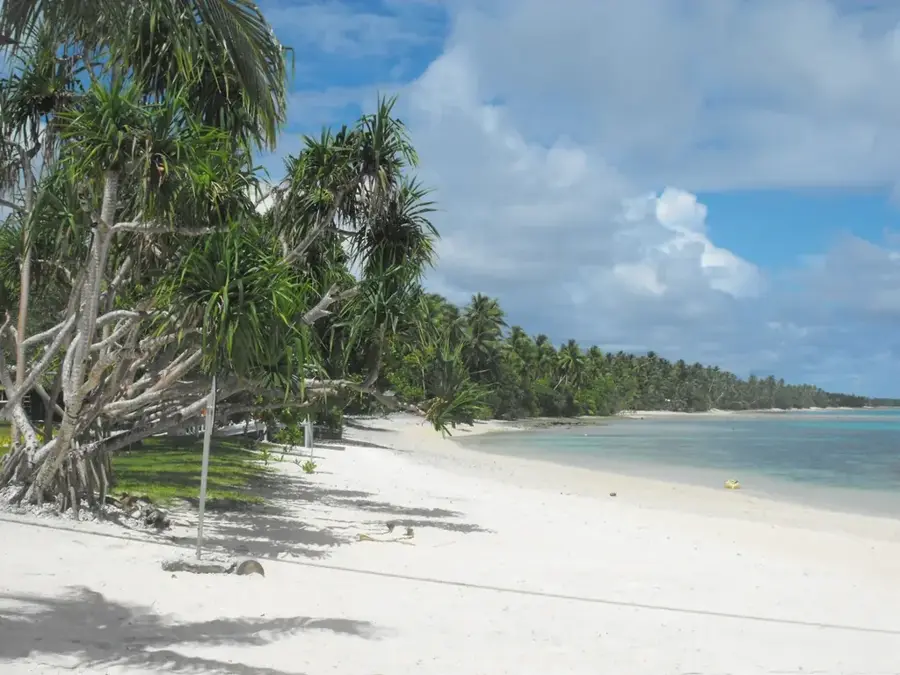
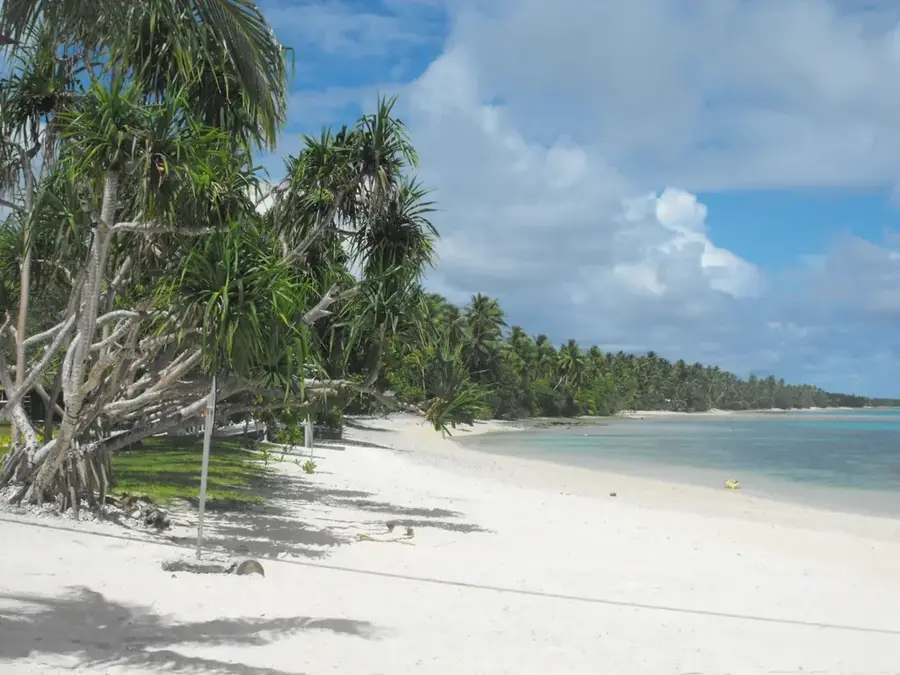
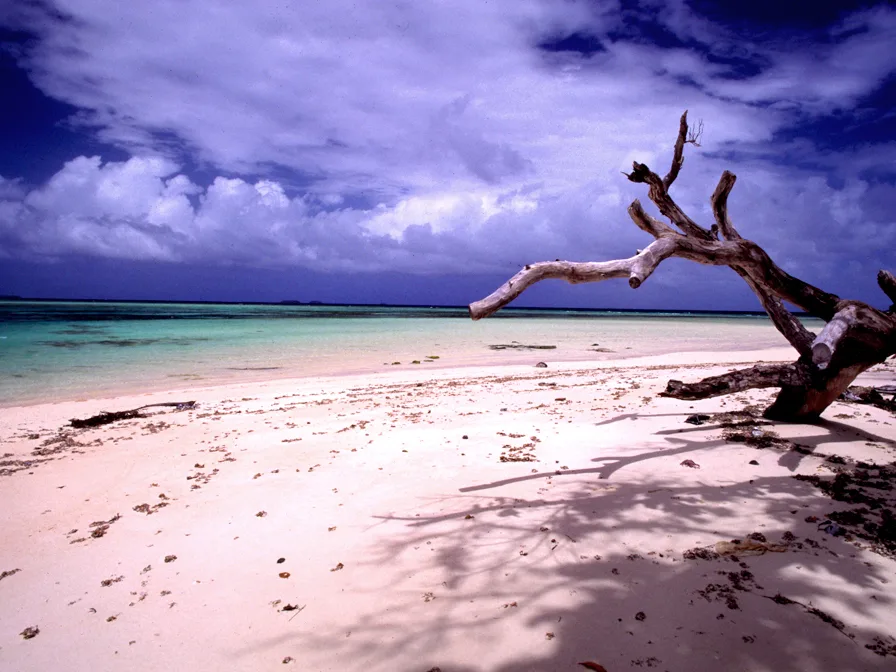
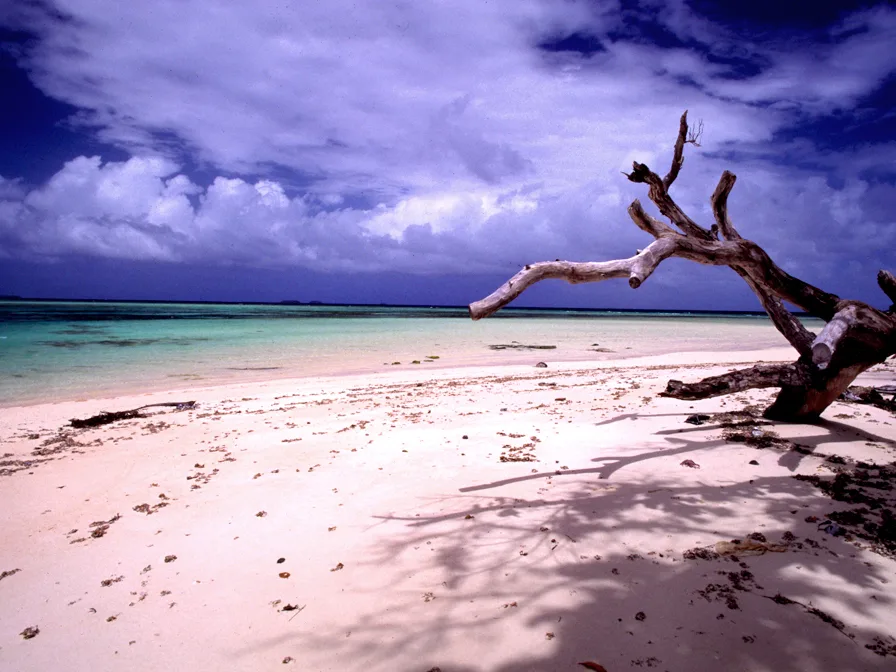
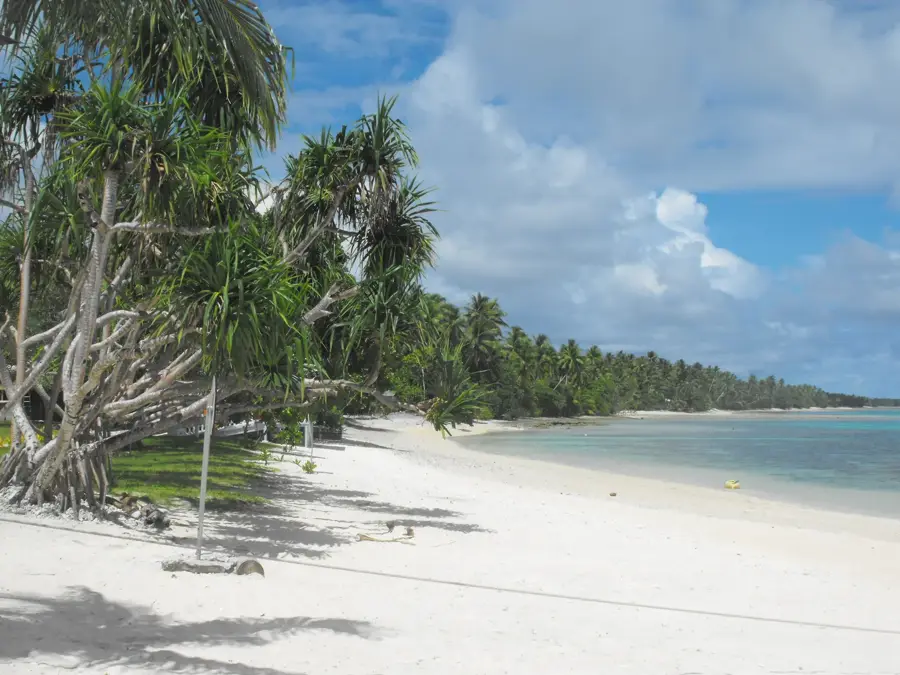
Find your own completely unpopulated stretch of beach for swimming and relaxing.
Explore these silent historical sentinels now resting peacefully in nature.
Water temperature…
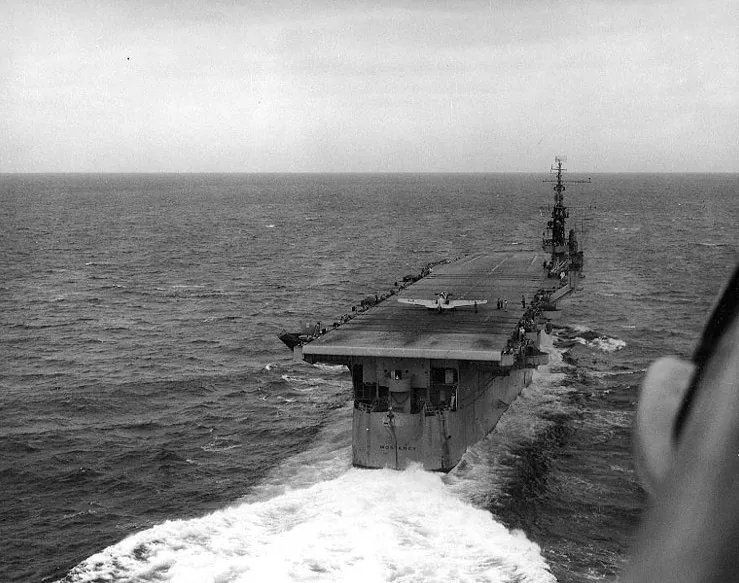
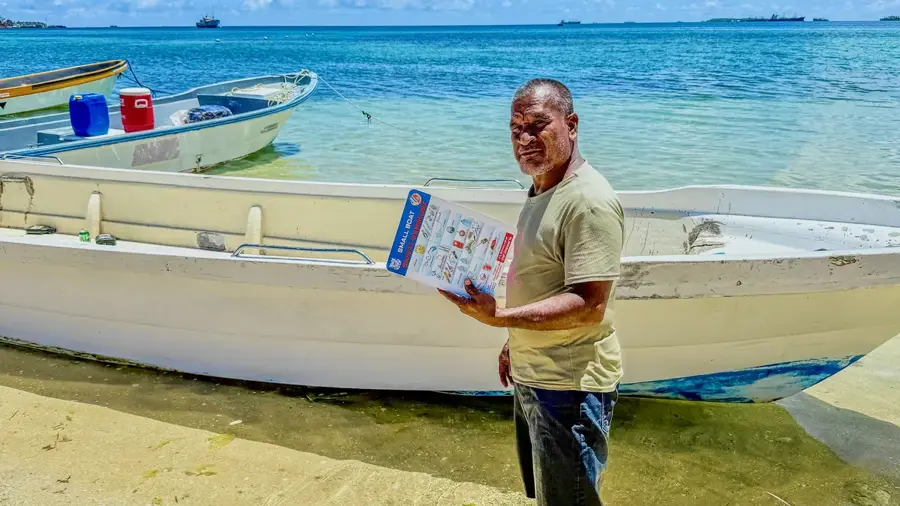
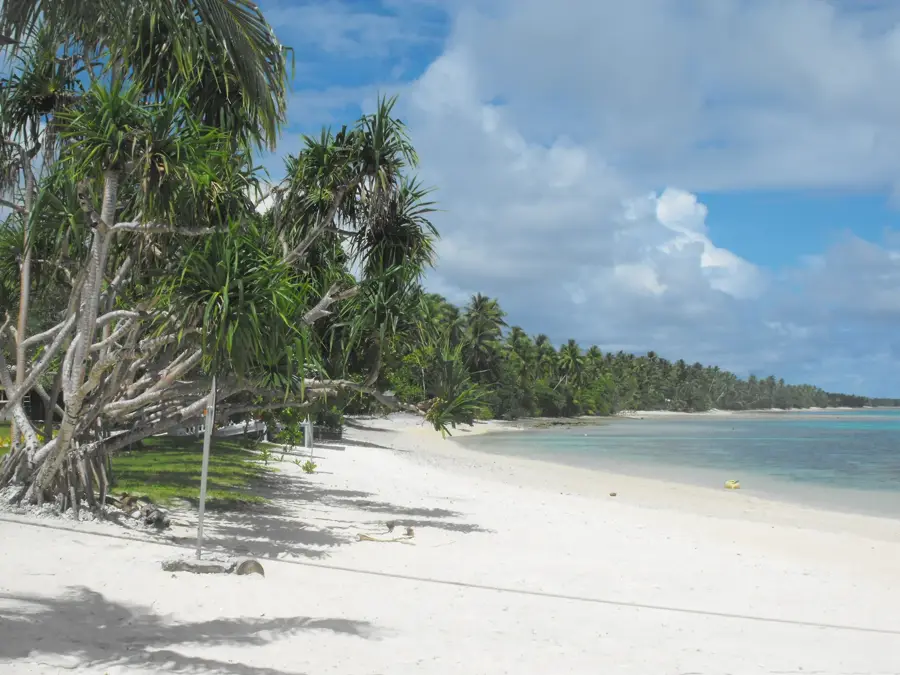
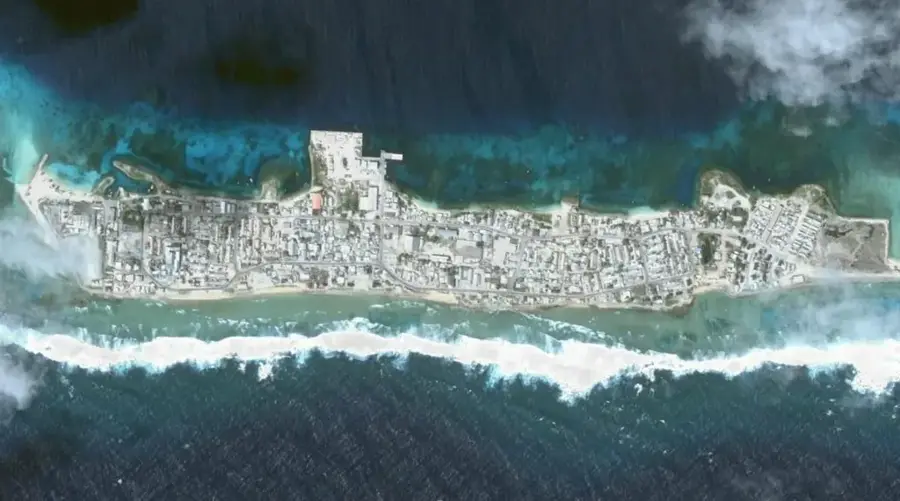
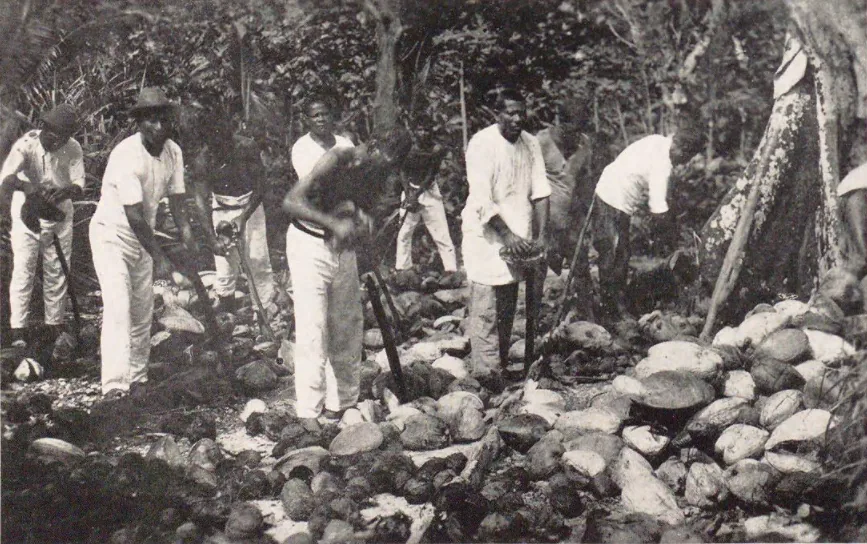
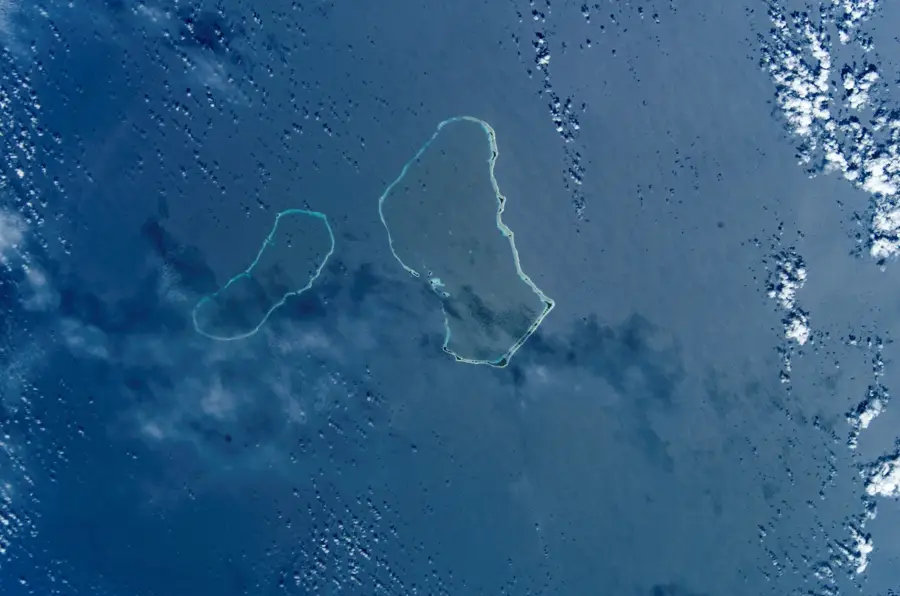
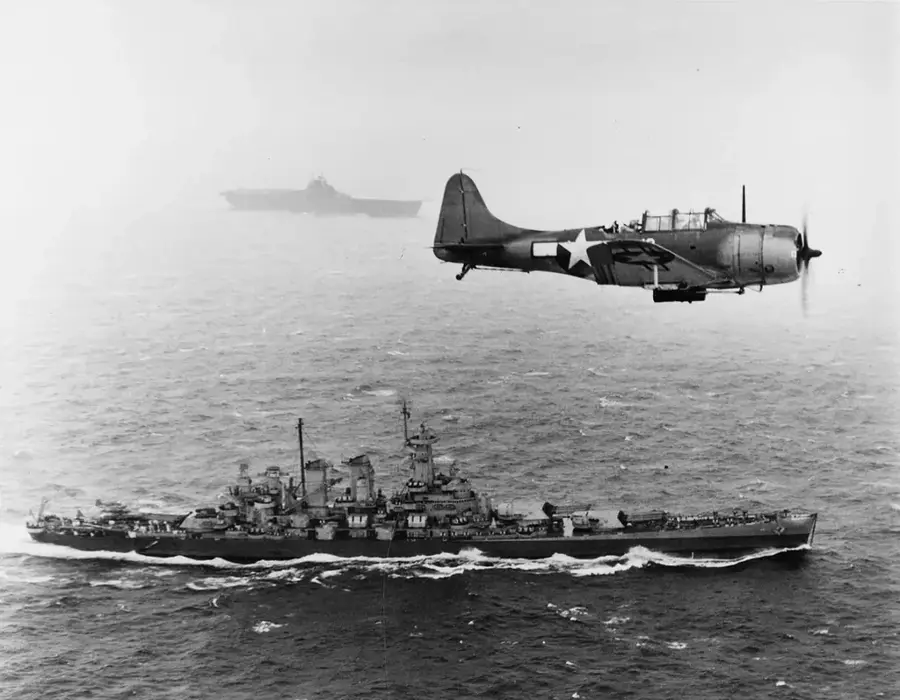
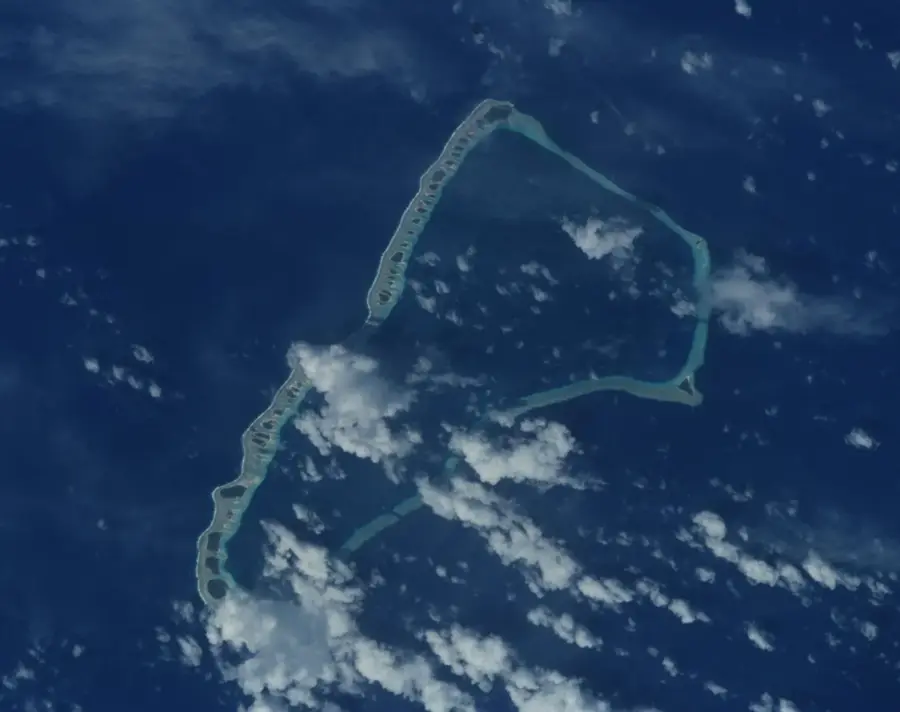
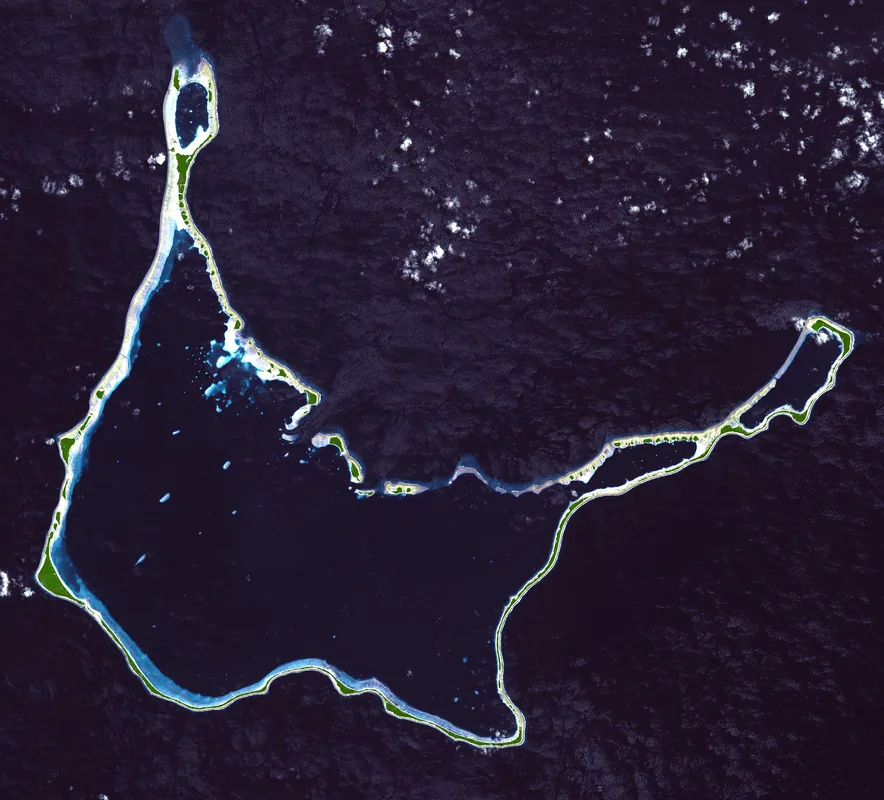
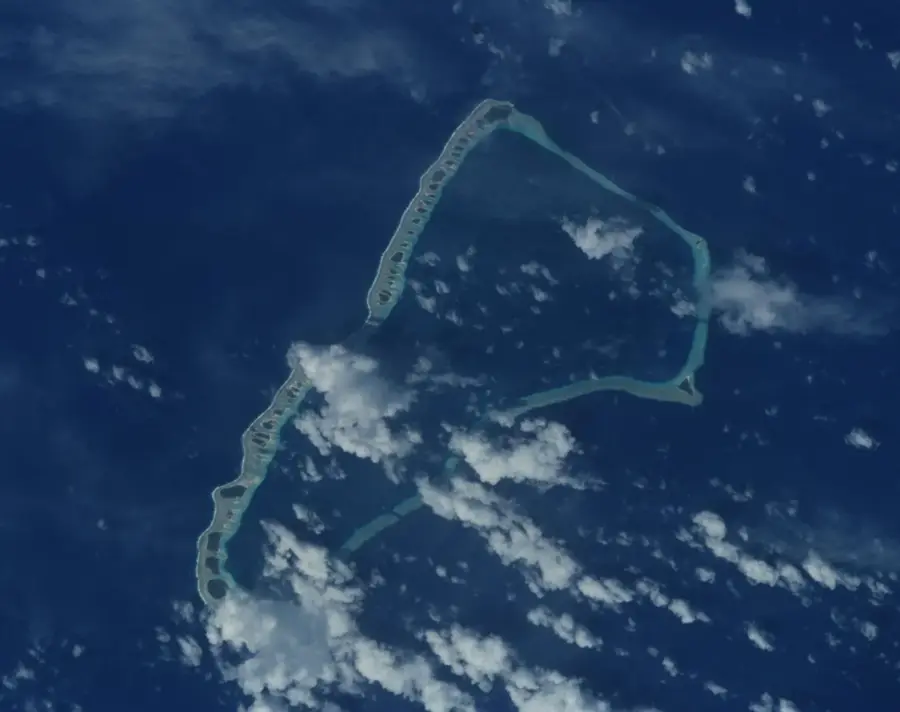
Mili serves as the administrative heart of the Mili Atoll and holds profound historical significance within the Marshall Islands. During World War II, it was a major Japanese military base, and the island remains scattered with remnants of that era, including bunkers, coastal defense guns, and aircraft wrecks. As part of the Ratak Chain, the atoll has the second-largest land area in the country. Beyond its wartime past, Mili provides a serene look at traditional Marshallese life, with a community of about 700 people engaged in fishing and copra production. The expansive lagoon is celebrated for its exceptional water clarity and animated marine life, making it a unique destination where history and nature converge, attracting visitors interested in both Pacific War heritage and pristine coral reef ecosystems.
- Location: Marshall Islands
- Population: ~854 (2026)
Best time to visit & climate
The most pleasant time to visit is Feb, Mar, Aug.
| Jan | Feb | Mar | Apr | May | Jun | Jul | Aug | Sep | Oct | Nov | Dec | |
|---|---|---|---|---|---|---|---|---|---|---|---|---|
| Avg °C | 28 | 28 | 28 | 28 | 28 | 28 | 28 | 28 | 28 | 28 | 28 | 28 |
| Rain mm | 224 | 163 | 222 | 273 | 247 | 238 | 257 | 220 | 245 | 252 | 255 | 267 |
Geography
Facts
- Land area of 16 km²
- Lagoon area of 760 km²
- Comprised of 92 islets
- Major Japanese base in WWII
- Southeasternmost atoll in Ratak Chain
- Population of about 700 people
Explore nearby
Notable places around


Route planner — Car & Motorhome
Where do you start? We build the route here, with stops and country notes along the way.
© OpenStreetMap contributors · OpenRouteService
Frequently asked questions
How long should I stay in Mili?
When is the best time to visit Mili?
How do you travel to Mili?
Are there local dishes in Mili?
Is Mili a family-friendly destination?
Mili: where is it located?
Mili: when is the best time to visit?
Mili: why is it worth visiting?
Nearby cities

History & landmarks


Nature
More places