Plizio Visual Lab
Bikini Marine Recovery Zone
Weather…
Water temperature…
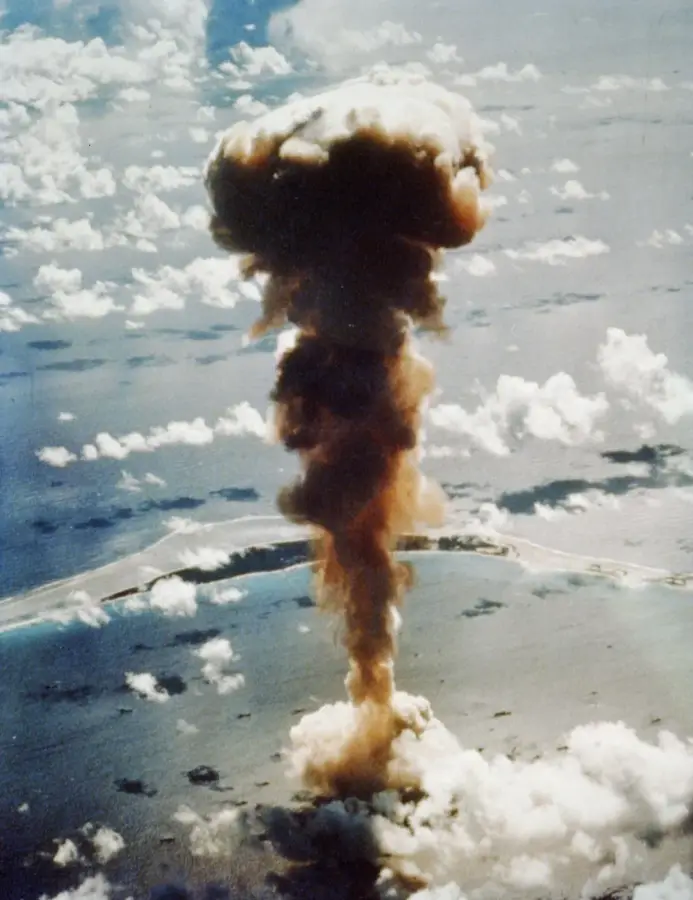
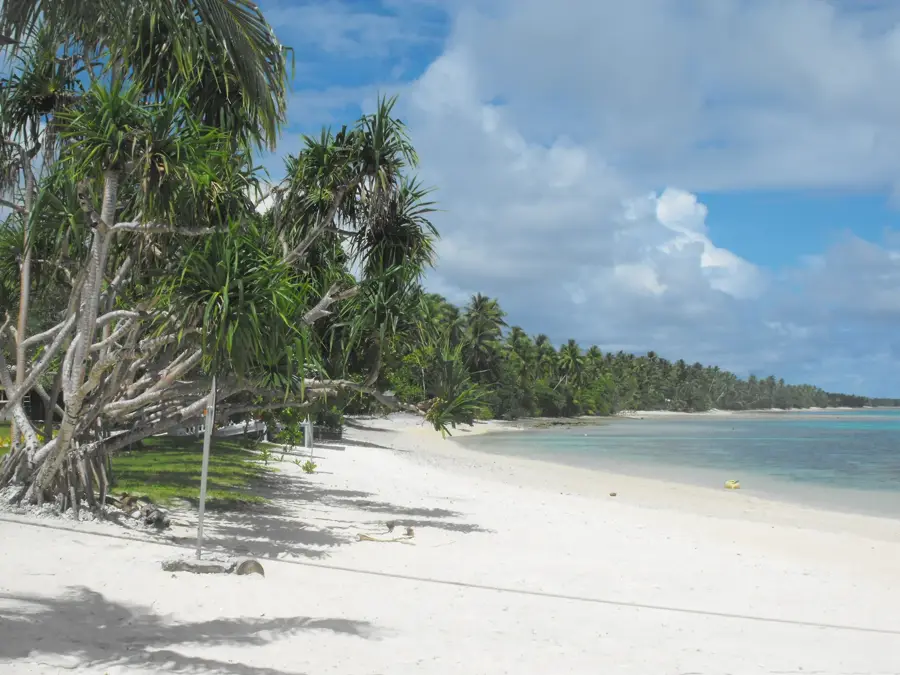
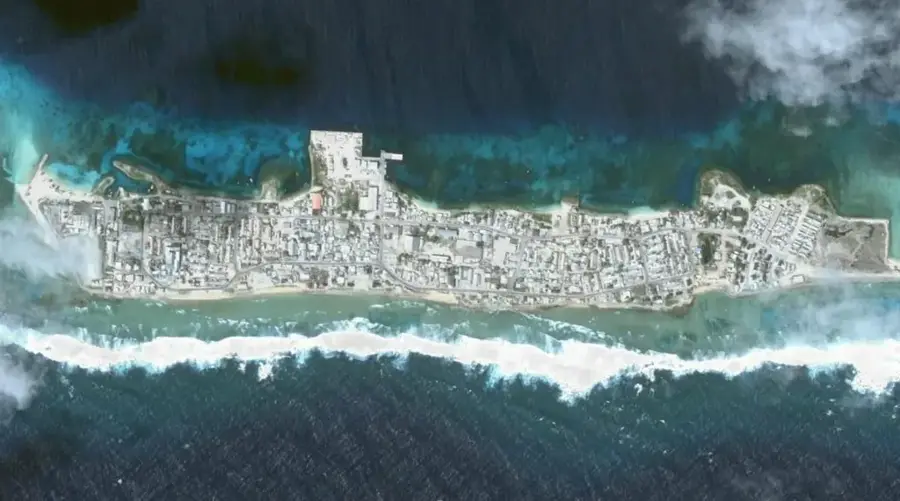
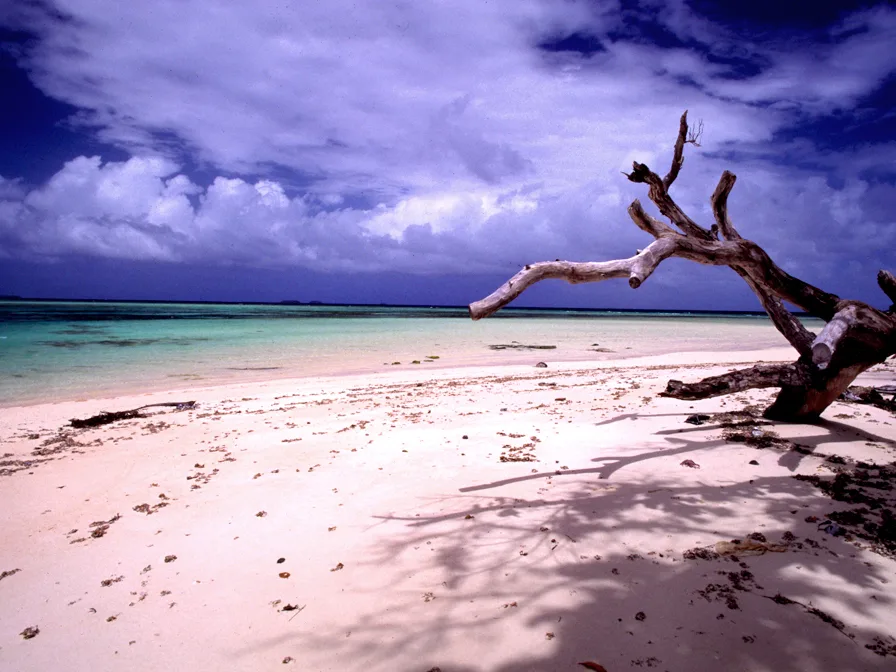
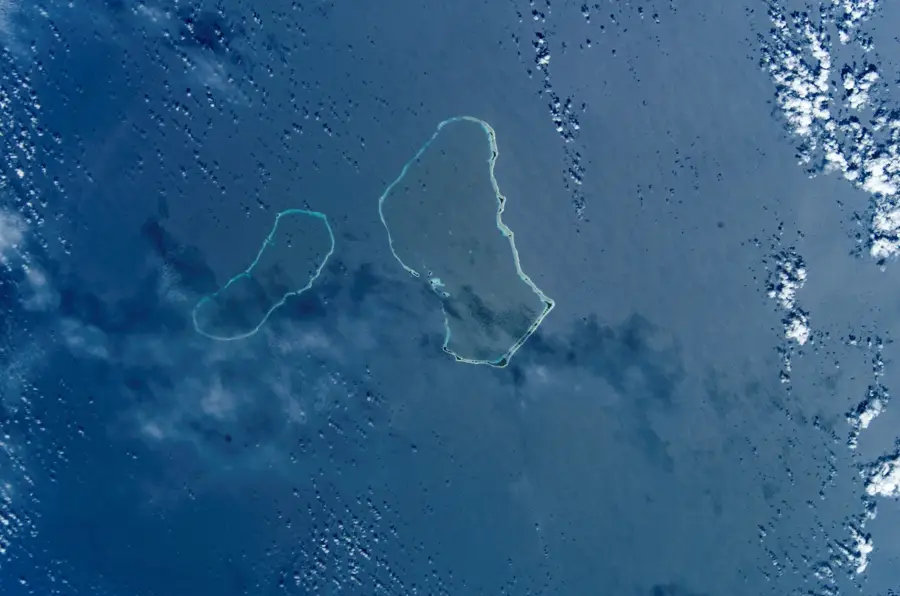
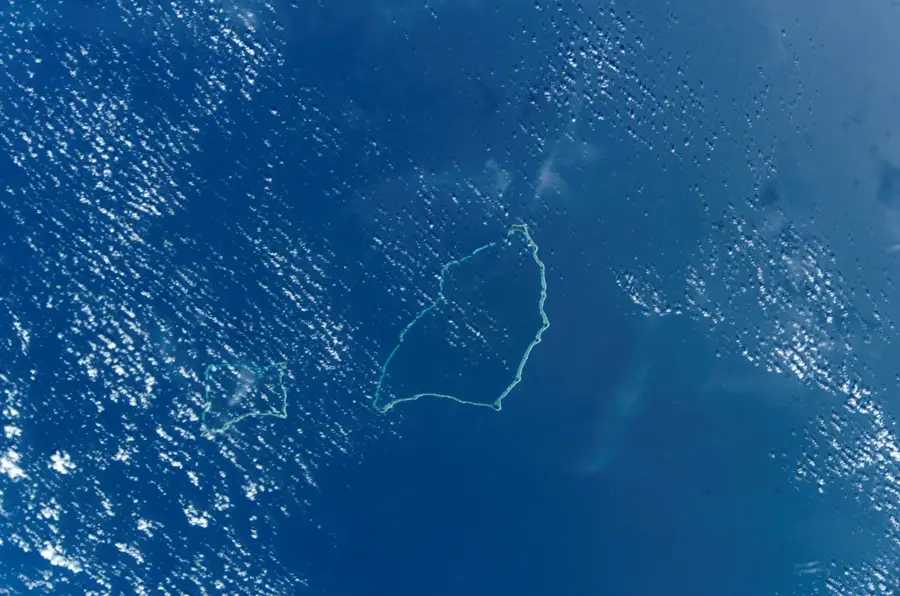
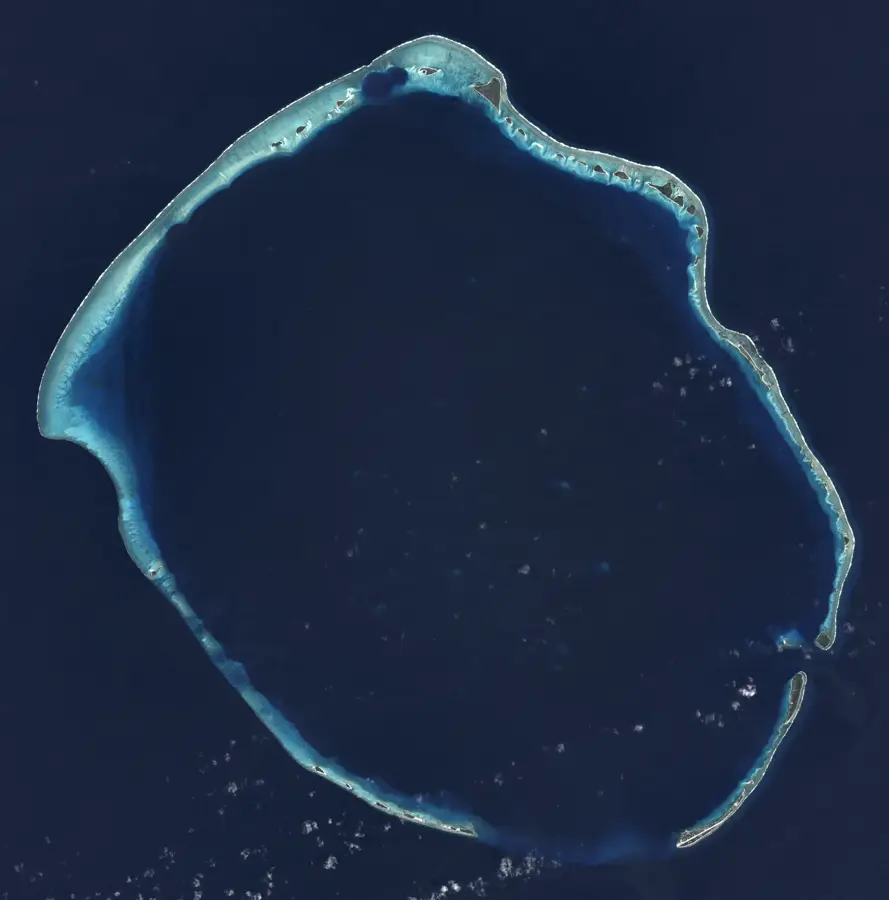
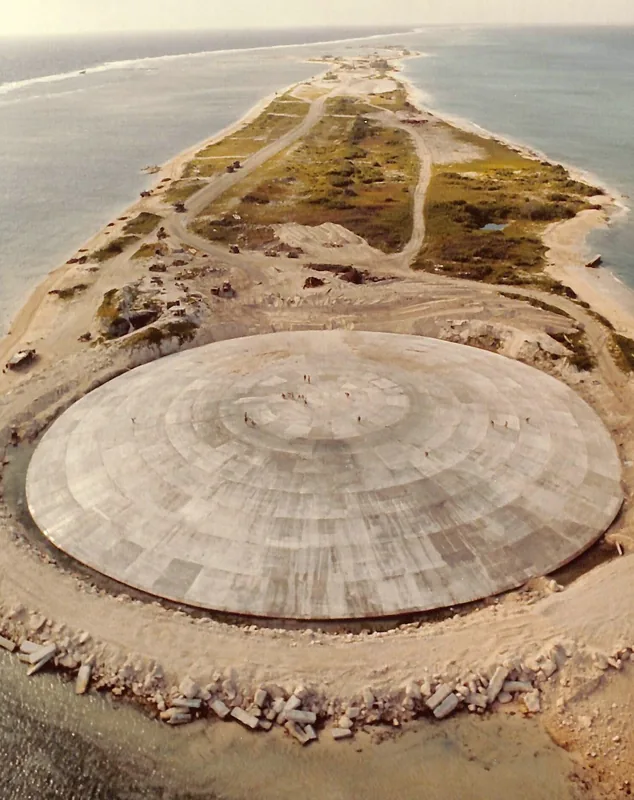
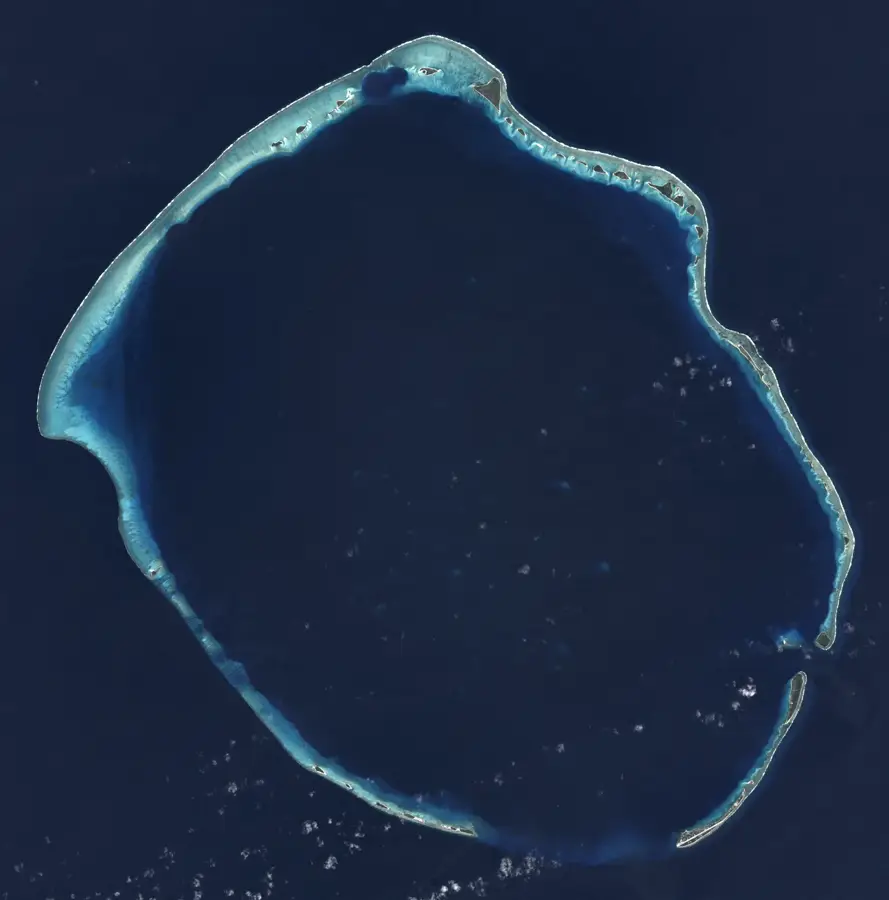
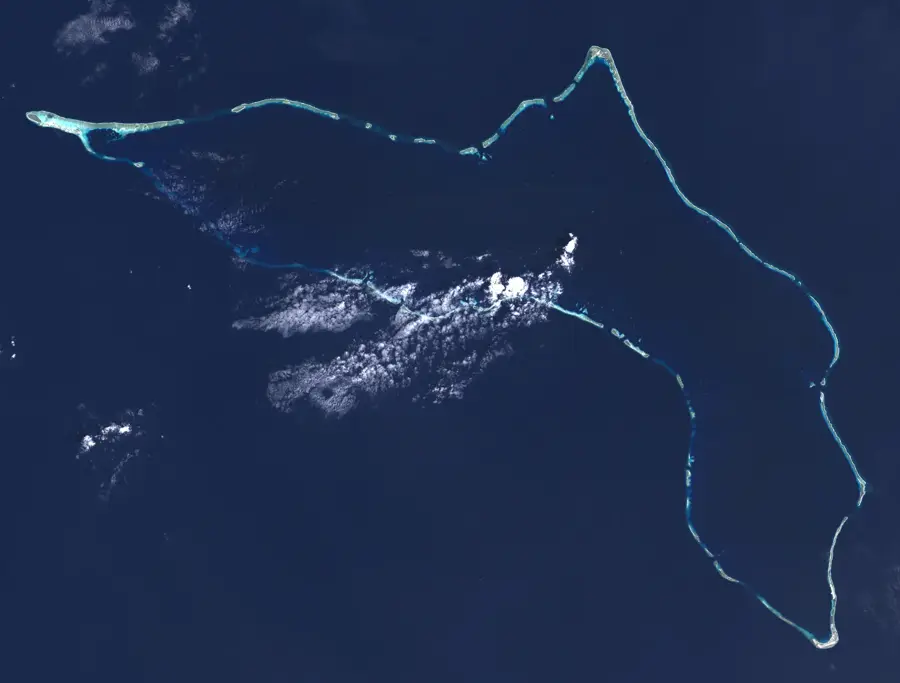
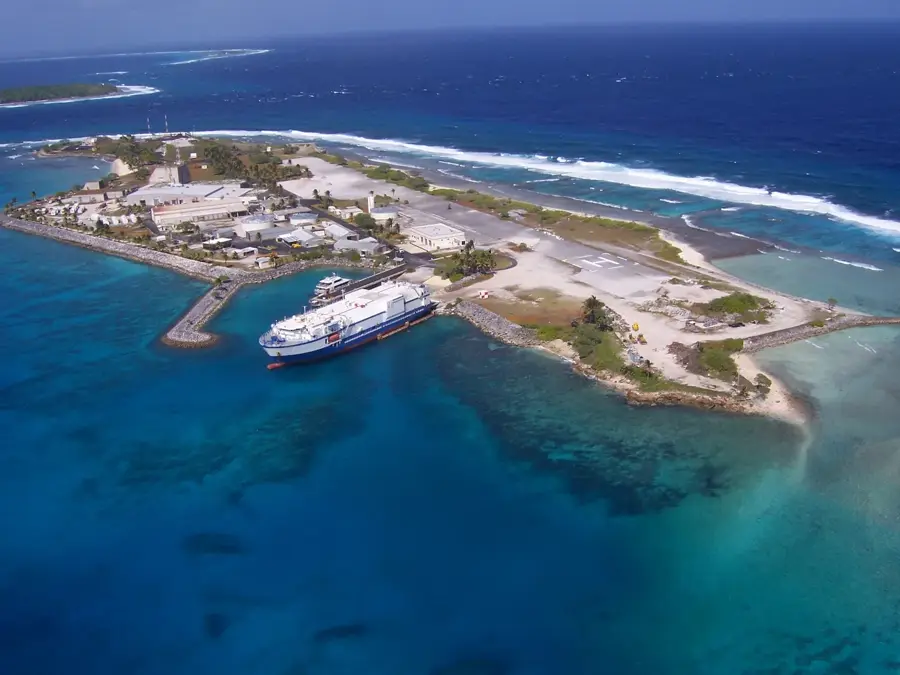
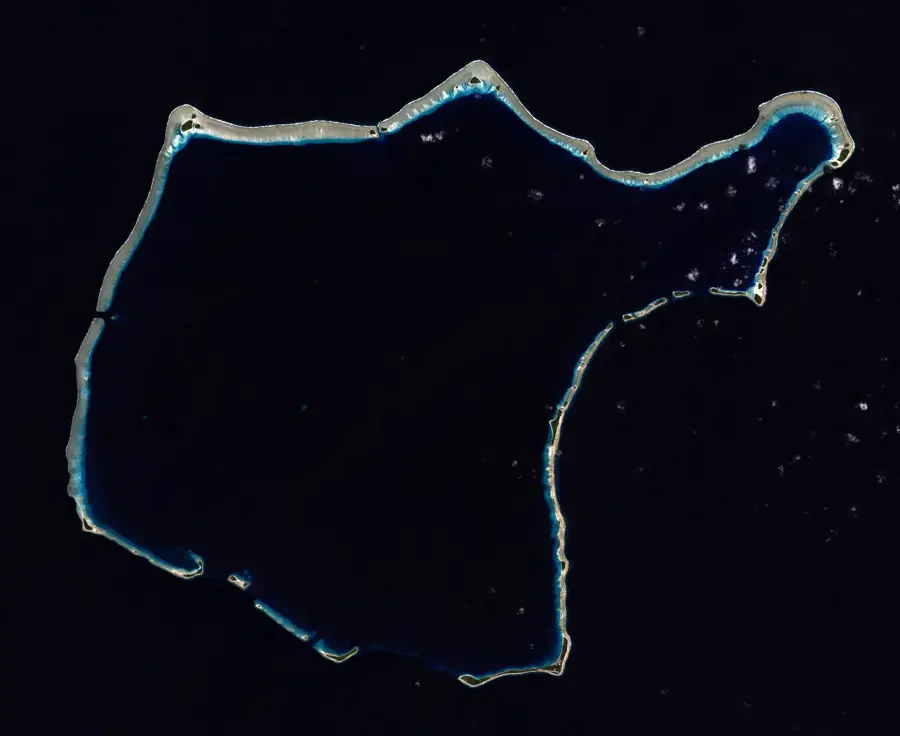
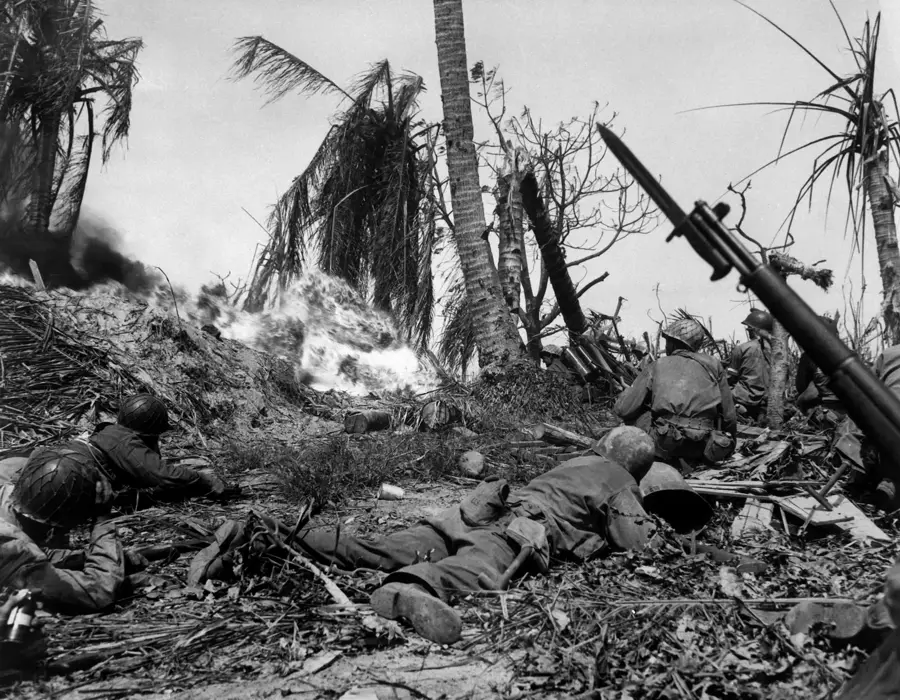
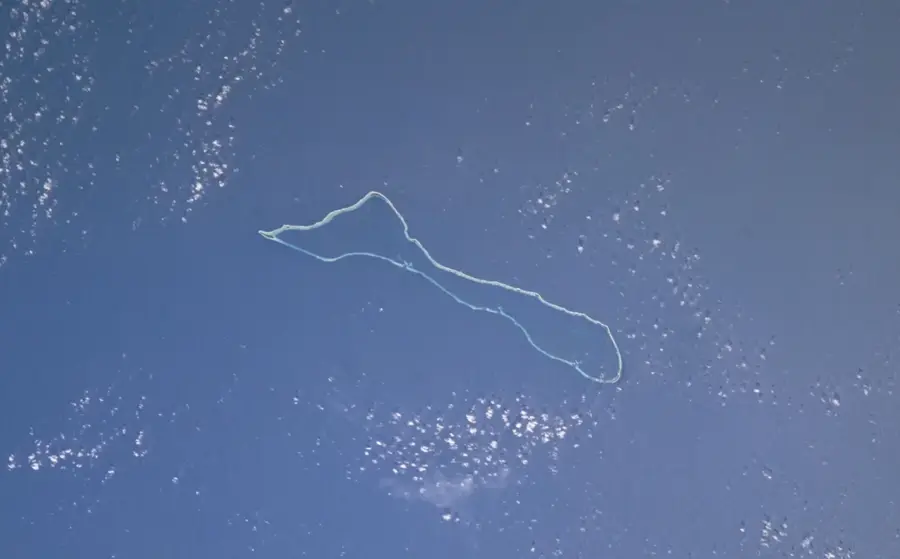
The Bikini Marine Recovery Zone is a place of profound ecological significance, born from a dark chapter of human history. Between 1946 and 1958, the Bikini Atoll was the site of 23 nuclear weapons tests, including the devastating Castle Bravo blast, which left the lagoon and its surrounding reefs physically shattered and radioactively contaminated. However, in the absence of human interference over the subsequent decades, the area has become a unique living laboratory for environmental resilience. Scientists have discovered that despite the lingering radiation, the coral reefs have staged a remarkable comeback, with biodiversity levels now rivaling some of the world's most pristine marine environments. Large populations of grey reef sharks, giant clams, and thriving coral colonies have reclaimed the underwater craters. This recovery zone provides vital data on how ecosystems adapt to extreme stress and radiation. Today, the waters of Bikini Atoll serve as a haunting reminder of the nuclear age while simultaneously offering a powerful testament to nature's ability to heal itself when left undisturbed by human activity.
Best time to visit & climate
The most pleasant time to visit is Jan–Mar.
| Jan | Feb | Mar | Apr | May | Jun | Jul | Aug | Sep | Oct | Nov | Dec | |
|---|---|---|---|---|---|---|---|---|---|---|---|---|
| Avg °C | 27 | 27 | 27 | 28 | 28 | 28 | 28 | 28 | 28 | 28 | 28 | 28 |
| Rain mm | 26 | 26 | 34 | 60 | 63 | 65 | 112 | 138 | 147 | 169 | 113 | 45 |
📋 Practical info
Geography
Facts
- Coral cover: 55%.
- Fish species: over 250.
- UNESCO World Heritage since: 2010.
- Nuclear tests conducted: 23.
- Massive Porites diameter: up to 8 meters.
- Recovery start: 1958.
Explore nearby
Notable places around


Route planner — Car & Motorhome
Where do you start? We build the route here, with stops and country notes along the way.
© OpenStreetMap contributors · OpenRouteService
Sights in the town Bikini Marine Recovery Zone (1)
Sights nearby
Frequently asked questions
What is the Bikini marine recovery zone?
Can you dive there?
Is the area radioactive?
Can you fish there?
Is it a tourist destination?
Bikini Marine Recovery Zone: where is it located?
Bikini Marine Recovery Zone: when is the best time to visit?
Bikini Marine Recovery Zone: why is it worth visiting?
Nearby cities
History & landmarks
Nature
More places