Plizio Visual Lab

Kwajalein Battlefield
Plizio editorial teamData Sources
battlefield
—°7
Kwajalein Battlefield (Marshall Islands)

Weather…

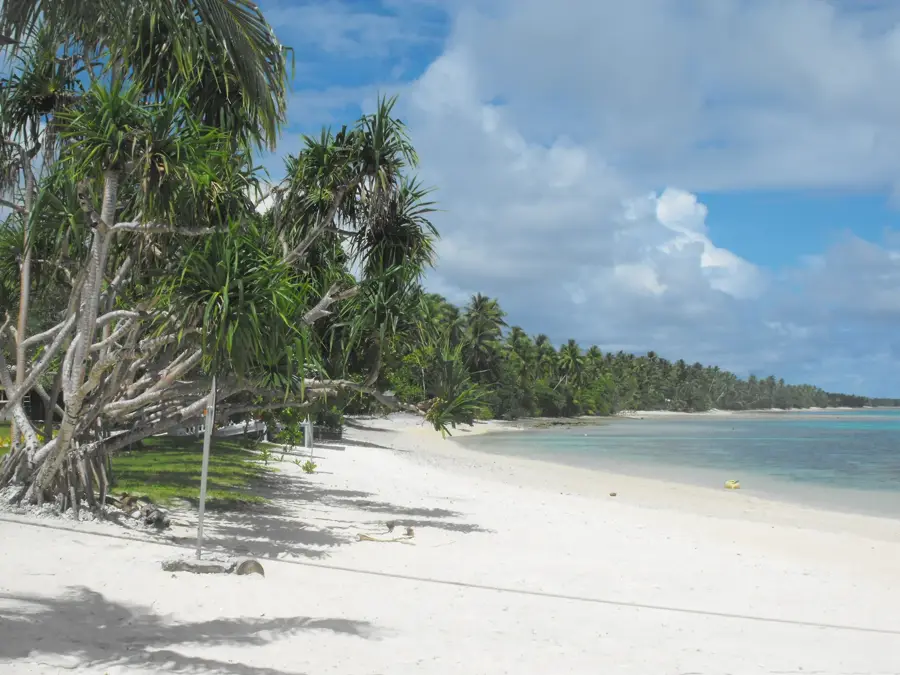
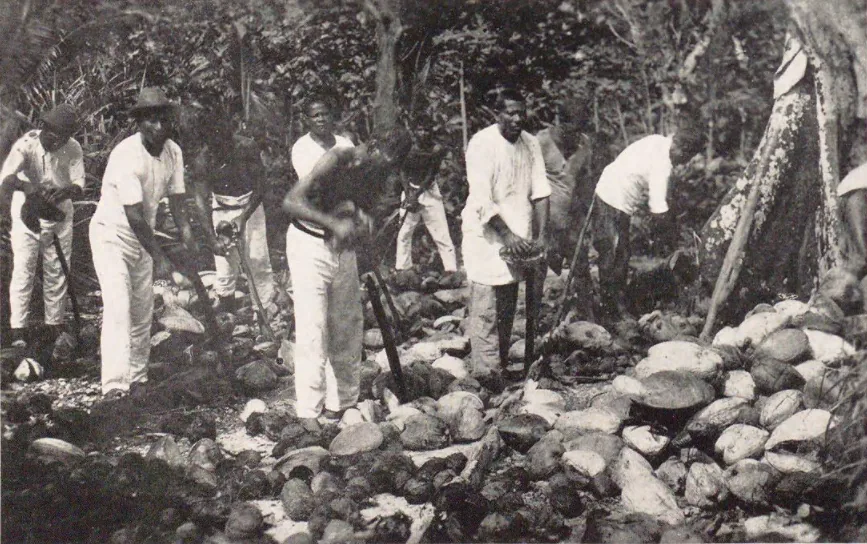
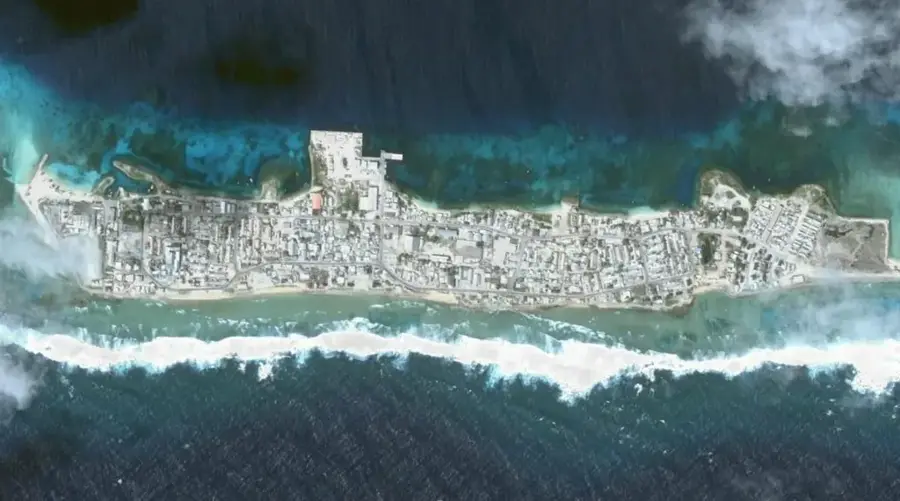
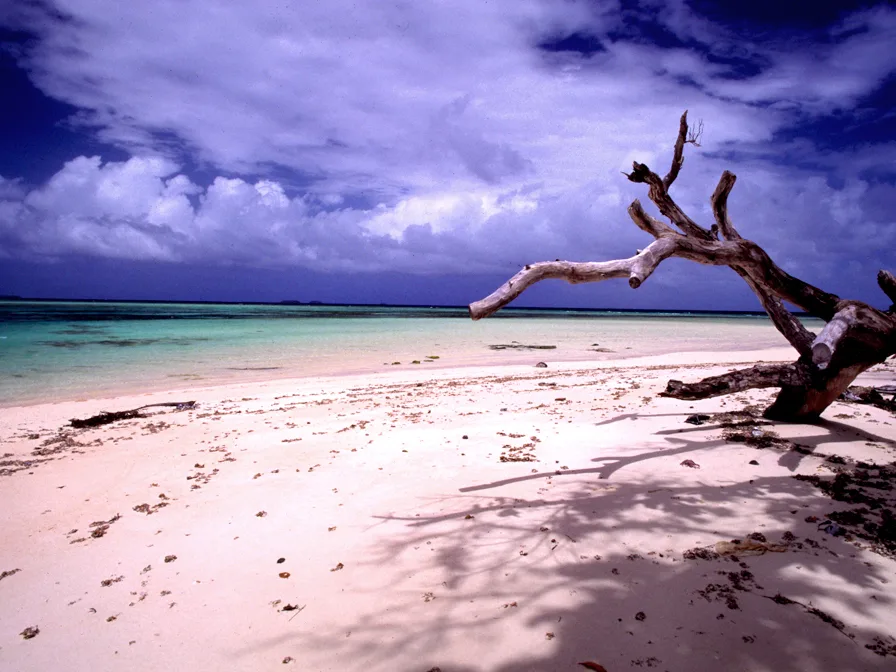
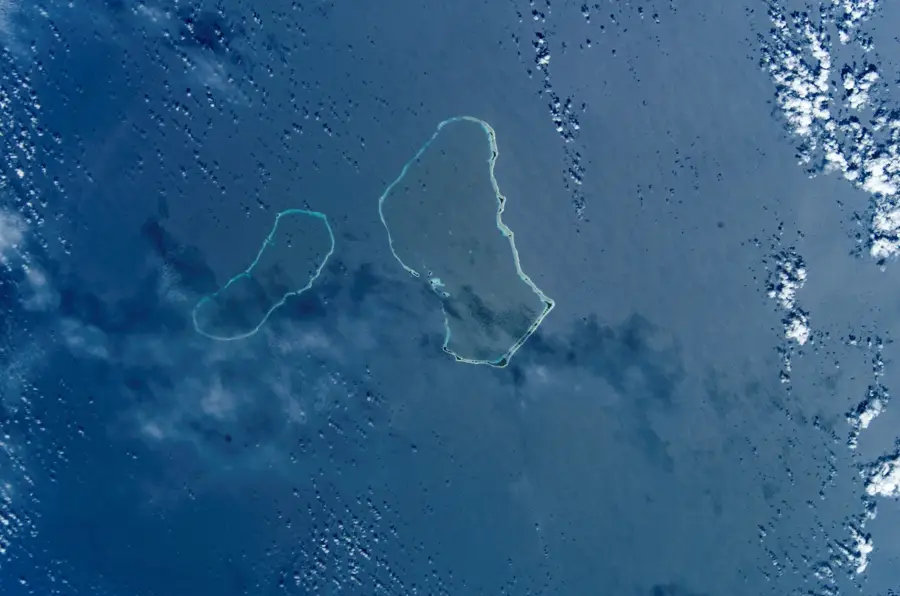
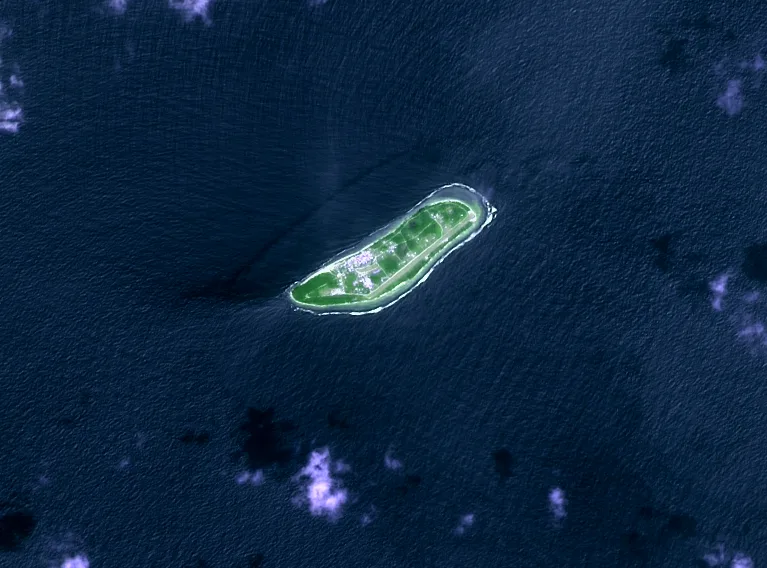
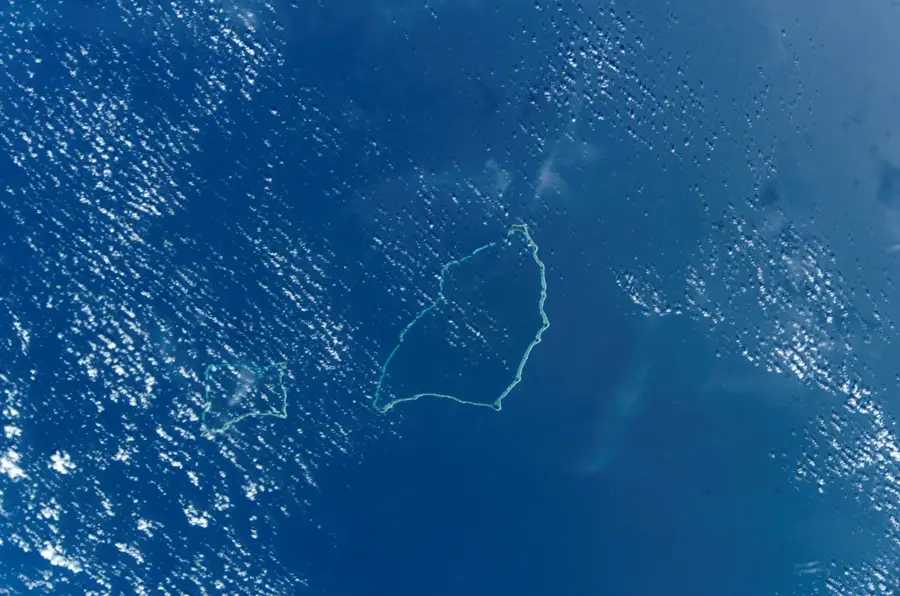
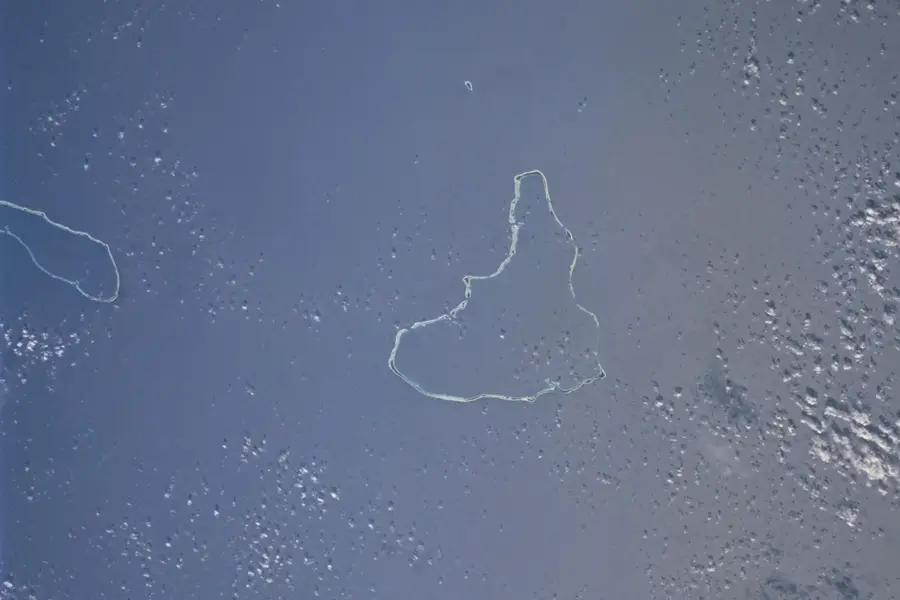
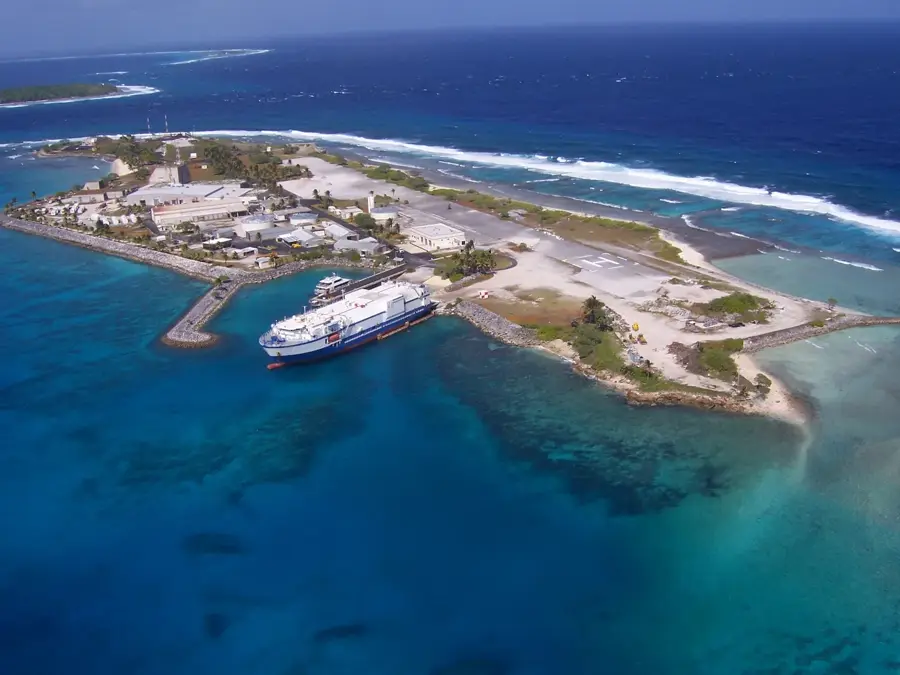
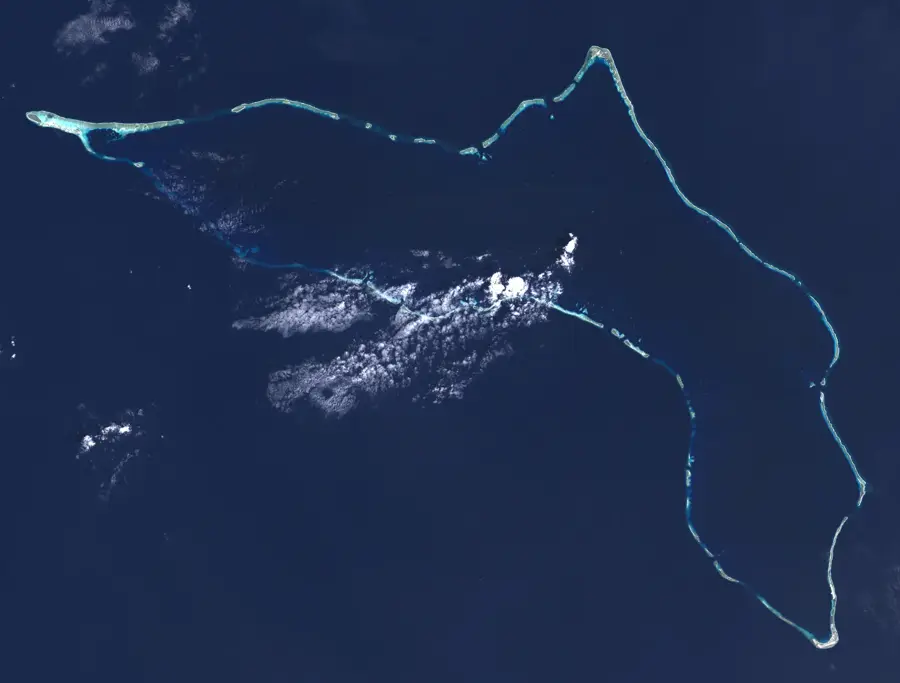
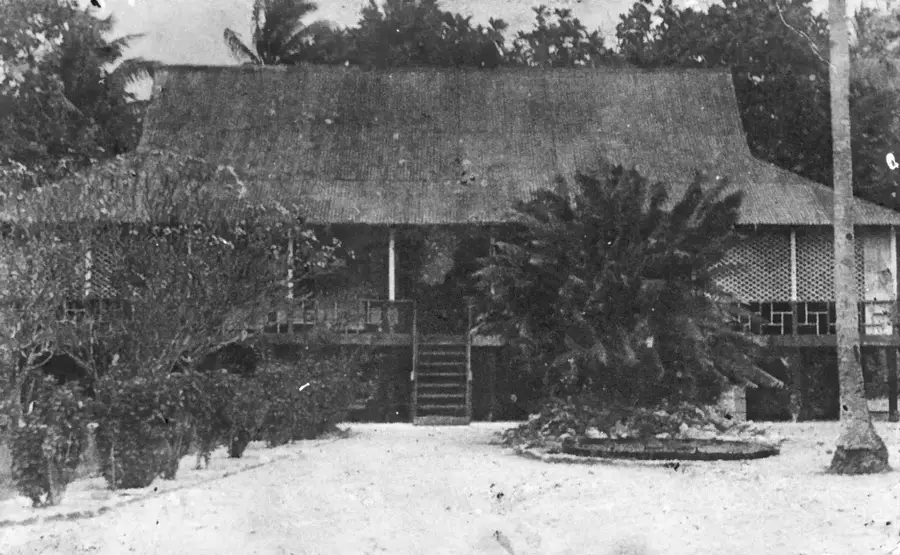
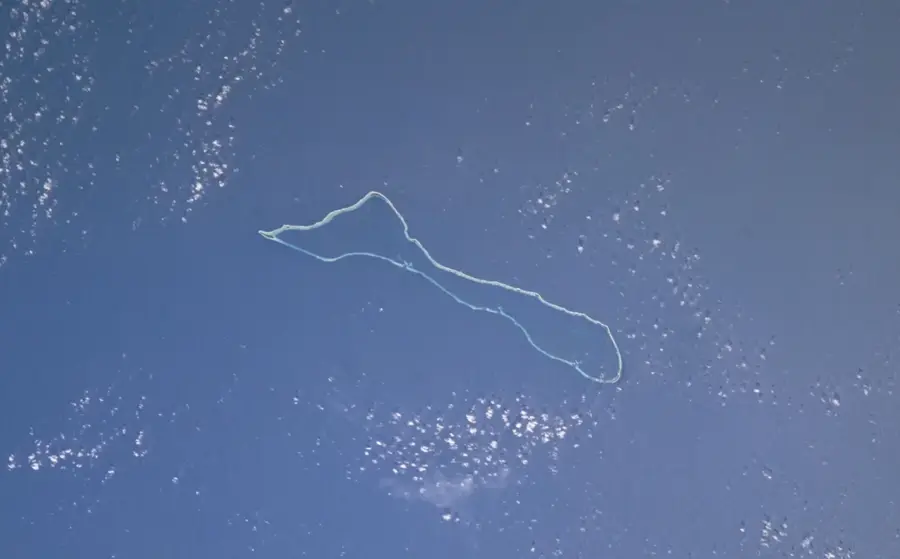
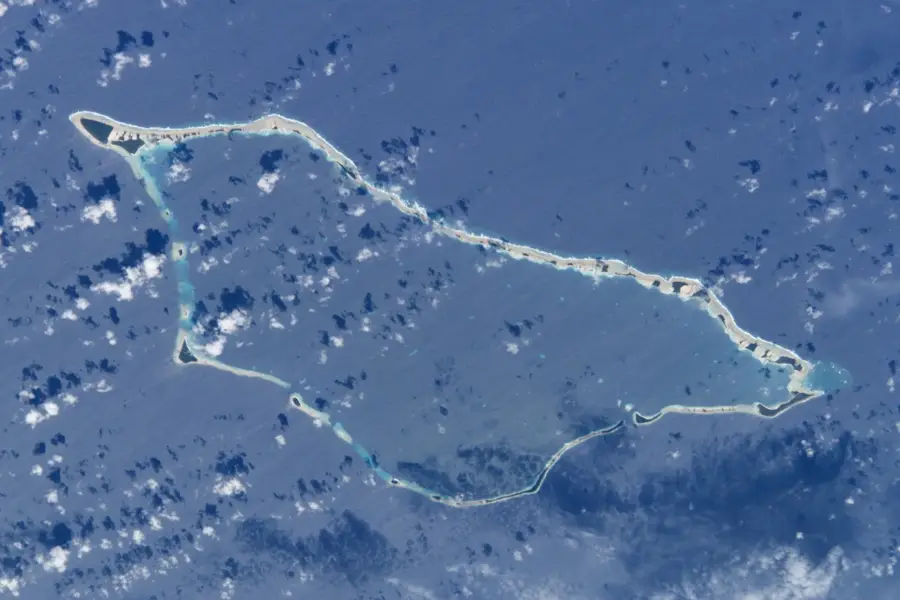
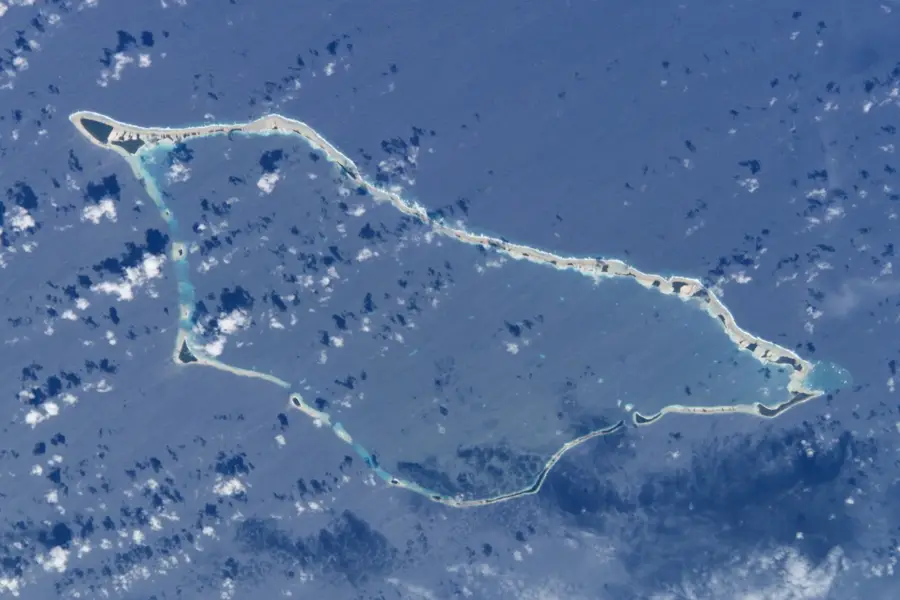
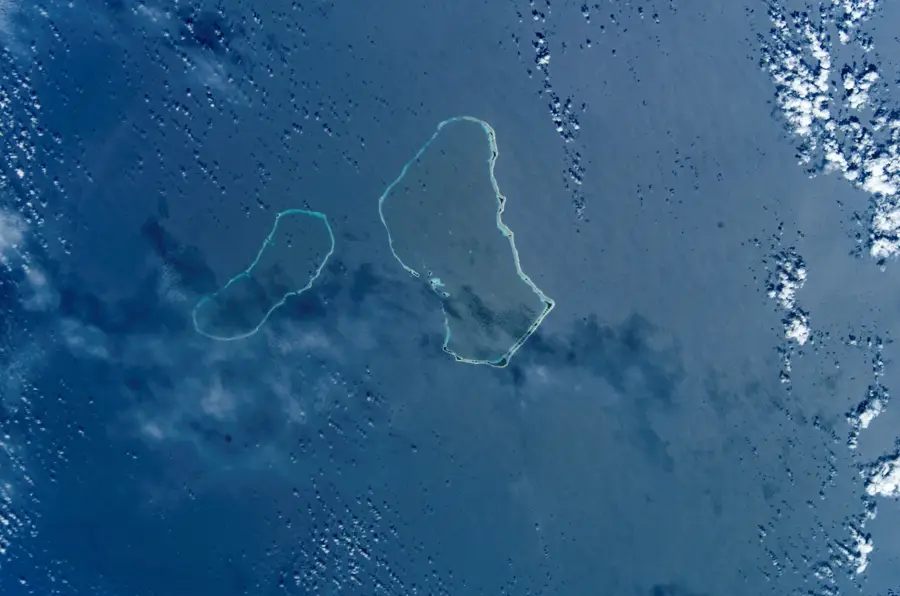
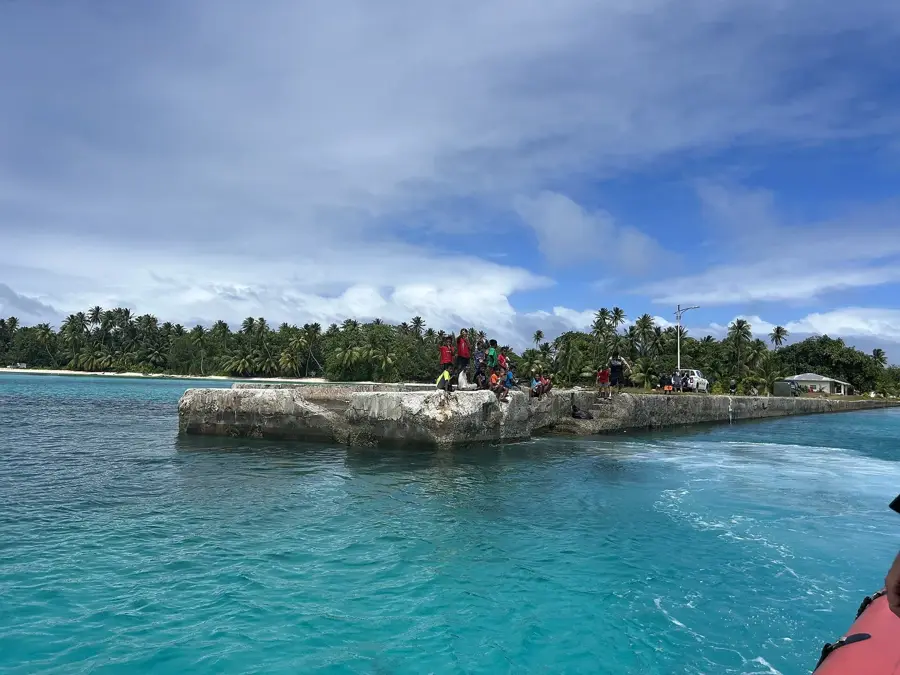
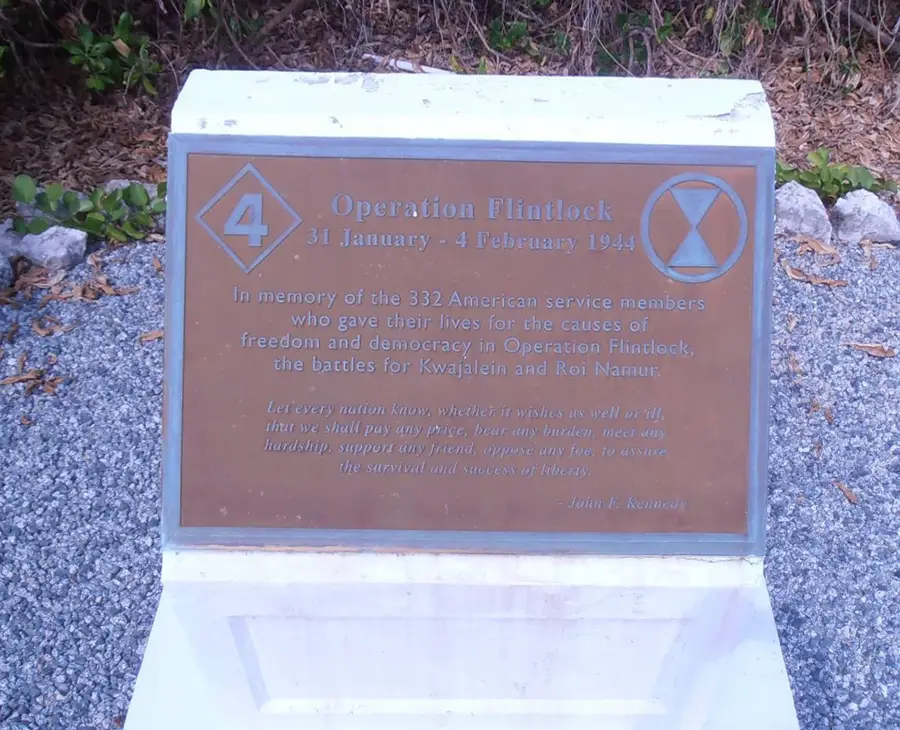
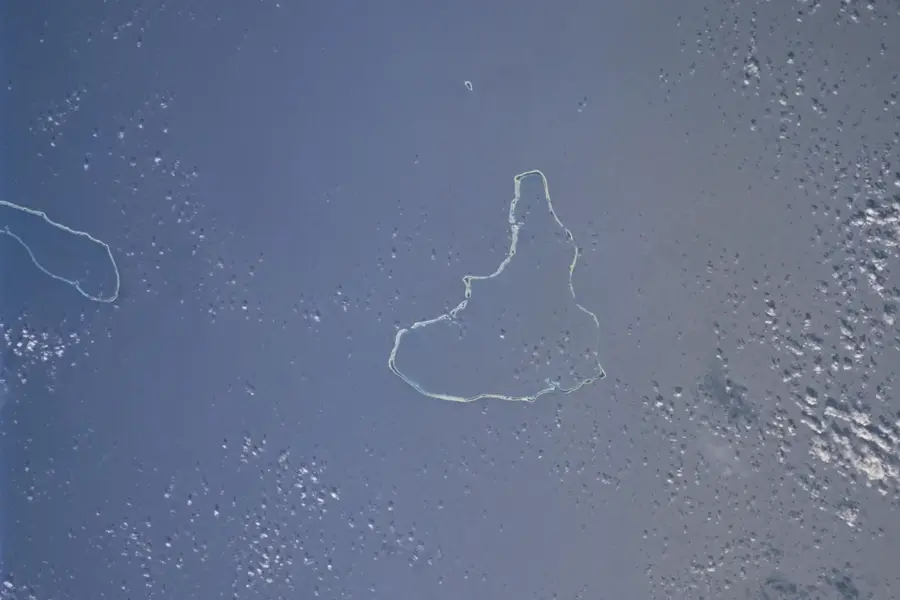
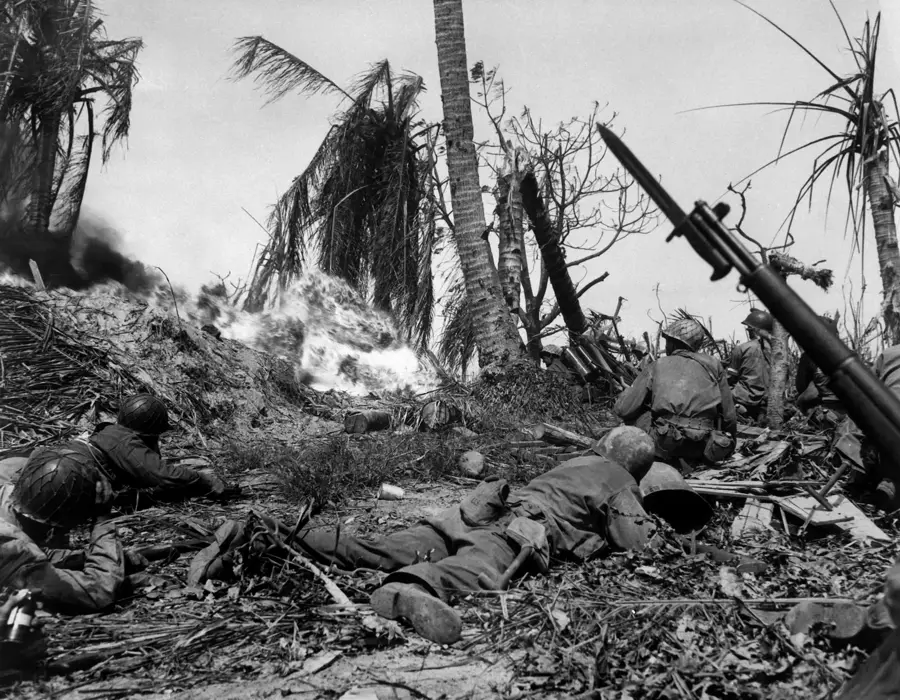
The Kwajalein Atoll was the site of a pivotal battle during the Pacific War in February 1944, known as part of Operation Flintlock. US forces launched a massive amphibious assault to seize the atoll from Japanese occupation, marking the first time American troops captured territory that had been part of the pre-war Japanese outer defense perimeter. The fierce fighting resulted in the deaths of over 8,000 Japanese defenders and established a vital logistical base for further Allied advances toward the Philippines and Japan. Currently, Kwajalein Island serves as a critical node for the Ronald Reagan Ballistic Missile Defense Test Site, supporting missile intercepts and space surveillance. Despite its modern military role, the atoll’s waters are a vast underwater museum, containing dozens of sunken WWII ships and aircraft that remain significant for historical research and specialized diving.

Best time to visit & climate

The most pleasant time to visit is Jan–Mar.

JanFebMarAprMayJunJulAugSepOctNovDec
Avg °C282828282828282828282828
Rain mm8579105149165149197192219250222143

📋 Practical info

🚪
Visiting
Visiting the historical battlefield sites requires careful planning as Kwajalein Atoll hosts an active military installation. Access is strictly controlled, and tourists typically need a designated sponsor or special permission to explore the historical remnants.
🕒
Typical hours
There are no standard public operating hours for the historical sites due to the restricted nature of the active military base. Guided tours or approved visits must strictly adhere to the schedules coordinated in advance with the base authorities.
📷
Photography
Photography is subject to extremely strict regulations and is outright prohibited in many areas facing active military facilities. Visitors must always ask their guide or escort before taking pictures of any historical markers or landscapes.
⏱️
Time needed
Exploring the accessible parts of the battlefield and scattered memorials typically requires a half-day excursion, assuming permissions are granted. Logistical delays and mandatory security checks usually extend the overall duration of any planned visit.
Combine with
If authorized, visitors often combine historical tours with exploring the pristine lagoons and unique marine environments surrounding the remote atoll. Advanced scuba diving around World War II shipwrecks is a profound experience in the region.
🧭
Getting there
Reaching the island involves complex travel logistics, usually arriving via military flights or specific commercial routes directly into the base. Independent travel to Kwajalein is not possible without substantial prior coordination and official clearance.
💡
Insider tip
Due to the stringent military security, bring a valid passport and printed copies of all necessary sponsorship paperwork at all times. Never wander off designated pathways, as unexploded ordnance from the war remains a genuine hidden hazard.

Geography

Coordinates
8.71100, 167.73300

Facts

  • The battle lasted 4 days, from Jan 31 to Feb 3, 1944.
  • Over 8,000 Japanese soldiers were stationed on Kwajalein.
  • US casualties were 372 killed and 1,582 wounded.
  • Around 7,000 Japanese defenders died.
  • The atoll has a land area of 16.39 km².
  • Bunkers on Kwajalein Island have concrete walls up to 3 m thick.

Explore nearby

Notable places around

Route planner — Car & Motorhome

Where do you start? We build the route here, with stops and country notes along the way.

Vehicle
Only stops with (optional):

© OpenStreetMap contributors · OpenRouteService

Sights in the town Kwajalein Battlefield (7)

Glass Beach

Beach on Kwajalein known for smooth glass pieces in the sand. Formed from old discarded waste.

Camp Hamilton Beach

Beach section on Kwajalein used for recreation. Fine sand and shallow water.

Coral Sands Beach

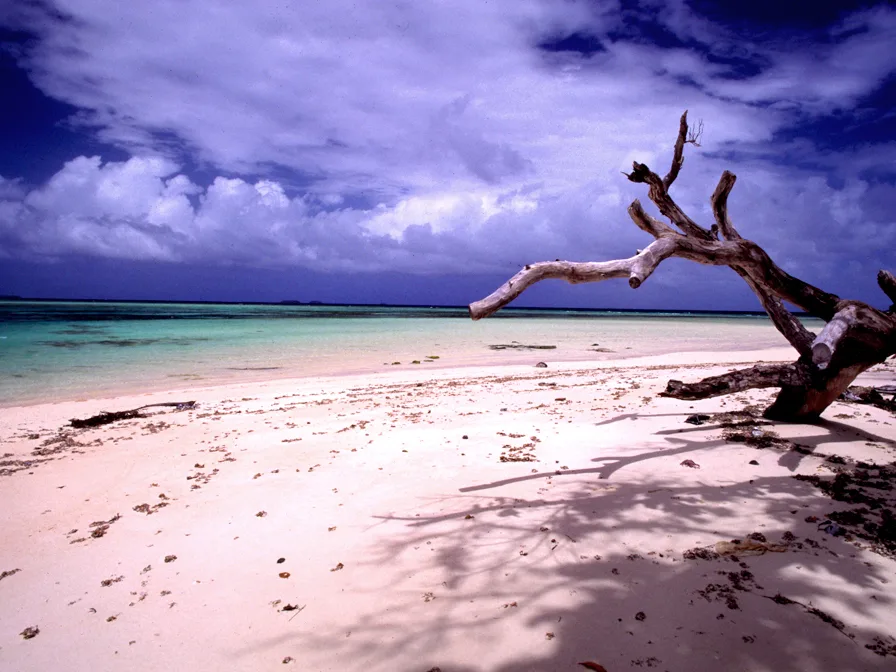
Beach with white coral sand on Kwajalein. Suitable for swimming and sunbathing.

Marshallese Cultural Center🏛 museum

Cultural center on Kwajalein showcasing Marshallese traditions. Exhibits and events held here.

🆓

Island Memorial Chapel

Christian chapel on Kwajalein, used for worship services and prayer.

Richardson Theater

Theater on Kwajalein showing films and live performances. Community gathering spot.

Kwajalein Art Guild

Gallery on Kwajalein exhibiting and selling local artwork. Creative hub of the island.

Sights nearby

Frequently asked questions

What is the Kwajalein battlefield?
Location of historical battles between the USA and Japan in WWII.
Can it be visited?
Access to the Kwajalein Atoll is strictly regulated for tourists.
Why is it historically important?
It marks a turning point in the Pacific War.
Are there guided tours?
Very rarely and only with special military permits.
What is there to see?
Monuments and artifacts from the time of the heavy fighting.
Kwajalein Battlefield: where is it located?
Kwajalein Battlefield is located in Marshall Islands.
Kwajalein Battlefield: what is there to see?
Highlights include Glass Beach, Camp Hamilton Beach, Coral Sands Beach.
Kwajalein Battlefield: when is the best time to visit?
The most pleasant time to visit is Jan, Mar.
Kwajalein Battlefield: why is it worth visiting?
The Kwajalein Atoll was the site of a pivotal battle during the Pacific War in February 1944, known as part of Operation Flintlock.
View on map → The Top 50 Attractions → OpenStreetMap →
Oceania
Explore with Plizio Discover more places in Oceania
More places in Marshall Islands →

Nearby cities

History & landmarks
Nature
More places