Plizio Visual Lab
Csaroda
ℹ️Practical info — Csaroda
▾
🌤 Weather — 5 days
📍 Nearby
Sights nearby
💡 Tips
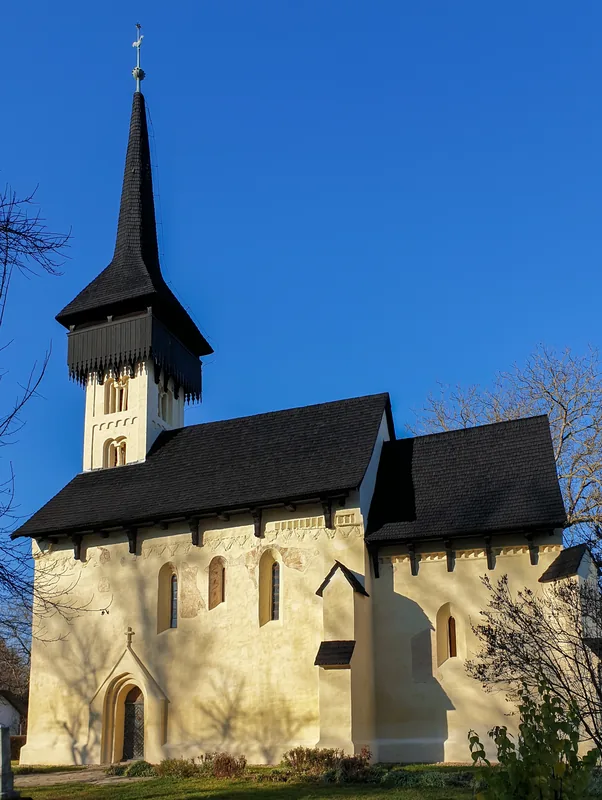
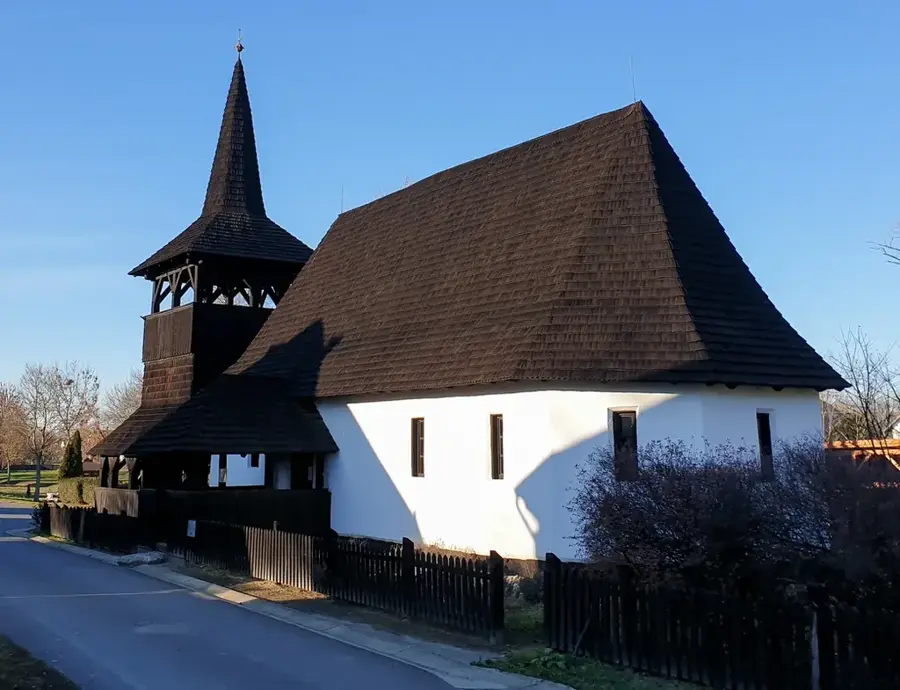
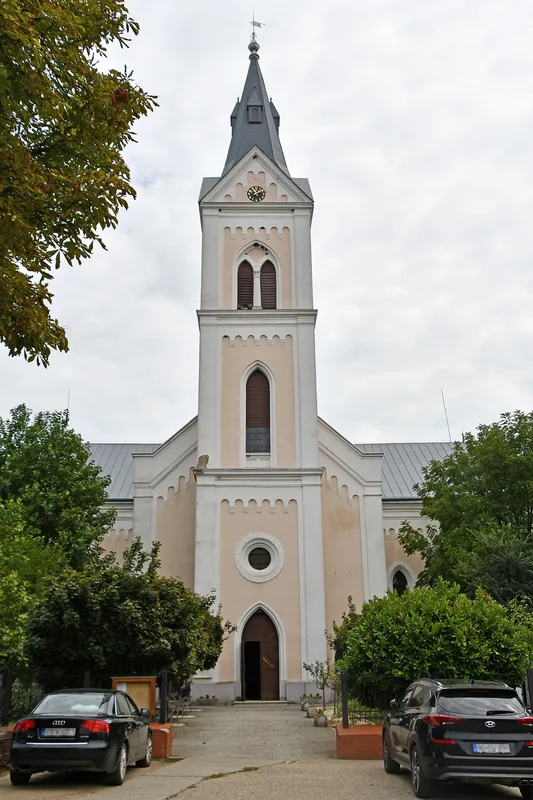
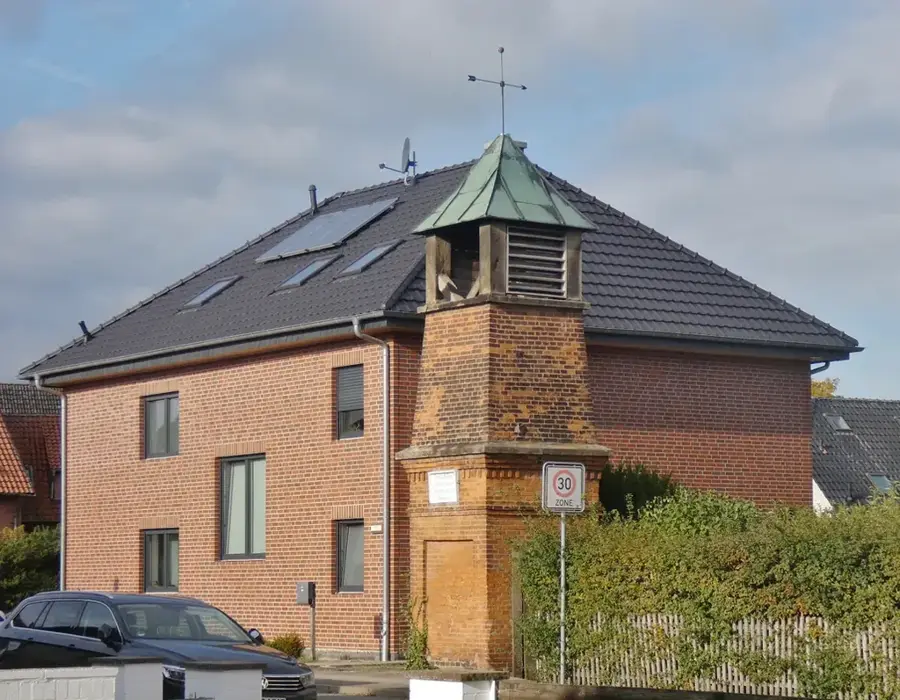
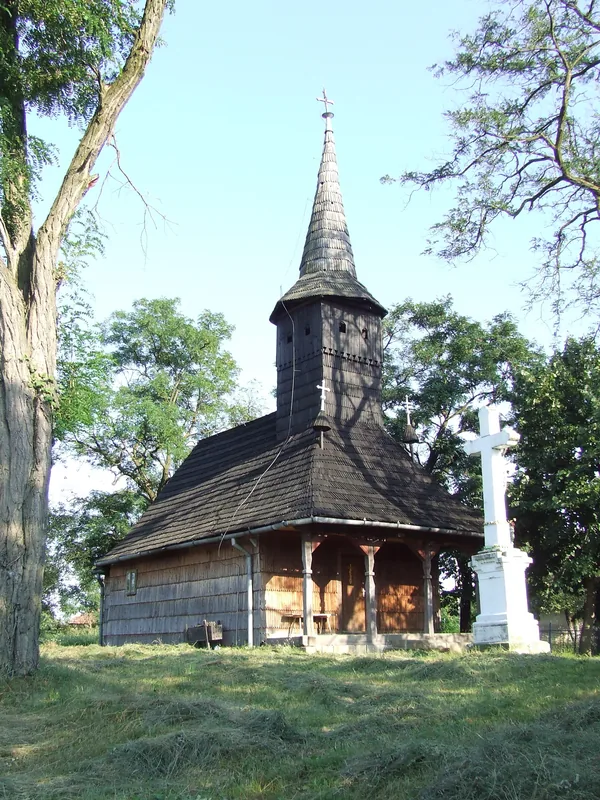
- The Romanesque church (13th century) with the 'smiling saints' frescoes is an absolute highlight, also admire its slender wooden spire.
- Rent a bike to explore the quiet villages of the Bereg region; the landscape is wonderfully flat and easy to cycle.
- Try to visit the church during official opening hours; if locked, ask around the village for the caretaker holding the key.
- The area is famous for its freestanding wooden bell towers, be sure to visit neighboring Tákos as well.
🍽 Food
Try this thick, cauldron-cooked plum jam, which is an absolute specialty of the Bereg region.
A local variant of stuffed cabbage rolls, often prepared with cornmeal, available at traditional village inns.
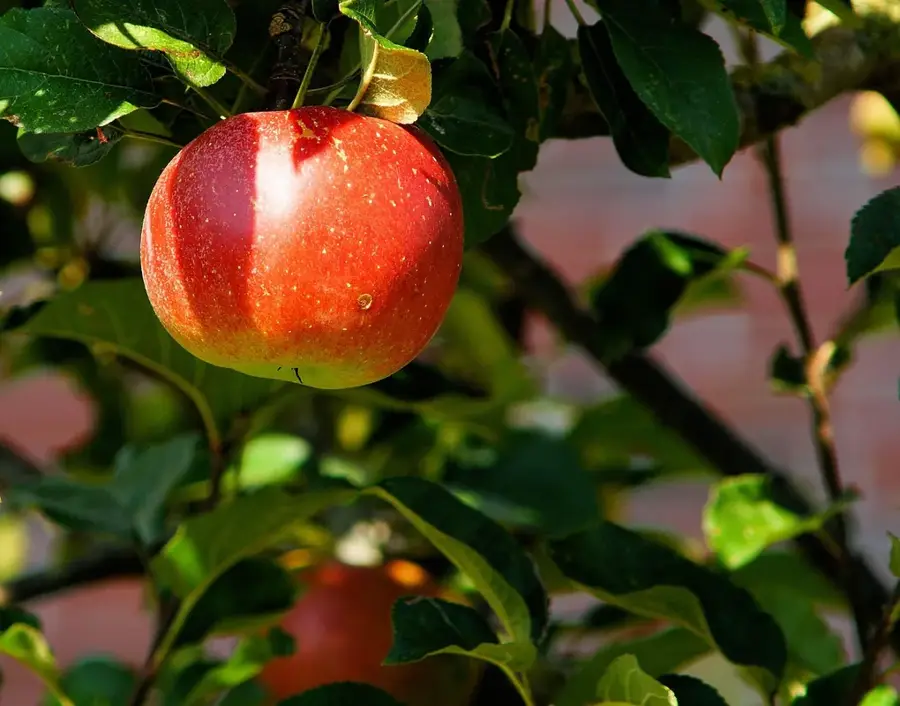
Taste the famous Hungarian fruit brandy, especially the plum or apple varieties sourced from local orchards.
🛍 Shopping · 🧘 Quiet spots
Buy authentic Szatmár plum jam directly from villagers, often sold in jars by the roadside.
Look for handmade textiles decorated with the characteristic red and black patterns of Bereg embroidery.
Linger in the quiet, atmospheric grounds surrounding the medieval church to absorb the historical vibe.
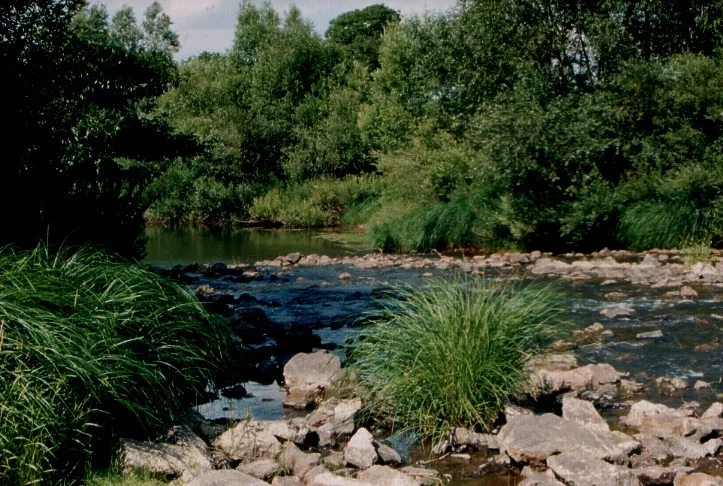
Take a short walk along the banks of the small stream that peacefully winds through the village.
Water temperature…
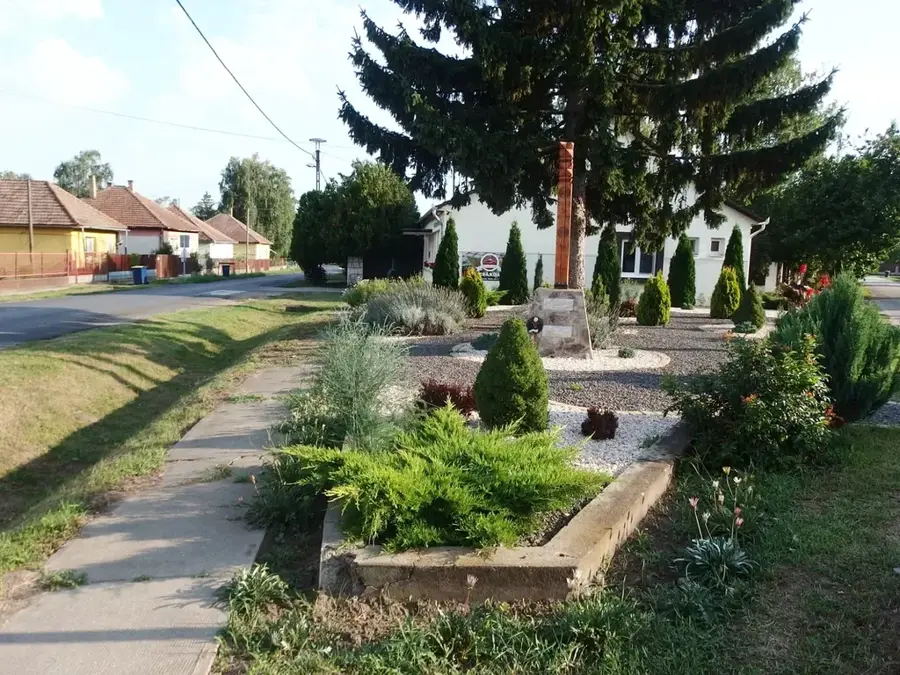
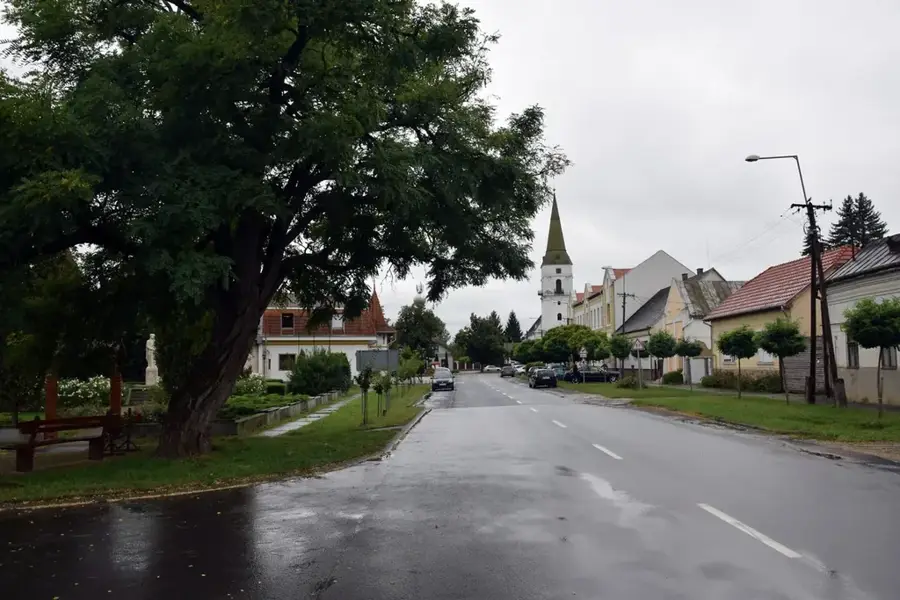
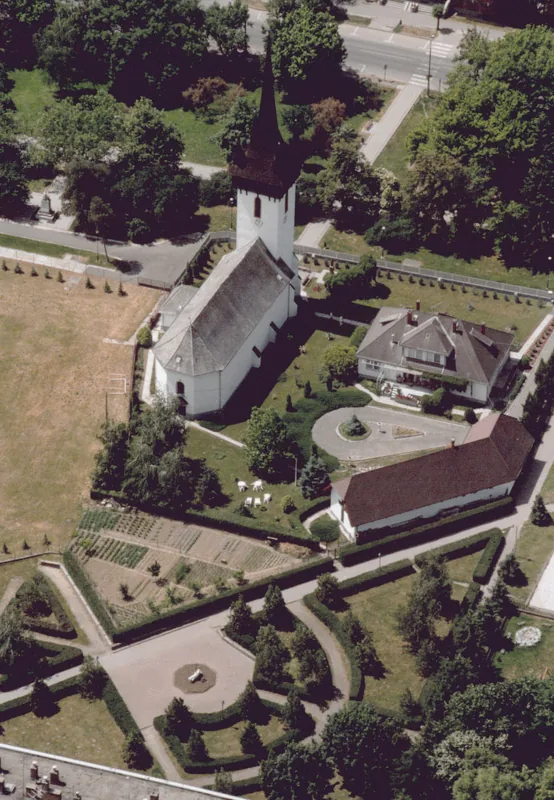
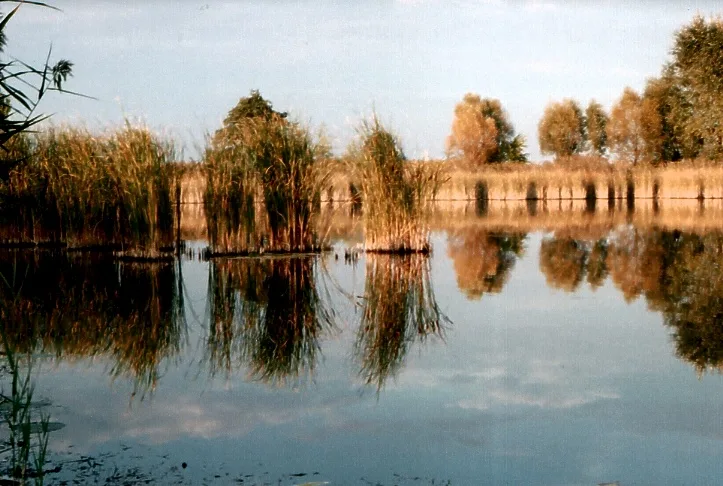
Csaroda is a small village in the Bereg region of northeastern Hungary, celebrated as the home of one of the country's most significant medieval monuments. Its 13th-century Reformed Church is a masterpiece of Romanesque architecture, world-famous for its rare interior frescoes depicting 'smiling saints'. These murals were hidden behind whitewash for centuries after the Reformation, allowing them to remain remarkably preserved until their rediscovery. The village lies along the banks of the Csaronda stream, from which it derives its name, and is surrounded by a unique landscape of peat bogs and ancient forests. Csaroda features a glimpse into a bygone era, where traditional folk architecture and the quiet pace of rural life define the atmosphere. The region is also known for the exquisite Bereg cross-stitch embroidery and its rich culinary traditions, particularly those involving local plums. For nature lovers, the nearby marshlands are part of a protected area hosting rare glacial relic plants and diverse bird species. A visit to Csaroda is a spiritual and aesthetic journey through history, art, and the untouched beauty of the Hungarian countryside.
- Location: Szabolcs-Szatmár-Bereg, Hungary
- Top sights: Reformed Church of Csaroda · Smiling Saints Frescoes · Református látogatóközpont
- Nearby: Tarpa (9 km)
- Population: ~540
Best time to visit & climate
The most pleasant time to visit is Jun–Aug.
| Jan | Feb | Mar | Apr | May | Jun | Jul | Aug | Sep | Oct | Nov | Dec | |
|---|---|---|---|---|---|---|---|---|---|---|---|---|
| Avg °C | -2 | 0 | 5 | 12 | 17 | 21 | 23 | 23 | 17 | 11 | 5 | -1 |
| Rain mm | 43 | 41 | 44 | 41 | 71 | 77 | 82 | 55 | 55 | 53 | 49 | 49 |
Geography
Facts
- The church was constructed in the late 13th century.
- The 'smiling saints' frescoes are rare examples of Romanesque art.
- The separate wooden bell tower dates from the 18th century.
- The village is situated very close to the Ukrainian border.
- The name Csaronda is of Slavic origin, meaning black water.
- The interior frescoes were rediscovered in 1901 after being covered for centuries.
Explore nearby
Notable places around

Route planner — Car & Motorhome
Where do you start? We build the route here, with stops and country notes along the way.
© OpenStreetMap contributors · OpenRouteService
Sights in the town Csaroda (3)
Sights nearby (2)
Tákos (Reformed Church)🏺 historical
2 kmKnown as the 'Barefoot Notre Dame', famous for its painted cassette ceiling.
Tarpa (Dry Mill)📍 landmark
14 kmA unique industrial monument, one of the last horse-drawn mills in Hungary.
Frequently asked questions
What is unique about the Csaroda church?
Where is Csaroda located?
How can one visit the church?
Is there a separate bell tower?
What does the term 'smiling saints' mean?
Csaroda: where is it located?
Csaroda: what is there to see?
Csaroda: when is the best time to visit?
Csaroda: why is it worth visiting?

Nearby cities

History & landmarks

Nature
More places