Plizio Visual Lab
Tarpa
ℹ️Practical info — Tarpa
▾
🌤 Weather — 5 days
📍 Nearby
Sights nearby
💡 Tips
- Don't miss the unique wooden dry mill (szárazmalom), a rare and fascinating piece of European industrial heritage.
- Try to time your visit with the Szatmár-Bereg Plum Trail events or the highly popular autumn plum festival.
- Rent a bicycle to explore the flat, easy on the eye landscape of the Bereg region, crisscrossed by small rivers.
- Buy authentic, thick plum jam, traditionally cooked for hours, directly from the local farmers.
🍽 Food
Taste this famous and highly aromatic local fruit spirit at nearby distilleries or village shops.
Look for the traditional, sugar-free jam cooked for hours in copper cauldrons from local producers.
Order a hearty portion of traditional Szatmár-style stuffed cabbage in local authentic restaurants.
🛍 Shopping · 🧘 Quiet spots
Buy incredibly rich, homemade, additive-free plum and apricot jam while walking through the village.
Browse the local heritage museum or the bustling artisan tents during village festivals.
Take a long, relaxing walk in this wonderful, profoundly quiet and undisturbed natural setting.
The green area surrounding the historic mill exudes a calm, deeply peaceful historical atmosphere.
Water temperature…
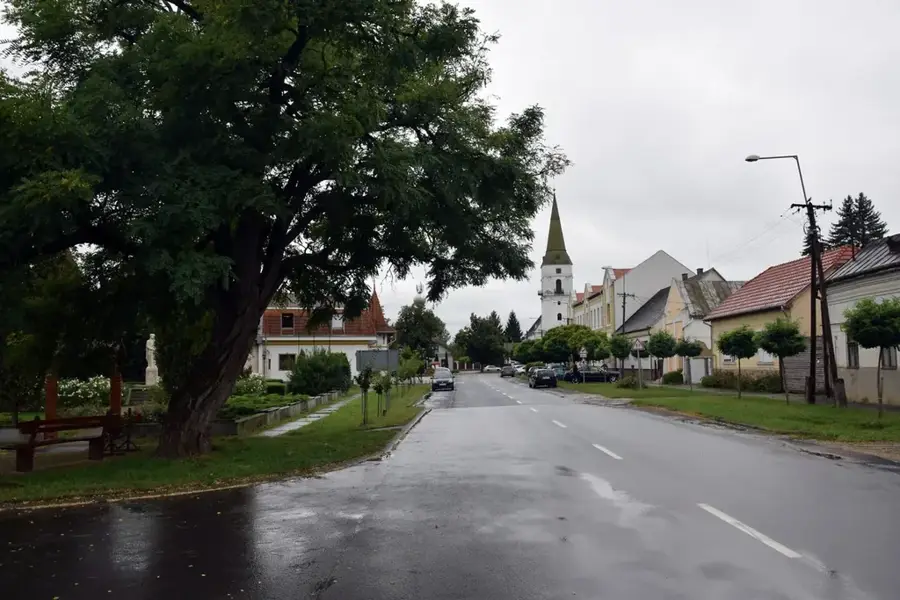
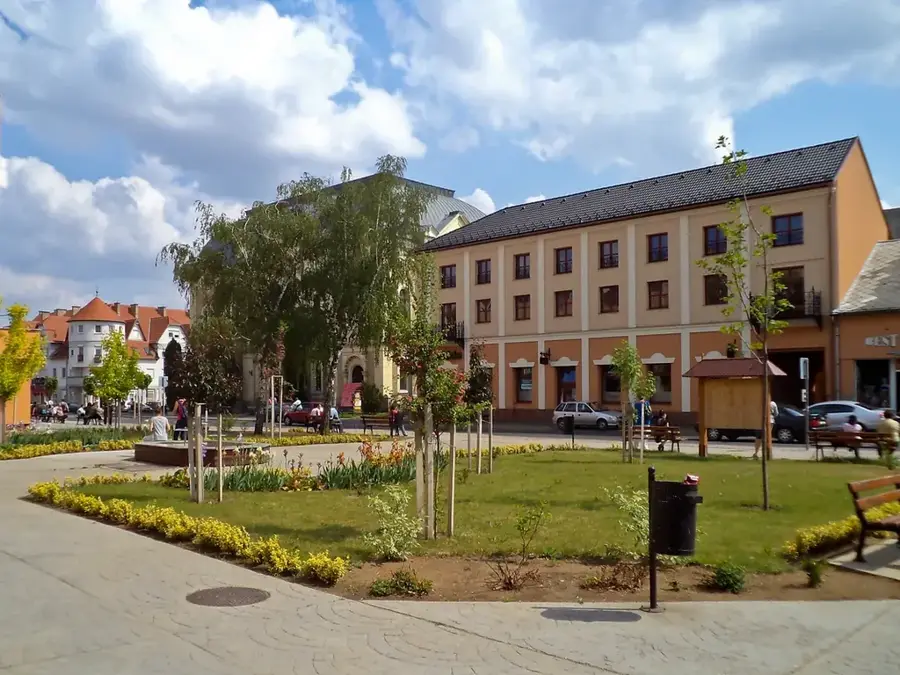
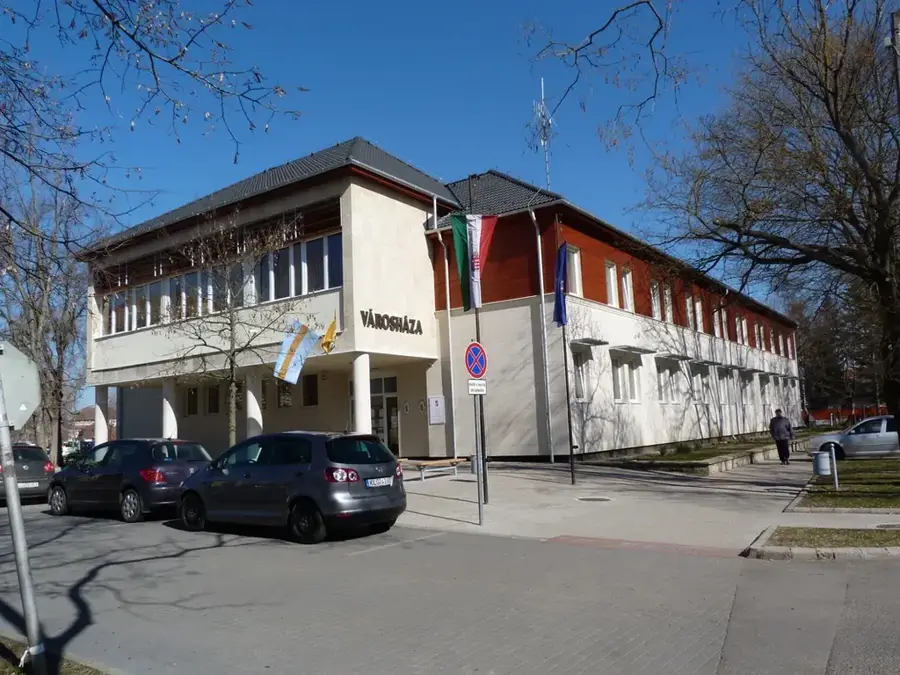
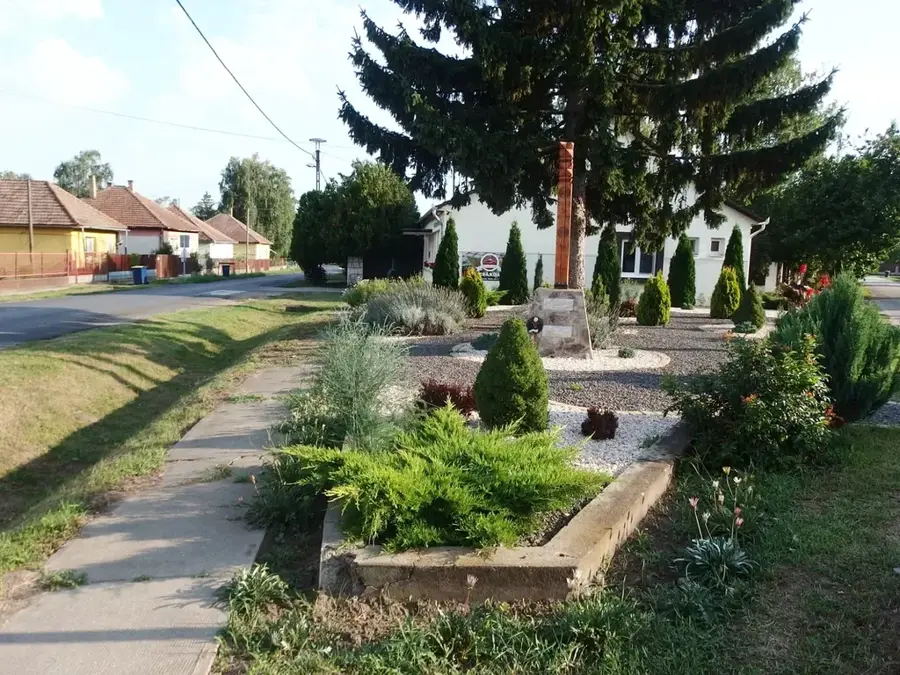
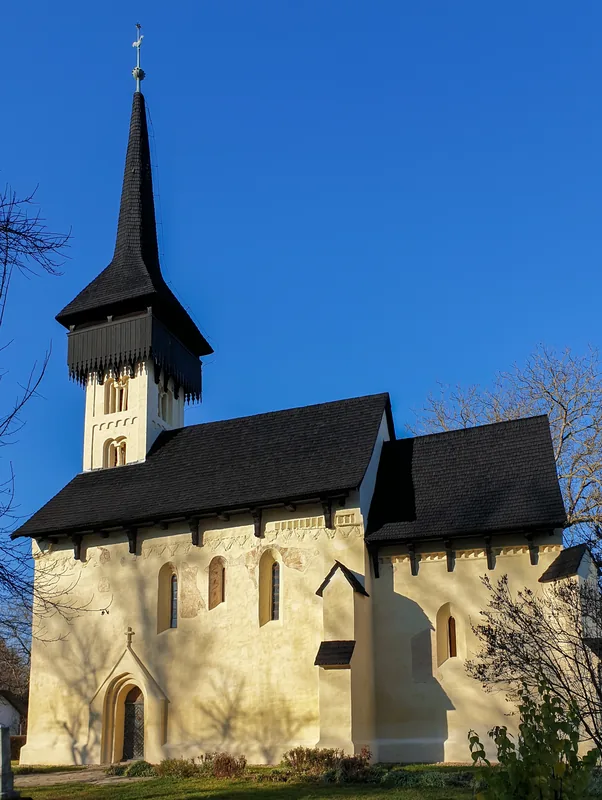
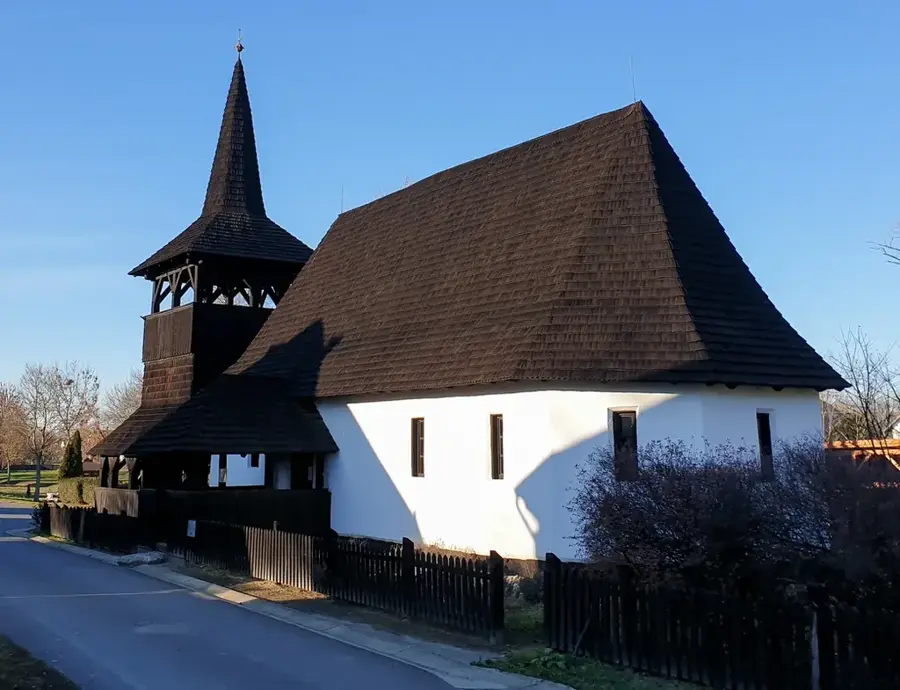
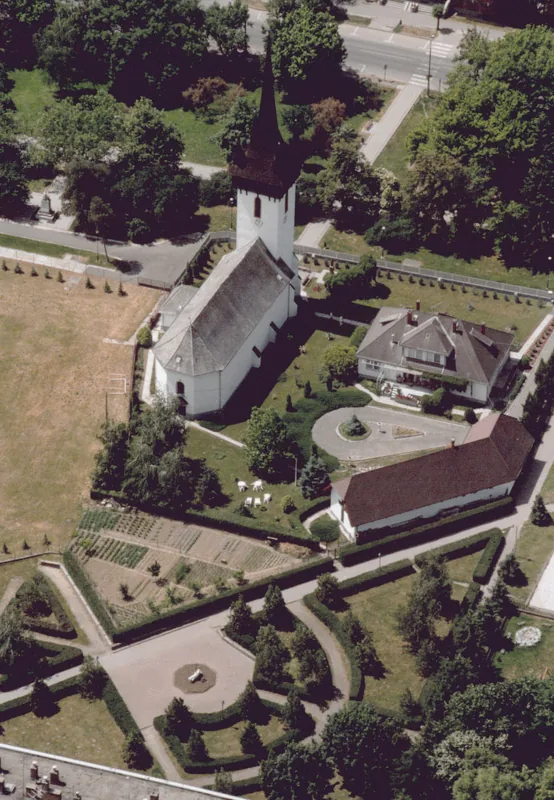
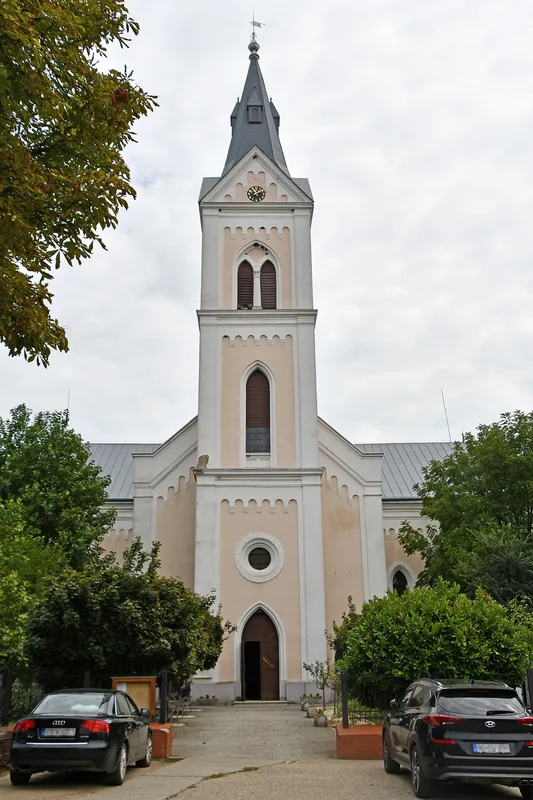
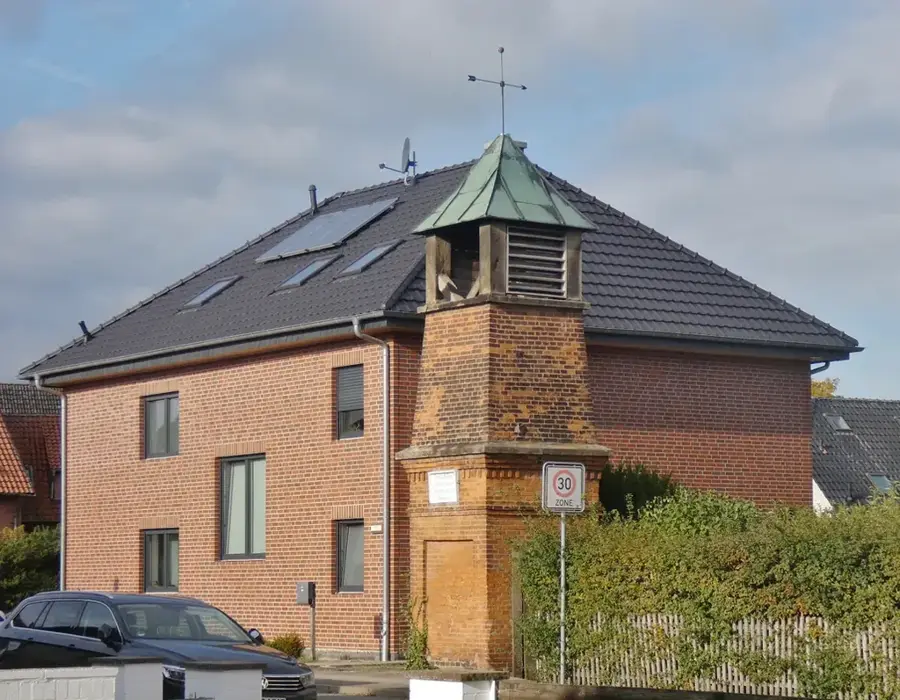
Tarpa is a historically significant village in the Bereg region of northeastern Hungary, famously known as the birthplace of Tamás Esze, the prominent leader of the Rákóczi War of Independence. His legacy is deeply embedded in the village's identity, commemorated by several monuments and historical sites. One of the most remarkable sights is the Tarpa Dry Mill, a horse-drawn mill dating from the 19th century, which is one of the best-preserved industrial monuments of its kind in Europe. Tarpa is also internationally recognized for its gastronomy, particularly the 'Tarpa Plum Pálinka', a high-quality fruit brandy made from the local 'Nemtudom' plums, which holds a protected designation of origin. The village's skyline is dominated by a 15th-century Gothic Reformed Church, featuring an impressive interior and a separate wooden bell tower. Surrounded by the fertile floodplains of the Tisza river and scenic vineyards on the Tarpa hill, the village provides a wealth of natural beauty and outdoor activities. The annual Plum Festival is a major cultural highlight, celebrating the local traditions, crafts, and flavors that make Tarpa a unique destination in Hungary.
- Location: Szabolcs-Szatmár-Bereg, Hungary
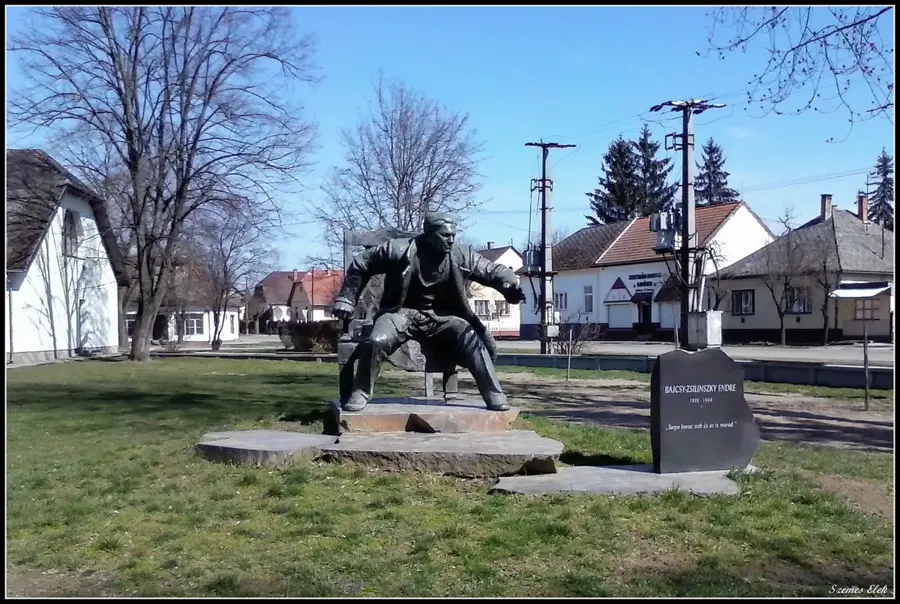
- Top sights: Tarpa Dry Mill · Statue of Tamás Esze · Tarpa Hill
- Nearby: Csaroda (9 km)
- Population: ~2.250
Best time to visit & climate
The most pleasant time to visit is Jun–Aug.
| Jan | Feb | Mar | Apr | May | Jun | Jul | Aug | Sep | Oct | Nov | Dec | |
|---|---|---|---|---|---|---|---|---|---|---|---|---|
| Avg °C | -2 | 0 | 5 | 12 | 17 | 21 | 23 | 23 | 17 | 11 | 5 | -1 |
| Rain mm | 43 | 41 | 44 | 41 | 71 | 77 | 82 | 55 | 55 | 53 | 49 | 49 |
Geography
Facts
- Birthplace of the legendary Kuruc leader Tamás Esze.
- The Dry Mill is a 19th-century wooden industrial masterpiece.
- Tarpa Plum Pálinka is a protected Hungarian specialty (Hungarikum).
- The Reformed Church is a fine example of 15th-century Gothic architecture.
- Tarpa once held the privileges of a Hajduk town.
- The village is famous for traditional plum jam making (lekvár).
Explore nearby
Notable places around
Route planner — Car & Motorhome
Where do you start? We build the route here, with stops and country notes along the way.
© OpenStreetMap contributors · OpenRouteService
Sights in the town Tarpa (4)
Sights nearby (2)
Túristvándi Watermill📍 landmark
16 kmA spectacular wooden watermill on the Túr river, still in functional condition.
Csaroda Church🏺 historical
14 kmThe famous Romanesque church featuring the unique 'smiling saints' frescoes.
Frequently asked questions
What is the dry mill in Tarpa?
Which product from Tarpa is world-famous?
What does the Rákóczi tradition mean for the village?
Can the mill be seen in operation?
When is the Plum Day festival held?
Tarpa: where is it located?
Tarpa: what is there to see?
Tarpa: when is the best time to visit?
Tarpa: why is it worth visiting?

Nearby cities

History & landmarks


Nature
More places