Plizio Visual Lab
Tombali Rice Terraces

Weather…
Water temperature…
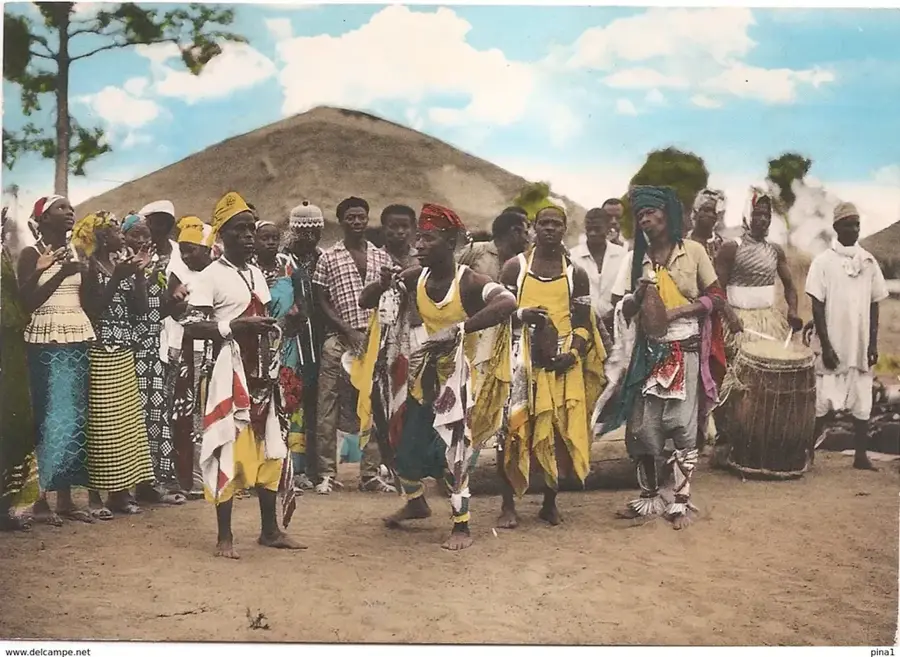
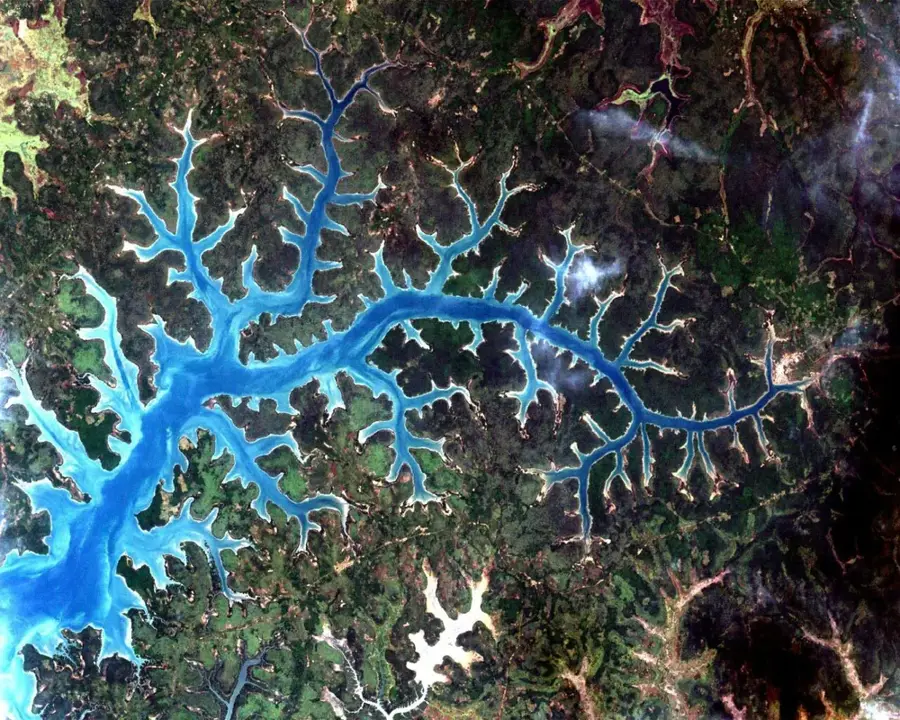
The rice terraces of Tombali are an impressive testament to the agricultural genius of the Balanta people. In the southern Tombali region, characterized by vast mangrove areas and strong tides, a complex system was developed to reclaim farmland. By building dikes and canals, the sea's saltwater is kept out, while rainwater is used to desalinate the soil and irrigate the rice. This form of 'mangrove rice' is the backbone of food security in Guinea-Bissau. Rice is the ultimate staple food, and the ability to grow it in such challenging environments is passed down from generation to generation. The terraced landscape shapes the visual image of Tombali and shows a harmonious, albeit labor-intensive, interaction between humans and nature. Despite the heavy physical labor required to maintain the dikes, rice cultivation remains a central element of social identity and cultural pride. In recent years, rising sea levels have threatened this fragile system, making the preservation of the rice terraces a matter of survival for the region.
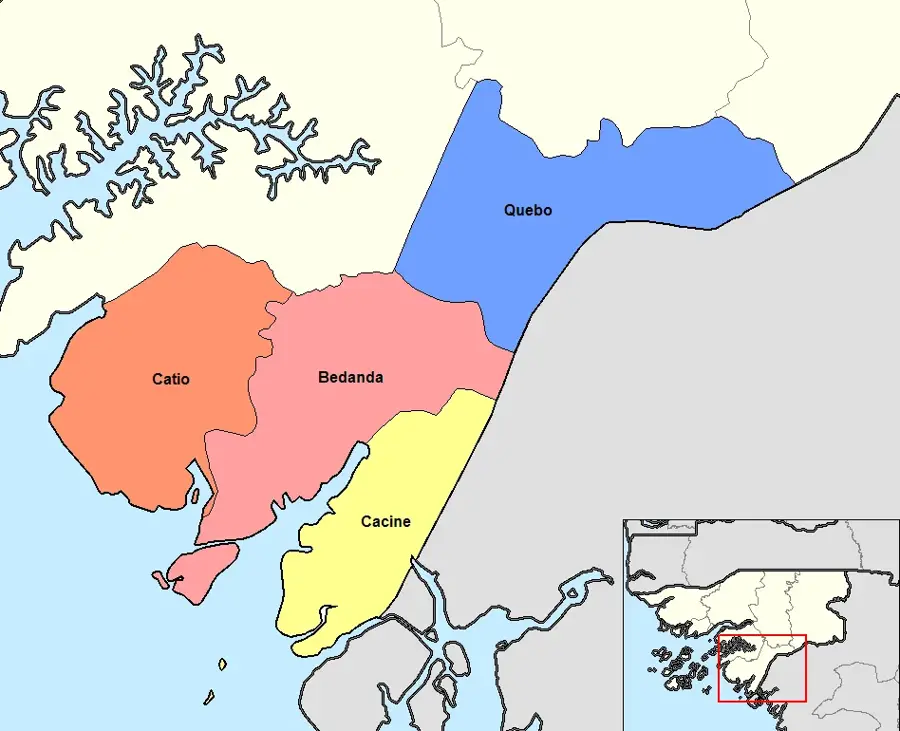
- Location: Guinea-Bissau
- Nearby: Catió (9 km)
Best time to visit & climate
The most pleasant time to visit is Jan, Feb, Dec.
| Jan | Feb | Mar | Apr | May | Jun | Jul | Aug | Sep | Oct | Nov | Dec | |
|---|---|---|---|---|---|---|---|---|---|---|---|---|
| Avg °C | 26 | 28 | 28 | 29 | 29 | 28 | 26 | 26 | 26 | 27 | 27 | 26 |
| Rain mm | 0 | 0 | 2 | 1 | 32 | 193 | 454 | 575 | 376 | 185 | 23 | 0 |
📋 Practical info
Geography
Facts
- The Balanta people developed these techniques long before the colonial era.
- Dike construction prevents saltwater intrusion into the fertile lowlands.
- Guinea-Bissau has one of the highest per capita rice consumption rates in Africa.
- Tombali is considered the agricultural heartland of the southern coast.
- The unique irrigation system depends on the annual West African monsoon.
- Modern NGOs are working to strengthen these dikes against rising sea levels.
Explore nearby
Notable places around


Route planner — Car & Motorhome
Where do you start? We build the route here, with stops and country notes along the way.
© OpenStreetMap contributors · OpenRouteService
Sights nearby
Frequently asked questions
What is special about the Tombali rice terraces?
When is the landscape greenest?
Is photography allowed in the fields?
Which ethnic group practices this rice cultivation?
Is there accommodation nearby?
Tombali Rice Terraces: where is it located?
Tombali Rice Terraces: when is the best time to visit?
Tombali Rice Terraces: why is it worth visiting?

Nearby cities

Nature
More places