Plizio Visual Lab
Guilege

ℹ️Practical info — Guilege
▾
🌤 Weather — 5 days
📍 Nearby
Sights nearby
💡 Tips
- Ensure you have a sturdy 4x4 vehicle to navigate the unpaved and often muddy tracks in the Tombali region.
- Electricity and mobile networks can be unreliable, so download maps offline and pack a high-capacity power bank.
- Malaria risk is high year-round; always sleep under a mosquito net and take appropriate prophylactics.
- A few words in Guinean Creole will instantly earn you the locals' smiles, even if Portuguese is widely understood.
🍽 Food
A classic spicy grilled chicken dish, frequently found in local village eateries.
Hearty peanut stew, traditionally served with rice and locally caught fish.
Cashew fruit or freshly roasted cashew nuts, abundant during the harvest season.
🛍 Shopping · 🧘 Quiet spots
The best place to buy raw and roasted cashews, the main agricultural product of the region.
Buy rich, unrefined red palm oil directly from local producers in repurposed bottles.
The lush surrounding forests offer peaceful trails where you can spot diverse birdlife.
Walk through the large cashew plantations just outside the village for a quiet, shaded retreat.
Water temperature…
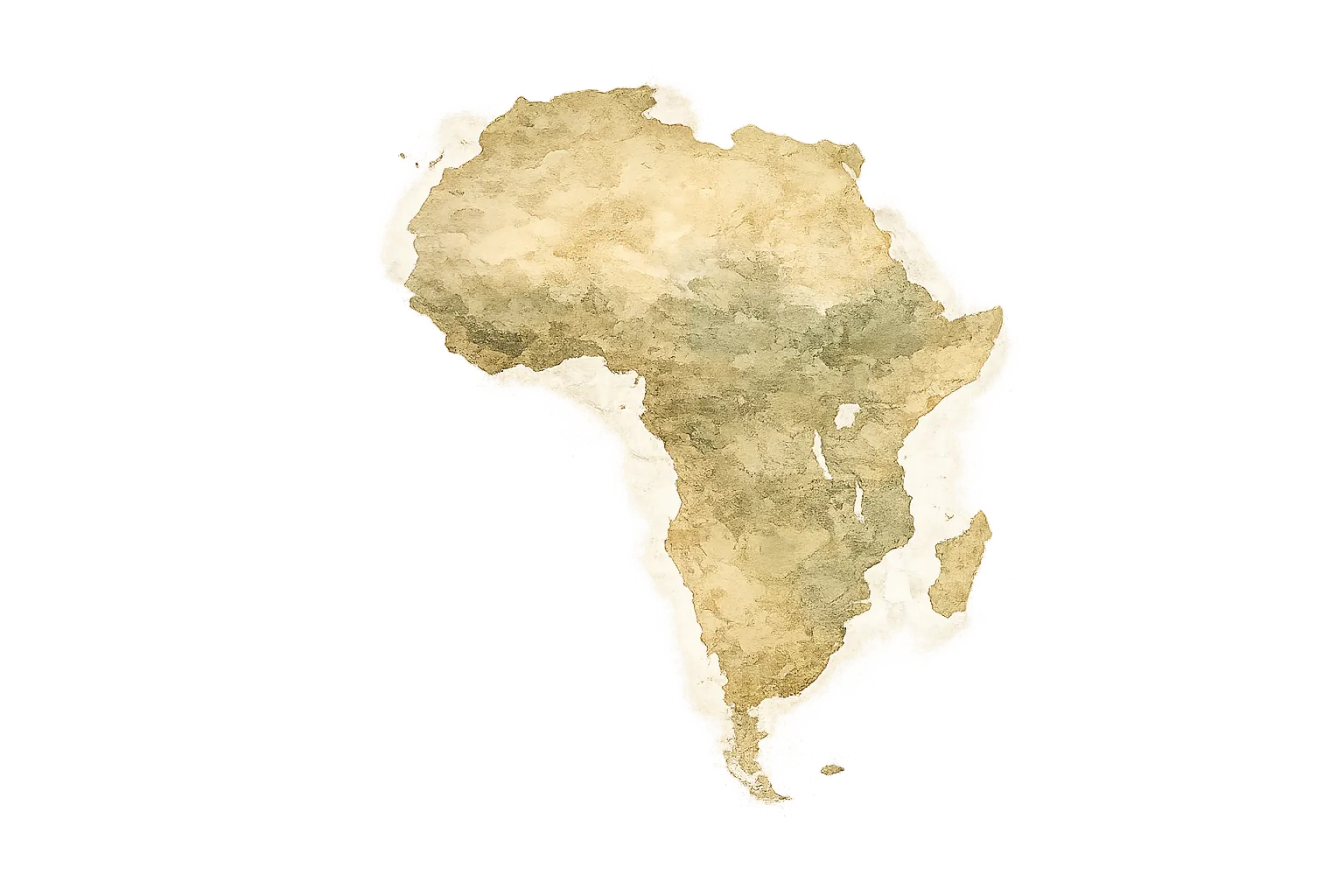
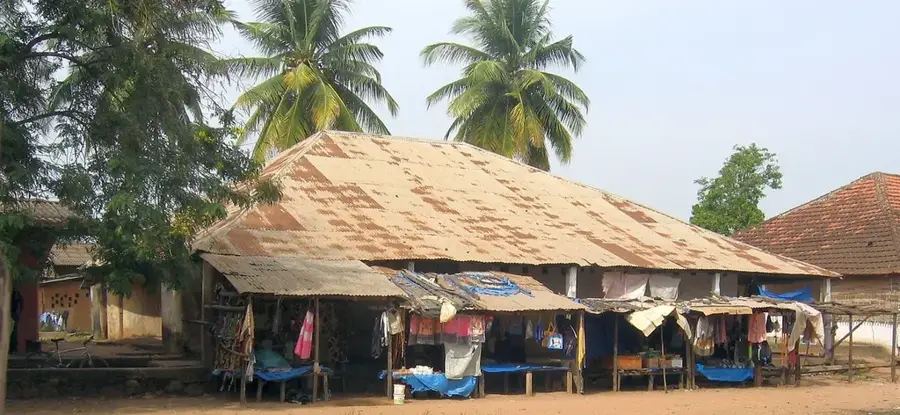
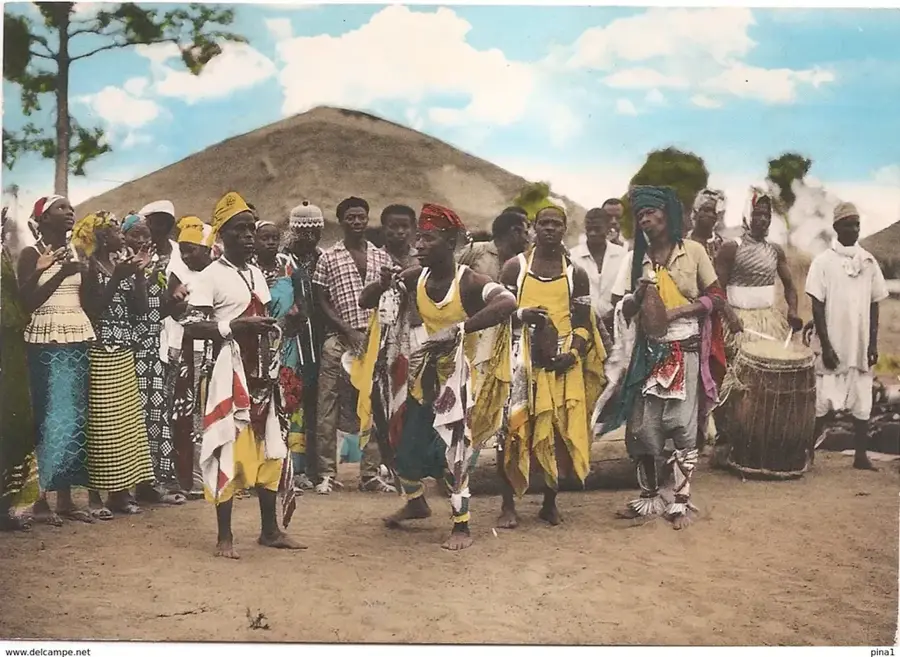
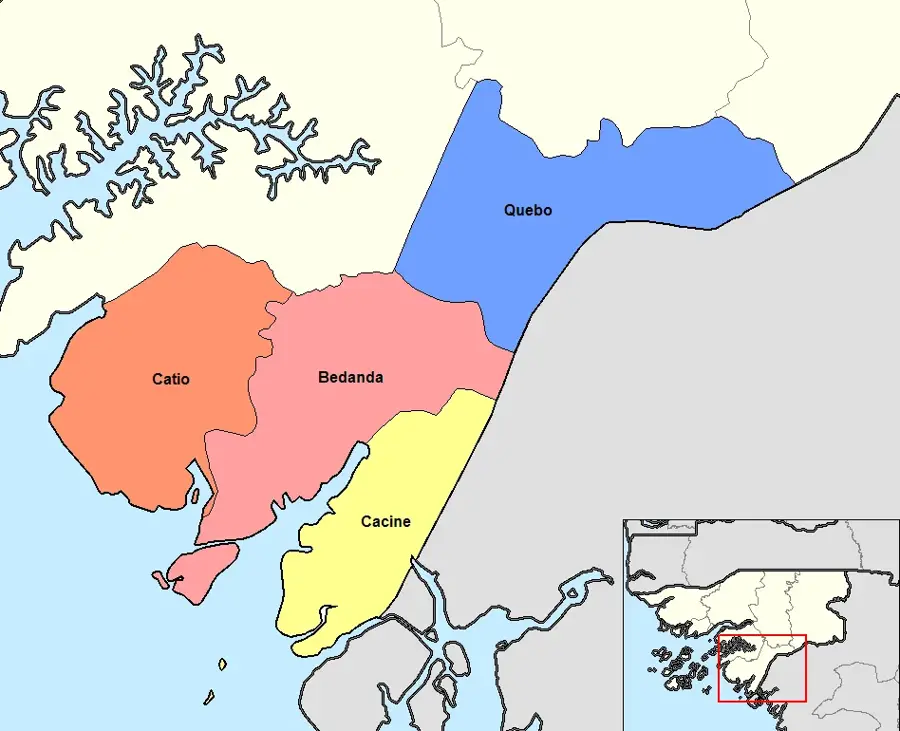
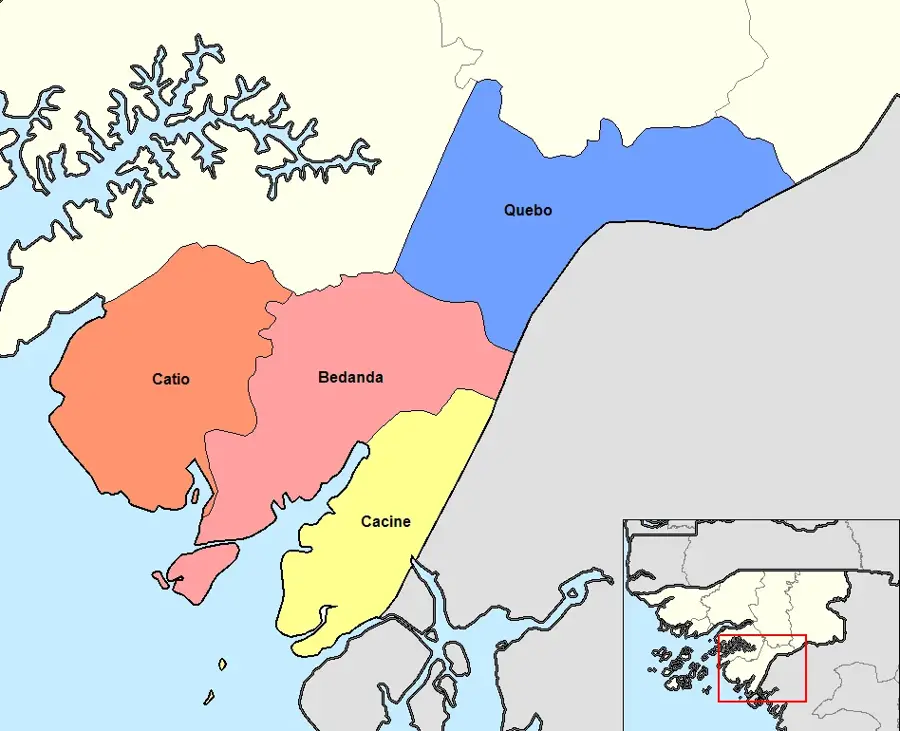
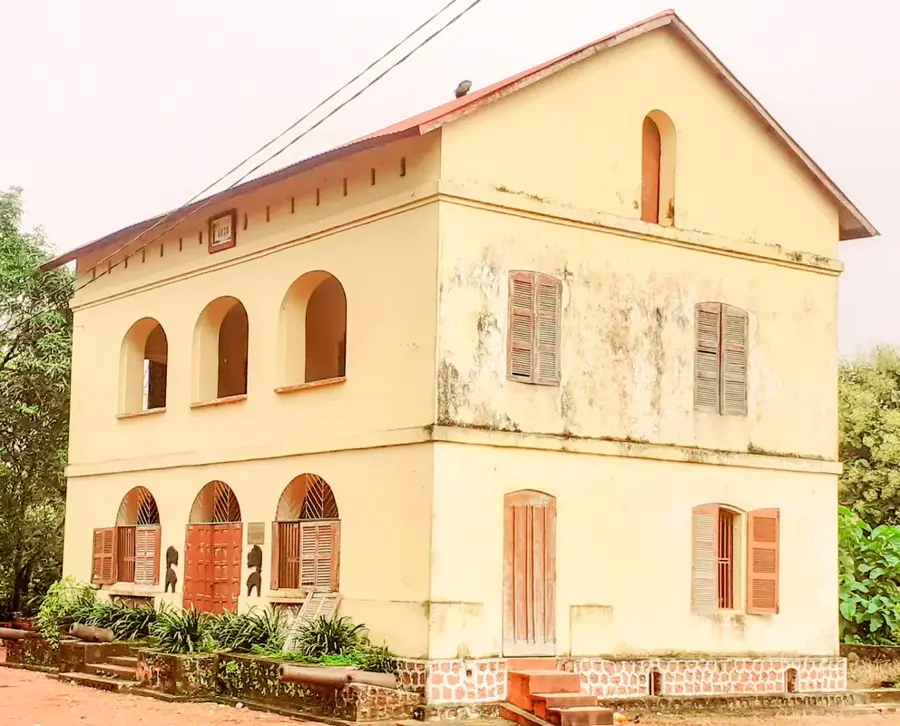
Guilege is a historically significant site located in the Bedanda sector of the Tombali region, in the far south of Guinea-Bissau near the border with Guinea. The town gained fame primarily for the Fort of Guilege, a strategically decisive military base during the war of independence against Portugal. The capture of this stronghold by PAIGC forces in 1973 was a milestone in the nation's liberation, as it effectively severed vital supply lines for the colonial power. Geographically, Guilege is situated in an area of dense tropical forests and swamps, which historically favored military defense operations. Today, the location is home to the Guilege Museum, dedicated to preserving historical heritage and documenting the experiences of the war. The museum and memorial site attract both domestic and international visitors interested in the history of African decolonization. Despite its historical weight, the region remains economically underdeveloped and primarily reliant on small-scale agriculture, with infrastructure being a major challenge due to its remote southern location.
- Location: Guinea-Bissau
- Nearby: Cacine (28 km)
Best time to visit & climate
The most pleasant time to visit is Jan, Feb, Dec.
| Jan | Feb | Mar | Apr | May | Jun | Jul | Aug | Sep | Oct | Nov | Dec | |
|---|---|---|---|---|---|---|---|---|---|---|---|---|
| Avg °C | 26 | 28 | 28 | 29 | 29 | 28 | 26 | 26 | 26 | 27 | 27 | 26 |
| Rain mm | 0 | 0 | 2 | 1 | 32 | 193 | 454 | 575 | 376 | 185 | 23 | 0 |
Geography
Facts
- Site of a strategic fort from the war of independence
- Located in the Tombali region near the border with Guinea
- The fort was captured by the PAIGC in May 1973
- Currently houses a museum dedicated to the liberation struggle
- Surrounded by the dense tropical forests of the deep south
- An important site for understanding West African decolonization
Explore nearby
Notable places around



Route planner — Car & Motorhome
Where do you start? We build the route here, with stops and country notes along the way.
© OpenStreetMap contributors · OpenRouteService
Frequently asked questions
Why should you visit Guilege?
Is the museum always open?
How is the access to Guilege?
Is food available on-site?
What can you see in the museum?
Guilege: where is it located?
Guilege: when is the best time to visit?
Guilege: why is it worth visiting?
Nearby cities
Nature
More places