Plizio Visual Lab
Catió Historical Center

Weather…
Water temperature…
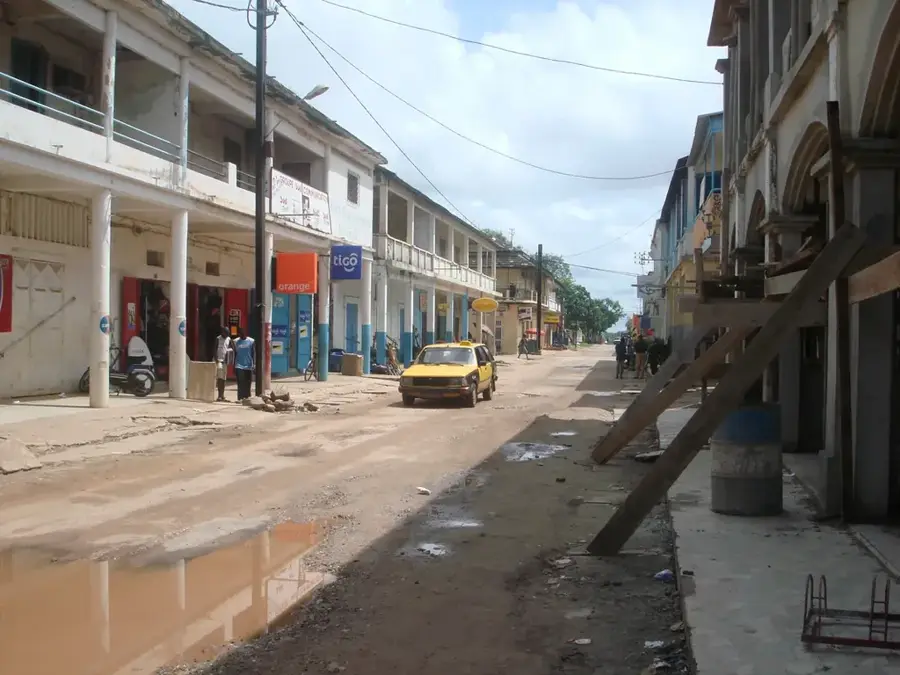
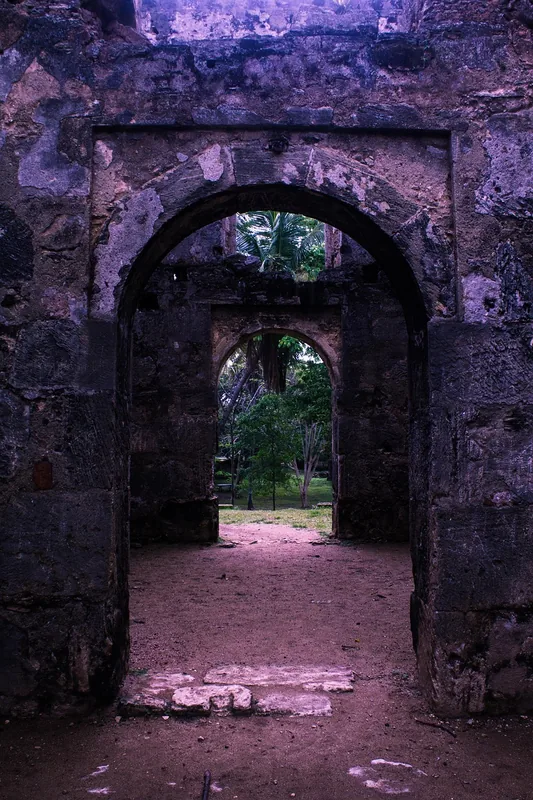
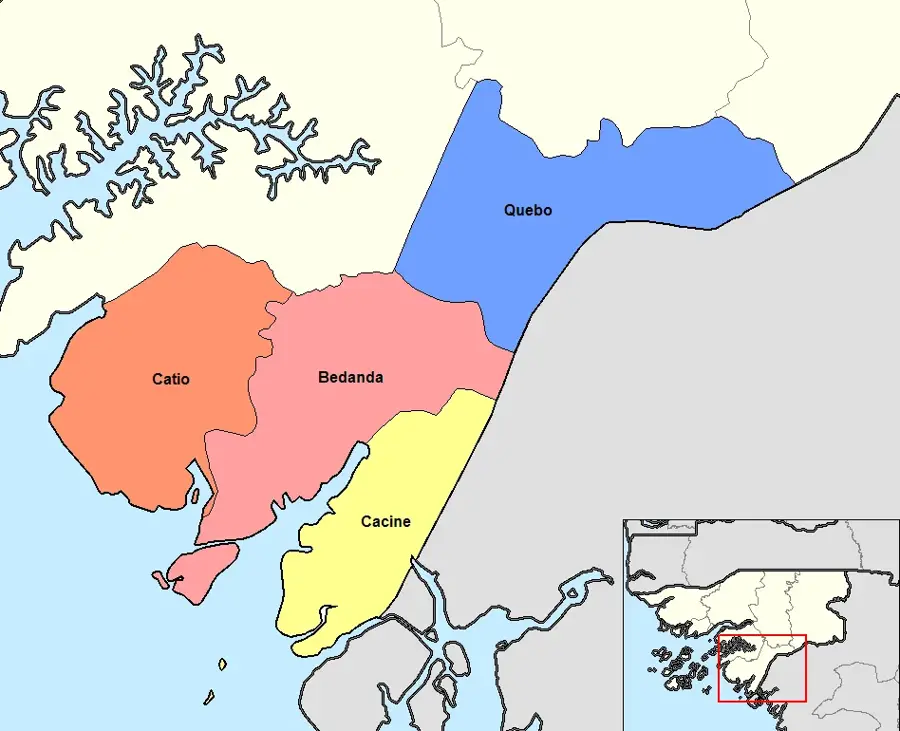
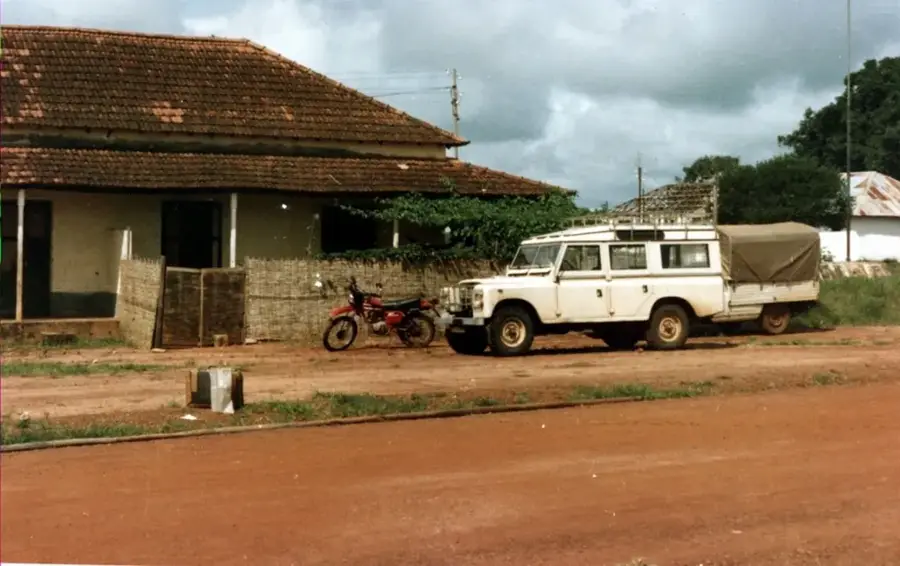
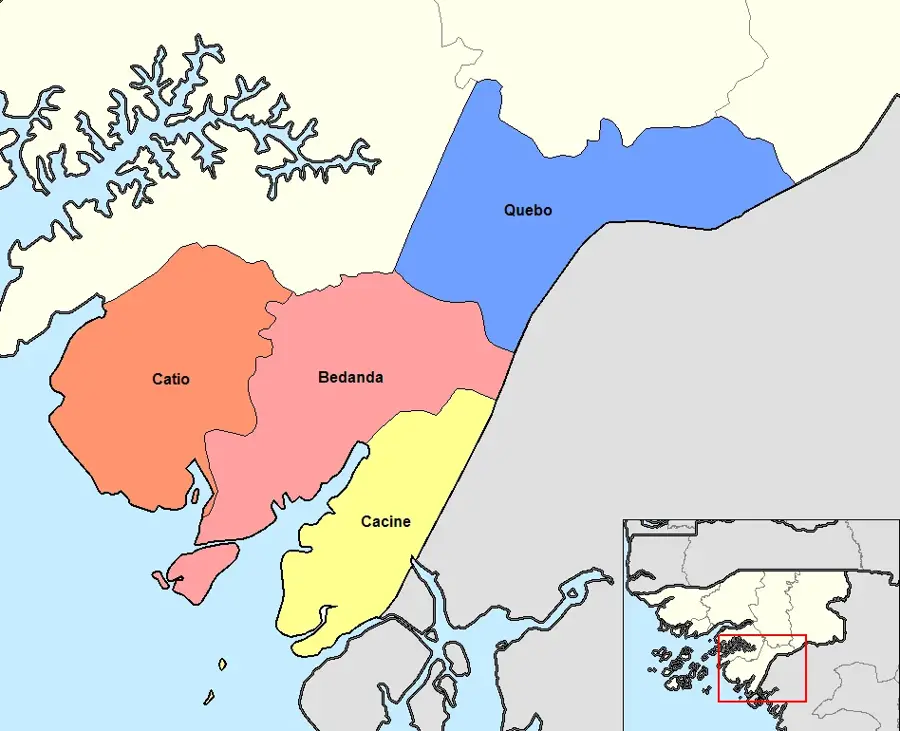
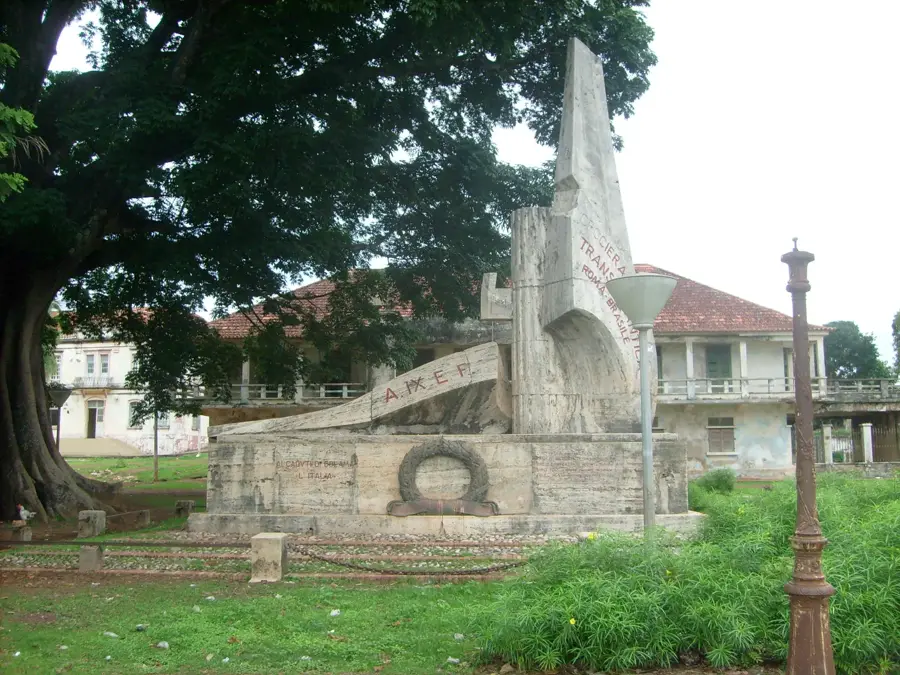
The historical center of Catió is the cultural and administrative anchor of the Tombali region in the deep south of Guinea-Bissau. The city has a rich history as a major hub for rice production, a craft perfected by the Balanta people in the surrounding mangrove swamps. The historic district showcases early 20th-century colonial architecture, with administrative buildings, schools, and trading houses often featuring red-tiled roofs and broad arcades. Catió was a symbol of colonial economic power in the south but also served as a focal point for social and political change. During the struggle for independence, the Tombali region was a stronghold of resistance, giving Catió immense symbolic value for the liberation movement. Today, the center preserves a quiet, nostalgic atmosphere where the legacy of colonial urban planning meets the animated daily life of the local population. The architecture bears the marks of time and high tropical humidity, adding a layer of historical depth to the town. Walking through Catió reveals the story of a city that grew between the demands of a colonial export economy and the traditional ways of life of the coastal rice farmers.
- Location: Guinea-Bissau
- Nearby: Jemberem (7 km)
Best time to visit & climate
The most pleasant time to visit is Jan, Nov, Dec.
| Jan | Feb | Mar | Apr | May | Jun | Jul | Aug | Sep | Oct | Nov | Dec | |
|---|---|---|---|---|---|---|---|---|---|---|---|---|
| Avg °C | 25 | 28 | 30 | 30 | 30 | 28 | 26 | 26 | 26 | 27 | 26 | 25 |
| Rain mm | 0 | 0 | 1 | 1 | 30 | 166 | 422 | 529 | 367 | 182 | 18 | 0 |
📋 Practical info
Geography
Facts
- Catió is famously known as the 'Rice Capital' of the nation.
- The historic center is situated along the banks of the Como River.
- It served as a key administrative post for the Portuguese in the south.
- The town played a pivotal role in the mobilization of the PAIGC.
- Colonial buildings in Catió are noted for their unique southern styles.
- It remains a vital commercial link for the remote Tombali region.
Explore nearby
Notable places around


Route planner — Car & Motorhome
Where do you start? We build the route here, with stops and country notes along the way.
© OpenStreetMap contributors · OpenRouteService
Sights in the town Catió Historical Center (1)
Sights nearby
Frequently asked questions
What can you see in the historical center of Catió?
How do you get from Bissau to Catió?
Is there Wi-Fi or internet available?
What is the main product of the Catió region?
When does the market in Catió take place?
Catió Historical Center: where is it located?
Catió Historical Center: when is the best time to visit?
Catió Historical Center: why is it worth visiting?

Nearby cities
Nature
More places