Plizio Visual Lab
Abu

ℹ️Practical info — Abu
▾
🌤 Weather — 5 days
📍 Nearby
Sights nearby
💡 Tips
- Bring sufficient cash in CFA francs, as ATMs are rare on the islands.
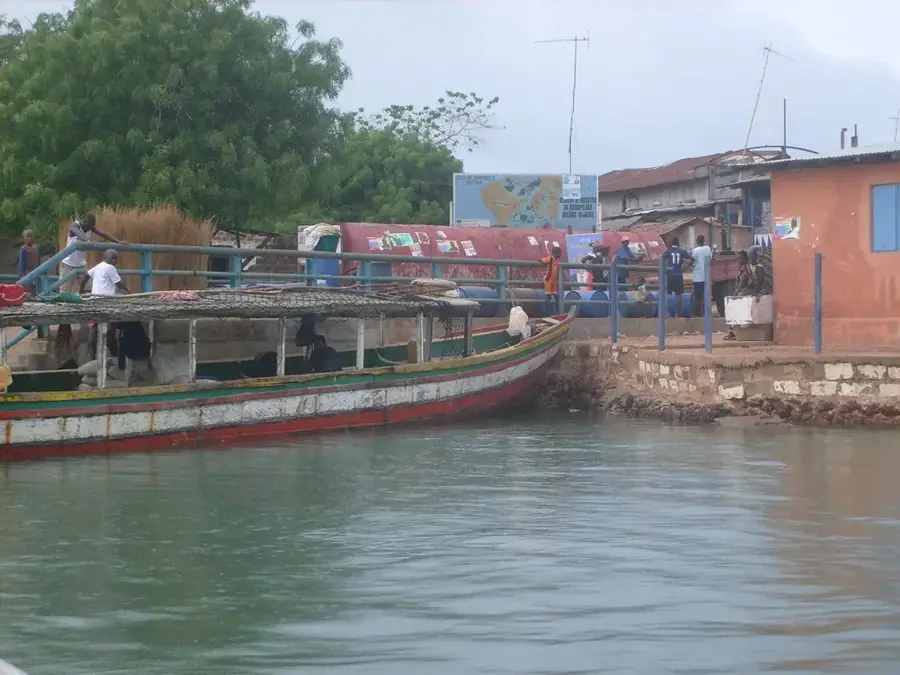
- Boat schedules from the mainland depend heavily on the tides, so plan flexibly.
- Pack strong insect repellent and consider malaria prophylaxis.
- Always ask for permission before taking photos of locals or sacred sites.
🍽 Food
Try the catch of the day at simple eateries near the harbor.
Guinea-Bissau is famous for its cashews; buy them fresh from local vendors.
Look for traditional stews made with palm oil and fish in the village center.
🛍 Shopping · 🧘 Quiet spots
Find handmade wooden carvings and woven items at the village market.
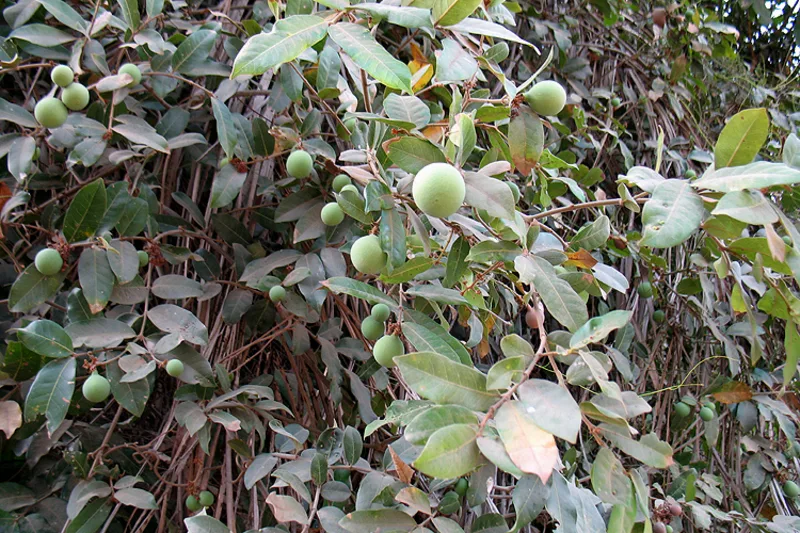
Buy seasonal tropical fruits directly from small stands along the main paths.
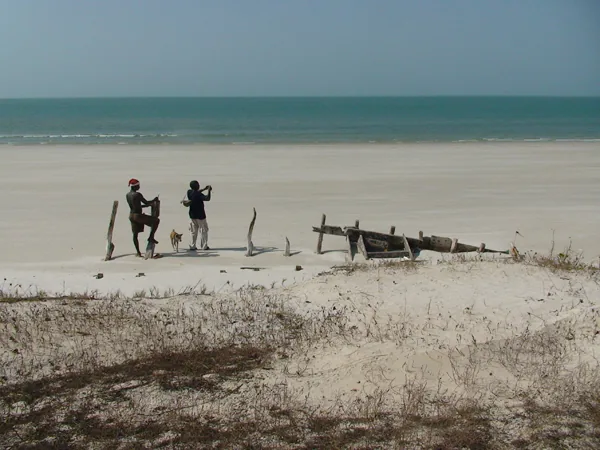
Relax on the pristine, uncrowded beaches just a short walk from the village.
Take a quiet stroll around the village edge to observe the local birdlife.
Water temperature…
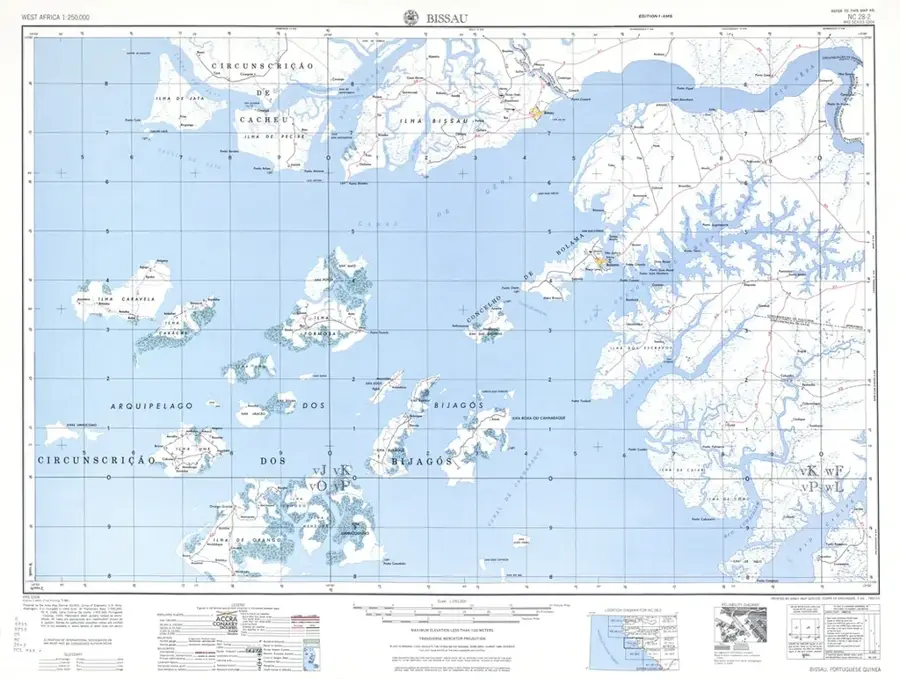
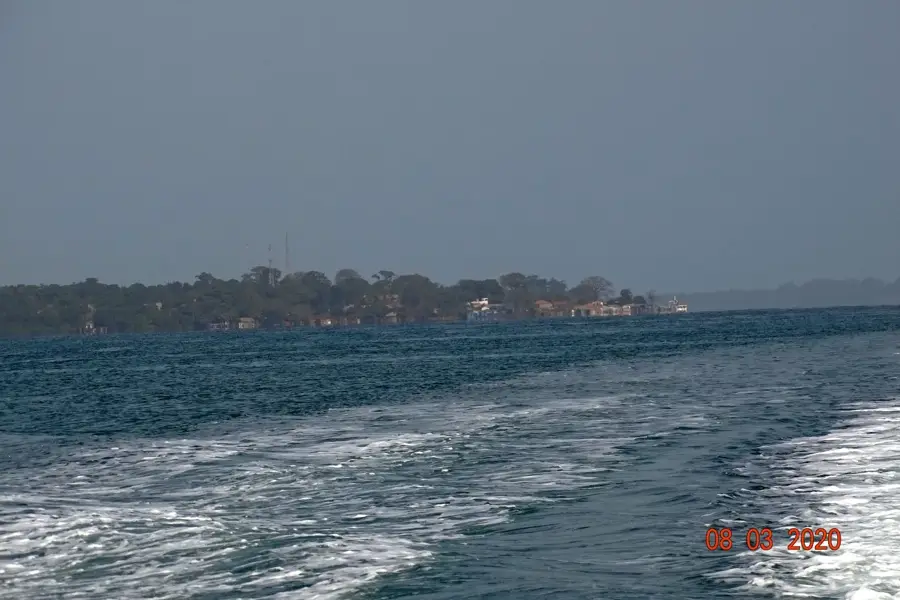
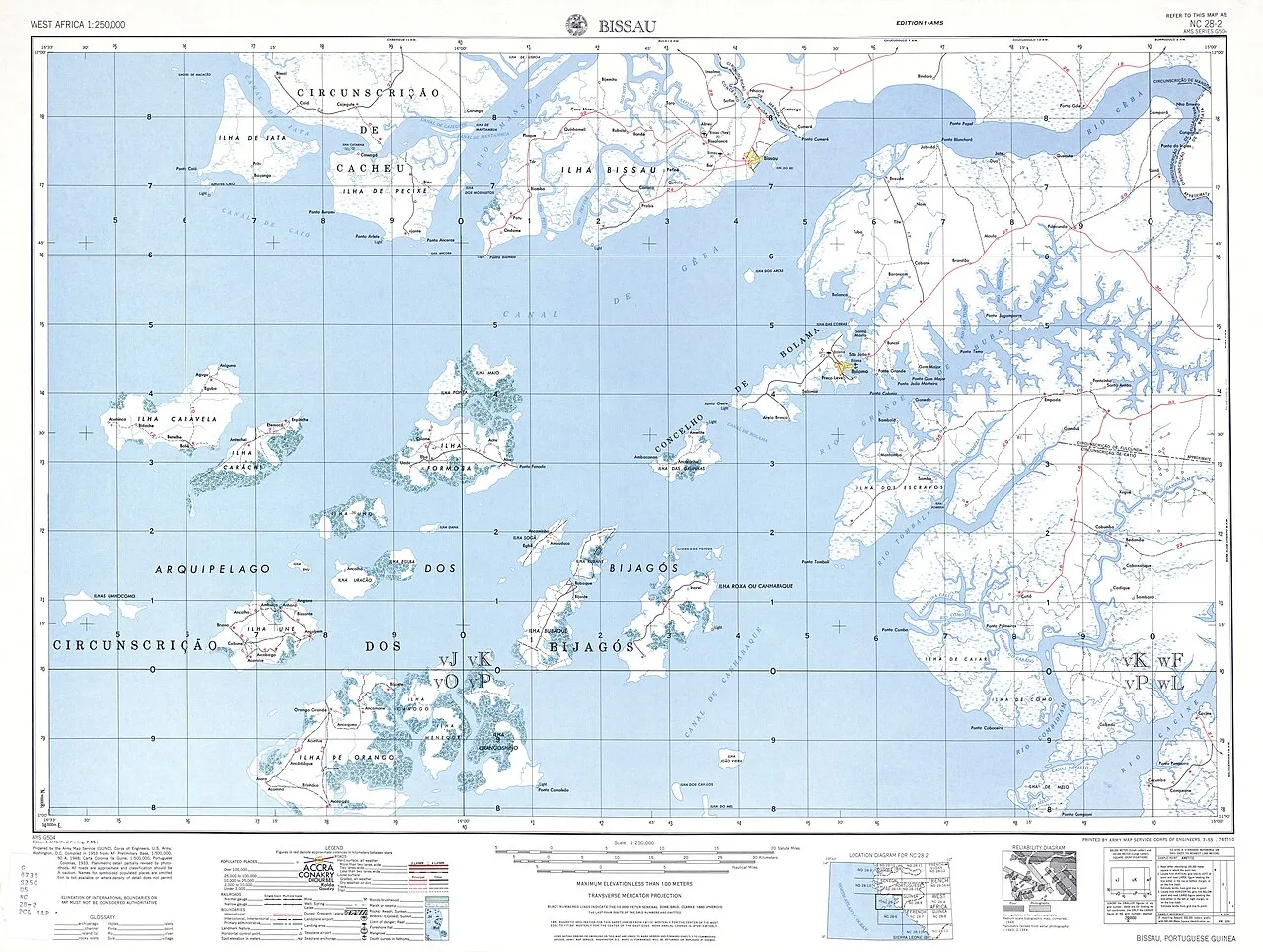
Abu is one of the most remote and authentic settlements in the Bijagós Archipelago, located on Formosa Island. The village serves as a prime example of the traditional Bijagó settlement pattern, where social life is organized into communal compounds known as 'tabancas.' The architecture in Abu is defined almost entirely by the use of natural materials: circular huts with thick mud walls and deep overhanging thatched roofs provide essential shelter from the intense tropical sun and the heavy monsoon rains. The local economy is largely self-sufficient, sustained by a combination of subsistence farming, the harvesting of wild oil palm fruit, and artisanal fishing. Abu maintains a powerful spiritual identity, with elders and priestesses playing a central role in communal governance. The settlement's isolation, accessible only via irregular boat trips through a complex labyrinth of tidal channels, has allowed archaic customs and initiation rites to be preserved in their most original form. For researchers and visitors seeking the genuine cultural heritage of Guinea-Bissau, Abu stands as a living museum of West African island culture.
- Location: Guinea-Bissau
- Nearby: Rubane Island (21 km)
Best time to visit & climate
The most pleasant time to visit is Jan, Feb, Dec.
| Jan | Feb | Mar | Apr | May | Jun | Jul | Aug | Sep | Oct | Nov | Dec | |
|---|---|---|---|---|---|---|---|---|---|---|---|---|
| Avg °C | 24 | 26 | 27 | 28 | 28 | 28 | 27 | 27 | 27 | 28 | 28 | 25 |
| Rain mm | 0 | 0 | 1 | 0 | 21 | 142 | 405 | 518 | 363 | 189 | 15 | 0 |
Geography
Facts
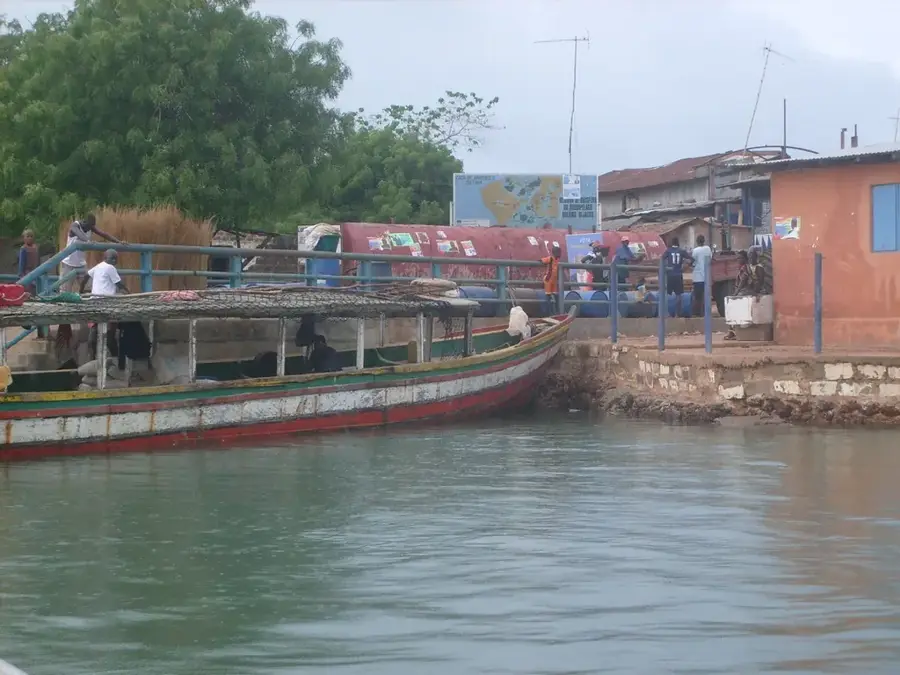
- Abu is accessible only by boat through complex tidal waterways.
- The settlement remains a hub for traditional Bijagó craftsmanship.
- Religious taboos safeguard the surrounding forests from logging.
- The local population relies almost entirely on subsistence activities.
- Abu features some of Formosa's oldest continuously inhabited communal compounds.
- The surrounding area is a major breeding ground for diverse seabird species.
Explore nearby
Notable places around
Route planner — Car & Motorhome
Where do you start? We build the route here, with stops and country notes along the way.
© OpenStreetMap contributors · OpenRouteService
Frequently asked questions
What makes the village of Abu on Bubaque special?
How do you get from Bubaque town to Abu?
Are there accommodation options in Abu?
Which beaches are near Abu?
When should you visit Abu?
Abu: where is it located?
Abu: when is the best time to visit?
Abu: why is it worth visiting?

Nearby cities


History & landmarks
More places