Plizio Visual Lab

Rio Grande Coastal Relief
Plizio editorial teamData Sources
Relief
—°
Rio Grande Coastal Relief (Guinea-Bissau)

Weather…

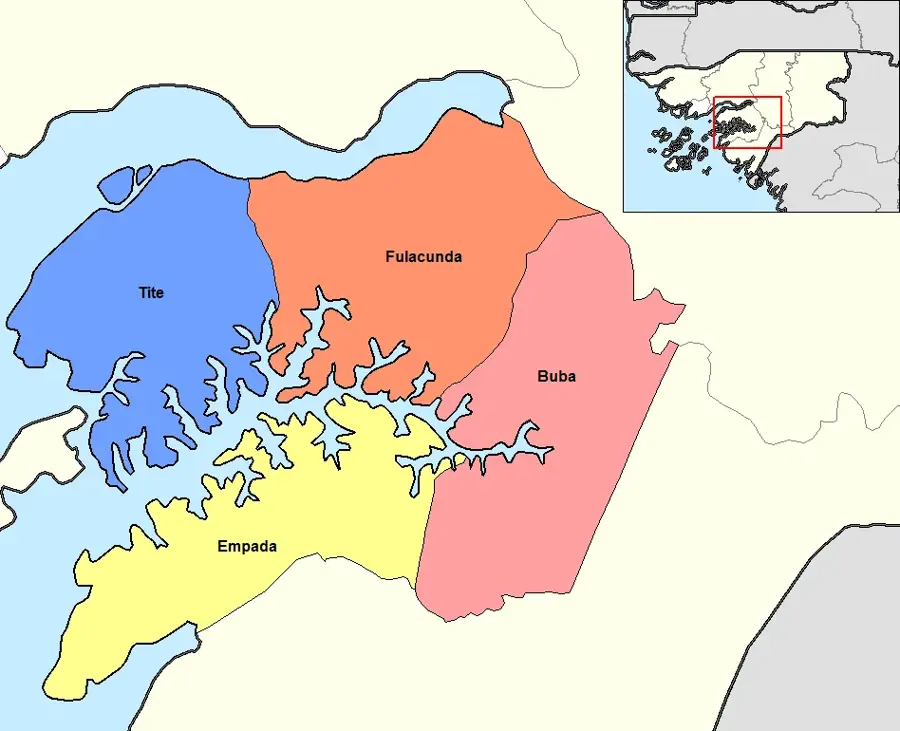
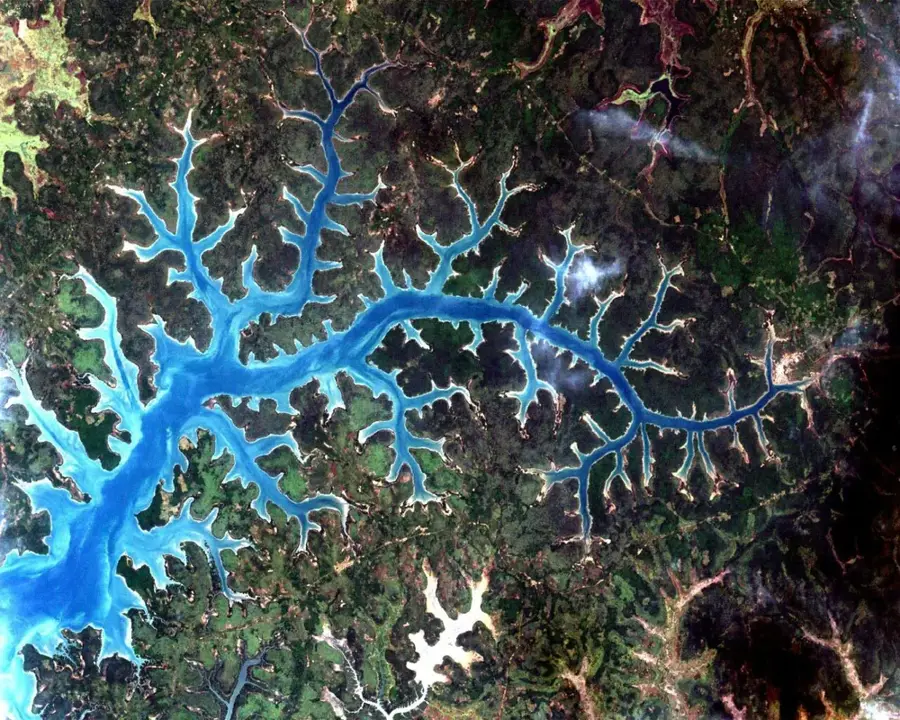
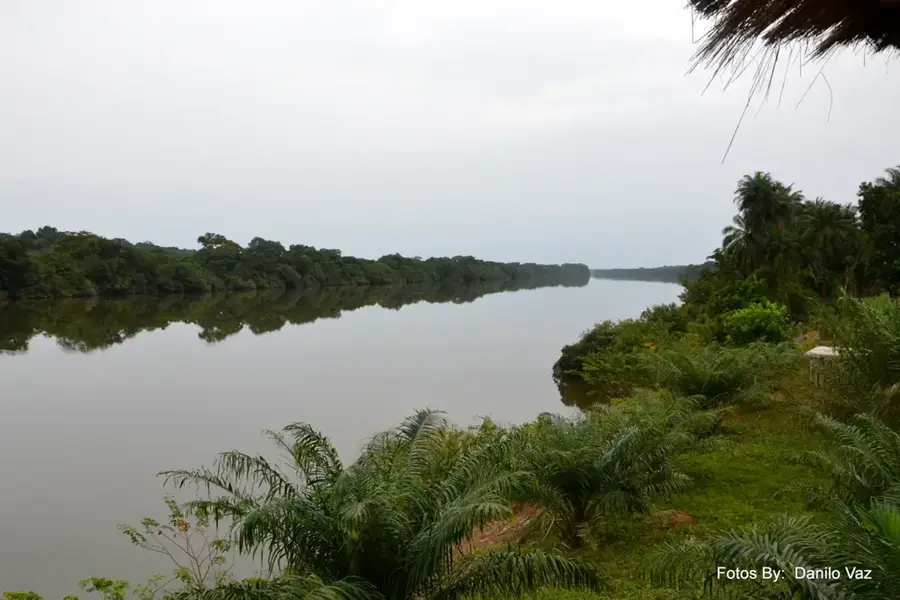
The relief of the Rio Grande de Buba in southwestern Guinea-Bissau is geomorphologically unique in West Africa, as it represents a true 'ria' type, a deep river valley flooded by the sea. This relief is characterized by steeply rising banks of laterite stone that tower up to 20 meters above the water level. In contrast to the flat estuaries of the north, the Rio Grande has an almost fjord-like appearance, with deep water bordering directly on the forested slopes. The shoreline is highly indented, with numerous small bays and headlands shaped by saltwater erosion and the tectonic subsidence of the basin. This relief allows the Atlantic to penetrate deep into the interior, resulting in constant salinity throughout the system. The valley floor is uneven and features deep channels that provide handy conditions for large marine fauna. Geologically, this relief documents the post-glacial sea-level rise that transformed the former freshwater valley into a saltwater inlet. The steep relief of the banks limits mangrove growth to narrow strips, visually distinguishing the Rio Grande significantly from the country's other waterways.

Best time to visit & climate

The most pleasant time to visit is Jan, Nov, Dec.

JanFebMarAprMayJunJulAugSepOctNovDec
Avg °C252830303028262626272625
Rain mm001130166422529367182180

📋 Practical info

🧭
Getting there
Access to this West African region is typically via the main roads connecting the coastal plateau with inland settlements. Nearby towns or villages generally serve as the primary starting points for approaching the steep fjord-like geographical structures.
📅
Best season
Visiting is typically recommended during the drier months, as heavy rainfall can turn the unpaved local roads into difficult muddy tracks. Visibility of the deep fjord-like geological structure is generally at its best under clear, sunny skies.
⛰️
Terrain & paths
The terrain is largely defined by the coastal plateau and deep, often rugged cuts, making some hiking routes physically demanding. Trails in the immediate vicinity of the steep slopes can be slippery and are usually surrounded by dense local vegetation.
🎒
What to bring
For safe exploration, sturdy footwear with good grip and breathable clothing that protects against sun and insects are generally essential. Sufficient drinking water and perhaps binoculars for viewing the expansive landscape are also highly recommended.
🅿️
Parking
Official parking lots are rare, so vehicles are usually left in adjacent villages or at safe, dry spots along the edges of the access roads. It is advisable to always look for firm, stable ground to avoid getting stuck in soft mud after a rain.
⚠️
Safety
Due to the steep drops and the remote nature of the region, visitors should generally avoid stepping too close to unsecured, eroding edges. Hiring a local guide is often recommended to prevent getting lost in the somewhat confusing and rugged terrain.
⏱️
Time needed
The duration of a visit typically ranges from a half-day for viewing the main vantage points to a full day for more intensive hiking. Travelers generally allocate ample extra time for the often slow and somewhat challenging journey to and from the site.

Geography

Coordinates
11.60000, -15.20000

Facts

  • The relief is the result of tectonic rifting and marine transgression.
  • Water depth in the relief's main channel often exceeds 25 meters.
  • Steep laterite cliffs prevent the formation of extensive mangrove swamps.
  • The relief forms a natural barrier between the coast and the Boé plateau.
  • The shoreline formations consist of extremely erosion-resistant rock.
  • Small tributaries cut into the surrounding highlands like miniature canyons.

Explore nearby

Notable places around

Route planner — Car & Motorhome

Where do you start? We build the route here, with stops and country notes along the way.

Vehicle
Only stops with (optional):

© OpenStreetMap contributors · OpenRouteService

Sights nearby

Frequently asked questions

What characterizes the coastal relief at Rio Grande?
It is characterized by deep estuaries, mangrove forests, and rocky sections at the mouth of the Atlantic.
Are boat trips safe in the region?
Yes, but you should only travel with experienced local skippers who know the currents and shallows.
Can you fish on the coast?
The region is a paradise for sport fishermen; tarpon and barracuda are especially common catches.
How is the climate there?
Hot and humid-tropical, with a distinct rainy season from June to October and high humidity.
Are there beaches for swimming?
The coast is mostly muddy or forested; sandy beaches are more likely to be found on the offshore islands.
Rio Grande Coastal Relief: where is it located?
Rio Grande Coastal Relief is located in Guinea-Bissau.
Rio Grande Coastal Relief: when is the best time to visit?
The most pleasant time to visit is Jan, Nov, Dec.
Rio Grande Coastal Relief: why is it worth visiting?

The relief of the Rio Grande de Buba in southwestern Guinea-Bissau is geomorphologically unique in West Africa, as it represents a true 'ria' type, a deep river valley flooded by the sea.
View on map → The Top 50 Attractions → OpenStreetMap →
Africa
Explore with Plizio Discover more places in Africa
More places in Guinea-Bissau →

Nearby cities

Nature

More places