Plizio Visual Lab
Bulula
ℹ️Practical info — Bulula
▾
🌤 Weather — 5 days
📍 Nearby
Sights nearby
💡 Tips
- Travel during the dry season (November to May) to ensure unpaved local roads remain passable.
- French and Portuguese are helpful, but learning a few greetings in Guinean Creole will open many doors with the friendly locals.
- Carry enough CFA francs in small denominations, as getting change for large bills is very difficult in rural areas.
- Electrical power can be intermittent; bring a reliable power bank to keep your devices charged.
- Always ask for permission before taking photographs of people or their homes, as it's considered respectful in rural communities.
🍽 Food
During the cashew season (spring), look for freshly squeezed juice sold by local farmers.
A flavorful grilled chicken dish marinated in local spices and lemon, often available at small roadside eateries.
A rich and hearty peanut-based stew, typically served with rice in traditional local homes or small food stalls.
🛍 Shopping · 🧘 Quiet spots
The region is famous for cashew farming; buy freshly roasted nuts directly from the growers.
Occasionally, you might find woven baskets or simple wooden items crafted by the local villagers.
Take a quiet walk near the edges of the settlement to observe the lush mangrove ecosystems.
Sit under the large village shade tree (Bantaba), a traditional gathering spot that is quiet during the early afternoon.
Water temperature…
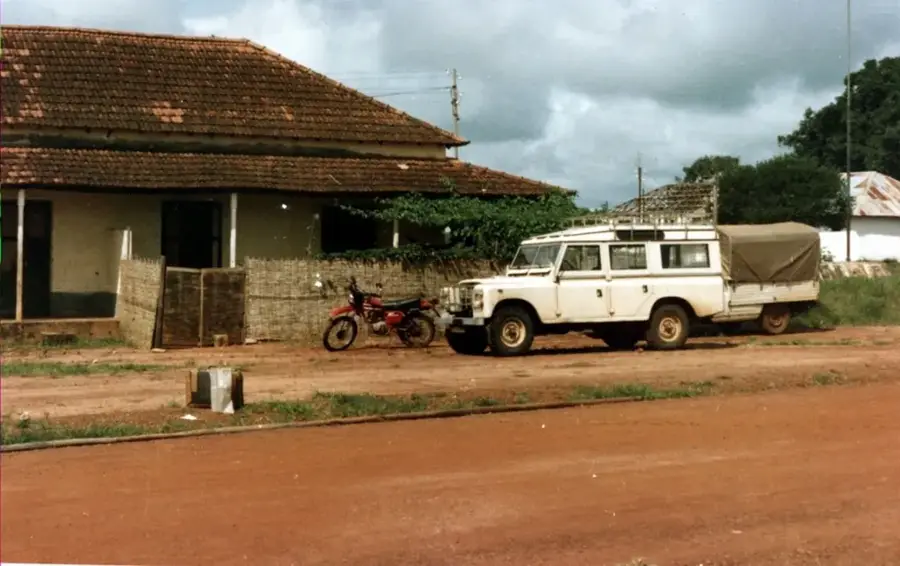
Bulula is a strategically significant settlement in southwestern Guinea-Bissau, located within the Quinará region. It serves as an essential administrative and commercial hub for the surrounding rural communities. Geographically, the town is situated at the transition point between the flat coastal lowlands and the rolling hinterland, making it a vital transit node for the transportation of agricultural goods. The local economy is primarily driven by the trade of cashew nuts, palm oil, and fish sourced from the nearby Rio Grande de Buba. Bulula’s architectural landscape features a blend of traditional mud-brick houses and functional structures from the colonial era. The social structure is multi-ethnic, with the Balanta and Fula communities being particularly prominent. Despite its modest infrastructure, Bulula plays a critical role in regional food security through its weekly market, where local producers exchange crops and livestock. The surrounding countryside is dominated by vast oil palm groves, which provide the raw materials for the region's traditional palm wine production.
- Location: Guinea-Bissau
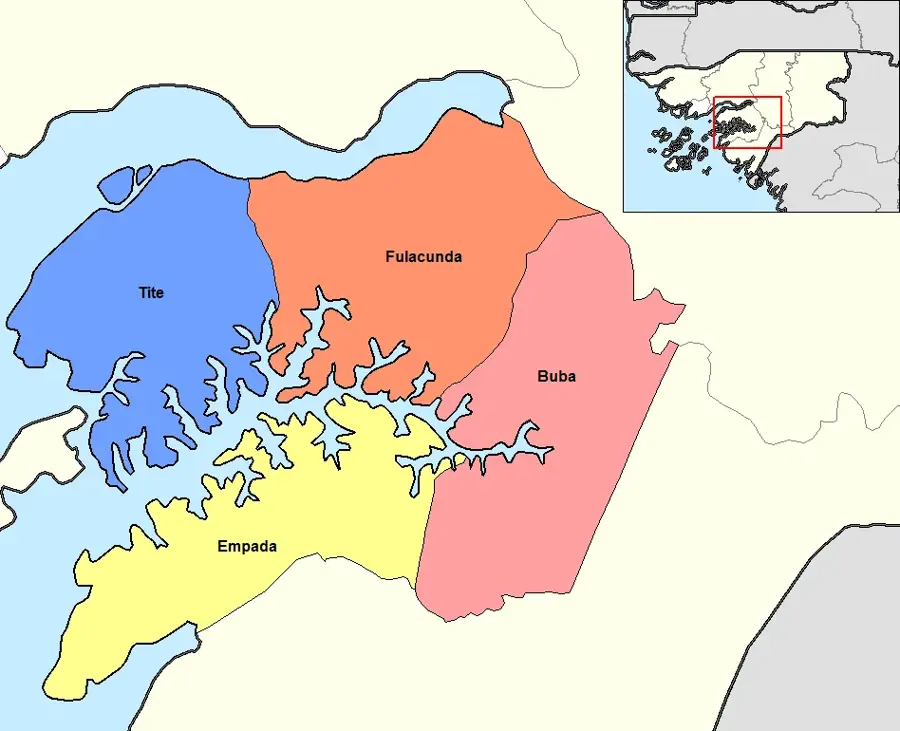
- Nearby: Fulacunda (10 km)
Best time to visit & climate
The most pleasant time to visit is Jan, Nov, Dec.
| Jan | Feb | Mar | Apr | May | Jun | Jul | Aug | Sep | Oct | Nov | Dec | |
|---|---|---|---|---|---|---|---|---|---|---|---|---|
| Avg °C | 25 | 28 | 30 | 30 | 30 | 28 | 26 | 26 | 26 | 27 | 26 | 25 |
| Rain mm | 0 | 0 | 1 | 1 | 30 | 166 | 422 | 529 | 367 | 182 | 18 | 0 |
Geography
Facts
- Bulula acts as a major road junction on the highway leading to Buba.
- It hosts one of the largest weekly markets in the Quinará region.
- Palm wine is the most renowned local product from the area.
- The population mainly comprises the Balanta and Fula ethnic groups.
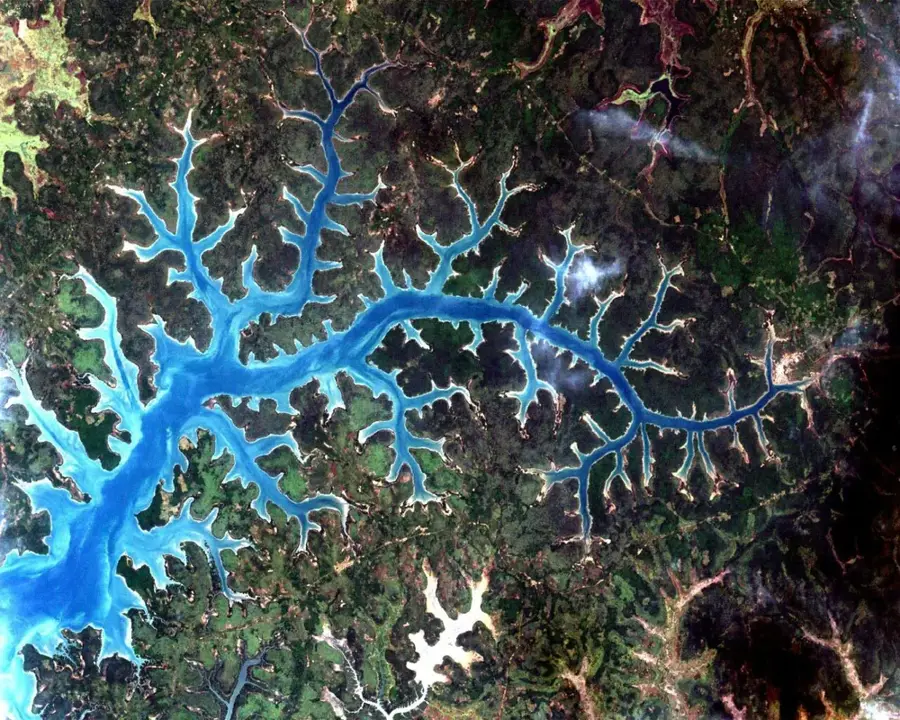
- Geographically, it is located near West Africa's deepest saltwater inlet.
- Traditional weaving techniques are still preserved in the nearby villages.
Explore nearby
Notable places around


Route planner — Car & Motorhome
Where do you start? We build the route here, with stops and country notes along the way.
© OpenStreetMap contributors · OpenRouteService
Frequently asked questions
What is Bulula?
How do you get to Bulula?
What can you see there?
Is there running water there?
When is it not recommended to travel?
Bulula: where is it located?
Bulula: when is the best time to visit?
Bulula: why is it worth visiting?

Nearby cities
Nature
More places