Plizio Visual Lab
Catió
ℹ️Practical info — Catió
▾
🌤 Weather — 5 days
📍 Nearby
Sights nearby
💡 Tips
- Prepare for a very limited power supply; a power bank is absolutely essential here.
- In the rainy season, many dirt roads are difficult to pass, so plan your journey accordingly.
- Be sure to bring effective mosquito repellent, as the area is very humid.
- The journey requires patience but gives an authentic glimpse into life in the Tombali region.
🍽 Food
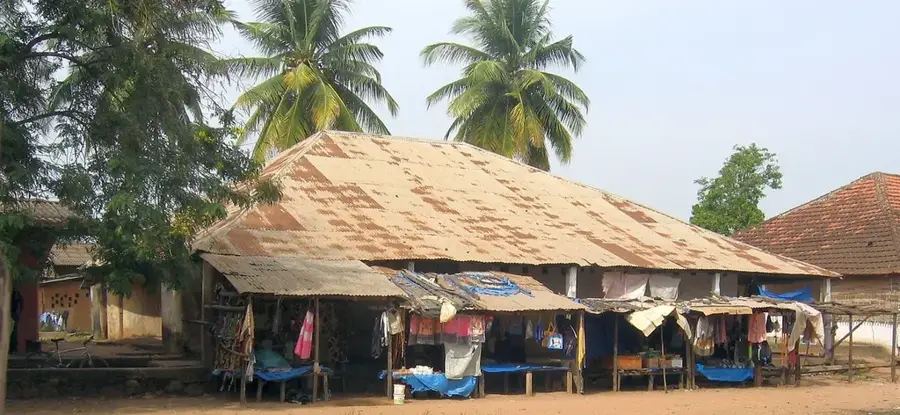
A hearty peanut stew served in the family-run food stalls at the market.
Usually served grilled or with rice. Best tried in the small eateries near the port.
A traditional staple offered everywhere in town in simple kitchens.
🛍 Shopping · 🧘 Quiet spots
Often sold in recycled bottles at the central market, an authentic souvenir.
At the occasional stalls near the regional center, you can find simple wooden crafts.
Enjoy quiet views of the water and the traditional wooden boats.
On the outskirts of town, you can take relaxing walks under shade-providing trees.
Water temperature…
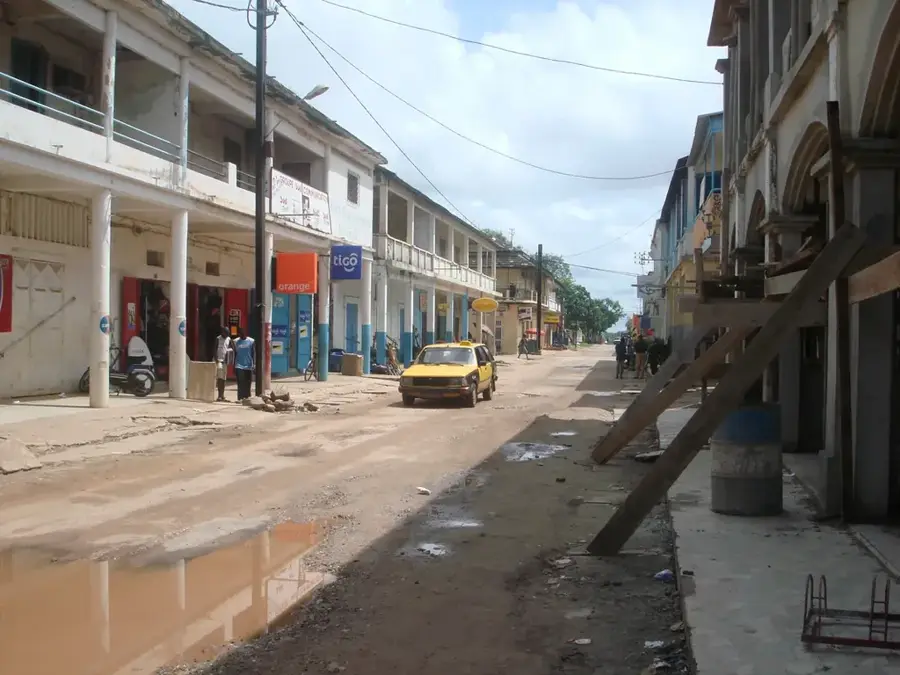
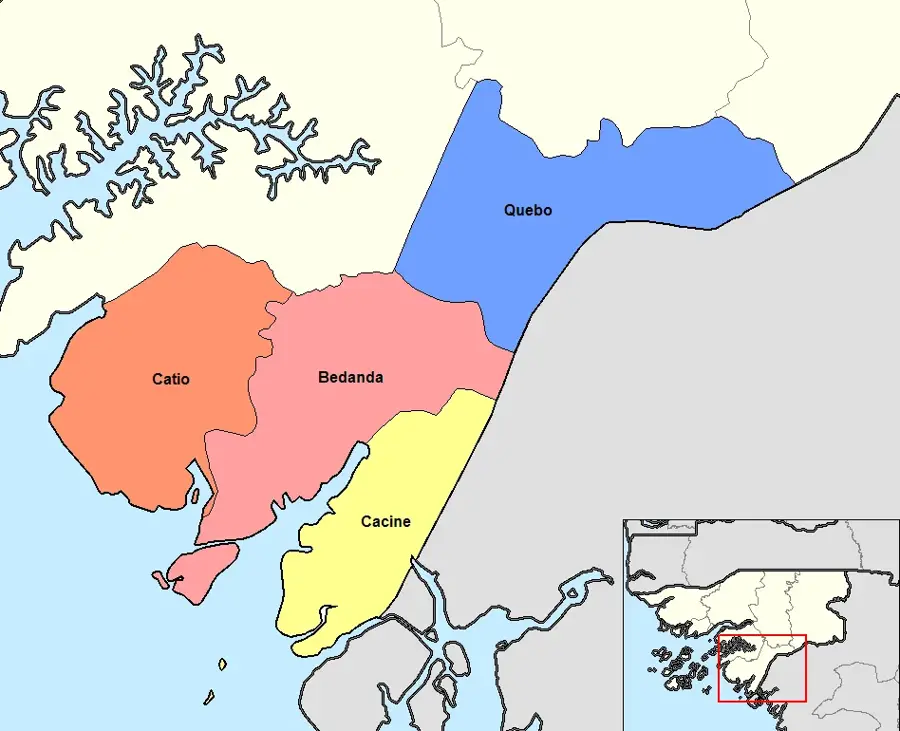
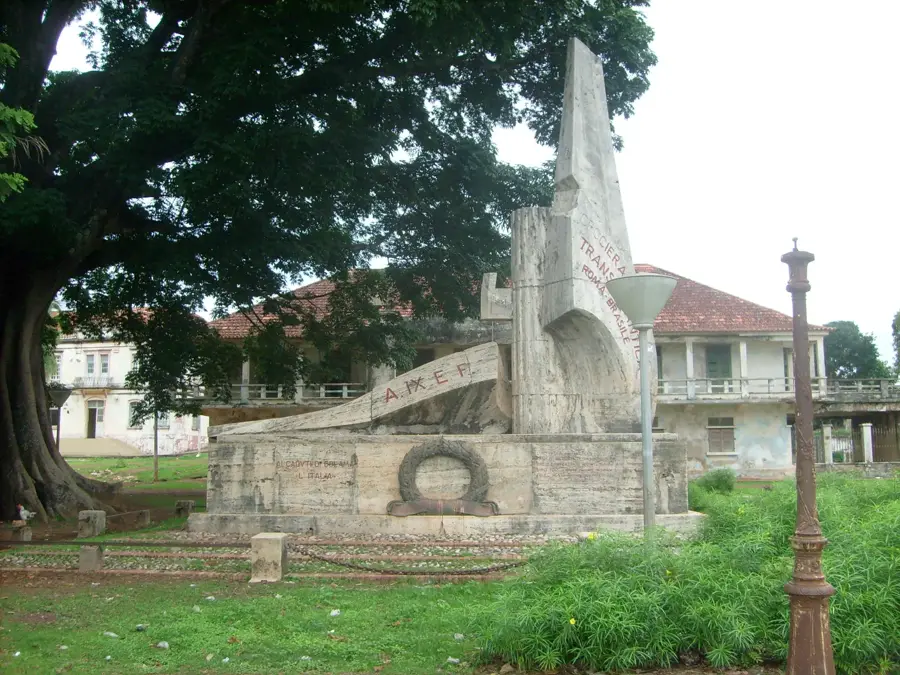
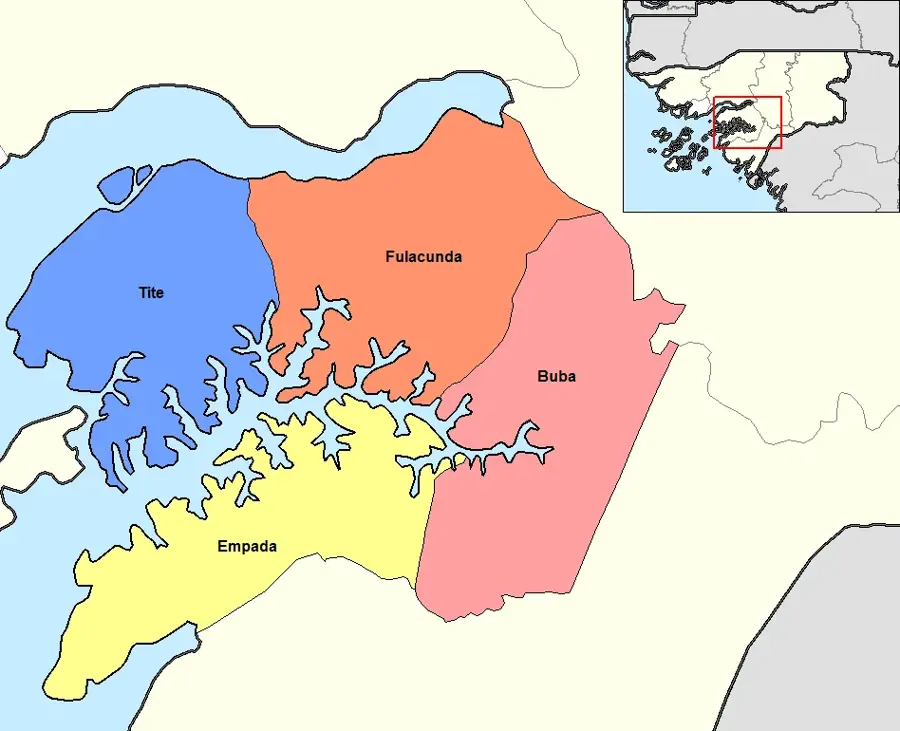
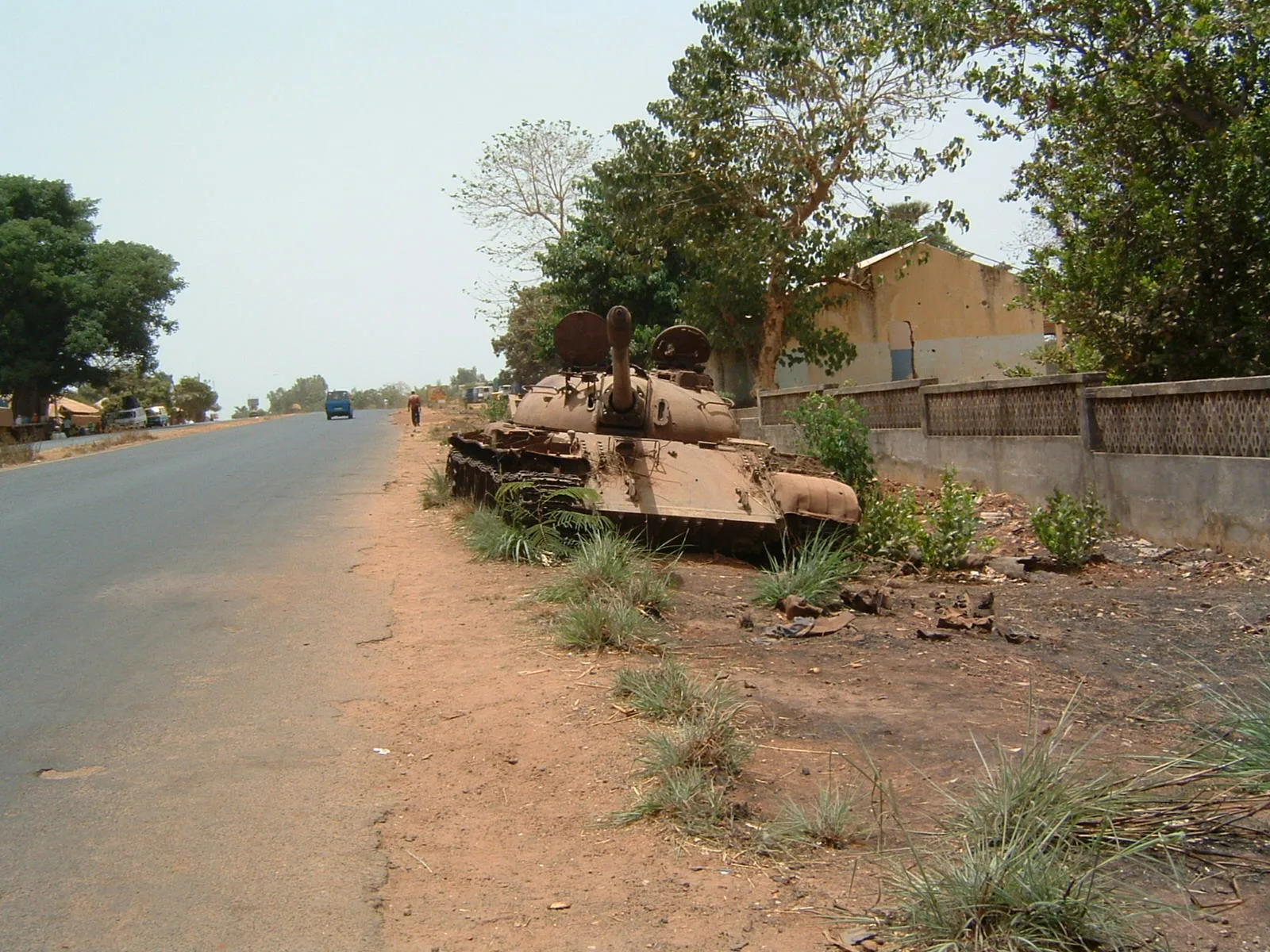
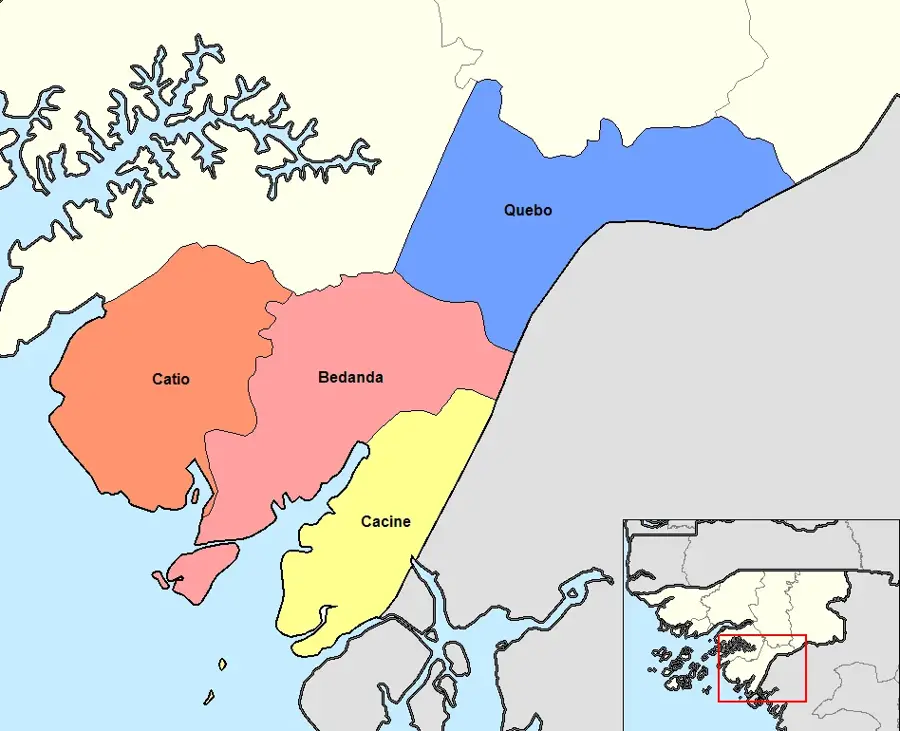
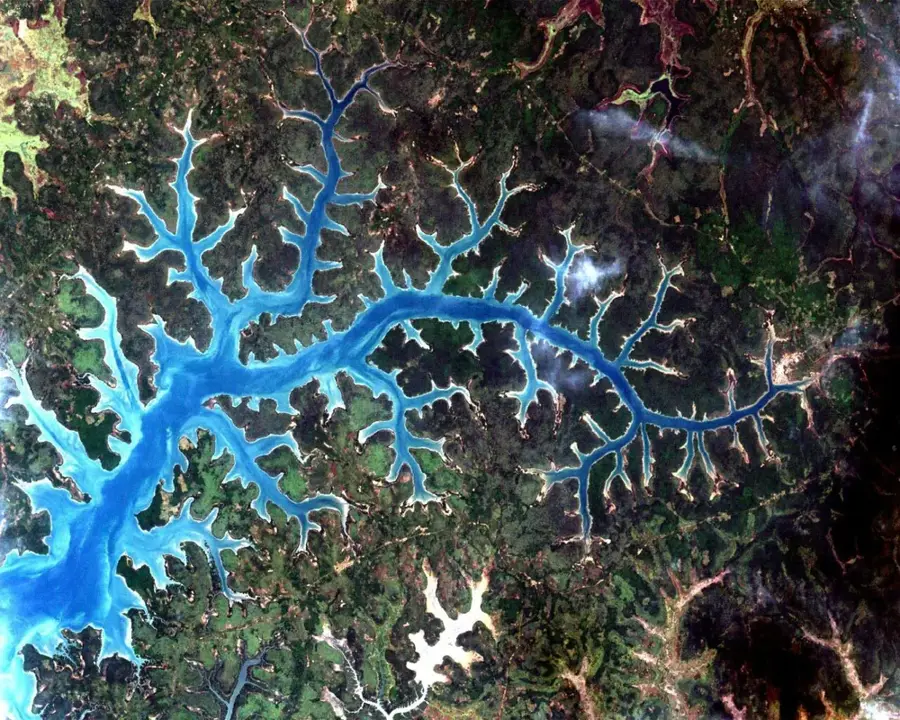
Catió is the capital of the Tombali Region in the far south of Guinea-Bissau and is regarded as the heart of the country's agricultural production. The town is surrounded by fertile plains and extensive rice paddies, which have formed the backbone of the local economy for generations. Historically, Catió gained significance as an administrative center during the colonial era, though it suffered considerable damage during the war for independence. The region is famous for the Cantanhez Forest National Park, one of the country's last primary rainforest areas, which provides a habitat for rare chimpanzee populations. Geographically, Catió is located in a zone defined by numerous waterways and mangrove channels, which often limits transportation to water-based routes. In recent years, efforts have been made to improve infrastructure to facilitate better market access for local harvests of rice and cashew nuts.
- Location: Guinea-Bissau
- Nearby: Jemberem (23 km)
- Population: ~9.898 (2015)
Best time to visit & climate
The most pleasant time to visit is Jan, Nov, Dec.
| Jan | Feb | Mar | Apr | May | Jun | Jul | Aug | Sep | Oct | Nov | Dec | |
|---|---|---|---|---|---|---|---|---|---|---|---|---|
| Avg °C | 25 | 28 | 30 | 30 | 30 | 28 | 26 | 26 | 26 | 27 | 26 | 25 |
| Rain mm | 0 | 0 | 1 | 1 | 30 | 166 | 422 | 529 | 367 | 182 | 18 | 0 |
Geography
Facts
- Capital city of the southern Tombali Region
- Main hub for national rice production
- Located near the Cantanhez Forest National Park
- Home to rare populations of wild chimpanzees
- Site of intense fighting during the independence war
- Important commercial center for cashew nuts in the south
Explore nearby
Notable places around


Route planner — Car & Motorhome
Where do you start? We build the route here, with stops and country notes along the way.
© OpenStreetMap contributors · OpenRouteService
Frequently asked questions
What makes Catió special?
How are the roads?
Duration of stay?
What to eat?
Is there internet?
Catió: where is it located?
Catió: when is the best time to visit?
Catió: why is it worth visiting?

Nearby cities

Nature
More places