Plizio Visual Lab
Boké
ℹ️Practical info — Boké
▾
🌤 Weather — 5 days
📍 Nearby
Sights nearby
💡 Tips
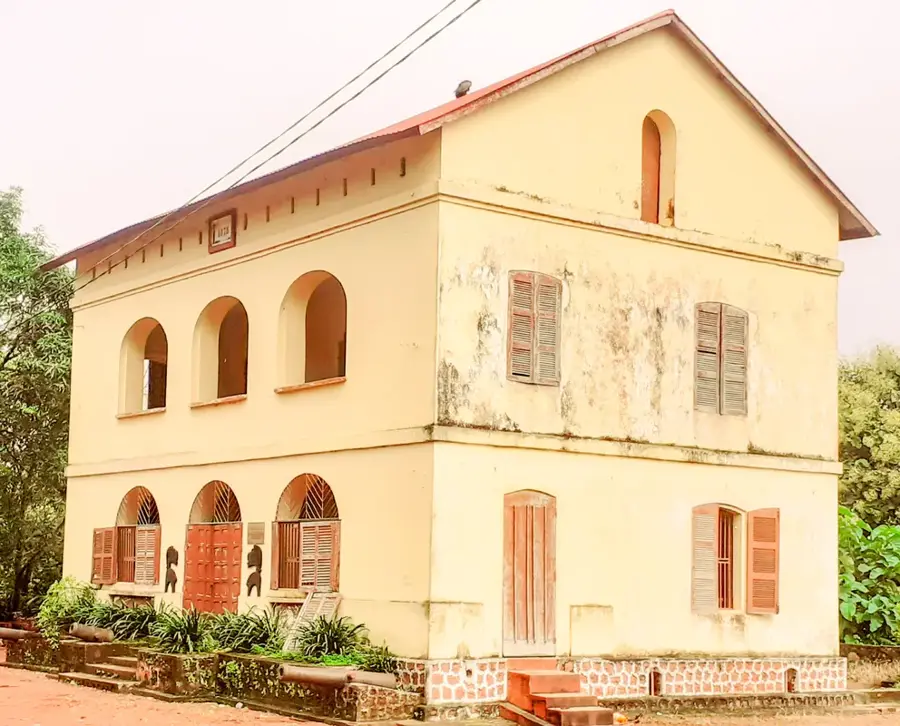
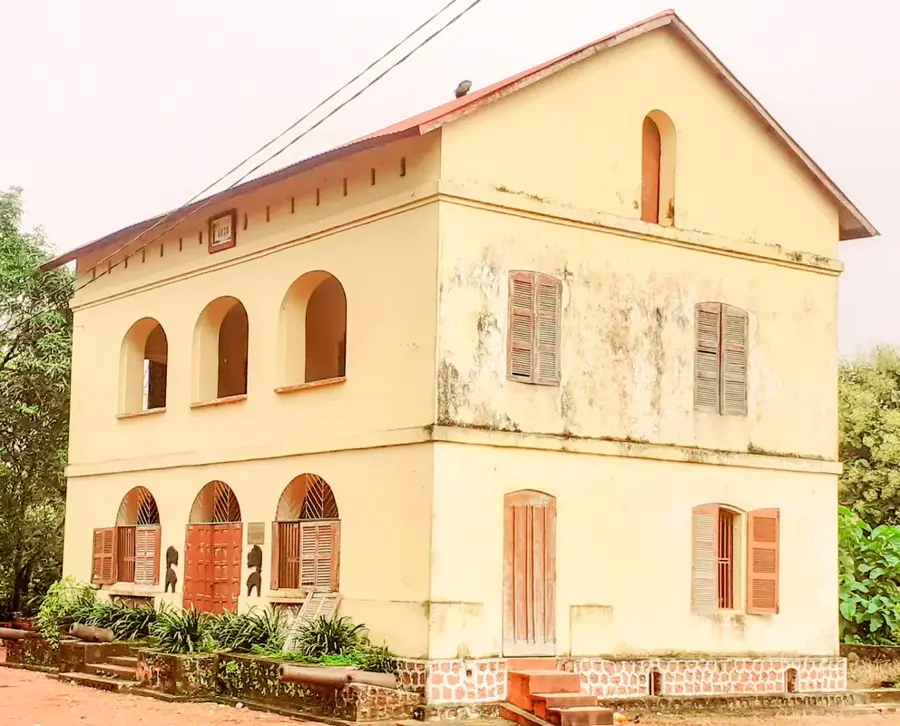
- Visit the Fortin de Boké to learn about the region's colonial history and the historical slave trade.
- Organize a boat trip on the Rio Nunez, ideally in the late afternoon for the best light.
- Wear loose, breathable clothing, as the tropical climate remains hot and humid year-round.
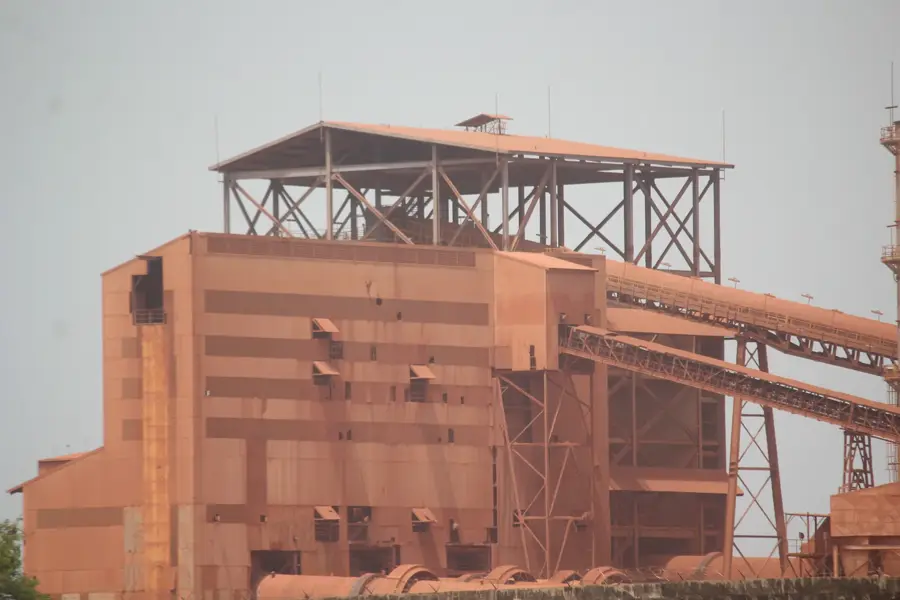
- Be prepared for reddish dust on many roads due to the extensive bauxite mining in the area.
🍽 Food
A traditional Guinean dish consisting of rice served with a rich leaf-based sauce.
Freshly caught from the Rio Nunez, often served at small restaurants along the riverbank.
Pick up fresh mangoes and pineapples from the central market for a healthy snack.
🛍 Shopping · 🧘 Quiet spots
Find spirited West African textiles and clothing at the main town market.
Keep an eye out for hand-carved wooden items and traditional woven baskets.
Find a quiet spot by the water to watch the boats pass and enjoy nature.
A shaded and historically significant spot excellent for a quiet moment of reflection.
Water temperature…
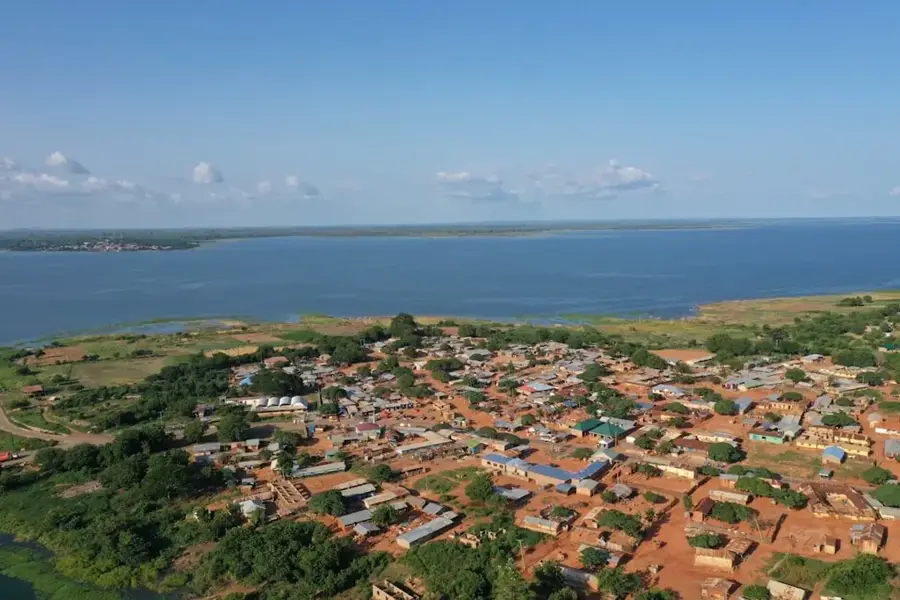
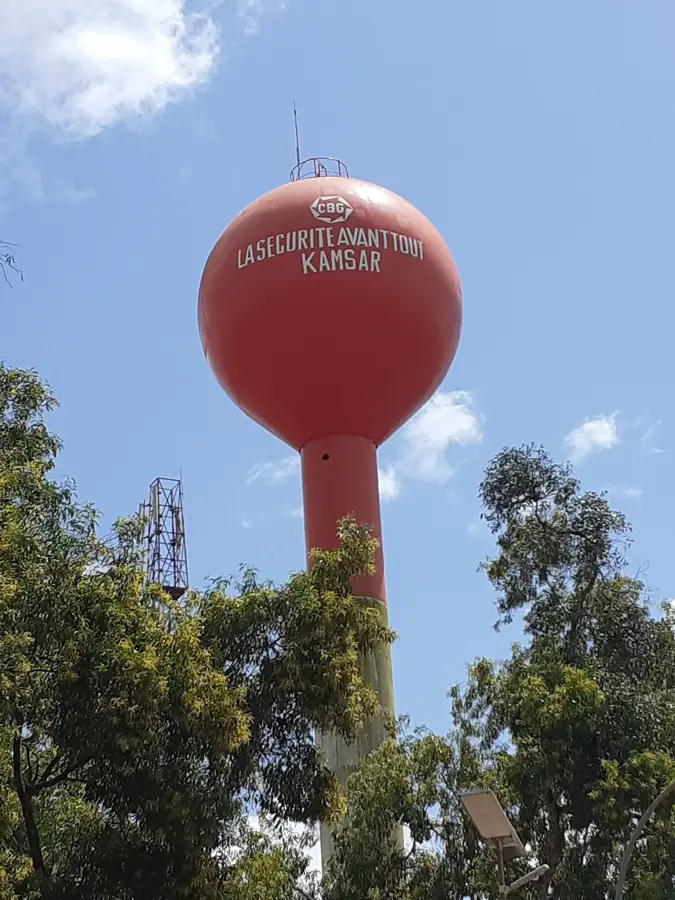
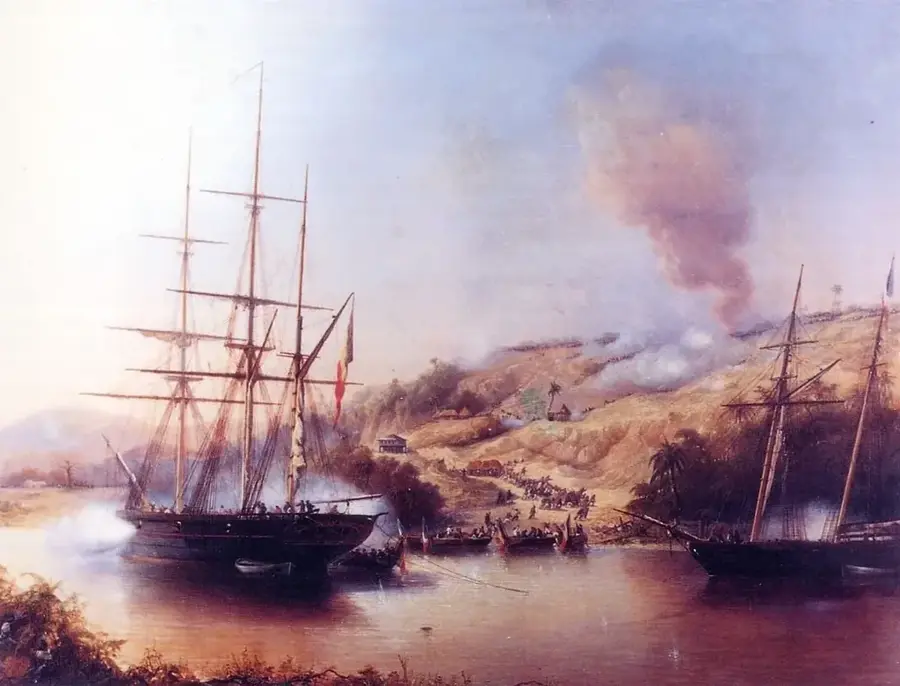
Boké is a historic city in northwestern Guinea, currently serving as the global epicenter of the nation's bauxite mining industry. Located on the banks of the Rio Nuñez, the city was a significant 19th-century trading post and a site of intense colonial rivalry between France and Britain. It is home to the Fort of Boké, a former slave prison and military stronghold that has been converted into a museum preserving the area's complex history. In modern times, Boké has been transformed by the vast deposits of bauxite, the raw material for aluminum, with companies like the Compagnie des Bauxites de Guinée (CBG) driving local development. A specialized railway connects the mining operations in the region to the export port of Kamsar. Despite the industrial focus, traditional fishing and agriculture remain vital for the local population, including the Landuma, Nalu, and Baga ethnic groups. As the administrative capital of its region, Boké is also a crucial transit point for land trade with neighboring Guinea-Bissau.
- Location: Guinea
- Nearby: Kolaboui (23 km)
- Population: ~63.736 (2023)
Best time to visit & climate
The most pleasant time to visit is Jan, Nov, Dec.
| Jan | Feb | Mar | Apr | May | Jun | Jul | Aug | Sep | Oct | Nov | Dec | |
|---|---|---|---|---|---|---|---|---|---|---|---|---|
| Avg °C | 27 | 29 | 30 | 31 | 29 | 26 | 25 | 24 | 25 | 25 | 25 | 25 |
| Rain mm | 0 | 1 | 1 | 7 | 67 | 251 | 523 | 629 | 394 | 186 | 31 | 0 |
Geography
Facts
- Boké is located roughly 300 kilometers northwest of Conakry.
- The Fort of Boké was constructed by the French in 1878.
- The city sits approximately 50 kilometers inland from the Atlantic coast.
- Boké is the hub for the world's largest bauxite mining operations.
- A dedicated 135-kilometer railway connects Boké's mines to Kamsar.
- The city serves as the administrative seat for the Boké Prefecture.
Explore nearby
Notable places around




Route planner — Car & Motorhome
Where do you start? We build the route here, with stops and country notes along the way.
© OpenStreetMap contributors · OpenRouteService
Frequently asked questions
What importance does Boké have for Guinea's economy?
Are there historical sights in Boké?
How far is Boké from the sea?
When should one visit Boké?
Are there beaches near Boké?
Boké: where is it located?
Boké: when is the best time to visit?
Boké: why is it worth visiting?

Nearby cities
Nature
More places