Plizio Visual Lab
Tena
ℹ️Practical info — Tena
▾
🌤 Weather — 5 days
📍 Nearby
Sights nearby
💡 Tips
- Pack lightweight, quick-drying clothing and strong insect repellent for jungle excursions.
- Carry small denomination US dollar bills (Ecuador's currency) as change can be hard to find.
- Book whitewater rafting tours only with certified agencies in the town center.
- The climate is hot and humid year-round with frequent rain showers; a poncho is essential.
- The main bus terminal connects easily to Quito, but the mountain road can be winding.
🍽 Food
Fish wrapped in leaves and roasted - served in traditional Amazonian restaurants near the river.
Edible palm grubs often grilled - find them at local food stalls or on indigenous community tours.
A traditional caffeinated herbal drink - it is served in almost all local cafes and jungle lodges.
🛍 Shopping · 🧘 Quiet spots
The artisan market for authentic indigenous crafts, woven bags, and detailed balsa wood carvings.
The best place to pick up fresh tropical fruits like pitahaya and raw cacao pods from the region.
A peaceful botanical garden situated on a river island, featuring nice walkways for nature spotting.
A scenic riverside promenade well-suited for a quiet evening stroll along the water.
Nearby natural pools with clear water and small waterfalls, first-rate for a relaxing dip.
Water temperature…
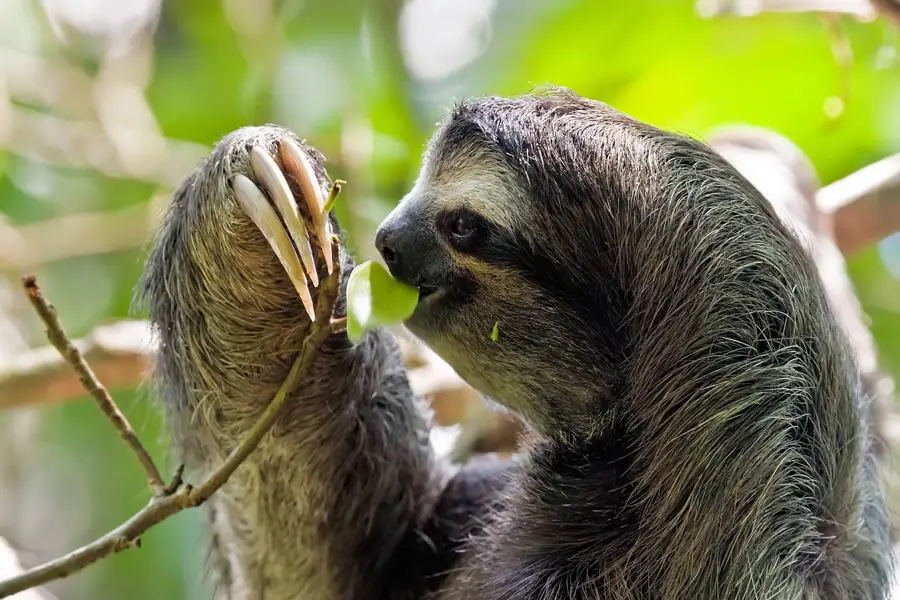
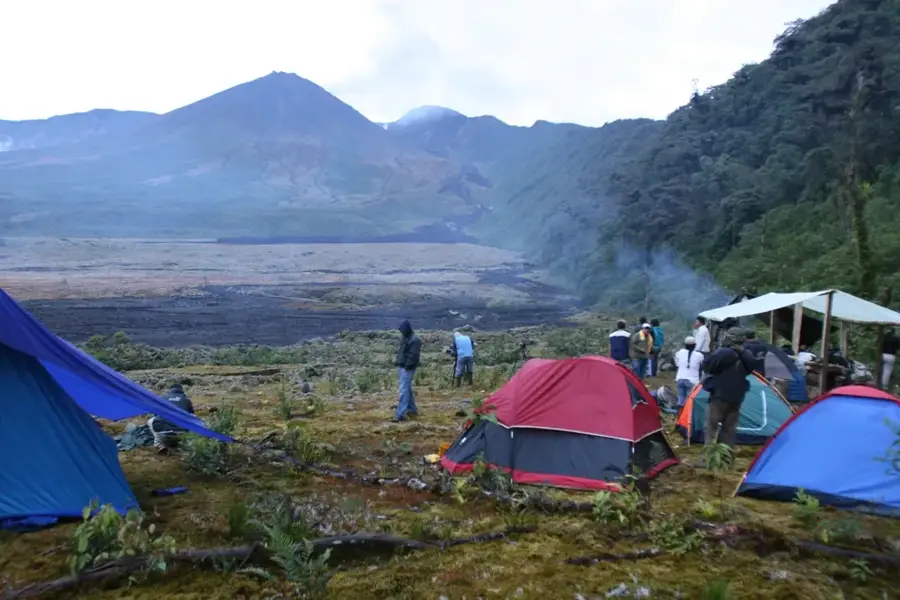
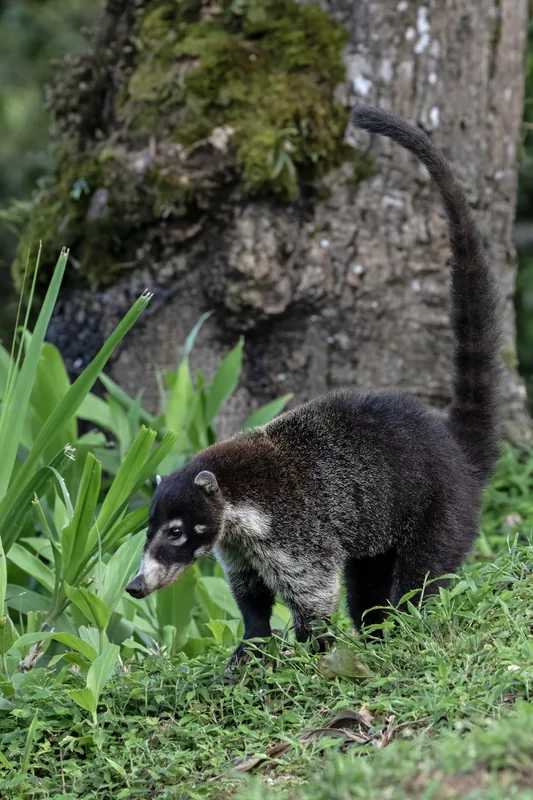
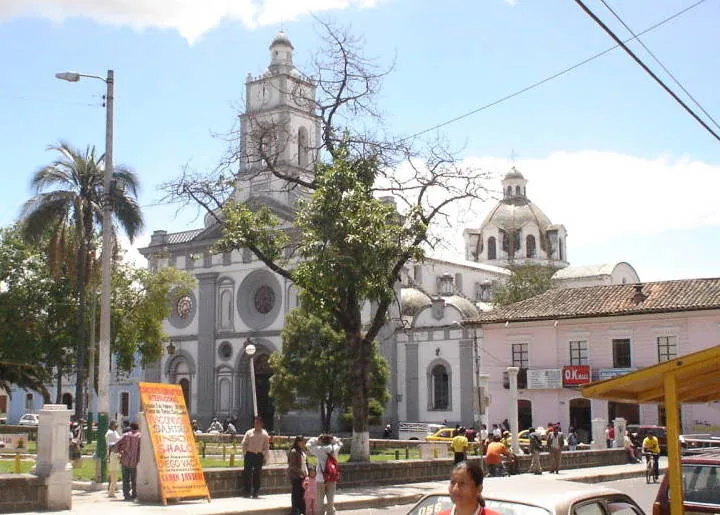
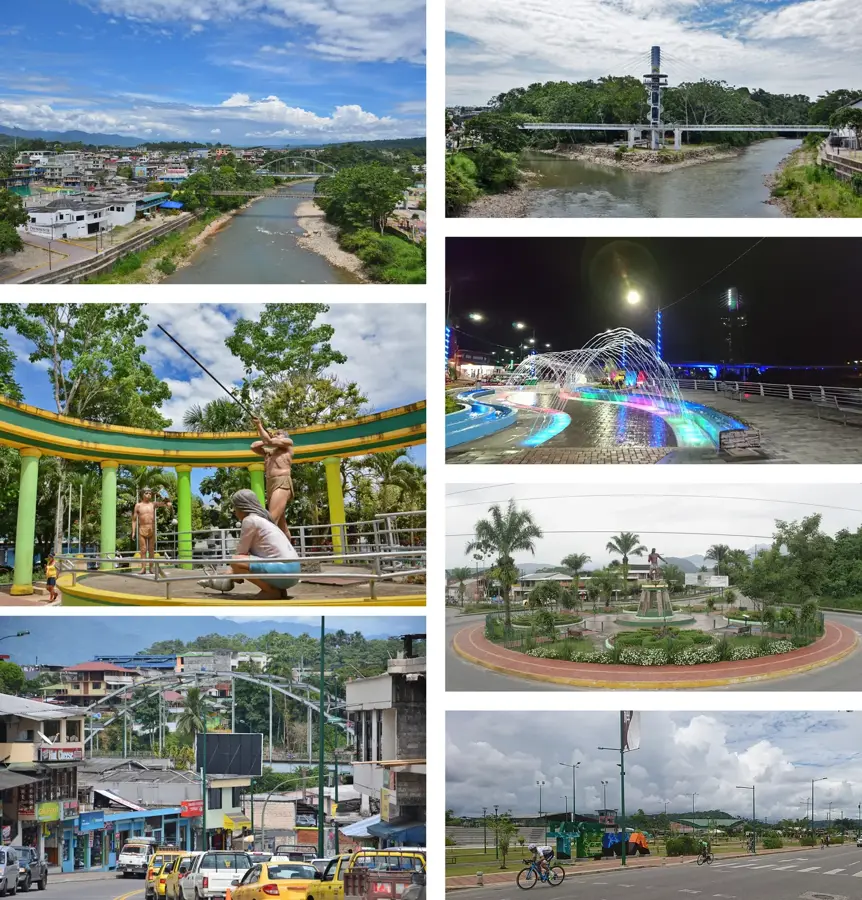
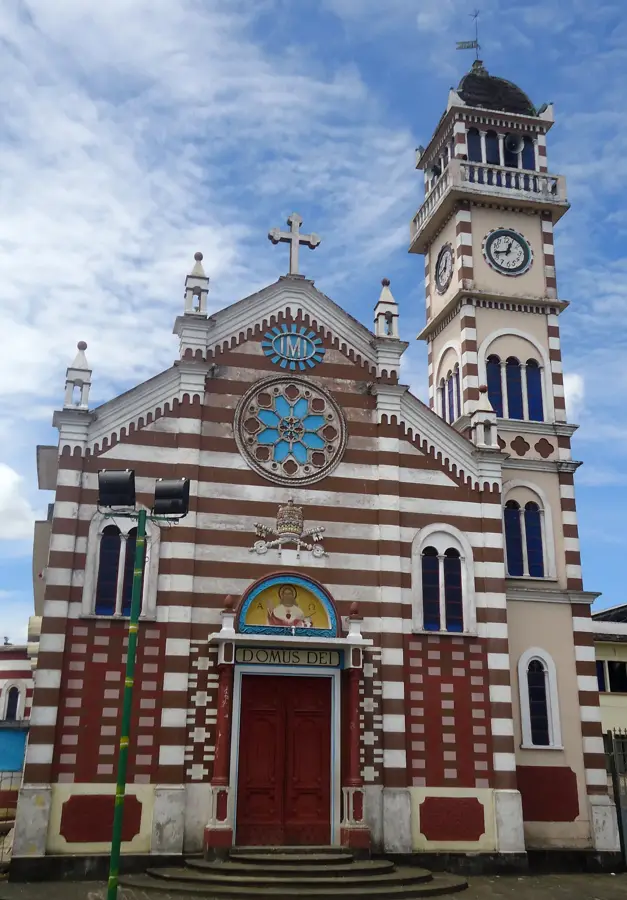
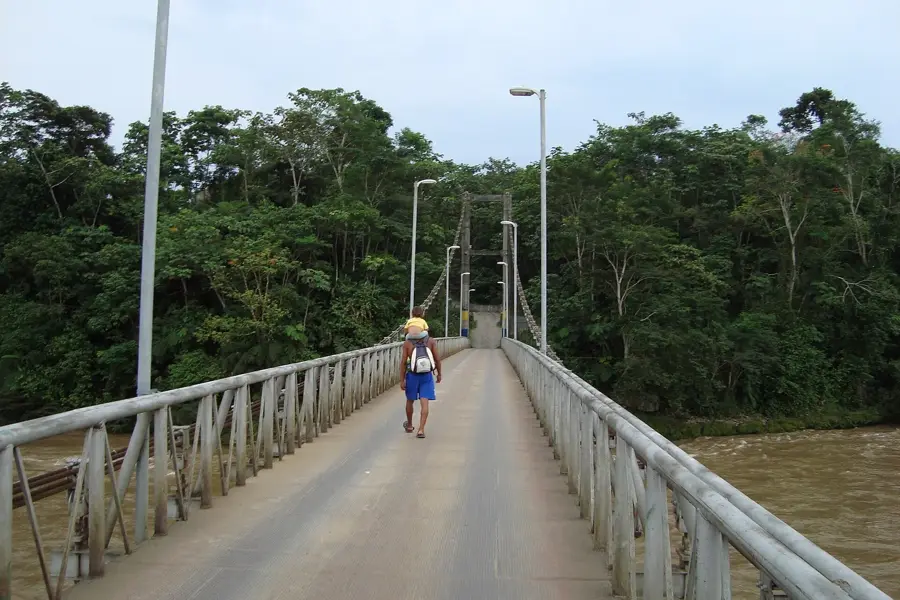
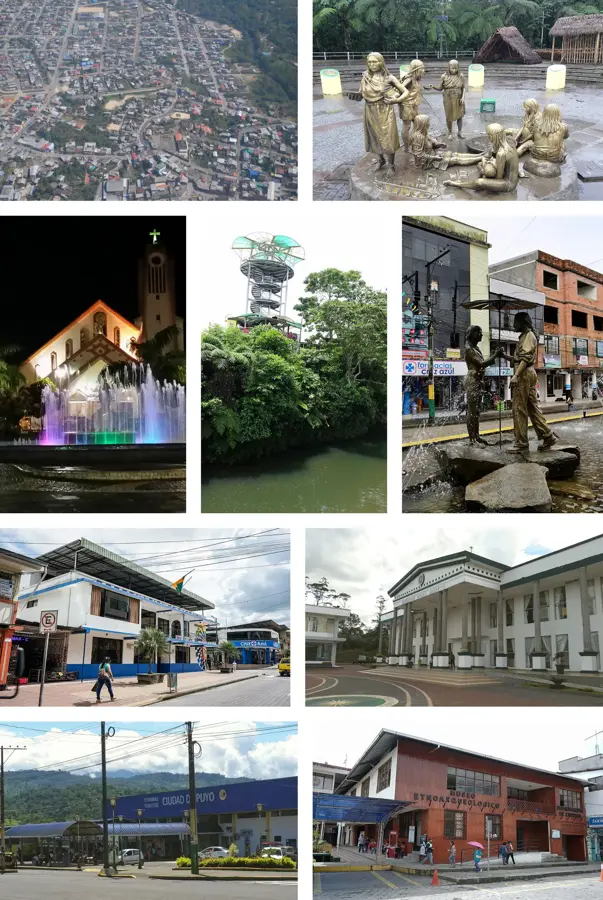
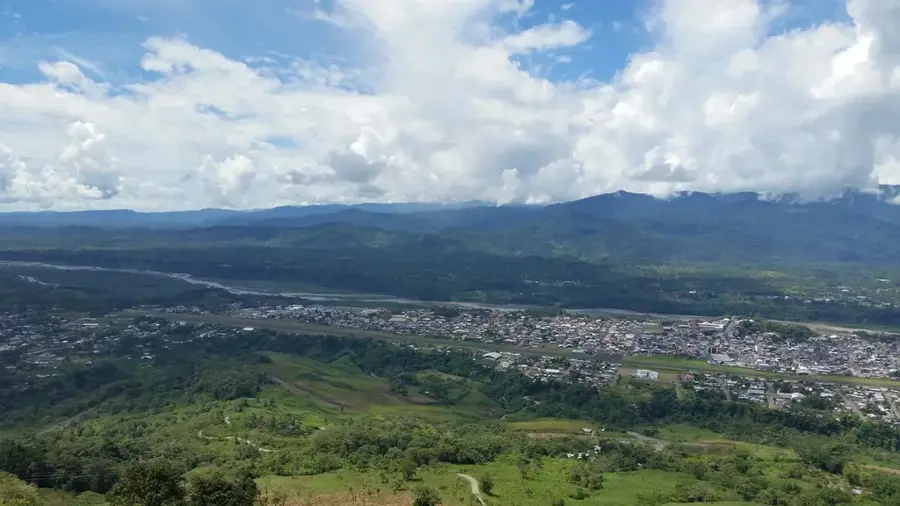
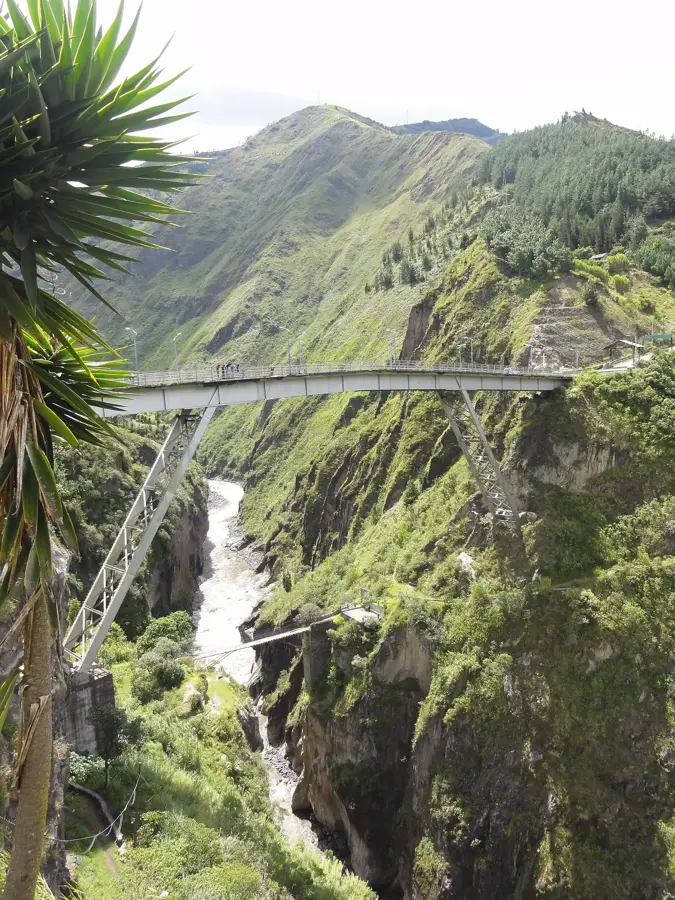
Tena is the capital of the Napo Province and is widely celebrated as the gateway to the Ecuadorian Amazon and the country's premier whitewater destination. Located at an elevation of approximately 500 meters (1,640 feet), the city sits at the confluence of the Tena and Pano rivers, creating a unique urban setting where the rainforest meets the Andean foothills. Historically known as the 'Cinnamon Capital,' Tena was a focal point for early Spanish explorers searching for the legendary forests of 'canela.' Today, it has earned a global reputation as a hub for adventure sports, particularly rafting and kayaking, with rivers like the Misahuallí and Jatunyacu offering world-class rapids. The city's economy thrives on ecotourism, sustainable agriculture, and its role as a regional administrative center. Tena is deeply rooted in Kichwa culture, and many local communities offer immersive cultural experiences that showcase traditional weaving, hunting techniques, and ancestral medicine. The surrounding landscape is a lush paradise of waterfalls, caves, and primary rainforest, with the nearby Sumaco Napo-Galeras National Park providing sanctuary to immense biodiversity. The climate is tropical and humid, with rainfall evenly distributed throughout the year, sustaining the region's spirited flora. Major landmarks include the Jumandy Caves, a complex of limestone caverns used by indigenous resistance leaders in the 16th century. In recent years, Tena has seen significant urban improvements, including the construction of scenic riverfront parks and pedestrian bridges that enhance its appeal to international travelers. The culinary scene features unique Amazonian flavors, such as the guayusa tea, known for its stimulant properties, and traditional dishes wrapped in bijao leaves. As an animated and growing city, Tena has an excellent blend of modern convenience and direct access to the untamed beauty of the Amazon basin, making it a favorite for researchers and adventurers alike.
- Location: Ecuador
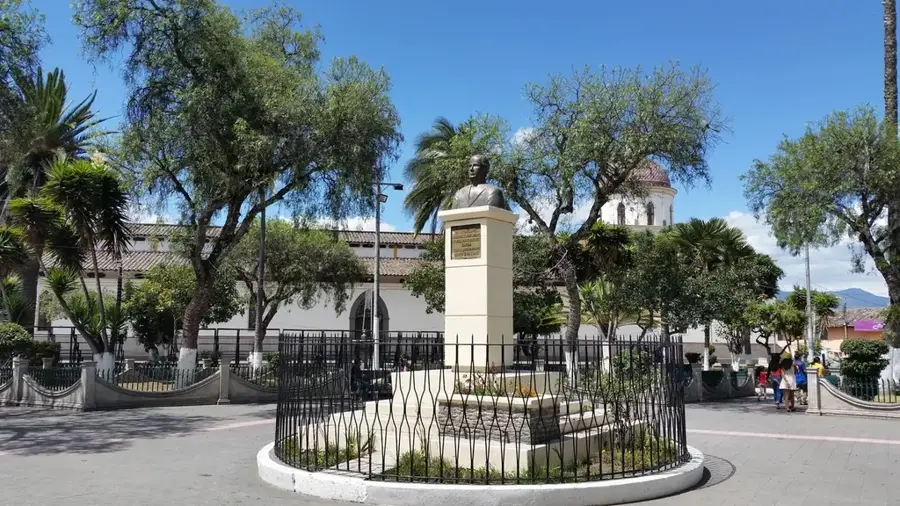
- Top sights: Sapo Rumi · Monumento a los Quichuas · Monumento a Jumandy
- Nearby: Misahuallí (17 km)
- Population: ~17.172 (2026)
Best time to visit & climate
The most pleasant time to visit is Jan, Aug, Sep.
| Jan | Feb | Mar | Apr | May | Jun | Jul | Aug | Sep | Oct | Nov | Dec | |
|---|---|---|---|---|---|---|---|---|---|---|---|---|
| Avg °C | 14 | 14 | 14 | 13 | 13 | 12 | 11 | 12 | 12 | 13 | 14 | 14 |
| Rain mm | 153 | 158 | 184 | 201 | 179 | 155 | 123 | 100 | 97 | 153 | 159 | 155 |
Geography
Facts
- Tena sits at an elevation of 512 meters (1,680 feet) in the Napo Province.
- It was officially founded on November 15, 1560, by Spanish settlers.
- Tena is famous for being the 'Cinnamon Capital' of Ecuador.
- The city is a top-tier global destination for whitewater kayaking and rafting.
- The Jatunyacu River near Tena means 'Big Water' in the Kichwa language.
- The Jumandy Caves are named after a 16th-century indigenous rebel leader.
- The local IKIAM University focuses on environmental research and biodiversity.
- The city's climate is tropical rainforest (Af), with high humidity.
Explore nearby
Notable places around


Route planner — Car & Motorhome
Where do you start? We build the route here, with stops and country notes along the way.
© OpenStreetMap contributors · OpenRouteService
Sights in the town Tena (12)
Frequently asked questions
Why is Tena known as the 'Cinnamon Capital'?
What activities are offered for adventurers?
Can you visit the rainforest from Tena?
What is Maito?
How safe is Tena for tourists?
Tena: where is it located?
Tena: what is there to see?
Tena: when is the best time to visit?
Tena: why is it worth visiting?
Nearby cities
History & landmarks
Nature
More places