Plizio Visual Lab

Pastaza River

Plizio editorial teamData Sources
River
—°5
Pastaza River (Ecuador)

Weather…

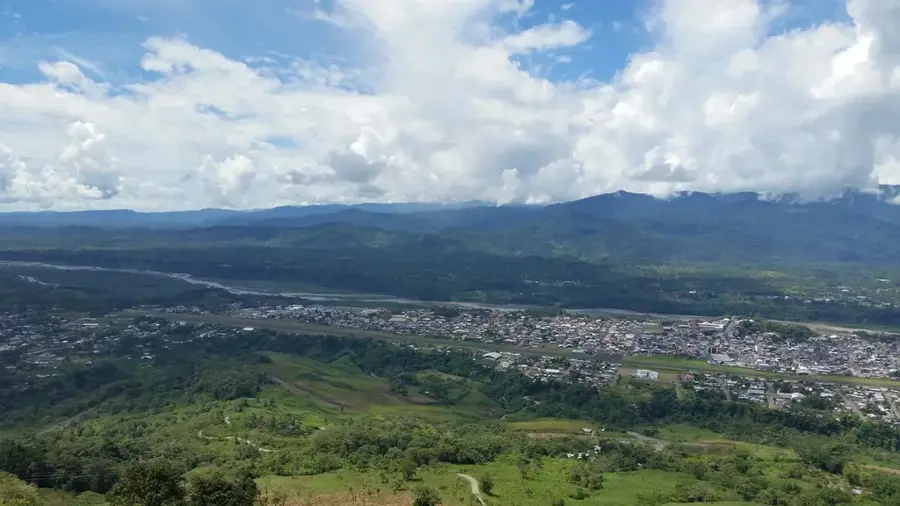
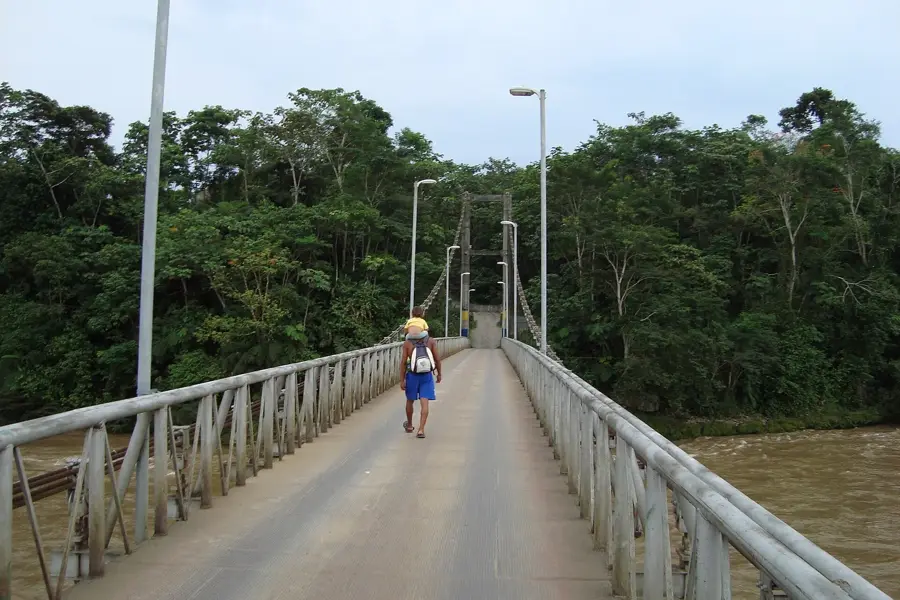
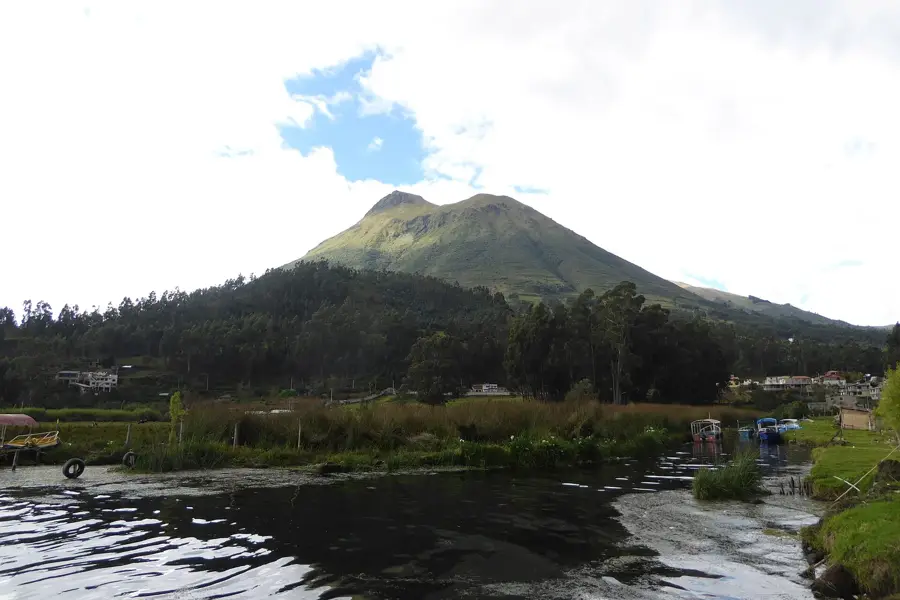
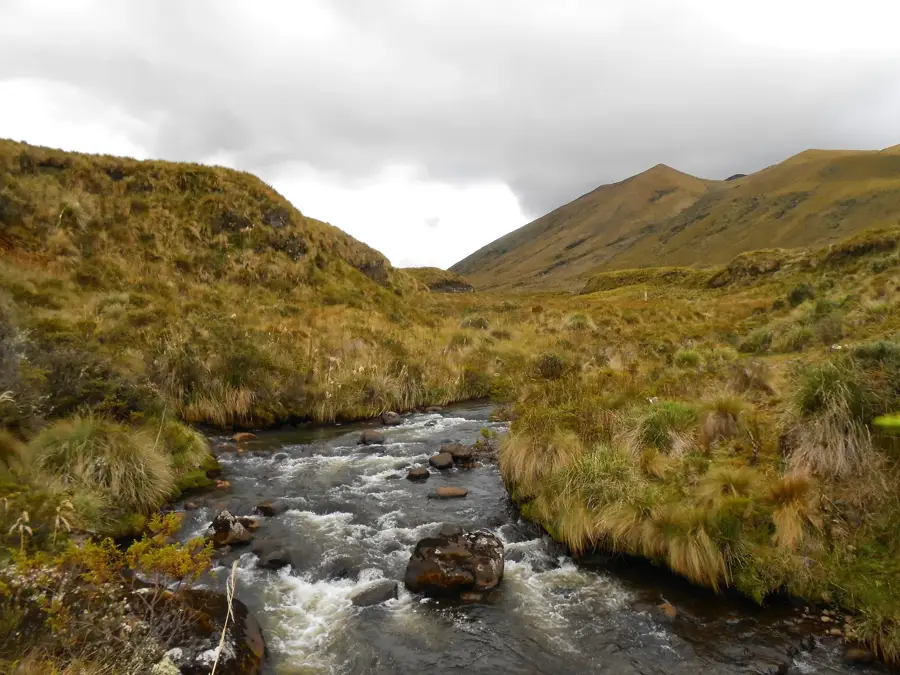
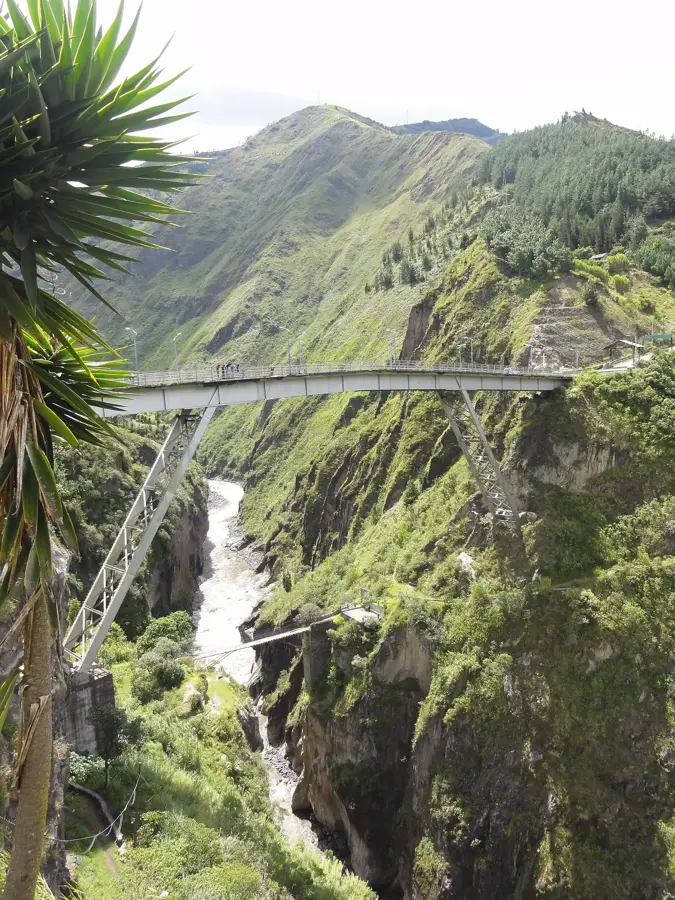
The Pastaza River is a major waterway in Ecuador and a significant tributary of the Marañón River, which contributes to the Amazon system. It is formed by the confluence of the Patate and Chambo rivers at the base of the active Tungurahua Volcano. As it descends from the Andes, the Pastaza carves a deep canyon through the Eastern Cordillera, creating famous waterfalls such as the Pailón del Diablo. The river is a vital resource for hydroelectric power generation, evidenced by the Agoyán dam project. Geologically, the Pastaza basin is a dynamic area where volcanic sediments and tectonic uplift have shaped a rugged and dramatic landscape. In its lower reaches, the river widens into a sediment-rich floodplain that flows through the ancestral territories of the Achuar people. The Pastaza river basin is designated as a Ramsar site of international importance due to its vast wetland ecosystems and high biodiversity. It serves as a primary transportation route for remote rainforest communities that lack road access.

Best time to visit & climate

The most pleasant time to visit is Jan, Aug, Sep.

JanFebMarAprMayJunJulAugSepOctNovDec
Avg °C171717171615151616171717
Rain mm162167194215200193150127115173174172

📋 Practical info

🧭
Getting there
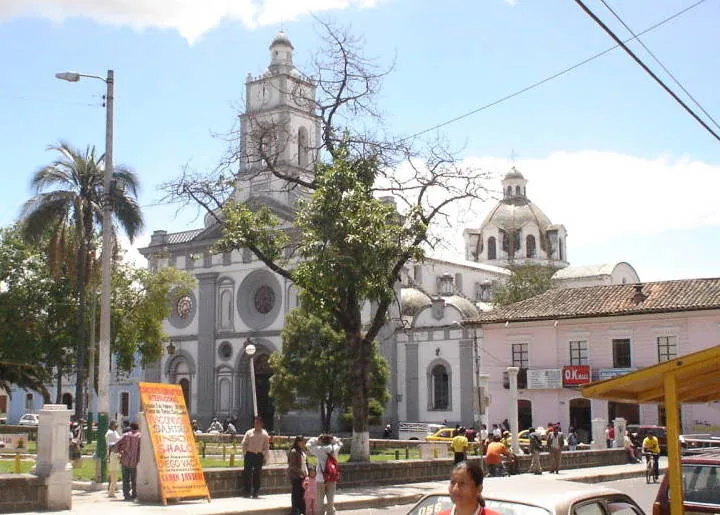
Access is typically gained via the town of Baños, which serves as a popular gateway for exploring the dramatic gorges and surrounding Andean foothills. Local transport or organized tours often follow the scenic route alongside the river valley.
📅
Best season
The dry season, typically from June to September, is generally considered the best time to visit for clearer skies and safer trail conditions along the steep riverbanks. However, the spectacular waterfalls are most impressive shortly after heavy rainfalls.
⛰️
Terrain & paths
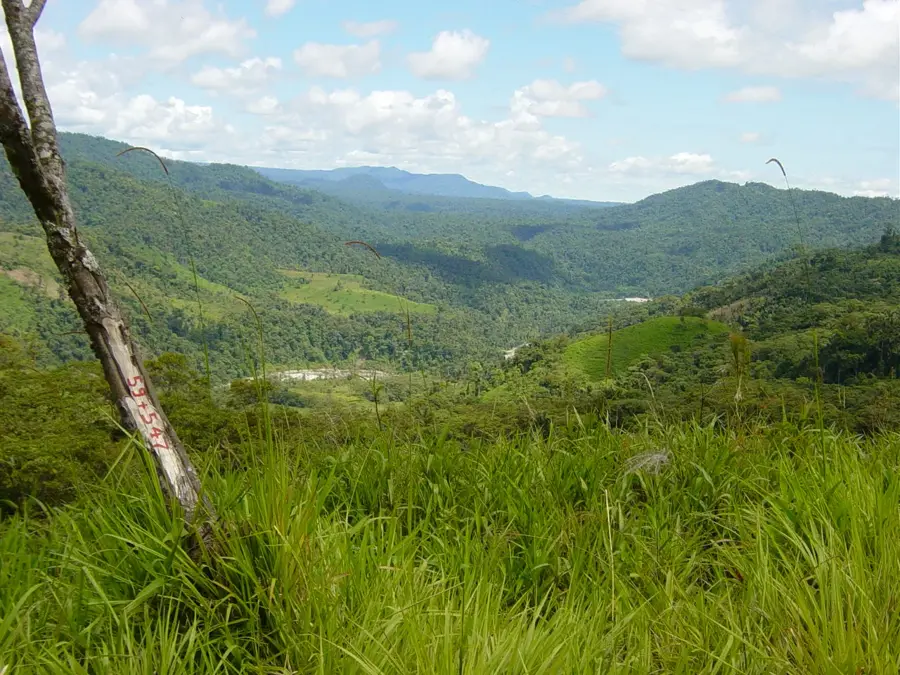
The surrounding landscape is characterized by uneven, rocky paths that navigate through deep ravines and dense tropical vegetation. Visitors should expect steep ascents and descents when hiking down to the various waterfalls and river viewing points.
🎒
What to bring
Sturdy waterproof hiking boots are essential due to the muddy terrain and frequent mist from the rushing water. Bringing a lightweight rain jacket, insect repellent, and plenty of drinking water is highly recommended for exploring this transitional climatic zone.
🅿️
Parking
Parking is typically available in the nearby town centers, from where most popular trails and excursions originate. Some of the major designated viewpoints or tourist facilities along the main road may also offer limited parking spaces for visitors.
⚠️
Safety
Exercise extreme caution near the cliff edges and rushing river currents, as the wet rocks can be incredibly slippery. Always stay on marked trails and avoid crossing the river or swimming in unauthorized areas due to sudden changes in water levels and strong undertows.
⏱️
Time needed
A typical visit ranges from a few hours for a short walk to a viewpoint, up to a full day for extensive hiking along the gorges. Exploring the various cascading falls and enjoying the transition into the Amazon basin naturally requires setting aside ample time.

Geography

Coordinates
-1.60000, -78.00000

Facts

  • The Pastaza River is formed by the union of the Patate and Chambo rivers.
  • The river flows for a total length of approximately 710 kilometers.
  • It features the Pailón del Diablo, one of Ecuador's most iconic waterfalls.
  • The Pastaza basin is a designated Ramsar wetland of international importance.
  • The Agoyán hydroelectric plant is built on a narrow section of the river.
  • It flows across the border into Peru to join the Marañón River.

Explore nearby

Notable places around

Route planner — Car & Motorhome

Where do you start? We build the route here, with stops and country notes along the way.

Vehicle
Only stops with (optional):

© OpenStreetMap contributors · OpenRouteService

Sights in the town Pastaza River (5)

Comunidad Turística AyamtaJea📍 landmark

This indigenous eco-tourism community near the Pastaza River provides visitors profound insights into ancestral Amazonian customs and jungle survival skills.

Comunidad Sacha Wasi📍 landmark

Sacha Wasi, meaning "Jungle Home", is an indigenous cultural village where guests can experience authentic shamanic traditions and native crafts.

Piraña Wasi📍 landmark

Piraña Wasi is a specialized Amazonian attraction focused on river ecology, offering thrilling close encounters with local aquatic species like piranhas.

Parque de Madre Tierra🌿 nature

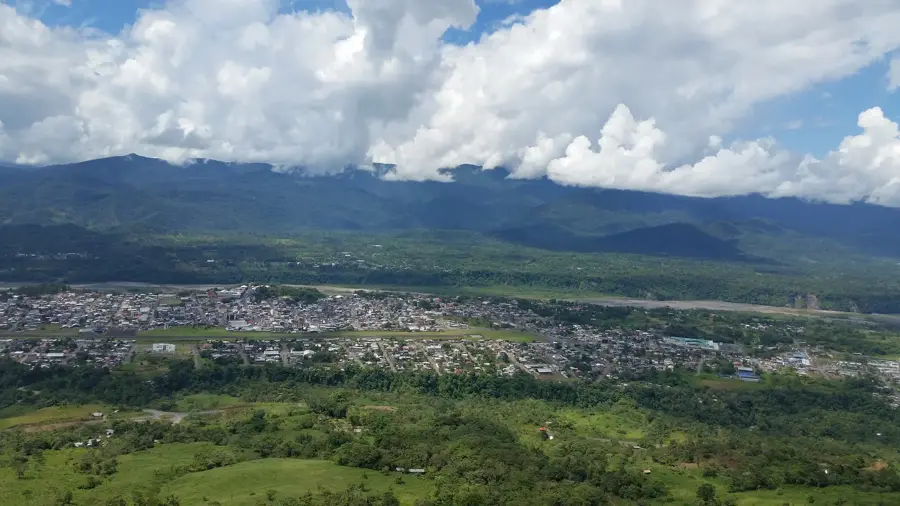
Situated in the town of Madre Tierra, this landscaped panoramic terrace provides sweeping, uninterrupted views over the winding Pastaza River valley.

Iglesia Pentecostal 'Coge el Fuego del Espíritu Santo'⛪ religious

A Pentecostal church near the Pastaza River where local worshippers gather.

🕒 Mo 16:00-18:00

Sights nearby

Frequently asked questions

Is the river suitable for rafting?
Yes, it is considered one of the best rivers for rafting in Ecuador.
Which city is located along the Pastaza?
Baños de Agua Santa is the best-known town near the upper Pastaza.
Are there waterfalls?
Yes, the famous Pailón del Diablo is located on a tributary of the Pastaza.
Can you cross the river by cable car?
Yes, near Baños there are many 'tarabitas' (cable cars) across the gorge.
How is the current?
In the upper reaches it is very strong and wild, becoming calmer downstream.
Pastaza River: where is it located?
Pastaza River is located in Ecuador.
Pastaza River: what is there to see?
Highlights include Comunidad Turística AyamtaJea, Comunidad Sacha Wasi, Piraña Wasi.
Pastaza River: when is the best time to visit?
The most pleasant time to visit is Jan, Aug, Sep.
Pastaza River: why is it worth visiting?

The Pastaza River is a major waterway in Ecuador and a significant tributary of the Marañón River, which contributes to the Amazon system.
View on map → The Top 50 Attractions → OpenStreetMap →
South America
Explore with Plizio Discover more places in South America
More places in Ecuador →

Nearby cities

History & landmarks
Nature
More places