Plizio Visual Lab
Otavalo
ℹ️Practical info — Otavalo
▾
🌤 Weather — 5 days
📍 Nearby
Sights nearby
💡 Tips
- The artisan market at Plaza de los Ponchos is open every day, but Saturday is the main market day when the streets fill completely.
- Arrive early on Saturday mornings (around 7 AM) to see the animal market on the outskirts before hitting the crafts.
- Polite haggling is expected and part of the culture at the market; start by asking for the 'precio para mí' (price for me).
- Otavalo sits at a high altitude; dress in layers, as the mornings are crisp but the midday sun is incredibly strong.
- Watch your belongings in crowded market areas, as pickpockets can occasionally operate during peak tourist days.
🍽 Food
Delicious chunks of braised pork, often served with mote (hominy) and potatoes. Try it at the small traditional eateries around the market.
Savory, crumbly biscuits best enjoyed with local string cheese (queso de hoja) and a cup of warm coffee or hot chocolate.
Sweet tamales made from corn flour and steamed in achira leaves, found in local bakeries.
🛍 Shopping · 🧘 Quiet spots
The epicenter of indigenous crafts. Look for high-quality alpaca wool sweaters, blankets, and colorful woven tapestries.
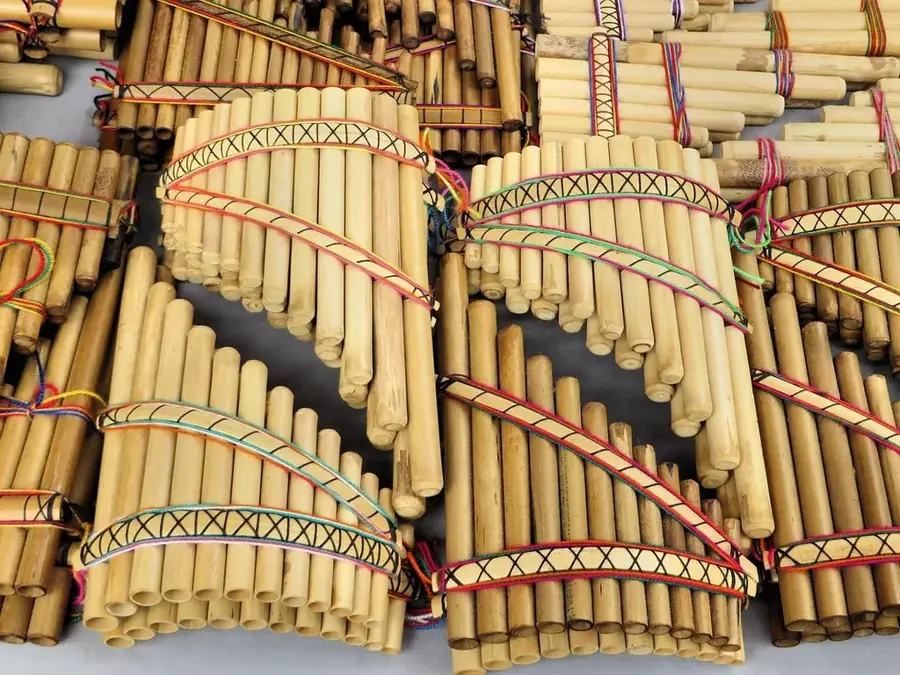
Several workshops in town sell beautifully crafted Andean instruments like pan flutes (zampoñas) and charangos.
A short taxi ride from town brings you to this sacred indigenous waterfall, surrounded by peaceful eucalyptus forests.
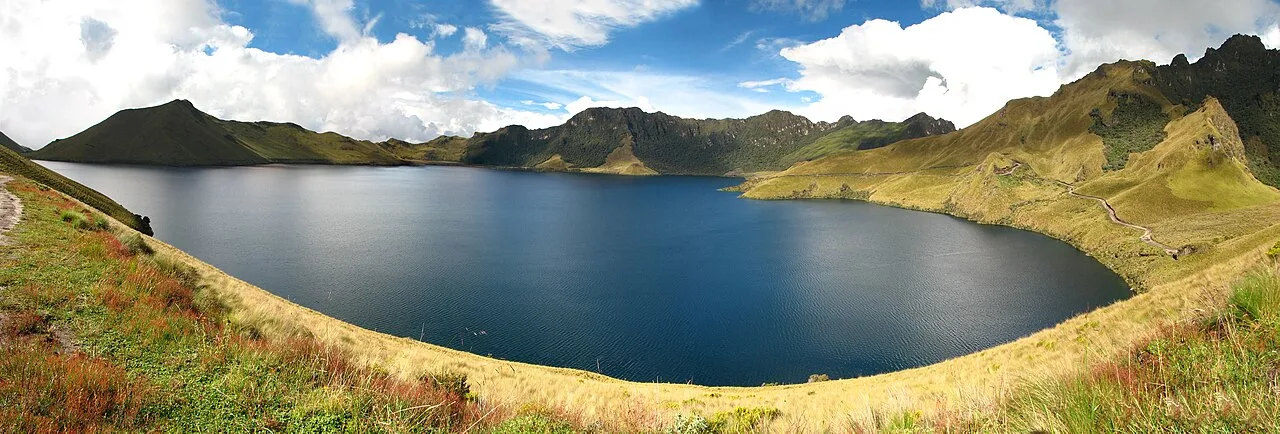
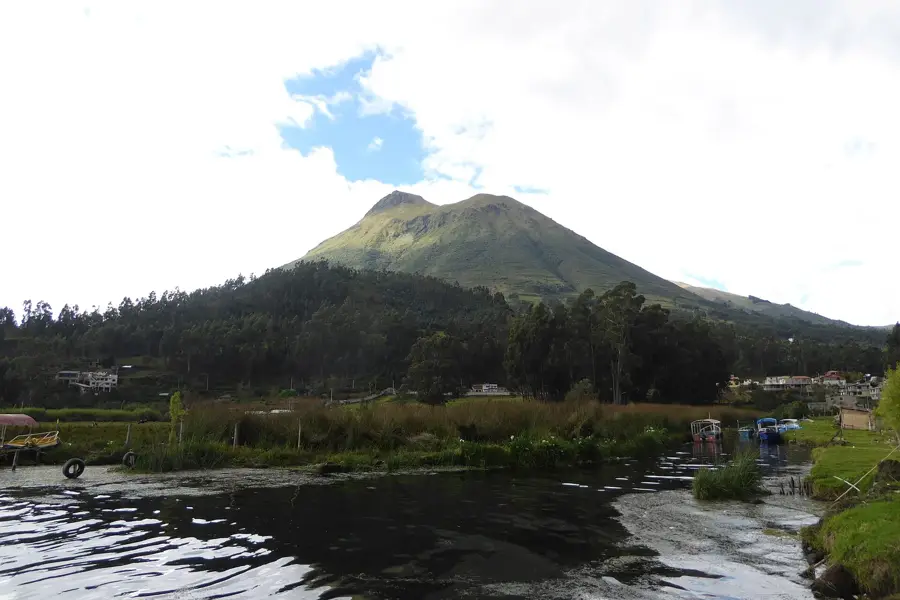
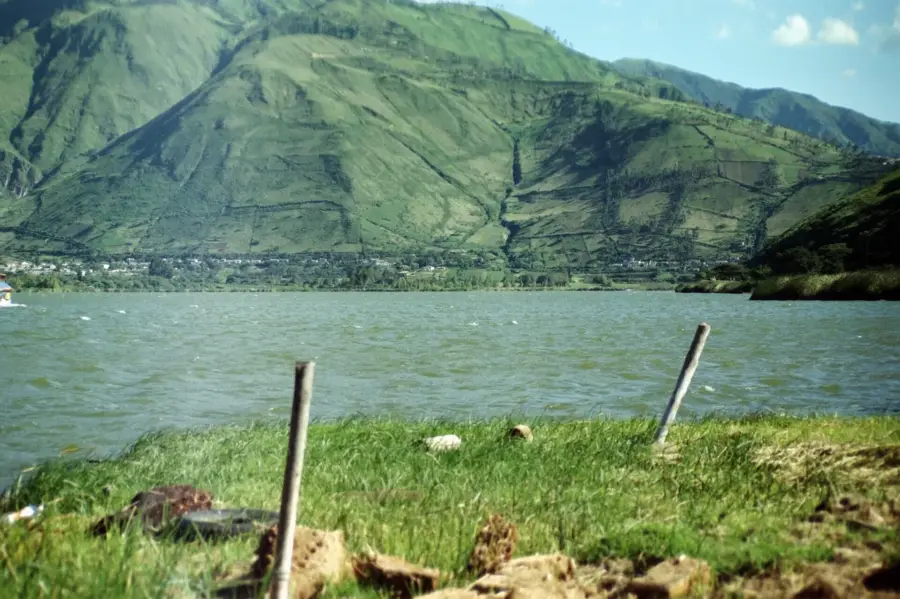
Just outside Otavalo, this large lake at the foot of Imbabura volcano gives calm boat rides and memorable reflections.
Water temperature…
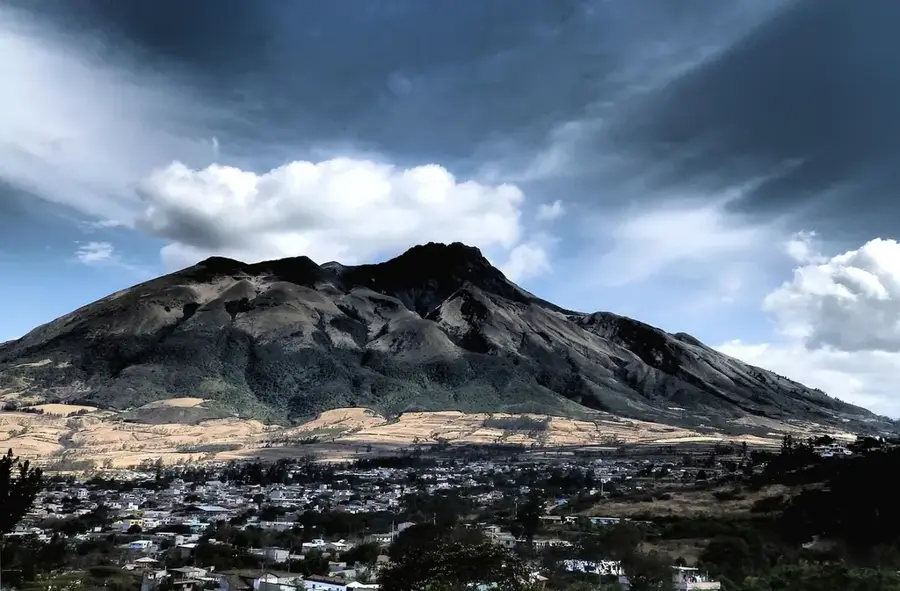
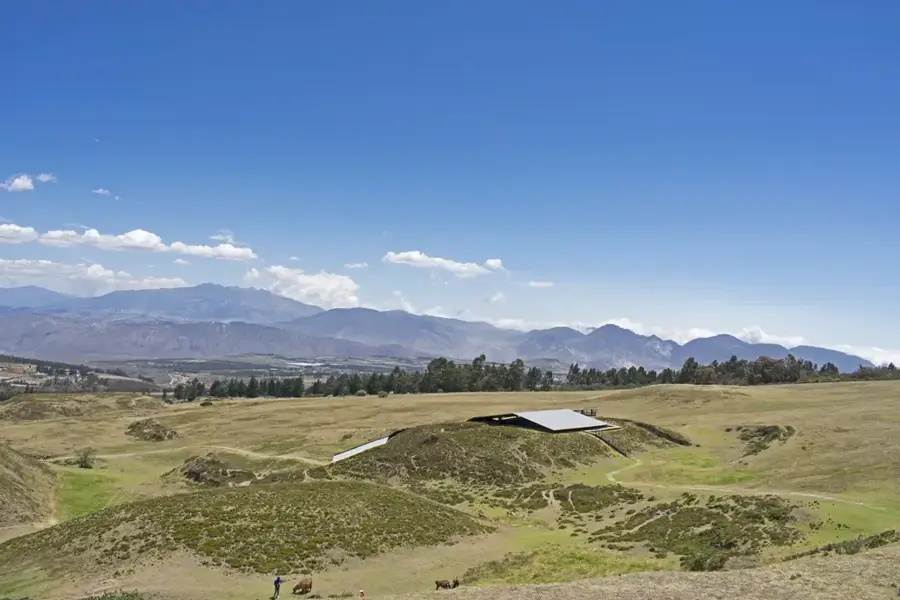
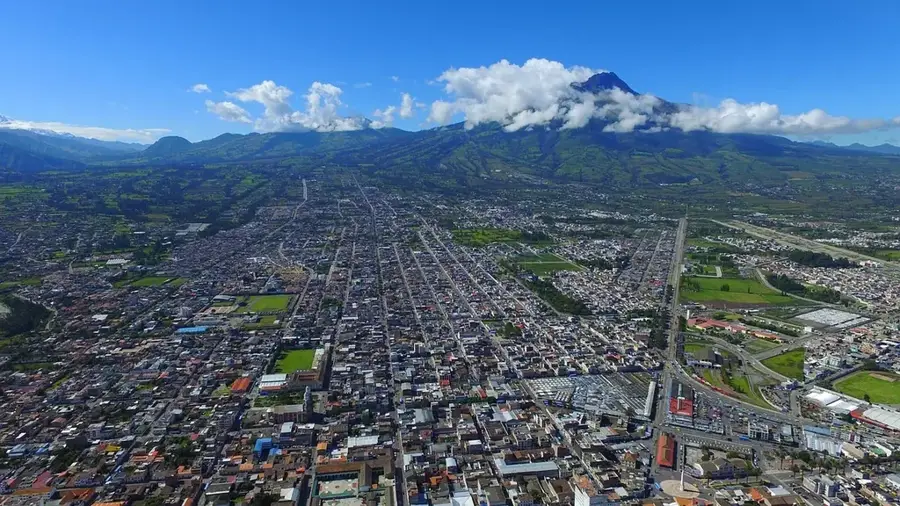
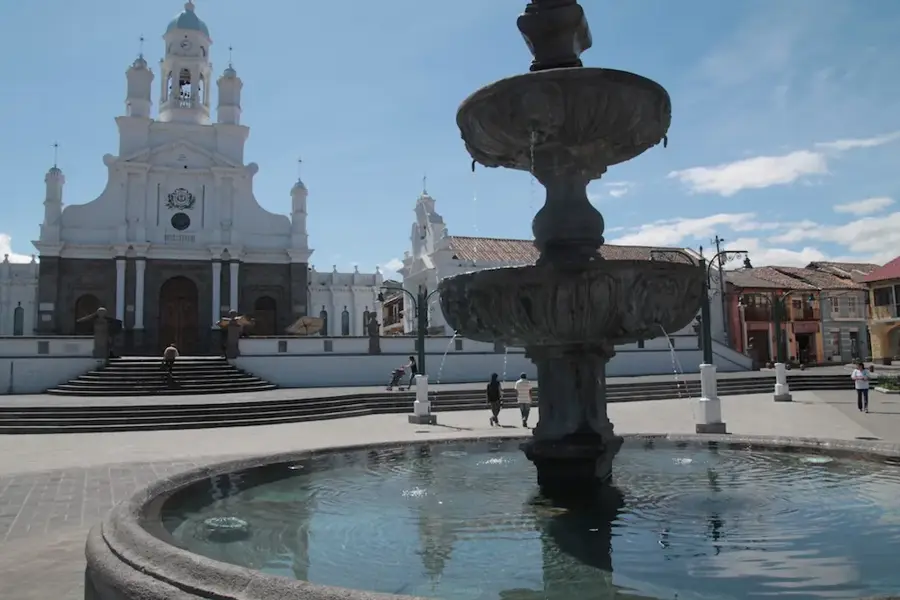
Otavalo, located in the highlands of the Imbabura Province in Ecuador, is world-renowned for its lively indigenous market and rich textile traditions. The city sits at an elevation of approximately 2,530 meters at the foot of the Imbabura Volcano and serves as the cultural heart of the Kichwa Otavalo people. Even in pre-Columbian times, Otavalo was a major trading hub, a role it maintained through the Inca period and Spanish colonization to the present day. The famous 'Plaza de Ponchos' attracts thousands of visitors every Saturday who come to purchase hand-woven textiles, jewelry, and unique handicrafts. The Otavaleños are noted for their entrepreneurial spirit, exporting their high-quality textiles to global markets. The surrounding area features striking natural attractions like Lake San Pablo and the Peguche Waterfall, both of which hold significant spiritual value in local mythology. Otavalo has successfully preserved its indigenous identity, traditional dress, and Kichwa language while adapting to modern economic growth.
- Location: Ecuador
- Top sights: Parque Cóndor · Bolivar · Museo del Pueblo Kichwa Otavalo
- Nearby: Atuntaqui (6 km)
- Population: ~32.330 (2017)
Best time to visit & climate
The most pleasant time to visit is Jul–Sep.
| Jan | Feb | Mar | Apr | May | Jun | Jul | Aug | Sep | Oct | Nov | Dec | |
|---|---|---|---|---|---|---|---|---|---|---|---|---|
| Avg °C | 17 | 17 | 18 | 18 | 18 | 18 | 17 | 18 | 18 | 17 | 17 | 17 |
| Rain mm | 139 | 143 | 176 | 177 | 123 | 58 | 34 | 25 | 38 | 76 | 90 | 100 |
Geography
Facts
- Located at an altitude of 2,530 meters above sea level in the Andes.
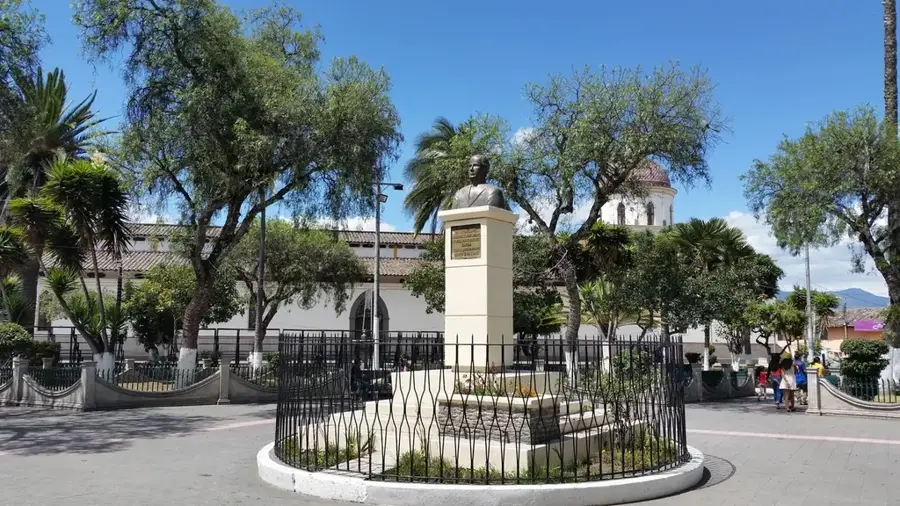
- The current Plaza de Ponchos was designed in 1970 by architect Tony Zwollo.
- Home to the Kichwa Otavalo people, famous for their long braided hair.
- Simón Bolívar granted it the status of a city on October 31, 1829.
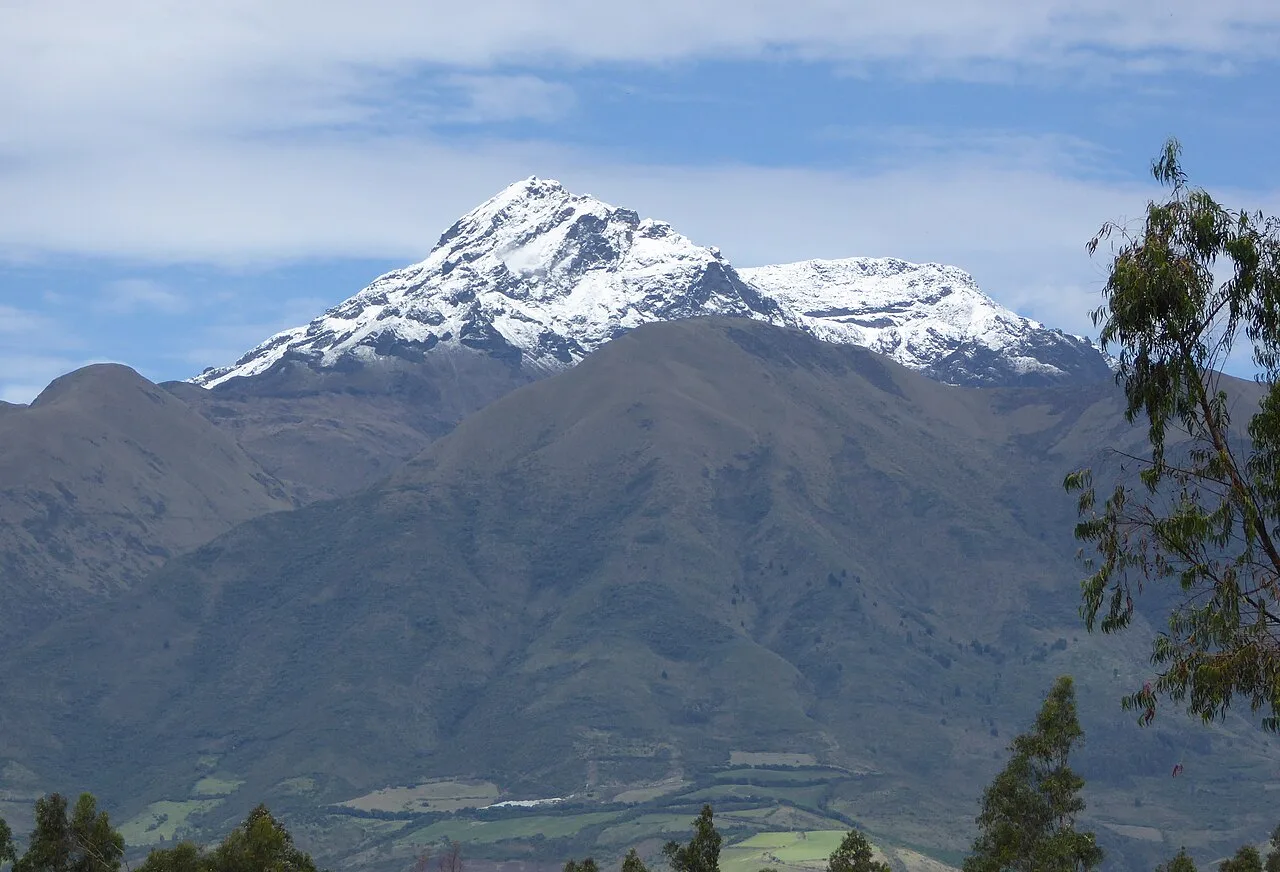
- The neighboring Imbabura Volcano reaches a peak of 4,630 meters.
- The city is a prominent center for traditional Andean folk music.
Explore nearby
Notable places around

Route planner — Car & Motorhome
Where do you start? We build the route here, with stops and country notes along the way.
© OpenStreetMap contributors · OpenRouteService
Sights in the town Otavalo (12)
Frequently asked questions
What is the main attraction in Otavalo?
When is the best day for the market?
What can you do in nature?
How is the weather?
How far is Otavalo from Quito?
Otavalo: where is it located?
Otavalo: what is there to see?
Otavalo: when is the best time to visit?
Otavalo: why is it worth visiting?
Nearby cities
History & landmarks

Nature
More places