Plizio Visual Lab
Ibarra
ℹ️Practical info — Ibarra
▾
🌤 Weather — 5 days
📍 Nearby
Sights nearby
💡 Tips
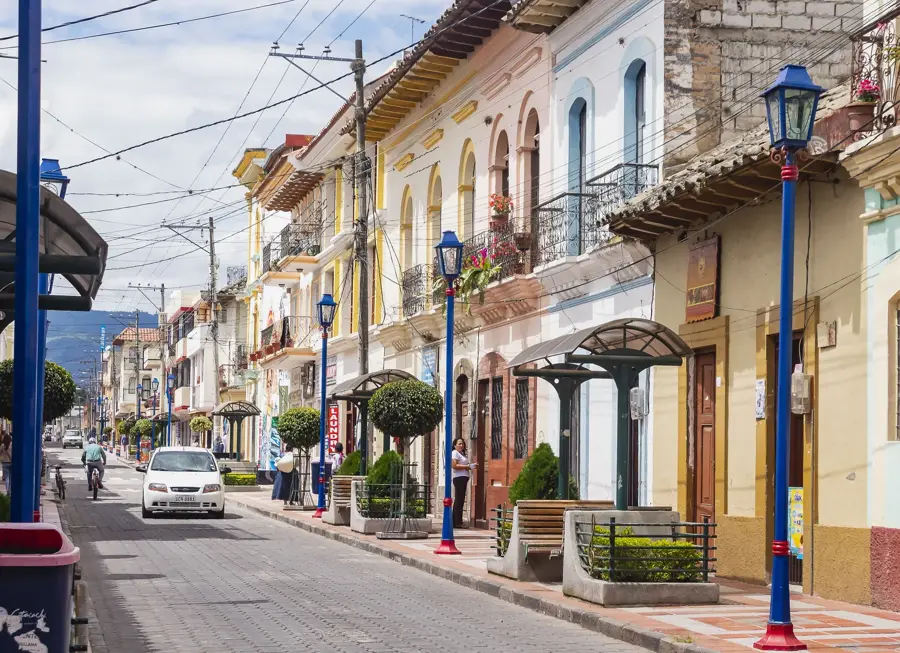
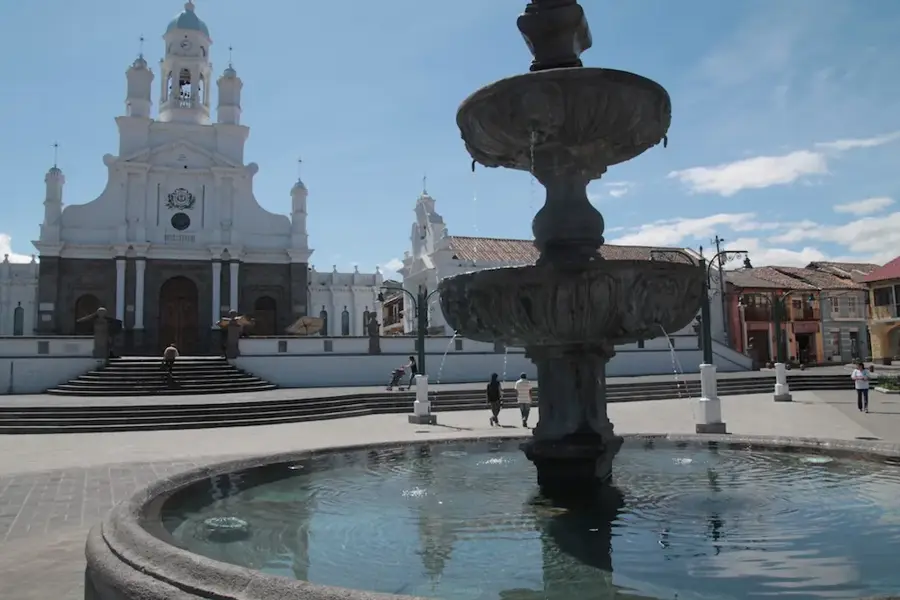
- The historic center is best explored on foot to leisurely admire the white colonial facades.
- Make sure to try the traditional 'helados de paila', prepared right in front of you in copper pans.
- Visit Laguna Yahuarcocha in the morning for the best lighting and to avoid the afternoon winds.
- Taxis are inexpensive, but always negotiate the fare upfront or ensure the meter is used.
🍽 Food
Traditional fruit ice cream; especially popular in the ice cream parlors around Parque Pedro Moncayo.
Crispy corn empanadas often sold by street vendors in the center as an afternoon snack.
Fried pork served with side dishes; many specialized eateries can be found near Laguna Yahuarcocha.
🛍 Shopping · 🧘 Quiet spots
A bustling local market well-suited for fresh fruits, juices, and daily goods.
A neighboring town famous for its outstanding wood carvings and artisan shops.
A spacious, modern park that is excellent for a relaxing afternoon walk.
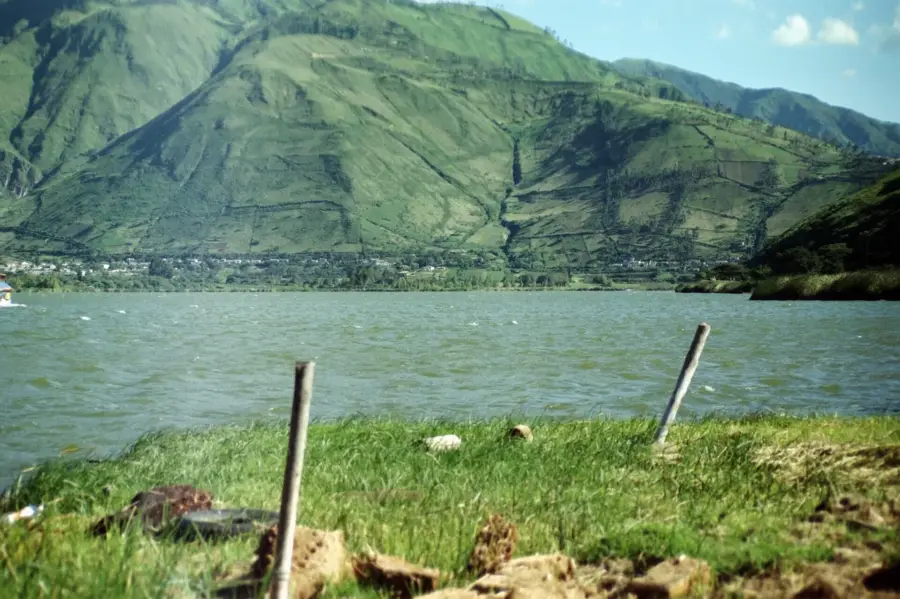
Peaceful lakeside walks with a scenic backdrop, especially quiet on weekdays.
Provides a fantastic panoramic view over the city; particularly beautiful at sunset.
Water temperature…
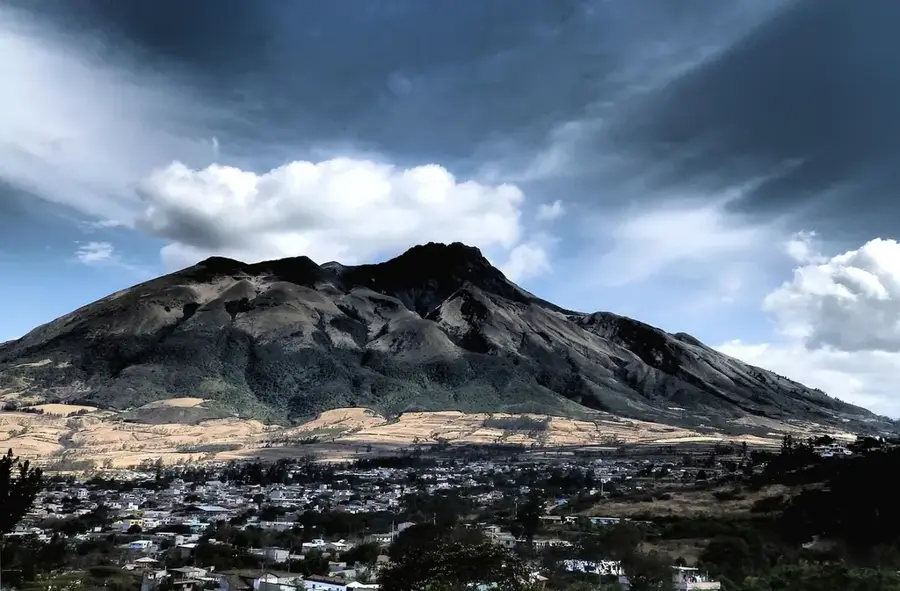
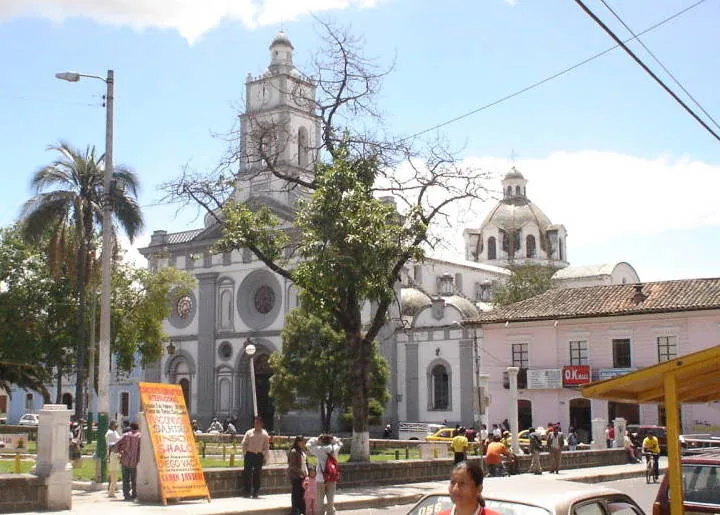
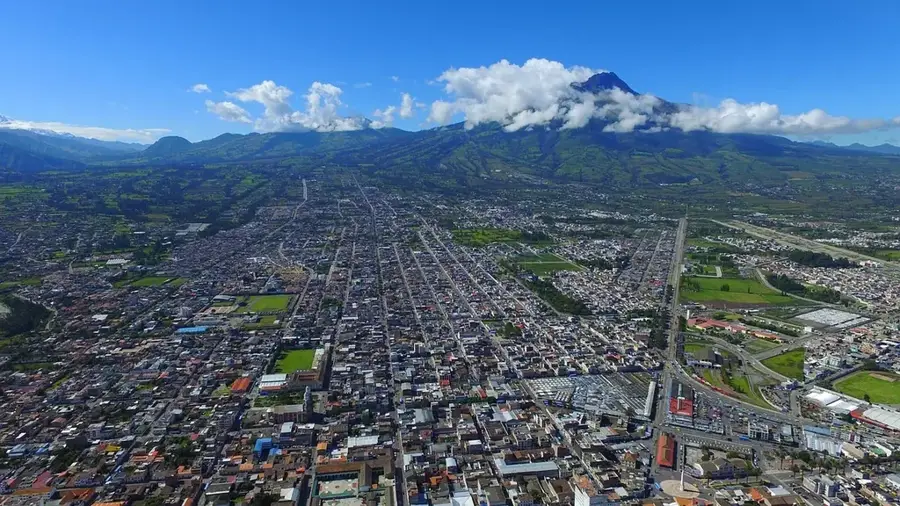
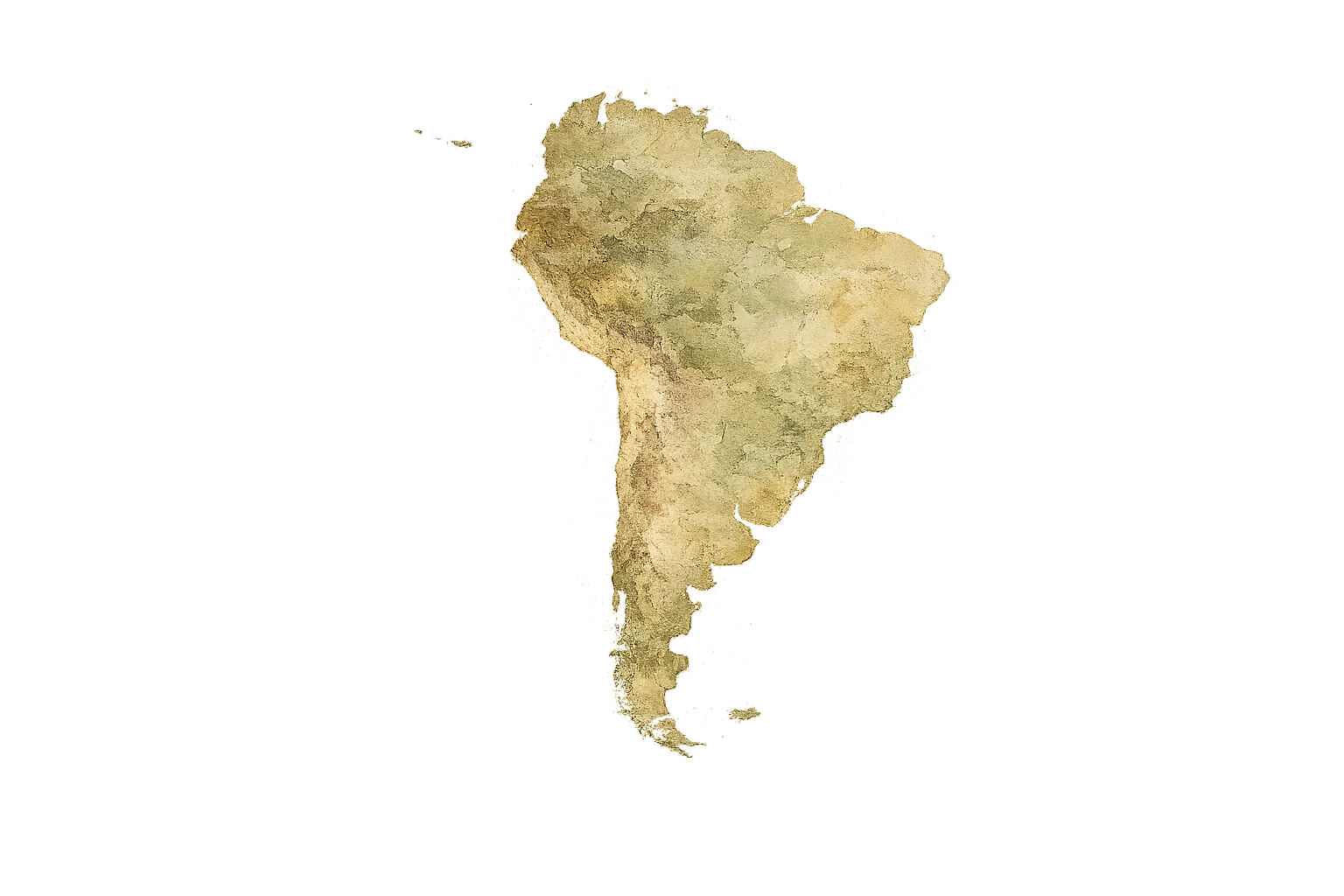
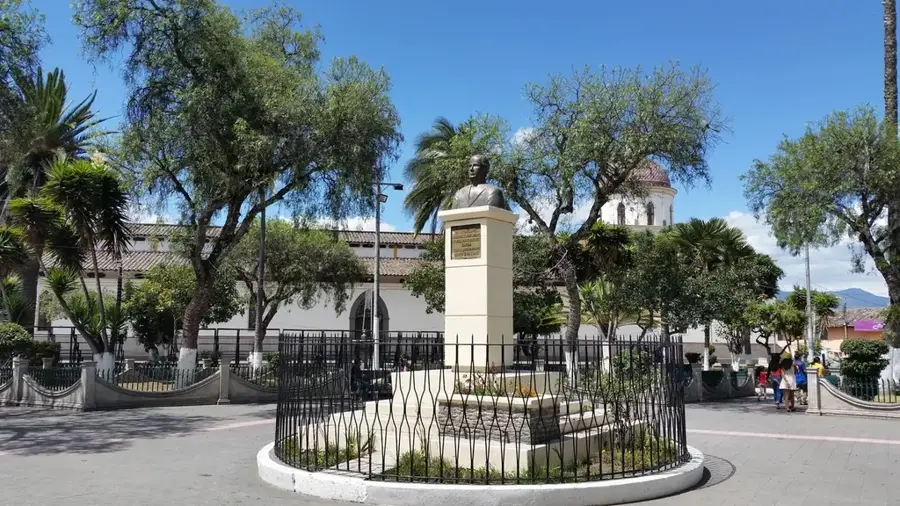
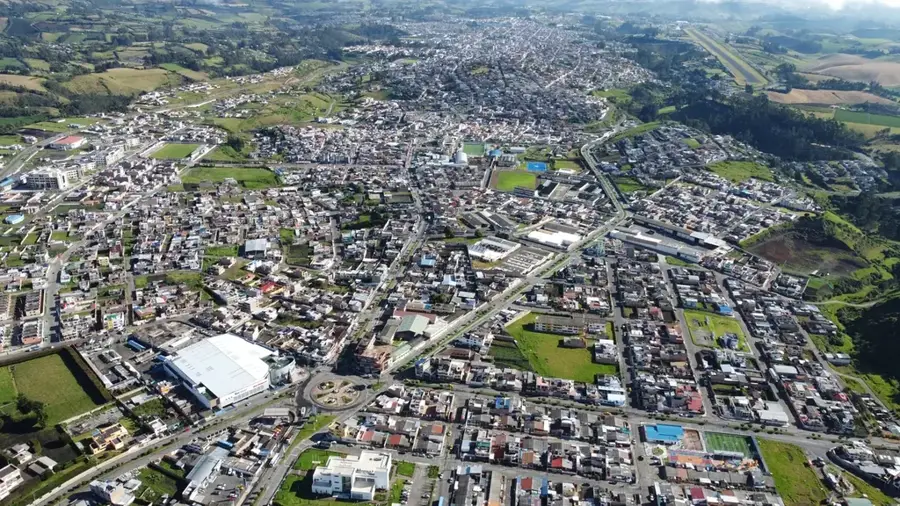
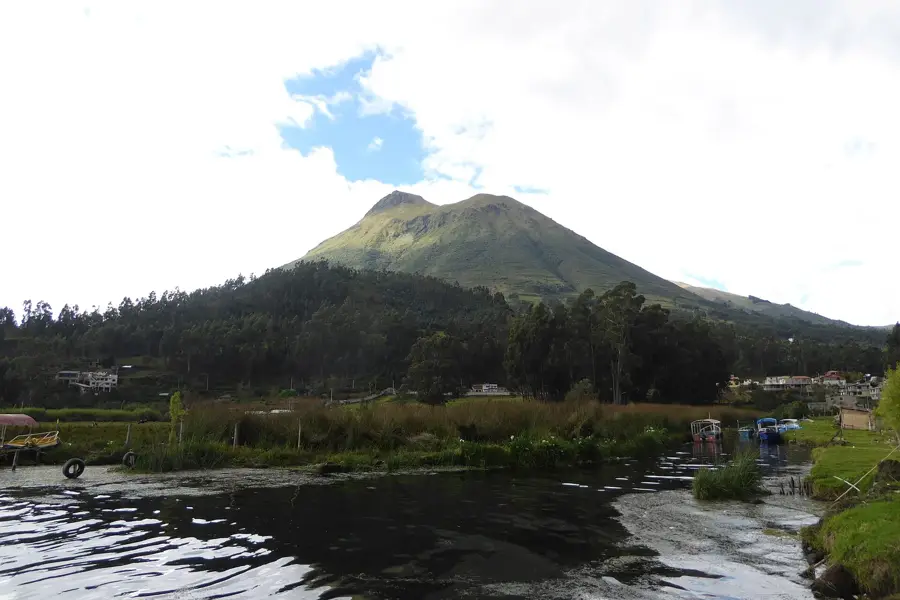
Ibarra, the provincial capital of Imbabura in northern Ecuador, is widely celebrated as 'The White City' (La Ciudad Blanca) due to the pristine white facades of its colonial buildings. Tucked away at an elevation of 2,225 meters at the foot of the towering Imbabura Volcano, the city enjoys a mild, spring-like climate year-round. Founded in 1606 by Spanish decree, the city’s history was tragically interrupted by a cataclysmic earthquake in 1868, which leveled nearly every structure. The subsequent rebuilding, inaugurated in 1872, gave the city its distinctive grid layout, characterized by spacious plazas and wide avenues. Economically, Ibarra is a thriving commercial center for northern Ecuador, serving as a hub for agriculture, light industry, and artisanal crafts. It is located near the Yahuarcocha Lake, a site of great historical significance and home to an international racing circuit. The local culinary scene is famous for 'Helado de Paila,' a traditional fruit sorbet hand-churned in copper basins, a technique dating back centuries. Culturally, the city is anchored by its historic cathedrals and the central Pedro Moncayo Park, reflecting a blend of Spanish colonial influence and indigenous Kichwa traditions. The demographic diversity is a point of pride, with nearby communities contributing to the city's spirited markets. Ibarra is also a key educational center, hosting the Technical University of the North (UTN). Its strategic location on the Pan-American Highway makes it an essential link between Quito and the Colombian border. For outdoor enthusiasts, the surrounding geography provides ample opportunities for hiking, mountain biking, and exploring the unique volcanic terrain of the Andean highlands.
- Location: Ecuador
- Top sights: Museo del Banco Central del Ecuador · Sitio Arquológico de Caranqui · Museo del Antiguo Cuartel
- Nearby: Cayambe (8 km)
- Population: ~221.149 (2026)
Best time to visit & climate
The most pleasant time to visit is Jul–Sep.
| Jan | Feb | Mar | Apr | May | Jun | Jul | Aug | Sep | Oct | Nov | Dec | |
|---|---|---|---|---|---|---|---|---|---|---|---|---|
| Avg °C | 13 | 13 | 13 | 13 | 13 | 12 | 12 | 13 | 13 | 13 | 13 | 13 |
| Rain mm | 104 | 105 | 132 | 148 | 108 | 59 | 40 | 26 | 40 | 81 | 103 | 98 |
Geography
Facts
- Ibarra was founded on September 28, 1606, by Cristóbal de Troya.
- The city suffered a devastating earthquake on August 16, 1868, which required a full rebuild.
- It sits at an elevation of 2,225 meters (7,300 feet) at the base of the Imbabura volcano.
- The nickname 'The White City' comes from the traditional lime-washing of its buildings.
- Yahuarcocha Lake, located on the city outskirts, is roughly 12,000 years old.
- Ibarra’s 'Helado de Paila' tradition uses straw and ice from the volcanoes for cooling.
- The city is home to the Universidad Técnica del Norte, founded in 1986.
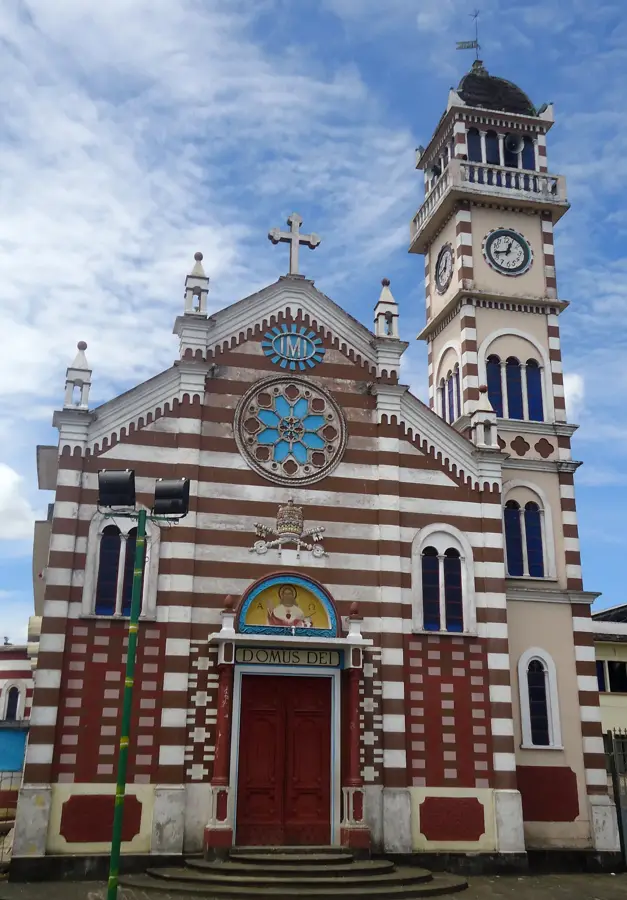
- The historic center features the San Agustín church, which survived parts of the 1868 quake.
Explore nearby
Notable places around

Route planner — Car & Motorhome
Where do you start? We build the route here, with stops and country notes along the way.
© OpenStreetMap contributors · OpenRouteService
Sights in the town Ibarra (12)
Frequently asked questions
Why is Ibarra called 'the White City'?
What is the Laguna de Yahuarcocha?
What is 'Helado de Paila'?
How is the climate in Ibarra?
What is the 'El Retorno' festival?
Ibarra: where is it located?
Ibarra: what is there to see?
Ibarra: when is the best time to visit?
Ibarra: why is it worth visiting?
Nearby cities
History & landmarks
Nature
More places