Plizio Visual Lab
Atuntaqui
ℹ️Practical info — Atuntaqui
▾
🌤 Weather — 5 days
📍 Nearby
Sights nearby
💡 Tips
- The town is relatively small and best explored on foot.
- If visiting during the Carnaval (Expo Atuntaqui), book accommodation months in advance.
- Try to bargain politely when buying textiles in local workshops.
- Taxis are very cheap for getting to nearby villages like Chaltura.
🍽 Food
Traditional fried pork, available at local 'picanterias' off the main square.
Hand-spun fruit ice cream, look for traditional parlors around town.
Fluffy fried cheese empanadas usually served with coffee.
🛍 Shopping · 🧘 Quiet spots
Famous for high-quality sweaters, pajamas, and blankets at factory prices.
Great places to find colorful woven bags and handmade belts.
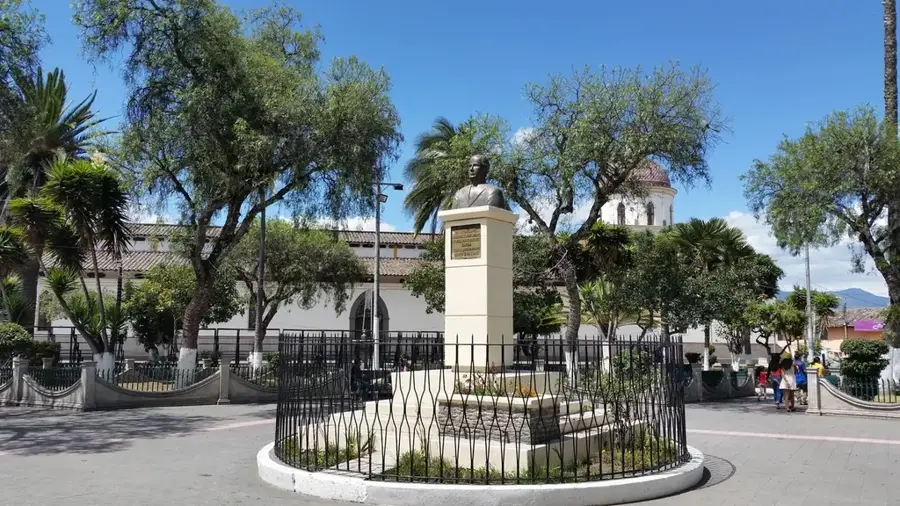
A nice shaded spot to rest on a bench and people-watch.
Explore the grounds of this historic factory for a quiet cultural afternoon.
Water temperature…
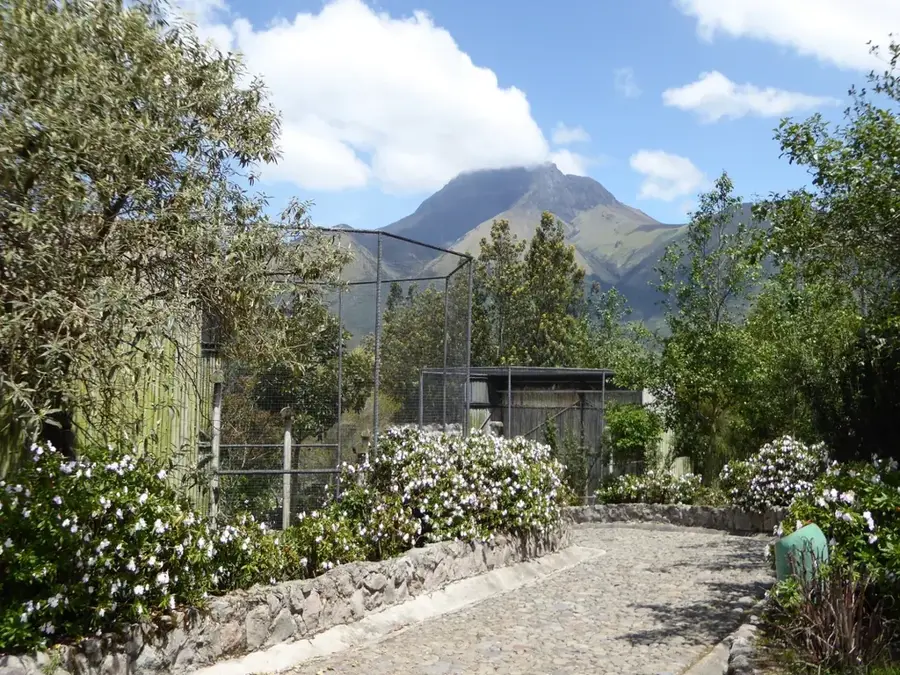
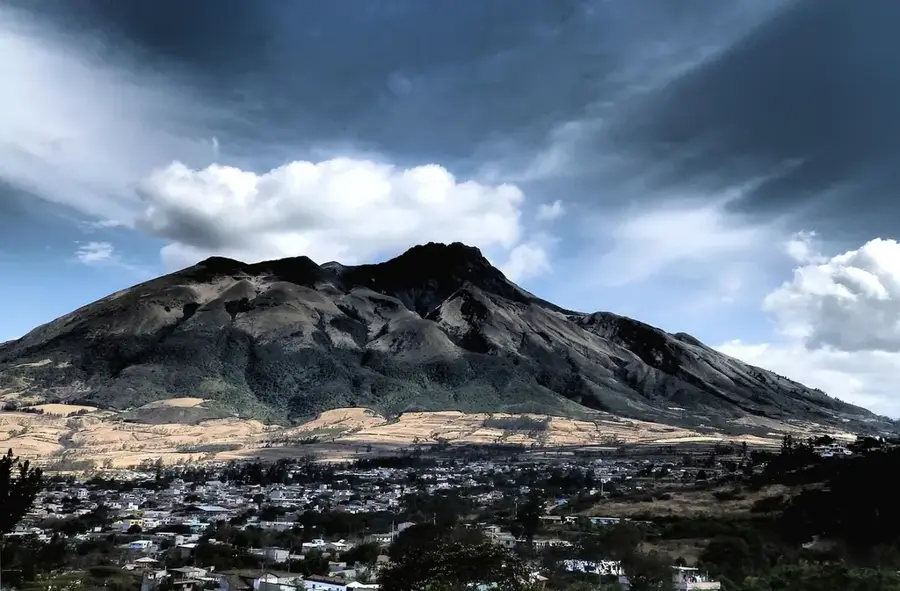
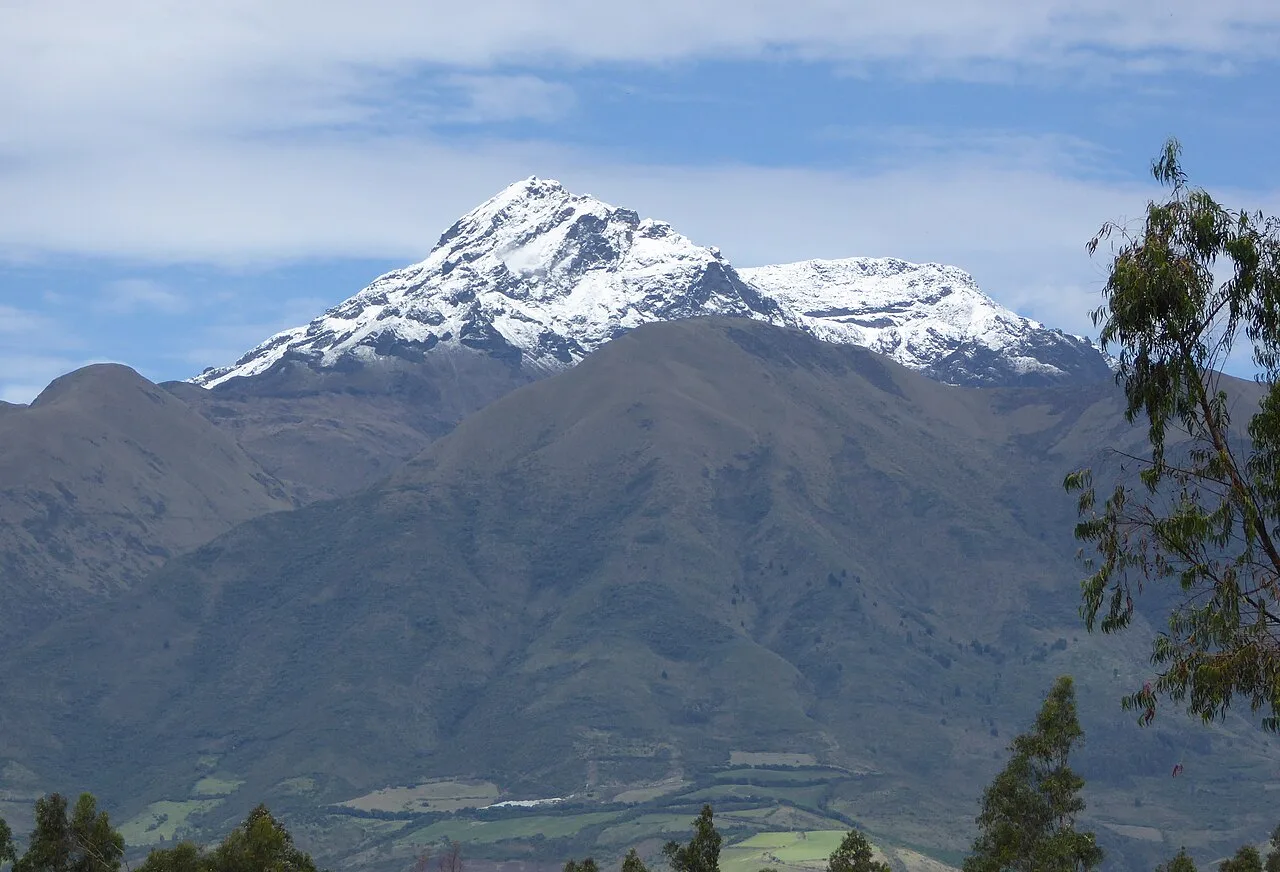
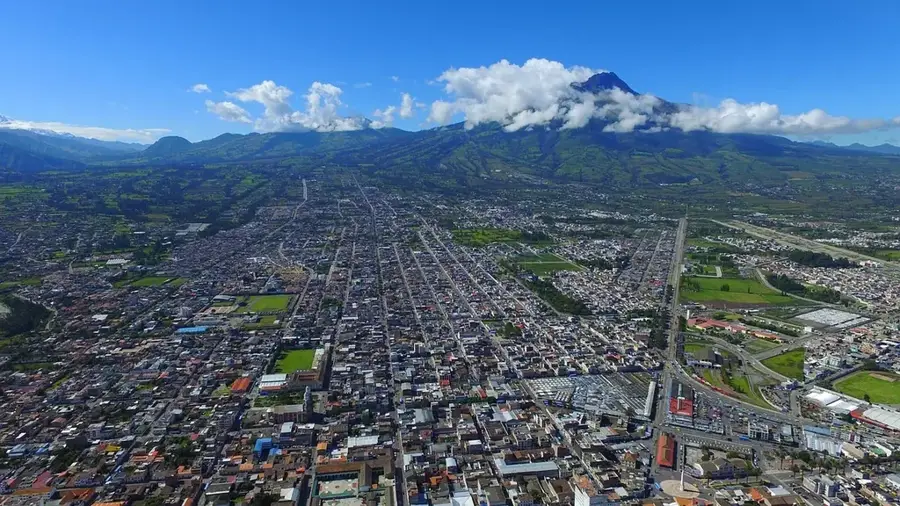
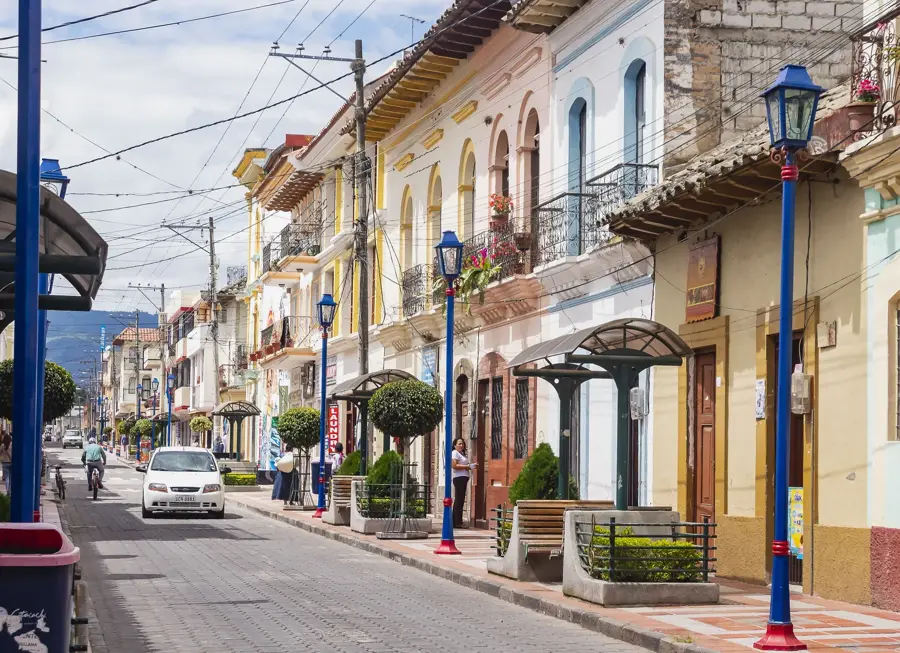
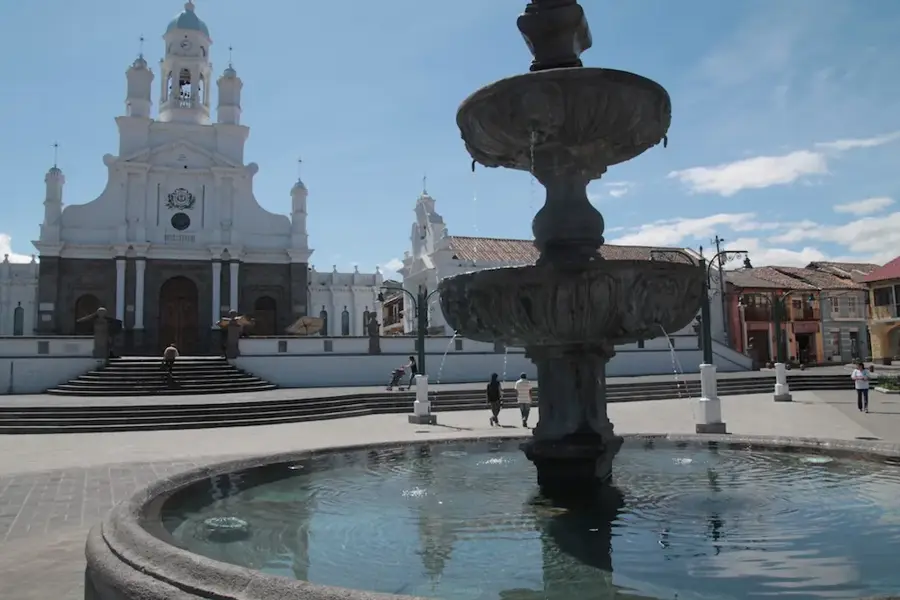
Atuntaqui is located in the Imbabura Province and is nationwide recognized as the textile capital of Ecuador. The city has a deep-rooted industrial tradition that began in the early 20th century with the establishment of the Fábrica Imbabura, which now serves as a significant museum and cultural center. Geographically, Atuntaqui lies in an inter-Andean valley at an altitude of approximately 2,400 meters, surrounded by the Imbabura and Cotacachi volcanoes. Each year, the Expo Atuntaqui attracts thousands of visitors who come to purchase high-quality clothing and textile products directly from local manufacturers. In addition to its textile industry, the local economy relies on agriculture and gastronomy, with "Cuy con papas" (guinea pig with potatoes) being a renowned regional specialty. Historically, the area was a major center for the Caranqui culture, as evidenced by the numerous archaeological mounds (tolas) found in the vicinity. The city is characterized by a strong entrepreneurial spirit, making it a model for economic development within the Andean region. The architecture of the city center blends colonial elements with modern industrial structures. Atuntaqui also functions as a strategic connection point between the cities of Ibarra and Otavalo.
- Location: Ecuador
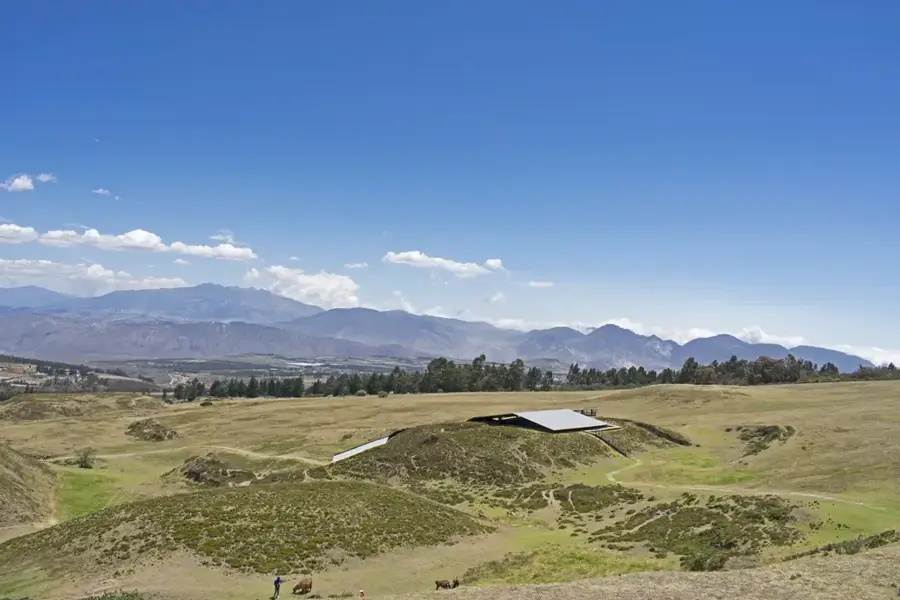
- Top sights: Pupotola · Antigua Fábrica Textil Imbabura
- Nearby: Otavalo (6 km)
- Population: ~17.456 (2024)
Best time to visit & climate
The most pleasant time to visit is Jul–Sep.
| Jan | Feb | Mar | Apr | May | Jun | Jul | Aug | Sep | Oct | Nov | Dec | |
|---|---|---|---|---|---|---|---|---|---|---|---|---|
| Avg °C | 13 | 13 | 13 | 13 | 13 | 12 | 12 | 13 | 13 | 13 | 13 | 13 |
| Rain mm | 104 | 105 | 132 | 148 | 108 | 59 | 40 | 26 | 40 | 81 | 103 | 98 |
Geography
Facts
- Atuntaqui is known as the textile capital of Ecuador.
- The historic Fábrica Imbabura was established in 1924.
- The city is located at an elevation of 2,400 meters above sea level.
- It hosts the annual Expo Atuntaqui textile fair.
- Numerous pre-Columbian burial mounds (tolas) are found nearby.
- The official name of the canton is Antonio Ante.
Explore nearby
Notable places around

Route planner — Car & Motorhome
Where do you start? We build the route here, with stops and country notes along the way.
© OpenStreetMap contributors · OpenRouteService
Sights in the town Atuntaqui (2)
Frequently asked questions
Why is Atuntaqui known as the 'Textile Capital'?
When is the Atuntaqui Textile Fair held?
What is 'Cuy de Atuntaqui'?
Are there historical buildings in Atuntaqui?
How far is Otavalo from Atuntaqui?
Atuntaqui: where is it located?
Atuntaqui: what is there to see?
Atuntaqui: when is the best time to visit?
Atuntaqui: why is it worth visiting?
Nearby cities
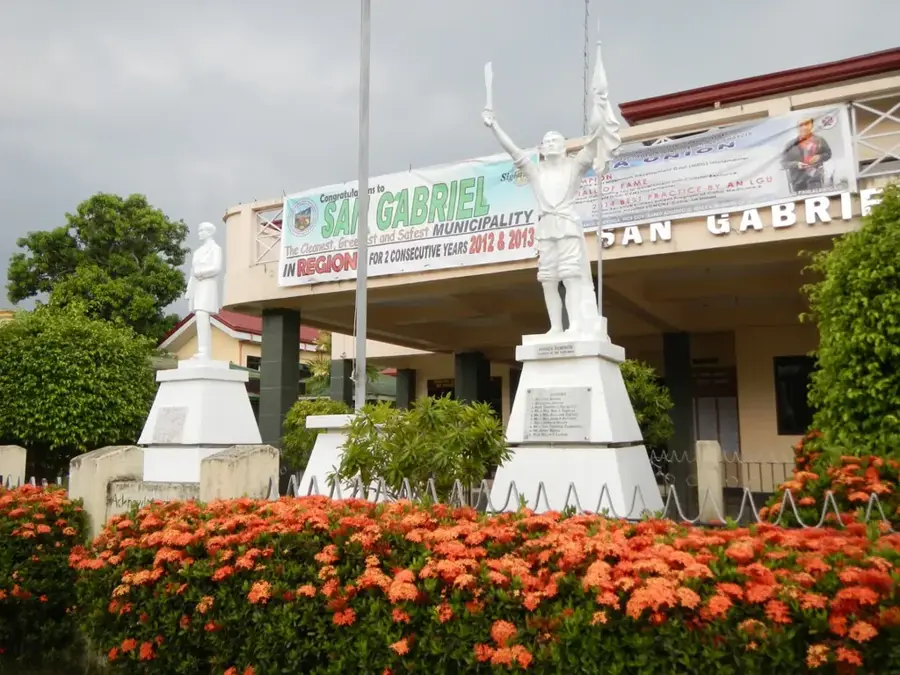
History & landmarks


Nature
More places