Plizio Visual Lab

Puyo Monkey Park
Plizio editorial teamData Sources
kid-landmark
—°10
Puyo Monkey Park (Ecuador)

Weather…

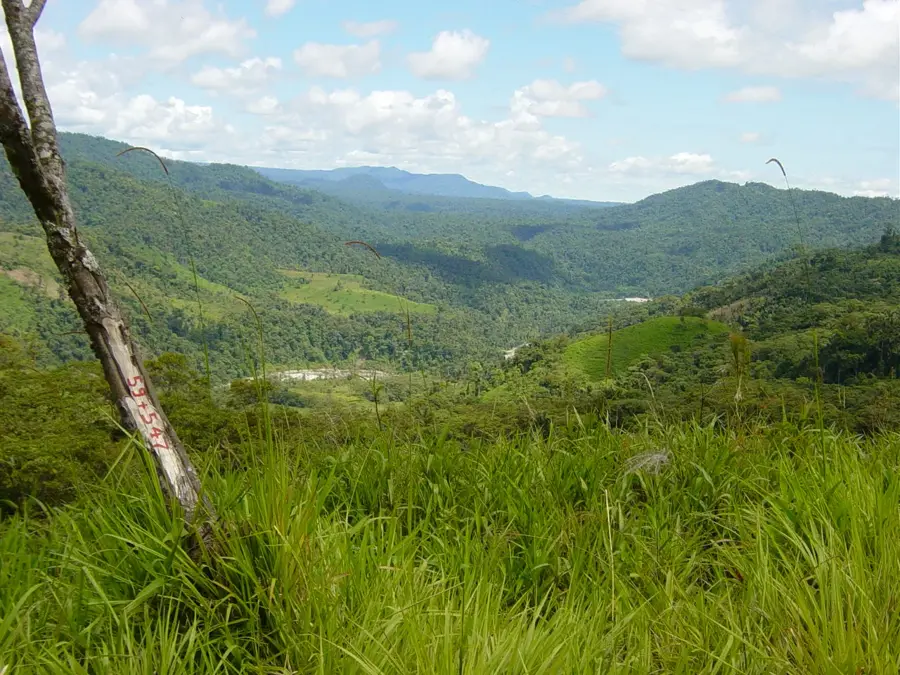
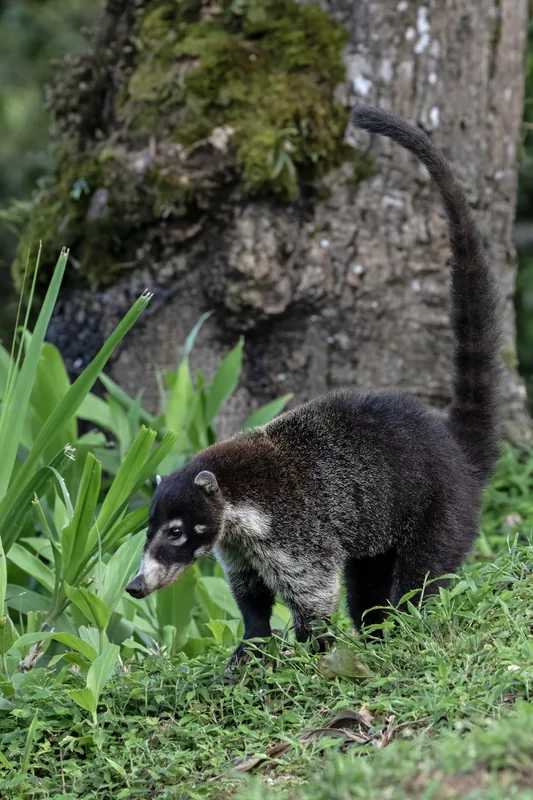
The Puyo Monkey Park, widely known as 'Paseo de los Monos,' is a dedicated primate rescue and rehabilitation center located in the Ecuadorian Amazon. Founded by Yvan Bouvier and his family, the center focuses on providing sanctuary for animals rescued from illegal wildlife trafficking, domestic abuse, or laboratories. Across its seven-hectare grounds, various species including woolly monkeys, capuchins, howler monkeys, and squirrel monkeys live in semi-natural enclosures designed to prepare them for potential reintroduction into the wild. The project relies heavily on donations and international volunteers who assist with daily feeding and specialized animal care. Visitors have the opportunity to observe these primates in an environment closely resembling their natural habitat, under strict protocols to prevent animal stress. The park also leads vital educational initiatives for the local population regarding the ecological importance of primates in the rainforest ecosystem. It stands as a critical conservation facility in the Pastaza province.

Best time to visit & climate

The most pleasant time to visit is Jan, Aug, Sep.

JanFebMarAprMayJunJulAugSepOctNovDec
Avg °C171717171615151616171717
Rain mm162167194215200193150127115173174172

📋 Practical info

🚪
Visiting
Puyo Monkey Park is an animal sanctuary that is open to visitors. You can observe the monkeys in their enclosures and participate in interactive feedings.
🕒
Typical hours
The park is usually open daily from about 9:00 AM to 5:00 PM. Feeding times typically take place in the morning and late afternoon.
📷
Photography
Photographing the monkeys is allowed and encouraged, but do not use flash to avoid startling the animals. Keep a respectful distance from the enclosures.
⏱️
Time needed
Allow about 1 to 2 hours for a visit to the park, including feeding times. The time depends on how much you want to interact with the animals.
Combine with
Combine the park visit with a trip to the town of Puyo, which is just a few minutes away. Visit the botanical garden and the central market there.
🧭
Getting there
The park is located on the edge of Puyo, about 2 kilometers from the city center. Taxis and local buses are the most common means of transport to get there.
💡
Insider tip
Visit the park early in the morning when the monkeys are most active and feeding takes place. Donate directly to the sanctuary to support the care of the animals.

Geography

Coordinates
-1.45500, -78.01700

Facts

  • Founded over 20 years ago by Yvan Bouvier
  • Home to approximately 6 different monkey species
  • Spans about 7 hectares of Amazonian rainforest
  • Funded by volunteers and visitor entrance fees
  • Successfully reintroduced several primate groups to the wild
  • Located just 10 minutes from Puyo city center

Explore nearby

Notable places around

Route planner — Car & Motorhome

Where do you start? We build the route here, with stops and country notes along the way.

Vehicle
Only stops with (optional):

© OpenStreetMap contributors · OpenRouteService

Sights in the town Puyo Monkey Park (10)

Dique de Murialdo🌿 nature

The Dique de Murialdo is a scenic riverside viewpoint along the dam, offering refreshing views of the region's lush rainforest waterways.

Zoo Refugio el Eden🎡 recreation

This wildlife refuge and zoo focuses on the rescue and rehabilitation of native Amazonian animal species within a lush jungle setting.

Dique de Fatima🌿 nature

The Dique de Fatima provides a tranquil panoramic viewpoint from its concrete embankment over the gentle river and surrounding Amazonian greenery.

Dique de Shell🌿 nature

Situated near the town of Shell, this riverside observation point is surrounded by tropical foliage and gives soothing views of the water flow.

Balneario Finca de Josué🎡 recreation

This riverside bathing resort features refreshing natural pools perfectly shaded by dense Amazonian vegetation.

💶

Complejo Turístico del Rio Tigre🎡 recreation

Located along the riverbanks, this tourist complex features recreational pools fed by the fresh, flowing waters of the Rio Tigre.

🕒 Tu-Su

Quinta Murialdo📍 landmark

Quinta Murialdo is a peaceful rural estate featuring quiet walking paths among native tropical fruit trees and lush greenery.

Jardin Botánito Los Yapas📍 landmark

Jardin Botánico Los Yapas is a sprawling sanctuary dedicated to reforesting degraded land with native Amazonian flora and traditional medicinal herbs.

Iglesia Católica Jesús de las Américas📍 landmark

This welcoming Catholic church serves the local faithful, providing a peaceful and modern space for daily mass and community prayer.

Mercado de la Shell🎭 culture

The Mercado de la Shell is a bustling traditional market hall offering a rich variety of fresh Amazonian produce and authentic local cuisine.

Sights nearby

Frequently asked questions

Are you allowed to touch the monkeys?
Although they roam free, direct contact should be avoided to reduce stress.
Do you need to hide your belongings?
Yes, monkeys like to steal shiny objects, glasses, or food from backpacks.
What is the purpose of the park?
It is a rescue center for monkeys saved from illegal trade.
What is the weather like in Puyo?
It is tropically humid and rains often. A raincoat is definitely necessary.
Can you stay overnight?
No, the park is just a day destination, but Puyo gives many hotels.
Puyo Monkey Park: where is it located?
Puyo Monkey Park is located in Ecuador.
Puyo Monkey Park: what is there to see?
Highlights include Dique de Murialdo, Zoo Refugio el Eden, Dique de Fatima.
Puyo Monkey Park: when is the best time to visit?
The most pleasant time to visit is Jan, Aug, Sep.
Puyo Monkey Park: why is it worth visiting?
The Puyo Monkey Park, widely known as 'Paseo de los Monos,' is a dedicated primate rescue and rehabilitation center located in the Ecuadorian Amazon.
View on map → The Top 50 Attractions → OpenStreetMap →
South America
Explore with Plizio Discover more places in South America
More places in Ecuador →

Nearby cities

History & landmarks
Nature
More places