Plizio Visual Lab
Tulcán
ℹ️Practical info — Tulcán
▾
🌤 Weather — 5 days
📍 Nearby
Sights nearby
💡 Tips
- Acclimatize slowly; at nearly 3,000 meters above sea level, altitude sickness is a real risk.
- Bring warm layers; it gets surprisingly cold here, especially in the evenings.
- The border crossing at Rumichaca can be chaotic; keep your documents handy.
- Taxis are cheap and represent the safest way to get between the bus terminal and the center.
🍽 Food
Roasted pork served with potato tortillas, a hearty meal easily found in the central market.
Local artisan cheese that is often served alongside fresh local bread.
A traditional fermented milk drink available in small local cafes.
🛍 Shopping · 🧘 Quiet spots
Great for local fruits, vegetables, and picking up cheap daily necessities.
Look for locally made ponchos and thick sweaters in small shops to combat the chill.
Famous for its incredible cypress topiary figures, it is a remarkably serene and unique place.
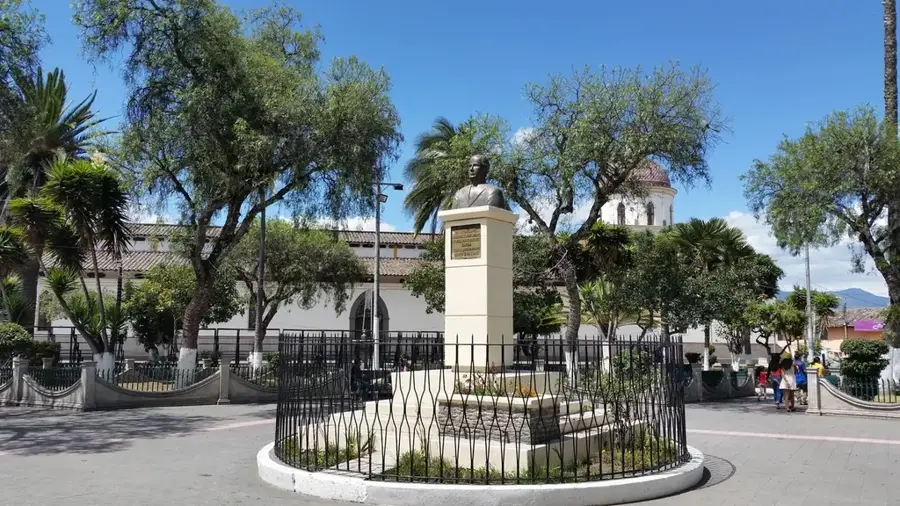
The central park of the city, an excellent spot to sit and watch local daily life unfold.
Water temperature…
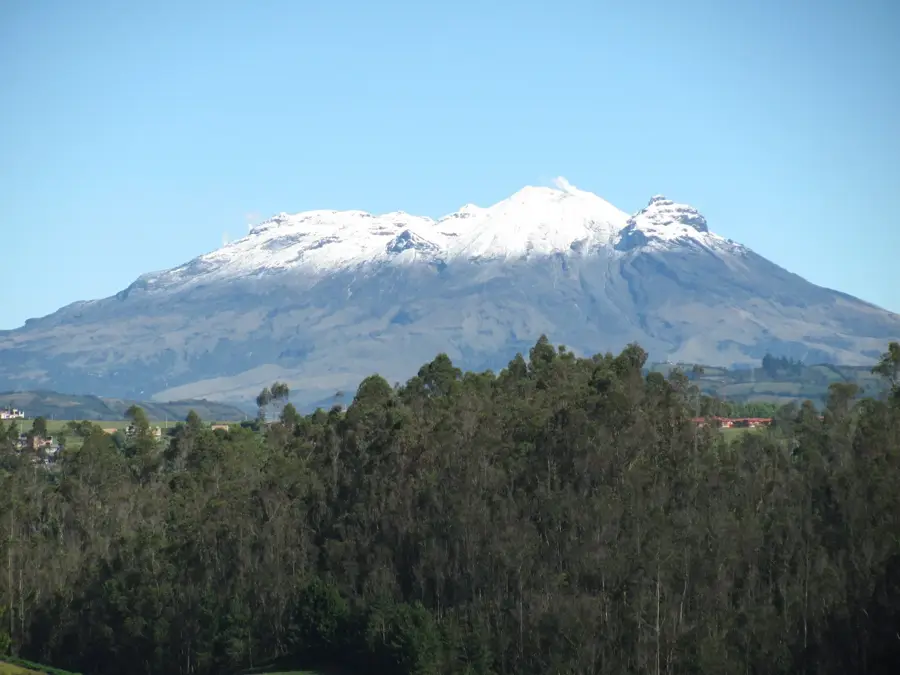
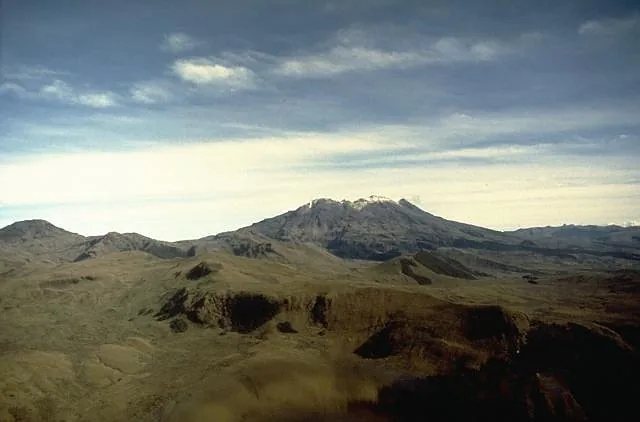
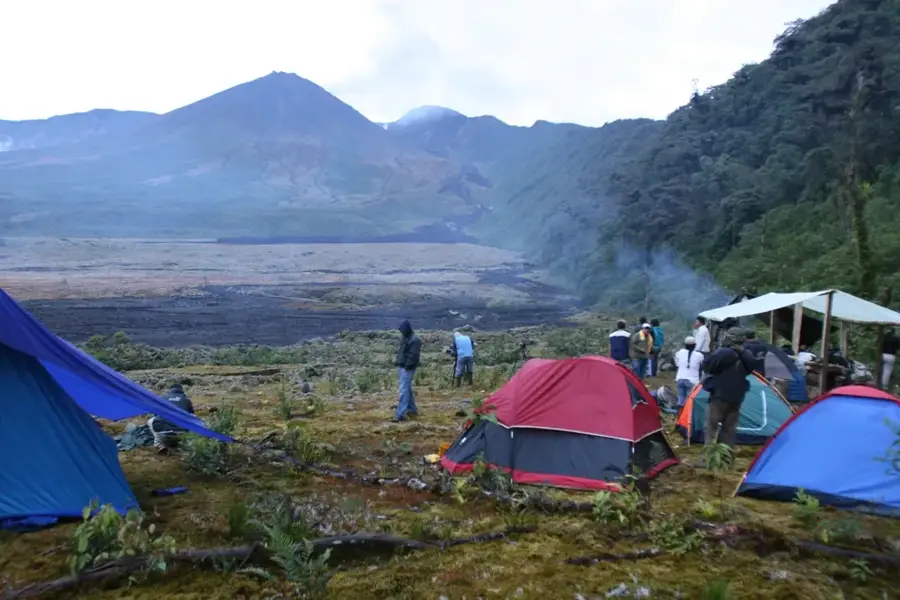
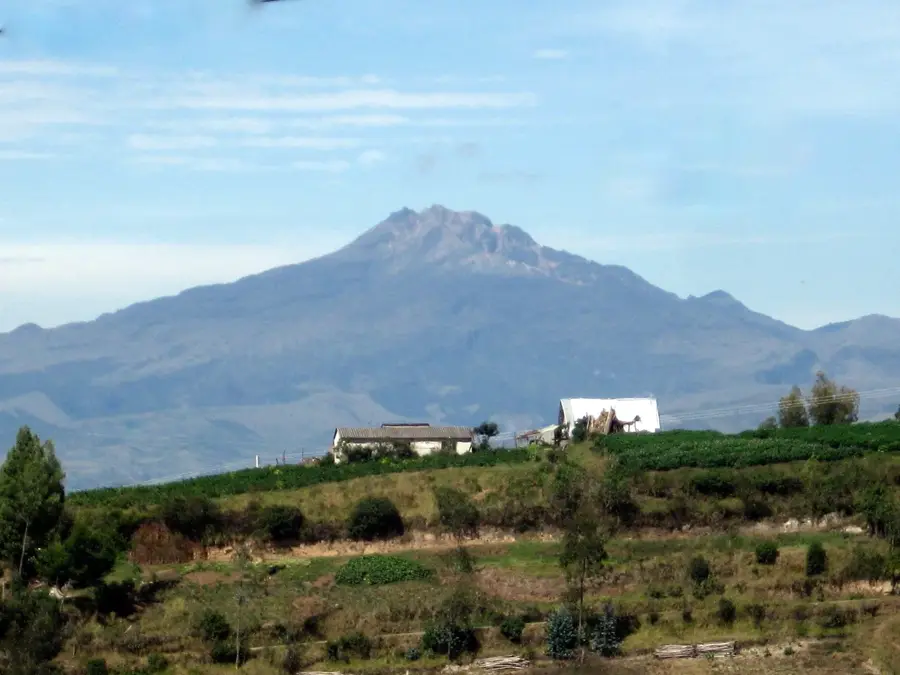
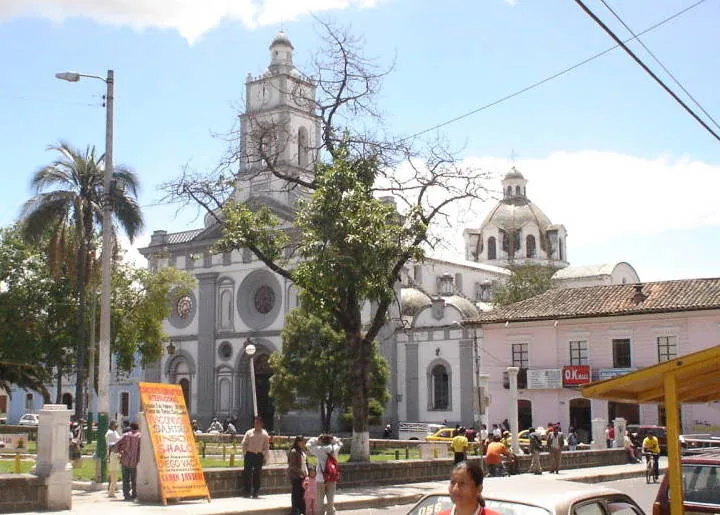
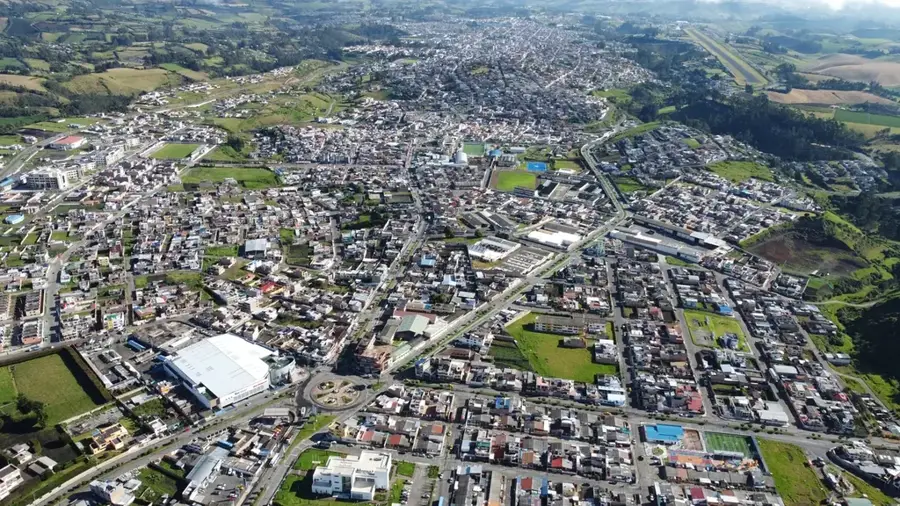
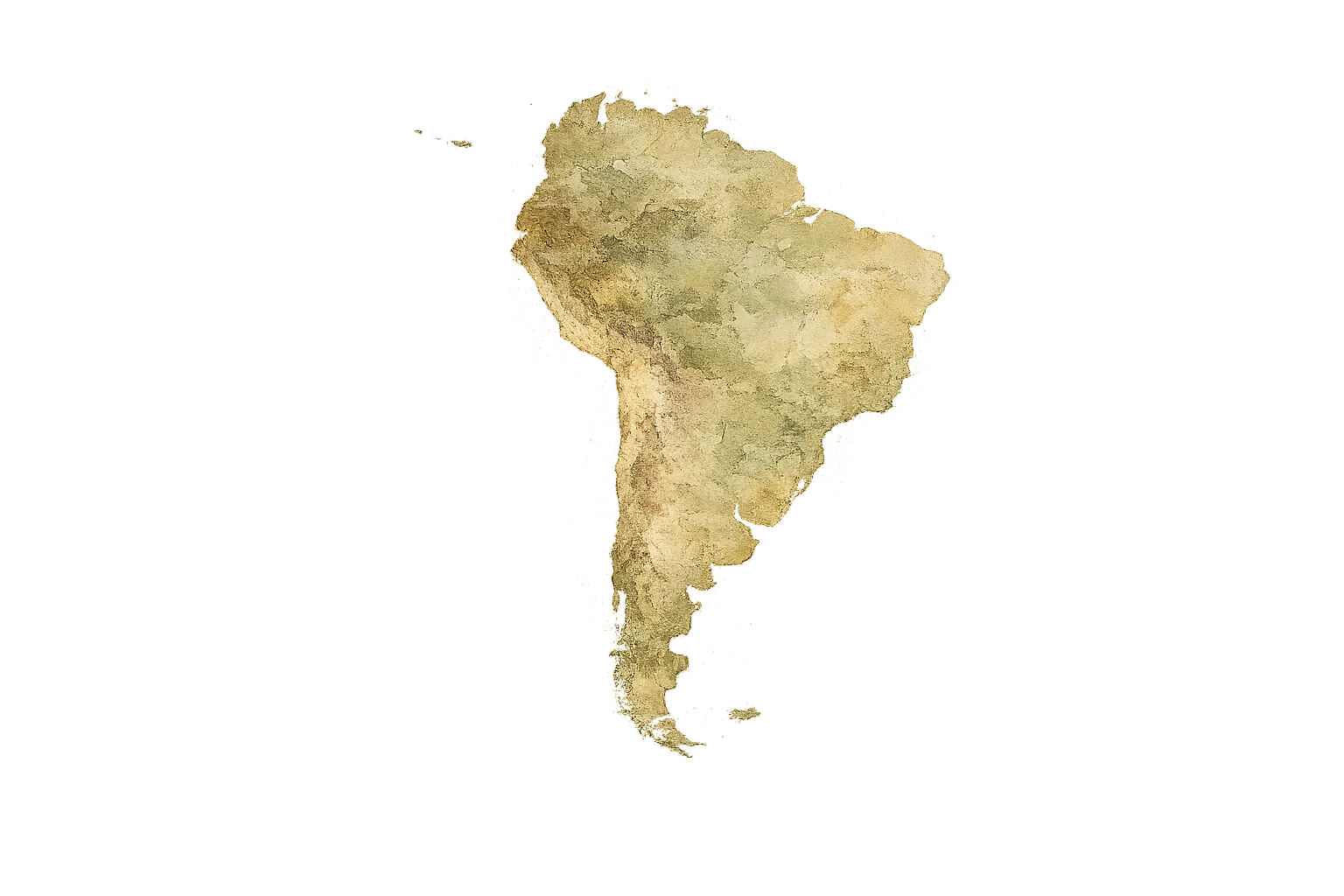
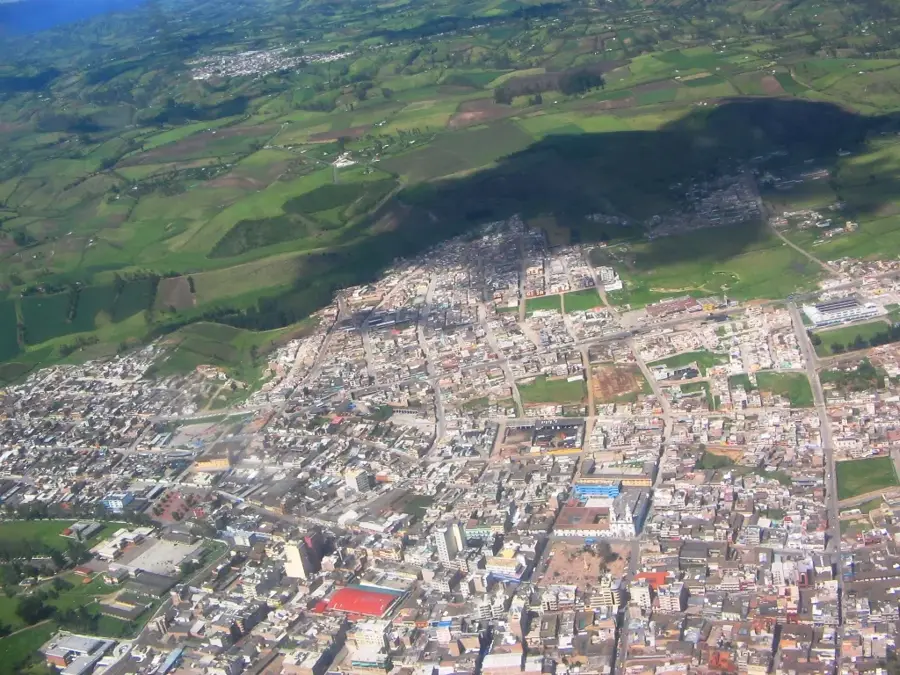
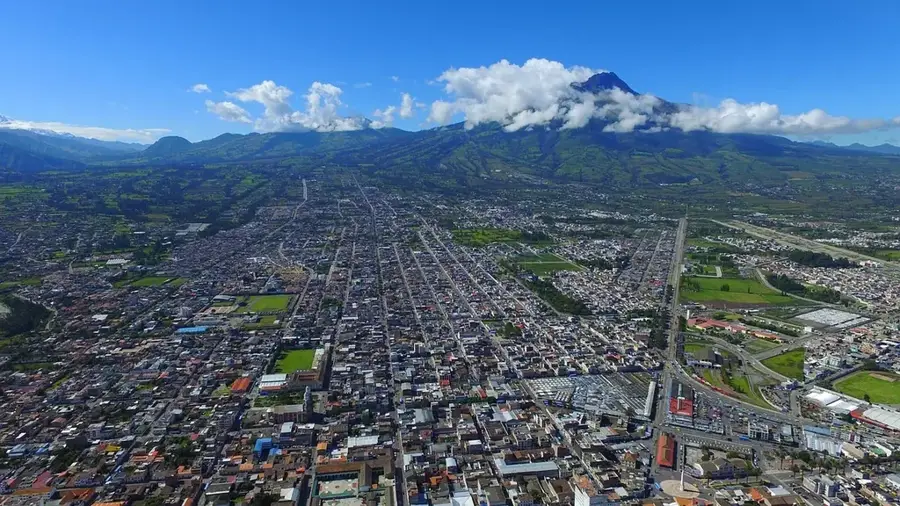
Tulcán, the capital of the Carchi Province in northern Ecuador, stands as the country's highest provincial capital at an elevation of roughly 2,980 meters. Perched on the border with Colombia, it is often referred to as the 'Sentinel of the North' due to its strategic position as a vital gateway for Andean trade and diplomacy. The city's geography is defined by its proximity to the Chiles Volcano and the high-altitude grasslands known as paramo, which create a distinct, cool climate throughout the year. Historically, Tulcán was home to the Pasto people, a resilient indigenous group that resisted various invasions before the Spanish colonial era. Today, the city is an economic powerhouse driven by cross-border commerce, transportation services, and a robust agricultural sector specializing in potato cultivation and dairy products. One of Tulcán's most iconic landmarks is its municipal cemetery, featuring dramatic topiary gardens where cypress trees are meticulously carved into intricate shapes reflecting pre-Columbian, Roman, and Middle Eastern artistic styles. Culturally, the city hosts spirited markets and festivals that showcase the blend of indigenous heritage and modern Latin American identity. The infrastructure supports a heavy flow of international transit via the Rumichaca Bridge, linking Tulcán directly to the Colombian city of Ipiales. Education and public services have seen significant expansion, making Tulcán a regional hub for the northern highlands. Its unique blend of high-altitude natural beauty, architectural oddities, and commercial energy makes it a fascinating example of an Andean border city thriving under the thin air of the equatorial mountains.
- Location: Ecuador
- Top sights: CERRO TROYA · Registro Civil · Agencia de matriculación vehicular
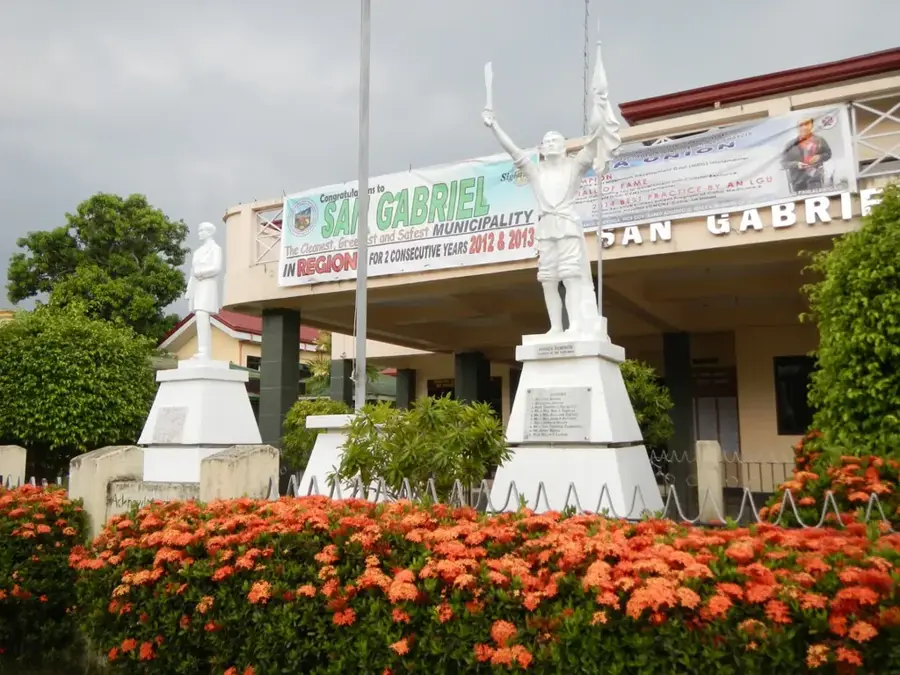
- Nearby: San Gabriel (14 km)
- Population: ~86.498 (2026)
Best time to visit & climate
The most pleasant time to visit is Jul–Sep.
| Jan | Feb | Mar | Apr | May | Jun | Jul | Aug | Sep | Oct | Nov | Dec | |
|---|---|---|---|---|---|---|---|---|---|---|---|---|
| Avg °C | 14 | 14 | 14 | 14 | 13 | 12 | 12 | 13 | 13 | 13 | 14 | 13 |
| Rain mm | 82 | 82 | 105 | 122 | 99 | 75 | 52 | 37 | 48 | 102 | 129 | 105 |
Geography
Facts
- Tulcán is the highest provincial capital city in Ecuador.
- The city's municipal cemetery is world-famous for its topiary art.
- It serves as the main terrestrial gateway between Ecuador and Colombia.
- The population is approximately 63,000 residents as of recent estimates.
- The city was established as a canton on April 11, 1851.
- Tulcán is located about 150 miles north of the capital, Quito.
- The surrounding El Angel Ecological Reserve protects over 15,000 hectares.
- Agriculture and border trade are the primary economic drivers.
Explore nearby
Notable places around
Route planner — Car & Motorhome
Where do you start? We build the route here, with stops and country notes along the way.
© OpenStreetMap contributors · OpenRouteService
Sights in the town Tulcán (16)
Frequently asked questions
What is the most famous sight in Tulcán?
How is the weather in Tulcán?
Is it near the border?
What should you eat?
Are there natural beauties nearby?
Tulcán: where is it located?
Tulcán: what is there to see?
Tulcán: when is the best time to visit?
Tulcán: why is it worth visiting?
Nearby cities

History & landmarks
Nature
More places