Plizio Visual Lab
St. Pölten
ℹ️Practical info — St. Pölten
▾
🌤 Weather — 5 days
📍 Nearby
Sights nearby
💡 Tips
- The city center is very compact; the best way to explore the baroque squares is entirely on foot.
- Contrast the historic Old Town with the modern Landhausviertel (government district), located just a short walk south.
- Bicycle paths are excellent here; consider renting a bike to explore the nearby Traisen river trails.
- Parking in the center is mostly short-term and paid; use the larger parking garages near the cultural quarter.
- Check the schedule for the Festspielhaus; sometimes you can catch world-class modern dance and music performances.
🍽 Food
Taste jams and juices made from the Cornelian cherry (Dirndl) from the nearby Pielach Valley.
Enjoy classic Austrian dishes like Schnitzel or Schweinsbraten at a rustic tavern in the Old Town.
Try the local pear or apple cider at a traditional 'Mostheuriger' in the surrounding countryside.
🛍 Shopping · 🧘 Quiet spots
Visit the bustling farmers market on Thursday or Saturday mornings for fresh local produce.
Stroll down this popular pedestrian street for clothing boutiques, bookstores, and souvenirs.
Head to these local lakes for a peaceful walk, bird watching, or a relaxing afternoon by the water.
Escape the city buzz in this small forest located just next to the government district.
Water temperature…
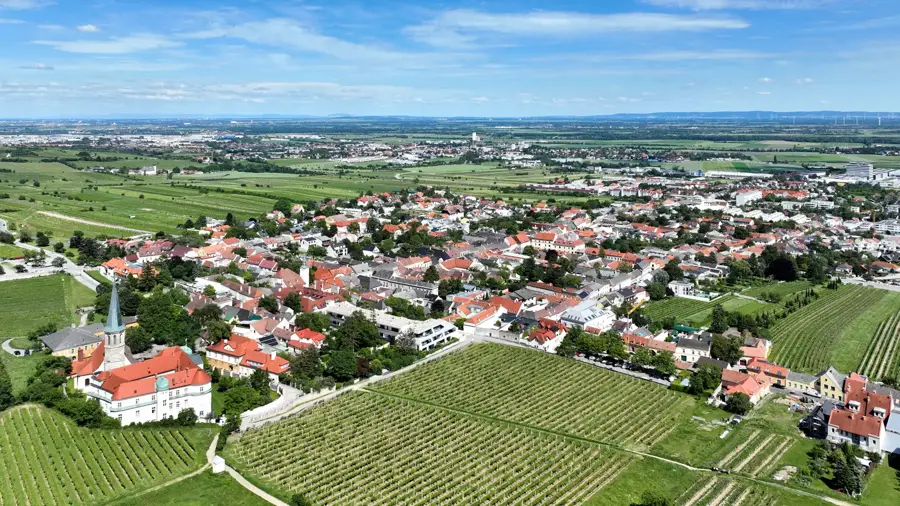
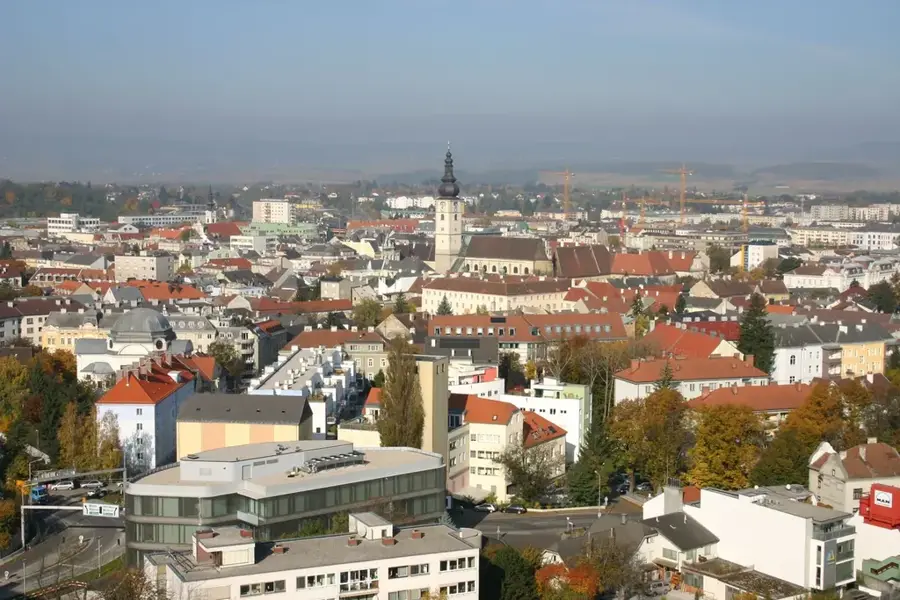
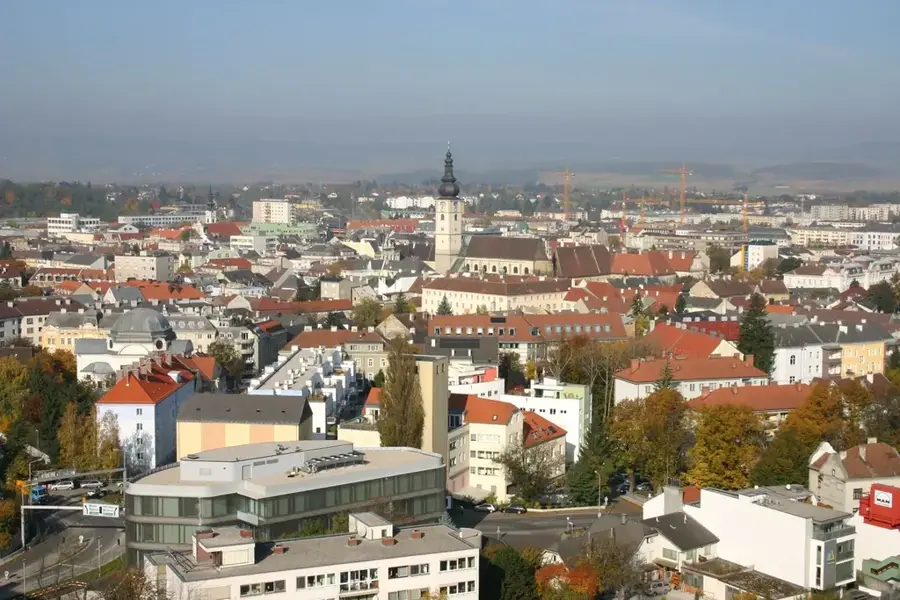
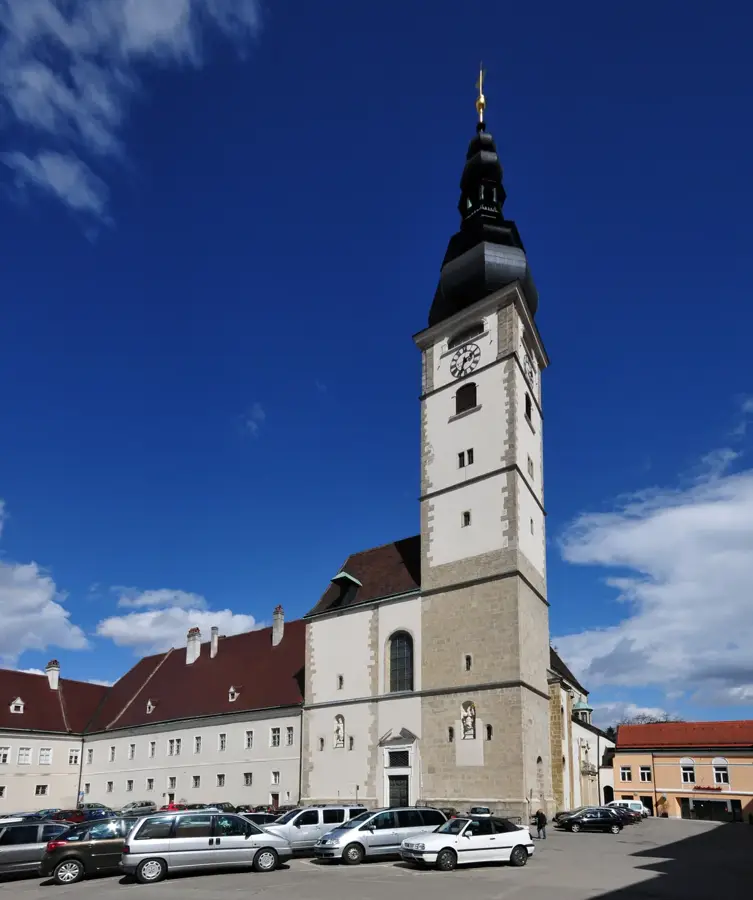
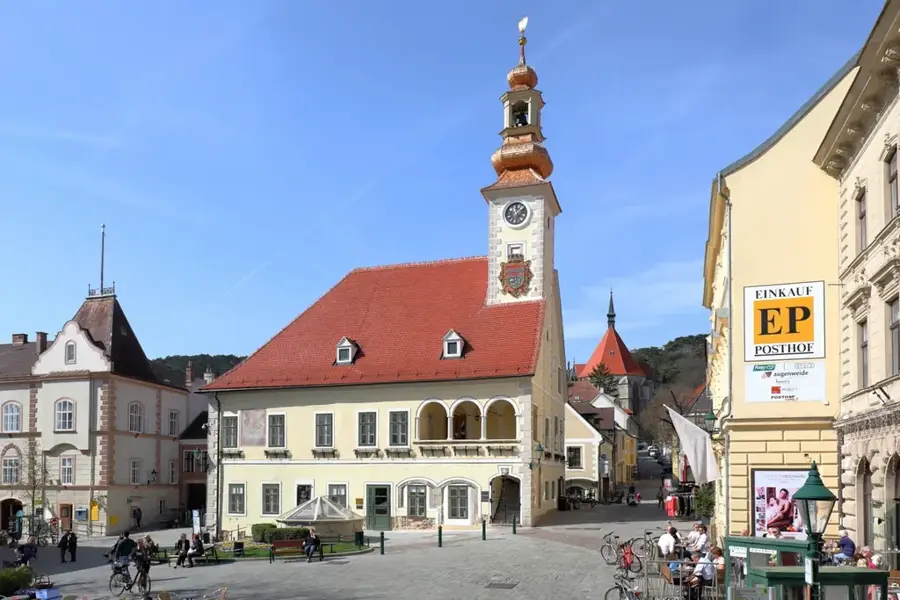
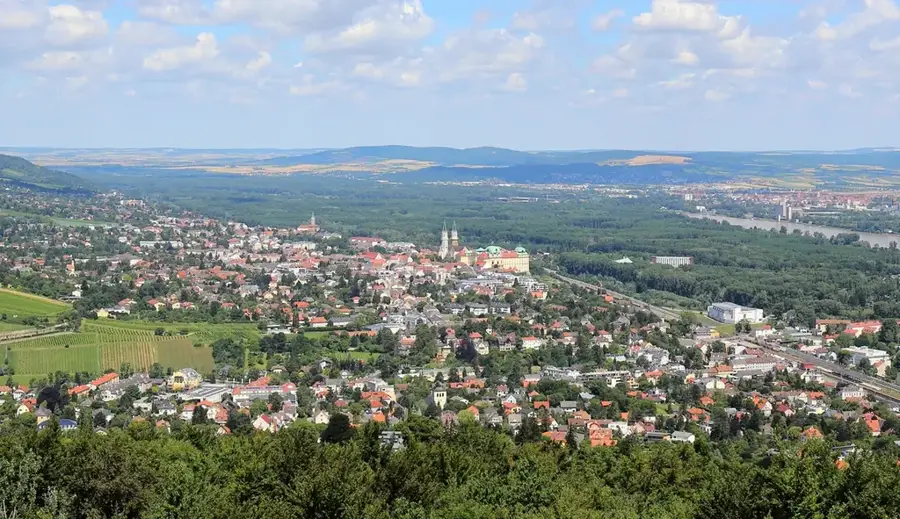
St. Pölten, the proud capital of Lower Austria, holds the title of Austria's oldest city and looks back on a settlement history that dates back to Roman times. Located on the Traisen River, the city today is a fascinating example of the interplay between historical tradition and bold modernity. While the Baroque old town enchants with its magnificent facades, monumental cathedral, and romantic squares such as Rathausplatz, the modern government district sets architectural standards. Here, the Festspielhaus, the Lower Austria Museum, and the striking Klangturm (Sound Tower) form a cultural center of European significance. St. Pölten is not only an administrative hub but also a dynamic educational location with several universities and a lively cultural scene. Its geographical position between the Alps and the Danube makes the city a good starting point for exploring the Wachau or the Mostviertel. Green spaces like the Viehofner Lakes also offer high recreational value directly within the urban area. With its designation as the state capital in 1986, a new era of urban development began for St. Pölten, which is still evident today in innovative projects and a steadily increasing quality of life.
- Location: Lower Austria, Austria
- Top sights: Museum Niederösterreich · Ehemalige Synagoge · Stadtmuseum
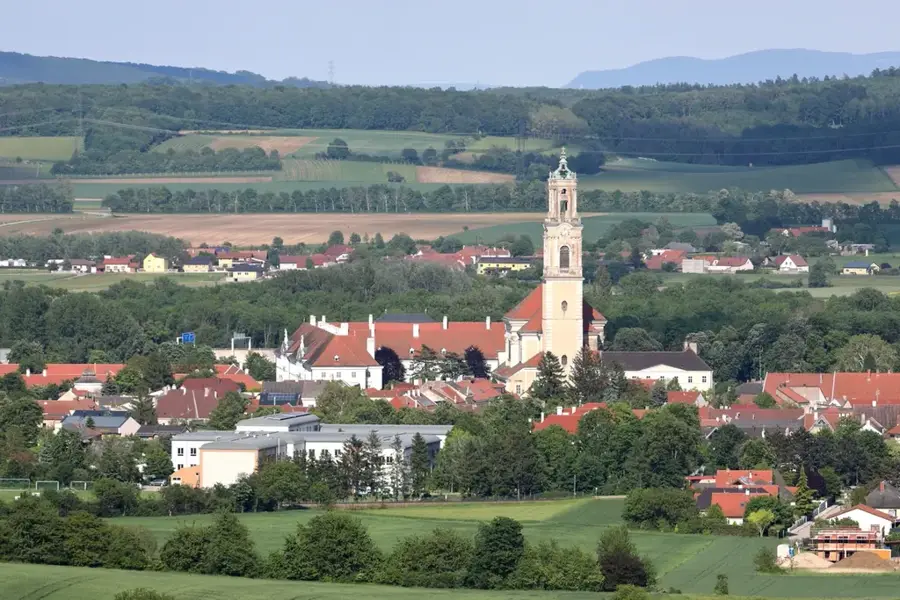
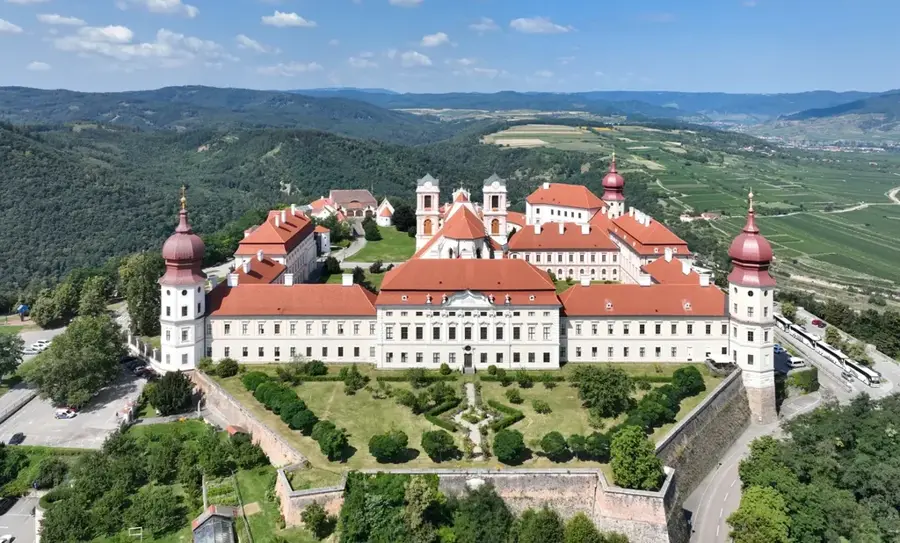
- Nearby: Herzogenburg (9 km)
- Population: ~21.911
Best time to visit & climate
The most pleasant time to visit is Jun–Aug.
| Jan | Feb | Mar | Apr | May | Jun | Jul | Aug | Sep | Oct | Nov | Dec | |
|---|---|---|---|---|---|---|---|---|---|---|---|---|
| Avg °C | -3 | -2 | 2 | 8 | 12 | 16 | 18 | 18 | 13 | 8 | 3 | -1 |
| Rain mm | 61 | 53 | 62 | 53 | 110 | 120 | 116 | 115 | 99 | 67 | 55 | 56 |
Geography
Facts
- St. Pölten was granted city rights as early as 1159 by Bishop Konrad of Passau.
- The city became the state capital of Lower Austria in 1986 following a referendum.
- The modern government district (Landhausviertel) was designed by architect Ernst Hoffmann.
- The Klangturm in the government district is 77 meters high and offers a wide panorama.
- Aelium Cetium was the name of the significant Roman settlement at this location.
- The Cathedral of the Assumption features a Baroque interior by Jakob Prandtauer.
Explore nearby
Notable places around

Route planner — Car & Motorhome
Where do you start? We build the route here, with stops and country notes along the way.
© OpenStreetMap contributors · OpenRouteService
Sights in the town St. Pölten (16)
Ehemalige Synagoge🏛 museum
The former synagogue now serves as a cultural center and memorial.
Frequently asked questions
Is St. Pölten an old city?
What is the modern government district?
Which state is governed from here?
Are there lakes near the city?
What can you see in the Museum of Lower Austria?
St. Pölten: where is it located?
St. Pölten: what is there to see?
St. Pölten: when is the best time to visit?

Nearby cities
History & landmarks