Plizio Visual Lab

Sankt Pölten
Plizio editorial teamData Sources
City
—°23
Sankt Pölten (Austria)
ℹ️

Practical info — Sankt Pölten

🌤 Weather — 5 days

📍 Nearby

Sights nearby

💡 Tips

  • Visit the Landhausviertel to admire the impressive modern architecture of Sankt Pölten.
  • The Klangturm gives a fantastic view over the city with its panoramic elevator.
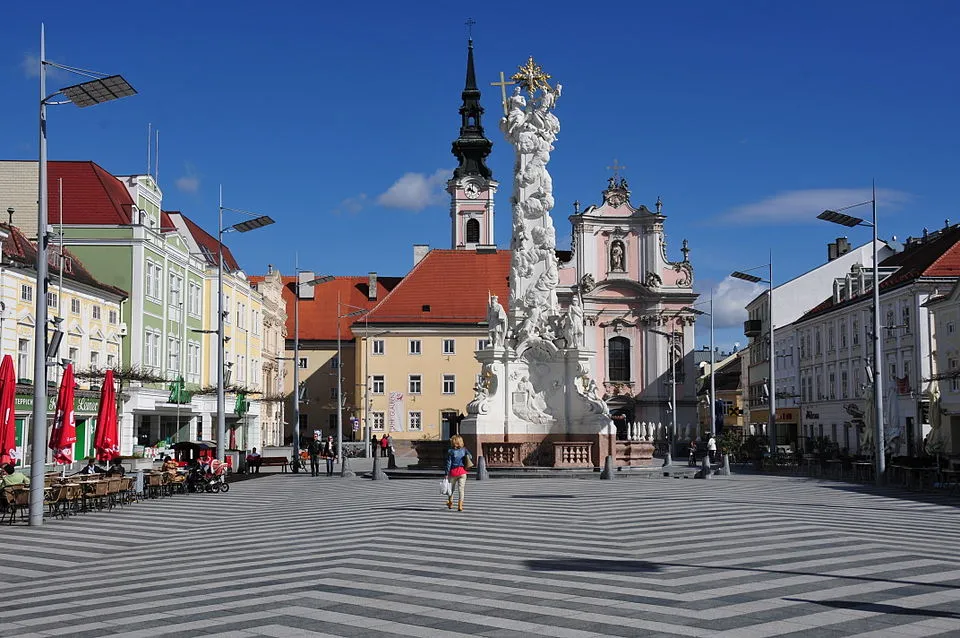
  • Discover the Baroque old town around Domplatz with its magnificent facades.
  • On Saturdays, a large weekly market takes place on Domplatz with regional delicacies.
  • Rent a bike and explore the Traisental cycle path along the river.

🍽 Food

🍽
Traisental Wine

Try a Grüner Veltliner from the region, ideally in a wine shop in the old town.

🍽
Game Dishes

Seasonal game specialties from local forests, served in traditional inns like Figl.

🍽
Wachau Apricot

Desserts featuring the famous apricots from the nearby Wachau, found in downtown pastry shops.

🛍 Shopping · 🧘 Quiet spots

🛍
Kremser Gasse

The city's main shopping street with a mix of boutiques and well-known stores.

🛍
Domplatz Weekly Market

Every Thursday and Saturday, convenient for regional products like cheese, honey, and fruit.

🧘
Viehofner Seen

A recreation area on the outskirts with lakes, hiking trails, and swimming opportunities.

🧘
Sparkassenpark

A green oasis in the city center, well-suited for a short break in the shade of old trees.

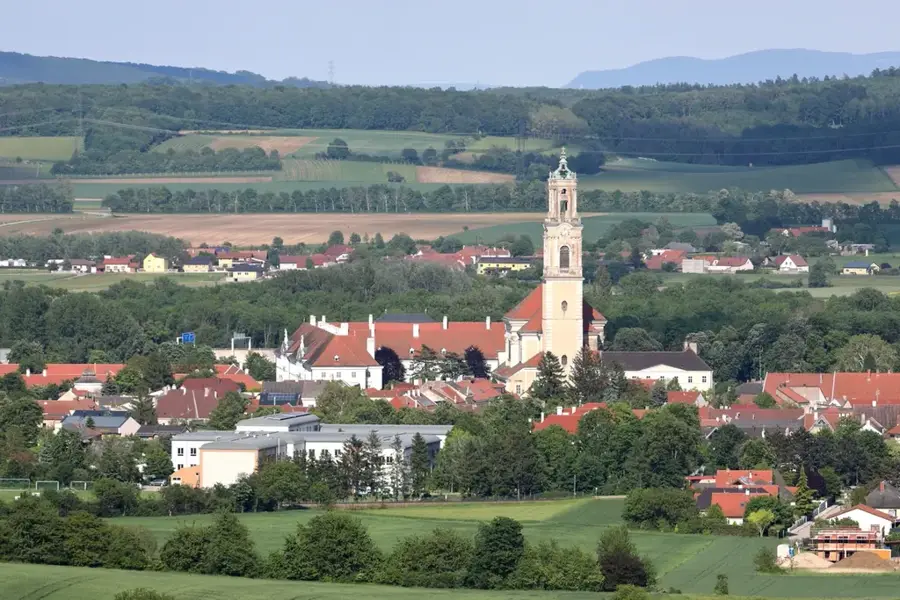
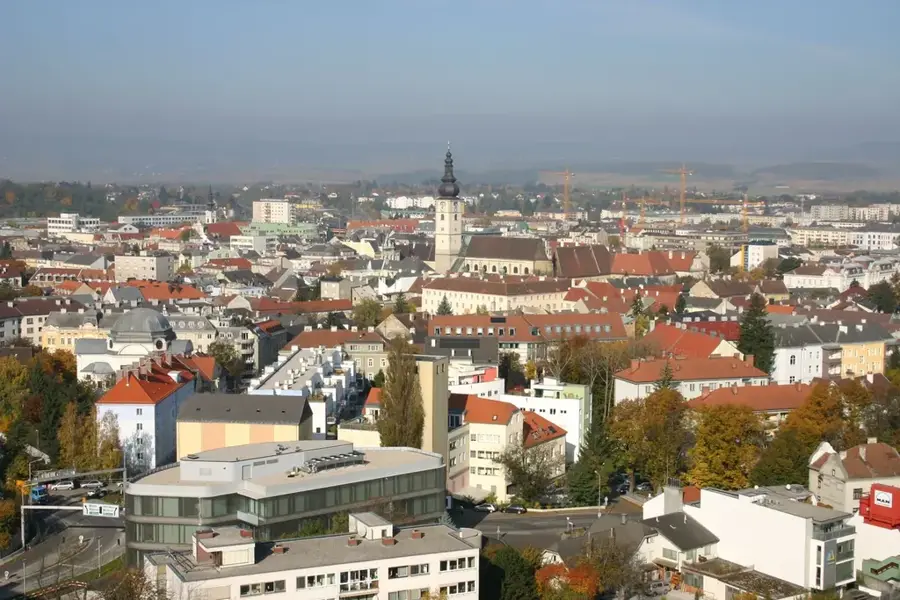
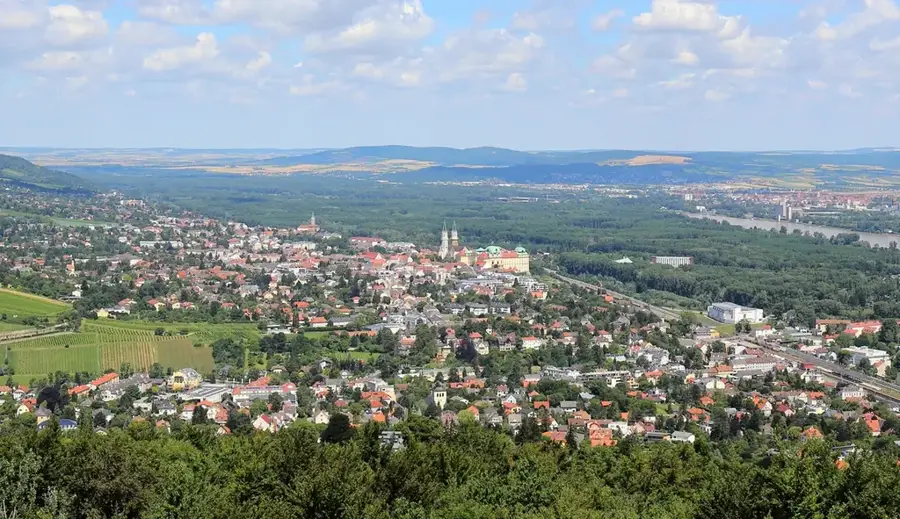
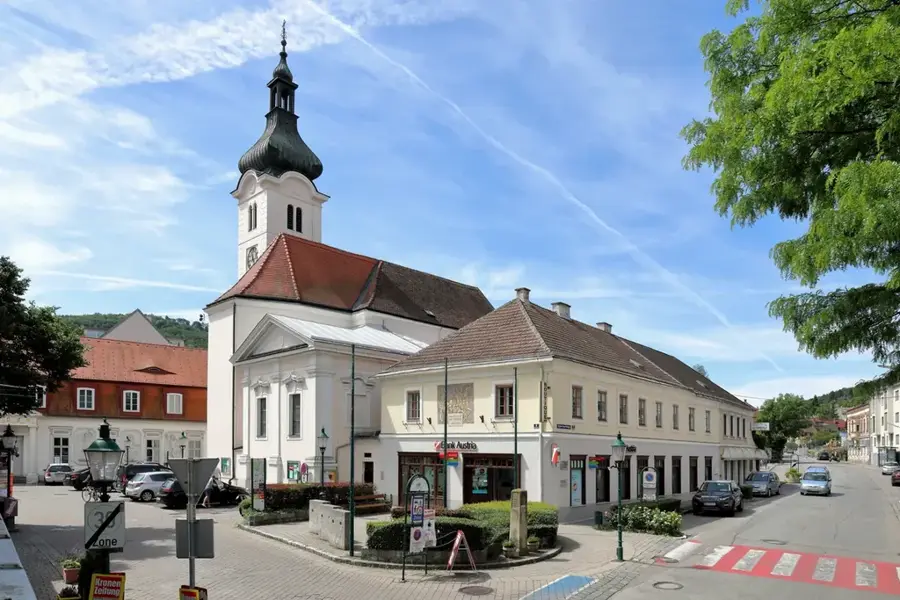
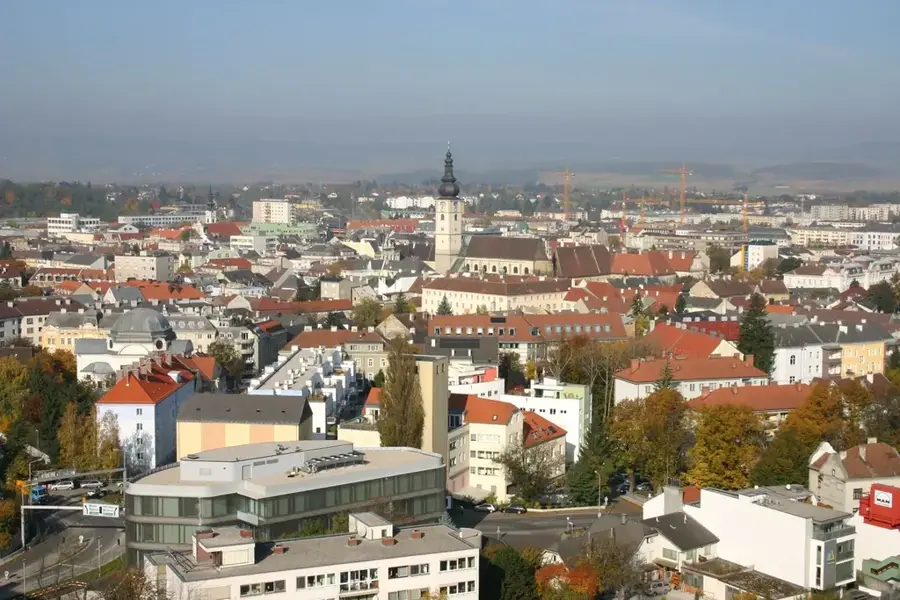
Sankt Pölten, located on the Traisen river in the Alpine foothills, looks back on a settlement history that dates back to Roman times as Aelium Cetium. It is considered the oldest city in Austria, as it was granted city rights as early as 1159. For a long time, it was an important ecclesiastical center, which is still reflected today in the magnificent Baroque cathedral church of the Assumption of Mary. A radical change took place in 1986, when Sankt Pölten was designated the state capital of Lower Austria following a referendum. Subsequently, the government district was built on the eastern edge of the old town, an ensemble of modern architecture that forms a strong contrast to the historical core. Some of the most striking buildings include the Landtag building, also called the Landtagsschiff, and the Klangturm, which features a wide view over the city. The economy is characterized by service companies, administration, and educational institutions such as the St. Pölten University of Applied Sciences. Cultural life is enriched by the Festspielhaus, the Museum of Lower Austria, and numerous summer festivals. The city also serves as an important transport hub between Vienna and the west of the country.

Best time to visit & climate

The most pleasant time to visit is Jun–Aug.

JanFebMarAprMayJunJulAugSepOctNovDec
Avg °C-3-228121618181383-1
Rain mm6153625311012011611599675556

Geography

Population
21,911
Coordinates
48.20470, 15.62560

Facts

  • City rights granted in the year 1159
  • Capital status since the year 1986
  • Ancient Roman roots (Aelium Cetium)
  • Highest point at Klangturm (77 meters)
  • Seat of the Lower Austrian parliament
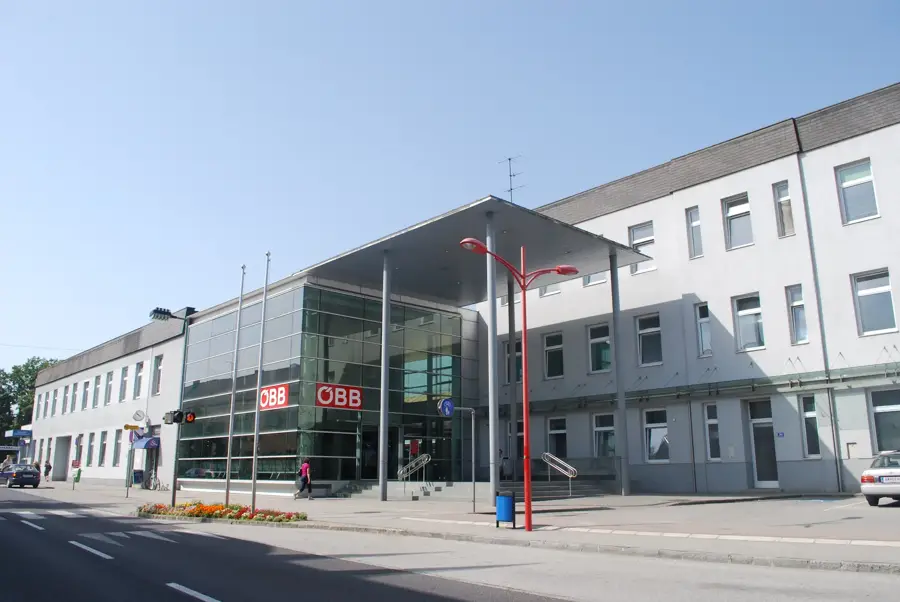
  • Located on the Westbahn railway line

Explore nearby

Notable places around
Route planner — Car & Motorhome

Where do you start? We build the route here, with stops and country notes along the way.

Vehicle
Only stops with (optional):

© OpenStreetMap contributors · OpenRouteService

Sights in the town Sankt Pölten (23)

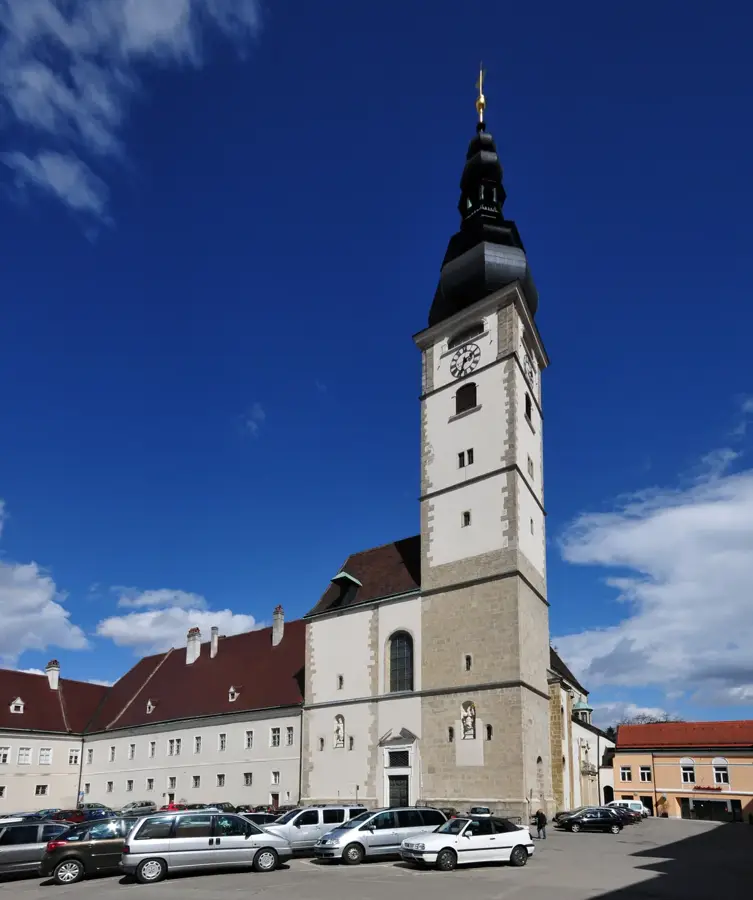
St. Pölten Cathedral

The Baroque cathedral features an interior designed by Jakob Prandtauer, housing magnificent frescoes and a significant organ.

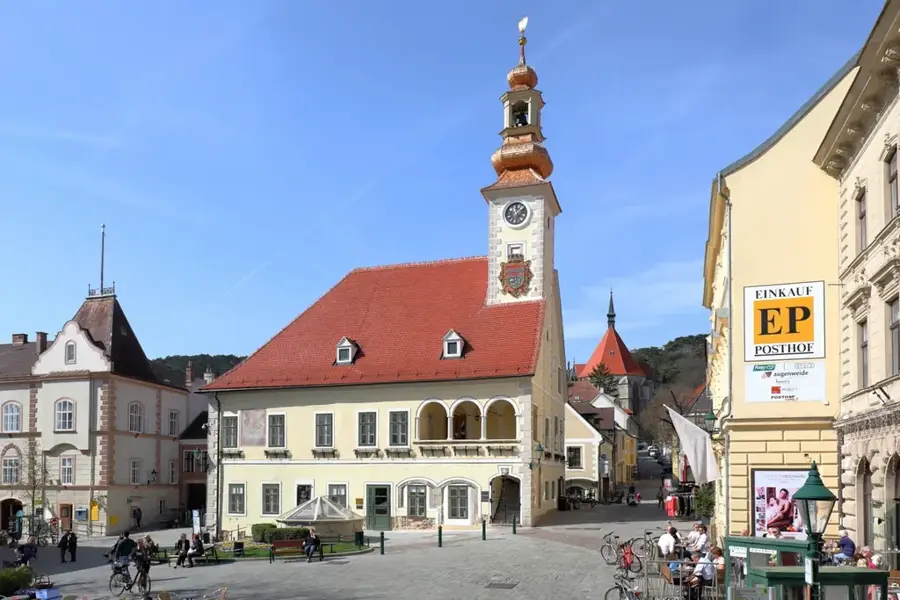
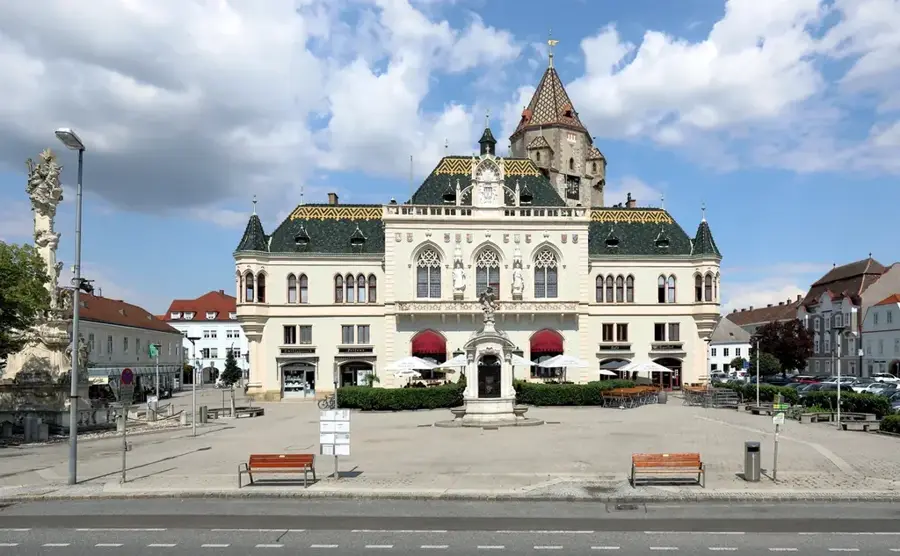
Town Hall (Rathaus)

This striking building on Rathausplatz combines Renaissance and Baroque elements and is the landmark of the old town.

Landhausviertel

The modern government district impresses with contemporary architecture and the 77-meter-high Sound Tower viewpoint.

Klangturm (Sound Tower)

A modern steel tower in the Landhausviertel offering panoramic views over the Traisen Valley and interactive sound installations.

Museum of Lower Austria

An interactive museum dedicated to the nature and history of the state, featuring a large aquarium for visitors.

Herrenplatz

One of the city's most beautiful squares, surrounded by Baroque and Rococo facades and hosting regular weekly markets.

Former Synagogue

A significant Art Nouveau building that now serves as a cultural center and commemorates the city's Jewish heritage.

🕒 Tu-Fr 10:00-17:00; Sa-Su 10:00-18:00

Festspielhaus St. Pölten

An internationally renowned venue for contemporary dance and music with striking modern glass architecture.

Rudolf-Leiner-Platz👨‍👩‍👧 family

A central meeting point for children in St. Poelten with modern play structures.

Jumpzone X👨‍👩‍👧 family

A modern trampoline park in St. Poelten for athletic activities.

AquaCity👨‍👩‍👧 family

AquaCity in Sankt Poelten is a modern water park offering relaxation and action in the water.

Schloss Viehofen🏰 castle

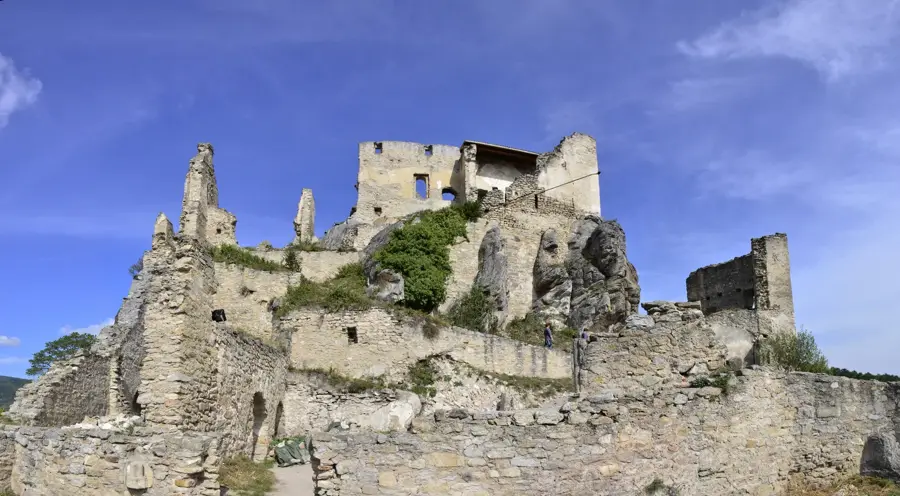
Schloss Viehofen in St. Pölten has a long history but is currently in a ruined state. The site is of historical interest and is located in the Viehofen district.

KinderKunstLabor🏛 museum

The KinderKunstLabor in St. Pölten is a contemporary art museum specifically designed for young visitors. It gives interactive exhibitions and creative workshops.

Franziskanerkirche⛪ religious

The Franciscan Church in St. Pölten is a prominent Baroque place of worship in the city center. Its grand facade and artistic interior make it a significant historical monument.

Herz-Jesu-Kirche⛪ religious

The Herz-Jesu-Kirche is a prominent sacred building in St. Pölten, constructed in Neo-Gothic style. Its tower, visible from afar, characterizes the district's skyline.

Pfarrkirche Spratzern⛪ religious

The parish church of Spratzern in St. Pölten is a Catholic church building in the southern part of the city. It serves the local parish as a religious center for masses and celebrations.

Künstmühle🎭 culture

The Künstmühle in St. Pölten is a cultural and arts center housed in a former mill. It regularly hosts exhibitions, studios, and cultural projects.

Zwingerturm🗼 tower

The Zwingerturm is a historical remnant of the former city fortifications of St. Pölten. It bears witness to the city's medieval defense system.

Forum Landtag🏛 museum

The Forum Landtag in St. Pölten is an exhibition space providing information on the political work of the Lower Austrian state parliament. It is located in the city's government district.

🕒 Tu-Fr 08:30-14:00🆓

Galeria mobile🏛 museum

The Galeria mobile in St. Pölten is a gallery showcasing rotating art projects and contemporary works. It contributes to the diversity of the cultural scene in the Lower Austrian capital.

Kalvarienberg🏺 historical

The Kalvarienberg in St. Pölten is a religious memorial site with several stations depicting the Passion of Christ. It serves as a place for prayer and reflection in the open air.

Seebühne🎭 culture

The Seebühne in St. Pölten provides an open-air backdrop for performances and concerts by the water. It is a popular venue for summer cultural events outdoors.

Bühne im Hof🎭 culture

The 'Bühne im Hof' in St. Pölten is a well-known cultural center for cabaret, music, and minor arts. Its diverse program regularly attracts a broad audience.

Frequently asked questions

What makes St. Pölten special?
It is the oldest city in Austria and the modern provincial capital of Lower Austria.
What is the Landhausviertel?
A modern government district featuring futuristic architecture like the Klangturm tower.
Are there lakes nearby?
Yes, the Viehofner Lakes and Ratzersdorfer Lake are popular local recreation areas.
Can you visit the cathedral?
Yes, the Cathedral of the Assumption is an impressive example of baroque architecture.
How far is Vienna?
Vienna is only about 25 to 30 minutes away by Railjet express train.
Sankt Pölten: where is it located?
Sankt Pölten is located in Lower Austria, Austria.
Sankt Pölten: what is there to see?
Highlights include St. Pölten Cathedral, Town Hall (Rathaus), Landhausviertel.
Sankt Pölten: when is the best time to visit?
The most pleasant time to visit is Jun, Aug.
Sankt Pölten: why is it worth visiting?

Sankt Pölten, located on the Traisen river in the Alpine foothills, looks back on a settlement history that dates back to Roman times as Aelium Cetium.
View on map → The Top 50 Attractions → OpenStreetMap →
Europe
Explore with Plizio Discover more places in Europe
More places in Austria →

Nearby cities

History & landmarks