Attractions in Mongolia
The finest attractions in Mongolia at a glance: castles, natural wonders, historic old towns and more. Each place links to a detailed page with map, tips and photos.
Culture & History
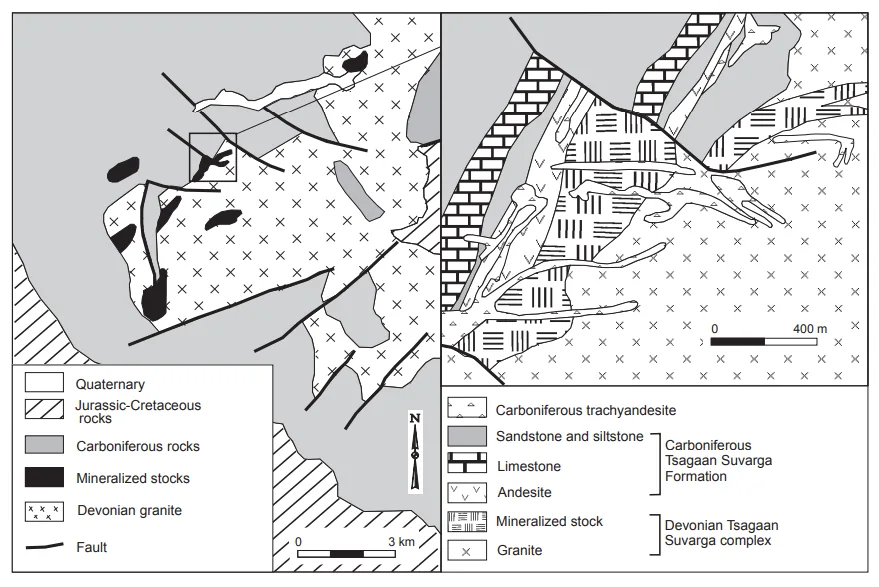
White Stupa (Tsagaan Suvarga)
Tsagaan Suvarga, which translates to White Stupa, is a steep limestone formation in the semi-desert, shaped by wind and water erosion.
Learn more →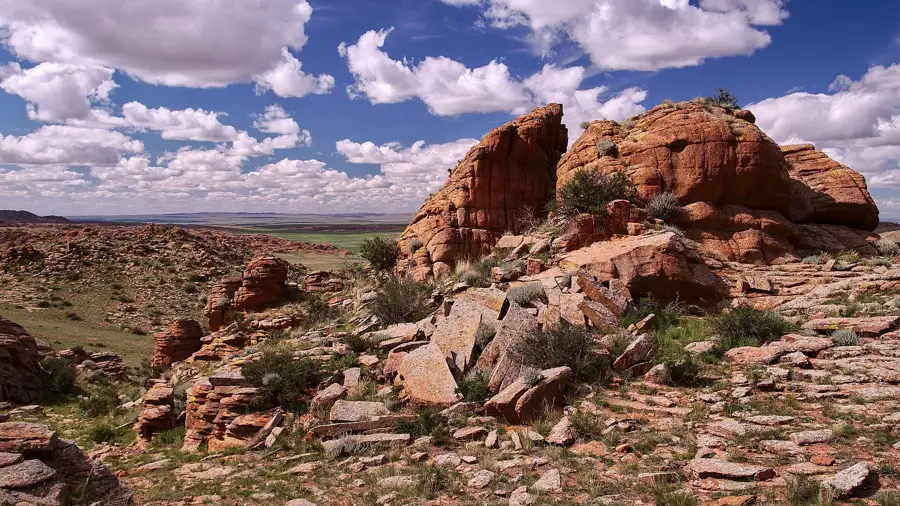
Baga Gazriin Chuluu
Baga Gazriin Chuluu is a picturesque granite rock massif that rises abruptly from the flat steppe of the Middle Gobi.
Learn more →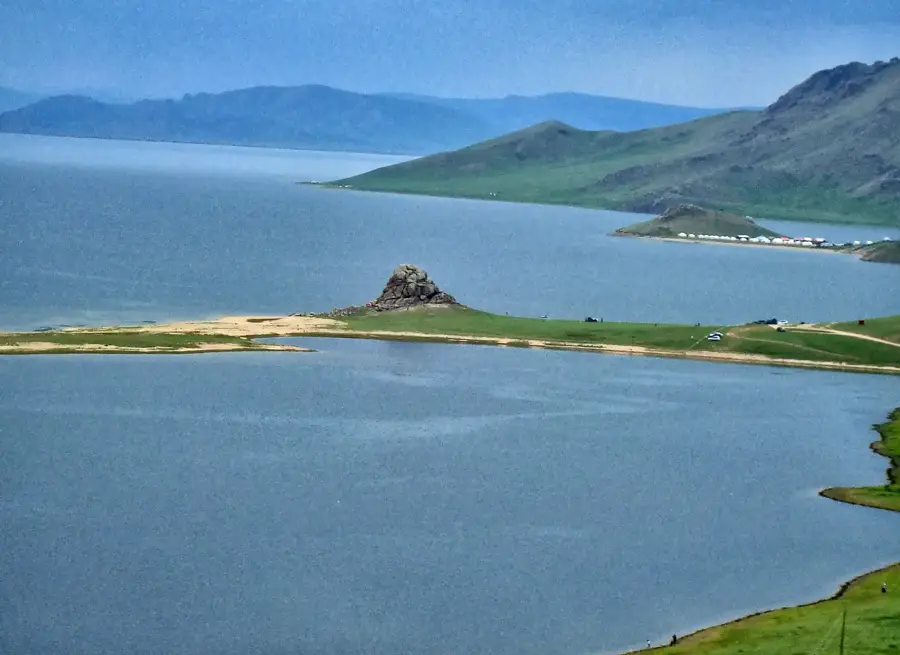
Terkhiin Tsagaan Nuur
Terkhiin Tsagaan Nuur, or the Great White Lake, is a beautiful freshwater lake in central Mongolia surrounded by volcanoes.
Learn more →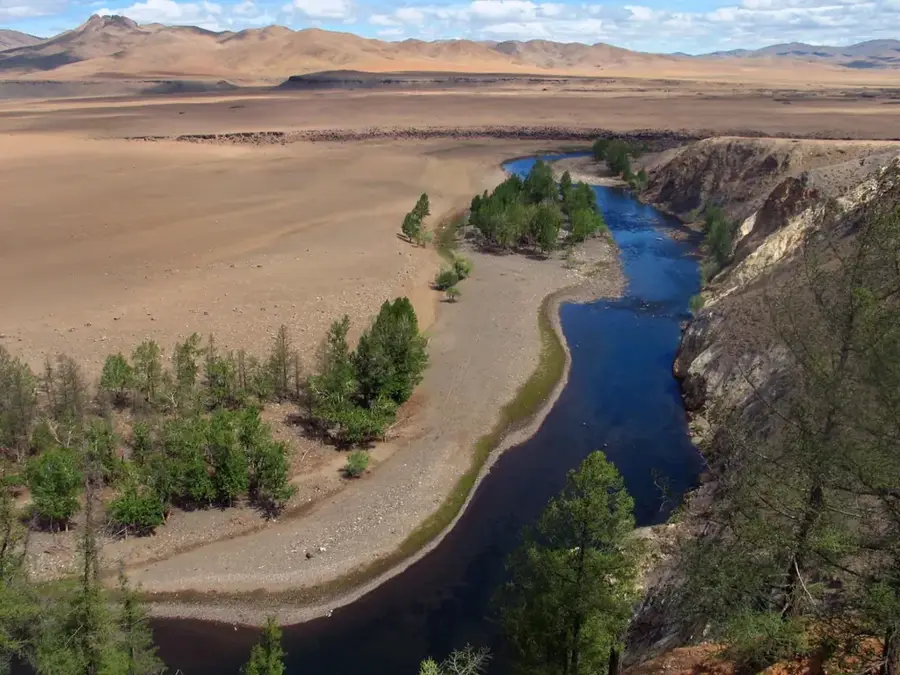
Orkhon Waterfall (Ulaan Tsutgalan)
The Orkhon Waterfall, locally known as Ulaan Tsutgalan, is the most famous waterfall in Mongolia.
Learn more →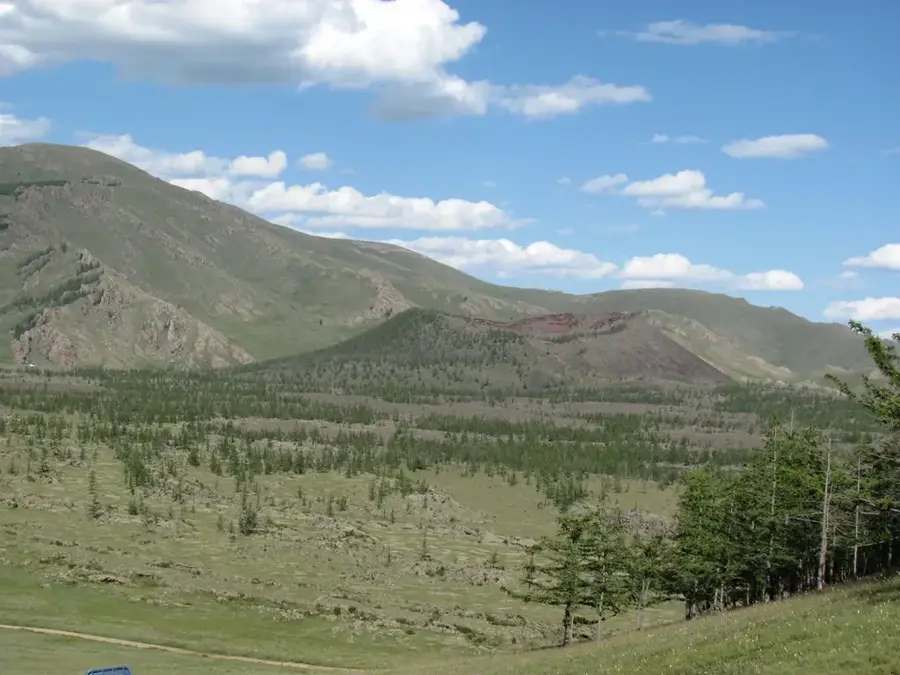
Khorgo Volcano
The Khorgo Volcano is an extinct volcano in the Khorgo-Terkhiin Tsagaan Nuur National Park.
Learn more →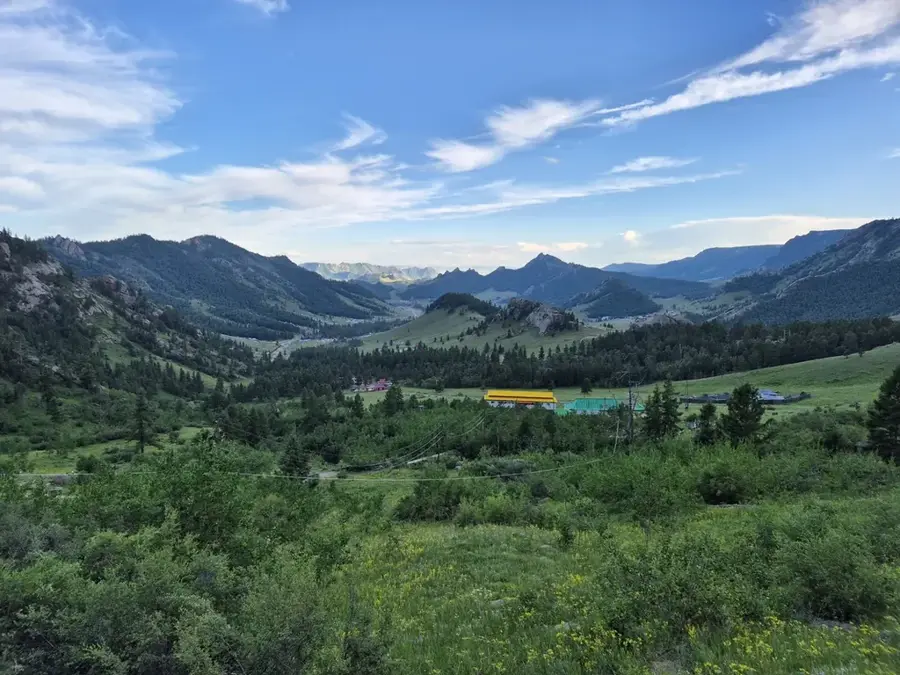
Turtle Rock (Melkhii Khad)
Turtle Rock is an imposing granite rock formation in the Gorkhi-Terelj National Park that has naturally taken the shape of a giant turtle.
Learn more →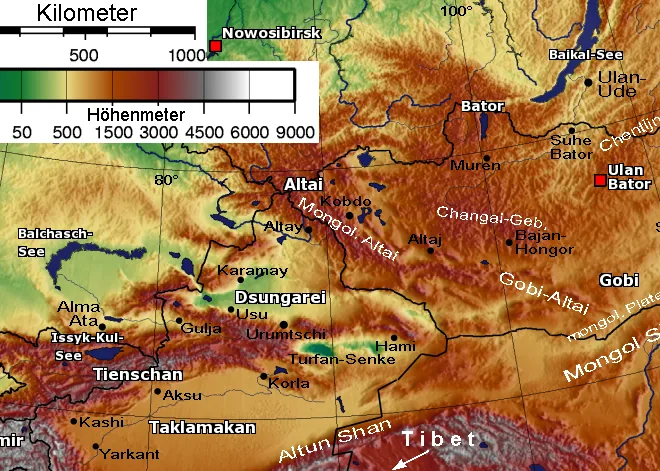
Valley of the Eagles (Yolyn Am)
Yolyn Am, also known as the Valley of the Eagles, is a deep and narrow gorge in the Gurvan Saikhan National Park.
Learn more →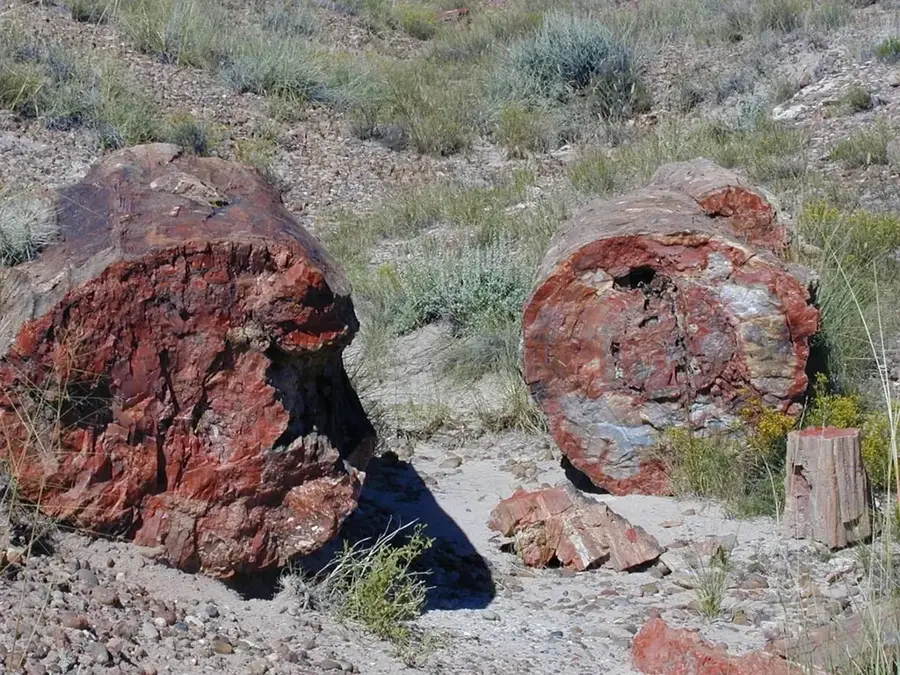
Suikhent Petrified Forest
The Suikhent Petrified Forest is a paleontological sensation in the Mongolian desert.
Learn more →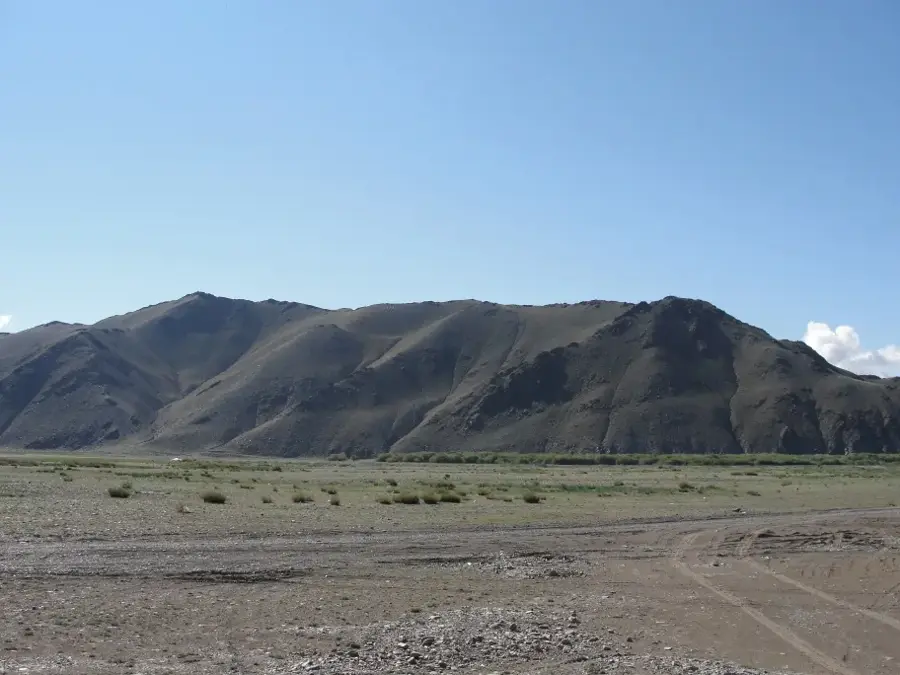
Khermen Tsav
Khermen Tsav is a remote, rugged canyon landscape of red sandstone deep in the Gobi Desert.
Learn more →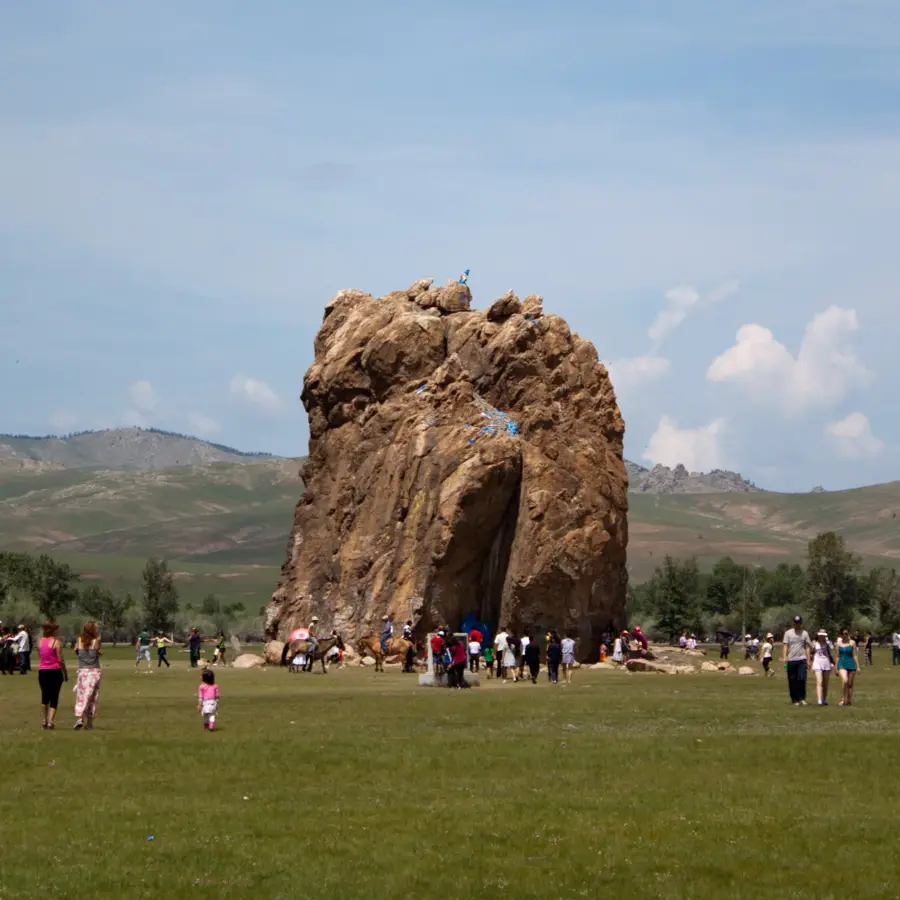
Taikhar Rock (Taikhar Chuluu)
Taikhar Chuluu is a massive, 20-meter high granite block that mysteriously stands in the middle of the vast plain by the Tamir River.
Learn more →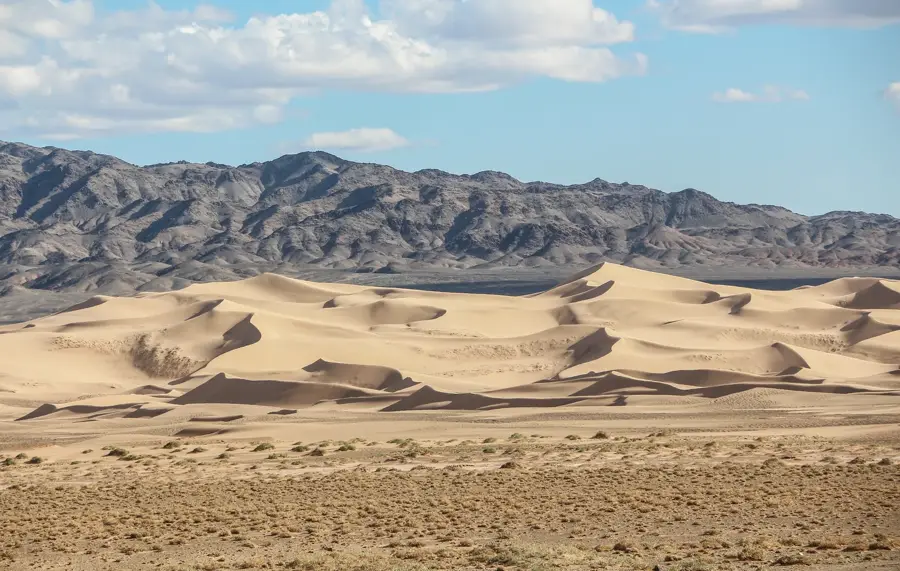
Khongoryn Els
Khongoryn Els, also known as the 'Singing Sands', are the largest and most spectacular sand dunes in the Gobi Desert.
Learn more →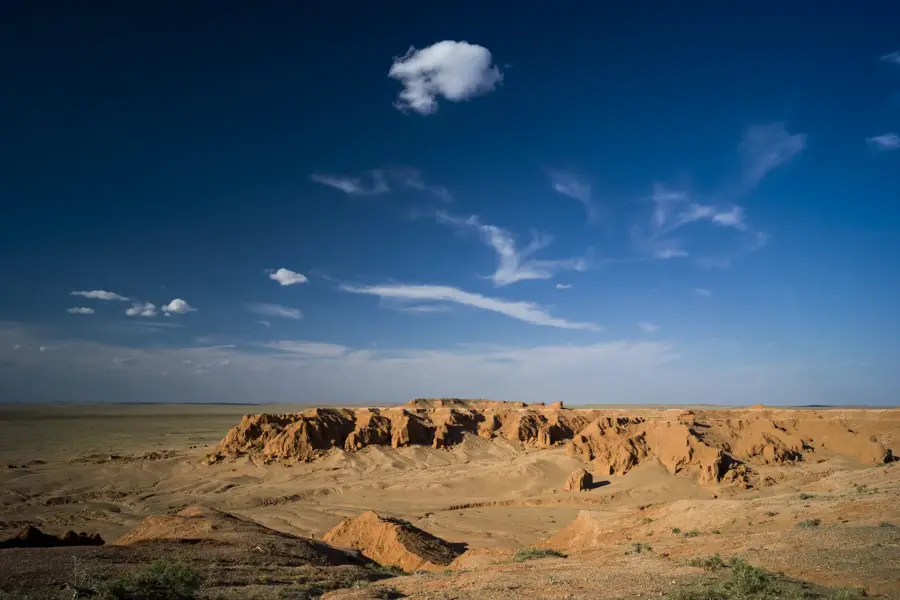
Flaming Cliffs (Bayanzag)
The Flaming Cliffs, locally known as Bayanzag, are a reddish sandstone formation in the Gobi Desert.
Learn more →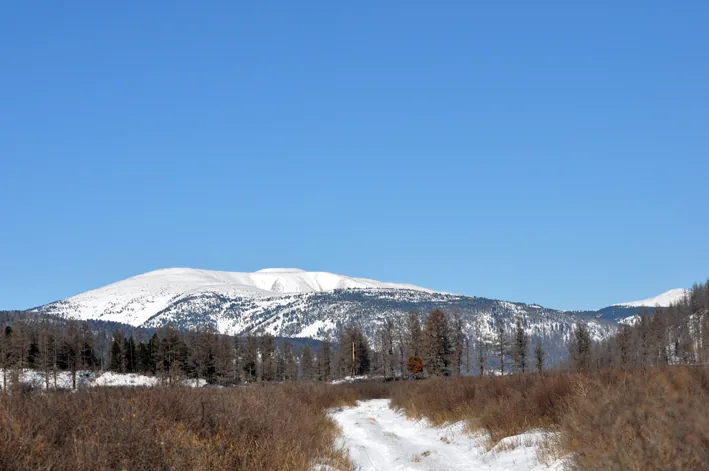
Burkhan Khaldun Mountain
Burkhan Khaldun is the most sacred mountain in Mongolia, hidden in the forested Khentii mountain range.
Learn more →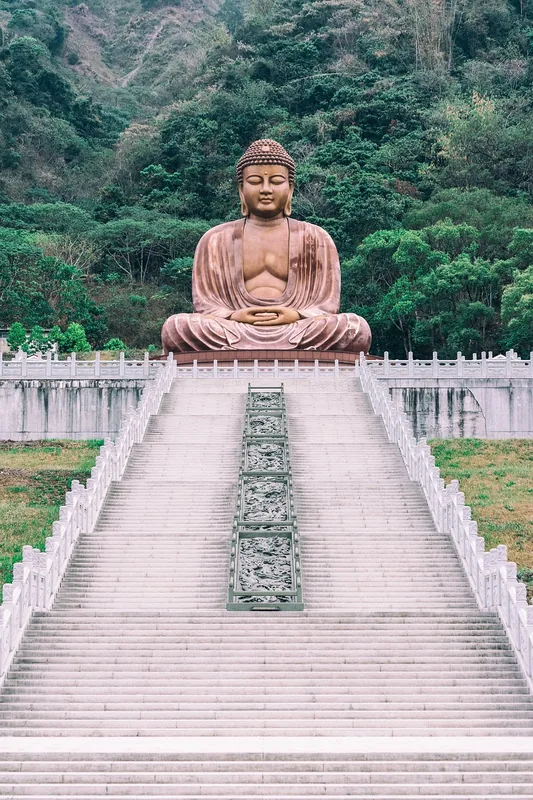
Aryabal Meditation Temple
The Aryabal Meditation Temple is a Buddhist temple in the Gorkhi-Terelj National Park, picturesquely built into a steep mountainside.
Learn more →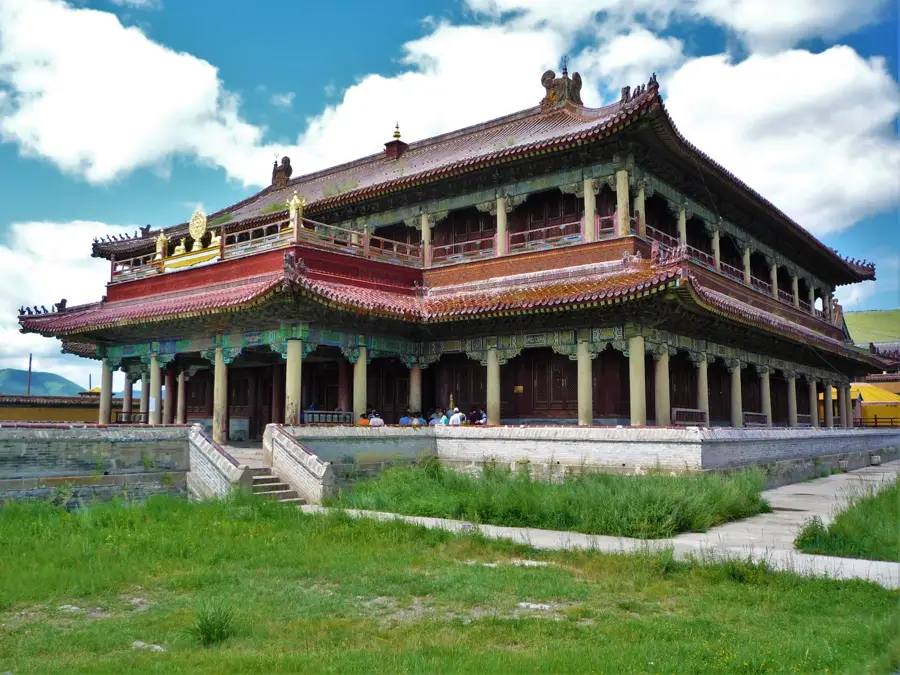
Amarbayasgalant Monastery
One of the three largest Buddhist monastic centers in Mongolia, featuring stunning Manchu-style architecture.
Learn more →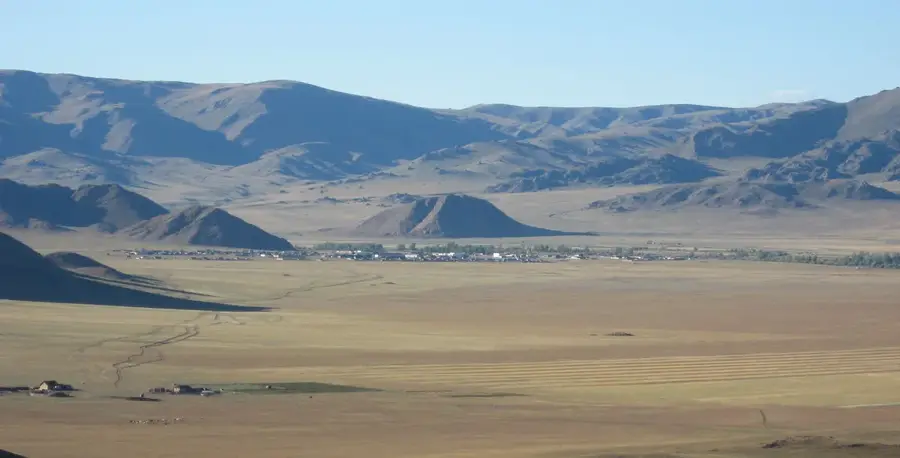
Deer Stones of Uushigiin Uvur
The Uushigiin Uvur complex in Khuvsgul Province preserves some of Eurasia's finest Bronze Age deer stones.
Learn more →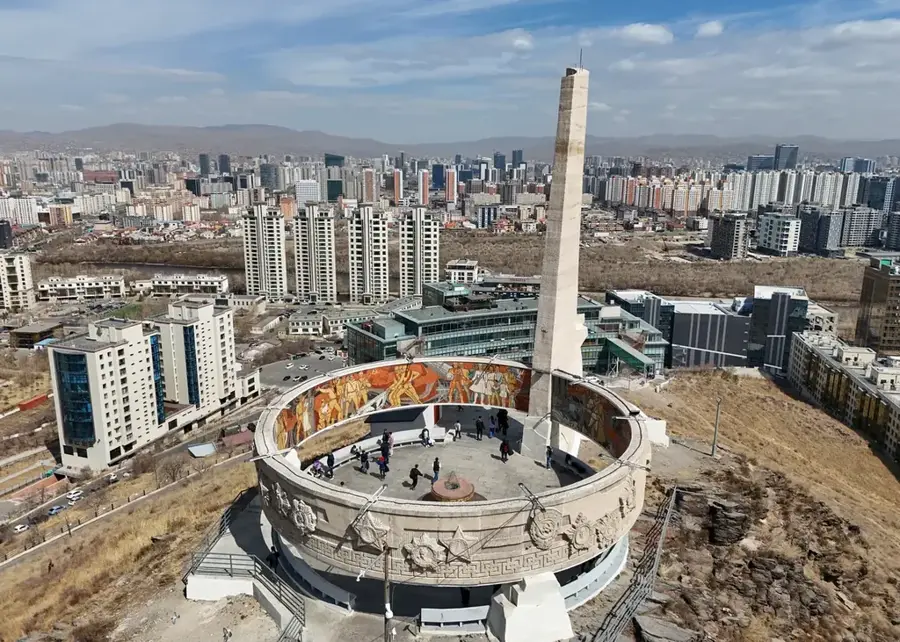
Zaisan Memorial
Located on a hill south of Ulaanbaatar, the Zaisan Memorial honors Soviet soldiers killed in World War II.
Learn more →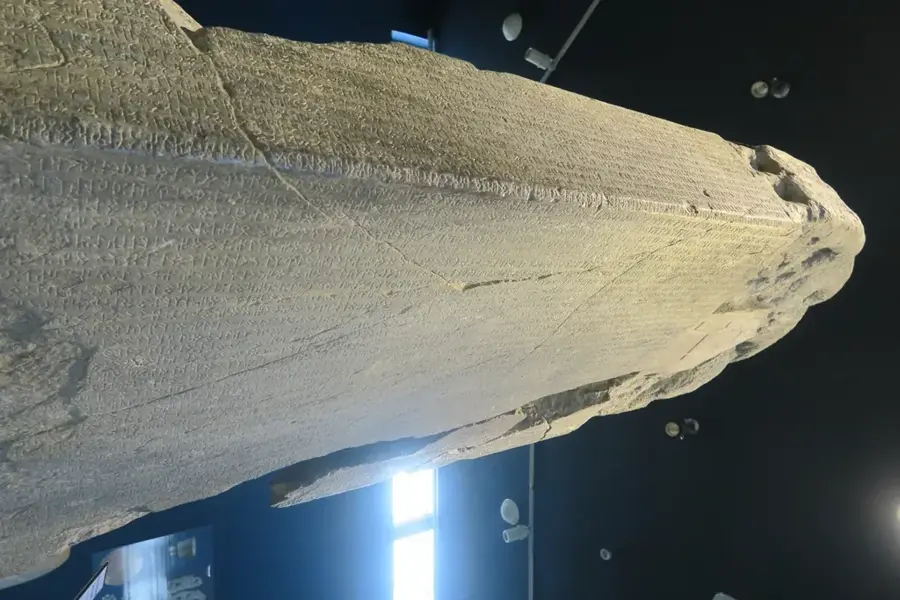
Khöshöö Tsaidam Monuments
The Khöshöö Tsaidam Monuments in the Orkhon Valley are vital 8th-century stone inscriptions.
Learn more →
Tsagaan Suvarga
Spectacular limestone rock formations resembling a giant white stupa and looking like a lunar landscape.
Learn more →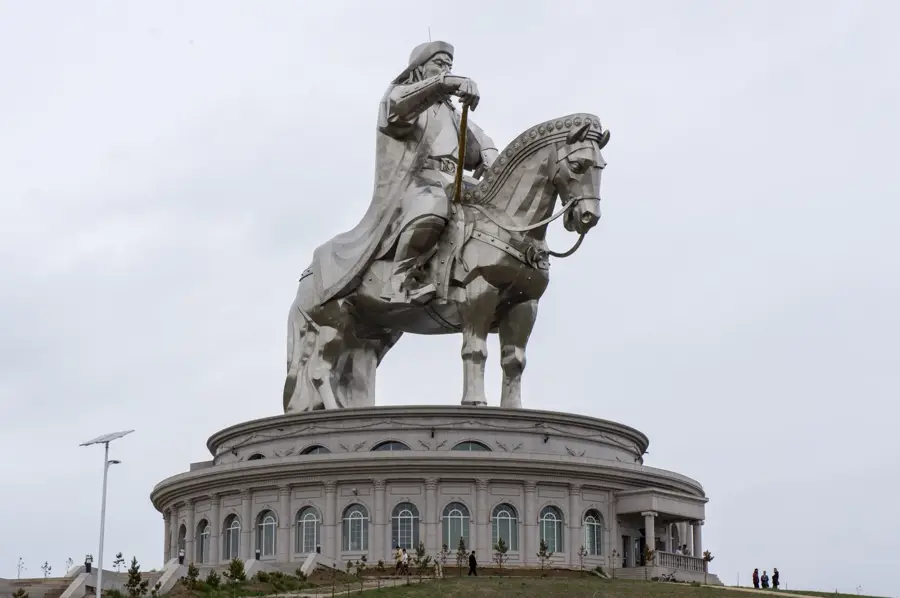
Genghis Khan Equestrian Statue
The Genghis Khan Equestrian Statue in Tsonjin Boldog is the world's tallest horse statue at 40 meters.
Learn more →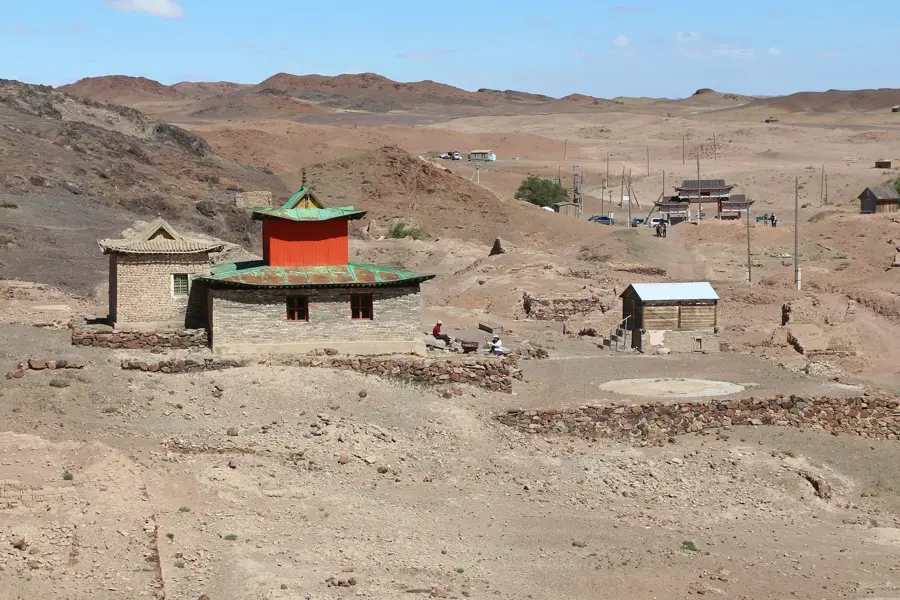
Ongi Monastery
Ruins of a large monastery on the banks of the Ongi River, once a significant educational center in the Gobi.
Learn more →Nature
Buddha Park Ulaanbaatar
A tranquil park at the foot of Zaisan Hill, dominated by an 18-meter-tall golden Buddha statue, serving as a place of reflection.
Learn more →
Ulaanbaatar Botanical Garden
A green oasis in the capital dedicated to researching and preserving Mongolian flora, showcasing a variety of native plant species.
Learn more →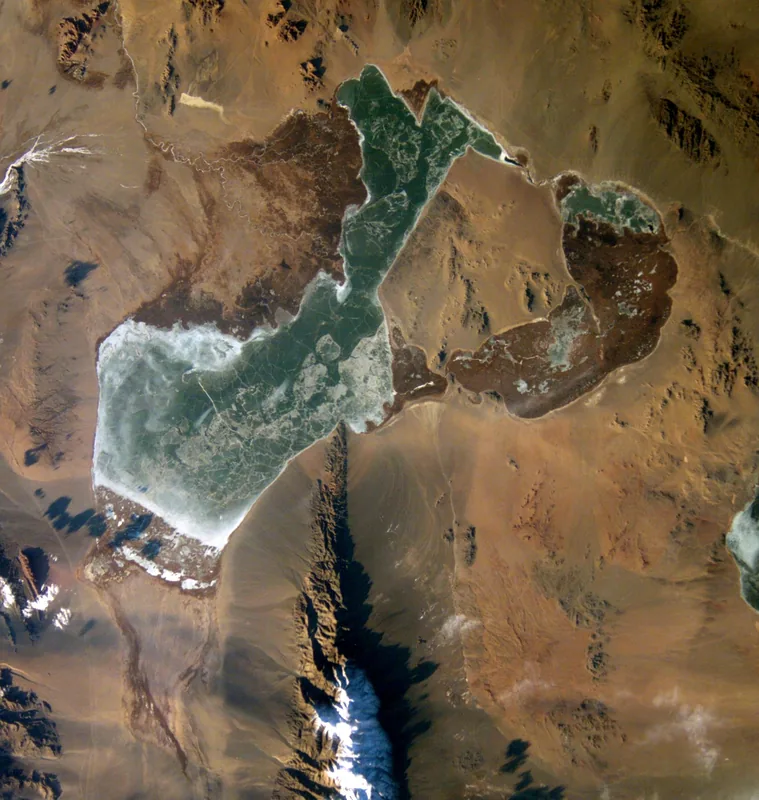
Khar-Us Lake
This 'Black Water Lake' in western Mongolia is divided into two by a large reed island and is a paradise for water birds.
Learn more →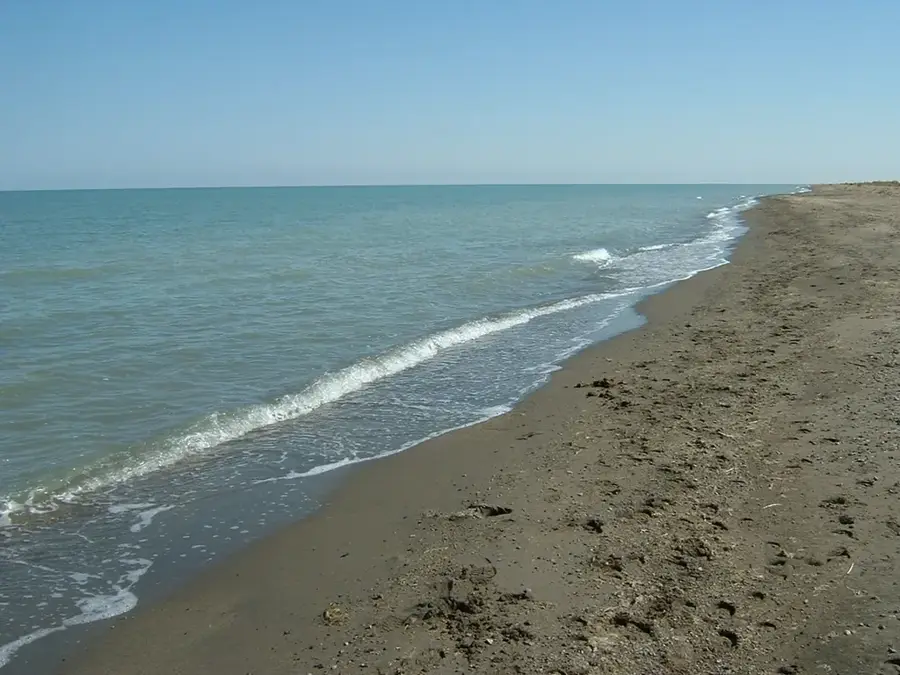
Uvs Lake
This vast, shallow salt lake in northwestern Mongolia is the center of an endorheic basin of extreme climatic importance.
Learn more →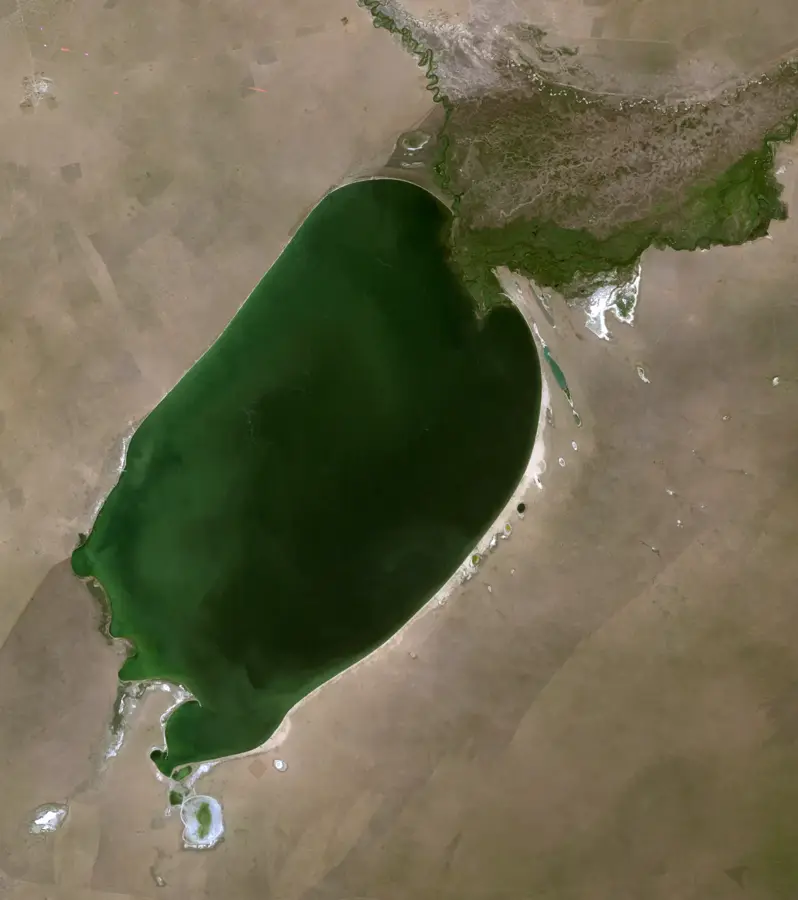
Buir Lake
A large freshwater lake in the far east of Mongolia that extends across the border into China and is rich in fish stocks.
Learn more →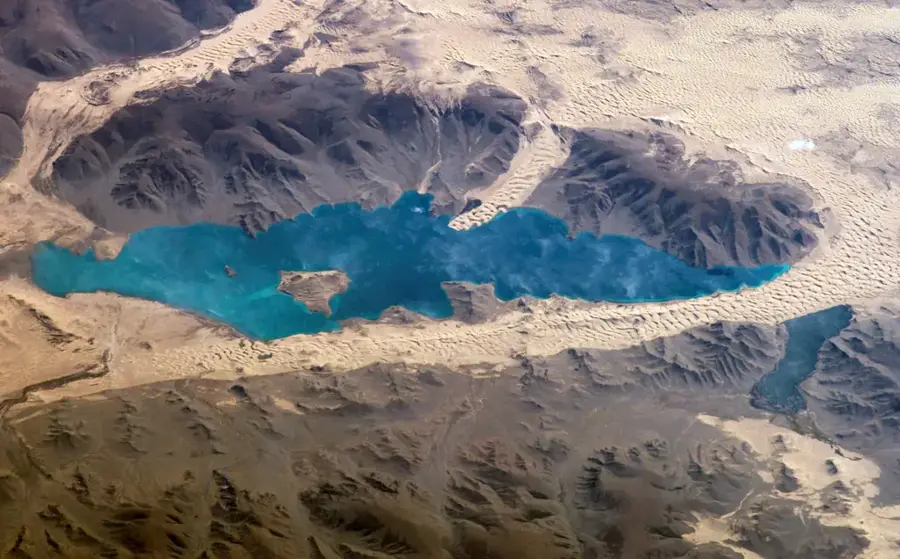
Khar Lake (Zavkhan)
Nestled among massive sand dunes, this magical blue lake offers a dramatic contrast to the arid desert landscape.
Learn more →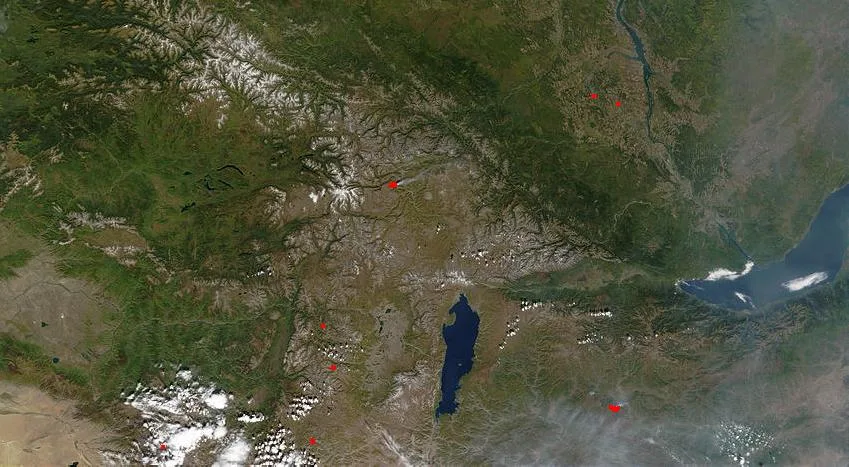
Lake Khövsgöl
Often referred to as the 'dark blue pearl' of Mongolia, it is the country's largest freshwater lake.
Learn more →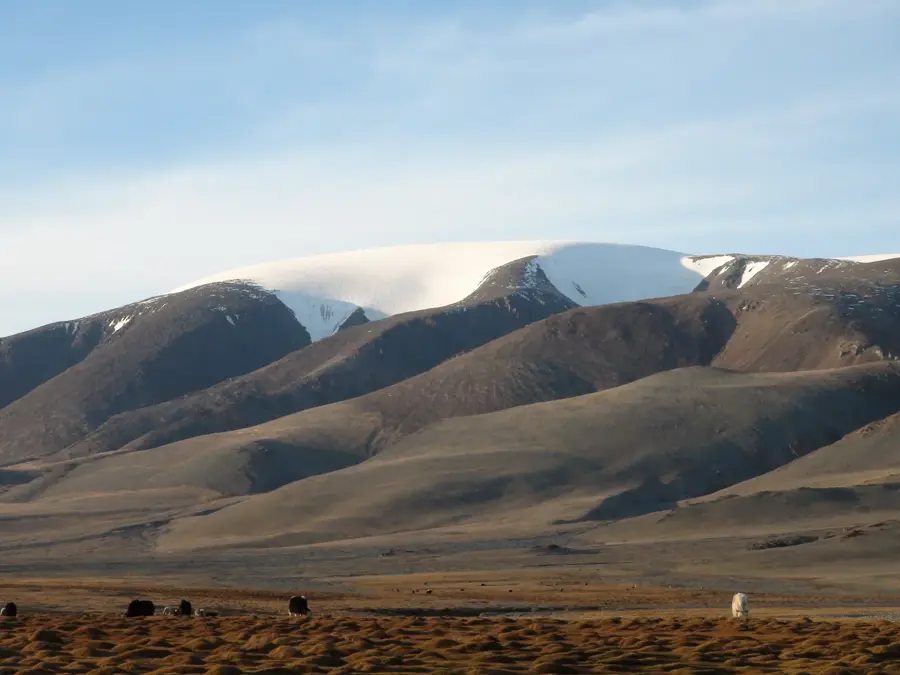
Mongolian Altai
A massive, glaciated mountain system that defines the western border of Mongolia and is dominated by extreme temperature fluctuations.
Learn more →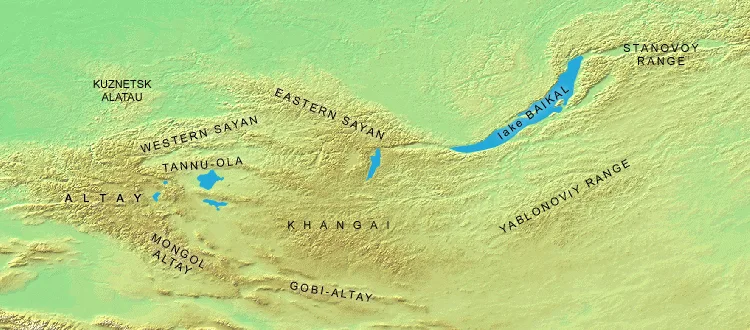
Khangai Mountains
This green and water-rich mountain range in the center of the country is characterized by vast alpine meadows and dense larch forests.
Learn more →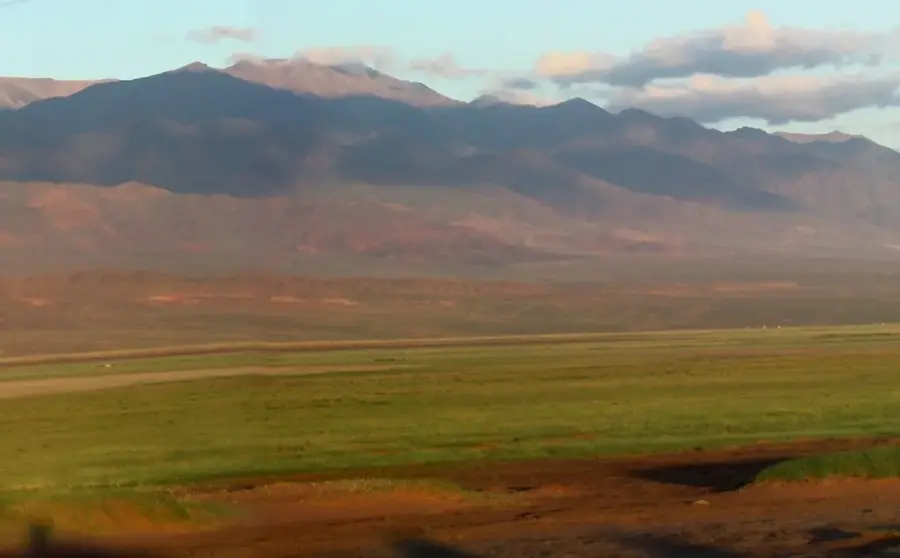
Ikh Bogd Mountain
The highest peak of the Gobi-Altai Mountains rises majestically from the surrounding semi-desert and offers spectacular views.
Learn more →More highlights
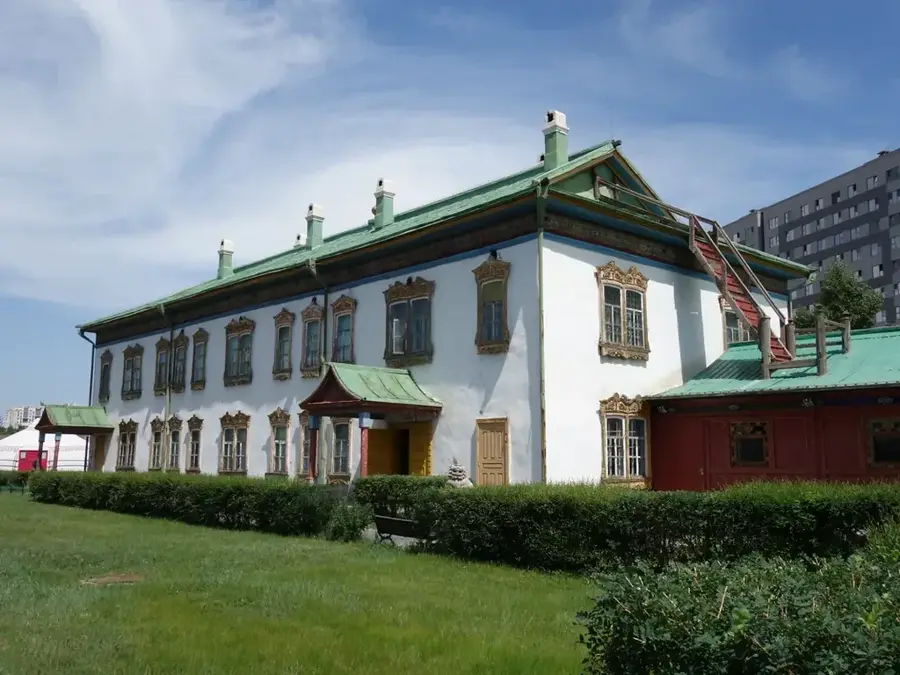
Bogd Khan Palace Museum
The Bogd Khan Palace Museum in Ulaanbaatar served as the Winter Palace for the eighth Jebtsundamba Khutuktu, Mongolia's last theocratic ruler.
Learn more →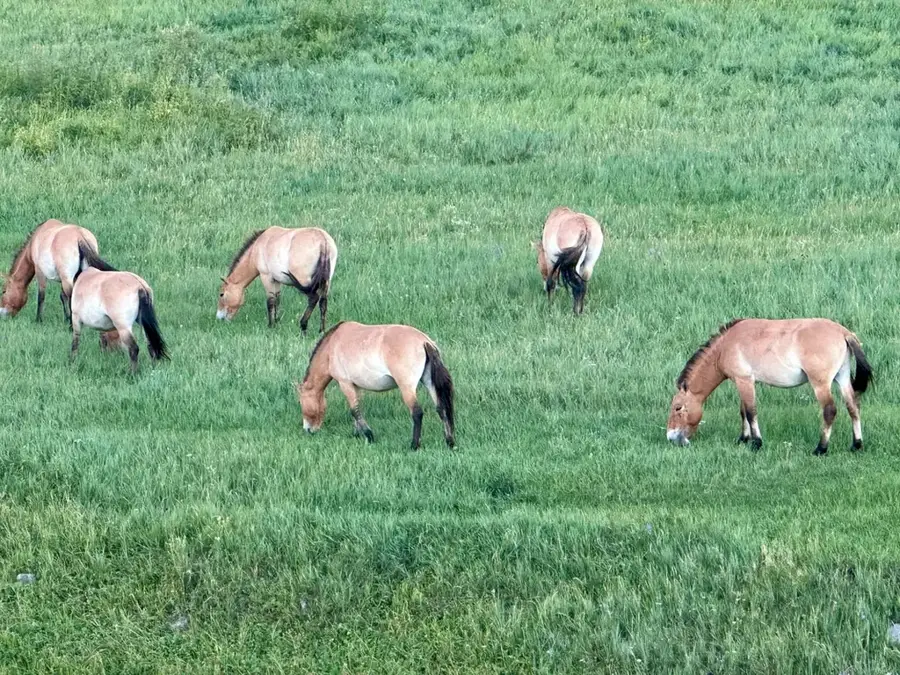
Hustai National Park
Hustai National Park is the most important protected area for the successful reintroduction of Przewalski's horses, also known as Takhi.
Learn more →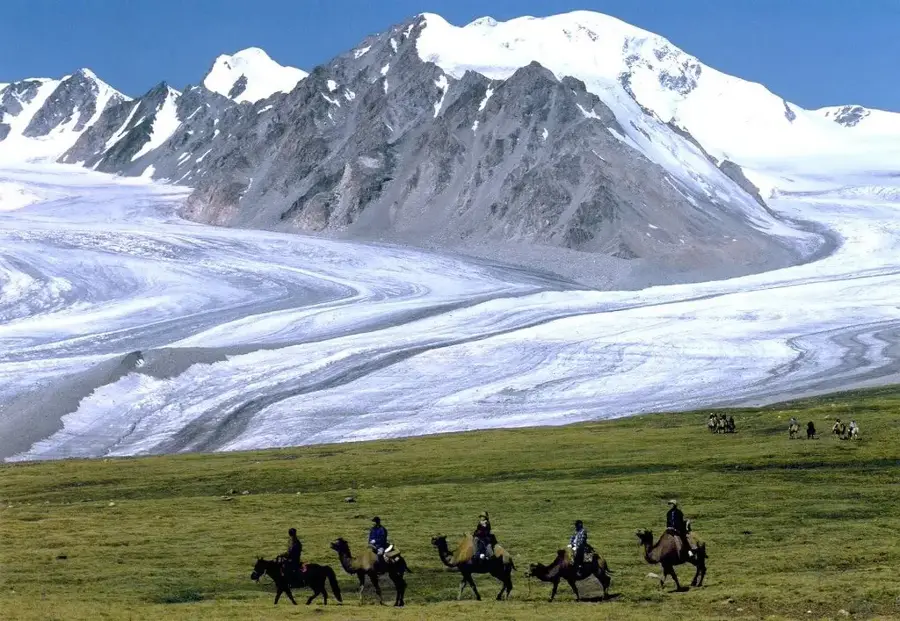
Altai Tavan Bogd National Park
The Altai Tavan Bogd National Park in the far west of Mongolia is famous for its glaciated peaks, deep lakes, and ancient petroglyphs.
Learn more →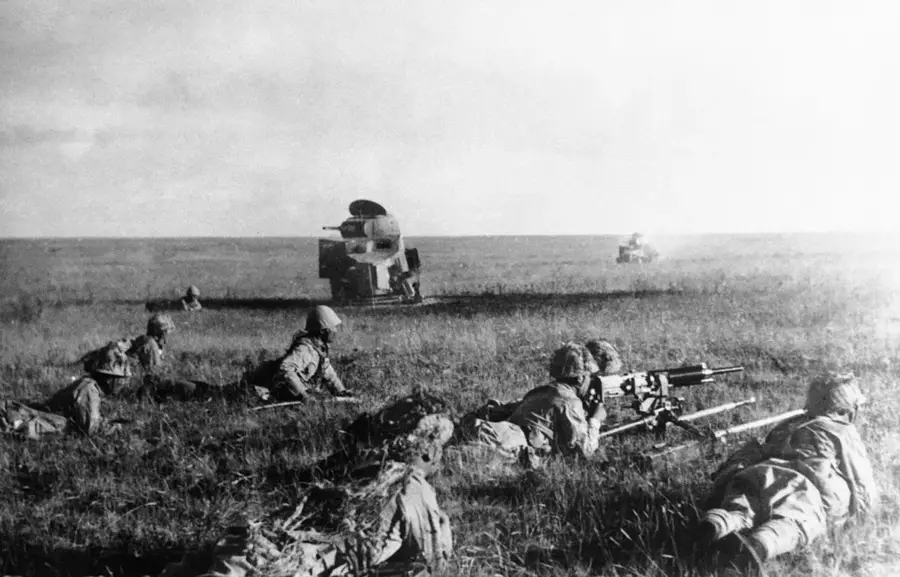
Khalkh Gol Battlefield
The area along the Khalkhin Gol river was the site of a decisive yet lesser-known battle in 1939.
Learn more →
Tsenkher Hot Springs
The Tsenkher hot springs are hidden deep in the forested mountains of the Arkhangai province.
Learn more →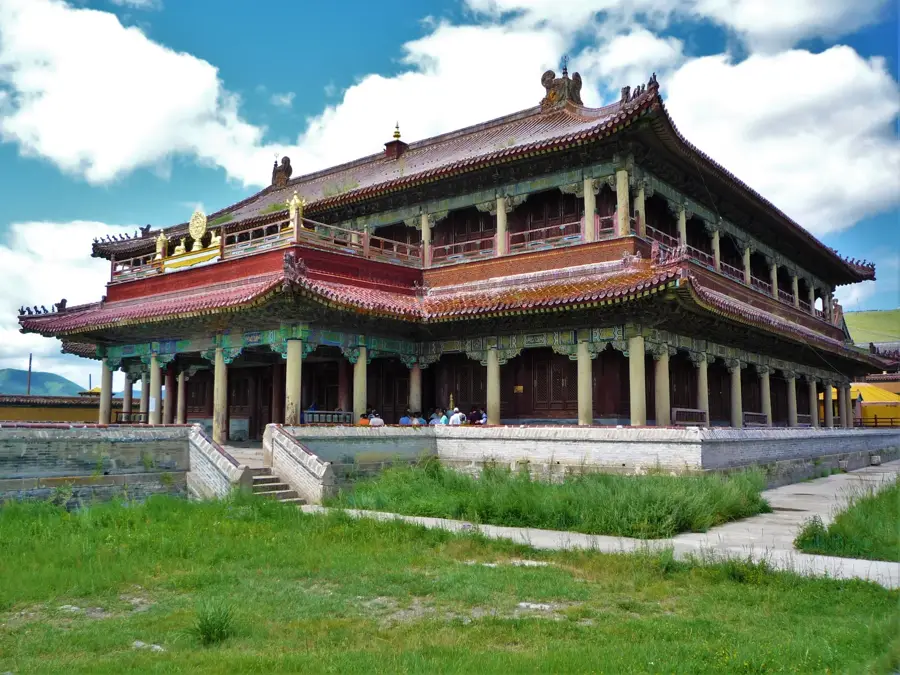
Amarbayasgalant Monastery
Amarbayasgalant Monastery in northern Mongolia is one of the top preserved Buddhist centers in the nation.
Learn more →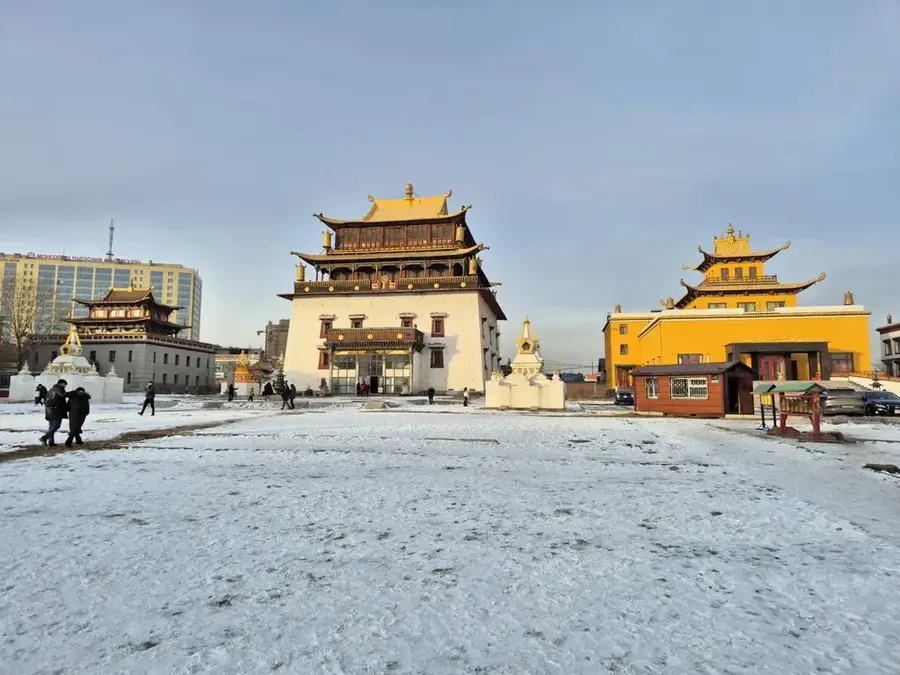
Gandantegchinlen Monastery
Gandantegchinlen Monastery is the largest active Buddhist center in Ulaanbaatar.
Learn more →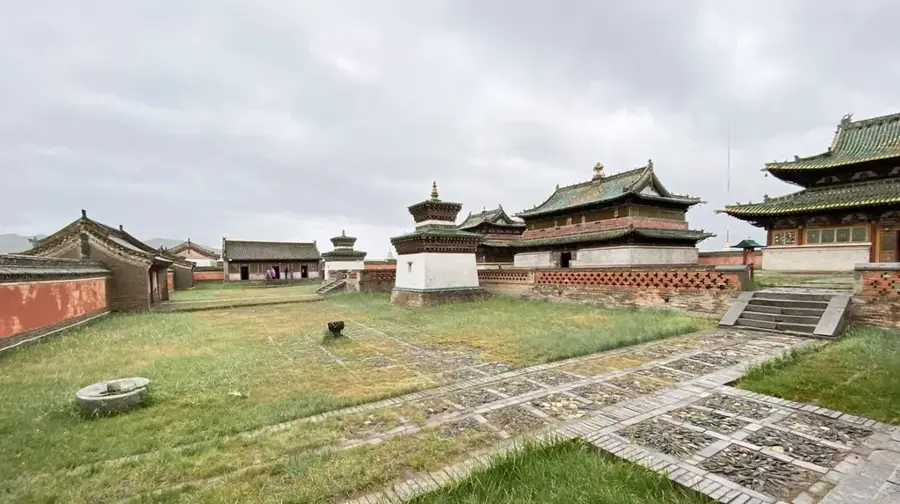
Karakorum Ruins
Karakorum was the legendary capital of the Mongol Empire in the 13th century under Ogedei Khan.
Learn more →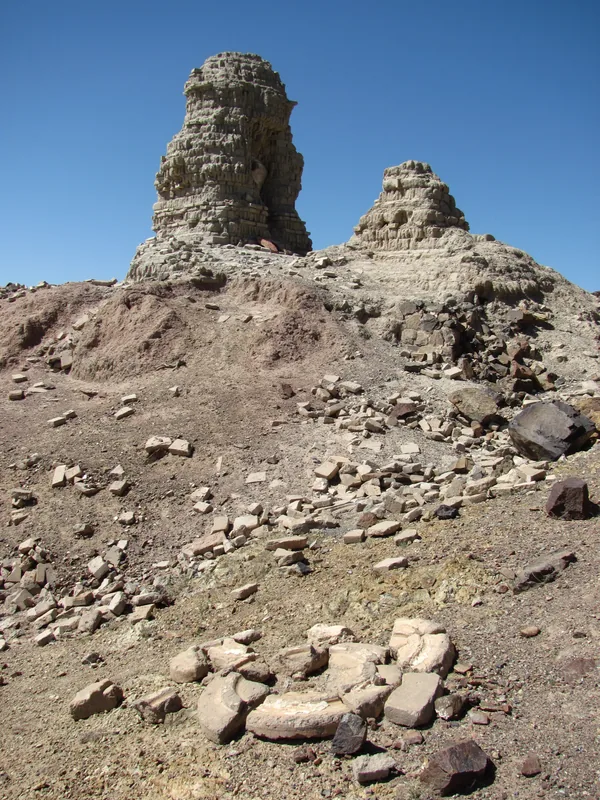
Ongi Monastery Ruins
Ongiin Khiid was once among the largest monasteries in the Gobi Desert, located along the Ongi River.
Learn more →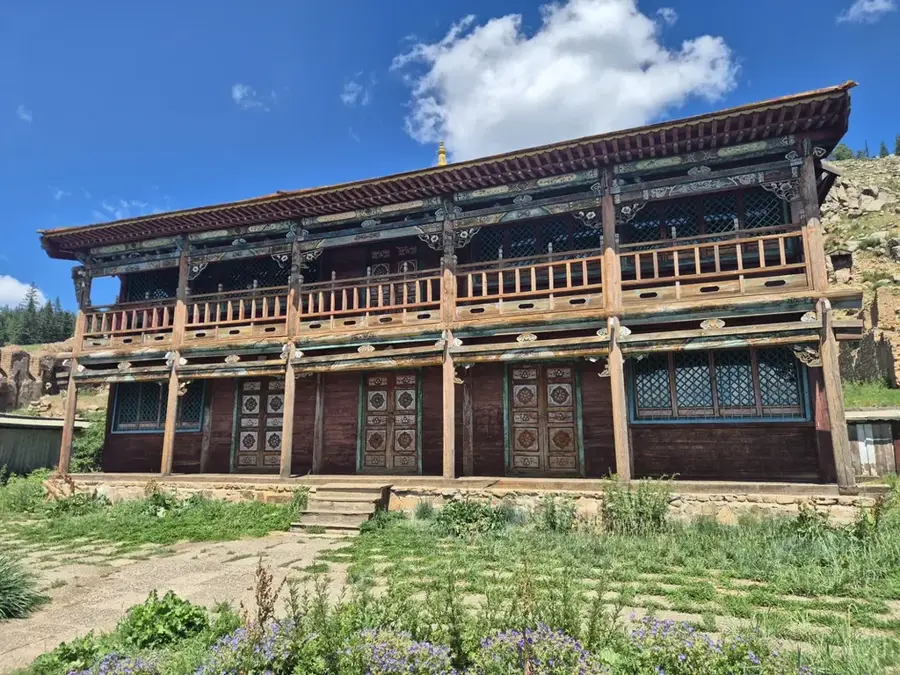
Manzushir Monastery
The ruins of Manzushir Monastery are nestled in the scenic valleys of the Bogd Khan Uul mountains.
Learn more →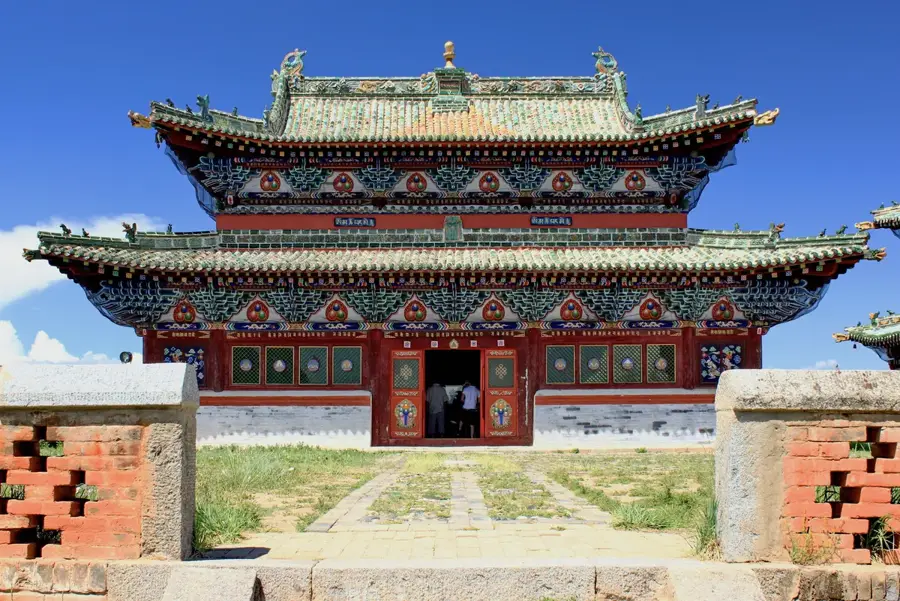
Erdene Zuu Monastery
Erdene Zuu is probably the oldest surviving Buddhist monastery in Mongolia.
Learn more →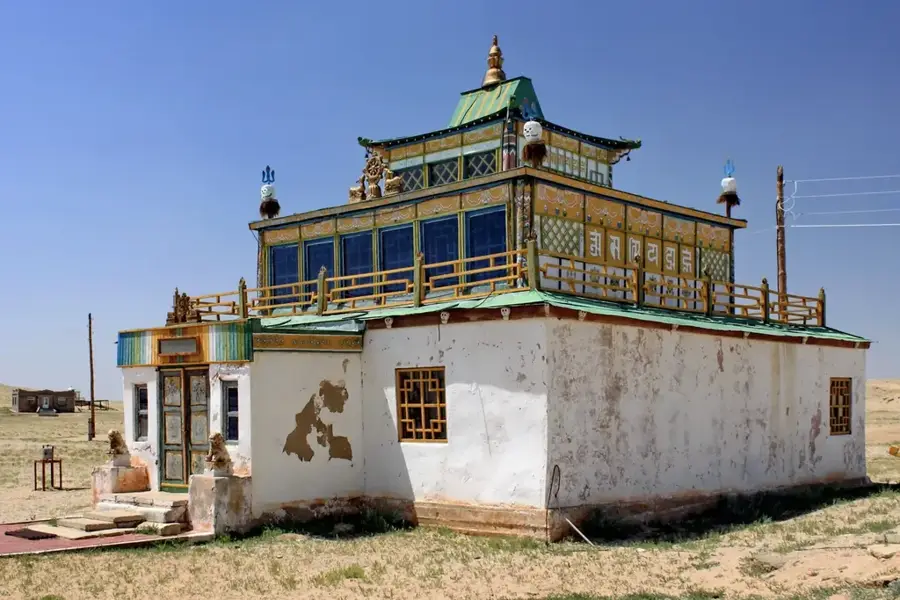
Khamariin Khiid Monastery
Khamariin Khiid is an important Buddhist center in the Gobi Desert, renowned as a spiritual energy center ('Shambhala').
Learn more →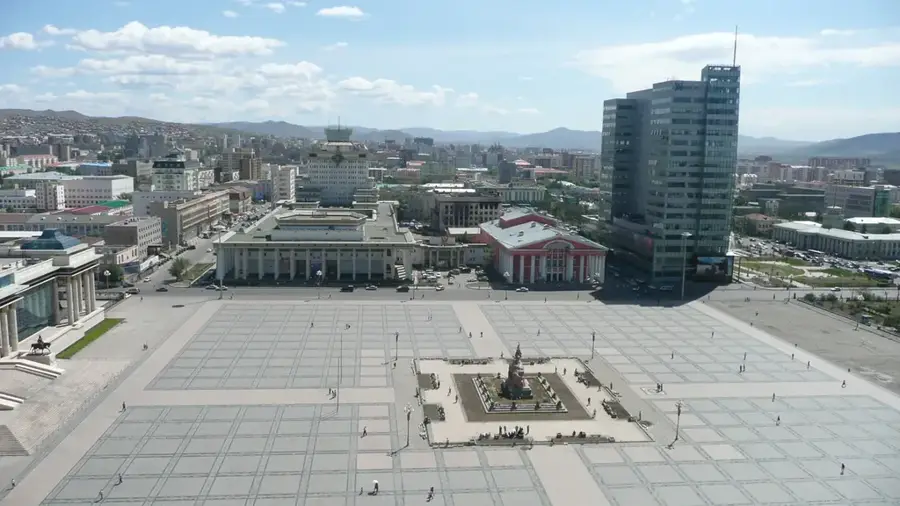
Sükhbaatar Square
Sükhbaatar Square is the vibrant heart of the capital Ulaanbaatar.
Learn more →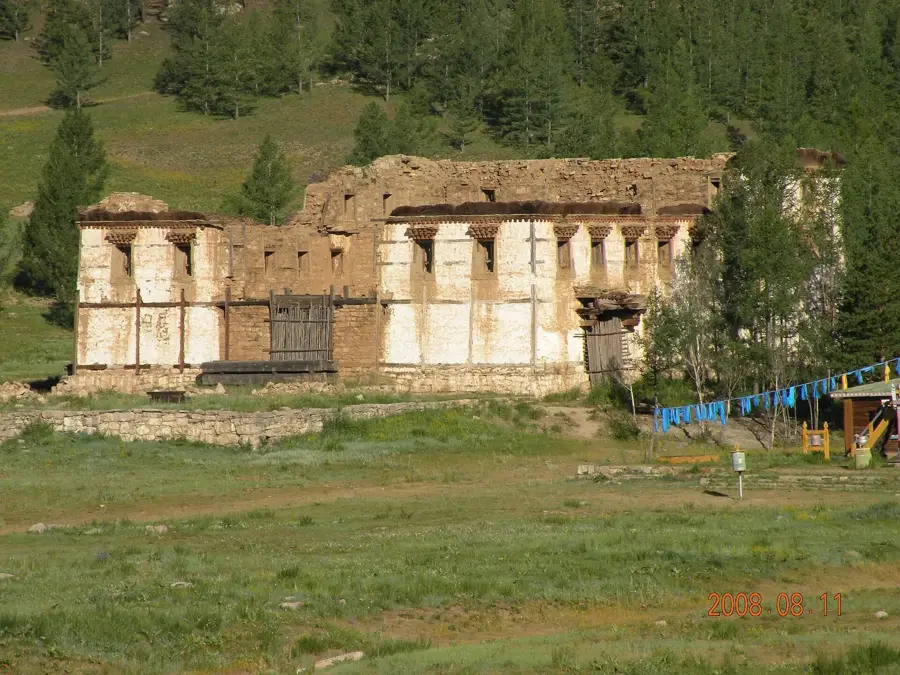
Baldan Bereeven Monastery
Baldan Bereeven Monastery is hidden in the forested mountains of Khentii Province.
Learn more →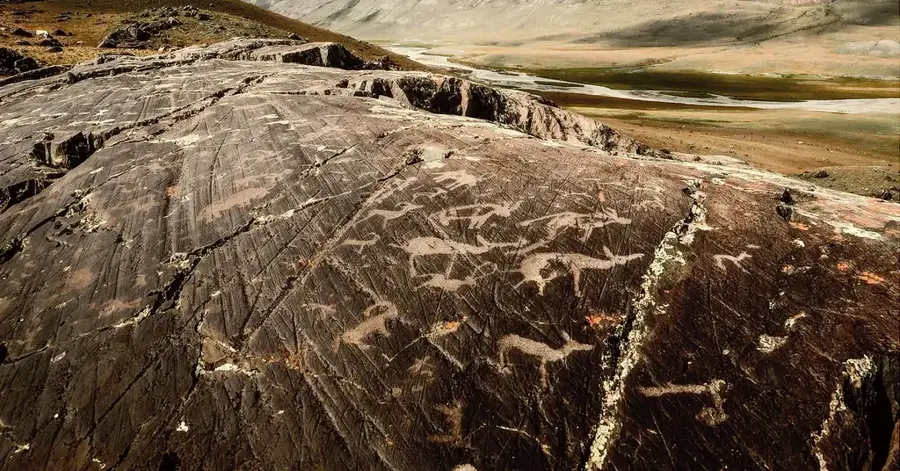
Petroglyphs of the Mongolian Altai
The Petroglyphs in the Mongolian Altai constitute a massive open-air museum of prehistoric art.
Learn more →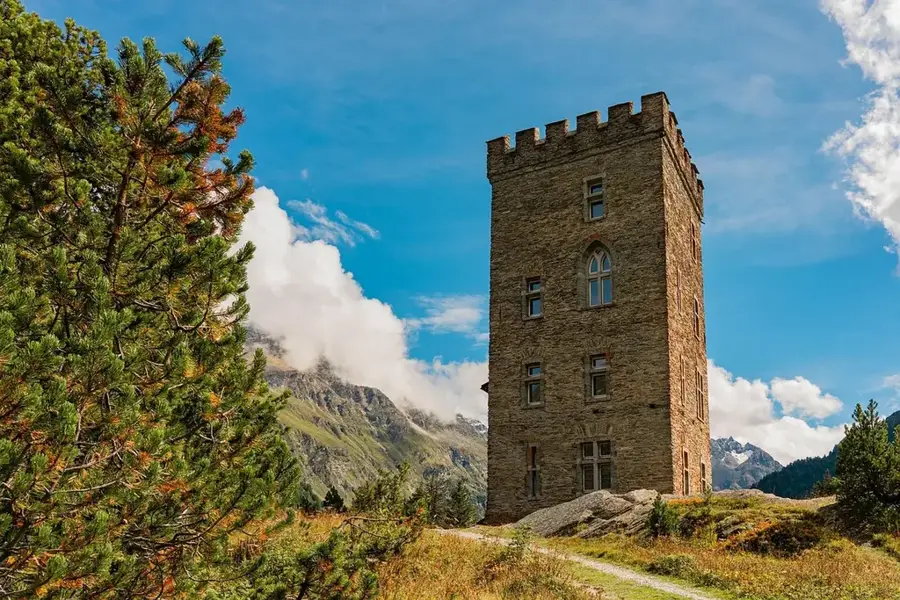
Sangiin Kherem Fortress Ruins
The ruins of the Sangiin Kherem fortress are located in the north of Khovd city.
Learn more →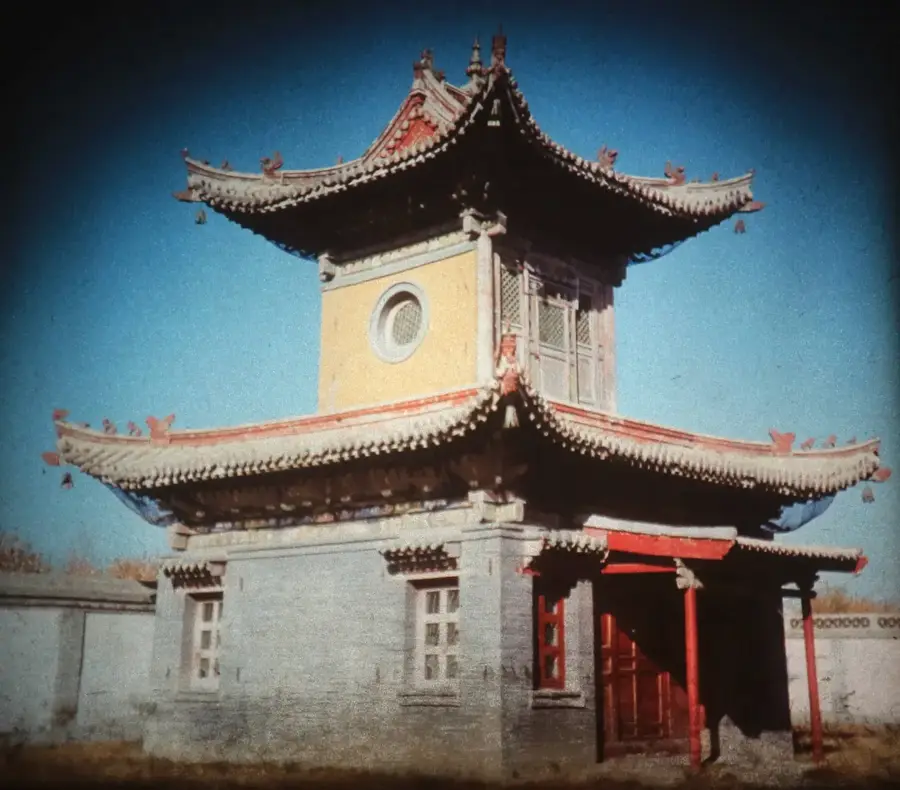
Choijin Lama Temple
The Choijin Lama Temple is a fascinating architectural complex in downtown Ulaanbaatar.
Learn more →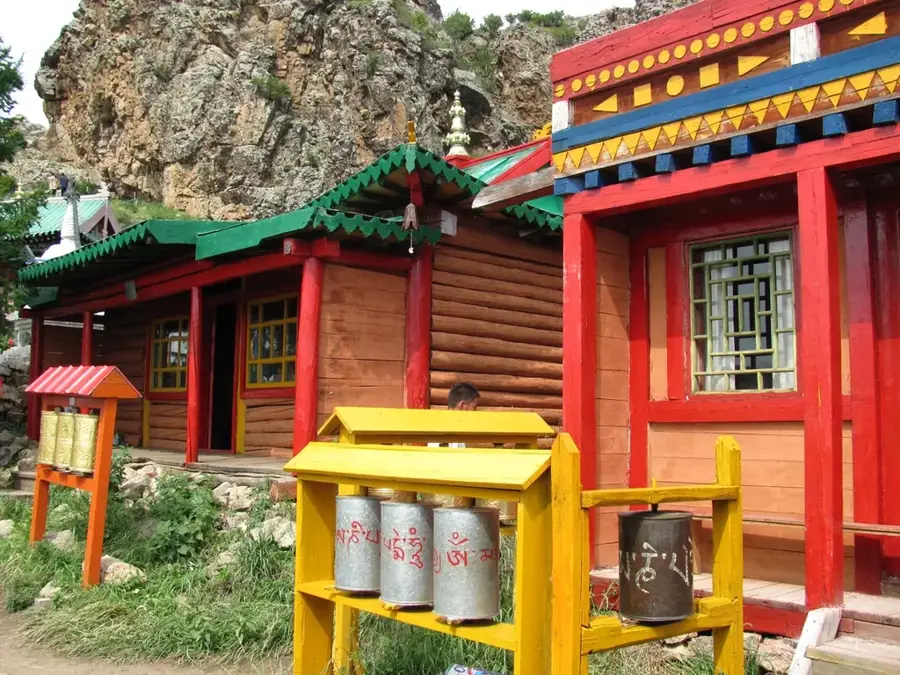
Tövkhön Monastery
Tövkhön Monastery is perched spectacularly on a rocky mountain peak surrounded by dense forests.
Learn more →
Uvs Sea Buckthorn Farms
Uvs Province is famous for cultivating hardy, vitamin-rich sea buckthorn, which thrives in the harsh climate and is processed into juice and oil.
Learn more →Frequently asked questions
What are the top attractions in Mongolia?
Among the most popular are White Stupa (Tsagaan Suvarga), Baga Gazriin Chuluu, Terkhiin Tsagaan Nuur, Orkhon Waterfall (Ulaan Tsutgalan), Khorgo Volcano and many more – the full top 50 list is on this page.
When is the best time to visit Mongolia?
May to October offers the most pleasant weather; July and August are warmest and busiest.