The Natural History Museum of Mongolia🏛 museum
The museum is world-famous for its massive dinosaur skeletons and fossils from the Gobi Desert.
🌐 nhm.gov.mn🕒 May 15-Sep 15: Mo-Fr 08:00-18:00; Sep 16-May 14: Tu-Fr 08:00
Plizio Visual Lab
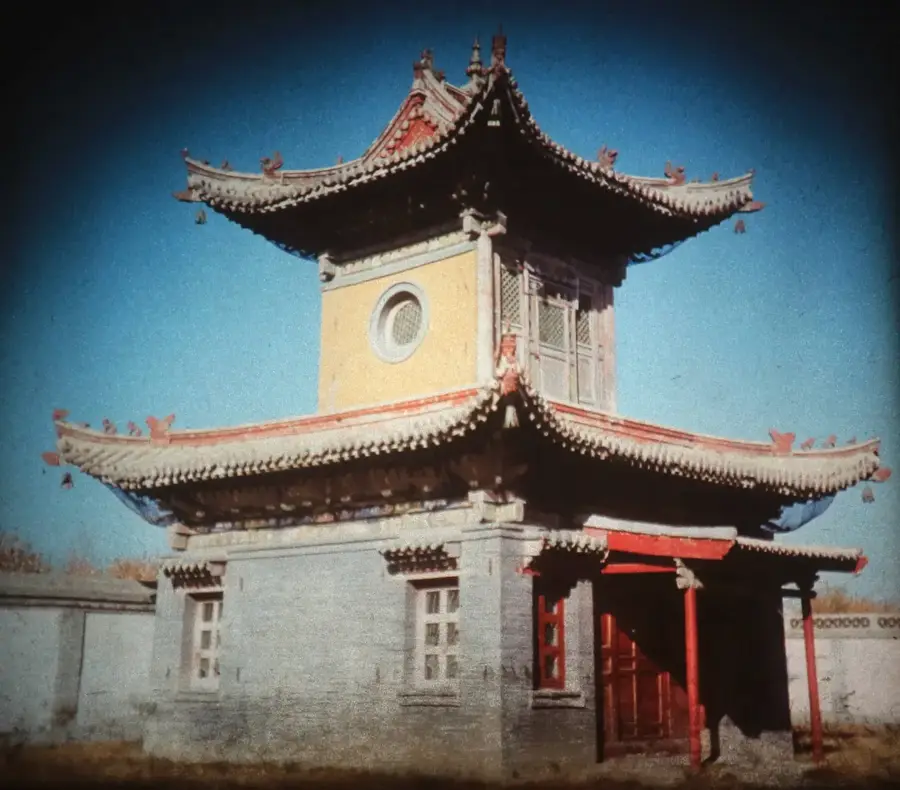
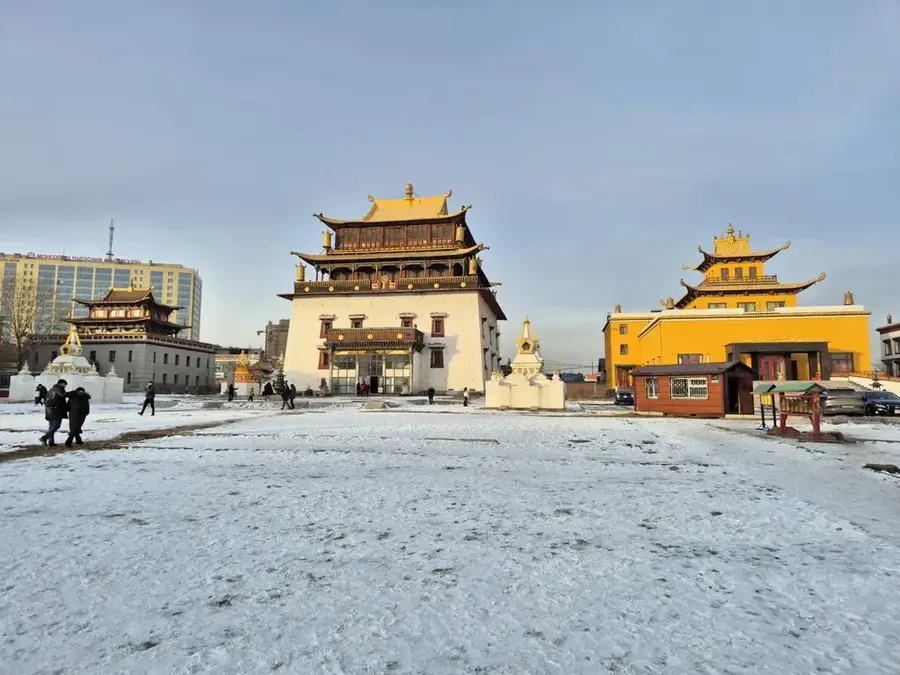
The Gandantegchinlen Monastery was established in 1809 in Ulaanbaatar and quickly evolved into the preeminent center of Tibetan Buddhism in Mongolia. Its name translates to 'the Great Place of Complete Joy.' During the religious purges of the 1930s, it was the only monastery in the country permitted to remain open, albeit under strict state supervision as a showcase for foreign visitors. Following the democratic revolution in 1990, the site underwent extensive restoration and currently houses several hundred monks. The architectural centerpiece is the Migjid Janraisig Temple, which contains a massive 26.5-meter statue of the Bodhisattva Avalokiteshvara. This gilded monument, consecrated in 1996, stands as a potent symbol of Mongolian national sovereignty and the enduring spiritual heritage of the nation.
The most pleasant time to visit is Jun–Aug.
| Jan | Feb | Mar | Apr | May | Jun | Jul | Aug | Sep | Oct | Nov | Dec | |
|---|---|---|---|---|---|---|---|---|---|---|---|---|
| Avg °C | -21 | -18 | -9 | 1 | 7 | 15 | 17 | 15 | 8 | -1 | -11 | -19 |
| Rain mm | 3 | 4 | 6 | 10 | 29 | 48 | 68 | 61 | 25 | 11 | 8 | 4 |
Notable places around
Where do you start? We build the route here, with stops and country notes along the way.
© OpenStreetMap contributors · OpenRouteService
The museum is world-famous for its massive dinosaur skeletons and fossils from the Gobi Desert.