Plizio Visual Lab
Los Roques Archipelago National Park
Weather…
Water temperature…
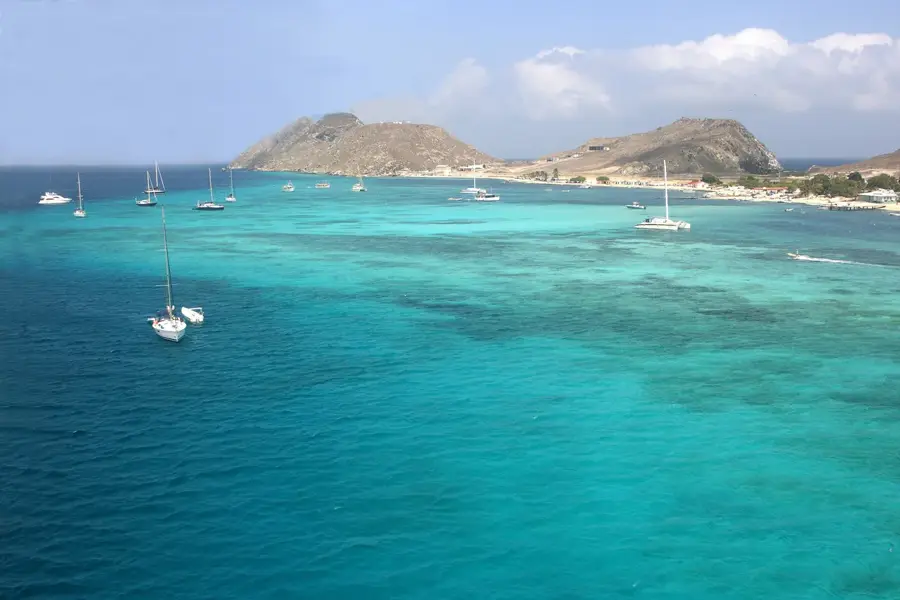
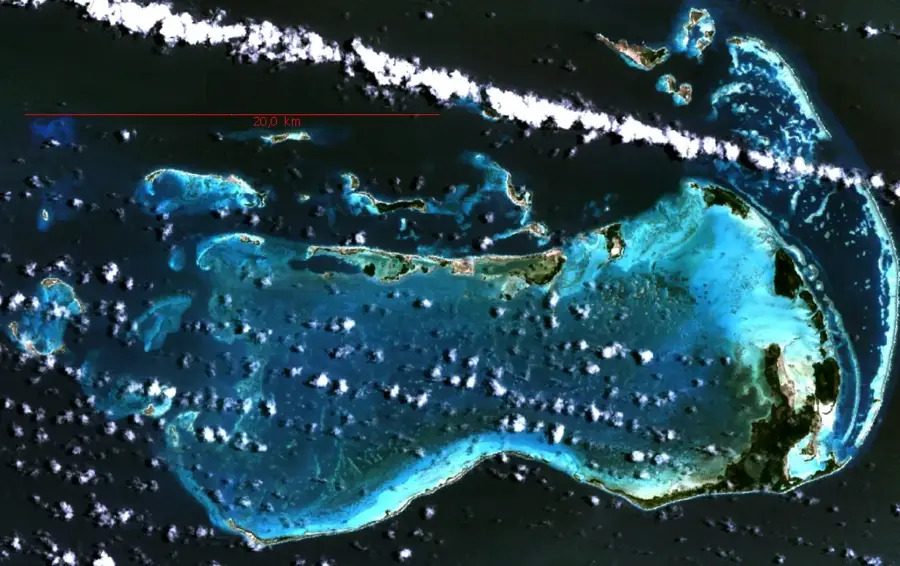
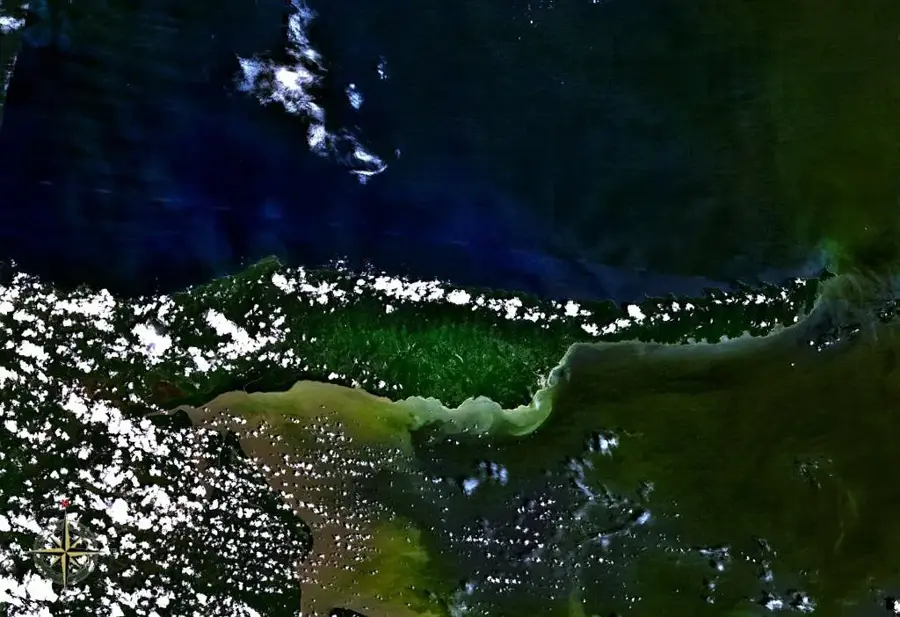
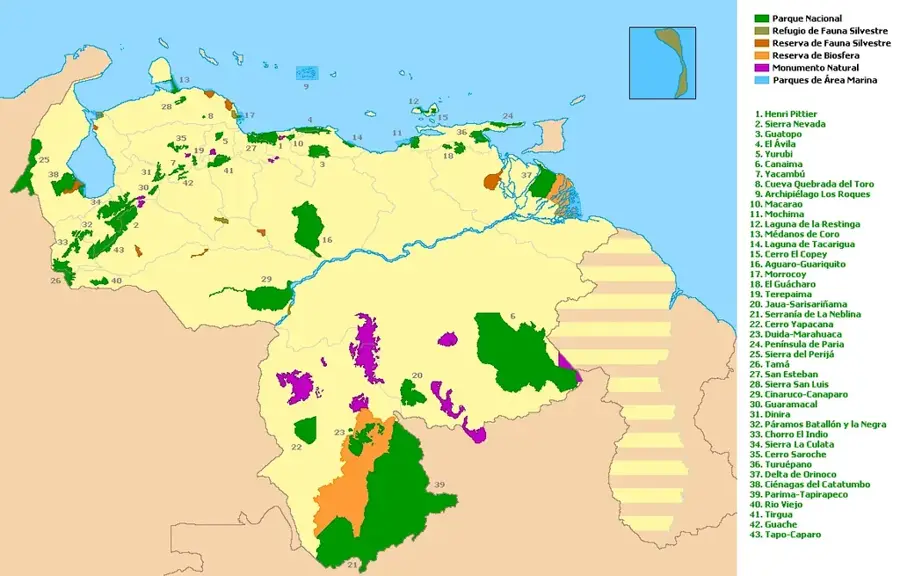
The Los Roques Archipelago National Park is the largest marine reserve in the Caribbean, established in 1972 to protect one of the world's most pristine coral ecosystems. Located approximately 160 kilometers (100 miles) north of Caracas, the archipelago consists of over 350 islands, cayos, and reefs grouped around a central, shallow lagoon. Geographically, Los Roques is an atoll-like structure resting on an underwater elevation, renowned for its extremely clear, turquoise waters. While the land area is small at about 15 square kilometers, the total protected marine area covers over 221,000 hectares. The biodiversity is staggering: the reefs host over 60 species of coral and hundreds of fish species, while mangroves and beaches provide critical nesting sites for sea turtles. Gran Roque is the only inhabited island and serves as the primary base for visitors. Due to its isolation and strict conservation rules, Los Roques has maintained its wild character and is considered one of Venezuela's most exclusive natural destinations. The park plays a crucial role in safeguarding marine resources throughout the Caribbean basin.
📋 Practical info
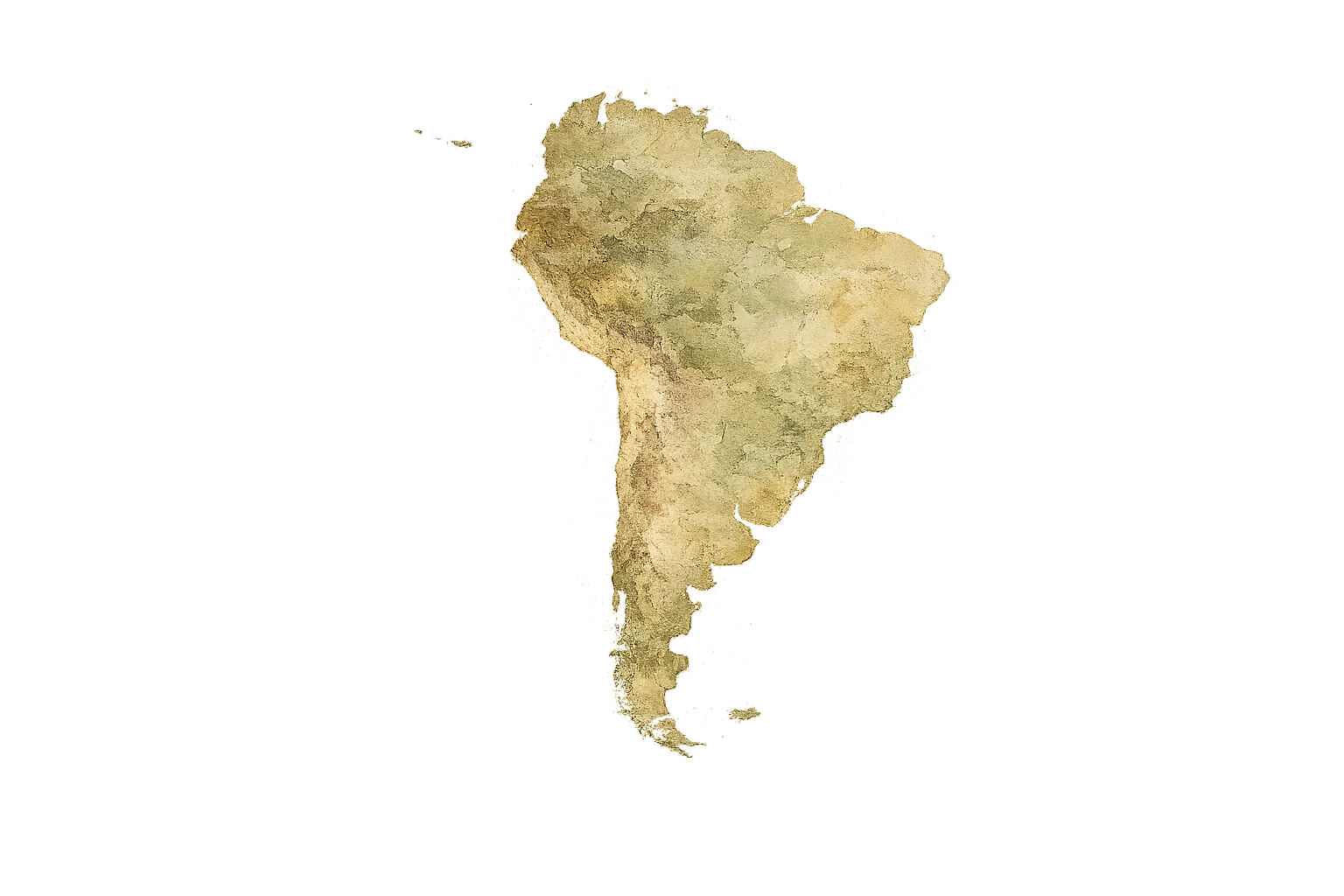
Geography
Facts
- The archipelago was declared a national park on August 8, 1972.
- It is the only true atoll in the Caribbean formed by tectonic uplift.
- The park encompasses over 221,120 hectares of marine and land area.
- Four species of sea turtles use these islands for nesting every year.
- The reefs contain more than 60 species of coral and 280 species of fish.
- The highest point is a small hill on Gran Roque featuring an old lighthouse.
Explore nearby
Notable places around



Route planner — Car & Motorhome
Where do you start? We build the route here, with stops and country notes along the way.
© OpenStreetMap contributors · OpenRouteService
Sights nearby
Frequently asked questions
How do you travel to Los Roques?
Is it an expensive destination?
What is the best time to travel?
Are there hotels on the islands?
Can you explore the reefs freely?
Los Roques Archipelago National Park: where is it located?
Los Roques Archipelago National Park: why is it worth visiting?
History & landmarks
Nature
More places