Plizio Visual Lab

Henri Pittier National Park
Plizio editorial teamData Sources
park
—°4
Henri Pittier National Park (Venezuela)

Weather…

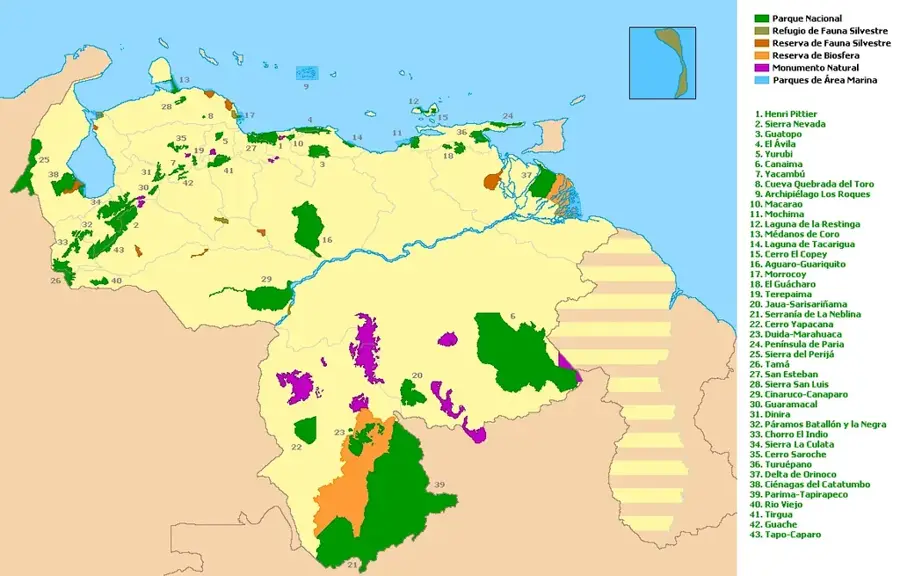
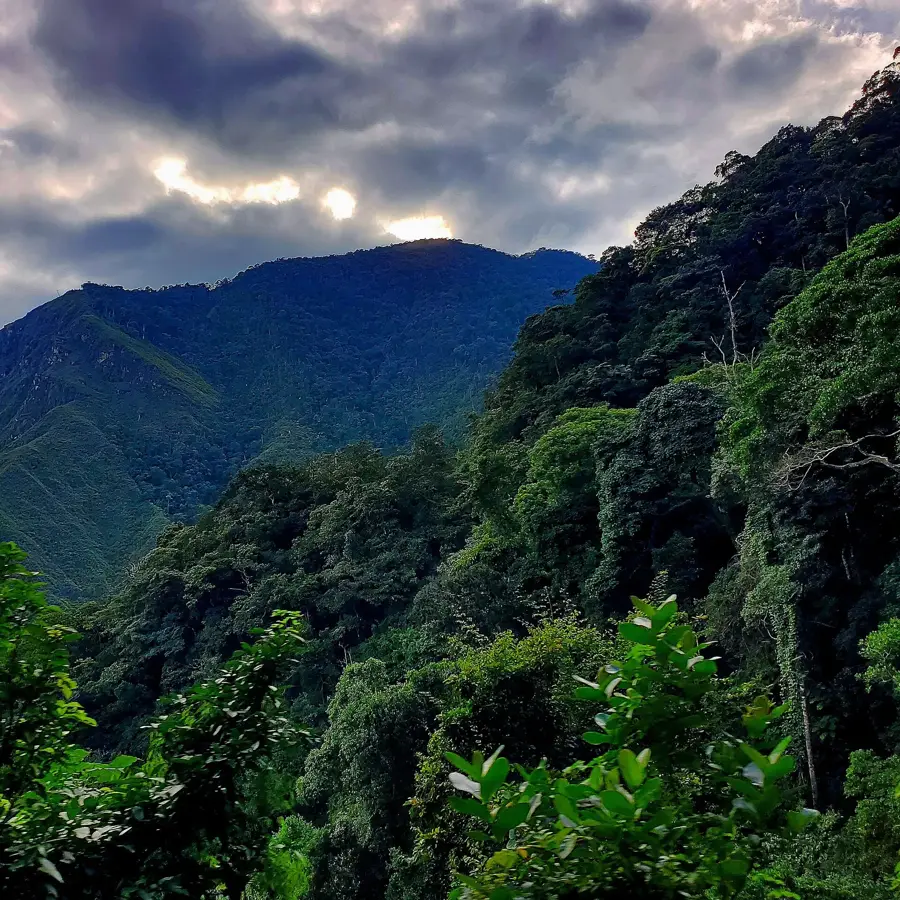
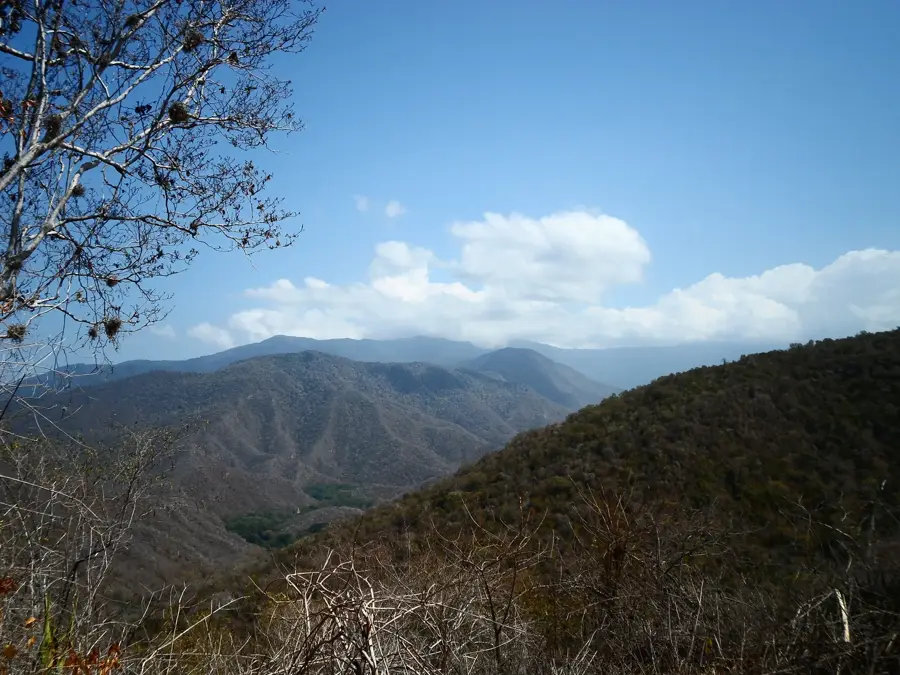
Henri Pittier National Park is the oldest national park in Venezuela, established in 1937, and spans the coastal mountains of Aragua and Carabobo states. It covers an area of approximately 107,800 hectares (266,000 acres), stretching from the Caribbean coast to the high peaks of the Cordillera de la Costa. The park is named after the renowned Swiss geographer and botanist Henri Pittier, who was instrumental in its creation. The region is characterized by extraordinary topographical diversity, ranging from dry forests on the coast to lush cloud forests at higher elevations. A standout feature is its birdlife; over 500 species have been recorded here, making it one of the premier birdwatching destinations in the world. The Portachuelo Pass is particularly famous as a critical migration route for millions of birds and insects. Beyond its ecological value, the park protects vital water sources for the surrounding cities of Maracay and Valencia. The combination of pristine beaches, dense jungles, and immense biodiversity makes Henri Pittier a true national natural treasure.

📋 Practical info

🧭
Getting there
The park is easily accessible from Maracay and is traversed by a winding mountain road that leads directly to the Caribbean coast and towns like Choroní. Travelers often use buses or private cars to drive through the various elevation levels and vegetation zones of this coastal range.
📅
Best season
A humid tropical climate prevails throughout the year, but the drier period between December and March is convenient for birdwatching and hiking. During the rainy season, the mountain cloud forests are especially lush and mysterious, though landslides can sometimes affect the pass roads.
⛰️
Terrain & paths
The terrain includes steep mountain ridges that rise from sea level to over 2,000 meters, hosting an enormous biological diversity. The trails lead through dense jungle and cloud forests, with slopes often being quite significant and requiring visitors to be in good physical condition.
🎒
What to bring
Bring binoculars for birdwatching as well as lightweight but protective clothing against insects and humidity. A light sweater for the cooler high-altitude areas and sturdy hiking boots with good grip for the often wet and slippery forest paths should definitely be in your backpack.
🅿️
Parking
Limited parking spaces for visitors are available at the park entrances and near research stations like Rancho Grande. As the road to Choroní is very narrow, there are few pull-offs along the route; therefore, you should strictly use the officially designated parking zones provided.
⚠️
Safety
Exercise caution when driving on the narrow mountain roads, especially in fog or when encountering oncoming bus traffic. Pay attention to your surroundings on the trails, as humidity can make paths very slippery, and avoid leaving the marked corridors within the dense forest.
⏱️
Time needed
A short trip to the viewpoints lasts 2 to 3 hours, but traversing the park to the coast requires a full day of driving with stops. For nature enthusiasts, it is recommended to plan at least two days to experience both the mountain forests and the coastal zones intensively.

Geography

Coordinates
10.40000, -67.60000

Facts

  • Established in 1937 as Rancho Grande, it was the country's first NP.
  • The park is home to more than 40% of all bird species in Venezuela.
  • The highest point is Pico Cenizo, reaching 2,436 meters (7,992 feet).
  • The coastal side includes famous beaches like Choroní and Ocumare.
  • Portachuelo Pass is a major bottleneck for intercontinental migratory birds.
  • Henri Pittier himself spent years living in the park to study its flora.

Explore nearby

Notable places around

Route planner — Car & Motorhome

Where do you start? We build the route here, with stops and country notes along the way.

Vehicle
Only stops with (optional):

© OpenStreetMap contributors · OpenRouteService

Sights in the town Henri Pittier National Park (4)

Pico La Mesa🌿 nature

A peak in the Henri Pittier park known for the flora typical of the Venezuelan coastal range.

Cerro Peñón Blanco🌿 nature

A prominent mountain whose light-colored rock formations gave it its characteristic name.

Cerro Macarapure🌿 nature

A mountain in the heart of the national park, surrounded by dense cloud forest and rich biodiversity.

Agua Fuerte🏛 museum

A small museum dedicated to documenting the local natural history and research within the park.

Sights nearby

Frequently asked questions

Where is this national park located?
It stretches across the coastal mountains between the states of Aragua and Carabobo.
What activities are recommended?
Bird watching, hiking in the cloud forests, and beach visits on the Caribbean coast are popular.
Is the park family-friendly?
Yes, especially the lower elevations and beaches are well-suited for families.
Do I need a guide for the cloud forest?
For extensive hikes in the dense forest, a local guide is strongly recommended to avoid getting lost.
What is the weather like there?
It is humid and cool in the cloud forest, while it remains hot and sunny on the coast.
Henri Pittier National Park: where is it located?
Henri Pittier National Park is located in Venezuela.
Henri Pittier National Park: what is there to see?
Highlights include Pico La Mesa, Cerro Peñón Blanco, Cerro Macarapure.
Henri Pittier National Park: why is it worth visiting?
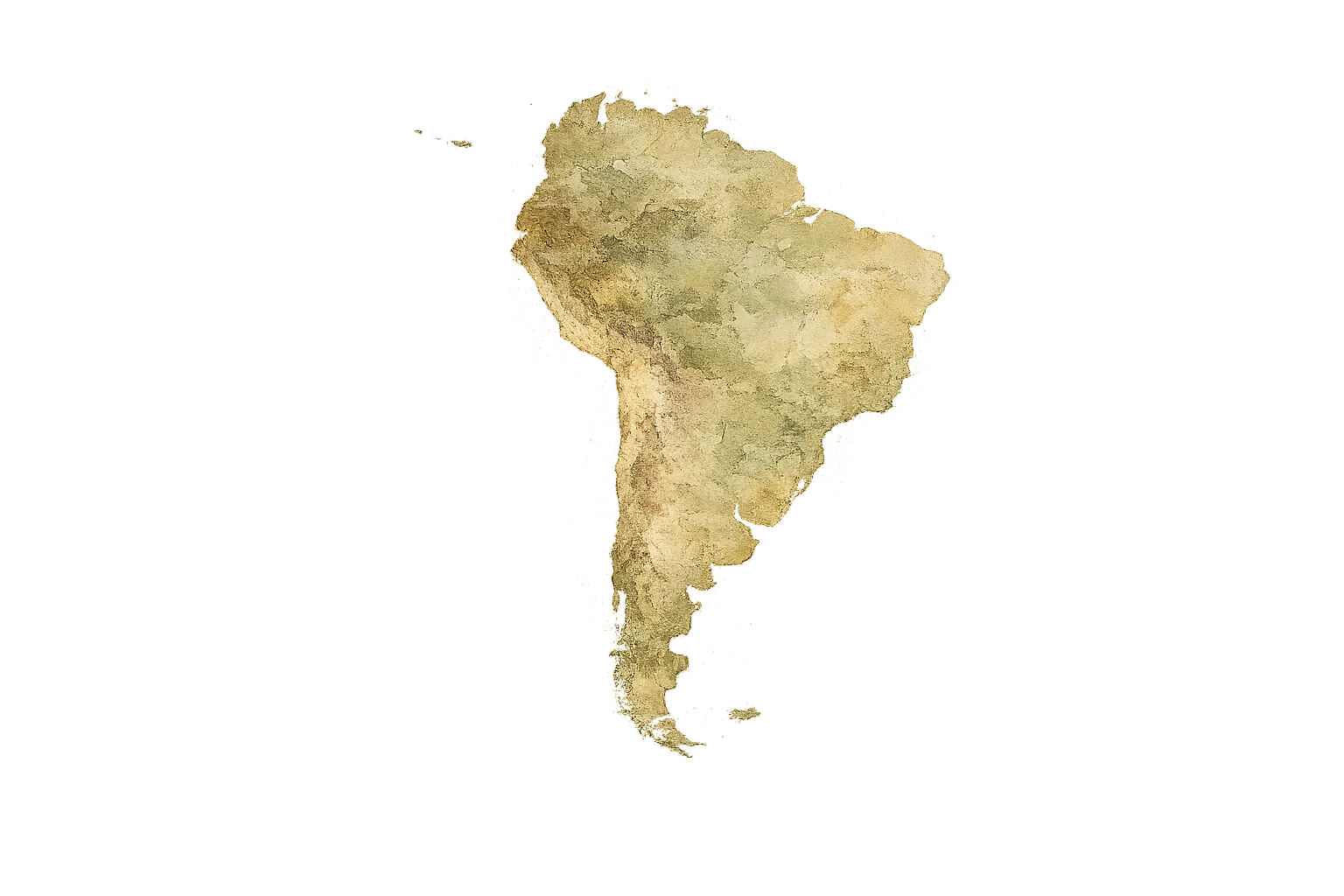
Henri Pittier National Park is the oldest national park in Venezuela, established in 1937, and spans the coastal mountains of Aragua and Carabobo states.
View on map → The Top 50 Attractions → OpenStreetMap →
South America
Explore with Plizio Discover more places in South America
More places in Venezuela →

Nature

More places