Plizio Visual Lab

Los Roques
Plizio editorial teamData Sources
park
—°1
Los Roques (Venezuela)

Weather…

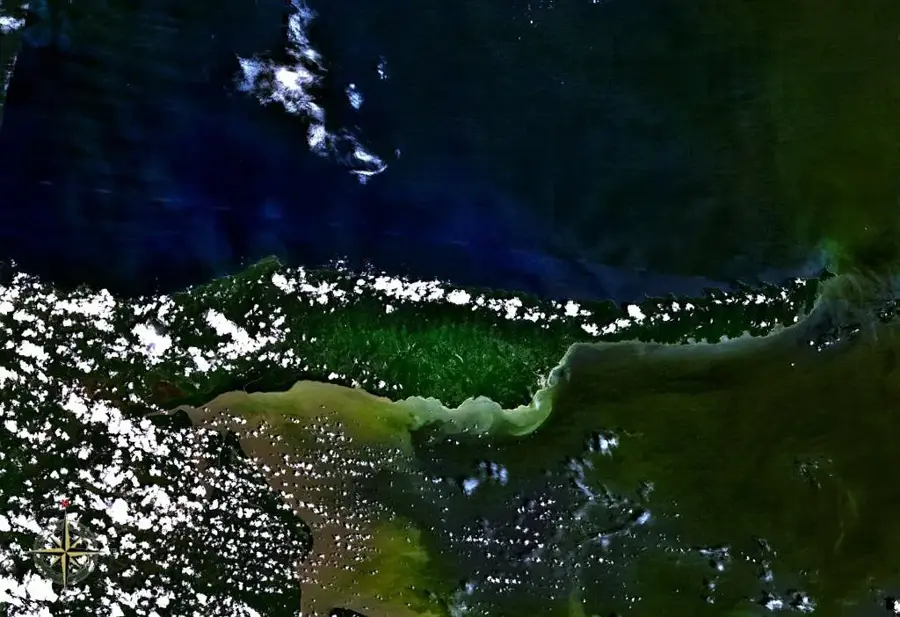
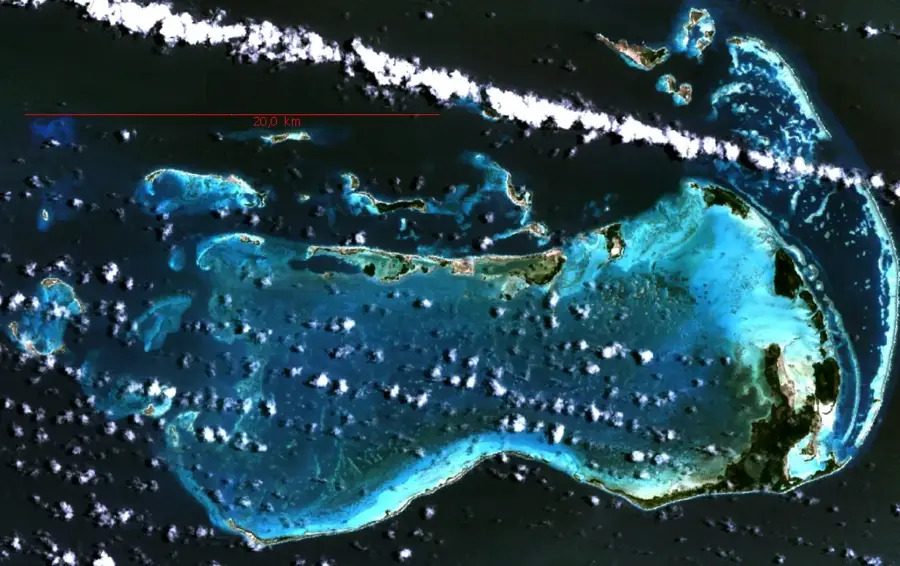
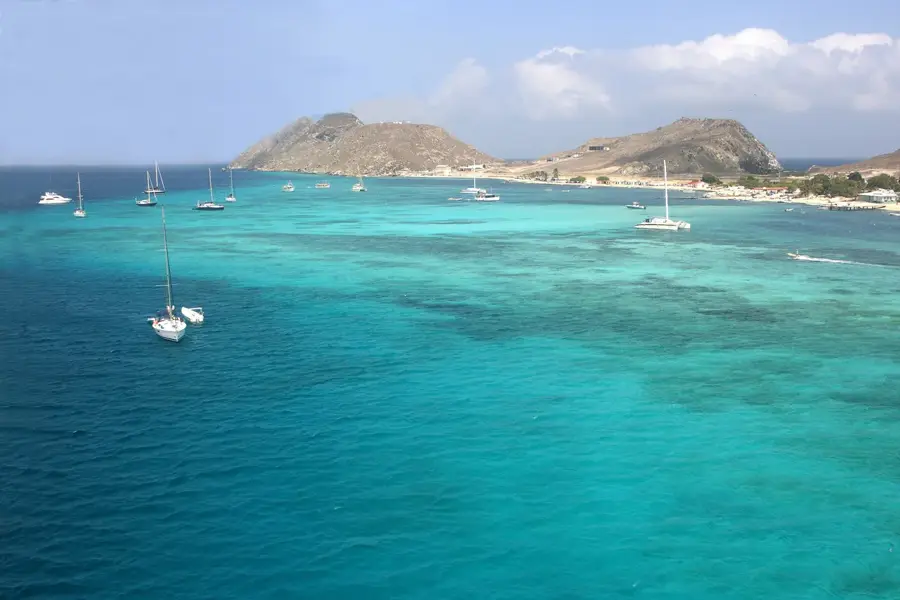
The Los Roques Archipelago is a federal dependency of Venezuela, located about 160 kilometers north of the central coast in the Caribbean Sea. It was declared a national park in 1972 to protect one of the region's best-preserved coral reef ecosystems. The archipelago consists of over 50 islands (cayos) and hundreds of sandbanks enclosing a vast lagoon of approximately 400 square kilometers. The only permanently inhabited island is Gran Roque, which also hosts the local airstrip. Los Roques is world-famous for its crystal-clear turquoise waters and white sand beaches, making it a premier destination for divers, snorkelers, and kitesurfers. The flora is restricted to mangroves and salt-tolerant plants, while the marine fauna features an enormous variety of fish, crustaceans, and sea turtles. The park plays a vital role in maintaining Caribbean biodiversity and serves as an example of sustainable tourism in Venezuela.

📋 Practical info

🧭
Getting there
Most visitors arrive via a small aircraft flight from Caracas or Higuerote to the main island of Gran Roque. There are also occasional boat services, but air travel is the standard and fastest method.
📅
Best season
The archipelago can be visited year-round, but the best weather is typically from February to August. Hurricane season in the Caribbean can occasionally affect travel conditions in late summer.
⛰️
Terrain & paths
Flat coral islands and sandy keys surrounded by shallow lagoons. Walking is mostly on soft sand, and most movement between the different islands is done by small motorboats or catamarans.
🎒
What to bring
Pack high-factor biodegradable sunscreen, a wide-brimmed hat, and polarized sunglasses for the intense glare. Snorkeling gear and water shoes are essential for exploring the coral reefs safely.
🅿️
Parking
There are no cars on the islands, so parking is not a local issue. Visitors usually leave their vehicles at the secure airport parking lots in Caracas or Higuerote before flying to the park.
⚠️
Safety
Protect yourself against heat exhaustion and dehydration by drinking plenty of bottled water. Be mindful of sea currents when swimming or snorkeling away from the main protected beaches of the keys.
⏱️
Time needed
A minimum stay of 3 days is recommended to enjoy the different islands, though many visitors stay for a week. Day trips from the mainland are possible but involve very long travel times.

Geography

Coordinates
11.85000, -66.75000

Facts

  • The national park was established on August 8, 1972.
  • The archipelago covers a total area of 221,120 hectares.
  • There are over 60 different species of coral found in the reefs.
  • The annual average temperature is approximately 27.3 degrees Celsius.
  • Los Roques is the largest marine national park in the Caribbean.
  • About 92 species of birds have been documented in the archipelago.

Explore nearby

Notable places around
Route planner — Car & Motorhome

Where do you start? We build the route here, with stops and country notes along the way.

Vehicle
Only stops with (optional):

© OpenStreetMap contributors · OpenRouteService

Sights in the town Los Roques (1)

Los Roques Archipelago📍 landmark

The Los Roques Archipelago comprises over 300 islands and coral reefs in the Caribbean Sea.

Sights nearby

Frequently asked questions

What is special about Los Roques?
It is a spectacular archipelago with crystal clear water and reefs.
How is the travel?
Travel is usually by small plane from Caracas.
Can I snorkel there?
Yes, it is a world-class spot for snorkeling and diving.
Are there hotels on the islands?
There are only small guesthouses (Posadas), no large hotel chains.
What do I need to know for a visit?
You must pay an entrance fee for the national park.
Los Roques: where is it located?
Los Roques is located in Venezuela.
Los Roques: why is it worth visiting?
The Los Roques Archipelago is a federal dependency of Venezuela, located about 160 kilometers north of the central coast in the Caribbean Sea.
View on map → The Top 50 Attractions → OpenStreetMap →
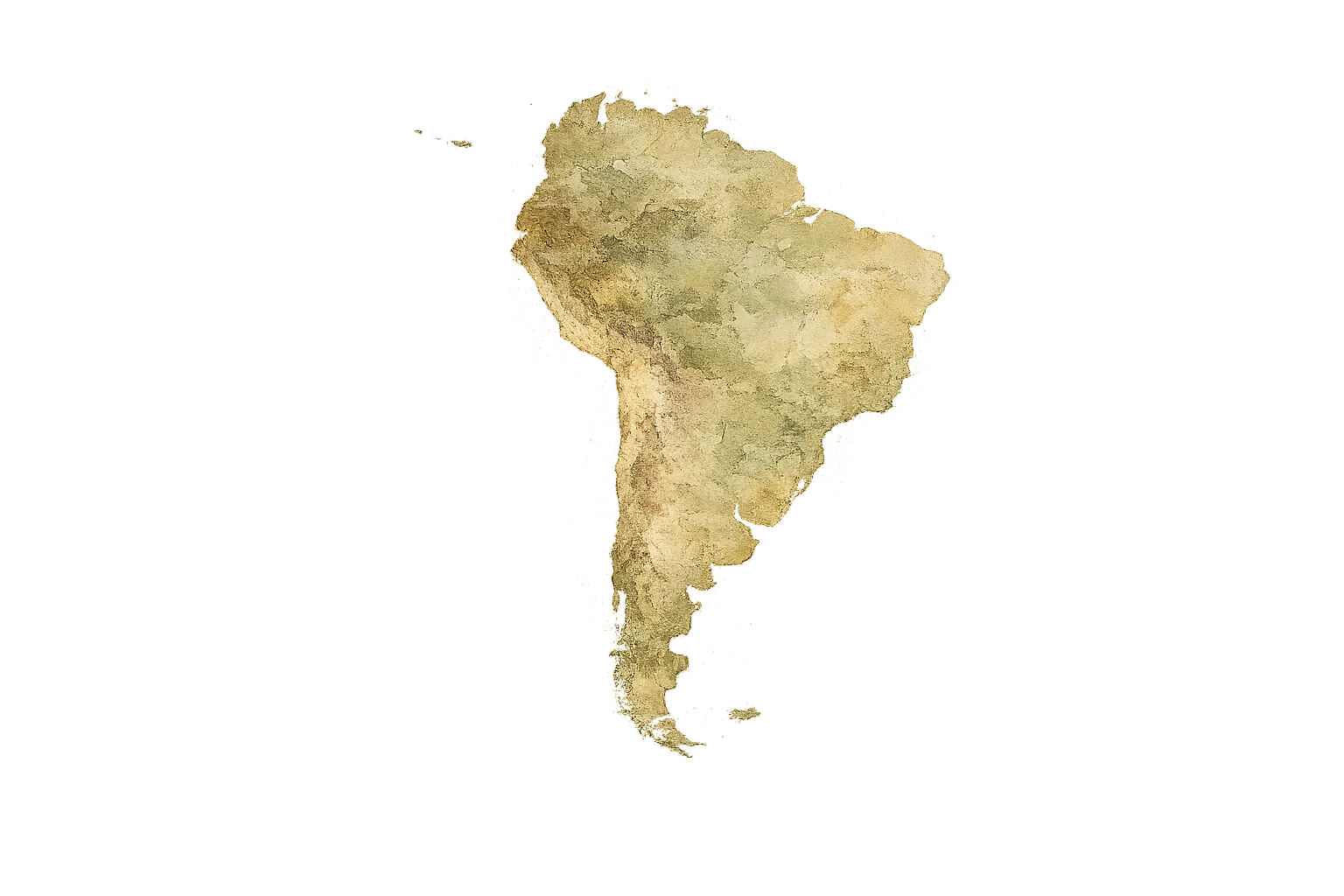
South America
Explore with Plizio Discover more places in South America
More places in Venezuela →

History & landmarks

Nature

More places