Plizio Visual Lab

El Ávila National Park
Plizio editorial teamData Sources
park
—°15
El Ávila National Park (Venezuela)

Weather…

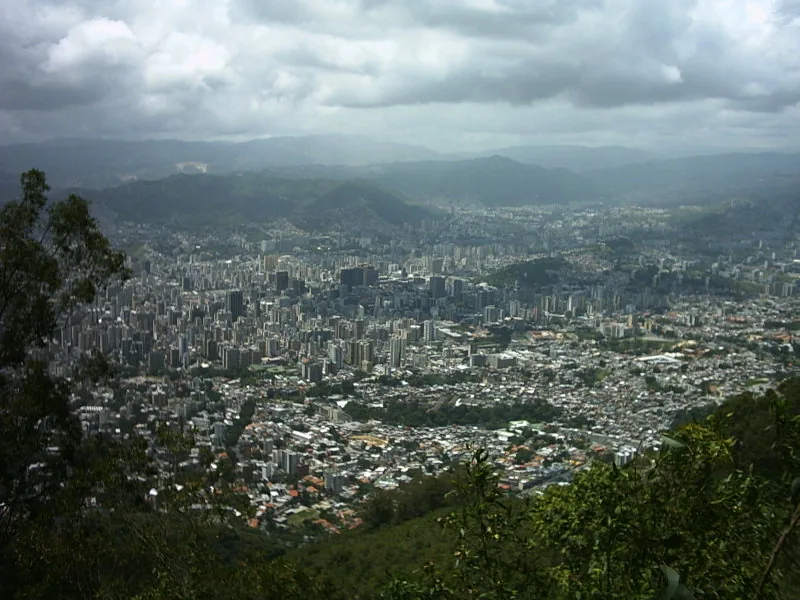
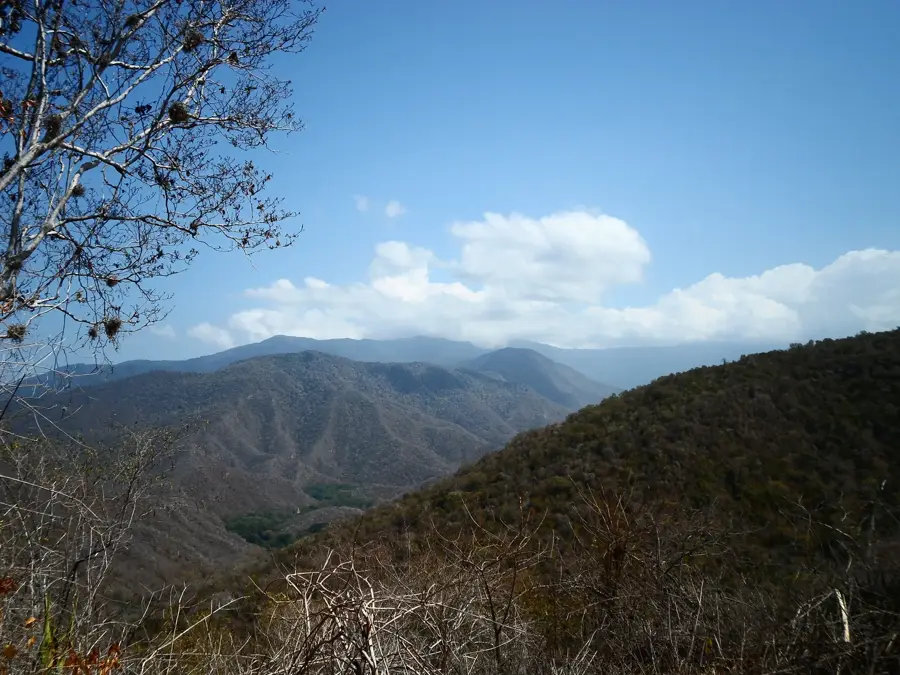
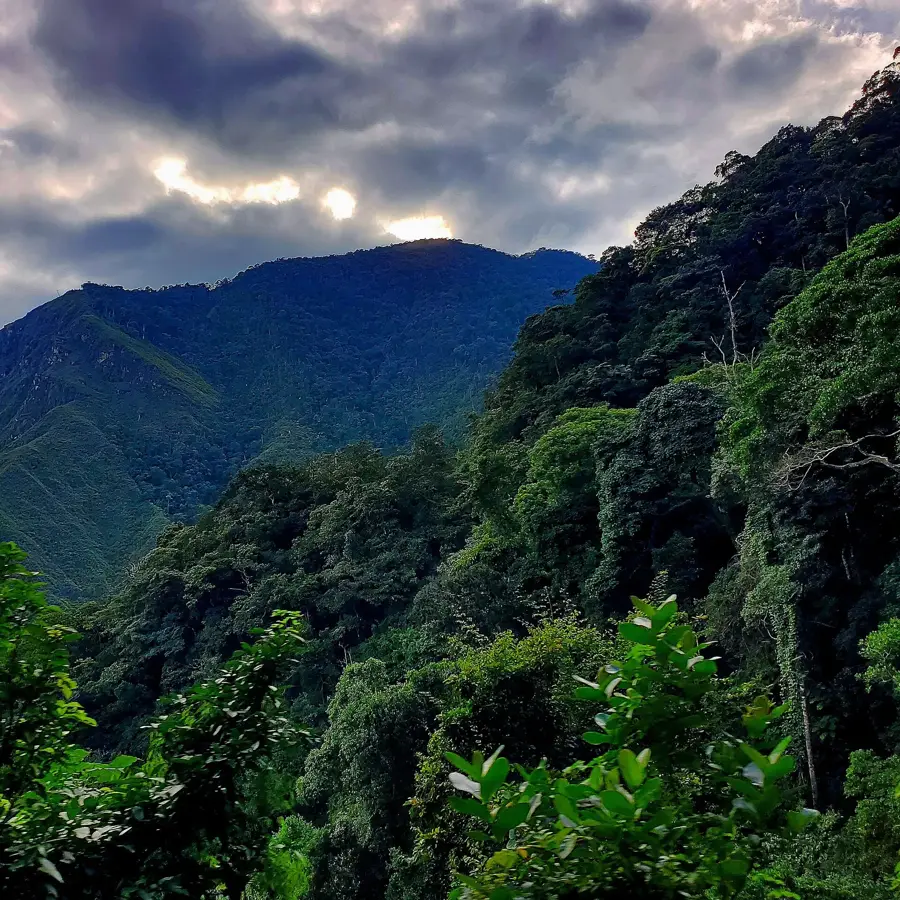
El Ávila National Park, officially known as Waraira Repano since 2010, is the most defining landmark of Caracas, separating the Venezuelan capital from the Caribbean Sea. Established in 1958, the park covers a significant portion of the Cordillera de la Costa, spanning approximately 81,900 hectares (202,000 acres). Geographically, the massif is characterized by steep slopes and a dramatic vertical rise from sea level to 2,765 meters (9,072 feet) at Pico Naiguatá. This elevation change creates diverse climate zones, from coastal dry forests at the base to cool cloud forests in the summit regions. The park serves as the 'green lung' of Caracas, regulating the local climate and providing a crucial watershed for the city. A major cable car system connects Caracas to the top of Mount Ávila, where the iconic Hotel Humboldt is located. In addition to its ecological importance, the park is a central recreation hub for city dwellers and hosts rich wildlife, including pumas and hundreds of bird species. For the people of Caracas, the mountain is more than just a natural space; it is a symbol of identity and permanence.

Best time to visit & climate

The most pleasant time to visit is Jan–Mar.

JanFebMarAprMayJunJulAugSepOctNovDec
Avg °C232323242525242525252423
Rain mm42301441718710112089967774

📋 Practical info

🧭
Getting there
Access is typically gained from Caracas via the modern cable car system or through numerous hiking trails starting at various points in the northern part of the city. Visitors can also use four-wheel-drive vehicles to reach high-altitude mountain villages like Galipán via steep and winding roads.
📅
Best season
The best time to visit is during the dry season from December to April, when visibility towards the Caribbean Sea and the city is at its clearest. During the rainy season, the peaks are often shrouded in dense clouds, which creates a mystical atmosphere but may limit the famous panoramic views.
⛰️
Terrain & paths
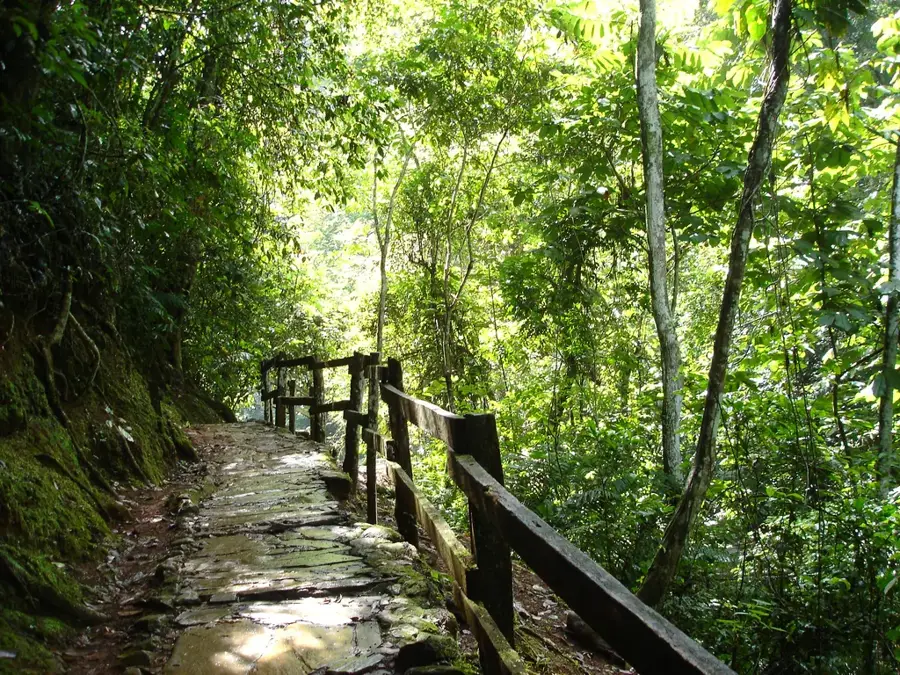
The terrain is characterized by steep mountain slopes and dense mountain forests with significant elevation changes over short distances. Trails range from well-maintained paths to narrow, slippery tracks that require good footing and a decent level of physical fitness for hikers.
🎒
What to bring
Wear sturdy hiking boots with good grip and bring layered clothing, as temperatures can drop significantly at higher altitudes. Sun protection for exposed ridge trails and a waterproof jacket for sudden weather changes in the cloud forests are highly recommended for all visitors.
🅿️
Parking
Parking spaces are available near the cable car base station in Maripérez or at official park entrances like PGP Altamira. In Caracas city, it is advisable to use guarded parking lots, as finding space on narrow access roads can be difficult and often quite time-consuming.
⚠️
Safety
Always stay on the marked main trails and avoid hiking after dark or embarking on solo trips in remote sectors of the park. It is crucial to carry sufficient water, as the physical exertion under the tropical sun and at altitude is frequently underestimated by many visitors.
⏱️
Time needed
A visit using the cable car usually lasts between 3 and 4 hours, while hiking to the summit can take a full day. Plan for at least half a day to enjoy the nature trails and various viewpoints comfortably without being rushed by time constraints.

Geography

Coordinates
10.53000, -66.80000

Facts

  • The park was officially created on December 12, 1958.
  • Pico Naiguatá is the highest peak in the coastal range at 2,765 meters.
  • The Caracas cable car system originally opened in 1956.
  • The name 'Waraira Repano' comes from the indigenous Kalina people.
  • The park is home to over 500 bird species and 180 types of orchids.
  • Hotel Humboldt sits at 2,140 meters and was designed by Tomás Sanabria.

Explore nearby

Notable places around
Route planner — Car & Motorhome

Where do you start? We build the route here, with stops and country notes along the way.

Vehicle
Only stops with (optional):

© OpenStreetMap contributors · OpenRouteService

Sights in the town El Ávila National Park (15)

Naiguata Peak🌿 nature

At 2,765 meters, this is the highest peak of the Venezuelan Coastal Cordillera.

Topo Tacamahaco🌿 nature

A peak in El Ávila National Park, named after the resinous Tacamahaco tree.

Topo Santa Rosa🌿 nature

This mountain in the Ávila massif features a wide panoramic view over the Caracas valley.

Cabinet Gallery🏛 museum

A contemporary art space showcasing experimental works near El Ávila National Park.

Art Killers Gallery🏛 museum

An urban art gallery in the Petare district showcasing bold contemporary works.

Museo de Petare🏛 museum

Housed in a colonial building, this museum is dedicated to popular art and the local history of Petare.

Hidroeléctrica Ayala🏺 historical

The ruins of one of Venezuela's first hydroelectric plants, located in the dense forest of El Ávila.

Centro Cultural Gonzalo Benaim Pinto🎭 culture

This cultural center is dedicated to Jewish heritage and promotes arts in the Caracas area.

Auditorio Manoa🎭 culture

A modern performance hall located on the Metropolitan University (UNIMET) campus.

Gran Salón de la USM🎭 culture

A large venue for academic ceremonies and concerts at the Santa María University.

Escuela de Valores Divinos⛪ religious

A spiritual center located near the mountains, focused on meditation and universal values.

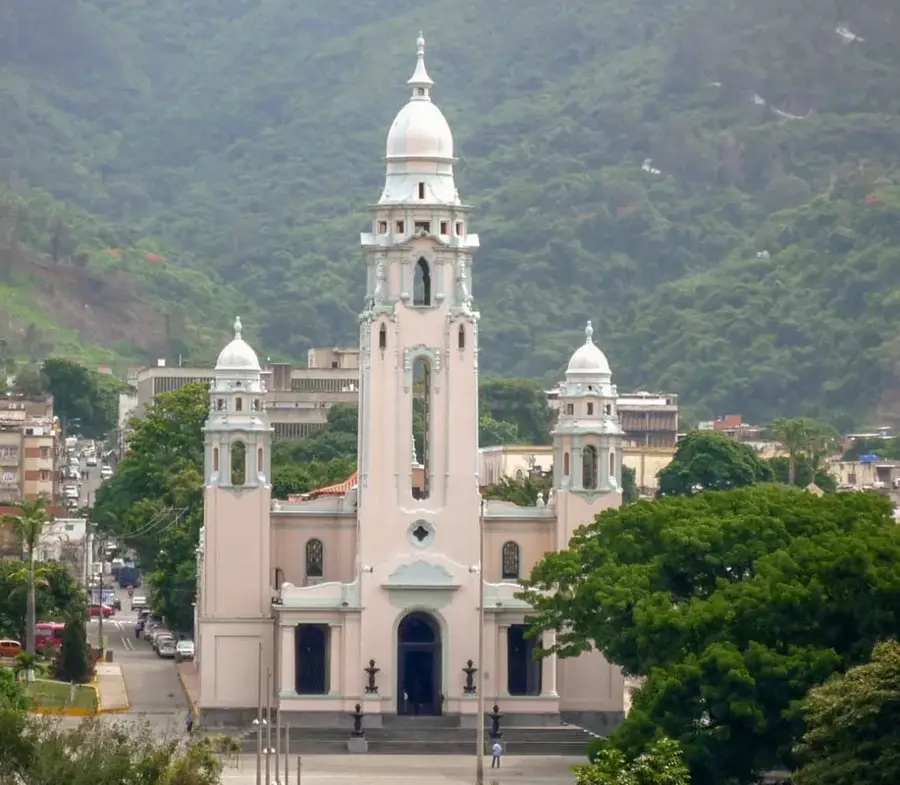
Iglesia San Cayetano⛪ religious

This parish church in the Palo Verde neighborhood is a hub for local festivals and community life.

Iglesia Bautista Internacional de Caracas📍 landmark

A modern Baptist place of worship serving the international and local community in Caracas.

Iglesia Bautista Misionera Peniel📍 landmark

A local missionary Baptist church located within the densely populated urban outskirts.

Iglesia San Juan Evangelista📍 landmark

A Catholic parish church serving the residents of the local community with regular services.

🕒 24/7

Sights nearby

Frequently asked questions

How do you get up the mountain?
The most comfortable way is via the cable car from Caracas; alternatively, hiking trails lead up.
Is the climb difficult?
Hikes can be demanding, so good physical condition and plenty of water are important.
Are there restaurants at the top?
Yes, there are some cafés and simple restaurants near the top station area.
When is the weather best?
The dry season from December to March usually features clear views over Caracas.
Should you hike alone?
For safety reasons, it is recommended to always hike in groups or with a guide.
El Ávila National Park: where is it located?
El Ávila National Park is located in Venezuela.
El Ávila National Park: what is there to see?
Highlights include Naiguata Peak, Topo Tacamahaco, Topo Santa Rosa.
El Ávila National Park: when is the best time to visit?
The most pleasant time to visit is Jan, Mar.
El Ávila National Park: why is it worth visiting?
El Ávila National Park, officially known as Waraira Repano since 2010, is the most defining landmark of Caracas, separating the Venezuelan capital from the Caribbean Sea.
View on map → The Top 50 Attractions → OpenStreetMap →
South America
Explore with Plizio Discover more places in South America
More places in Venezuela →

Nature

More places