Plizio Visual Lab
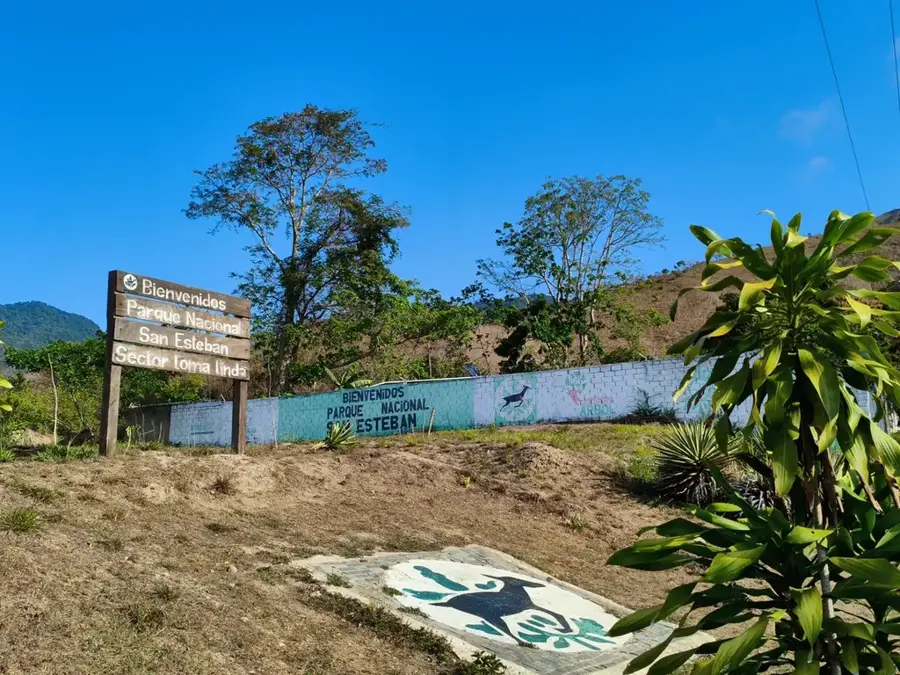
San Esteban National Park
Weather…
Water temperature…
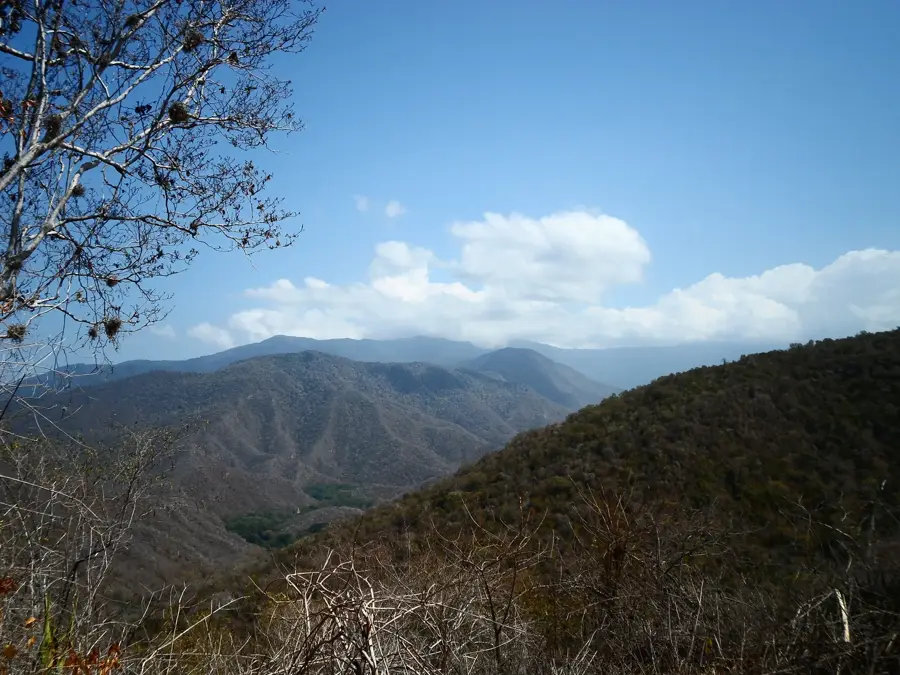
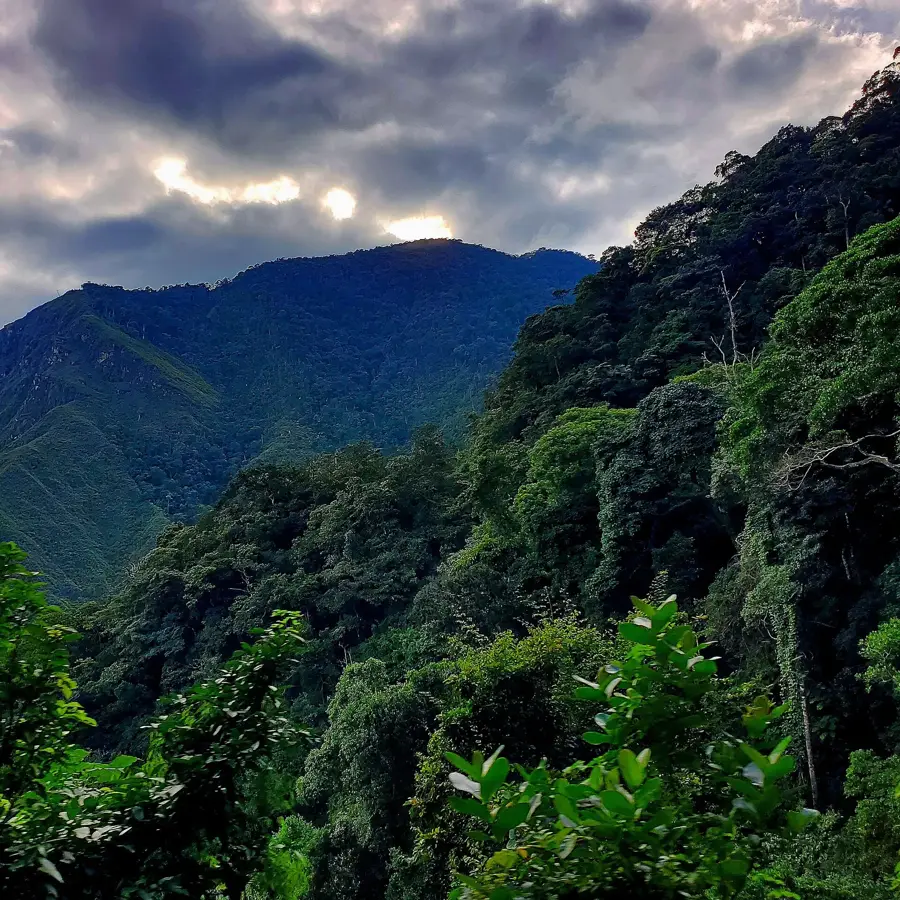
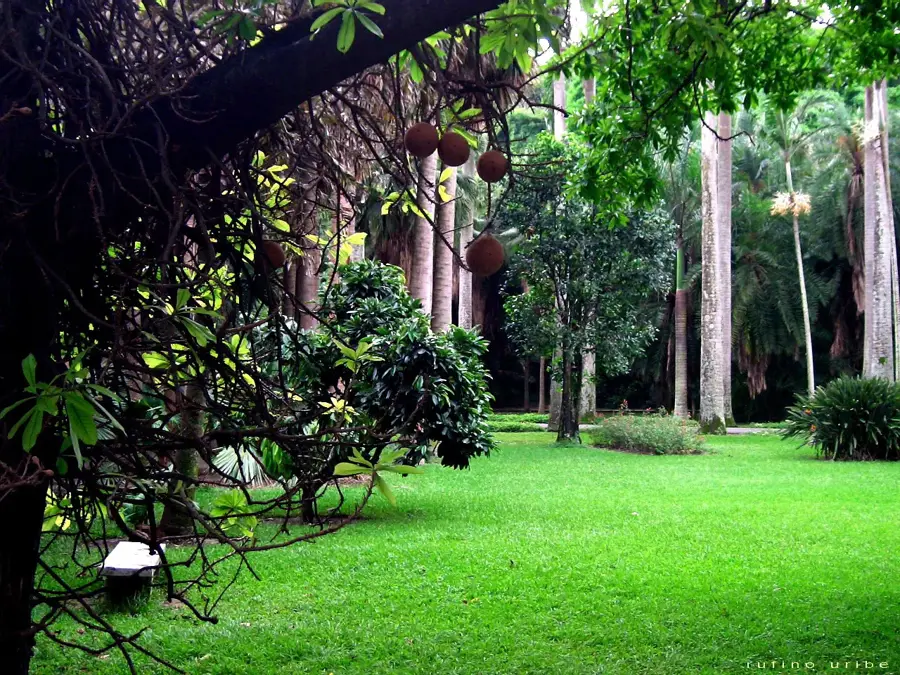
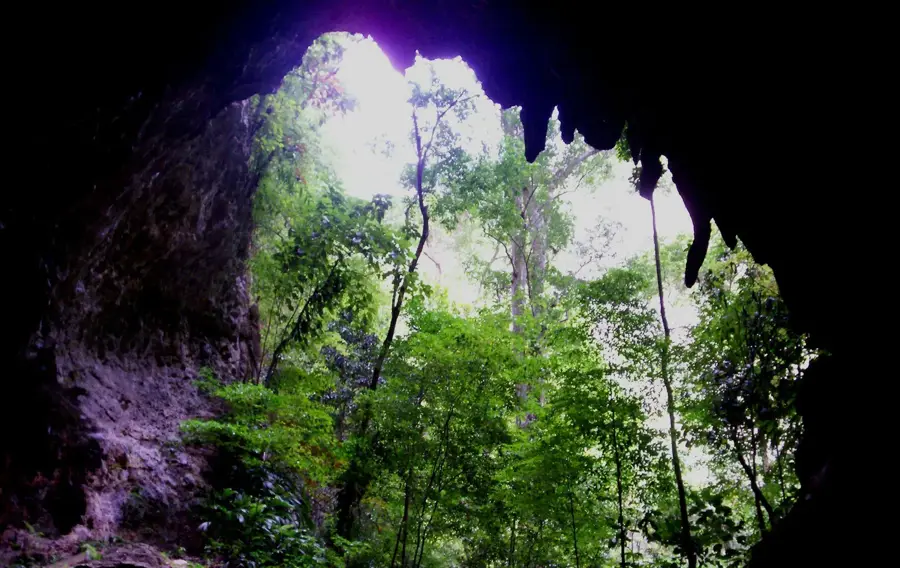
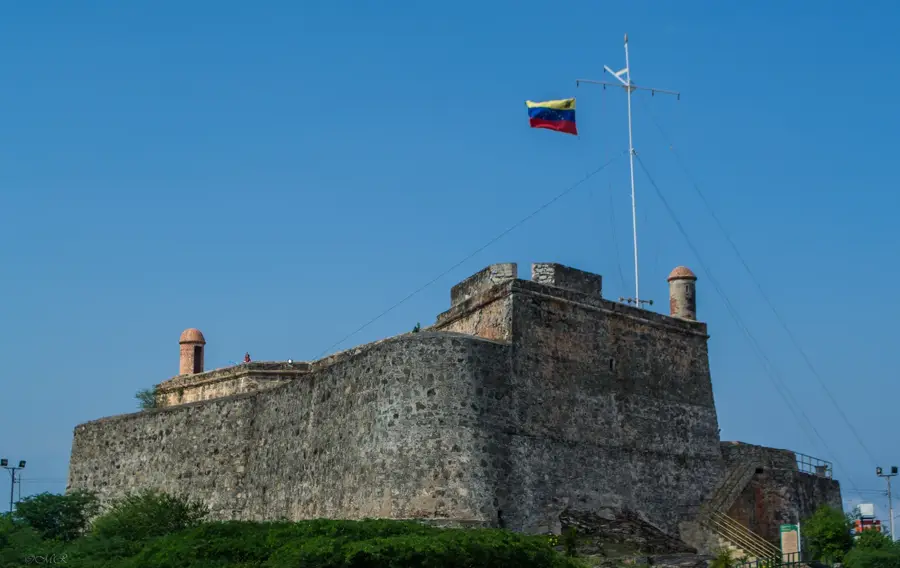
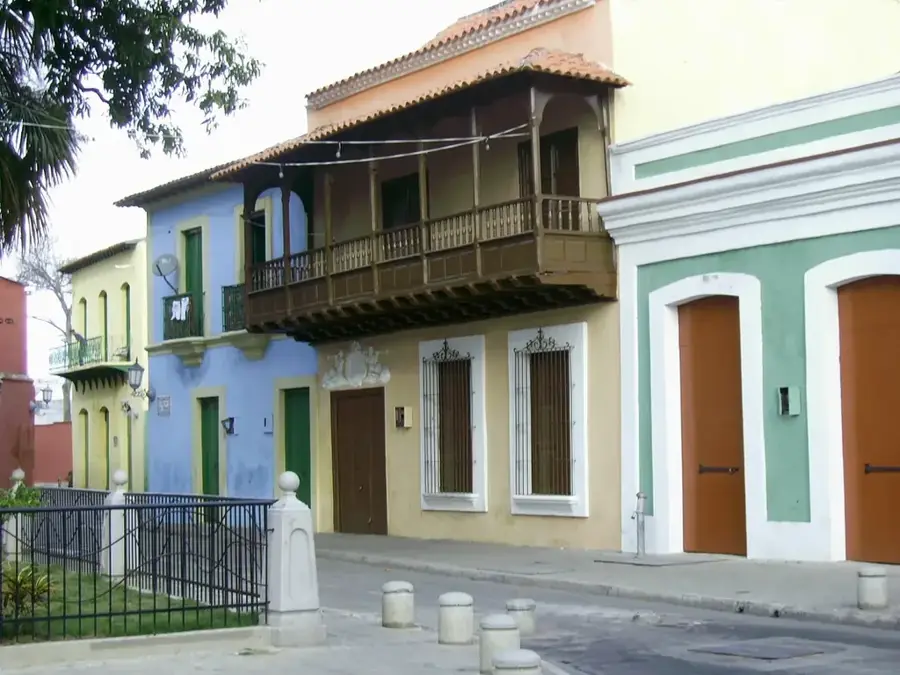
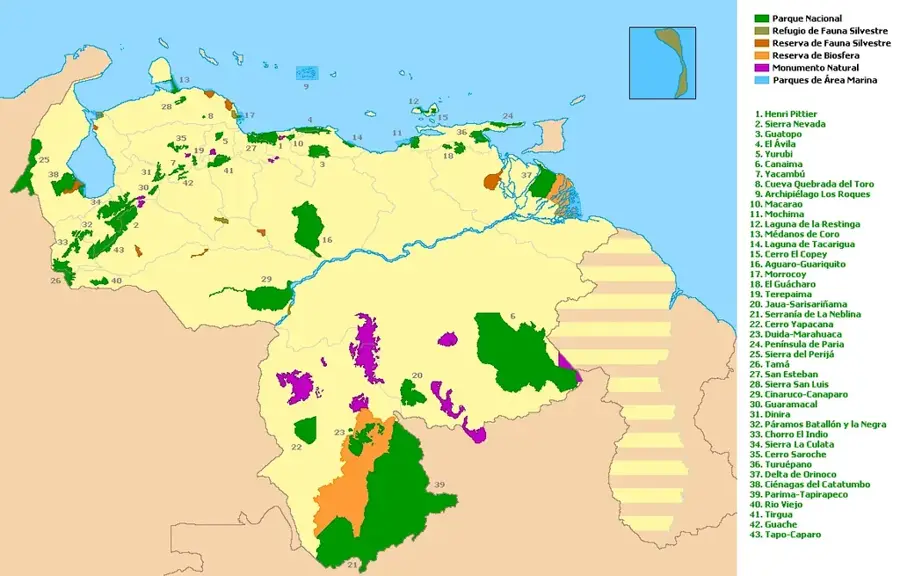
San Esteban National Park is located in Carabobo State on the central coast of Venezuela and was established on January 14, 1987. It covers an area of approximately 44,500 hectares and is characterized by immense ecological diversity, ranging from marine coastal areas to mountain cloud forests. The park borders Henri Pittier National Park to the west, together forming a vital biological corridor. A significant historical feature within the park is the Castillo de San Felipe (also known as Castillo Libertador) and the 'Camino de los Españoles', an ancient colonial road that once linked Puerto Cabello to Valencia. The landscape varies from coral reefs and mangroves at the coast to the steep slopes of the Coastal Range. The park is home to numerous endangered species, including the spectacled bear and the jaguar, as well as a rich variety of birdlife. It serves both for nature conservation and the preservation of historical sites from the colonial era.
📋 Practical info
Geography
Facts
- The park was established on January 14, 1987, by Executive Decree No. 1,430.
- The total area of the park covers approximately 445 square kilometers.
- The highest peak in the park is Cerro Villalonga at 1,830 meters.
- The park includes four islands: Isla Larga, Isla Santo Domingo, Isla Alcatraz, and Isla del Rey.
- The oldest lighthouse in Venezuela is located within the park area in Puerto Cabello.
- The average temperature ranges from 20 degrees in the mountains to 28 degrees at the coast.
Explore nearby
Notable places around

Route planner — Car & Motorhome
Where do you start? We build the route here, with stops and country notes along the way.
© OpenStreetMap contributors · OpenRouteService
Sights in the town San Esteban National Park (1)
Sights nearby
Frequently asked questions
Where is San Esteban?
What is special?
Can I see historical sites there?
Are there beaches there?
Is the park suitable for families?
San Esteban National Park: where is it located?
San Esteban National Park: why is it worth visiting?
Nature
More places