Plizio Visual Lab
Al Hajar Mountains
Weather…
Water temperature…
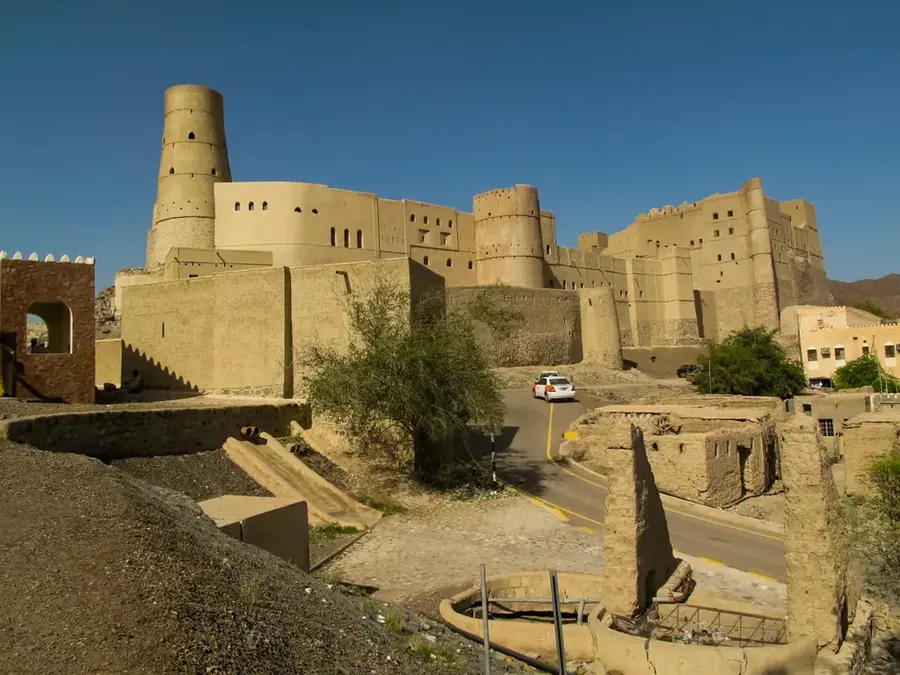
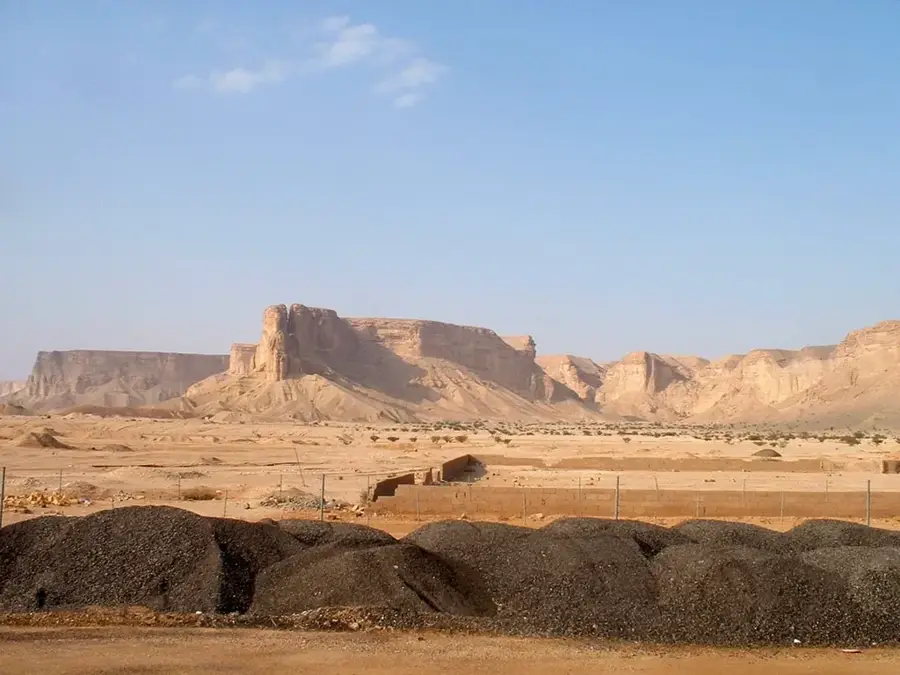
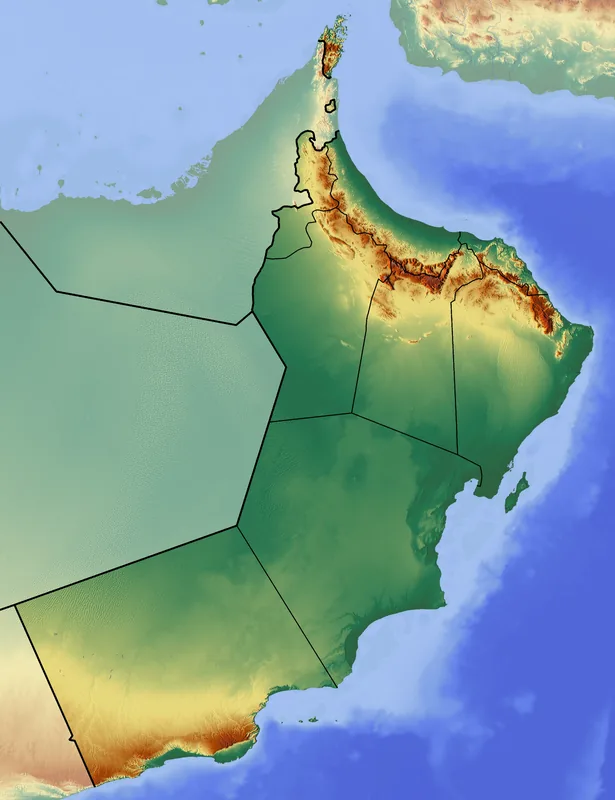
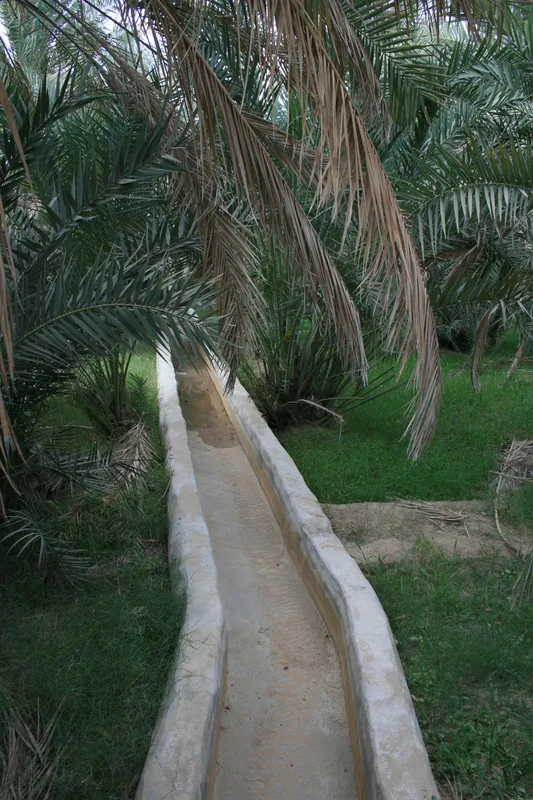
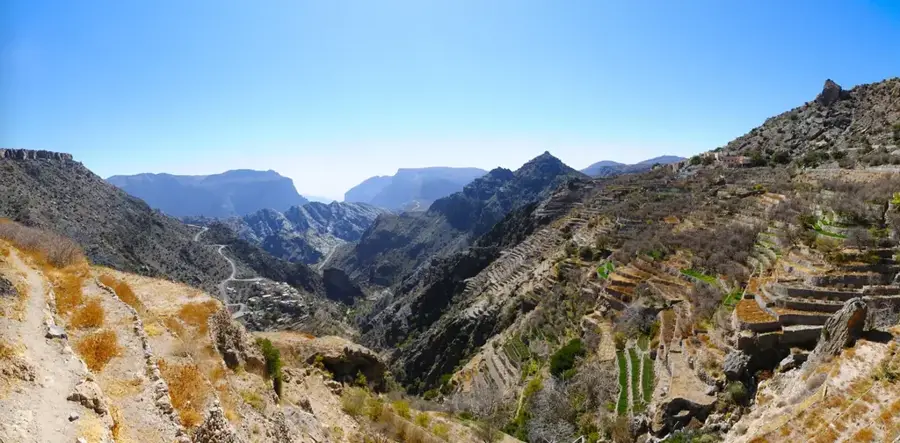
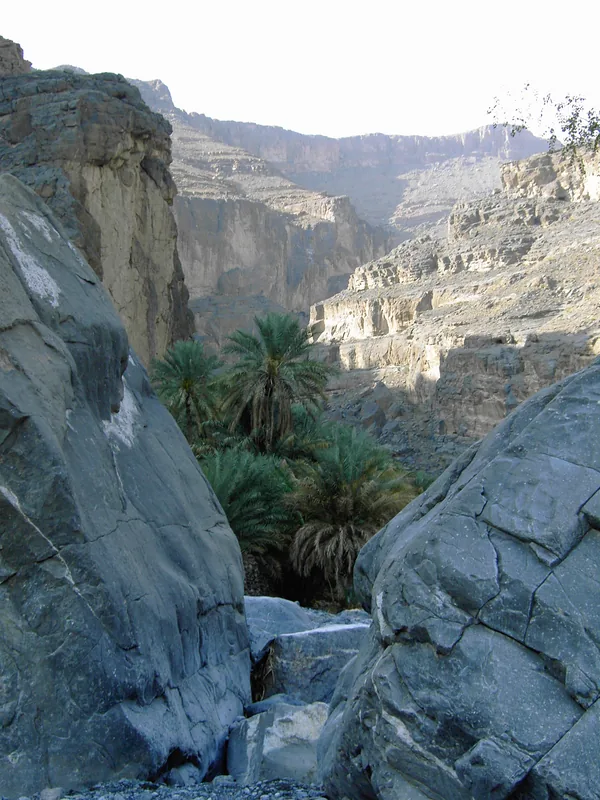
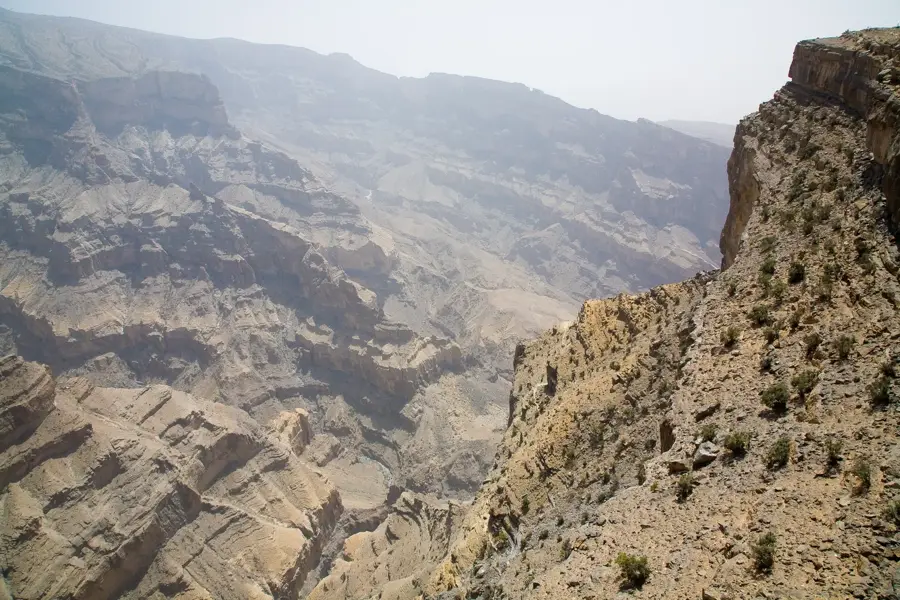
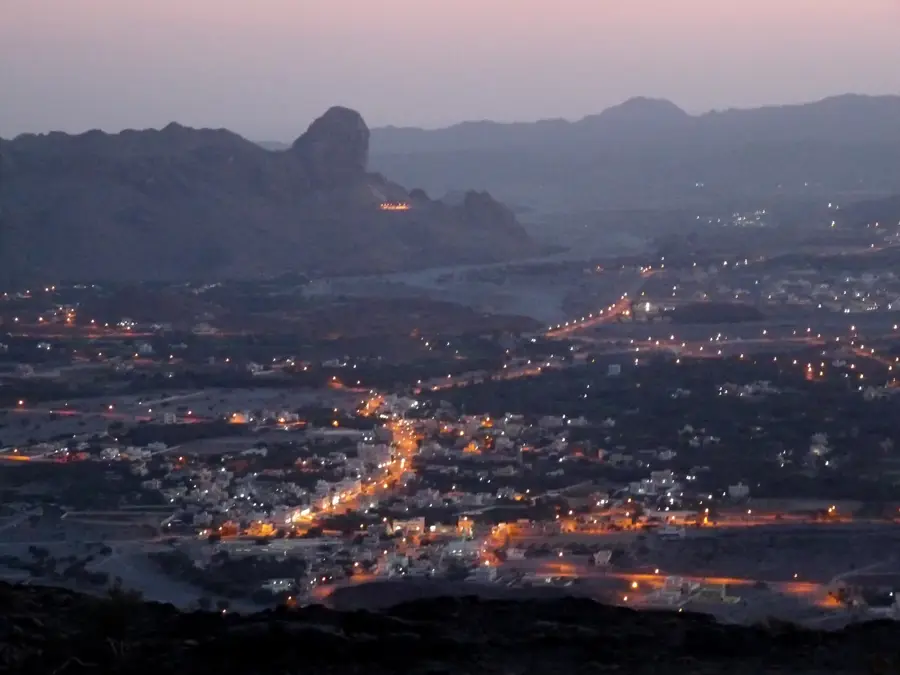
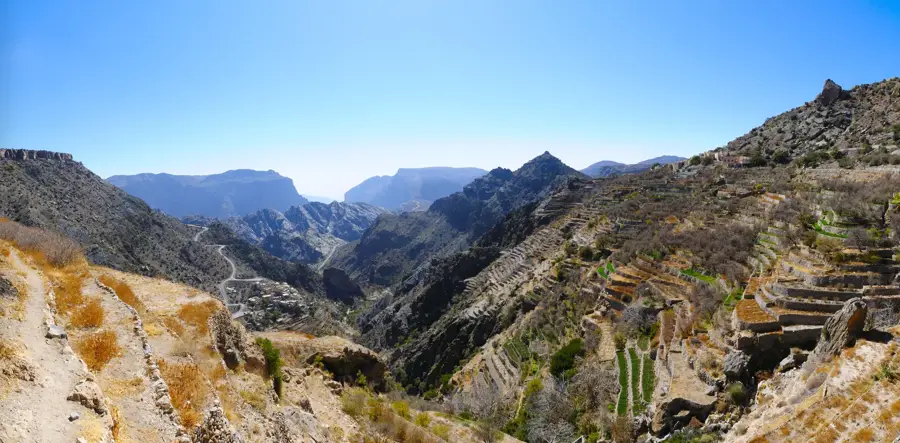
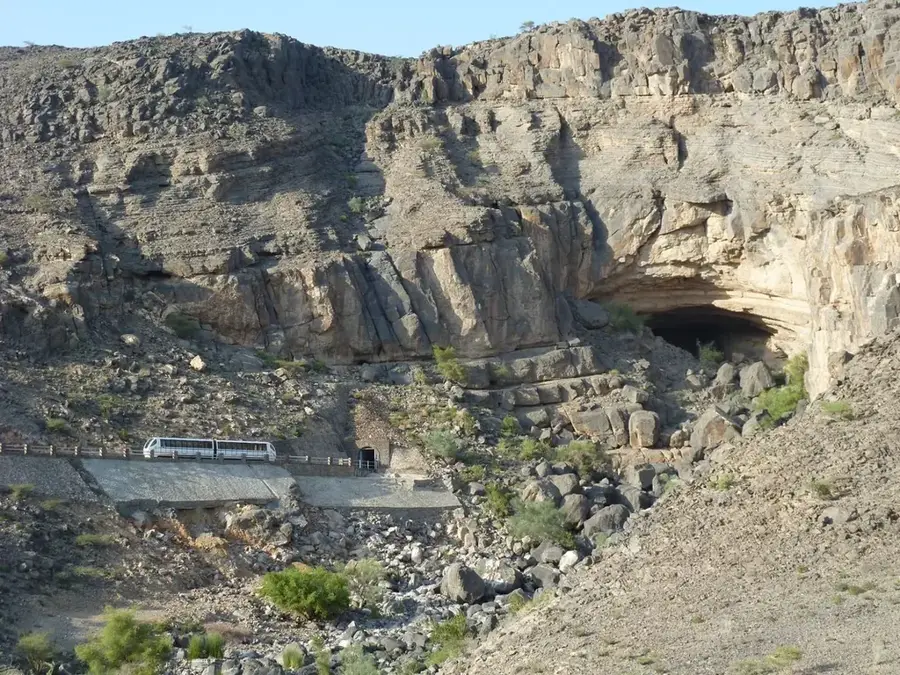
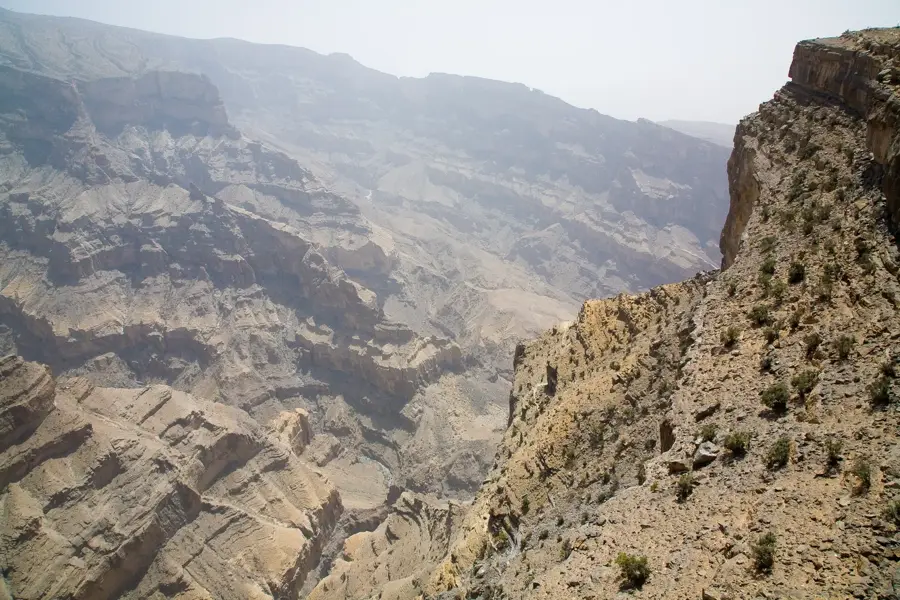
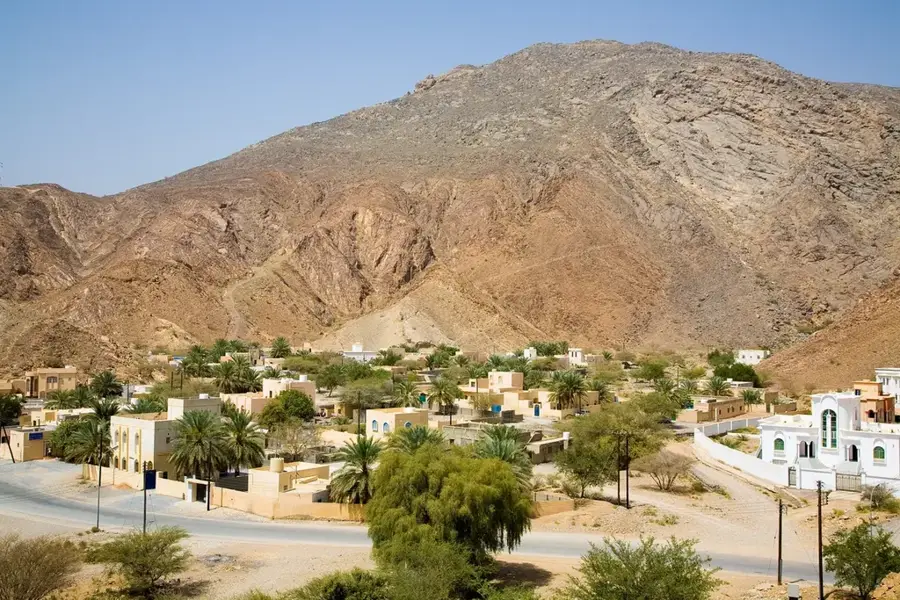
The Al Hajar Mountains stretch for over 500 kilometers across northern Oman and the United Arab Emirates. The range is divided into the Western and Eastern Hajar by the Sumail Valley. The mountains were formed during the Late Cretaceous period through the obduction of oceanic crust onto the Arabian Plate. They are home to unique flora and fauna, including the Arabian Tahr. The region is rich in ophiolites, which are sections of Earth's oceanic crust and upper mantle that have been uplifted and exposed, attracting geologists worldwide. Traditional agriculture in the mountain valleys is made possible by the Aflaj irrigation system, a UNESCO World Heritage site. Terraced fields on the slopes testify to centuries of agricultural use.
- Location: Oman
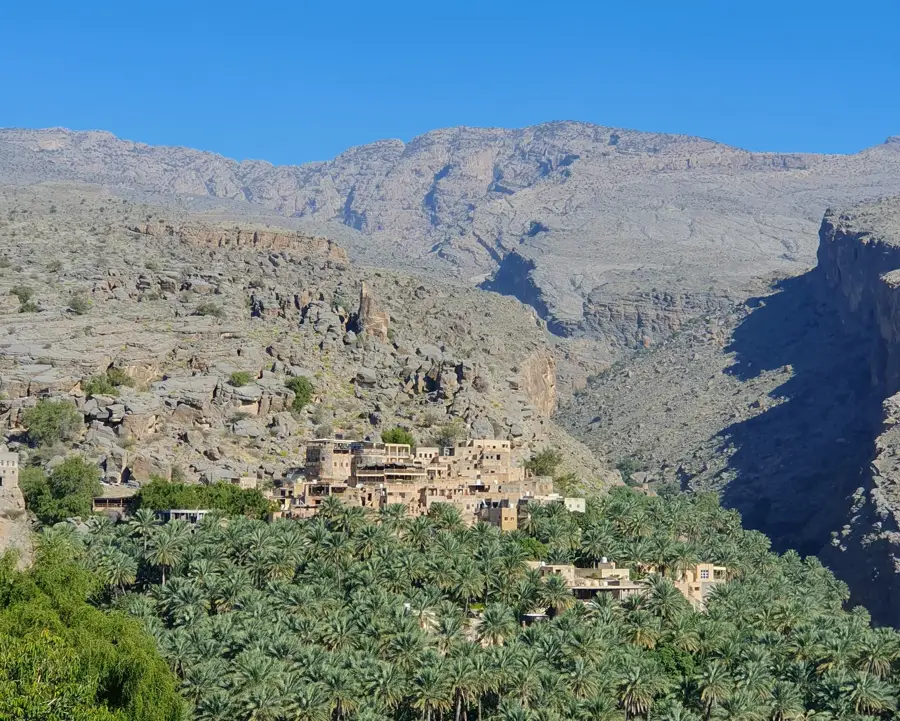
- Top sights: Bayt Maillah · Ras al Haraq · Tour Guide
- Nearby: Jebel Shams (5 km)
Best time to visit & climate
The most pleasant time to visit is Feb, Nov, Dec.
| Jan | Feb | Mar | Apr | May | Jun | Jul | Aug | Sep | Oct | Nov | Dec | |
|---|---|---|---|---|---|---|---|---|---|---|---|---|
| Avg °C | 18 | 20 | 24 | 29 | 33 | 35 | 35 | 34 | 32 | 28 | 23 | 19 |
| Rain mm | 12 | 12 | 23 | 16 | 9 | 12 | 16 | 13 | 7 | 7 | 9 | 8 |
📋 Practical info
Geography
Facts
- The mountains are a significant source of minerals like copper and chromite.
- Jebel Shams is the highest peak, exceeding 3,000 meters.
- The Sumail Gap is a major tectonic and geographical corridor.
- The climate ranges from desert to Mediterranean conditions at higher altitudes.
- Rock carvings in the region are thousands of years old.
- It is one of the few places in the world with exposed ophiolites.
Explore nearby
Notable places around

Route planner — Car & Motorhome
Where do you start? We build the route here, with stops and country notes along the way.
© OpenStreetMap contributors · OpenRouteService
Sights in the town Al Hajar Mountains (3)
Sights nearby
Frequently asked questions
How long does it take to explore the Al-Hadschar Mountains?
Is 4WD necessary for travel?
Is there good infrastructure there?
What is the best travel time?
Is it suitable for families?
Al Hajar Mountains: where is it located?
Al Hajar Mountains: what is there to see?
Al Hajar Mountains: when is the best time to visit?
Al Hajar Mountains: why is it worth visiting?

Nearby cities

History & landmarks

Nature
More places