Plizio Visual Lab

Cayambe Flower Farms

Plizio editorial teamData Sources
Industrial site
—°9
Cayambe Flower Farms (Ecuador)

Weather…

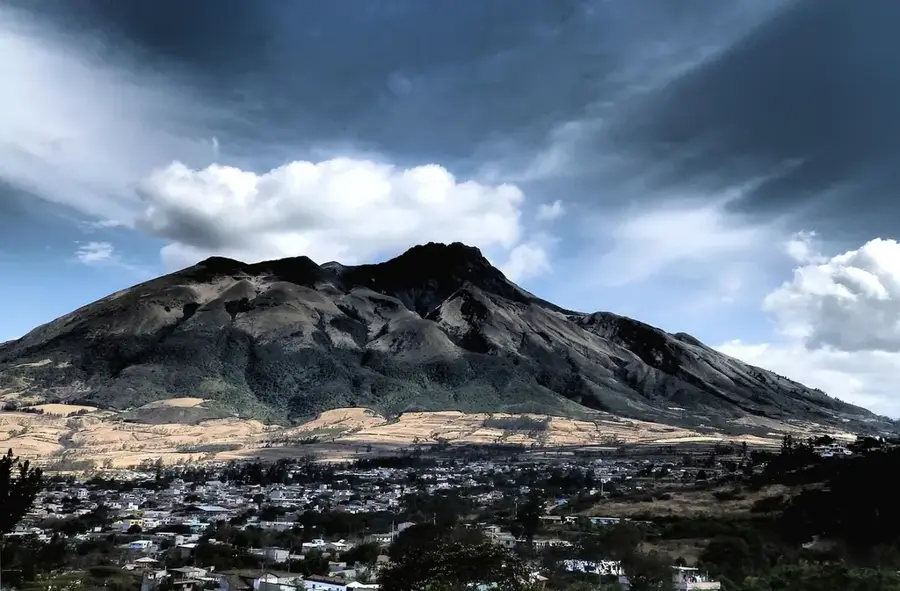
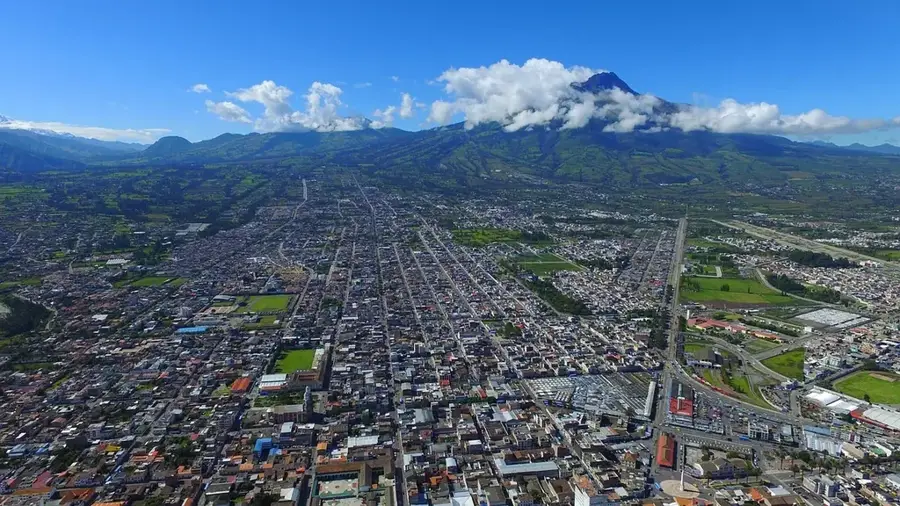
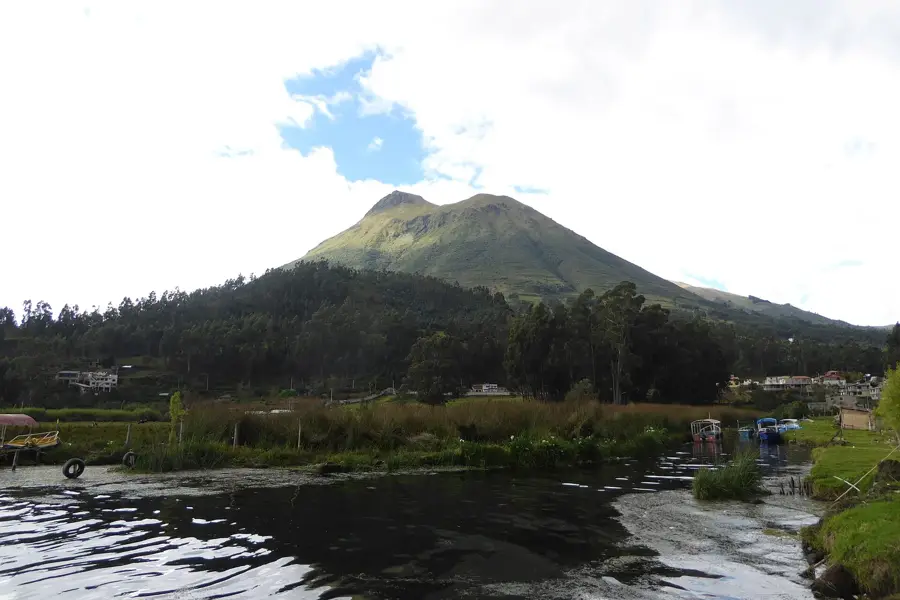
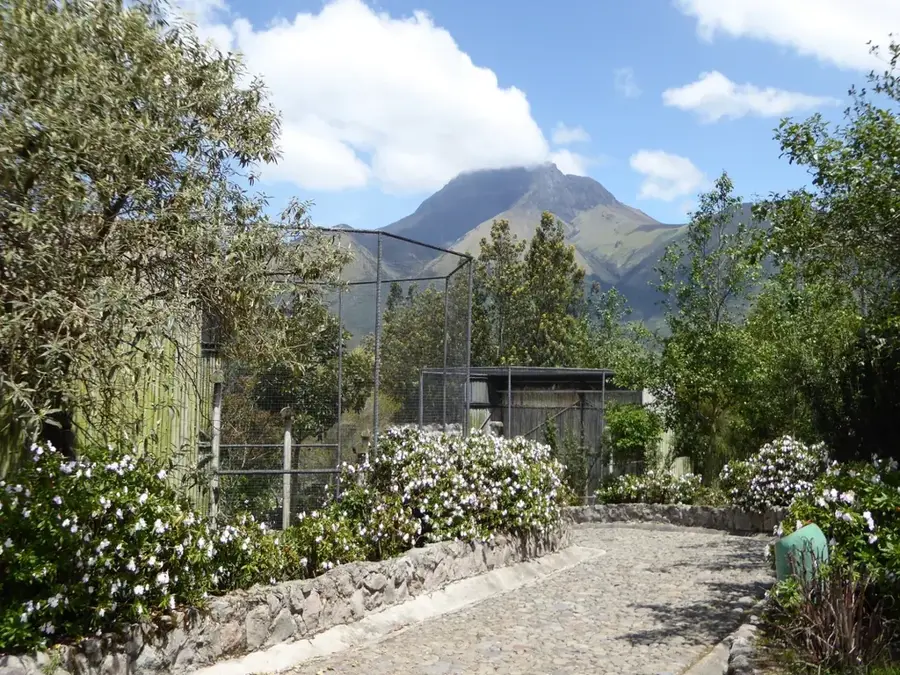
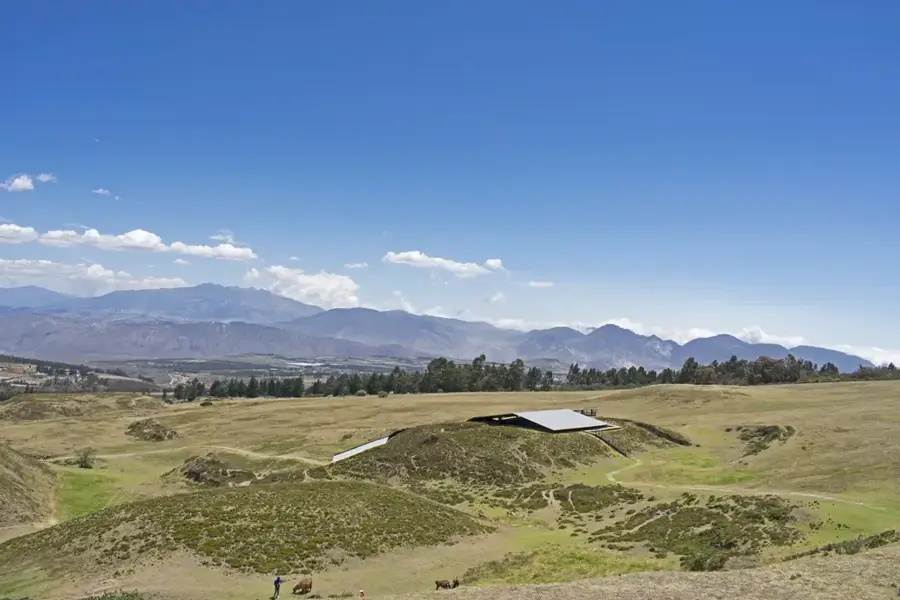
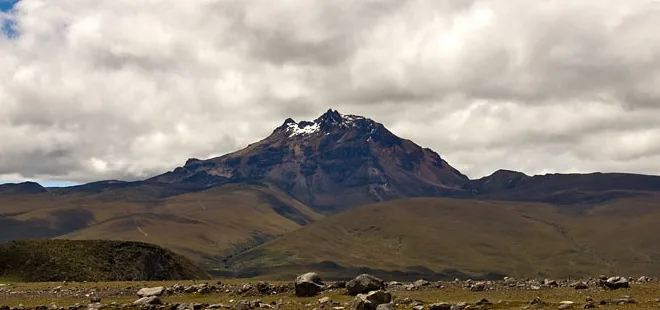
The flower farms of Cayambe, situated at the base of the majestic Cayambe volcano, are the epicenter of Ecuador's flourishing floriculture export industry. The unique combination of intense equatorial sunlight, high elevation exceeding 2,800 meters, and nutrient-rich volcanic soil produces roses of unrivaled global quality, characterized by exceptionally large buds and thick, durable stems. Ecuador ranks among the world's top three flower exporters, with the Cayambe region playing a pivotal role in the production of high-end cut flowers for the international market. These farms employ thousands of local residents, including a high percentage of women from indigenous communities, making floriculture the most vital private economic driver in the area. Operations take place within massive greenhouses under rigorous quality control, with an increasing shift toward sustainable farming practices and fair-trade certifications. Harvested flowers are transported via specialized cold-chain logistics to Quito's international airport for rapid shipment to major global destinations, including the United States, Europe, and Russia. This industry has transformed Cayambe from a traditional rural area into a sophisticated hub of modern agribusiness.

Best time to visit & climate

The most pleasant time to visit is Jul–Sep.

JanFebMarAprMayJunJulAugSepOctNovDec
Avg °C111111111099910111111
Rain mm1171221511641227152375093111107

📋 Practical info

🏭
What is this place?
The Cayambe Flower Farms are large greenhouse facilities in the Cayambe region, growing high-quality roses for the global market. They are a major economic driver and employer in the Ecuadorian highlands.
🚪
Visiting
Some farms offer guided tours upon prior reservation, where visitors can see the cultivation and harvest of roses. Otherwise, the greenhouses are clearly visible from the road.
👀
Where to view it
A handy viewpoint is the Panamericana, which runs directly past the farms. From here, the white greenhouses stretch across the hills, with the Cayambe volcano in the background.
🧺
Local products
Fresh roses in various colors and varieties are produced on the farms and often sold in the on-site shop. Off-season, other cut flowers such as carnations and lilies are also available.
📆
Active season
The main production period is year-round, with peaks before Valentine's Day and Mother's Day. During these weeks, the greenhouses run at full capacity, exporting thousands of flowers.
Nearby
Visiting the flower farms can be excellently combined with a climb of the Cayambe volcano or a trip to the Otavalo market. The nearby Cayambe-Coca nature reserve is also worth a stop.

Geography

Coordinates
0.04500, -78.14500

Facts

  • Ecuador cultivates over 400 distinct varieties of roses for the global export market.
  • Roses from Cayambe can develop stems up to 1.5 meters long due to the specific light conditions.
  • Valentine's Day and Mother's Day account for the highest sales volume for the farms.
  • The flower industry represents approximately 10% of Ecuador's non-oil exports.
  • Many farms implement rainwater harvesting systems for their irrigation needs.
  • A single cargo aircraft departing from Quito can carry up to 100 tons of fresh flowers.

Explore nearby

Notable places around

Route planner — Car & Motorhome

Where do you start? We build the route here, with stops and country notes along the way.

Vehicle
Only stops with (optional):

© OpenStreetMap contributors · OpenRouteService

Sights in the town Cayambe Flower Farms (9)

Star way - Cascada Bebedero - Buga📍 landmark

This waterfall plunges into a natural gorge and is accessible via a trail through Andean vegetation.

🕒 24/7

Parque de la Madre📍 landmark

A public park in Cayambe featuring monuments and green spaces dedicated to motherhood.

Parque La Remonta📍 landmark

This recreational park provides green spaces and play areas for residents on the outskirts of Cayambe.

Piedras Magnéticas🏺 historical

These volcanic rock formations are known for their unusual magnetic properties.

Inglesia católica⛪ religious

This traditional Catholic church serves the local community for weekly masses and religious celebrations.

Iglesia Evangelica⛪ religious

A Protestant place of worship used for the evangelical services of the surrounding neighborhoods.

Salón Del Reino - Testigos de Jehová⛪ religious

A simple Kingdom Hall of Jehovah's Witnesses, used for Bible education and worship services.

Mercado Municipal🎭 culture

A bustling municipal market selling fresh produce, vegetables, and Cayambe's famous 'bizcochos'.

Plataforma Plaza Dominical🎭 culture

This marketplace platform is a Sunday hub for trading traditional goods and local crafts.

Sights nearby

Frequently asked questions

Why are the flowers from Cayambe so famous?
Due to the intense solar radiation at the equator, roses of the highest quality grow here.
Can you visit a flower farm?
Yes, many farms around Cayambe offer guided tours.
When is the best time to visit?
All year round, but especially before Valentine's Day or Mother's Day.
What do you learn during a tour?
The entire process from planting and cutting to packaging for the global market.
What else should you try in Cayambe?
The famous 'Bizcochos', a local pastry, often served with cheese.
Cayambe Flower Farms: where is it located?
Cayambe Flower Farms is located in Ecuador.
Cayambe Flower Farms: what is there to see?
Highlights include Star way - Cascada Bebedero - Buga, Parque de la Madre, Parque La Remonta.
Cayambe Flower Farms: when is the best time to visit?
The most pleasant time to visit is Jul, Sep.
Cayambe Flower Farms: why is it worth visiting?
The flower farms of Cayambe, situated at the base of the majestic Cayambe volcano, are the epicenter of Ecuador's flourishing floriculture export industry.
View on map → The Top 50 Attractions → OpenStreetMap →
South America
Explore with Plizio Discover more places in South America
More places in Ecuador →

Nearby cities

History & landmarks
More places