Plizio Visual Lab

Imbabura Volcano
Plizio editorial teamData Sources
Mountain
—°9
Imbabura Volcano (Ecuador)

Weather…

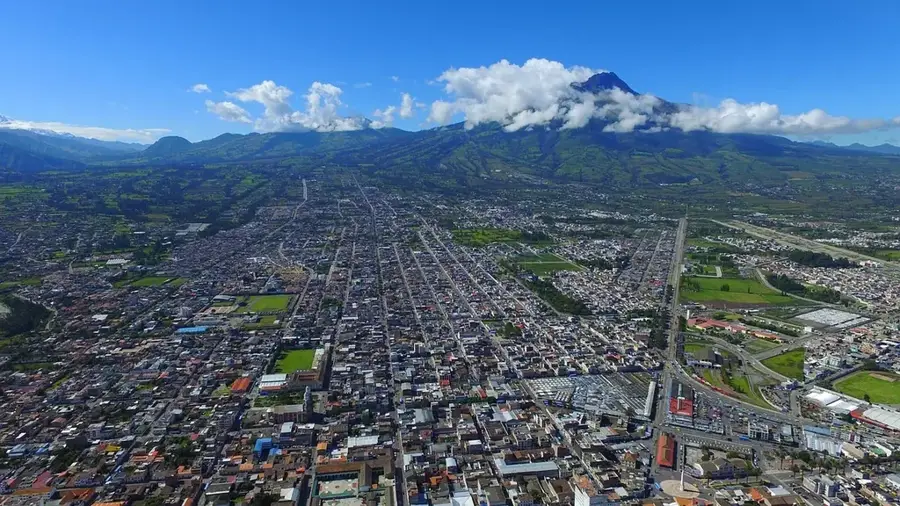
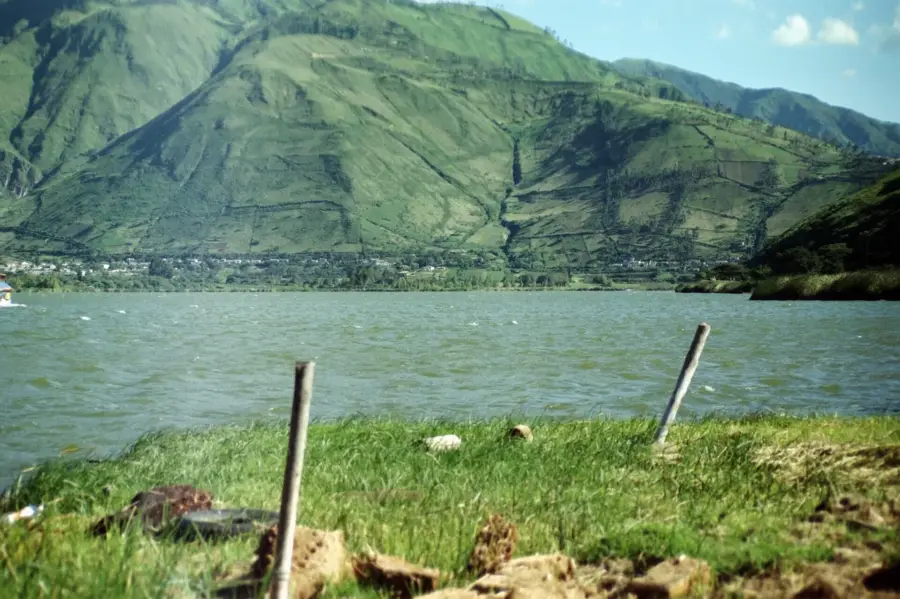
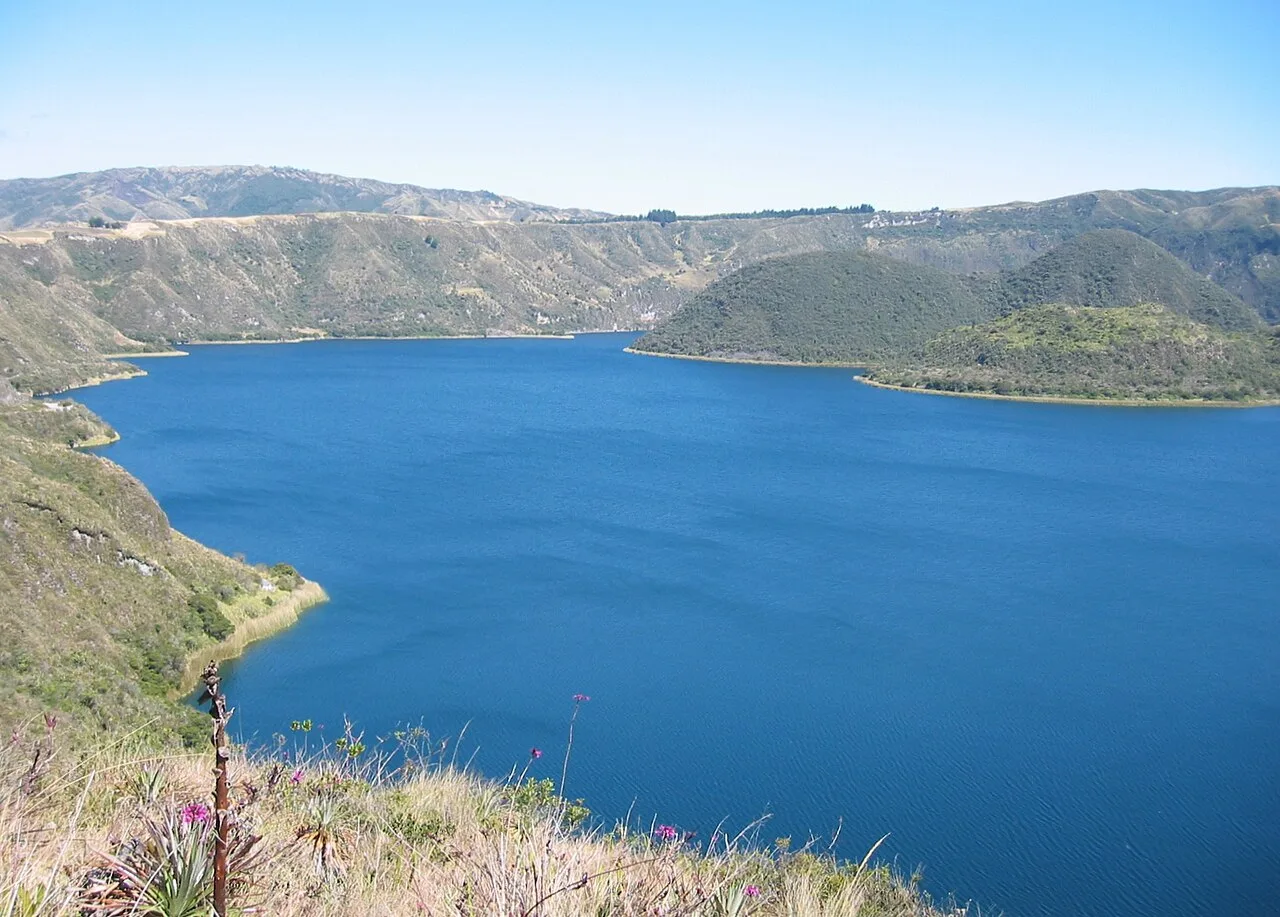
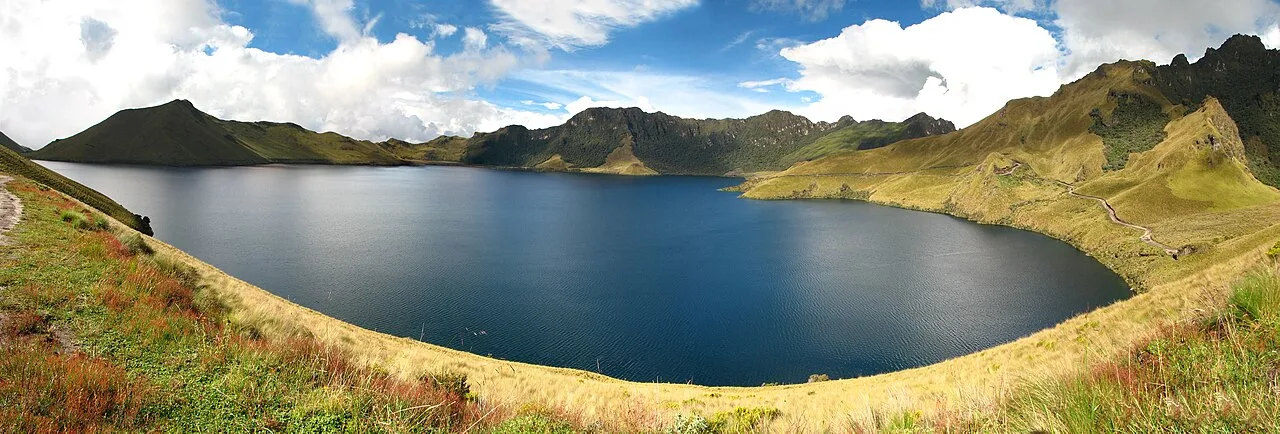
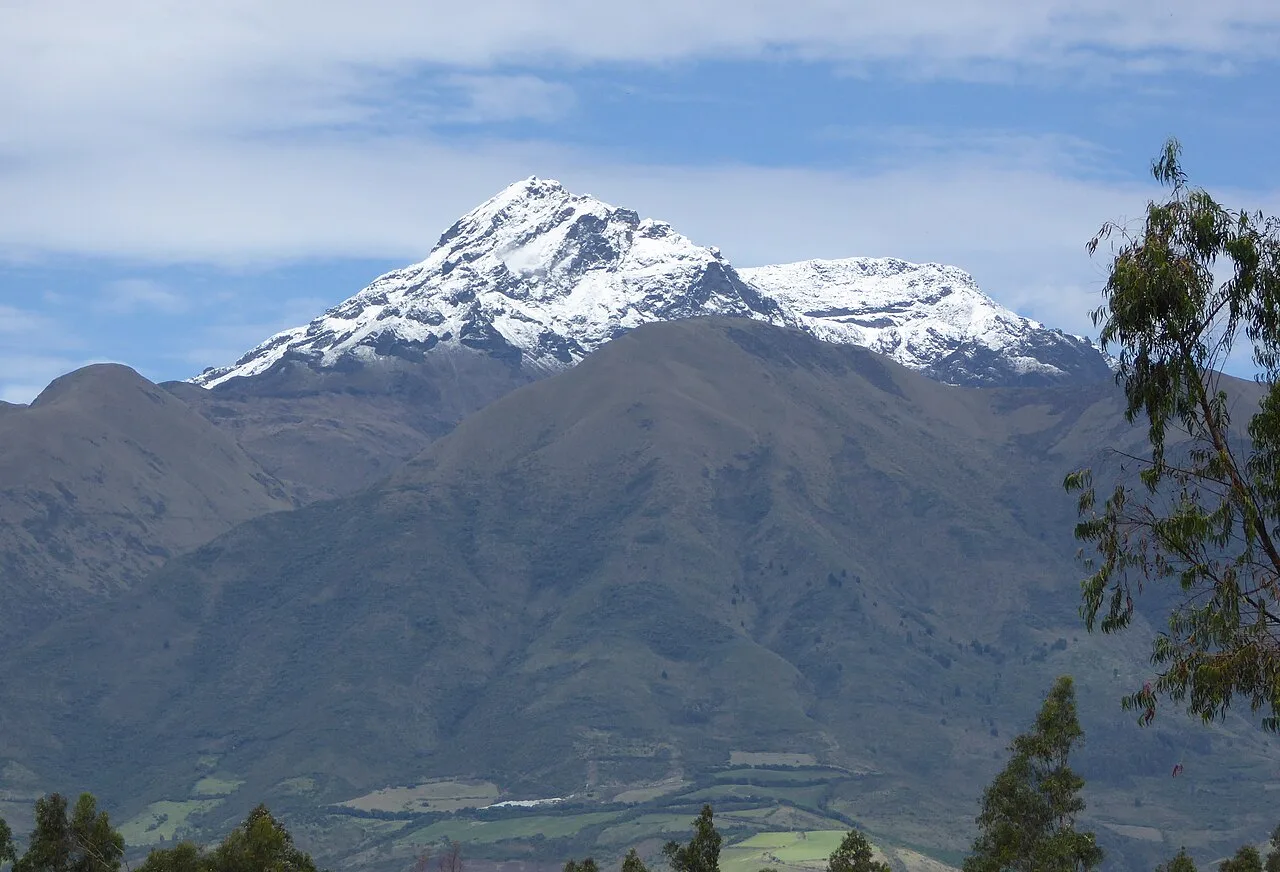
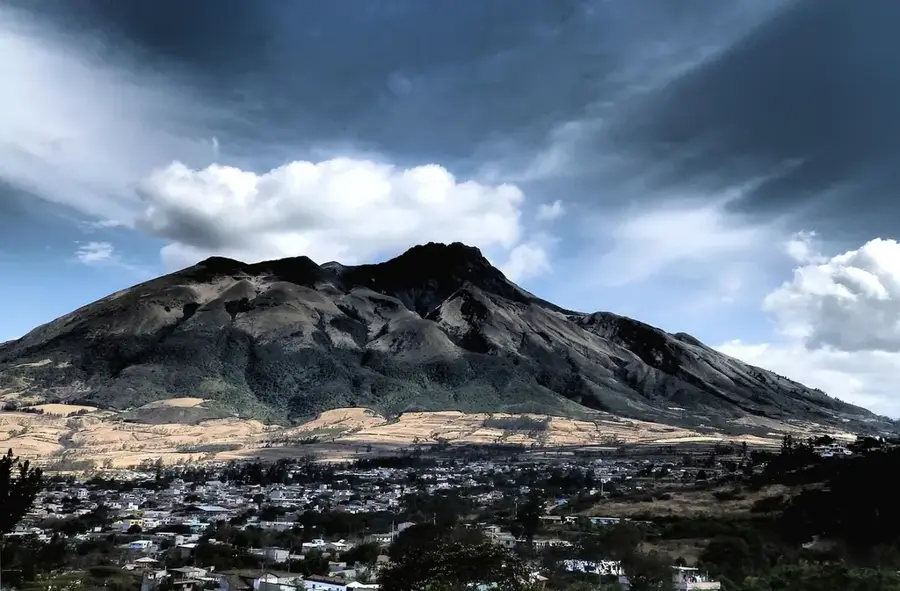
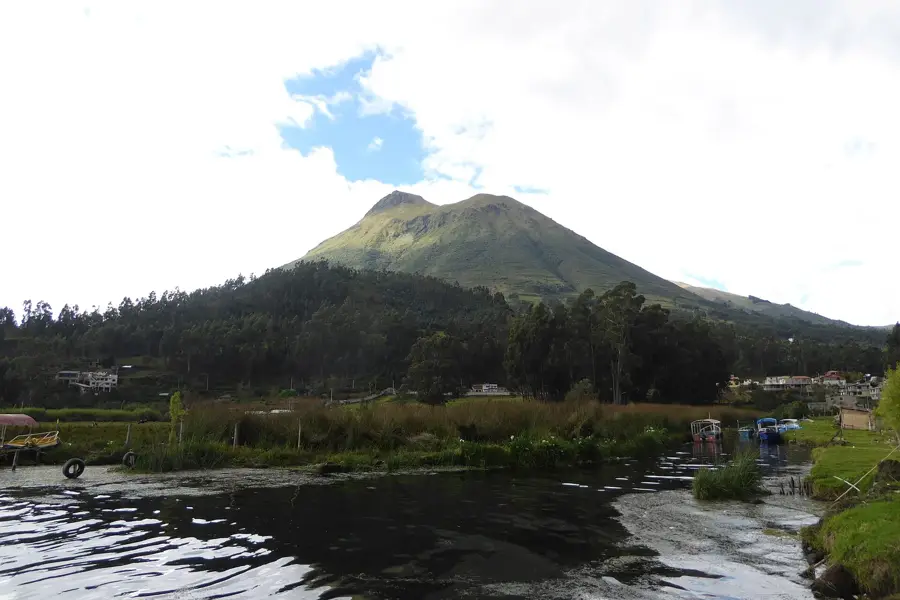
Imbabura Volcano is an inactive stratovolcano in northern Ecuador, towering majestically over the city of Otavalo and San Pablo Lake. Reaching an elevation of 4630 meters, it holds central importance in the identity and mythology of local indigenous communities, who revere it as 'Taita Imbabura' (Father Imbabura). Geologically, Imbabura is a complex volcanic structure with multiple craters and lava domes, with its last known eruption occurring approximately 14,000 years ago. The volcano's fertile slopes are cultivated at significant altitudes, where corn and potato fields characterize the local landscape. In the higher regions, the vegetation transitions into typical páramo ecosystems, often shrouded in dense clouds and mist. The mountain is known for its unpredictable weather conditions and the steep, challenging trails leading to its summit. From the highest point, climbers are rewarded with spectacular views of nearby peaks such as Cayambe and Cotacachi, as well as the deep blue waters of San Pablo Lake below. Imbabura is not only a geological monument but also a spiritual landmark, serving as a site for numerous annual ceremonies and pilgrimages.

Best time to visit & climate

The most pleasant time to visit is Jul–Sep.

JanFebMarAprMayJunJulAugSepOctNovDec
Avg °C131313131312121313131313
Rain mm104105132148108594026408110398

📋 Practical info

🧭
Getting there
Access to the Imbabura Volcano is typically via the town of Otavalo or the village of La Esperanza, with local taxis or 4WD vehicles often used to reach the actual trailhead located at the base of the mountain.
📅
Best season
The best time for a climb is during the drier months from June to September, as the summit is often shrouded in dense clouds during the rest of the year and trails can become extremely slippery when wet.
⛰️
Terrain & paths
The terrain is characterized by steep grassy slopes (paramo) and becomes rockier and more challenging toward the summit, requiring hikers to handle a significant incline on unpaved natural trails.
🎒
What to bring
Hikers should bring sturdy mountain boots, multiple clothing layers to adapt to rapid weather changes, and effective sun protection, as UV radiation is particularly intense at this high altitude.
🅿️
Parking
Parking options are usually found at the end of the drivable roads above La Esperanza, though it is often advisable to leave vehicles in inhabited areas or hire a local driver for the approach.
⚠️
Safety
The altitude poses the greatest risk; proper acclimatization is mandatory to avoid altitude sickness, and one should aim to begin the descent before the often foggy afternoon weather sets in.
⏱️
Time needed
A full hike to the summit and back typically takes between 7 and 10 hours, depending on individual physical fitness and the specific starting point chosen on the mountain.

Geography

Coordinates
0.25000, -78.17000

Facts

  • Imbabura has been inactive for about 14,000 years.
  • The mountain is seen as the region's protector in local mythology.
  • The village of La Esperanza is located on its slopes.
  • The climb to the summit takes approximately 6 to 8 hours.
  • San Pablo Lake was formed by volcanic blockages.
  • There are no permanent glaciers on Imbabura.

Explore nearby

Notable places around

Route planner — Car & Motorhome

Where do you start? We build the route here, with stops and country notes along the way.

Vehicle
Only stops with (optional):

© OpenStreetMap contributors · OpenRouteService

Sights in the town Imbabura Volcano (9)

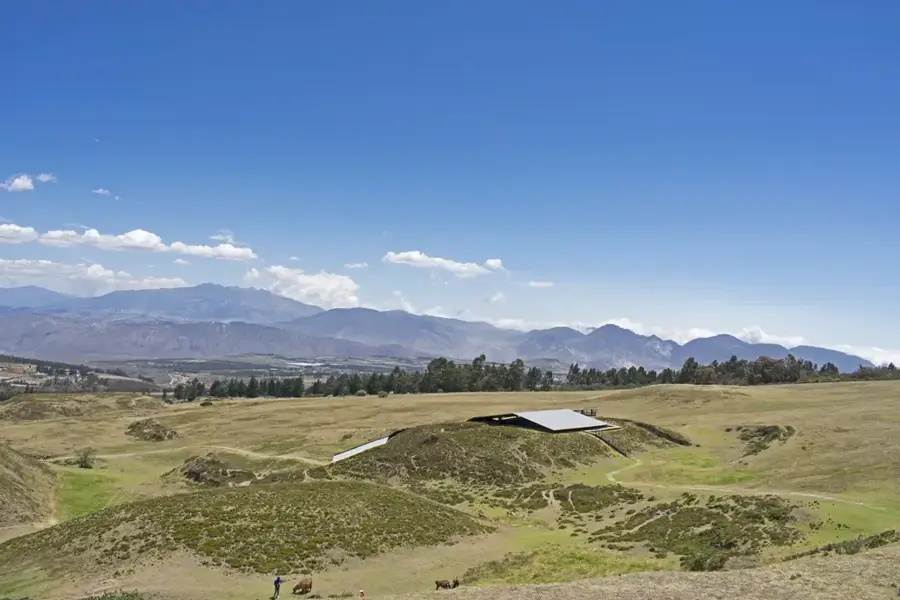
Tolas de San Clemente🏺 historical

Ancient pre-Columbian ceremonial mounds built by the indigenous Caranqui people.

Imbabura Volcano📍 landmark

An iconic inactive stratovolcano towering over the San Pablo lake in the Andes.

Refugio Volcán Imbabura📍 landmark

A base camp for mountaineers seeking to summit the 4,609-meter peak of the Imbabura volcano.

Casa Museo🏛 museum

A cultural museum in the Imbabura province showcasing local traditions and history.

Cochas🌿 nature

A scenic overlook offering panoramic views of the Andean valleys and the Imbabura volcano.

Imbabura📍 landmark

A prominent mountain peak that serves as a spiritual sacred site for the region's indigenous peoples.

montaña letrero imbabura🏺 historical

A landmark monument positioned on the slopes of the Imbabura volcano, visible from afar.

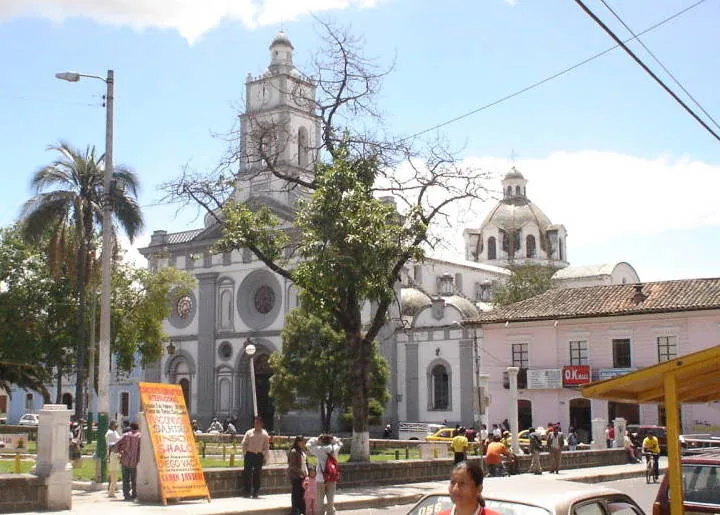
Iglesia de San Clemente⛪ religious

This church in San Clemente is known for its role in the religious festivities of the indigenous population.

EMPRESA PUBLICADE SERVICIOS MNICIPALES ANTONIO ANTE (PLANTA DE FAENAMIENTO)🎭 culture

This municipal facility in Antonio Ante manages local marketplace services and meat processing.

🕒 24/7

Sights nearby

Frequently asked questions

Why is Imbabura important to the locals?
In local indigenous mythology, it is revered as 'Taita Imbabura' (Father Imbabura) and considered a protector.
Can you see the volcano from Otavalo?
Yes, Imbabura dominates the entire landscape around the town of Otavalo and San Pablo Lake.
How high is it?
The volcano reaches an elevation of 4,630 meters.
Is the hike strenuous?
The hike is long and steep, requiring good acclimatization but no technical climbing equipment.
When is the best visibility?
Early morning gives the best chance to see the summit cloud-free before fog often rolls in by midday.
Imbabura Volcano: where is it located?
Imbabura Volcano is located in Ecuador.
Imbabura Volcano: what is there to see?
Highlights include Tolas de San Clemente, Imbabura Volcano, Refugio Volcán Imbabura.
Imbabura Volcano: when is the best time to visit?
The most pleasant time to visit is Jul, Sep.
Imbabura Volcano: why is it worth visiting?
Imbabura Volcano is an inactive stratovolcano in northern Ecuador, towering majestically over the city of Otavalo and San Pablo Lake.
View on map → The Top 50 Attractions → OpenStreetMap →
South America
Explore with Plizio Discover more places in South America
More places in Ecuador →

Nearby cities

History & landmarks
Nature
More places