Varazdin Baroque Evenings
International baroque music festival in September and October held in the town's churches and palaces.
PlizioGo
Grab a freshly baked batch of these traditional salty bread rolls from a bakery near the main square (Korzo).
Seek out traditional restaurants near the castle to try this baked flatbread pasta, typically served with roast poultry.
Frequently used as a dressing for local salads, or even drizzled over vanilla ice cream in local cafes.
An excellent spot to buy fresh local produce, honey, and pumpkin seeds.
Small boutiques in the historic center sell traditional ceramics and delicate lacework.
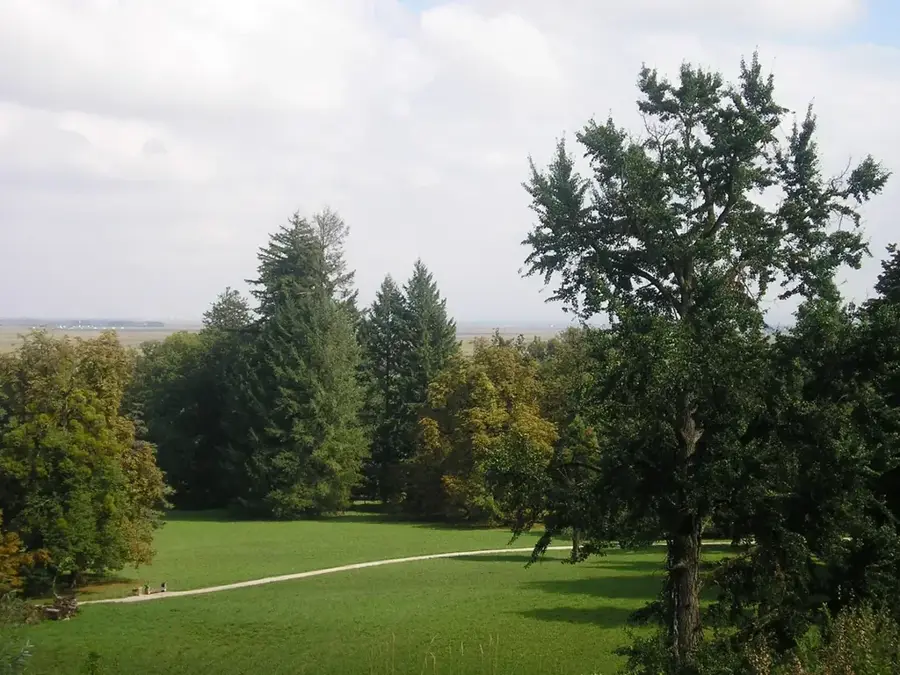
Famous for its remarkable, park-like landscaping with beautifully manicured thuja trees.
A peaceful spot for a walk or bike ride just outside the busy center.
Water temperature…
International baroque music festival in September and October held in the town's churches and palaces.
Popular street and culture festival in late August and early September in Varazdin. Concerts, street performers, crafts and gastronomy enliven the baroque old town.
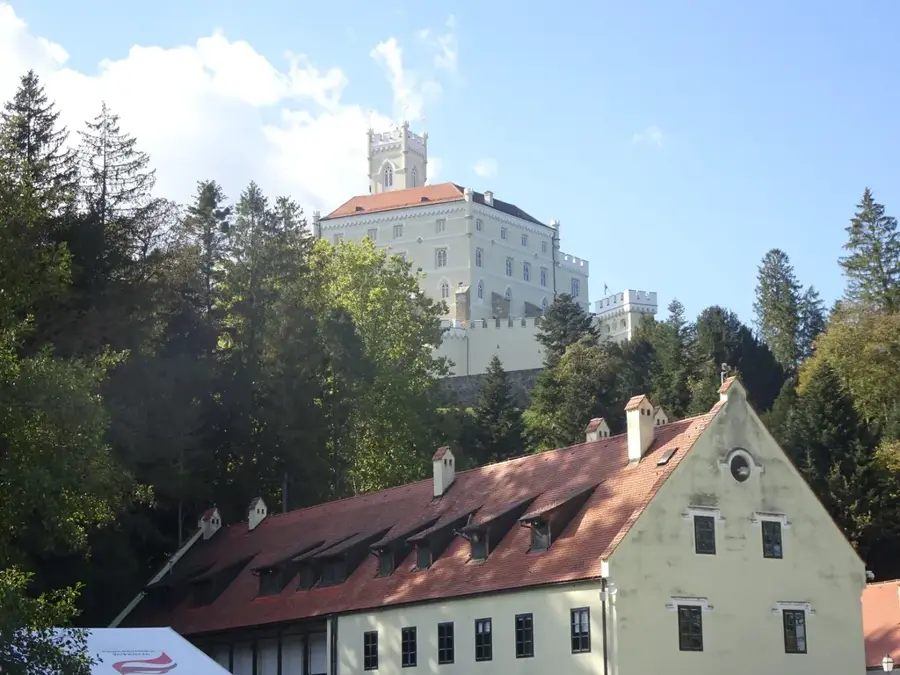
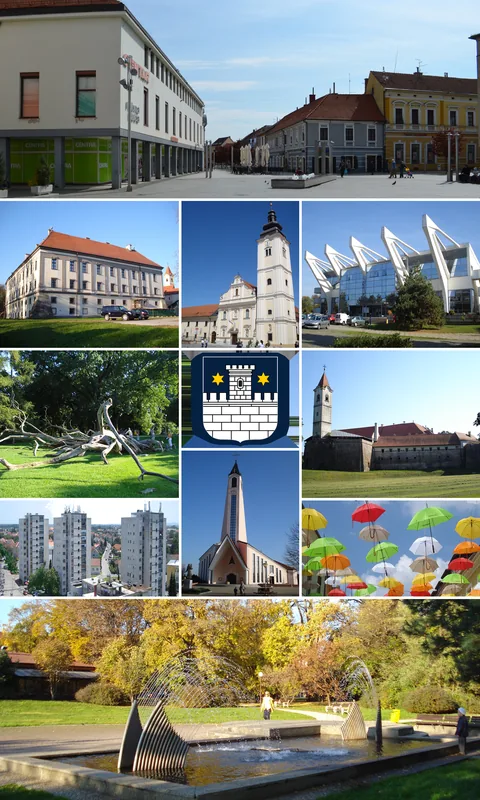
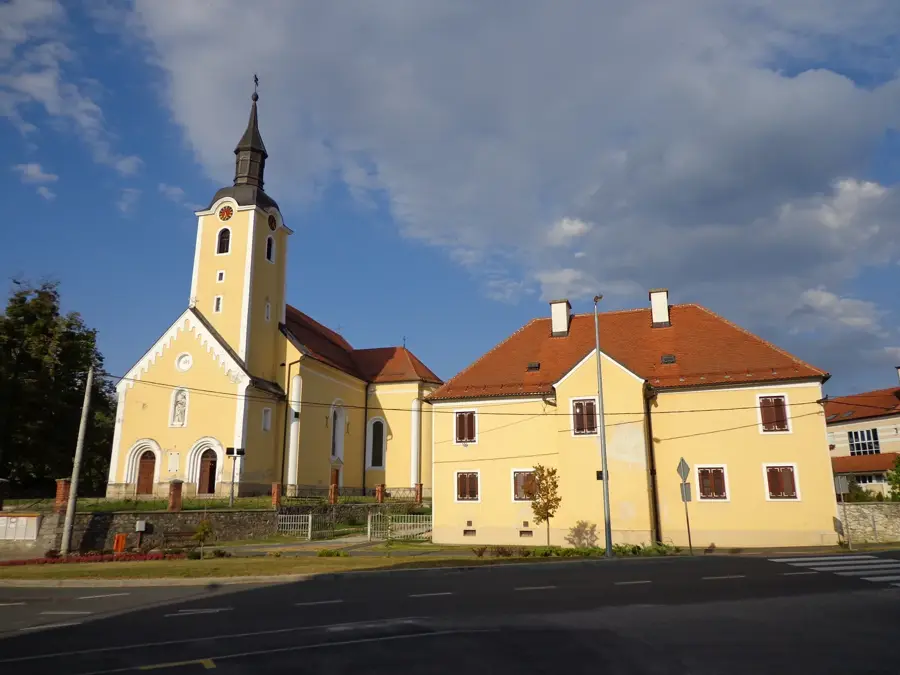
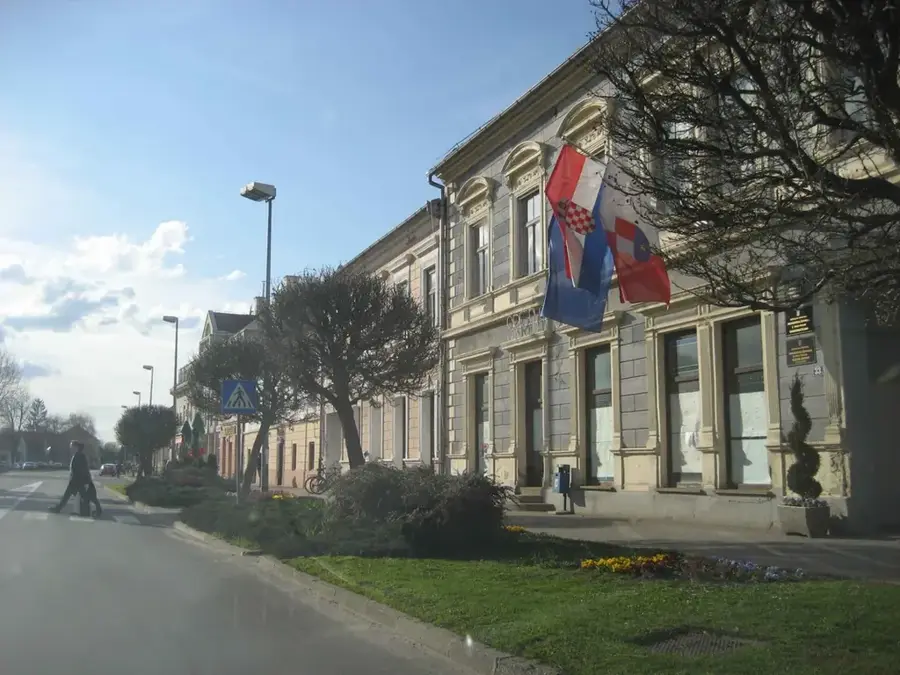
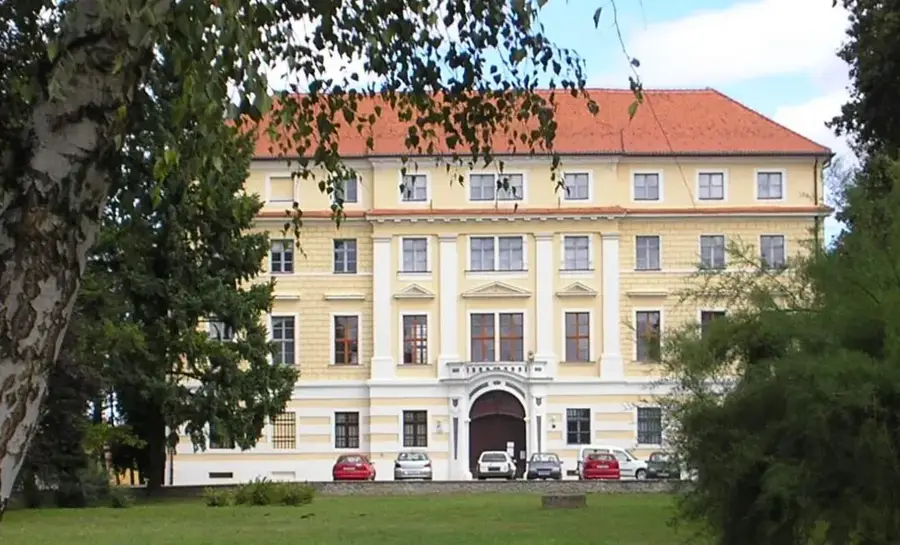
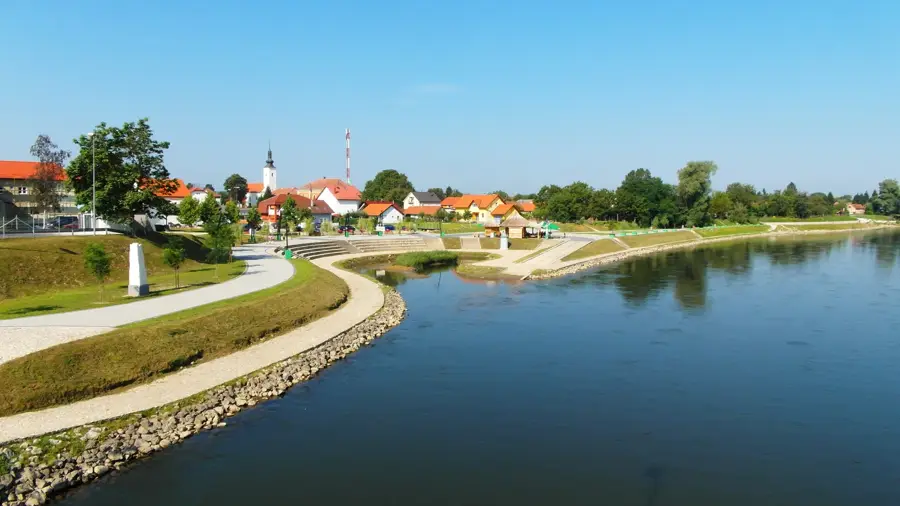
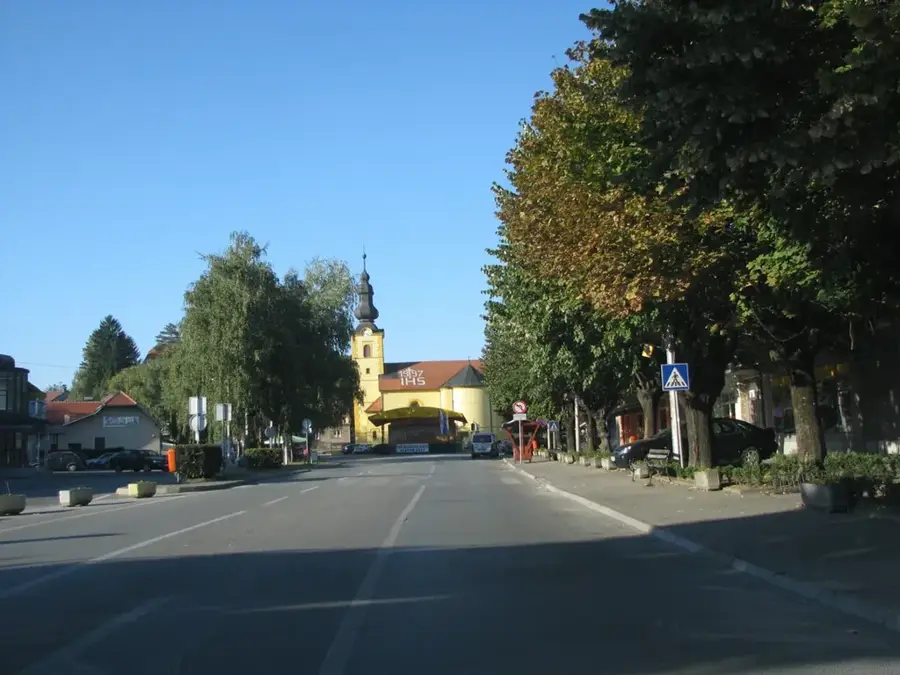
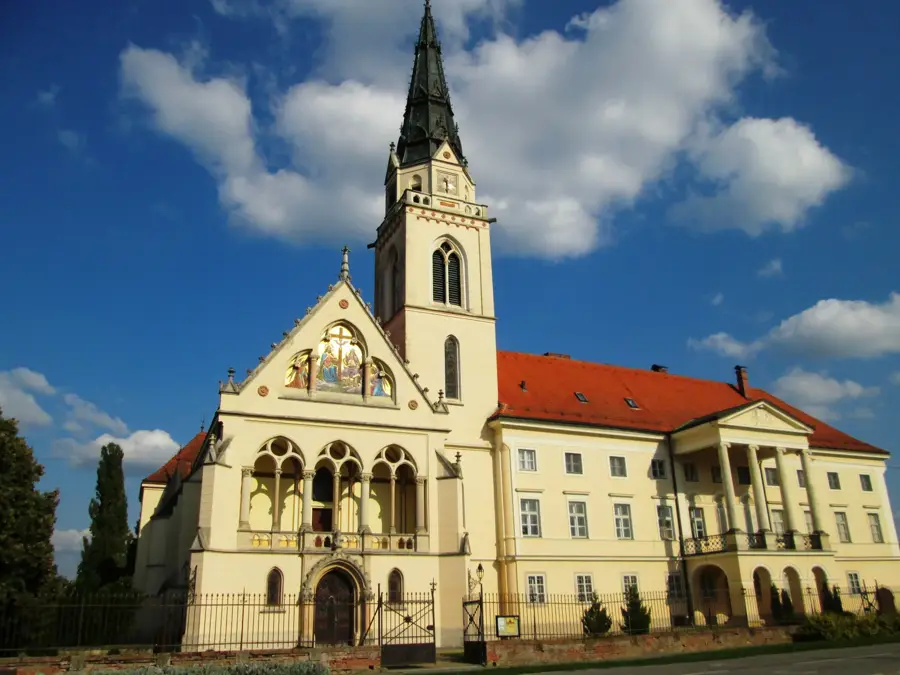
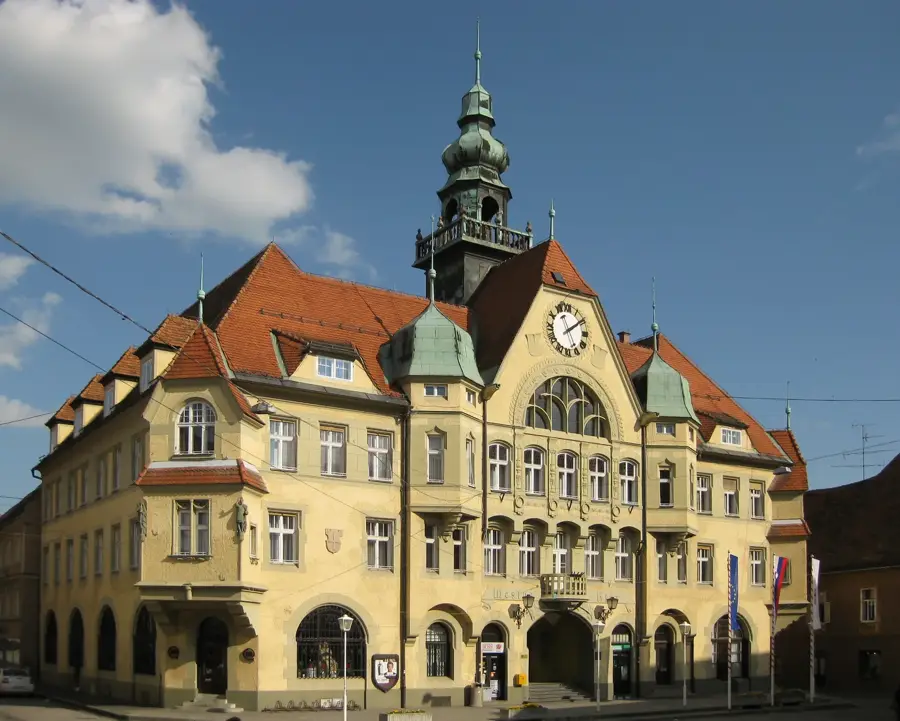
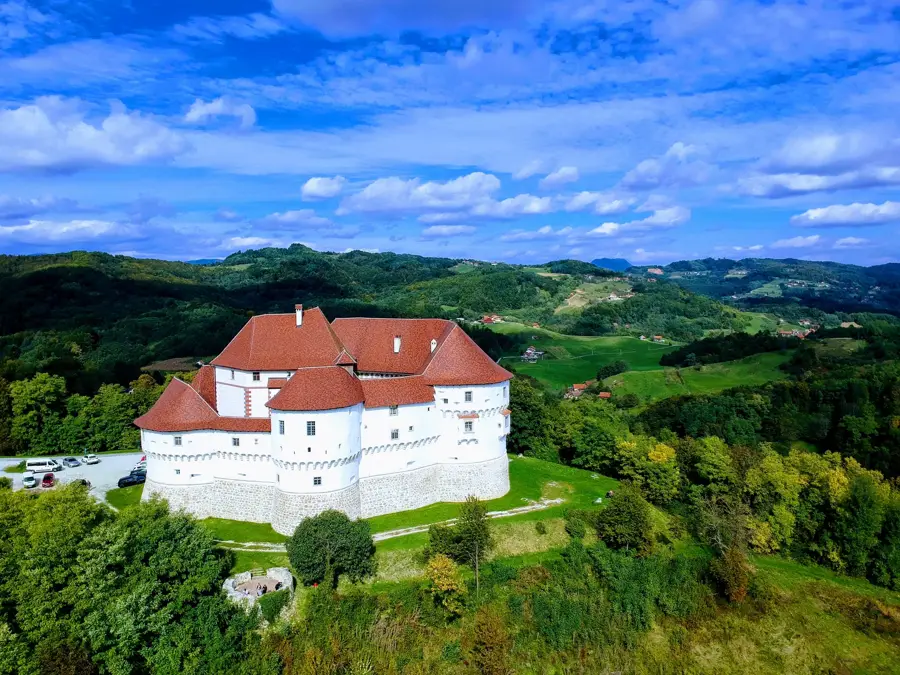
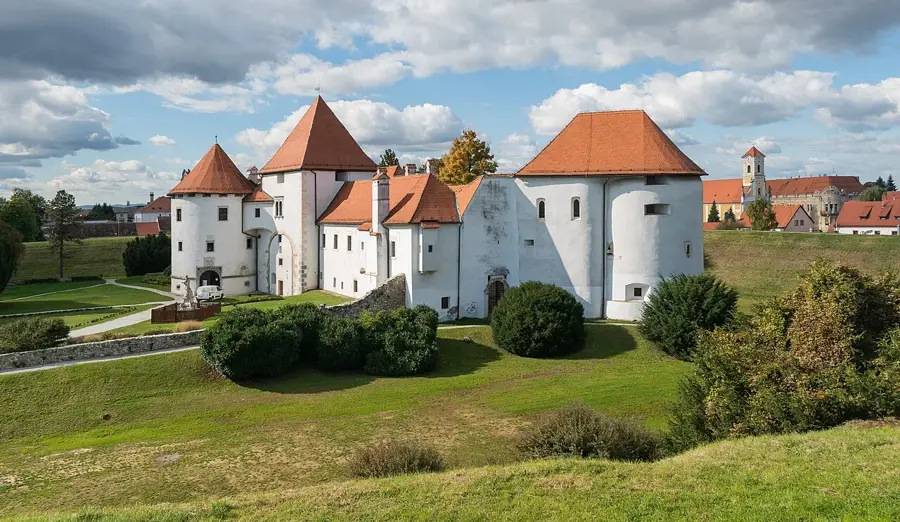
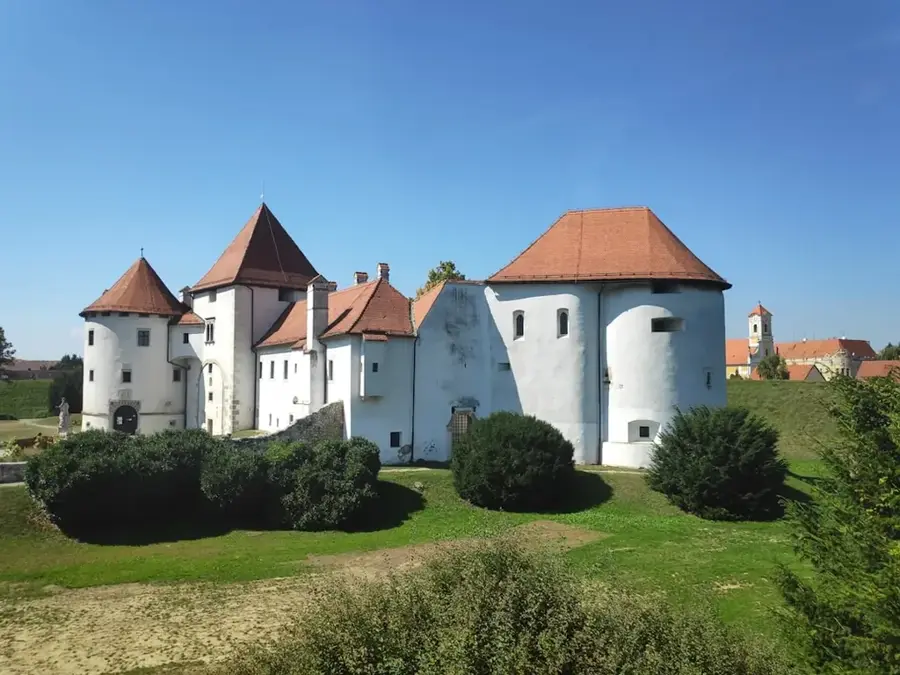
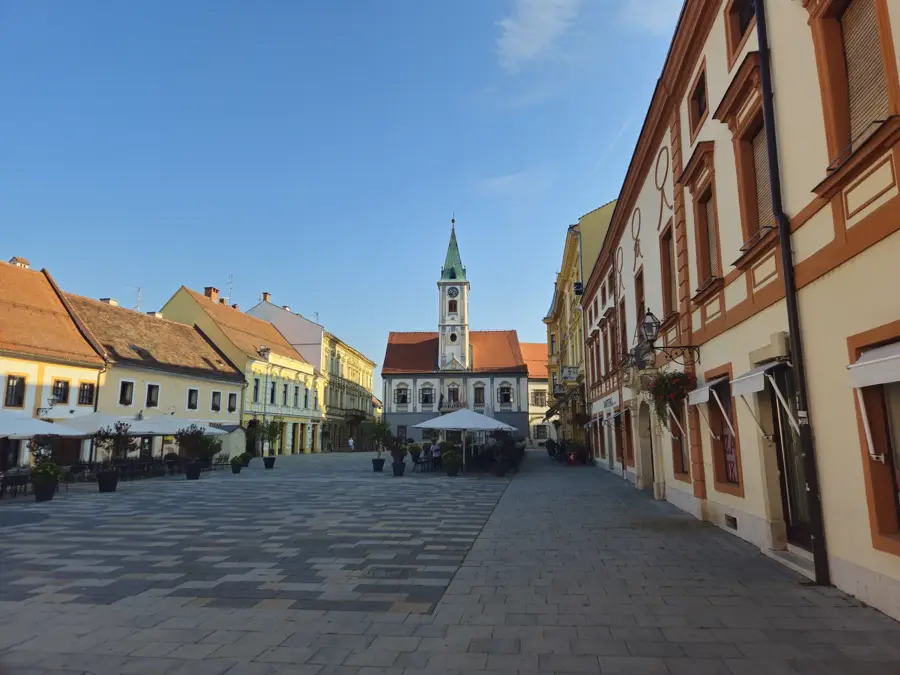
Varaždin, often called "Little Vienna", is the baroque pearl of northern Croatia and a city full of elegance, art and music. In the 18th century it was even briefly the capital of Croatia, and its magnificent architectural heritage dates from this period. A walk through the perfectly preserved old town feels like a journey back in time. Sumptuous palaces, ornate churches and welcoming squares shape the cityscape. The heart of the city is the medieval fortress, the "Stari Grad", which today houses the city museum. Varaždin is also known as the "city of bells and angels", which is reflected in the many church towers and the angel statues on the facades. A special attraction is the unique cemetery, which is more reminiscent of a park with its thuja trees artfully cut into arcades and walls. At the end of August, the city comes alive during the Špancirfest, a festival for street performers, musicians and artists, attracting visitors from all over Europe. Varaždin is a must-see for anyone who appreciates culture, history and a relaxed atmosphere.
The most pleasant time to visit is Jun–Aug.
| Jan | Feb | Mar | Apr | May | Jun | Jul | Aug | Sep | Oct | Nov | Dec | |
|---|---|---|---|---|---|---|---|---|---|---|---|---|
| Avg °C | -1 | 1 | 5 | 11 | 16 | 20 | 23 | 22 | 16 | 11 | 5 | 0 |
| Rain mm | 40 | 50 | 50 | 52 | 84 | 86 | 83 | 83 | 95 | 71 | 65 | 52 |
See what it looks like near Varaždin right now.
Varazdin › North: Trg kralja Tomislava - Townhall of Varazdin · 0.9 km · Open webcam on Windy · Webcams provided by Windy.com
Notable places around
Where do you start? We build the route here, with stops and country notes along the way.
© OpenStreetMap contributors · OpenRouteService
Your day begins in the heart of Baroque. Enjoy the morning sun on Korzo before visiting the Town Hall and the magnificent Cathedral. At noon, explore the snow-white Stari Grad fortress, the city's landmark. The afternoon belongs to art at Palais Sermage and a meditative walk through the famous park-like cemetery, a jewel of garden architecture.
Varaždin in the rain starts at Korzo, where arcades provide shelter. Spend the morning at the Town Hall and Cathedral. At noon, the Stari Grad castle offers a dry haven with its museum. Afternoon is perfect for the Sermage Palace galleries. The day concludes at the cemetery, which looks mystical in the rain, followed by a cozy evening in a local cafe to dry off.
Varaždin in winter is a baroque wonderland. Korzo shines with festive lights. Warm up in the Cathedral before visiting the frosty Stari Grad castle; its white walls look stunning in the snow. Spend the afternoon inside Sermage Palace to escape the cold. The day ends early at the illuminated cemetery, which offers a serene and quiet atmosphere in the winter light.
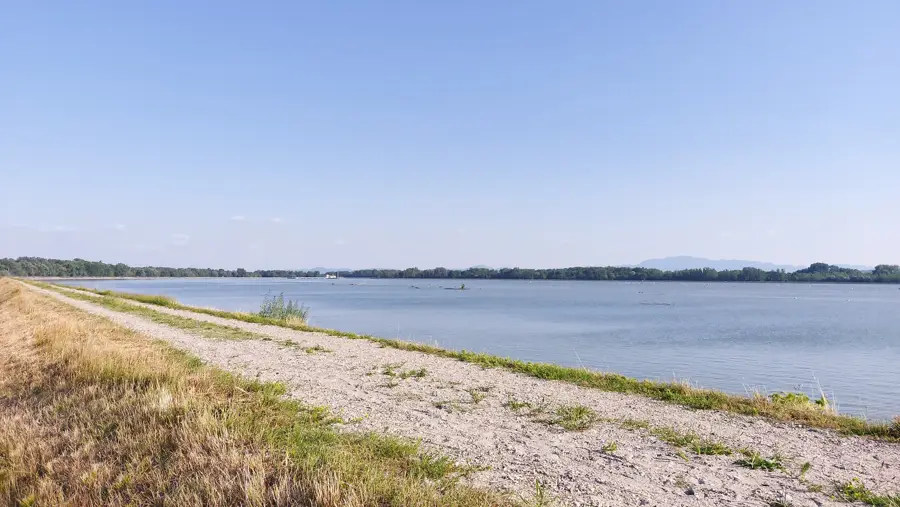
Explore Varaždin on two wheels! After the Baroque center, cycle to the majestic fortress and further to the world-famous cemetery. The flat landscape leads you to the Drava riverbank, where you can enjoy nature. Finally, return to the old town to admire the theatre and the Franciscan church.
Exploring Varaždin by bike in the rain requires good gear. Start at Korzo and head quickly to Stari Grad. The convent and theatre provide dry cultural breaks. At noon, the cemetery is mystical, but be cautious on the Drava riverbank as paths can be muddy. Finish at the Franciscan Church, where you can safely lock your bike.
Winter cycling in Varaždin means crisp air and empty paths. From Korzo to Stari Grad, the city glistens in the frost. The theatre and convent offer warm retreats. The cemetery looks almost frozen in the winter light. Enjoy the silence of nature at the Drava riverbank before the cold wind drives you back to town for warmth at the Franciscan Church.
Varaždin by car allows for a comfortable tour through the numerous palaces and churches. Start at Patacic Palace and the magnificent theatre. At noon, the Stari Grad fortress awaits you. Thanks to your mobility, you can easily reach the famous cemetery and end the day relaxed before possibly exploring the surroundings.
By car, Varaždin is comfortable to explore even in the rain. Park near Patacic Palace and the theatre. Short walks minimize time spent in the rain. Visit Stari Grad at noon, followed by the Cathedral and Sermage Palace. The day ends at the cemetery, where you can drive almost to the entrance and wait for the rain to subside in the car.
By car, winter in Varaždin offers cozy warmth between stops. Visit the palaces and theatre while the heater runs. At noon, admire the snow-covered Stari Grad. After seeing the Cathedral and Sermage Palace, warm up in the car on the way to the cemetery, which exudes a prayerful silence in the winter light.
May to September; highlights are 'Spancirfest' street-arts festival in late August/early September and the 'Varazdin Baroque Evenings' in late September.
Varazdin is very safe. The old town is pedestrian-only; cars must use paid parking rings. Around the castle/Stari Grad, watch for slippery moat-side paths in autumn.
Croatian is spoken in Varazdin; because of proximity to Slovenia, Hungary and Austria many locals also understand German and English. English is almost always enough at hotels and restaurants.