Week of Kajkavian Culture
Annual cultural festival in September in Krapina featuring the Festival of Kajkavian Song. Concerts, exhibitions, markets and traditions of the Zagorje region.
PlizioGo
A must-try regional pastry dish filled with cottage cheese and sour cream, baked or boiled to perfection.
Roast turkey served with traditional 'mlinci' (flatbread torn into pieces and soaked in meat juices) available in local restaurants.
Pair your meal with a glass of crisp local white wine, often served in the cozy rural taverns (klet) nearby.
Look for authentic, brightly colored wooden toys typical of the Zagorje region, recognized by UNESCO.
Buy locally produced honey, jams, and pumpkin seed oil from small regional markets and souvenir shops.
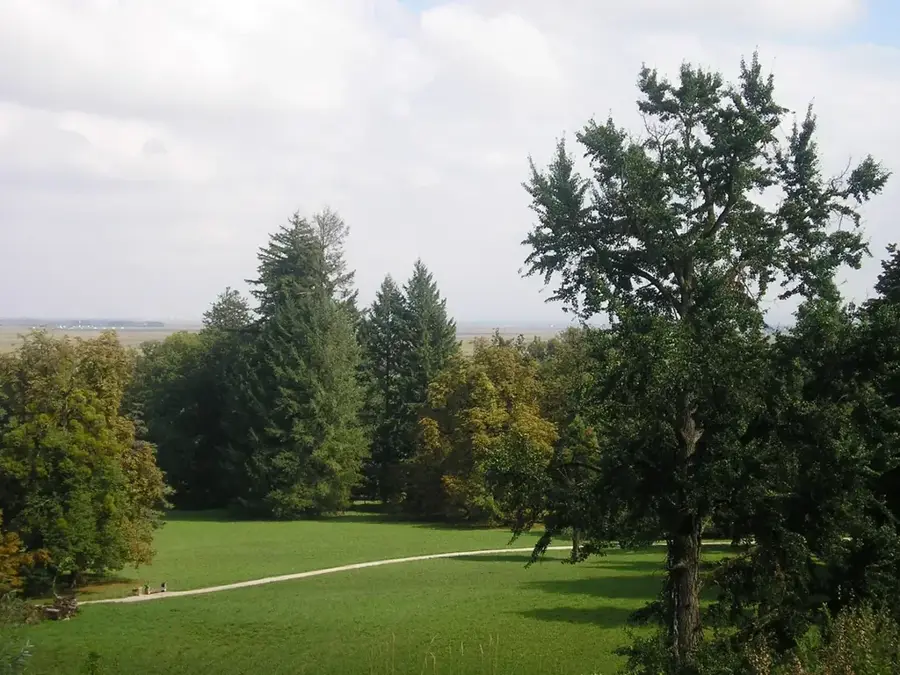
Take a quiet, scenic walk through the lush forest trails right behind the Neanderthal Museum.
Stroll through this serene open-air park featuring wooden sculptures integrated into the natural surroundings.
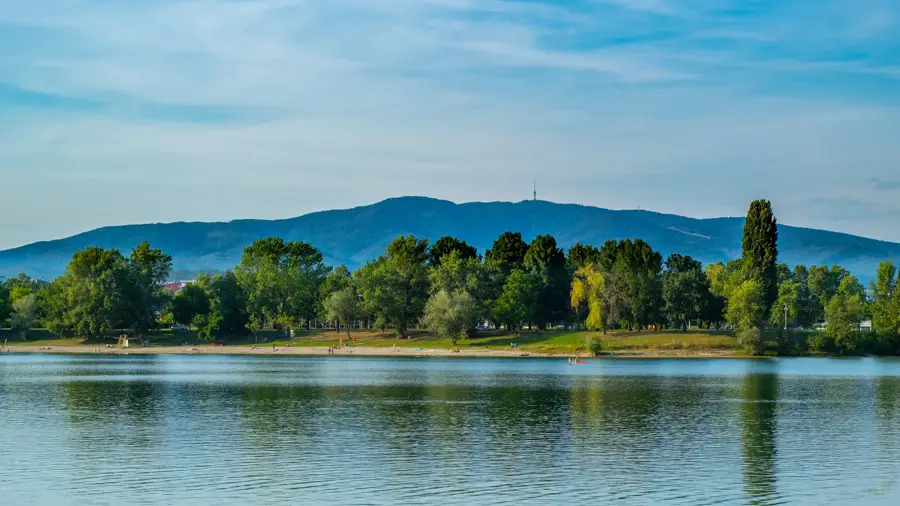
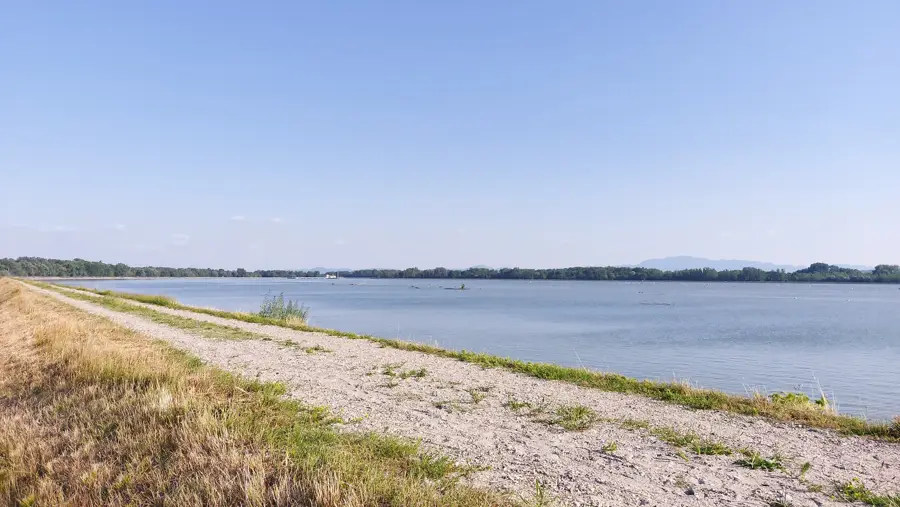
Water temperature…
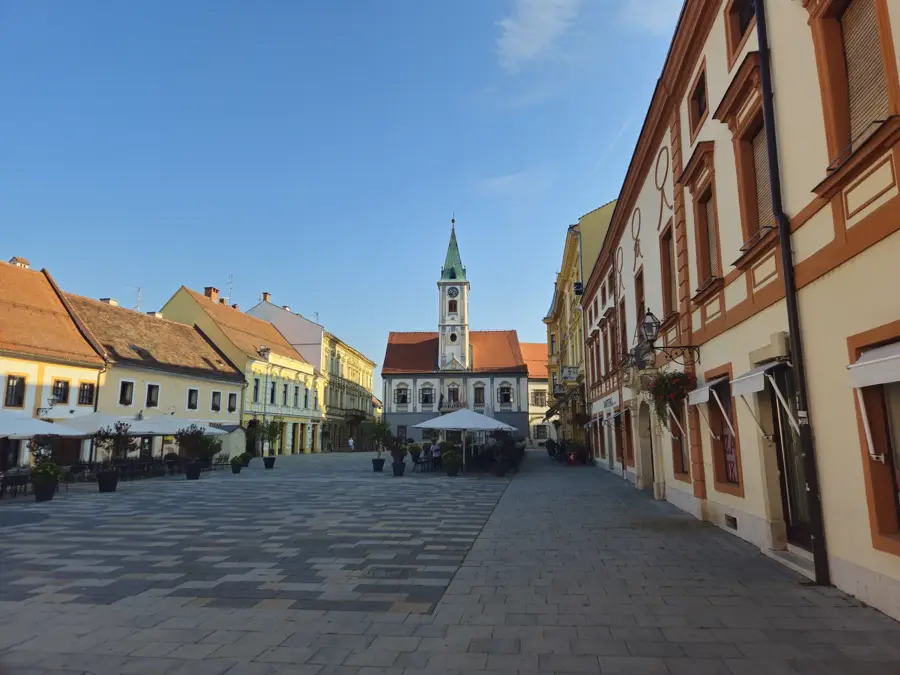
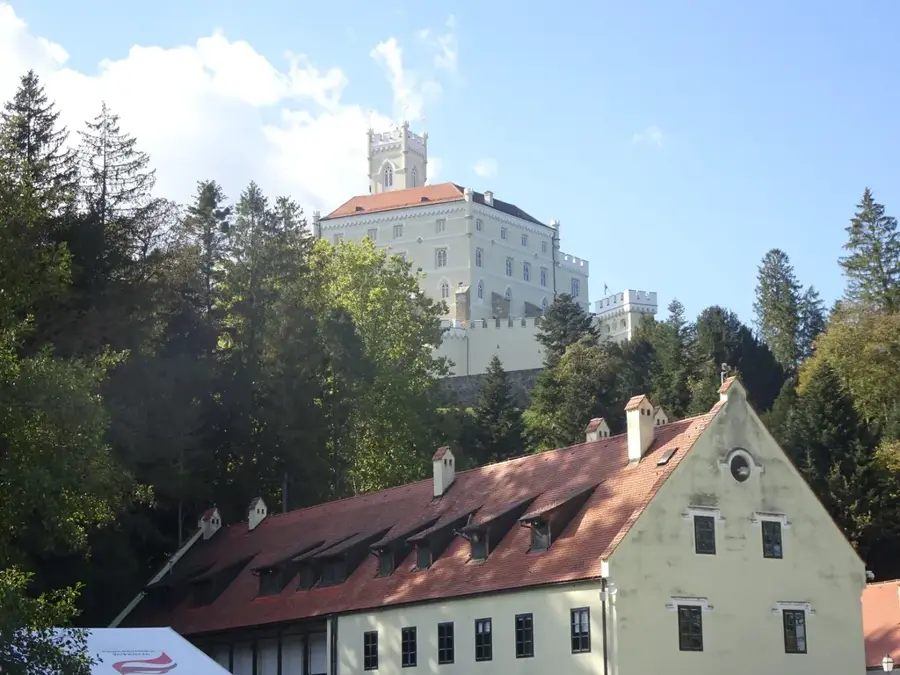
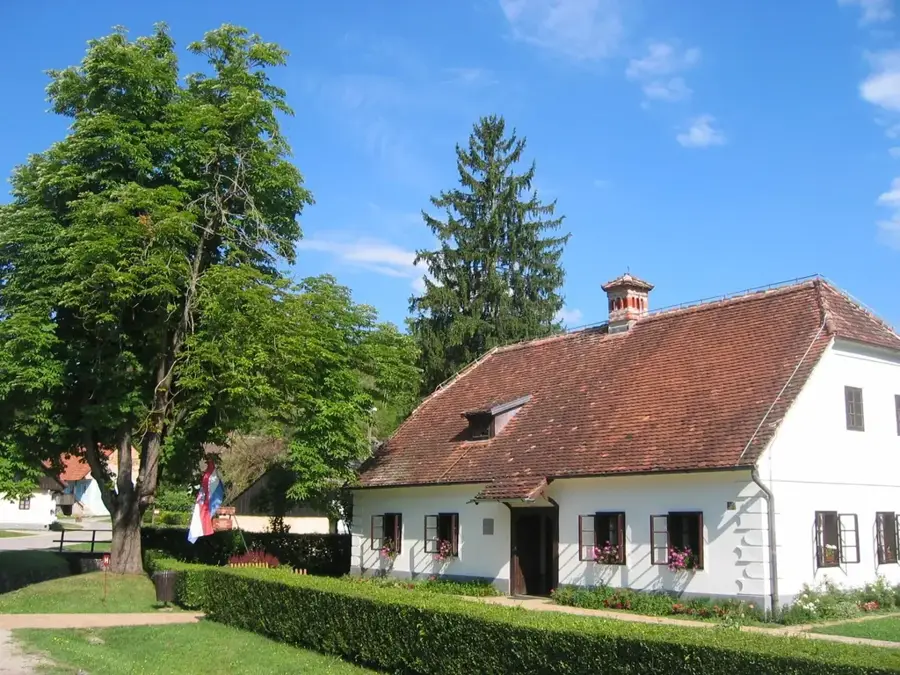
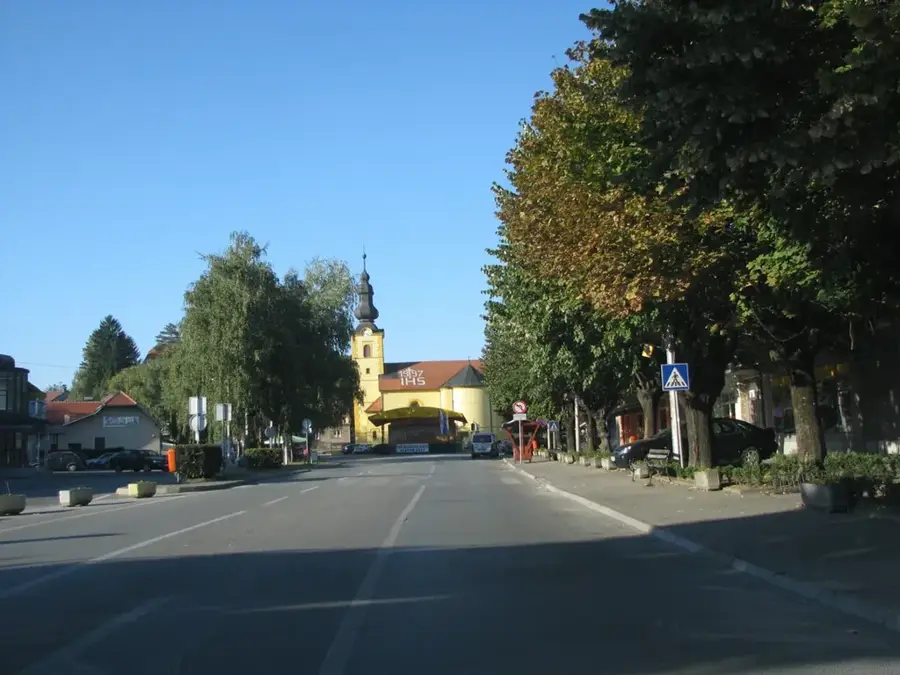
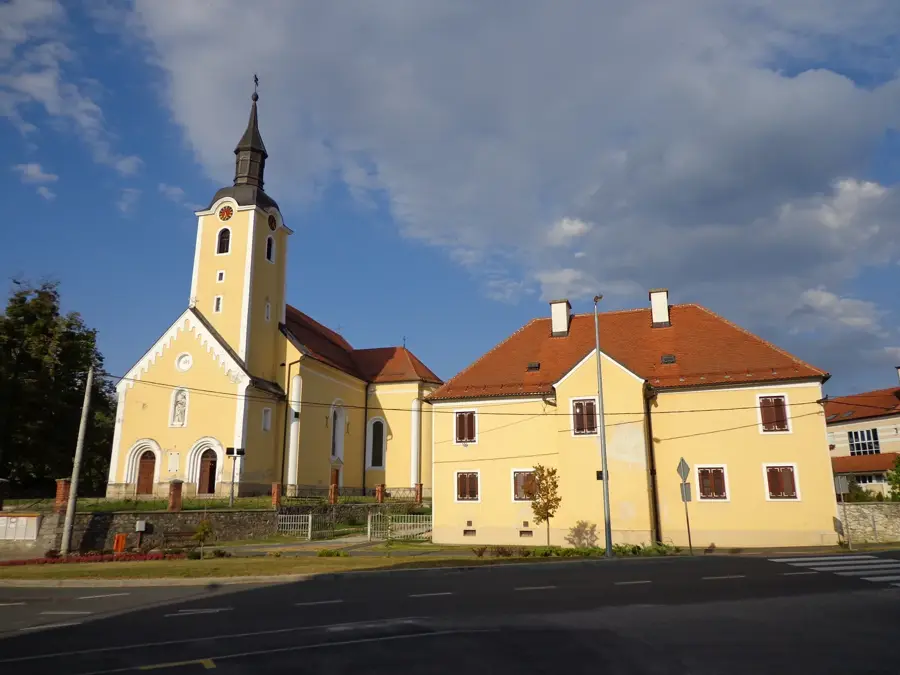
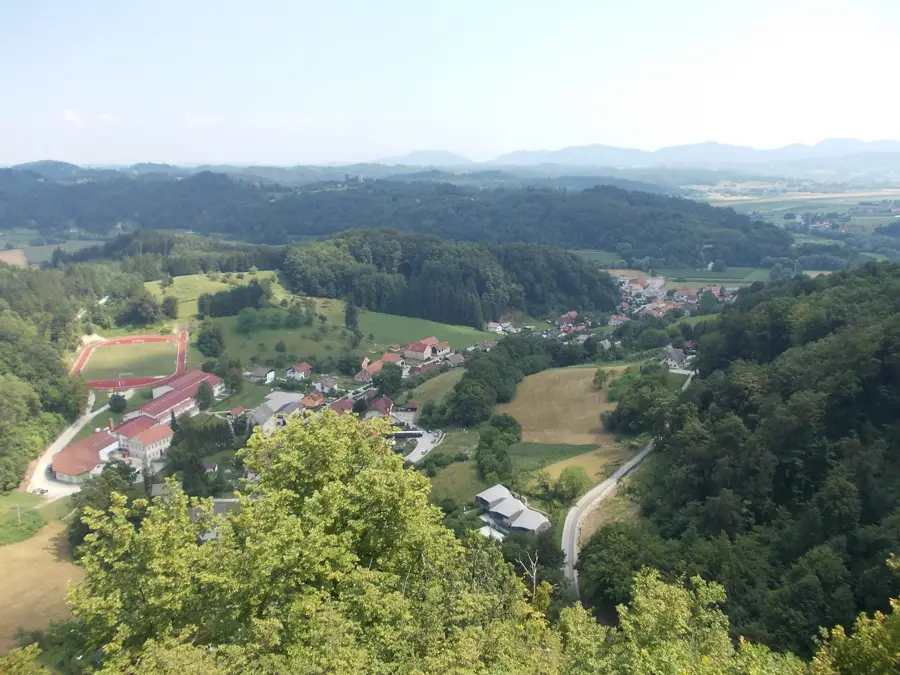
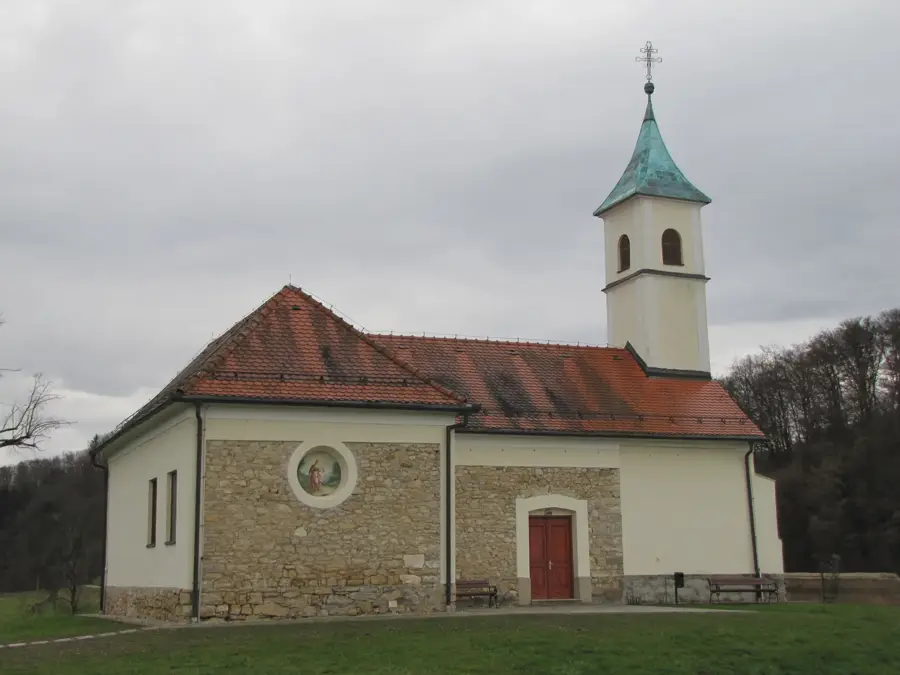
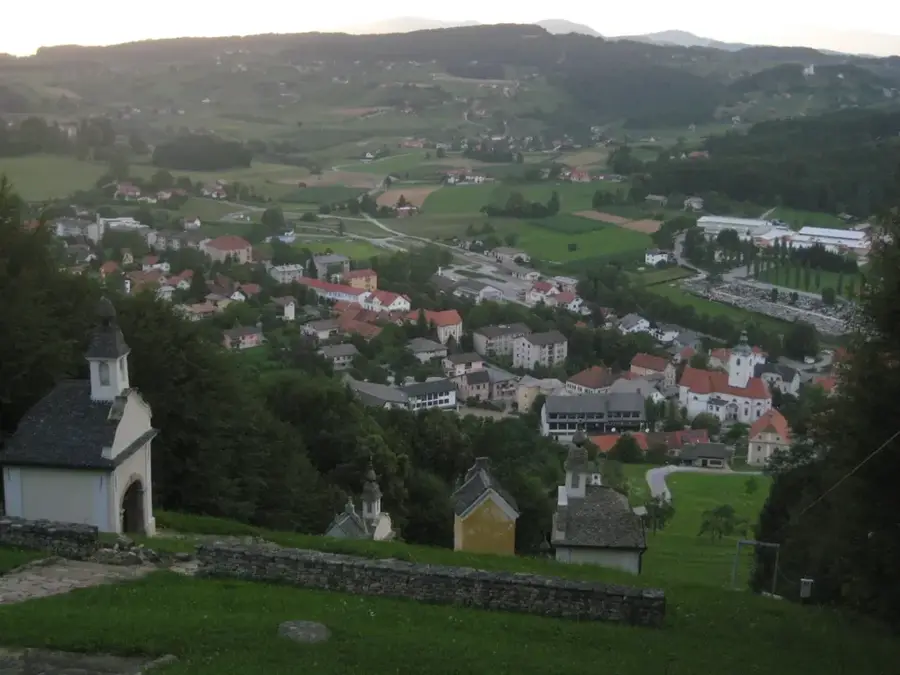
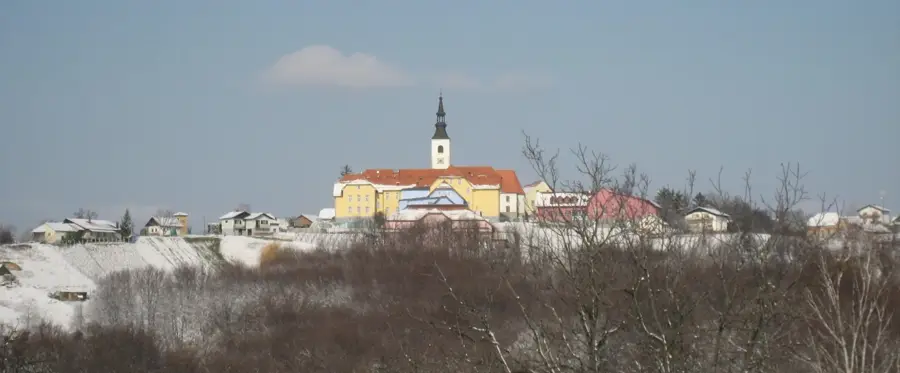
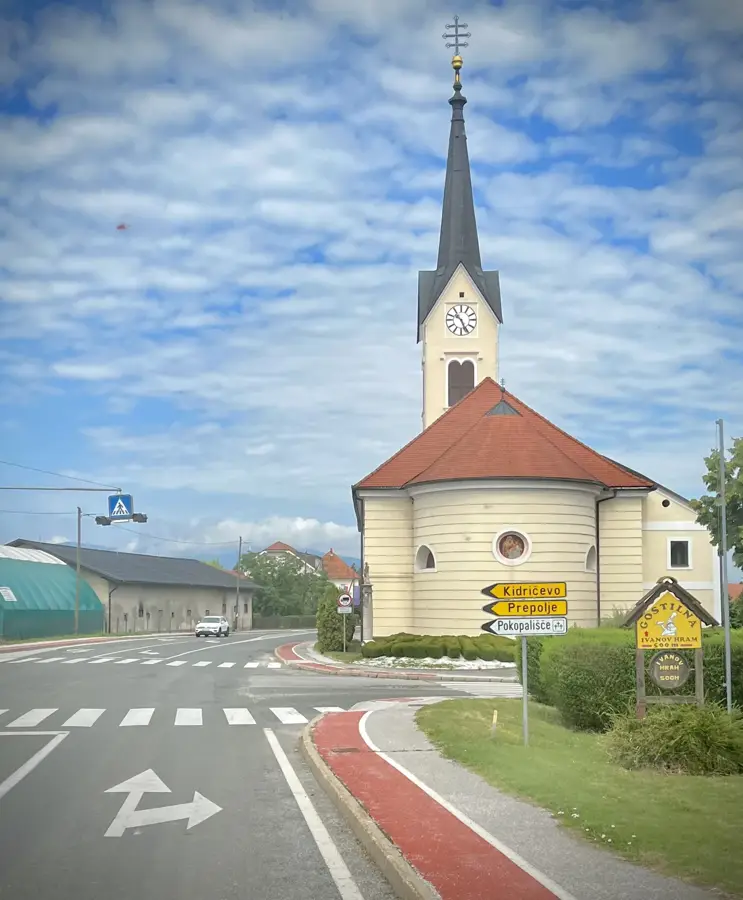
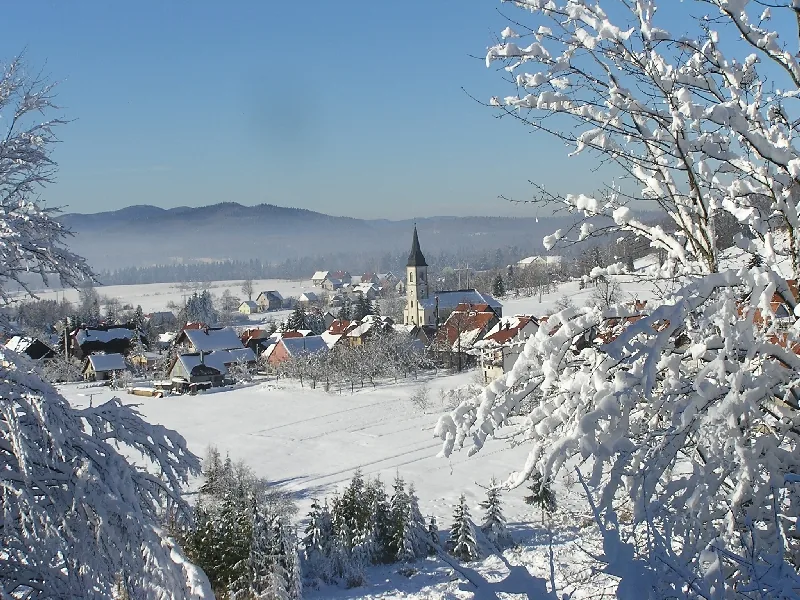
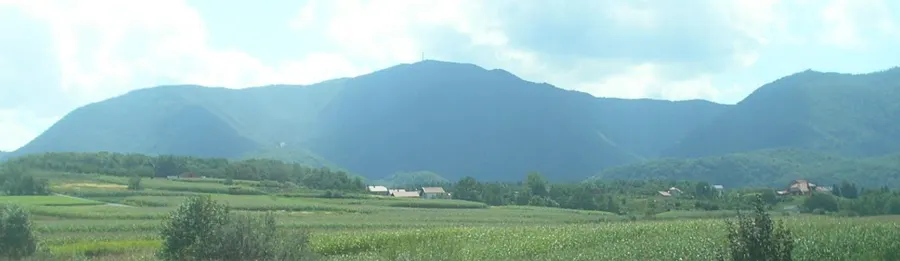
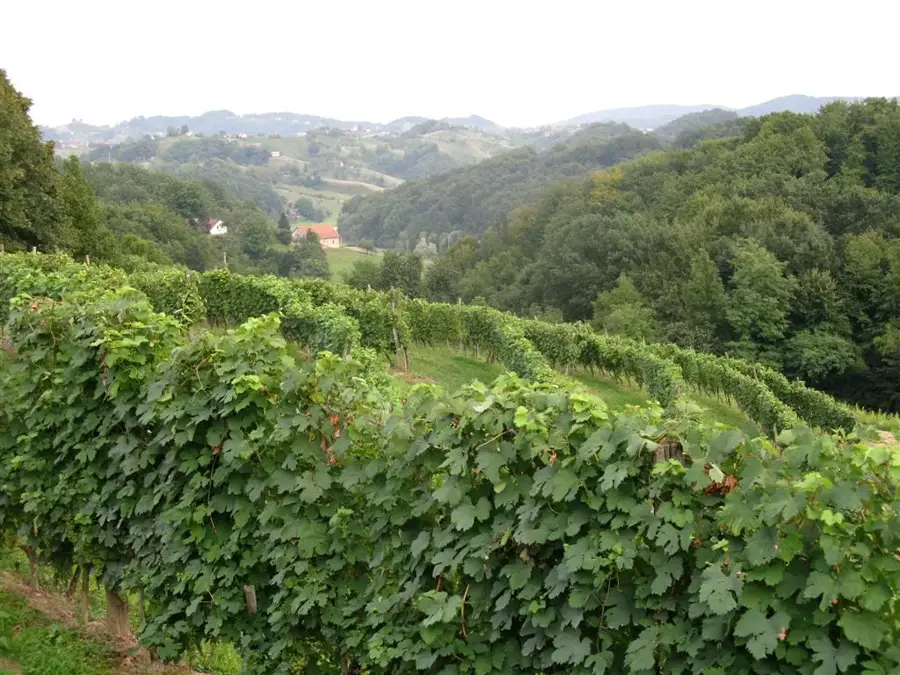
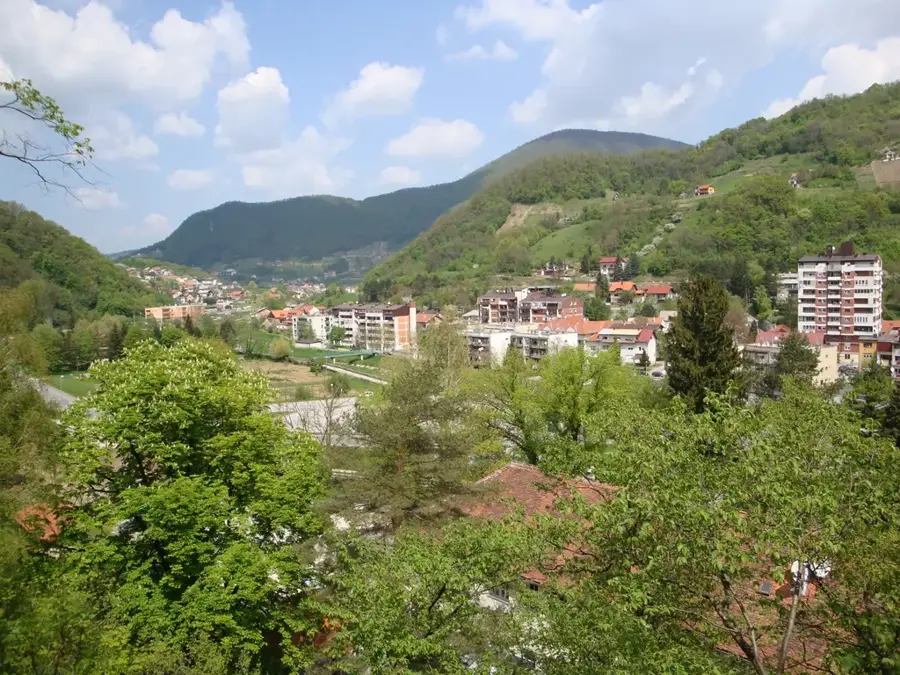
Krapina, set in the rolling hills of the Croatian Zagorje region, is a town of global paleontological significance. Its fame is based on the Hušnjakovo site, where at the end of the 19th century, researcher Dragutin Gorjanović-Kramberger discovered one of the world's largest collections of Neanderthal bones. Today, the state-of-the-art Krapina Neanderthal Museum, located right at the discovery site, houses an impressive interactive exhibition that takes visitors on a journey into prehistory, vividly illustrating the lives of these early humans. But Krapina is more than just its prehistoric past. The appealing old town with the parish church of St. Nicholas and the birthplace of the Croatian language reformer Ljudevit Gaj invites you to linger. The surrounding landscape is characterized by vineyards, small chapels, and traditional farms offering regional delicacies. Every year in September, the town becomes the centre of regional culture and music during the Festival of Kajkavian Songs (Festival kajkavskih popevki), making a visit particularly worthwhile.
The most pleasant time to visit is Jun–Aug.
| Jan | Feb | Mar | Apr | May | Jun | Jul | Aug | Sep | Oct | Nov | Dec | |
|---|---|---|---|---|---|---|---|---|---|---|---|---|
| Avg °C | -1 | 1 | 6 | 11 | 16 | 20 | 23 | 22 | 17 | 11 | 6 | 1 |
| Rain mm | 52 | 60 | 59 | 62 | 92 | 86 | 82 | 83 | 107 | 83 | 80 | 63 |
Notable places around
Where do you start? We build the route here, with stops and country notes along the way.
© OpenStreetMap contributors · OpenRouteService
Your day begins at the world-famous Neanderthal Museum and the Hušnjakovo excavation site. Afterwards, walk up to the old Krapina fortress for a wide view. The afternoon is dedicated to St. Nicholas Church and Matice Hrvatske Park. End the evening at one of the cozy restaurants in the city center.
The morning starts at the Neanderthal Museum, the perfect refuge from the rain. Immerse yourself in the prehistoric world while it pours outside. At midday, we take a short, rain-ready walk to Hušnjakovo Hill. The forest path is wet, but the atmosphere under the trees is mystical and quiet. In the afternoon, we visit the fortress and St. Nicholas Church. The rain gives the old town a shiny, melancholic charm. The evening ends cozily in a local restaurant in the center. Enjoy warm Croatian specialties while listening to the rain outside.
The winter morning begins briskly at the Neanderthal Museum. The modern exhibition offers warmth and fascinating insights into the Ice Age. At midday, we visit Hušnjakovo Hill. If it has snowed, the park transforms into a glittering winter landscape. In the afternoon, we explore the fortress and the church. The cold air is crisp, and the view over the snowy Zagorje region is unforgettable. The evening starts early as the city lights come on. In a warm restaurant, we enjoy Štrukli and the view of the wintry old town.
Explore Krapina on two wheels. Start at the prehistoric museum and then cycle through the historic old town. Visit the Franciscan monastery and the Gaj house. The tour offers a mix of modern science and baroque tradition.
A bike ride in the rain requires good preparation. We start at the museum, where there are safe covered spots for bikes. The ride to the fortress follows paved roads that can be slippery when wet. Exercise caution on descents. In the afternoon, we visit the Franciscan monastery and Ljudevit Gaj's birthplace. Short stops keep us moving. The day ends at a pizzeria. A hot meal is the reward for a weather-proof ride through Krapina.
Winter cycling in Krapina is refreshing. Wrapped up warm, we start at the museum, spending the first hour in the heat. The ride to the fortress is short but intense. The crisp air is invigorating as we climb the hill. In the afternoon, we cycle through the festively decorated town. The Franciscan monastery feels especially peaceful in winter. Finally, we warm up at the pizzeria. The combination of exercise in the cold and hot food is perfect.
By car, you can comfortably reach the pilgrimage church of Mary of Jerusalem on the hill above the city. In the morning, visit the Neanderthal Museum. In the afternoon, explore the fortress and the city center before having a nice dinner.
By car, we explore Krapina in a relaxed way. We park right at the museum and stay dry until the entrance. At midday, we head to the pilgrimage church of Maria of Jerusalem. The drive through the hilly landscape offers beautiful views even in the rain. In the afternoon, we visit the fortress. The car is the perfect sanctuary between the cultural highlights. The day ends in a restaurant in the center. Parking is available nearby, so the walk through the rain is short.
The winter drive through Krapina starts at the museum. In the warm car, we enjoy the view of the frosty hills. At midday, we drive to the church of Maria of Jerusalem. The snow-covered church on the hill is a classic photo opportunity. In the afternoon, we head to the fortress. The short walks from the parking lot to the sights are ideal in winter. The day ends cozily in the city center. The warm atmosphere of the restaurant is especially inviting after the cool winter air.
May to September; weekday mornings quietest at the Neanderthal Museum.
Small, safe town. Museum parking can fill on weekends.
Dobar dan = hello, Hvala = thank you. Museum staff speak English; German sometimes.