Plizio Visual Lab

Mura River
Plizio editorial teamData Sources
River
—°2
Mura River (Hungary)

Weather…

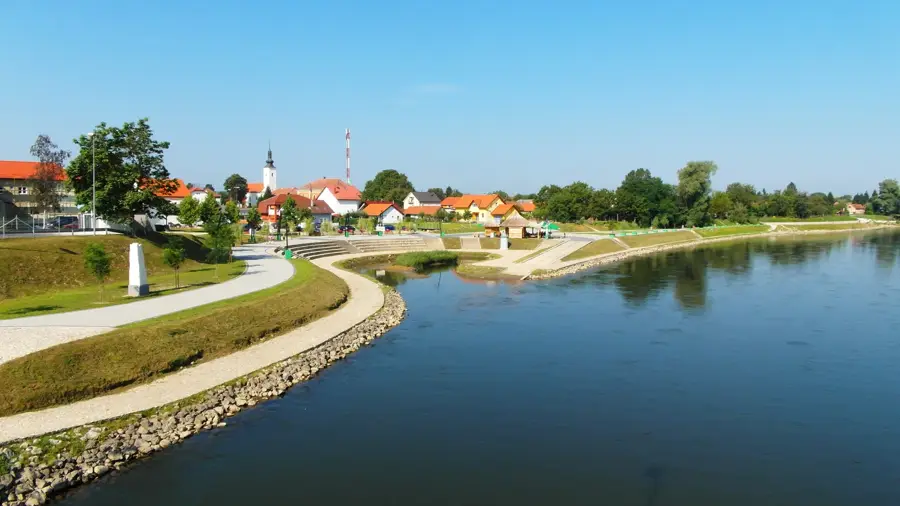
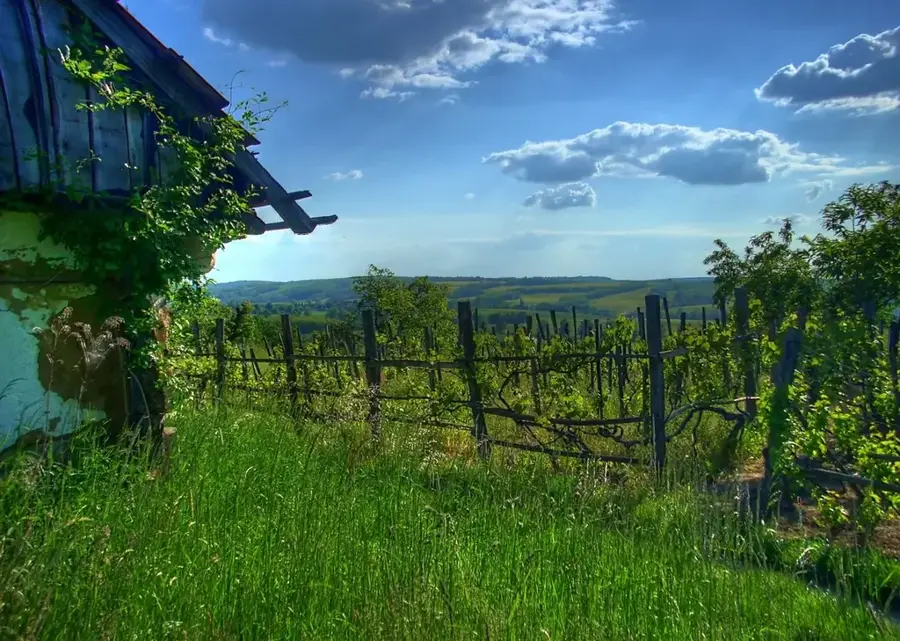
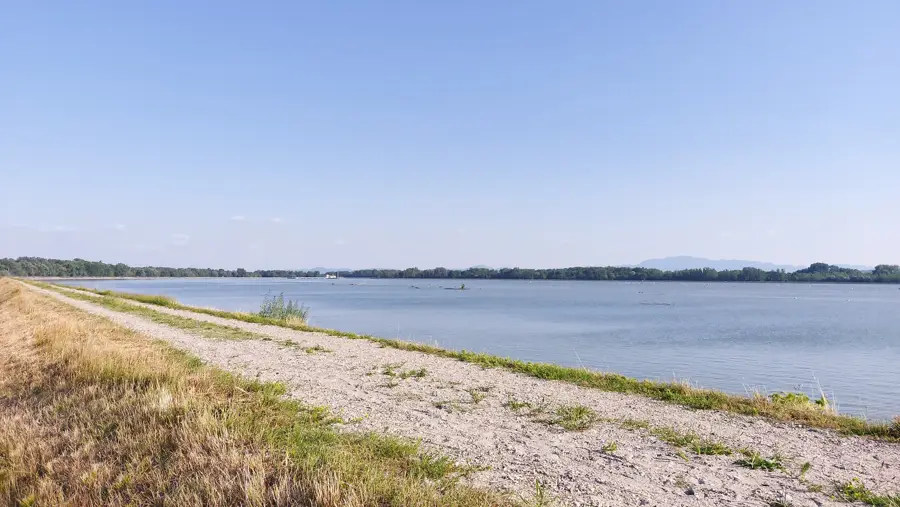
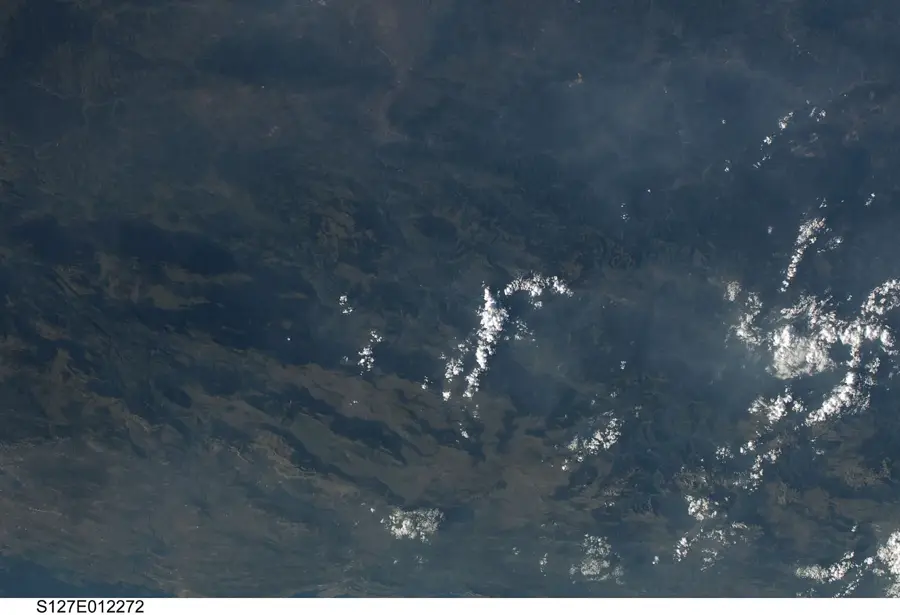
The Mura is a significant Alpine river in Central Europe and the largest tributary of the Drava River. It originates in the Hohe Tauern range of the Austrian Alps and flows for 444 kilometers through Austria, Slovenia, Croatia, and Hungary. In its lower reaches, the river forms the natural border between Hungary and its southern neighbors, shaping a unique floodplain landscape. This region is part of the Mura-Drava-Danube Biosphere Reserve, often called the 'Amazon of Europe' due to its exceptional biodiversity and pristine natural state. The Mura is characterized by its swift current and dynamic riverbed, featuring numerous side arms, oxbow lakes, and gravel banks. Historically, the river was vital for timber rafting and the operation of floating watermills, some of which have been restored as technical monuments. The untouched gallery forests along the river provide a sanctuary for rare bird species like the white-tailed eagle and the black stork, as well as a diverse range of fish.

Best time to visit & climate

The most pleasant time to visit is Jun–Aug.

JanFebMarAprMayJunJulAugSepOctNovDec
Avg °C-1151116202322161150
Rain mm405050528486838395716552

📋 Practical info

🧭
Getting there
This natural border area is generally accessed via smaller local roads leading from nearby Hungarian or Croatian towns. Public transport might be sparse in these quiet regions, making a private vehicle or bicycle the most reliable means of arrival.
📅
Best season
Late spring and summer present the optimal conditions for visiting, as the surrounding vegetation is lush and bustling. Autumn also provides a tranquil atmosphere, but winter visits can be harsh with cold winds sweeping across the open border landscapes.
⛰️
Terrain & paths
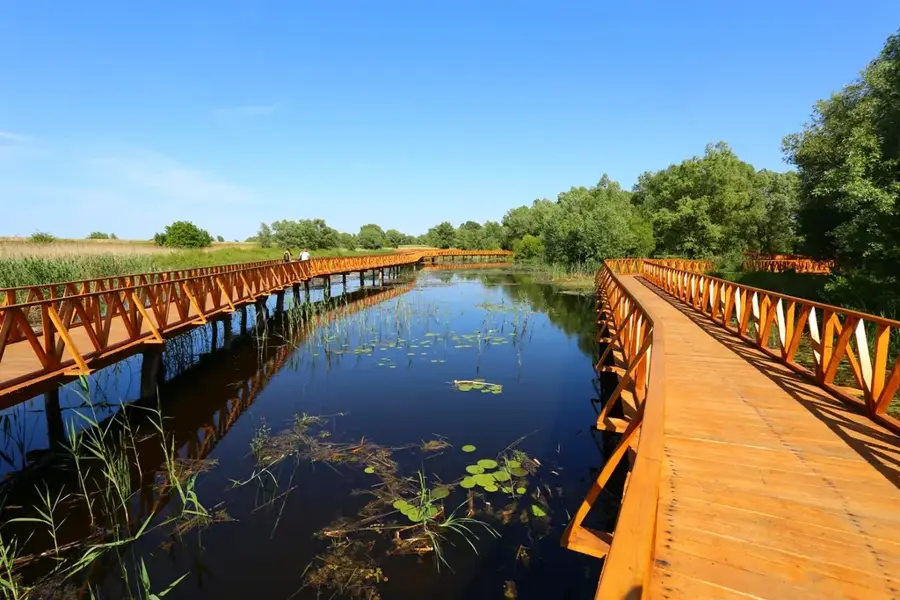
The environment mostly features natural, unpaved paths winding through untouched riparian forests and quiet floodplains. The terrain is generally flat but can become quite muddy and uneven after periods of rain, requiring a careful walking pace.
🎒
What to bring
Waterproof boots are highly recommended for navigating the often damp trails near the riverbanks. As this is a fairly wild and remote area, bringing insect repellent and sufficient drinking water is essential for a comfortable outdoor experience.
🅿️
Parking
Visitors typically leave their cars in the small villages near the border or at designated nature reserve entrances. It is advisable to park only in clear clearings or official spots to avoid damaging the delicate local ecosystem or getting stuck in mud.
⚠️
Safety
Border regulations may apply, so carrying proper identification is always a smart precaution in this transnational zone. Additionally, the fast-flowing currents and hidden underwater snags mean swimming in the river itself is usually strongly discouraged.
⏱️
Time needed
A brief hike to admire the pristine environment typically takes around a couple of hours. Dedicated nature enthusiasts and bird watchers might easily spend a half or full day exploring the remote corners of this serene border habitat.

Geography

Coordinates
46.40000, 16.70000

Facts

  • The total length of the Mura River is 444 kilometers.
  • It originates at an elevation of 1,898 meters in the Austrian Alps.
  • The river forms the international border for approximately 48 km in Hungary.
  • It is a core part of the UNESCO Mura-Drava-Danube Biosphere Reserve.
  • The river basin supports more than 50 different species of fish.
  • Traditional floating mills were used on the river until the early 20th century.

Explore nearby

Notable places around

Route planner — Car & Motorhome

Where do you start? We build the route here, with stops and country notes along the way.

Vehicle
Only stops with (optional):

© OpenStreetMap contributors · OpenRouteService

Sights in the town Mura River (2)

Črni most

Ruins of a bridge over the Mura River, likely 19th-century, only pillars remain.

Etno Kuča Goričan🏛 museum

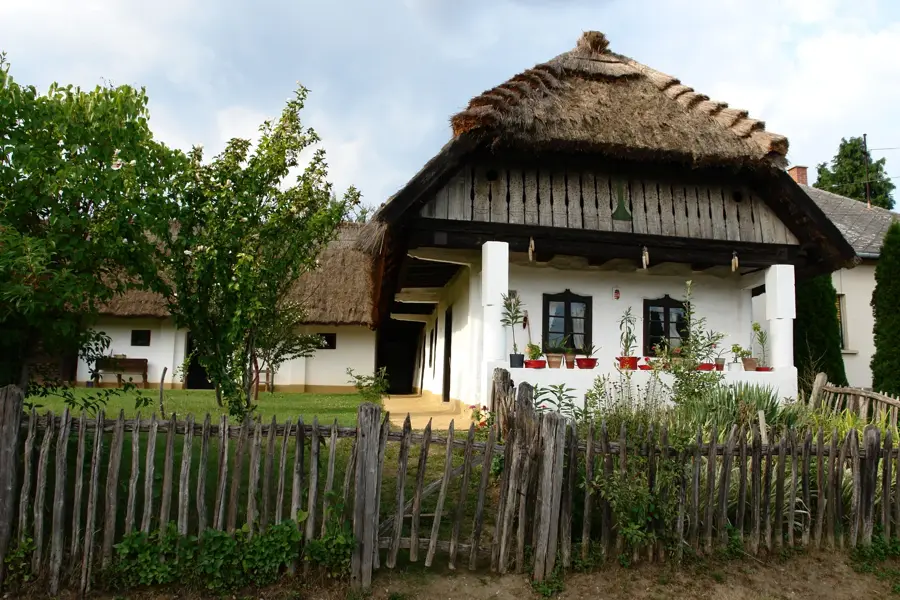
Open-air ethnographic museum in Goričan, displaying traditional rural architecture and household items.

Sights nearby

Frequently asked questions

Is the Mura a border river?
Yes, for significant stretches it forms the natural border between Hungary and Croatia.
Can you go kayaking or canoeing on the Mura?
Yes, but due to the swift current and border location, it is mostly recommended as part of organized tours.
Can water mills still be seen on the river?
Yes, a restored ship mill can be seen in Szécsisziget or in the neighboring Slovenian village of Ižakovci.
What is the Mura Biosphere Reserve?
It is part of the transboundary UNESCO Mura-Drava-Danube Biosphere Reserve, protecting rare floodplain forests.
Is fishing allowed in the Mura?
Yes, it is allowed with a valid license. The river is famous for its barbel and nase populations.
Mura River: where is it located?
Mura River is located in Hungary.
Mura River: what is there to see?
Highlights include Črni most, Etno Kuča Goričan.
Mura River: when is the best time to visit?
The most pleasant time to visit is Jun, Aug.
Mura River: why is it worth visiting?
The Mura is a significant Alpine river in Central Europe and the largest tributary of the Drava River.
View on map → The Top 50 Attractions → OpenStreetMap →
Europe
Explore with Plizio Discover more places in Europe
More places in Hungary →

Nearby cities

History & landmarks
Nature
More places