Plizio Visual Lab
Hallstatt
ℹ️Practical info — Hallstatt
▾
🌤 Weather — 5 days
📍 Nearby
Sights nearby
💡 Tips
- Arrive before 9 AM or after 5 PM to avoid the heaviest tourist crowds.
- Park in the P1 or P2 parking lots outside the center, as driving into the village is restricted.
- The classic postcard viewpoint is located on the Gosaumühlstraße just north of the town center.
- Save money by filling your water bottle at public fountains with fresh Alpine spring water.
- Bring a rain jacket, as mountain weather by the lake can change very quickly.
🍽 Food
Try this local whitefish, ideally freshly caught, at traditional restaurants situated directly on the lakeside.
Enjoy these hearty cheese noodles at cozy alpine huts located near the salt mine.
Order a classic apple strudel with a cup of coffee at one of the small cafes around the market square.
🛍 Shopping · 🧘 Quiet spots
Buy local rock salt sourced from the world's oldest salt mine in the souvenir shops near the market square.
Look for small, traditional wooden figures and carvings at the stalls along the Seestraße.
Take a walk into this peaceful valley just behind the town, where you will find quiet hiking trails and beautiful waterfalls.
Visit the historically serene and fascinating bone house located next to the Catholic church.
Walk away from the center towards Obertraun to escape the bustle and enjoy calm, uninterrupted views over the water.
Water temperature…
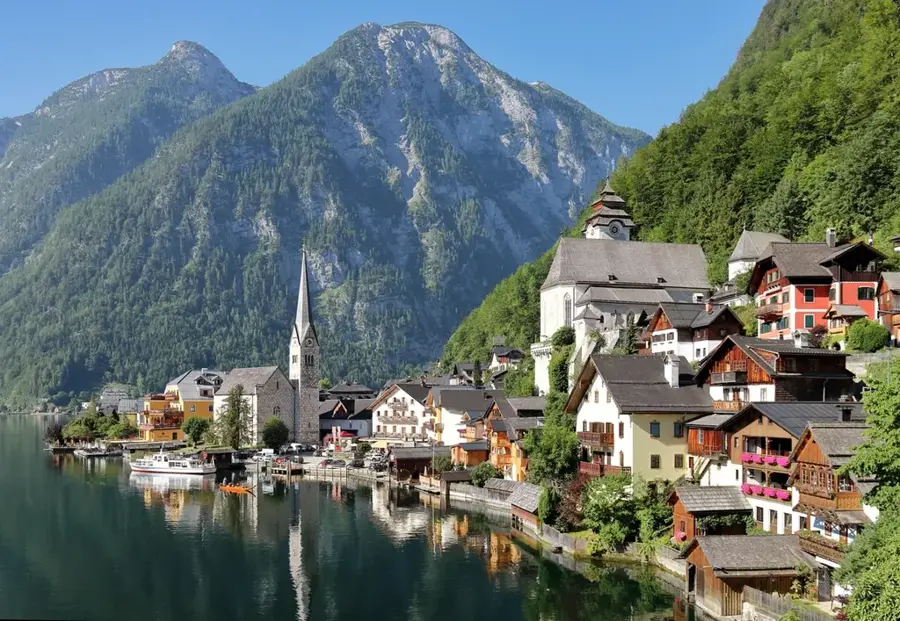
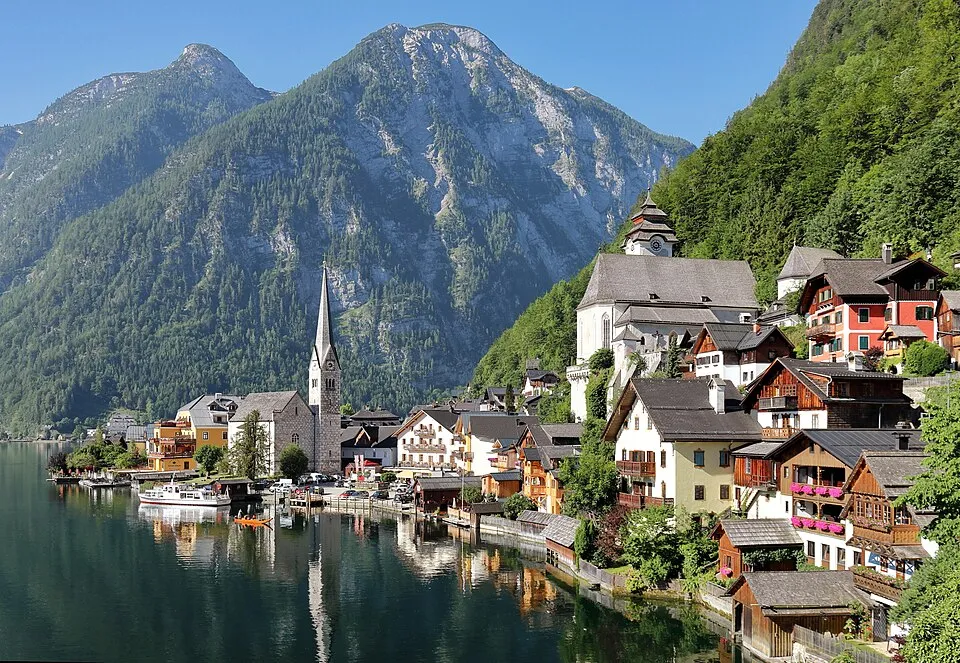
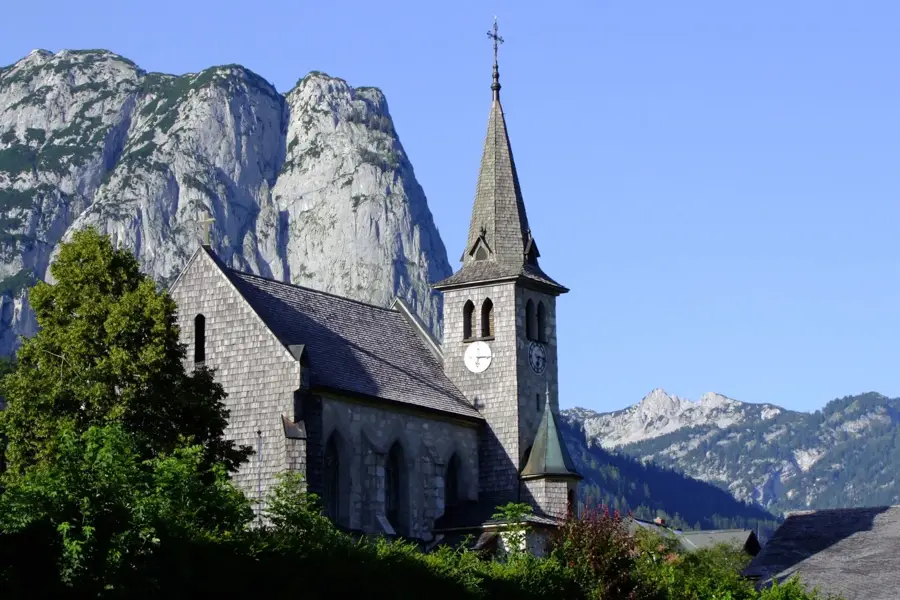
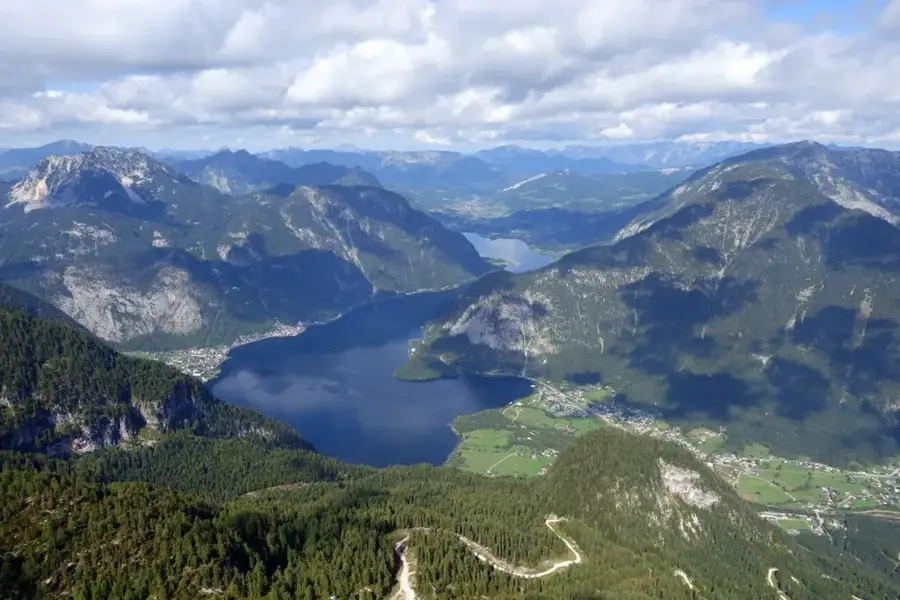
Hallstatt is located in the Salzkammergut region of Upper Austria on the shores of Lake Hallstatt and is the center of the namesake Hallstatt culture. The village has a history of salt mining spanning over 7,000 years, with the local salt mine considered the oldest in the world. Archaeological finds from the burial ground in the high valley led to the definition of a distinct epoch of the early Iron Age. Due to its extraordinary combination of natural landscape and human settlement activity, the region was inscribed on the UNESCO World Heritage list in 1997. The dense construction on the narrow shoreline and the terraced houses characterize the village's distinctive appearance. Significant sights include the Ossuary, which houses over 1,200 painted skulls, and the lakeside Evangelical Church. Today, the village attracts millions of visitors annually and serves as a prime example of alpine cultural tourism.
- Location: Upper Austria, Austria
- Top sights: Gräberfeld · Schloss Grub · Welterbemuseum Hallstatt
- Nearby: Gosau (9 km)
- Population: ~779
Best time to visit & climate
The most pleasant time to visit is Jun–Aug.
| Jan | Feb | Mar | Apr | May | Jun | Jul | Aug | Sep | Oct | Nov | Dec | |
|---|---|---|---|---|---|---|---|---|---|---|---|---|
| Avg °C | -5 | -5 | -1 | 4 | 9 | 13 | 15 | 14 | 10 | 6 | 1 | -4 |
| Rain mm | 82 | 67 | 81 | 75 | 140 | 167 | 177 | 175 | 132 | 96 | 73 | 76 |
Geography
Facts
- UNESCO World Heritage since 1997
- World's oldest salt mine (7,000 years old)
- Ossuary containing 1,200 painted skulls
- Eponym for the Hallstatt culture (800–450 BC)
- Elevation of 511 meters above sea level
- Population of approximately 780 inhabitants
Explore nearby
Notable places around
Route planner — Car & Motorhome
Where do you start? We build the route here, with stops and country notes along the way.
© OpenStreetMap contributors · OpenRouteService
Sights in the town Hallstatt (14)
Frequently asked questions
Where is the best photo spot in Hallstatt?
Is parking allowed in the center of Hallstatt?
When should you visit Hallstatt to avoid crowds?
How do I get to the salt mine?
What is the ossuary (Beinhaus) in Hallstatt?
Hallstatt: where is it located?
Hallstatt: what is there to see?
Hallstatt: when is the best time to visit?
Hallstatt: why is it worth visiting?

Nearby cities
Nature
More places