Plizio Visual Lab

Traunstein
Plizio editorial teamData Sources
Mountain
—°8
Traunstein (Austria)

Weather…

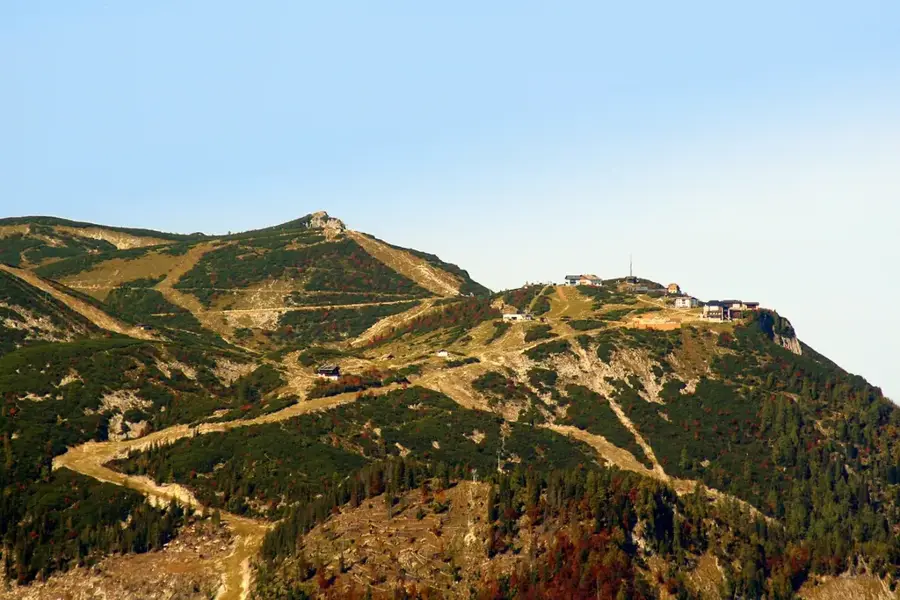
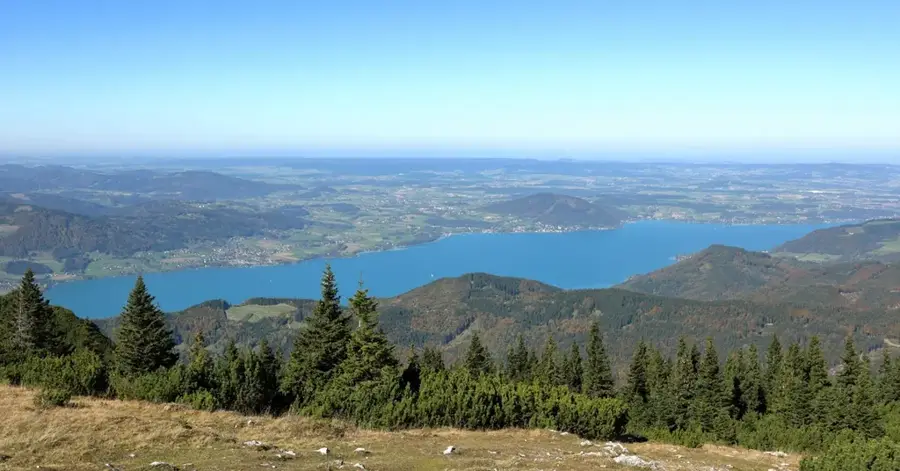
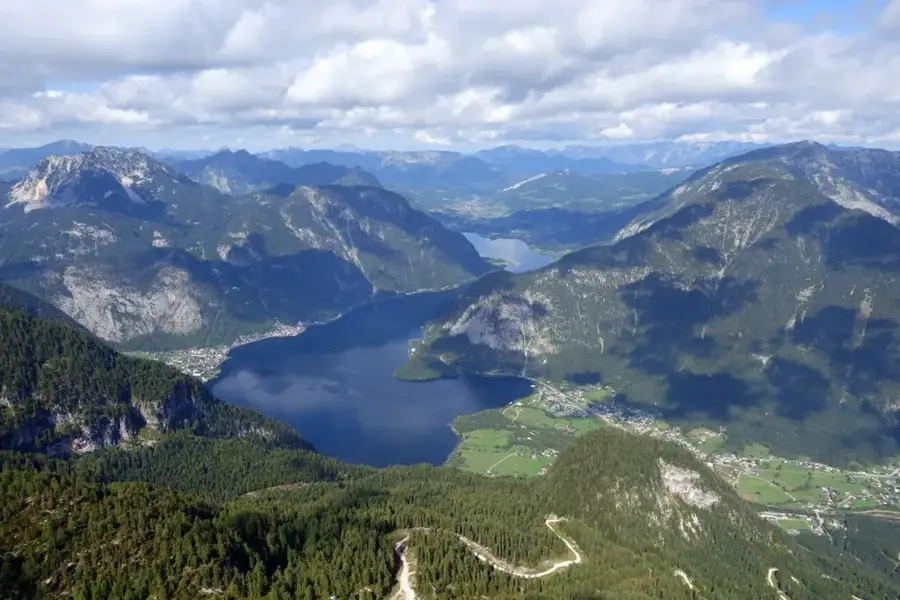
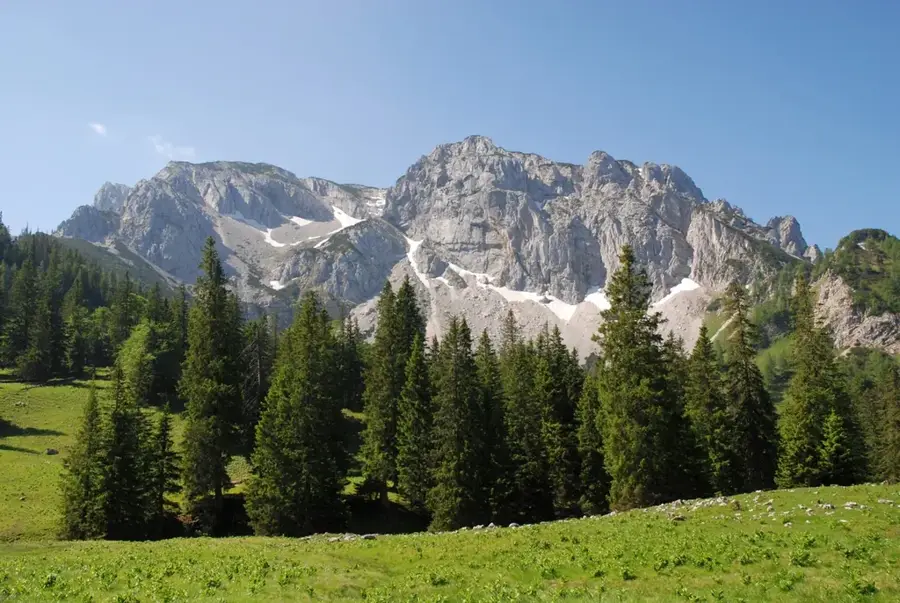
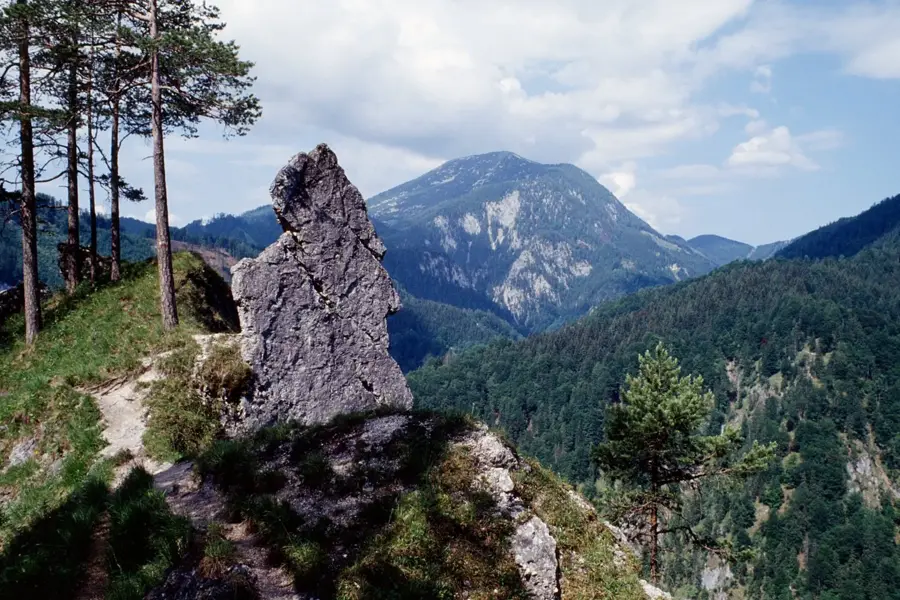
Rising to 1,691 meters, Traunstein is the most distinctive mountain on the eastern shore of Lake Traunsee, often called the 'Guardian of the Salzkammergut'. Its sheer limestone precipices rise almost vertically from the lake, making it one of Upper Austria's most recognizable natural landmarks. Geologically, it consists of weather-resistant Dachstein limestone, which accounts for its characteristic block-like appearance. Ascending the mountain via routes such as the Naturfreundesteig or Hernlersteig is demanding and requires a total absence of vertigo and fundamental climbing skills. The summit plateau hosts two mountain huts, the Traunsteinhaus and the Gmundner Hütte, providing refuge for hikers. Historically, the mountain was first mapped in 1561, and its first summit cross was installed as early as 1860. The flora on Traunstein is highly specialized due to the extreme exposure, including rare species like the Traunstein silkplant which find a critical habitat here.

Best time to visit & climate

The most pleasant time to visit is Jun–Aug.

JanFebMarAprMayJunJulAugSepOctNovDec
Avg °C-2-138131718181394-1
Rain mm94738568132152149150115897081

📋 Practical info

🧭
Getting there
The imposing Traunstein is typically tackled directly from the parking areas distributed along the eastern shore road of Lake Traunsee, just outside of Gmunden. From these points, three distinct, steep, and partially cable-secured trails-the Naturfreundesteig, Hernlersteig, and Mairalmsteig-lead up to the prominent rocky plateau.
📅
Best season
Due to the highly demanding nature of the ascents, the safest timeframe for climbing is usually from June through October, when the rock is reliably dry and snow-free. During winter and early spring, the mountain is generally strictly off-limits to normal hikers owing to massive avalanche risks and entirely iced-over flanks.
⛰️
Terrain & paths
The Traunstein is an extremely steep limestone monolith that absolutely demands basic climbing agility and a total lack of vertigo on its highly exposed, rocky paths. The terrain leaves zero room for error; the routes are frequently secured with steel cables and ladders, and even the descent routes are notoriously tough on the knees.
🎒
What to bring
Rigid, exceptionally grippy mountain boots, a climbing helmet to protect against rockfall, and optionally a via ferrata set for the trickier sections are essential here. Because the grueling ascent mostly takes place under the blazing sun on steep south-facing walls, carrying an extraordinary amount of drinking water is mandatory.
🅿️
Parking
Marked parking zones, most of which require a fee, are located along the Traunsteinstraße, but these become utterly overcrowded extremely quickly on beautiful summer days. To avoid parking tickets, it is strongly advised to arrive very early in the morning or to utilize the convenient shuttle bus services operating from Gmunden.
⚠️
Safety
This formidable mountain simply does not forgive carelessness; overestimating one's abilities and sudden weather shifts regularly result in dangerous mountain rescue operations. When wet, the polished limestone transforms into a treacherous slide, meaning you must absolutely stay in the valley if there is any threat of rain.
⏱️
Time needed
For the energy-sapping ascent and the highly focused descent, hikers must realistically budget for a full, extremely strenuous day on the mountain, typically lasting seven to nine hours. Many mountaineers wisely choose to spend the night at one of the two summit huts to safely enjoy the magnificent panoramic sunset.

Geography

Coordinates
47.85000, 13.84000

Facts

  • The summit of Traunstein reaches a height of 1,691 m.
  • It is famously nicknamed the 'Guardian of the Salzkammergut'.
  • The first summit cross was erected on the mountain in 1860.
  • There are three marked but difficult climbing routes to the peak.
  • The Gmundner Hütte on the summit plateau is at 1,666 m.
  • Geologically, it is a prominent part of the Northern Limestone Alps.

Explore nearby

Notable places around
Route planner — Car & Motorhome

Where do you start? We build the route here, with stops and country notes along the way.

Vehicle
Only stops with (optional):

© OpenStreetMap contributors · OpenRouteService

Sights in the town Traunstein (8)

Hochkogel

Mountain in the Upper Austrian Prealps, a hiking area.

Mei is des schön

Viewpoint overlooking Lake Traunsee and the Salzkammergut region.

Traunsee Panorama

Viewpoint with a panoramic view of Lake Traunsee and the surrounding mountains.

Obere Eisenau

Ruins of a former settlement or castle in the Traunstein area.

Wasserkogel

Mountain in the Upper Austrian Prealps, a peak with a view.

Hohe Rast

Viewpoint on Traunstein, a resting place with a distant view.

Traunstein

Mountain in the Upper Austrian Prealps, a prominent peak.

Gasselhöhle

Cave in Austria, a natural karst formation in the Traunstein massif.

Sights nearby

Frequently asked questions

Why is it called the 'Guardian of the Salzkammergut'?
Because it rises prominently and steeply on the eastern shore of Lake Traunsee and is visible from afar.
Is the ascent of the Traunstein difficult?
Yes, all trails are steep, partially secured, and require good fitness and sure-footedness.
What huts are at the summit?
The Gmundner Haus and the Traunsteinhütte offer food and places to sleep.
How high is the mountain?
The Traunstein is 1,691 meters high.
How is the view?
Spectacular over Lake Traunsee, the Alpine foothills, and the peaks of the Totes Gebirge.
Traunstein: where is it located?
Traunstein is located in Upper Austria, Austria.
Traunstein: what is there to see?
Highlights include Hochkogel, Mei is des schön, Traunsee Panorama.
Traunstein: when is the best time to visit?
The most pleasant time to visit is Jun, Aug.
Traunstein: why is it worth visiting?
Rising to 1,691 meters, Traunstein is the most distinctive mountain on the eastern shore of Lake Traunsee, often called the 'Guardian of the Salzkammergut'.
View on map → The Top 50 Attractions → OpenStreetMap →
Europe
Explore with Plizio Discover more places in Europe
More places in Austria →

Nearby cities

Nature
More places