Plizio Visual Lab

Dachstein West
Plizio editorial teamData Sources
Mountain
—°4
Dachstein West (Austria)

Weather…

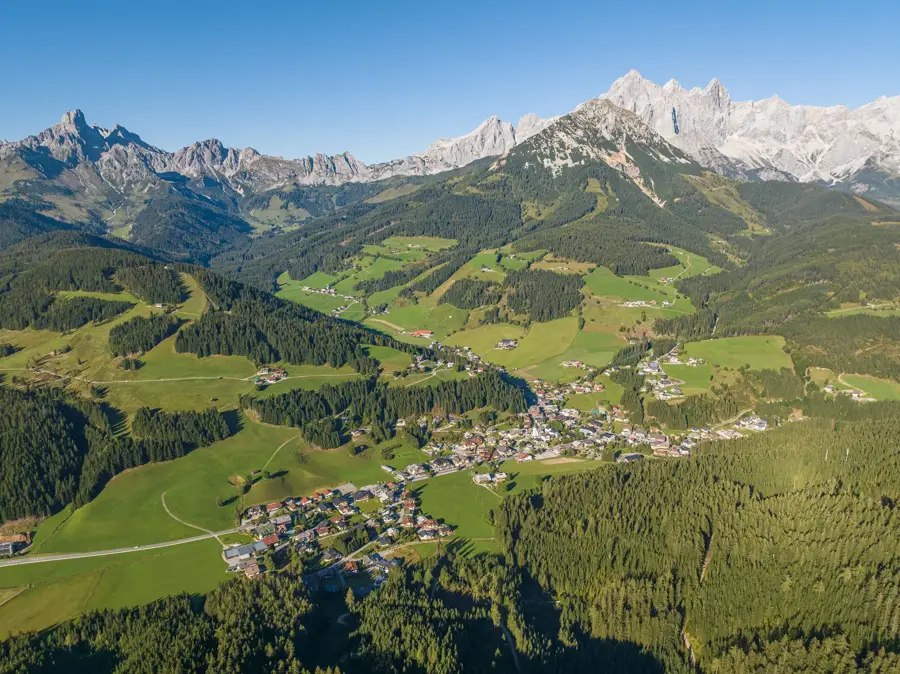
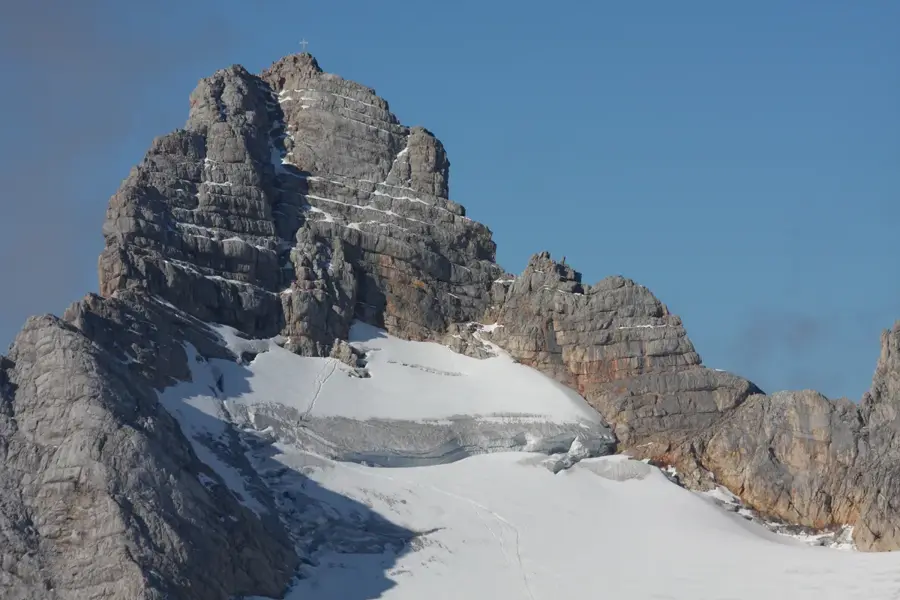
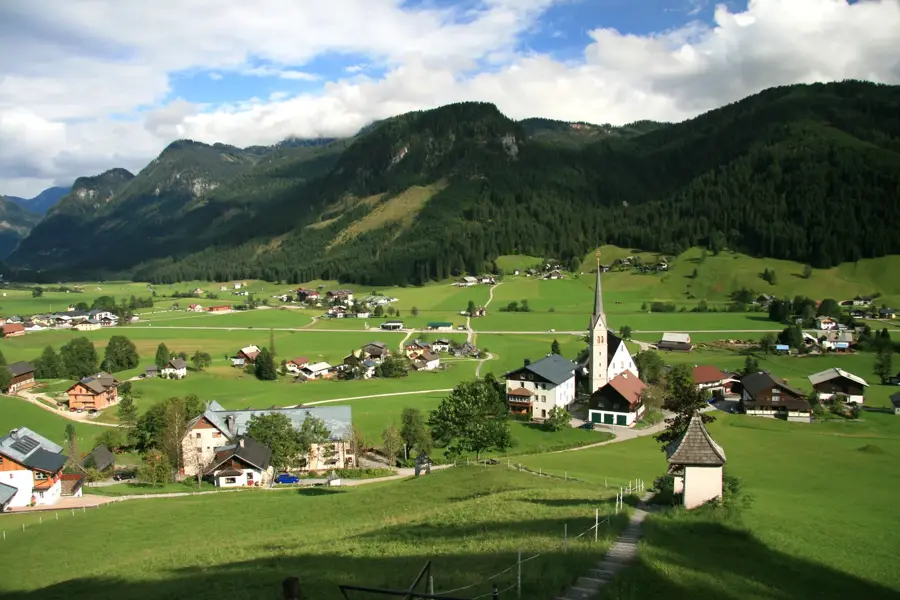
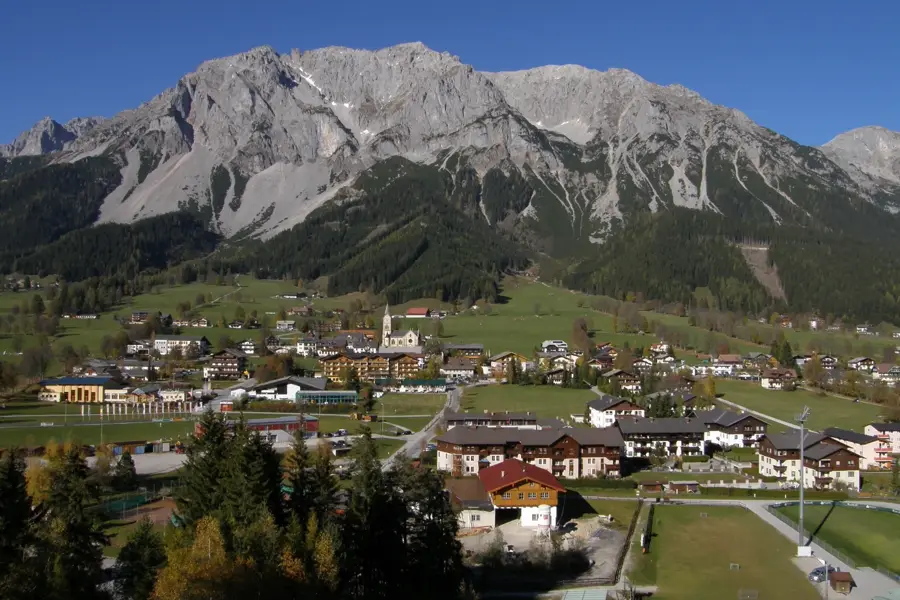
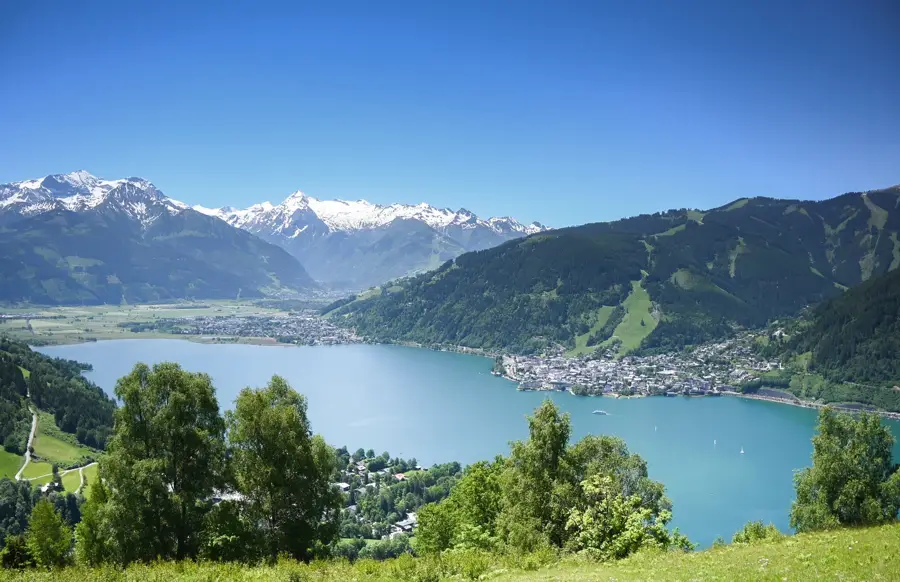
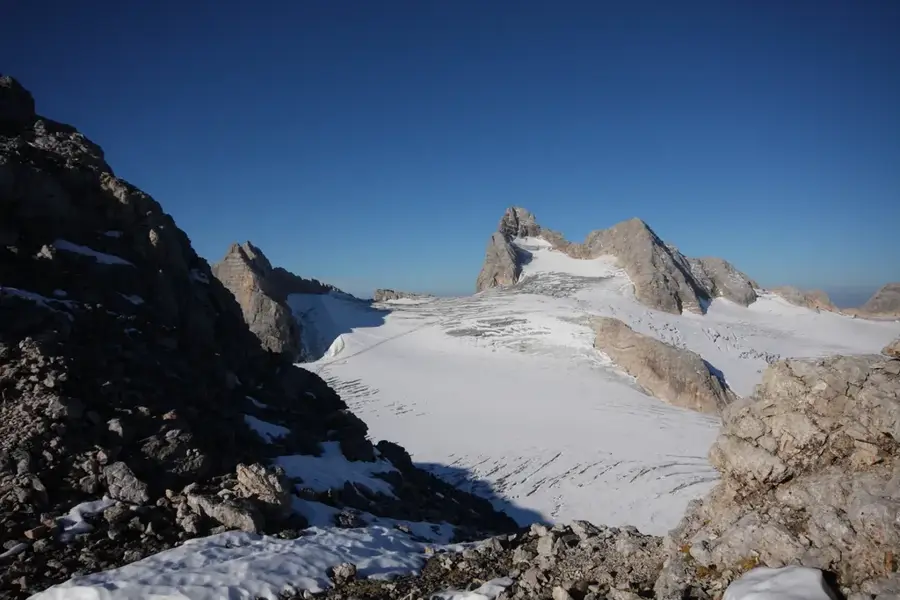
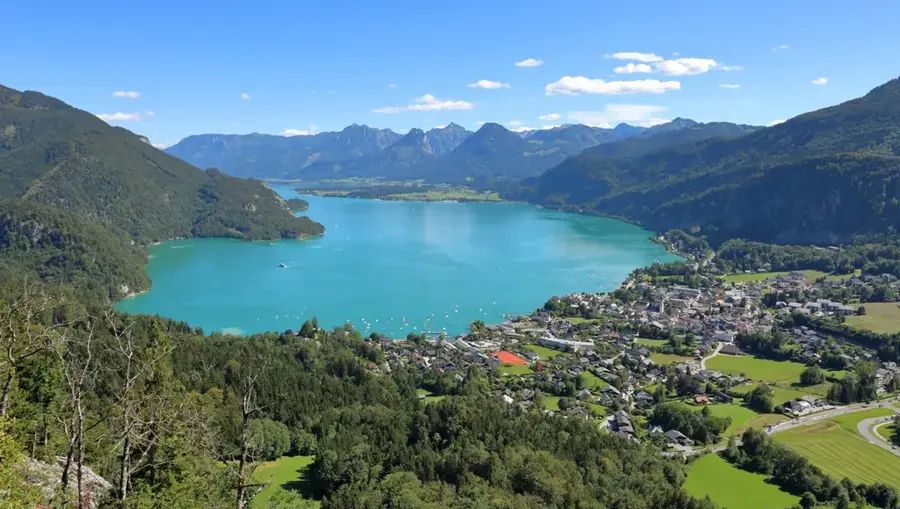
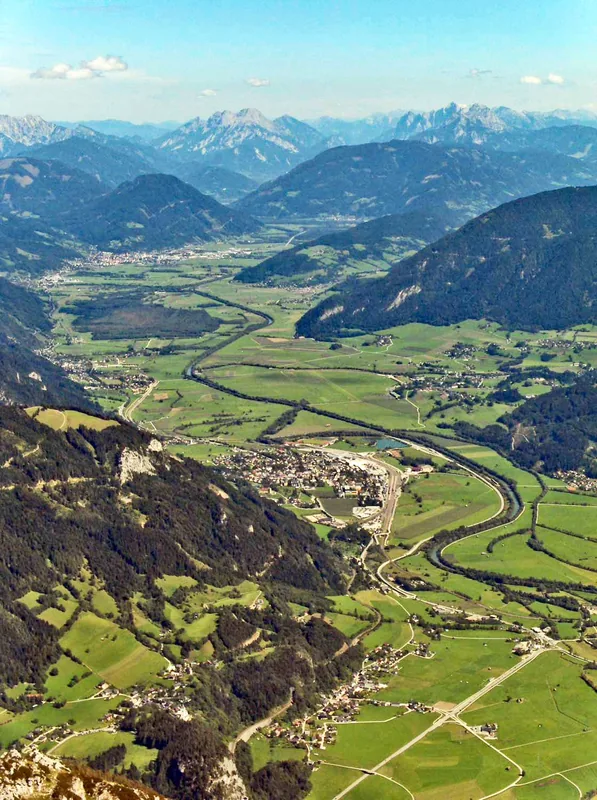
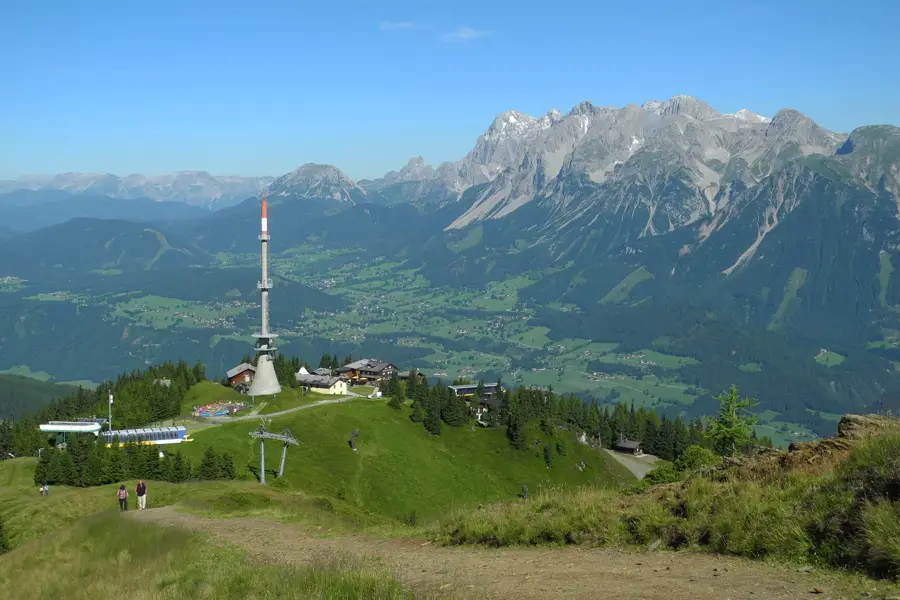
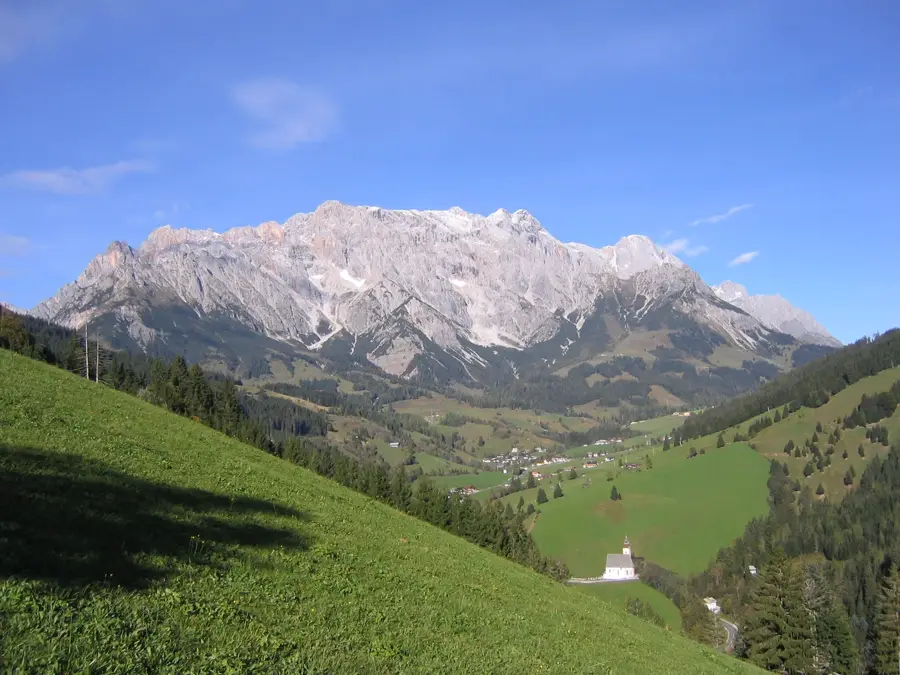
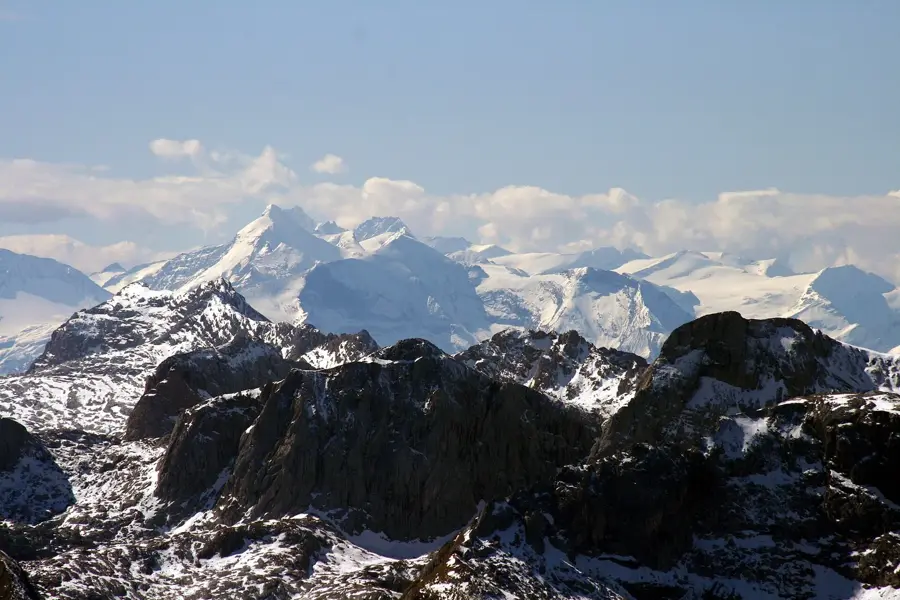
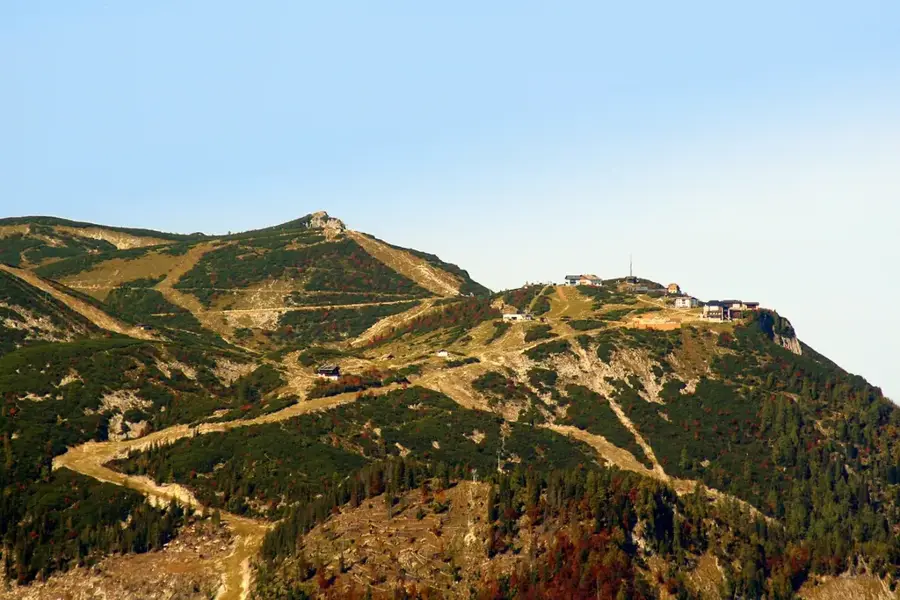
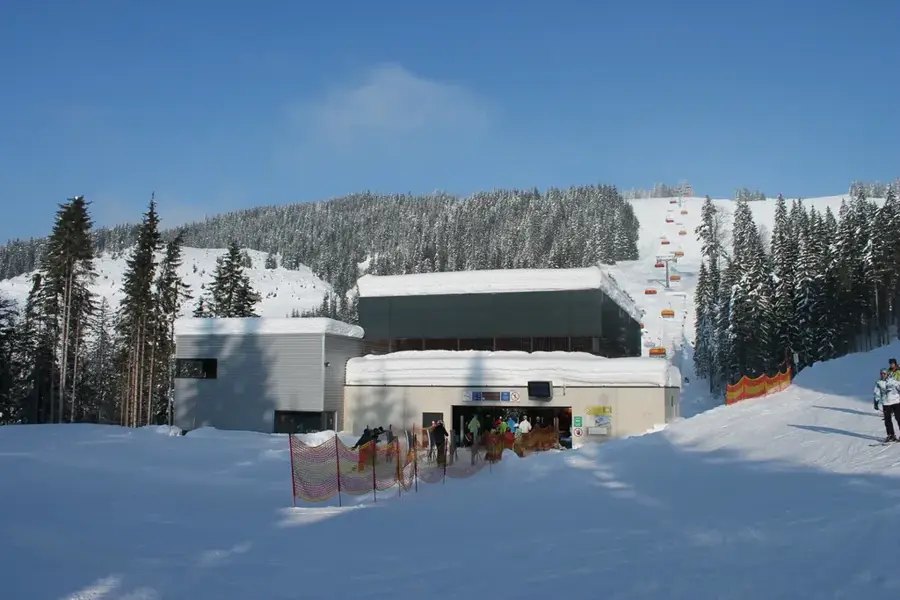
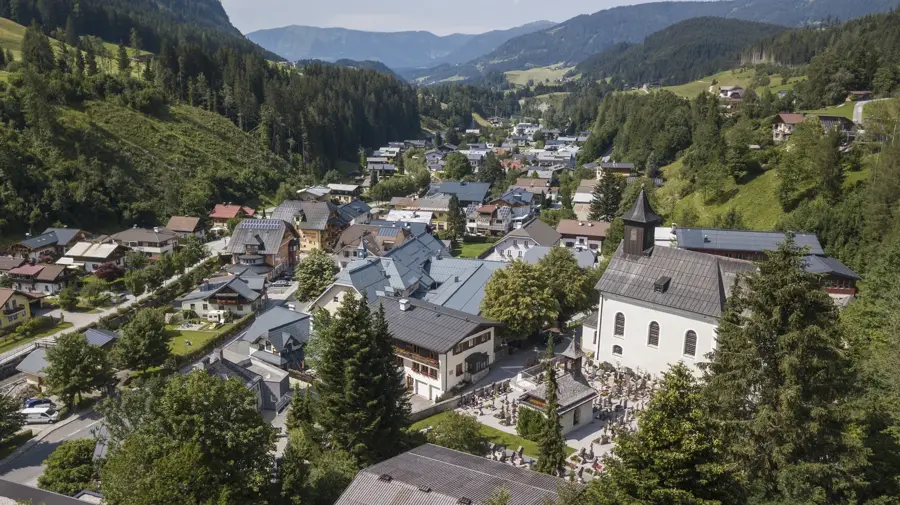
The Dachstein West region is a significant tourism area on the border between Upper Austria and Salzburg, primarily accessed via the villages of Gosau, Russbach, and Annaberg. The landscape is shaped by the gentle foothills of the mighty Dachstein massif, featuring a characteristic karst topography with expansive alpine meadows and dense coniferous forests. Geologically, the bedrock consists mainly of Dachstein limestone, deposited during the Triassic period over 200 million years ago in the shallow Tethys Ocean. The region is part of the Hallstatt-Dachstein/Salzkammergut UNESCO World Heritage site and possesses a centuries-old tradition in alpine farming and salt mining. Today, it serves as a central hub for winter sports with over 160 kilometers of ski slopes and gives an extensive network of hiking trails during the summer. The flora is distinguished by protected alpine species such as gentian and lady's slipper orchids, while local architecture remains defined by traditional wooden houses and historic alpine huts.

Best time to visit & climate

The most pleasant time to visit is Jun–Aug.

JanFebMarAprMayJunJulAugSepOctNovDec
Avg °C-5-5-1491315141061-4
Rain mm82678175140167177175132967376

📋 Practical info

🧭
Getting there
The northern foothills of the Dachstein massif are typically accessible via regional mountain roads that generally lead directly to the main entry points of the winter sports areas. Regular local transit connections often link the surrounding valleys well with these base locations.
📅
Best season
Winter is naturally the prime season for skiing across the entire Dachstein West region, while the warmer summer months provide excellent conditions for extended hiking tours. Clear high-pressure weather during the cold season ensures the best visibility of the surrounding alpine landscape.
⛰️
Terrain & paths
The expansive terrain ranges from groomed ski slopes in the winter to varied hiking trails through the foothills during the snow-free periods. Visitors can generally expect a harmonious blend of gentle slopes and occasionally more demanding alpine sections.
🎒
What to bring
Appropriate alpine equipment is strictly necessary, including specific winter sports gear during the cold season and sturdy hiking boots for summer excursions. The proven layering principle for clothing and adequate sun protection are strongly recommended throughout the entire year.
🅿️
Parking
Designated visitor parking spaces are typically available near the lower lift stations and at the main starting points of the surrounding villages. On heavily frequented winter weekends, arriving early is generally very advisable to secure a convenient parking spot.
⚠️
Safety
Always pay very close attention to official avalanche warnings in winter and, if possible, never leave the marked and secured ski slopes. Sudden weather changes in the mountains are common, which is why one must always be prepared for rapidly dropping temperatures.
⏱️
Time needed
A typical stay in this area ranges from an intensive day on skis to several days for a detailed exploration of the extensive trail network. Even for a shorter, relaxed summer hiking excursion, one should definitely plan for at least a half-day to fully enjoy the region.

Geography

Coordinates
47.50000, 13.50000

Facts

  • The area encompasses the three main villages: Gosau, Russbach, and Annaberg.
  • Geologically, the 200-million-year-old Dachstein limestone dominates.
  • The ski resort offers approximately 160 kilometers of groomed slopes.
  • The region has been part of a UNESCO World Heritage site since 1997.
  • The Gosaukamm range forms a striking rocky backdrop in the western part.
  • Historically, the region was a center for Protestant woodcutters.

Explore nearby

Notable places around
Route planner — Car & Motorhome

Where do you start? We build the route here, with stops and country notes along the way.

Vehicle
Only stops with (optional):

© OpenStreetMap contributors · OpenRouteService

Sights in the town Dachstein West (4)

Ahornwald🌿 nature

A scenic forest area in the Dachstein West region known for its maple trees.

Hacklplatten📍 landmark

A rugged mountain peak providing panoramic views of the Alpine landscape.

Däumling📍 landmark

A striking rock peak in the Gosaukamm group known for its distinct shape.

Großwand📍 landmark

An impressive mountain face in the Dachstein region, attracting experienced climbers.

Sights nearby

Frequently asked questions

Is the area family-friendly?
Yes, there are wide slopes and children's parks like Brumsiland.
Which villages belong to the ski area?
Gosau, Russbach, and Annaberg are the main access points.
Can you hike here in summer?
Yes, there are numerous hiking trails with views of the Gosaukamm.
Is there a ski connection between the villages?
Yes, the villages are directly connected by lifts and slopes.
What is the Panorama Round?
The Panoronda is a 44 km long marked ski circuit.
Dachstein West: where is it located?
Dachstein West is located in Salzburg, Austria.
Dachstein West: what is there to see?
Highlights include Ahornwald, Hacklplatten, Däumling.
Dachstein West: when is the best time to visit?
The most pleasant time to visit is Jun, Aug.
Dachstein West: why is it worth visiting?

The Dachstein West region is a significant tourism area on the border between Upper Austria and Salzburg, primarily accessed via the villages of Gosau, Russbach, and Annaberg.
View on map → The Top 50 Attractions → OpenStreetMap →
Europe
Explore with Plizio Discover more places in Europe
More places in Austria →

Nearby cities

History & landmarks
Nature
More places